

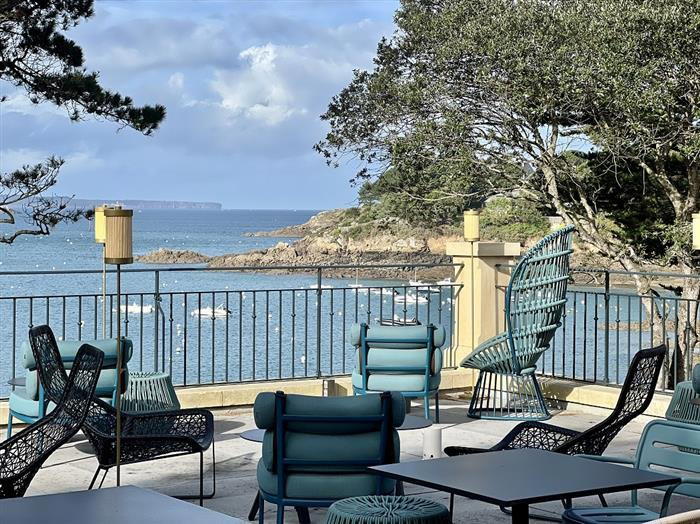
A three-Michelin-star property on the Breton coast near Cancale, Les Maisons de Bricourt operates as a family-run compound where Château Richeux anchors the culinary program alongside clifftop rooms, seaside cabins, and a working farm. Rooms start from US$293 per night across 13 keys, placing it among France's most credentialed coastal retreats. The bay view toward Mont Saint-Michel is incidental to neither the architecture nor the dining.
Pearl is the En Primeur Club membership app — saves, bookings, and concierge access live there. Same editors, same standards.
- Address
- Le Buot, 35350 Saint-Méloir-des-Ondes
- Phone
- +33 2 99 89 64 76
- Website
- roellinger-bricourt.com
- Directions
- Get directions
 Saves & bookings on Pearl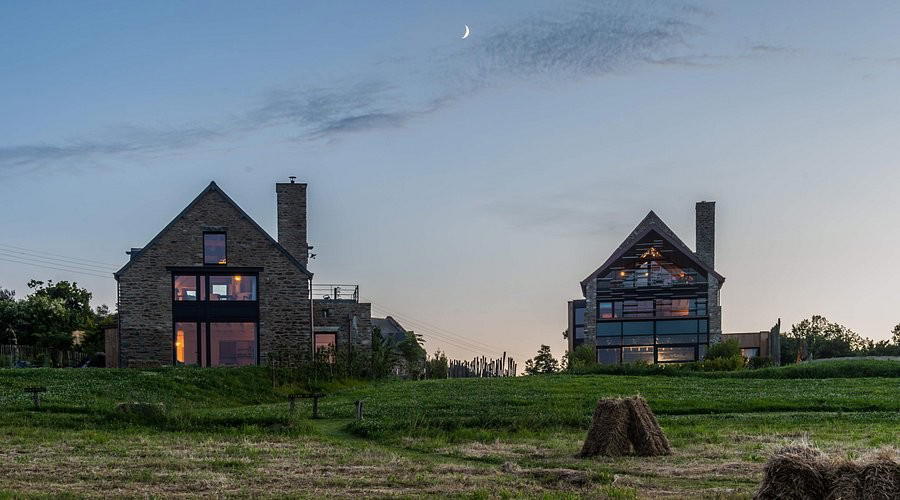
Where the Breton Coast Meets Its Most Serious Dining Address
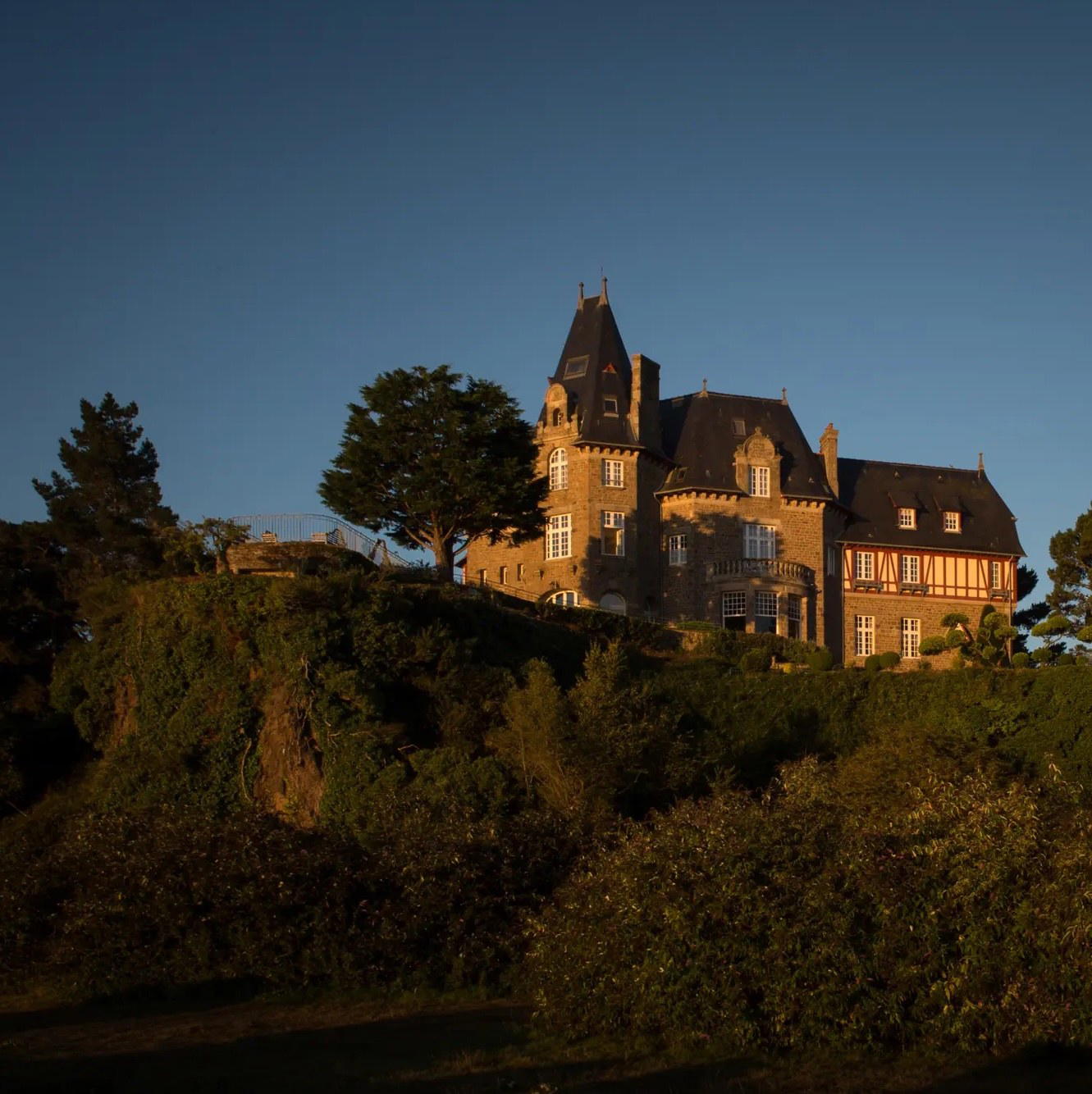
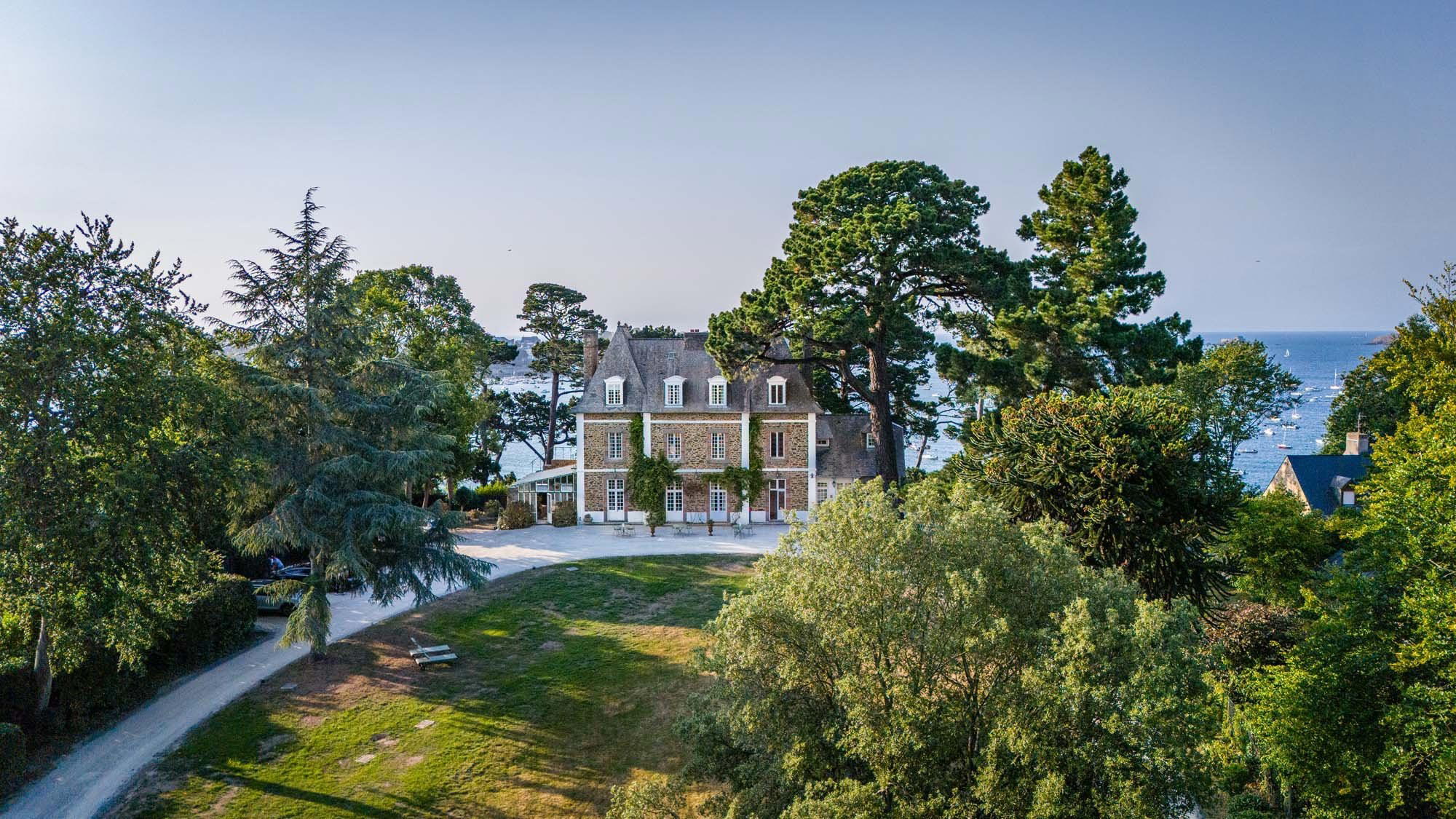
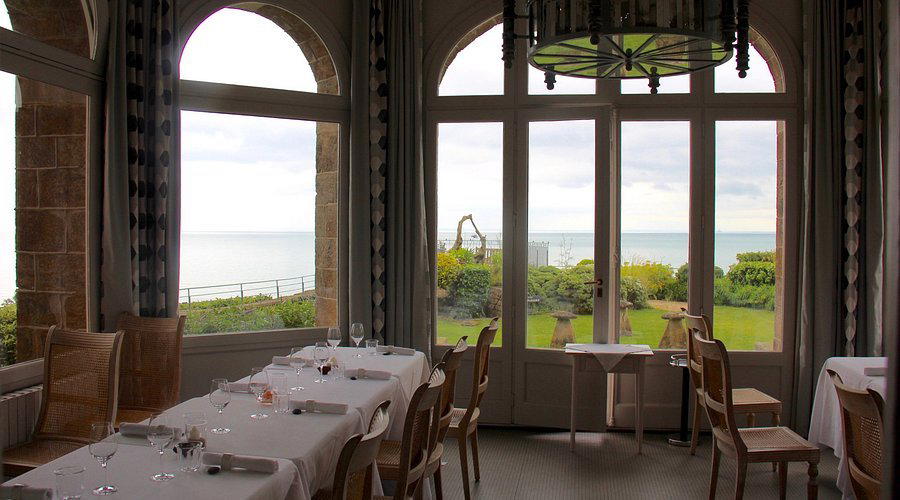
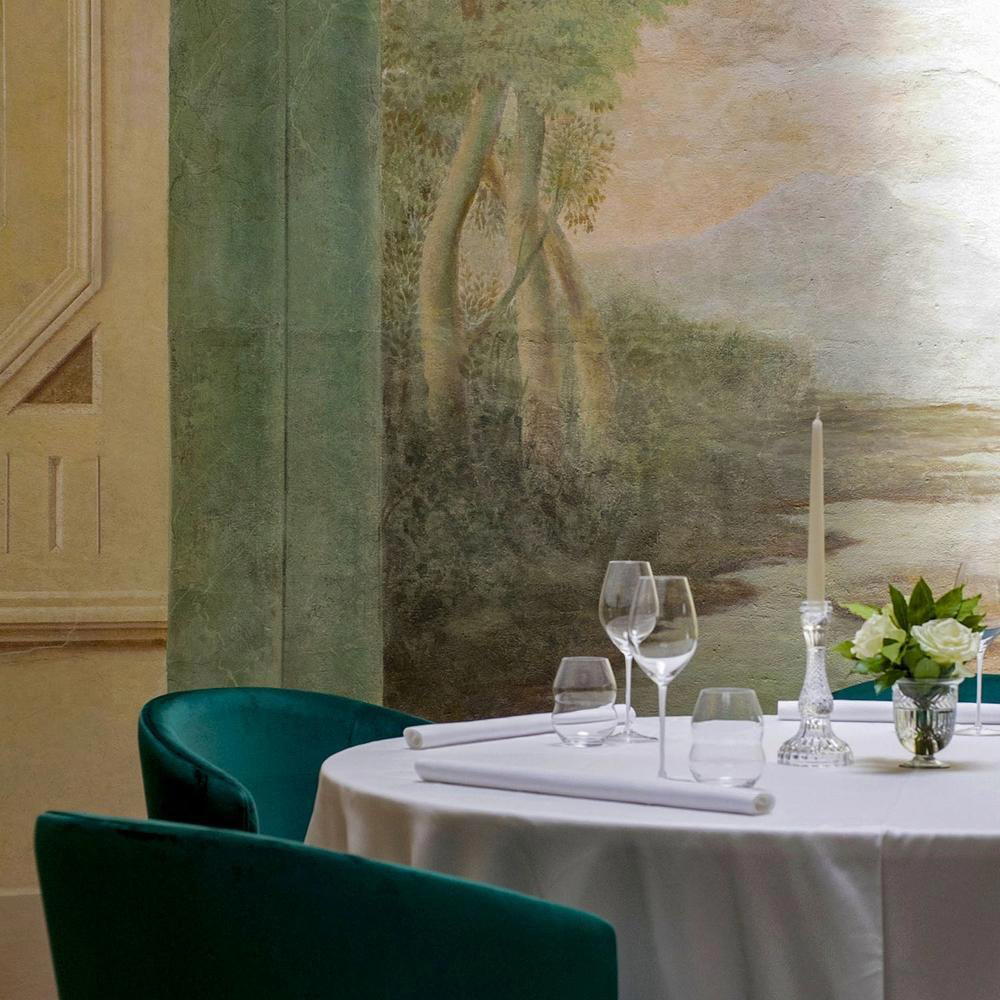
Les Maisons de Bricourt is a 5-star hotel in Le Buot, Saint-Méloir-des-Ondes, with 2 Michelin Keys and 13 rooms. The château itself dates only to the 1920s, which places it in the recent tier of French country architecture, but what that youth buys is a certain lightness. There is no Gothic weight, no oppressive stone corridor. The building reads more as a seaside residence scaled up than as a fortress scaled down, and that distinction shapes everything about how a stay here feels from the moment of arrival.
Les Maisons de Bricourt holds an unusual position between the two: a property compound that spans a clifftop boutique hotel (Les Rimains), converted coastal cabins, and a set of renovated farmhouse cottages called the Ferme du Vent, each with floor-to-ceiling windows opening onto the shoreline. That architectural variety across a single property is deliberate rather than accumulated. The compound model, where guests can choose accommodation types within a single culinary address, is more common in Provence and the Basque Country than in Brittany, making this approach somewhat unusual for the region.
The Architecture of the Estate
The Ferme du Vent, the farmhouse cottage cluster, demonstrates what happens when agricultural vernacular is adapted rather than erased. Renovation has preserved the structural logic of Breton farm buildings while opening their interiors to the sea light that the original builders would have had little reason to prioritize. Floor-to-ceiling glazing on the western elevations transforms the countryside view into a continuous presence inside the room. It is a design move that works specifically because of the landscape it frames: the flat Breton fields running toward the bay, with Mont Saint-Michel visible across the water on clear days. The same view would not justify the same intervention on a less specific site.
Les Rimains, the clifftop hotel within the compound, operates at a smaller scale and with a different relationship to the coastline. Where the Ferme du Vent positions guests within farmland looking toward the water, Les Rimains positions them above it. The elevation changes the experience materially: the Atlantic sound is more present, the exposure to weather more direct, and the sense of being at the edge of something more pronounced.
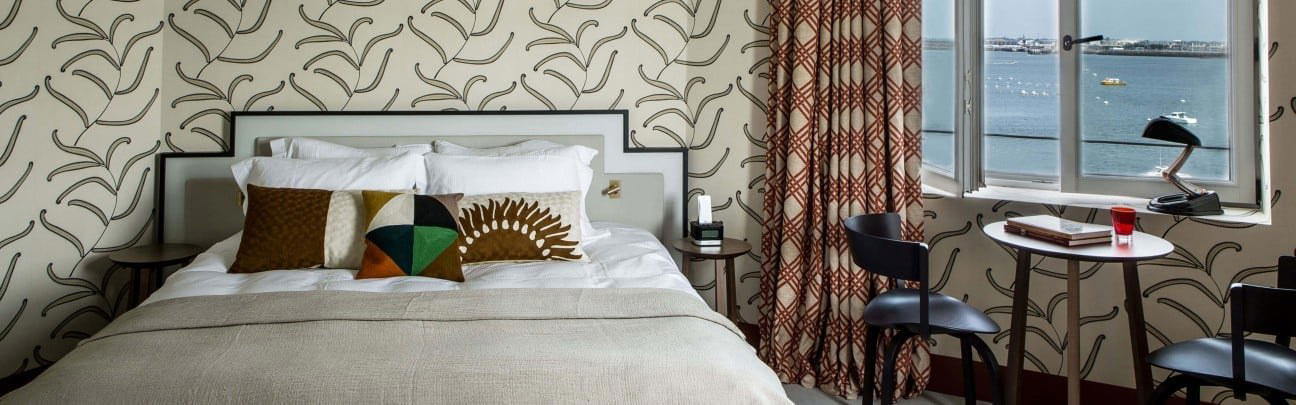
Across the compound's 13 rooms in total, the design logic is consistent: local materials, a strong relationship between interior and exterior, and a scale that keeps the property from feeling institutional. That room count places Les Maisons de Bricourt firmly in the specialist-property tier. Properties like Casadelmar in Porto-Vecchio or Castelbrac in Dinard, the latter sitting only 12 kilometers from Saint-Malo, operate in the same small-key coastal bracket, though their competitive sets differ by cuisine type and regional culinary identity.
Three Stars on the Atlantic Coast
The Michelin program awarded Les Maisons de Bricourt 2 Michelin Keys in 2024, placing it among France's most credentialed country-house stays. The Michelin Keys recognition highlights the accommodation side alongside the estate's dining operation. In French fine dining, the combination of a three-star designation with a Green Star is relatively rare and signals a specific kitchen philosophy: that sourcing architecture and environmental practice are not separate from the cooking's quality but constitutive of it.
The Green Star context matters for understanding how the hotel positions itself against peers. Three-star properties anchored to a specific terroir and a working estate rather than an urban fine-dining format occupy a smaller subset of France's leading culinary addresses. Within that subset, the Brittany coast provides a particular identity: the seafood tradition here is direct and deeply rooted, the tidal range of the bay creates shellfish beds of significant reputation, and the regional food culture has none of the gastro-tourism surface that can flatten coastal dining elsewhere in France.
The Spa, Gardens, and Grounds
Bains Celtiques spa, housed within the old farmhouse structure, follows the same adaptive-reuse logic as the Ferme du Vent cottages. Converting a working agricultural building to a wellness facility while preserving its structural identity is a different design problem than building a purpose-designed spa from scratch, and the result reads differently because of that history in the walls. Guests with experience at estate spas attached to properties like Les Sources de Caudalie in Bordeaux or Villa La Coste in Le Puy-Sainte-Réparade will recognize the format, though the Celtic reference in the naming points toward a distinct regional identity rather than vineyard or art-world framing.
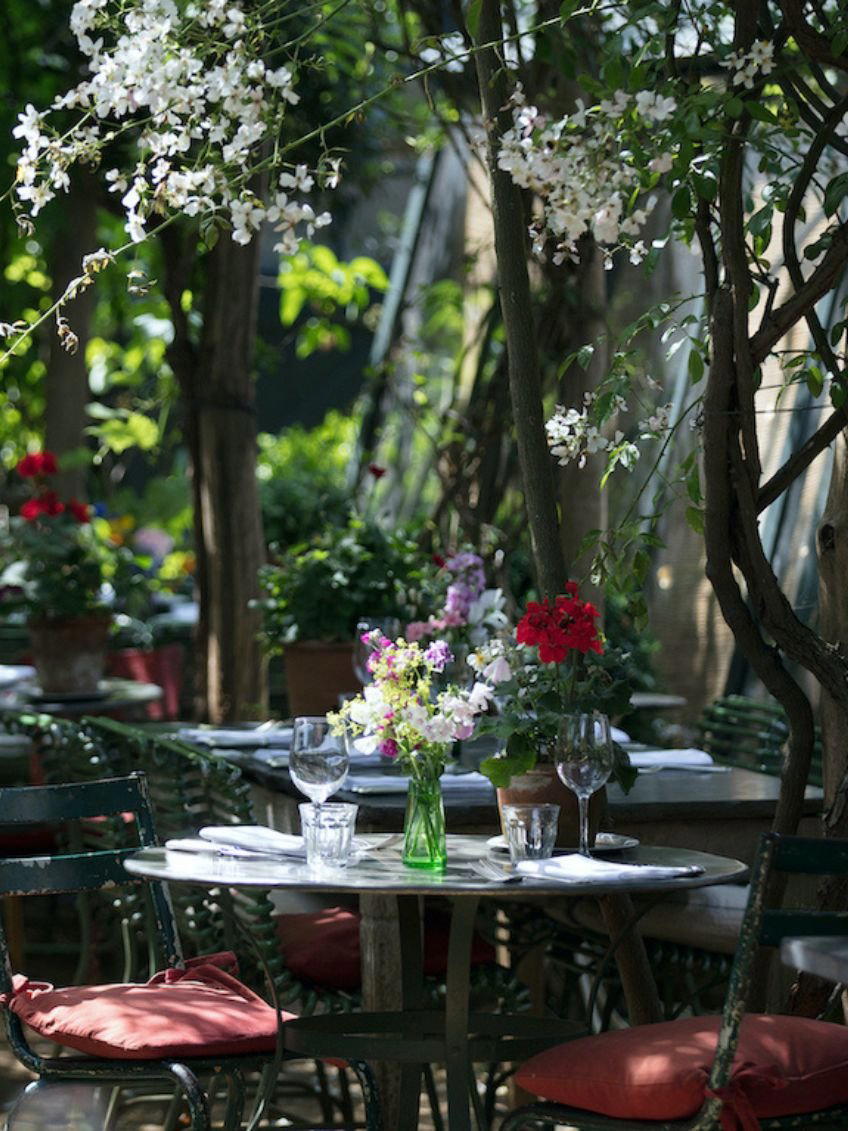
Gardens, greenhouse, and working farmland are accessible to guests, which is functionally significant: this is not a property where the agricultural element is maintained behind fences as scenic backdrop. The ability to walk through productive land and into a working greenhouse changes the relationship between guest and food source in ways that align with the Green Star ethos but also have a practical effect on how a day at the property is structured. There is material to explore outside the accommodation and restaurant envelope, which gives a multi-night stay a different texture than a property offering rooms and a dining room alone.
Planning a Stay
Rates at the hotel start from US$293 per night. For France's three-star country-house tier, this entry rate is competitive: comparable estate properties with equivalent dining credentials in Provence or Burgundy typically open at higher rates. Saint-Malo, the nearest major rail hub, sits 12 kilometers from the property, making it accessible by train from Paris via Rennes on the N137. By road, Rennes is approximately 70 kilometers to the south and Nantes approximately 205 kilometers. The nearest airports are Rennes (70 kilometers) and Nantes (205 kilometers). Guests arriving from Paris by air typically connect through Rennes rather than routing via Charles de Gaulle to Nantes. Booking at this level of Michelin recognition in a 13-room compound requires lead time; the dining program in particular will fill well ahead of peak Breton summer season.
For context on what this property sits beside within France's premium regional hotel tier, readers planning a broader France itinerary can explore comparable addresses: Cheval Blanc Paris for urban three-star dining anchored to a grand hotel format, Royal Champagne Hotel & Spa in Champillon for a vineyard-estate country-house comparison, or Château Lafaurie-Peyraguey in Lieu-dit Peyraguey for an agricultural-estate model in a different region. For other properties in the broader coastal and regional French tier, Hotel Du Cap-Eden-Roc in Cap d'Antibes, La Réserve Ramatuelle, and Airelles Saint-Tropez Château de la Messardière represent the Mediterranean coastal equivalent. Our full Le Buot restaurants guide covers the broader dining context in this part of Brittany.
Fast Comparison
Comparable venues nearby, for context on price, style, and recognition.
| Venue | Cuisine | Price | Awards | Notes |
|---|---|---|---|---|
| Les Maisons de BricourtThis venue — the venue you are viewing | Intimate luxury retreat in a 1920s château and surrounding properties on moorland estate | $$$$ | Michelin 2 Key | Not listed |
| Domaine des Étangs | Restored 13th-century château estate blending heritage luxury with modern comforts | $$$$ | Michelin 2 Key | Massignac |
| Lutetia | Timeless luxury heritage palace with contemporary sophistication | $$$$ | Michelin 2 Key | Saint-Germain-des-Prés |
| Château du Grand-Lucé | Neoclassical French château built in 1760, meticulously restored to honor its noble heritage while accommodating modern luxury travelers. | $$$$ | Michelin 2 Key | Le Grand-Lucé |
| Bulgari Hôtel Paris | Contemporary Italian luxury with Roman heritage influences, blending timeless elegance with state-of-the-art modern amenities in a prestigious Parisian setting. | $$$$ | Michelin 2 Key | Golden Triangle |
| Castelbrac | Historic Art Deco boutique hotel with contemporary refinements | $$$$ | Michelin 2 Key | Dinard |
Recognition history
Dated appearances from independent guides and award organizations, with the underlying list record or original source where available.
Relais Chateaux Award
Relais Chateaux
Relais Chateaux Award
Relais Chateaux
Michelin 2 Keys
Michelin
At a Glance
- Romantic
- Quiet
- Elegant
- Scenic
- Intimate
- Sophisticated
- Ornate
- Romantic Getaway
- Honeymoon
- Anniversary
- Weekend Escape
- Waterfront
- Garden
- Historic Building
- Panoramic View
- Wi Fi
- Pool
- Spa
- Room Service
- Concierge
- Restaurant
- EV Charging
- Waterfront
- Garden
- Wi Fi
- Pool
- Spa
- Room Service
- Concierge
- Restaurant
- EV Charging
Tranquil and contemplative atmosphere with expansive windows framing ever-changing bay vistas, manicured gardens, and a timeless blend of early 20th-century architecture and contemporary luxury.