

Michelin Plate · World's Best Wine Lists Awards WBWL 3-Star
Our verdict
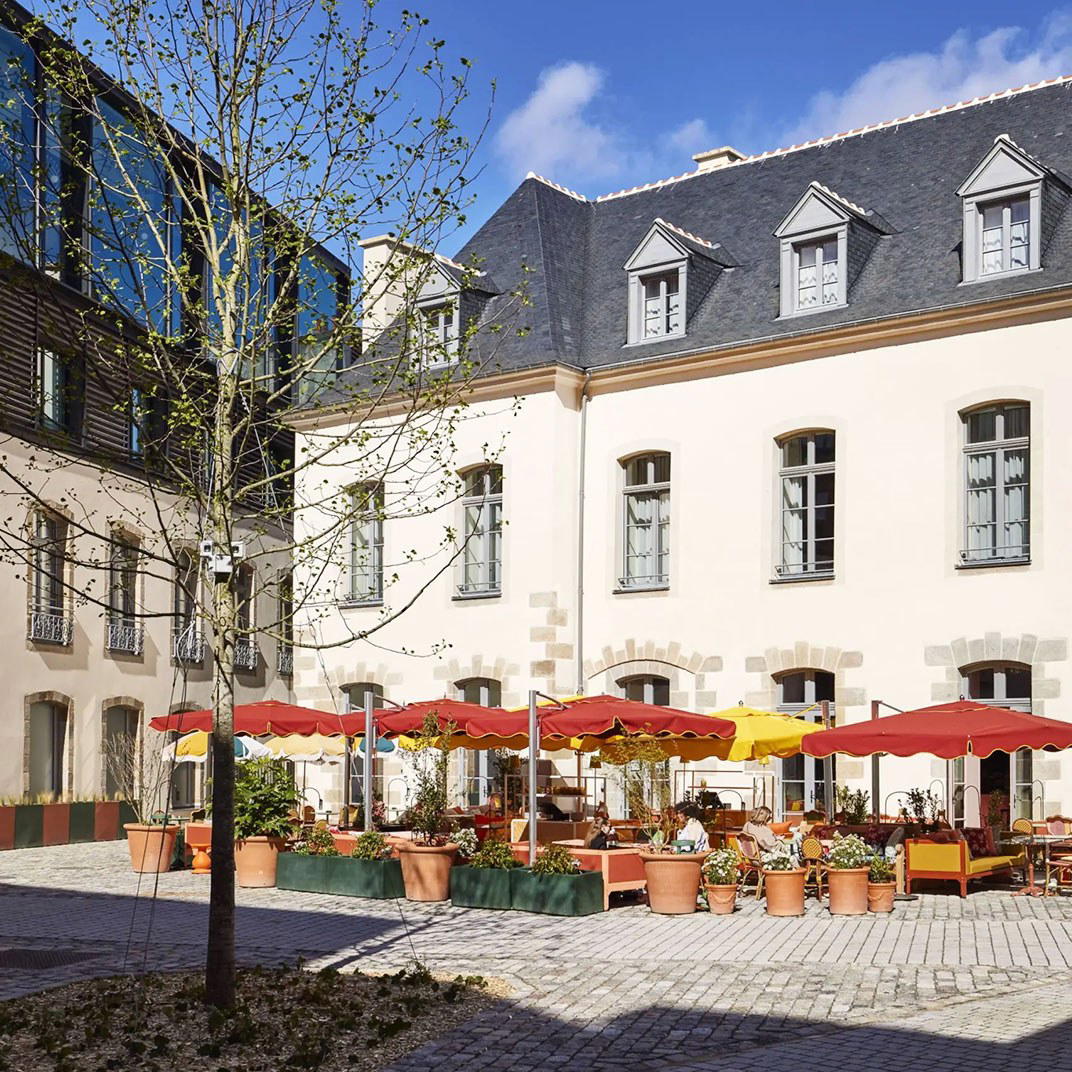
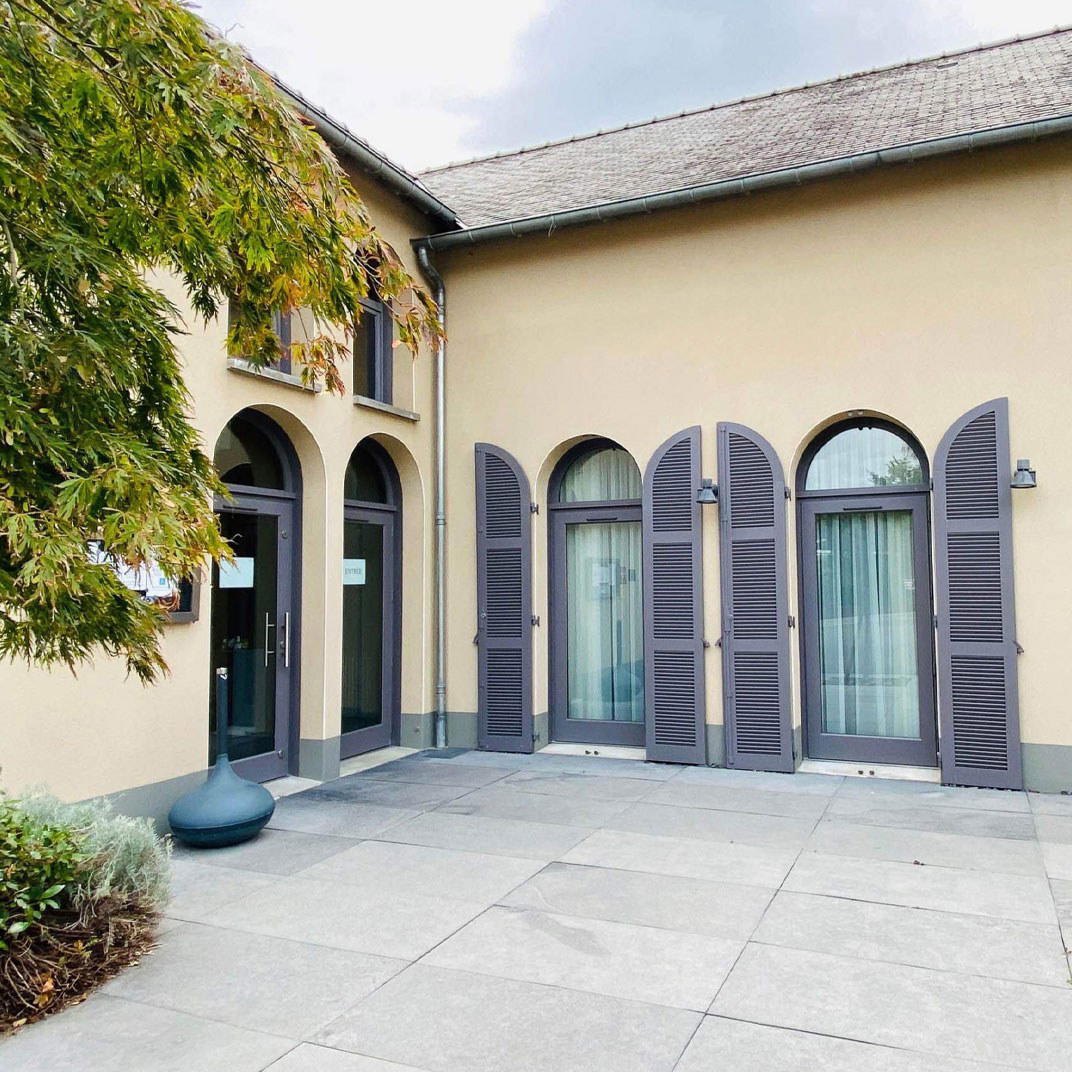
Sitting within the grounds of Château des Tesnières in the Ille-et-Vilaine commune of Torcé, Restaurant Mosaic holds a 3-Star Accreditation from the World of Fine Wine Awards — positioning it among a select tier of French destination dining rooms where the surrounding estate shapes what arrives on the plate. The château setting and rural Breton context make this a distinct address for serious food travel in northwestern France.

Pearl is the En Primeur Club membership app — saves, bookings, and concierge access live there. Same editors, same standards.
- Address
- Tesnières, 35370 Torcé, France
- Phone
- +33 7 45 39 93 80
- Hours
- Mon–Tue ClosedWed–Sat 12–3 PM, 7:30–10 PMSun 12–3 PM
- Website
- chateau-des-tesnieres.com
- Directions
- Get directions
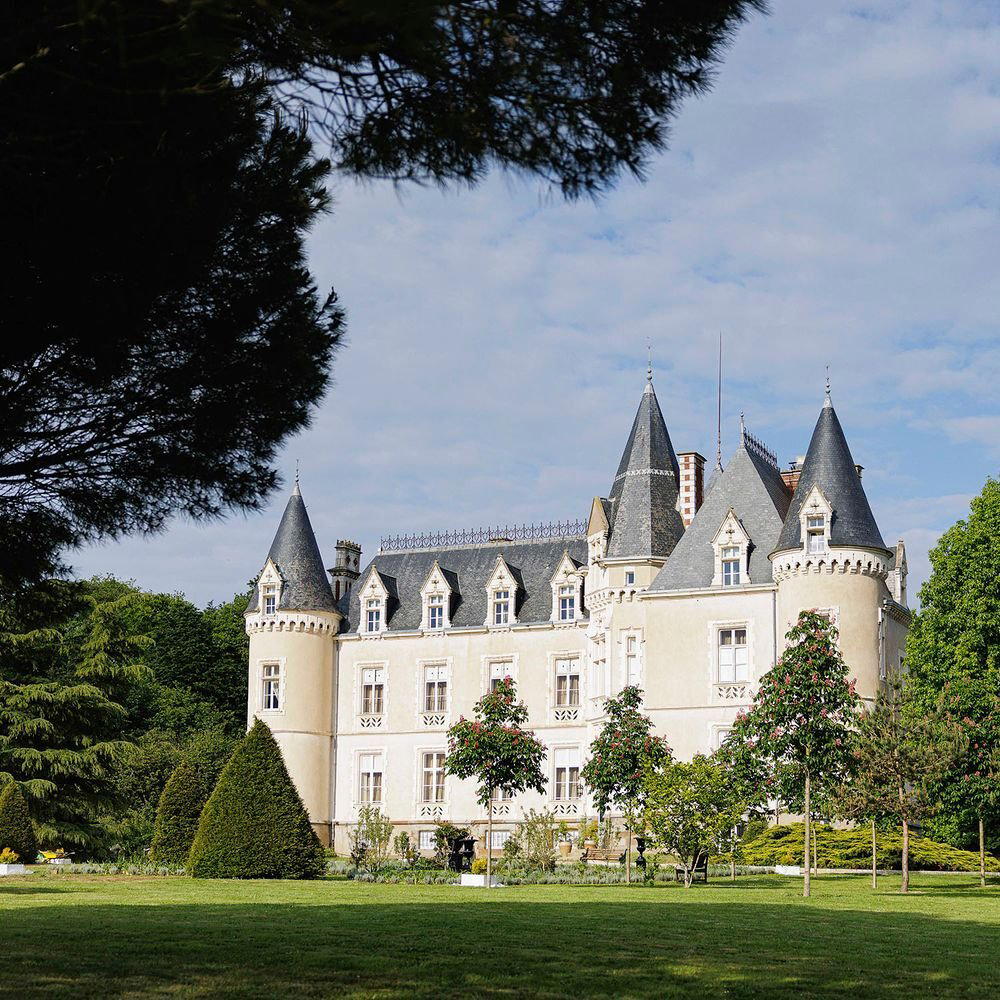
A Château Dining Room in Rural Brittany
France's most serious restaurant dining tends to cluster in cities or Alpine resort towns — Paris for the grand classical traditions, Lyon for bouchon lineage, the Côte d'Azur for produce-driven modernism. Torcé, a commune of a few thousand people in the Ille-et-Vilaine département of Brittany, sits well outside those circuits. That geographical remove is precisely what gives Restaurant Mosaic at Château des Tesnières its defining character: this is a destination that demands a deliberate journey, and the château grounds that surround it frame the experience before a single course is served.
Approaching the property, the architecture and landscape signal something closer to a private estate than a commercial restaurant address. That atmosphere — the distance from urban noise, the sense of a meal embedded in a specific piece of land, belongs to a French dining tradition that predates the Michelin era: the table that draws guests outward, into the countryside, to engage with what a particular territory produces. Bras in Laguiole does it on the Aubrac plateau; Auberge du Vieux Puits in Fontjoncouse occupies a similarly remote southern village. Mosaic occupies an analogous position in Brittany's dining geography.
The Sourcing Argument: Why Brittany's Land Matters Here
Brittany's agricultural credentials are not incidental to the region's gastronomy, they are its structural foundation. The département of Ille-et-Vilaine and the broader Armorican peninsula supply France with a substantial share of its artichokes, cauliflower, and early-season vegetables. Offshore, the Atlantic delivers shellfish, line-caught fish, and crustaceans that make Breton coastal produce among the most referenced in French professional kitchens. Inland, dairy traditions are serious: the region's butter and cream are ingredients in their own right, not just fats.
A restaurant seated on a château estate in this territory has access to sourcing relationships that urban kitchens cannot replicate at the same density or proximity. The logic of château dining in France has always been partially agricultural: the estate as supplier, the kitchen as processor of what the land provides in a given season. That relationship, between a specific piece of geography and the food it generates, is what the World of Fine Wine Awards framework, which recognises excellence across the full fine dining and fine wine axis, tends to reward when it assesses properties operating outside metropolitan centres.
Mosaic's 3-Star Accreditation from the World of Fine Wine Awards places it in a category of venues where the wine program carries genuine weight alongside the kitchen. In the Breton context, that means engaging with western Loire appellations as natural companions: Muscadet, Gros Plant du Pays Nantais, and the lighter whites of Anjou sit within logical pairing distance of the seafood and dairy-forward cooking that the region's ingredients encourage. For guests assembling a pairing menu, this regional coherence is part of what a château setting in Ille-et-Vilaine can deliver that a Paris address cannot.
Where Mosaic Sits in the French Destination Dining Tier
France's countryside dining rooms occupy a competitive set distinct from their urban counterparts. The reference points are well established: Auberge de l'Ill in Illhaeusern has held its position for generations as Alsace's flagship destination table; Troisgros in Ouches relocated from Roanne to a rural site precisely to deepen its land-to-table proposition; Flocons de Sel in Megève operates within an Alpine estate model. Each of these addresses asks guests to travel specifically, then delivers an experience the location materially shapes.
Mosaic fits that pattern in northwestern France, a region that has historically been underrepresented at the very best of the French fine dining hierarchy despite its exceptional ingredient base. The châteaux of Ille-et-Vilaine are better known to architectural historians than food critics, which makes the presence of a World of Fine Wine 3-Star Accredited table on the Tesnières estate a meaningful signal for the area's emerging dining credibility. By comparison, the prestige addresses in Paris, Alléno Paris au Pavillon Ledoyen or Assiette Champenoise in Reims, operate within dense peer sets and urban review cultures. Mosaic operates with far greater geographic solitude, which changes the stakes of each service considerably.
That solitude is worth noting for guests who arrive having previously benchmarked against Mirazur in Menton or AM par Alexandre Mazzia in Marseille. Both are southern French addresses where climate and coastal access define ingredient character in specific ways. Mosaic's northwest Atlantic terroir produces a different palette, cooler, more mineral, rooted in tidal and agricultural rhythms rather than Mediterranean warmth. These are not competing propositions so much as geographically distinct arguments for what French fine dining can express.
Planning a Visit: Practical Context
Torcé sits roughly 25 kilometres east of Rennes, Brittany's regional capital. Rennes is accessible by TGV from Paris Montparnasse in around 90 minutes, making the property reachable as a serious day trip from the capital or, more sensibly, as an overnight or multi-night stay. The château setting encourages the latter: arriving at a working estate property and departing the same evening leaves the experience feeling truncated. Guests travelling from outside France typically use Rennes as the regional hub; the city's Saint-Jacques Airport connects to several European cities, though international routings from further afield will route through Paris or London.
As with most château dining rooms in rural France, advance reservation is strongly advisable. Estate properties in this category typically operate with tighter seat counts than urban restaurants, and weekend bookings at accredited addresses in this tier can close weeks ahead. Guests considering a broader Brittany itinerary should cross-reference with our full Torcé restaurants guide and the wider regional context available through our Torcé hotels guide, bars guide, wineries guide, and experiences guide.
For guests building a broader French fine dining route, the northwestern corridor, Rennes, the Loire Valley, and the Atlantic coast, connects to a series of serious tables that have operated below the international radar relative to their ingredient quality and kitchen ambition. Mosaic, with its château framing and 3-Star Accreditation, is one of the more substantiated arguments for including that corridor in a considered itinerary.
Frequently asked questions
Can I bring kids to Restaurant Mosaic at Château des Tesnières?
The venue holds a World of Fine Wine 3-Star Accreditation, which signals a formal dining standard more aligned with adult-focused occasions. The château setting in rural Torcé lends itself to unhurried, considered meals rather than casual family outings. check the venue's official channels to discuss suitability before booking.
What kind of setting is Restaurant Mosaic at Château des Tesnières?
The restaurant occupies Château des Tesnières, a country estate outside Torcé in Ille-et-Vilaine, approximately 25 kilometres east of Rennes. The format falls within France's destination dining tier — château properties in agricultural Brittany where the surrounding land informs what appears on the table. It is a drive-to destination, not a neighbourhood restaurant.
What kind of recognition has Restaurant Mosaic at Château des Tesnières received?
Restaurant Mosaic at Château des Tesnières has received recognition including: {"wbwl_source": {"slug": "restaurant-mosaic-at-chateau-des-tesnieres", "page_type": "star_accreditation", "category_slug": "star-accreditation", "award_result": "Accredited", "is_global_winner": "False"}, "scraped_details": {"hero_image": "….
What's the signature dish at Restaurant Mosaic at Château des Tesnières?
Brittany's agricultural and coastal produce — Ille-et-Vilaine dairy, shellfish, heritage vegetables — tends to anchor serious kitchens in this region, and a World of Fine Wine 3-Star Accredited house will typically reflect that sourcing in its core dishes. Checking directly with the restaurant before your visit is the most reliable approach.
What's the address for Restaurant Mosaic at Château des Tesnières?
Restaurant Mosaic at Château des Tesnières is located at Tesnières, 35370 Torcé, France, Torcé.
| Venue | Cuisine | Price | Awards |
|---|---|---|---|
| Restaurant Mosaic at Château des TesnièresThis venue — the venue you are viewing | Modern Botanical French Fine Dining | $100–150 | Michelin Plate · World's Best Wine Lists Awards WBWL 3-Star |
| Alléno Paris au Pavillon Ledoyen | Creative | Not listed | Michelin 3 Star |
| Kei | Contemporary French, Modern Cuisine | Not listed | Michelin 3 Star |
| L'Ambroisie | French, Classic Cuisine | Not listed | Michelin 3 Star |
| Le Cinq - Four Seasons Hôtel George V | French, Modern Cuisine | Not listed | Michelin 3 Star |
| Mirazur | Modern French, Creative | Not listed | Michelin 3 Star |
Recognition history
Dated appearances from independent guides and award organizations, with the underlying list record or original source where available.
Michelin Plate
Michelin
World's Best Wine Lists Awards WBWL 3-Star
World's Best Wine Lists Awards
Continue exploring
More in Torcé
Restaurants in Torcé
Browse all →
Restaurant Mosaic at Château des Tesnières
The wine
- Wine program
- Exceptional wine program
- Extensive wine list
- Sommelier-led
Details
- Romantic
- Elegant
- Sophisticated
- Intimate
- Scenic
- Date Night
- Special Occasion
- Historic Building
- Hotel Restaurant
- Garden
- Extensive Wine List
- Sommelier Led
- Local Sourcing
- Organic
- Garden
- Tasting Menu
- Set Menu
- Wine
- Vegan Options
- Vegetarian Friendly
Current opening hours
- Monday
- Closed
- Tuesday
- Closed
- Wednesday
- 12–3 PM, 7:30–10 PM
- Thursday
- 12–3 PM, 7:30–10 PM
- Friday
- 12–3 PM, 7:30–10 PM
- Saturday
- 12–3 PM, 7:30–10 PM
- Sunday
- 12–3 PM
Hours can change for holidays and private events. Last verified .
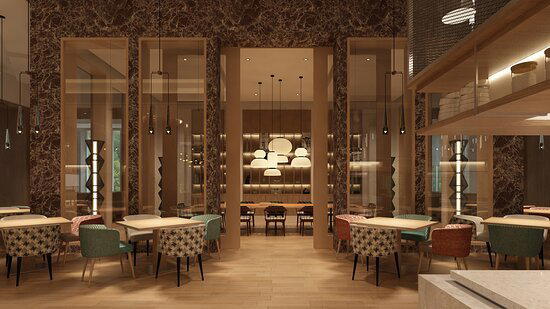
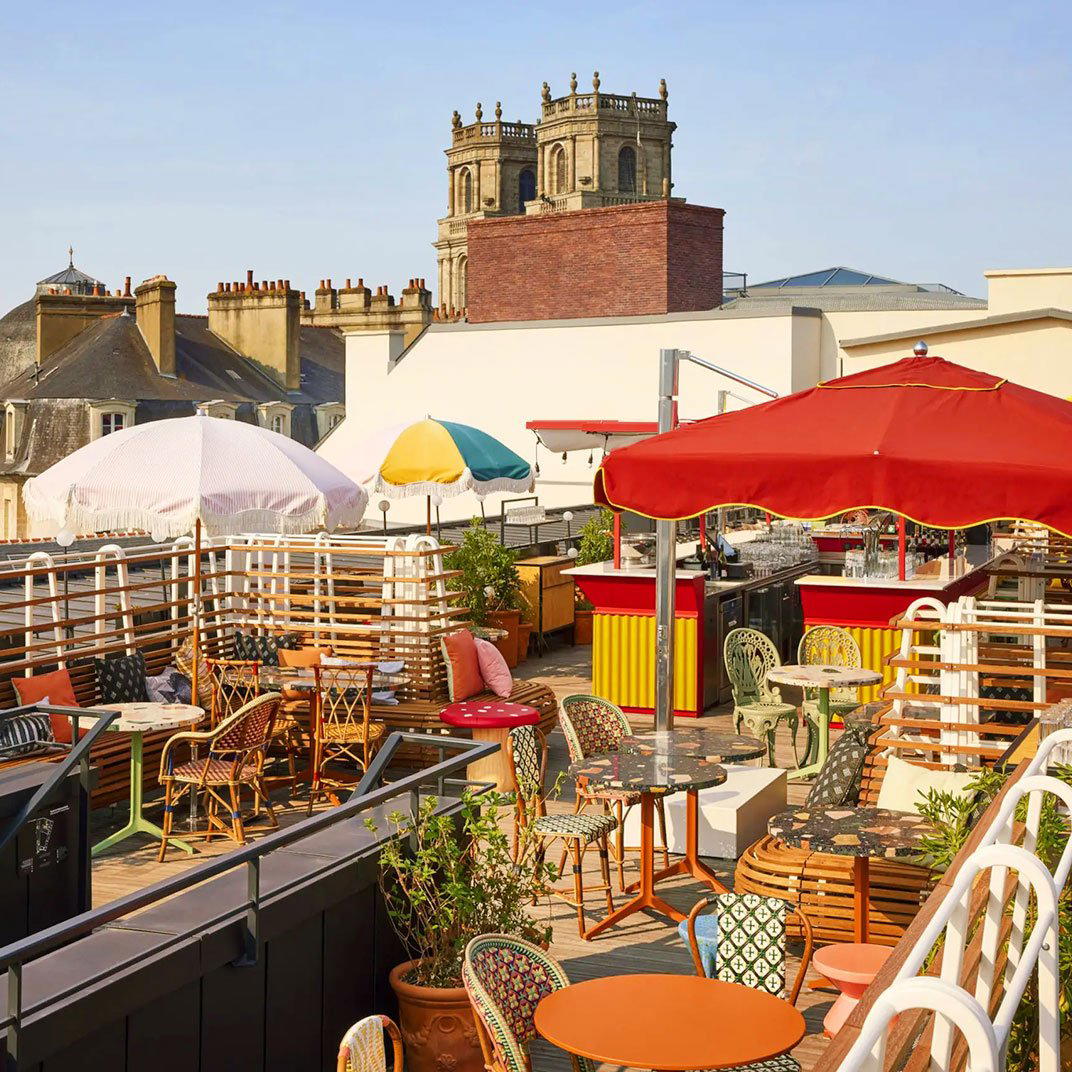
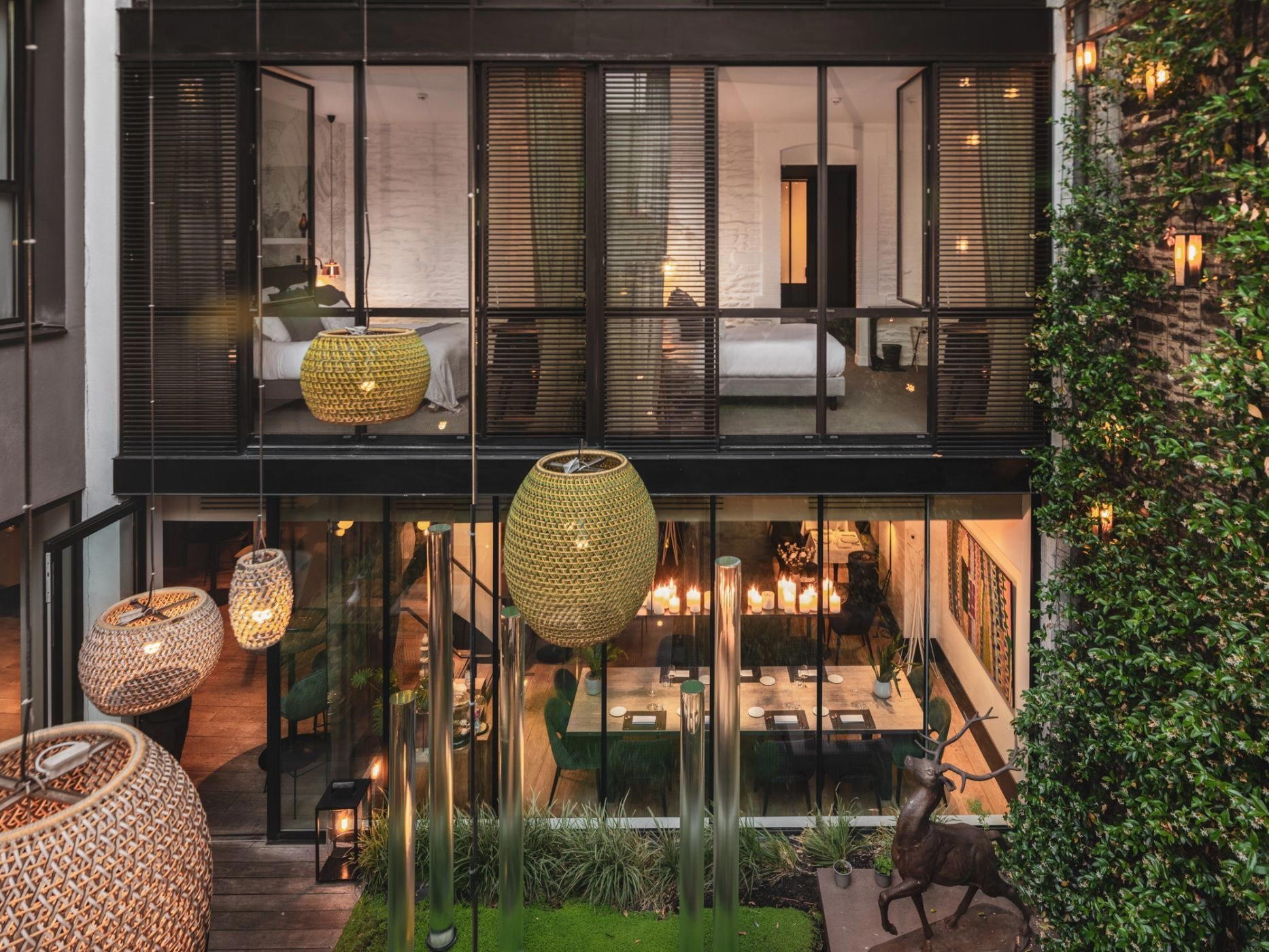
Richly eclectic atmosphere blending Art Nouveau woodwork with South African pieces, intimate Belle Époque style with banquette seating and private dining rooms.