La Marine sits at 7 bis Rue du Général de Gaulle on the Île de Groix, a small Breton island reached by ferry from Lorient. Dining here places you inside one of France's most self-contained coastal food traditions, where the catch arrives from waters fished the same morning and the Atlantic sets the menu before the kitchen does.
Pearl is the En Primeur Club membership app — saves, bookings, and concierge access live there. Same editors, same standards.
- Address
- 7 bis Rue du Général de Gaulle, 56590 Groix, France
- Phone
- +33 2 97 30 19 43
- Website
- lamarinegroix.com
- Directions
- Get directions
 Saves & bookings on Pearl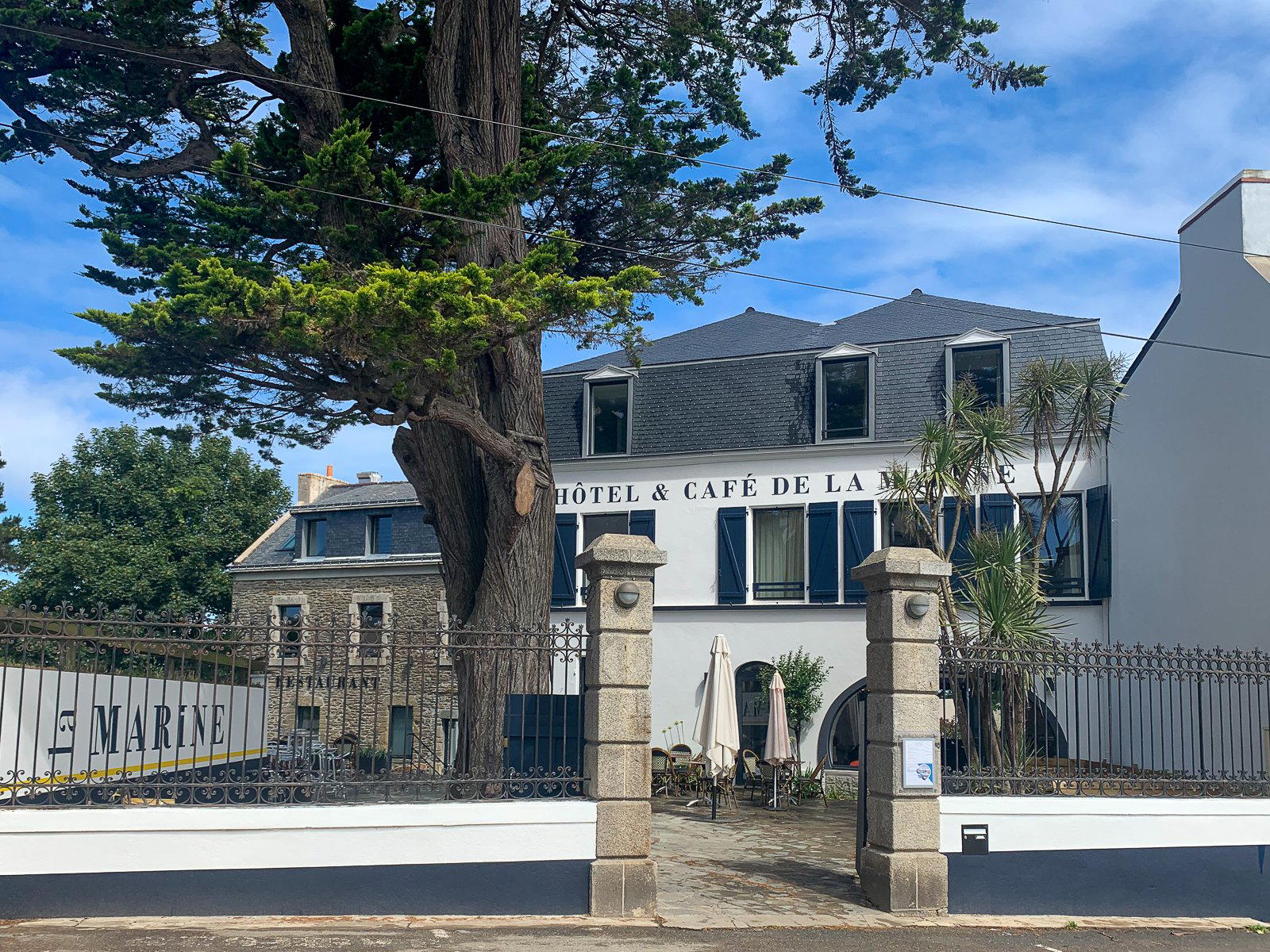
An Island That Sets Its Own Terms
Groix is not a stopover. The island sits roughly eight kilometres off the Breton coast near Lorient, reachable only by ferry, and that physical remove shapes everything about eating here. Restaurants on Groix do not compete with the mainland for the same clientele or the same supply chains. They work with what the Atlantic delivers, and on a good morning that means tuna, lobster, and bream landed before most diners have decided where to sit. La Marine, at 7 bis Rue du Général de Gaulle, occupies a position that suits its setting: close to the port, embedded in the rhythms of a working fishing community rather than positioned outside them.
France has developed a recognisable grammar of coastal dining, from the oyster shacks of Cancale to the more formal fish kitchens of La Rochelle, where Christopher Coutanceau has built a two-Michelin-star program around sustainable Atlantic sourcing. On Groix, that grammar is stripped to essentials. There are no tasting-menu theatrics, no modernist garnishes borrowed from a city kitchen. The island's dining culture has always been shaped by scarcity and simplicity in the leading sense: you cook what you have, and you cook it well.
The Breton Coastal Kitchen in Context
Brittany's food identity is partly defined by the sea and partly by a cultural insistence on directness. The region produces some of France's most respected seafood, but its restaurants have historically resisted the kind of elaboration that wins stars and attracts destination diners. That is changing along the coast, but Groix has remained apart from that shift. The island's restaurant scene is small and consistent with its character: unpretentious, produce-led, and oriented toward the people who actually live here rather than toward a seasonal wave of destination visitors.
That context matters when reading La Marine. This is not a venue trying to position itself within a competitive dining tier. It exists within a different logic entirely, one where the measure of a meal is its fidelity to place rather than its distance from it. Compare this to the ambitions of a three-star house like Mirazur in Menton, where the Mediterranean sets a mood but the kitchen transforms it through technique, or the formal grandeur of Alléno Paris au Pavillon Ledoyen. La Marine operates in an entirely different register, and that is not a limitation, it is the point.
Brittany's broader culinary identity runs through institutions like Auberge de l'Ill in Illhaeusern and the multi-generational ambition of Troisgros in Ouches, but regional French cooking has always had a strong counter-tradition: the auberge, the bistrot, the quayside table that serves the community first and the tourist second. That tradition is alive on Groix.
What Eating on Groix Actually Looks Like
The island's dining options are compact. Bistrot Bao and La Chaloupe are among the other addresses worth knowing on Groix, and together these places constitute what passes for a dining scene on an island of fewer than 2,500 permanent residents. The scale is the point. Groix is not Noirmoutier or Belle-Île, which have developed more visible culinary reputations. It is quieter, more self-contained, and more resistant to the kind of editorial attention that reshapes a place.
Timing is a practical consideration. The ferries from Lorient run with reasonable frequency in high season but thin out considerably in winter. Planning a meal at La Marine means planning around the crossing, and that means either arriving for lunch and catching a late afternoon ferry, or committing to an overnight on the island. The latter is worth considering: Groix at dusk, after the day-trippers have left, is a different and quieter experience. Arriving with a reservation already in place is advisable during July and August, when island capacity is limited and walk-ins carry real risk.
The Cultural Weight of a Fishing Port Table
Groix was once one of France's most active tuna-fishing ports, and that history is present in the island's identity even as the fleet has contracted. The yellow tuna on Groix's flag is not decorative; it marks a community that built its economy on the sea and still eats accordingly. Dining at a port-adjacent address like La Marine connects to that longer story. This is not heritage performance, the island simply has not forgotten where its food comes from.
That kind of rootedness is increasingly rare. French coastal dining has largely moved toward two poles: highly technical destination restaurants drawing on regional produce (see AM par Alexandre Mazzia in Marseille for the Mediterranean equivalent) or generic tourist bistros running the same menu regardless of season. Groix's dining scene, including the restaurant, occupies a middle position that is harder to sustain and harder to find: genuinely local, genuinely seasonal, and not performing either quality for an outside audience.
For readers whose French dining frame of reference runs through starred city restaurants, Assiette Champenoise in Reims, Au Crocodile in Strasbourg, or the mountain precision of Flocons de Sel in Megève, the restaurant will require a recalibration of expectations. That recalibration is worth making. The Atlantic Coast tradition running from Auberge du Vieux Puits in Fontjoncouse through Bras in Laguiole and across to Brittany is one of France's most coherent regional stories, and its humbler chapters are as instructive as its starred ones.
Internationally, the comparison class shifts toward waterfront dining in the Atlantic tradition: the direct fish houses of coastal Portugal, the quayside kitchens of the Basque Country, or the no-ceremony seafood of coastal New England. Readers who have eaten at Le Bernardin in New York City or the technically precise tasting formats of Atomix will find Groix's register entirely different, but the underlying commitment to sourcing is recognisable across those distances.
Planning Your Visit
The restaurant is at 7 bis Rue du Général de Gaulle in the port village of Groix, reached by ferry from Lorient on the Breton mainland. The crossing takes roughly 45 minutes, and Lorient itself is accessible by TGV from Paris Montparnasse in around three and a half hours. Visiting between May and September gives the widest range of dining options and the reliable ferry schedule, though the island's off-season calm between October and April has its own character for those willing to plan around reduced crossings.
Budget Reality Check
Comparable venues nearby, for context on price, style, and recognition.
| Venue | Cuisine | Price | Notes |
|---|---|---|---|
| La MarineThis venue — the venue you are viewing | Not listed | $$$ | Not listed |
| Bistrot Bao | Not listed | $$ | Le Bourg, Seafood Bistro with Local Fish & Natural Wine |
| La Chaloupe | Le Bourg, Traditional Breton Crêperie | $ | Not listed |
| Atelier de Candale | Not listed | $$$ | Saint-Laurent-des-Combes / Saint-Émilion vineyards, Seasonal French wine‑country restaurant in the vineyards |
| Maison Blanche | Not listed | $$$ | 8th arrondissement, Modern French Fine Dining |
| Le Petit Canard | Not listed | $$$ | 9th arrondissement, Traditional French Duck Bistro |
Continue exploring
More in Groix
Restaurants in Groix
Browse all →
At a Glance
- Cozy
- Elegant
- Classic
- Date Night
- Special Occasion
- Family
- Terrace
- Extensive Wine List
- Local Sourcing
- Garden
Current opening hours
- Monday
- 12–2 PM, 7:15–9 PM
- Tuesday
- 12–2 PM, 7:15–9 PM
- Wednesday
- 12–2 PM, 7:15–9 PM
- Thursday
- 12–2 PM, 7:15–9 PM
- Friday
- 12–2 PM, 7:15–9 PM
- Saturday
- 12–2 PM, 7:15–9 PM
- Sunday
- 12–2 PM, 7:15–9 PM
Hours can change for holidays and private events. Last verified .
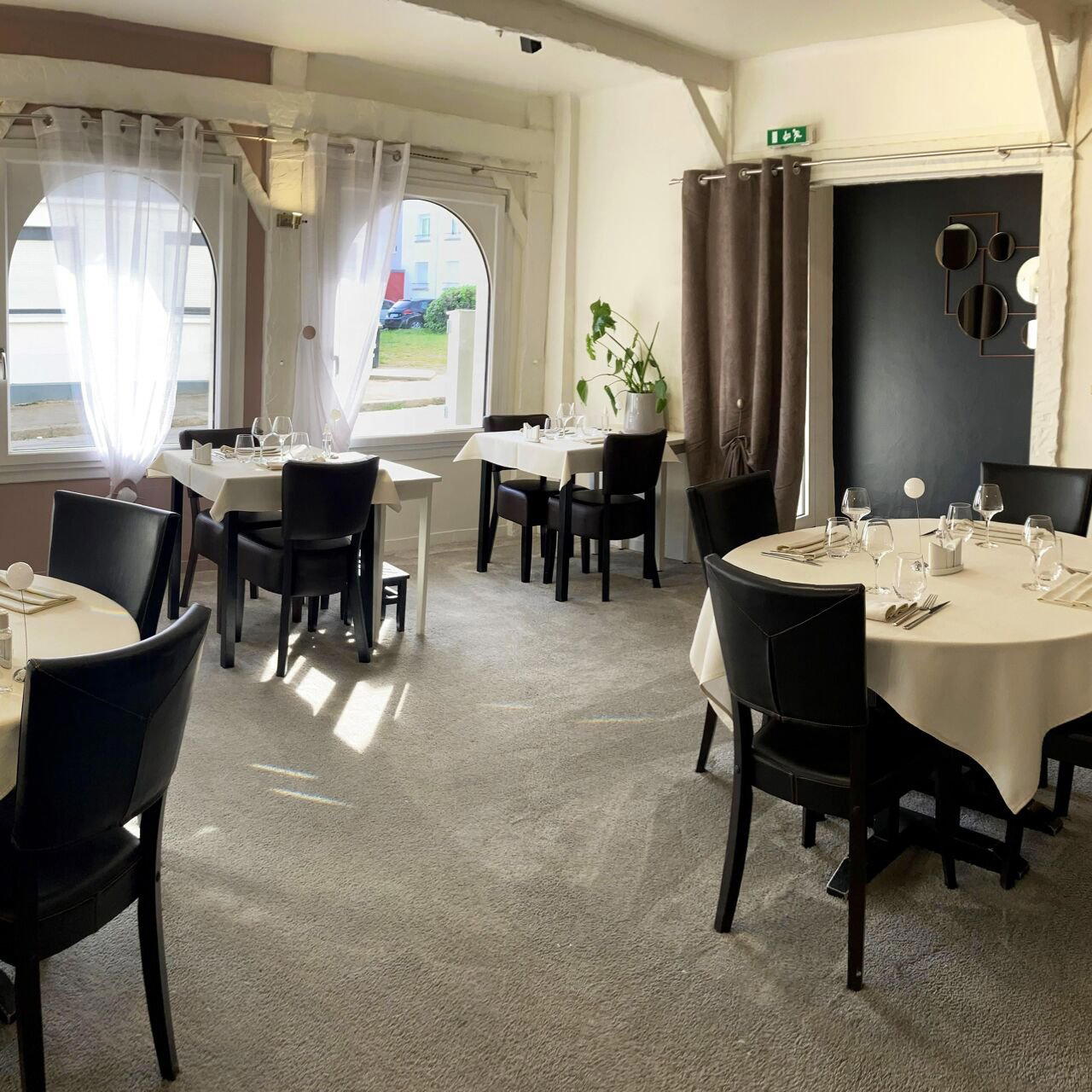
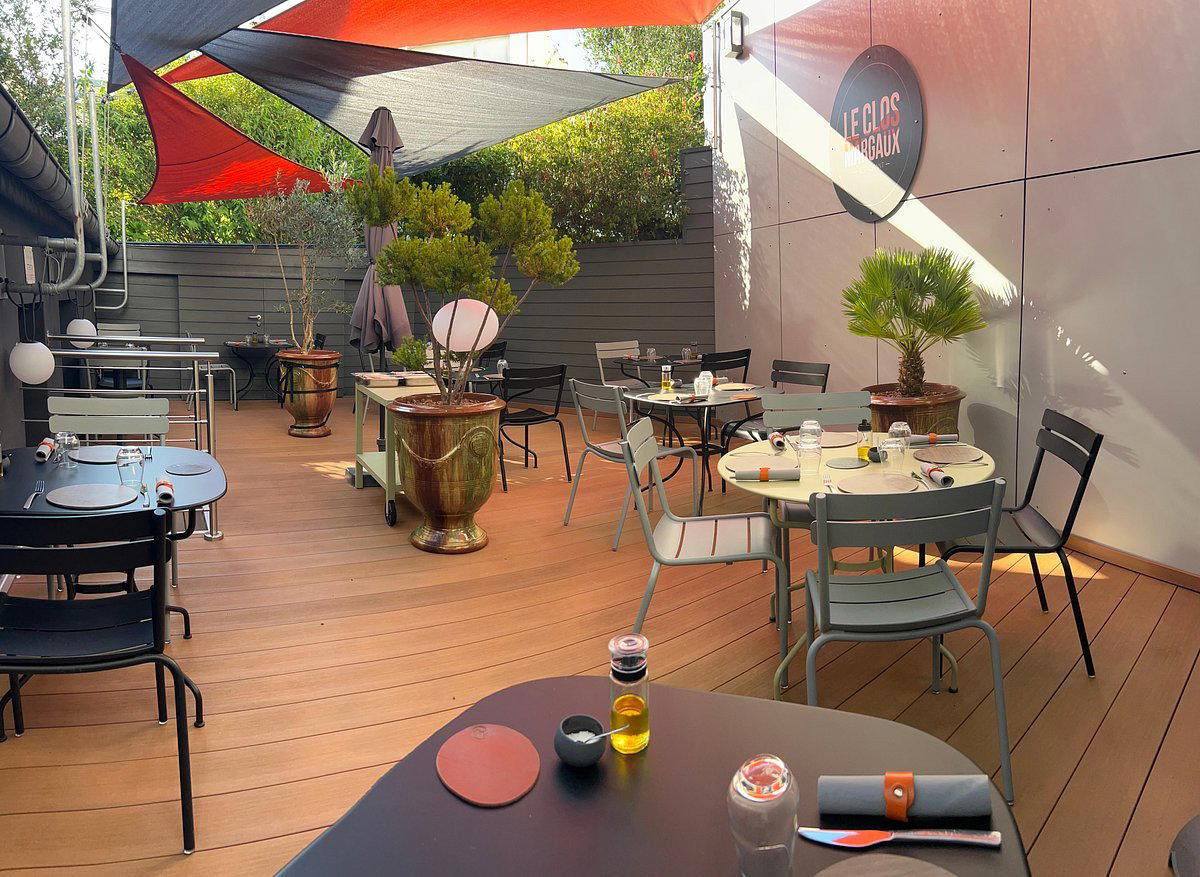
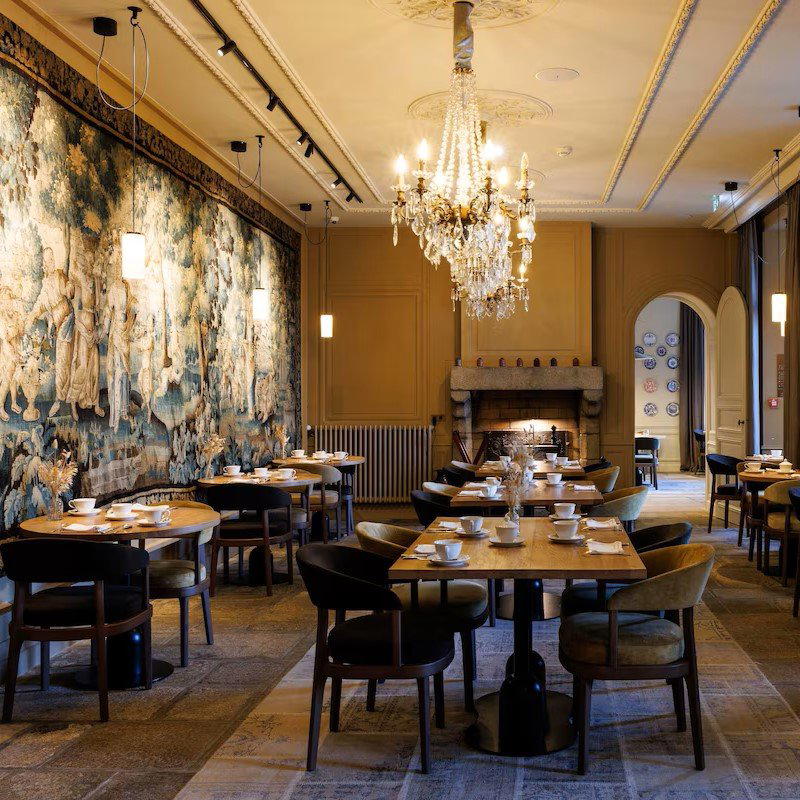
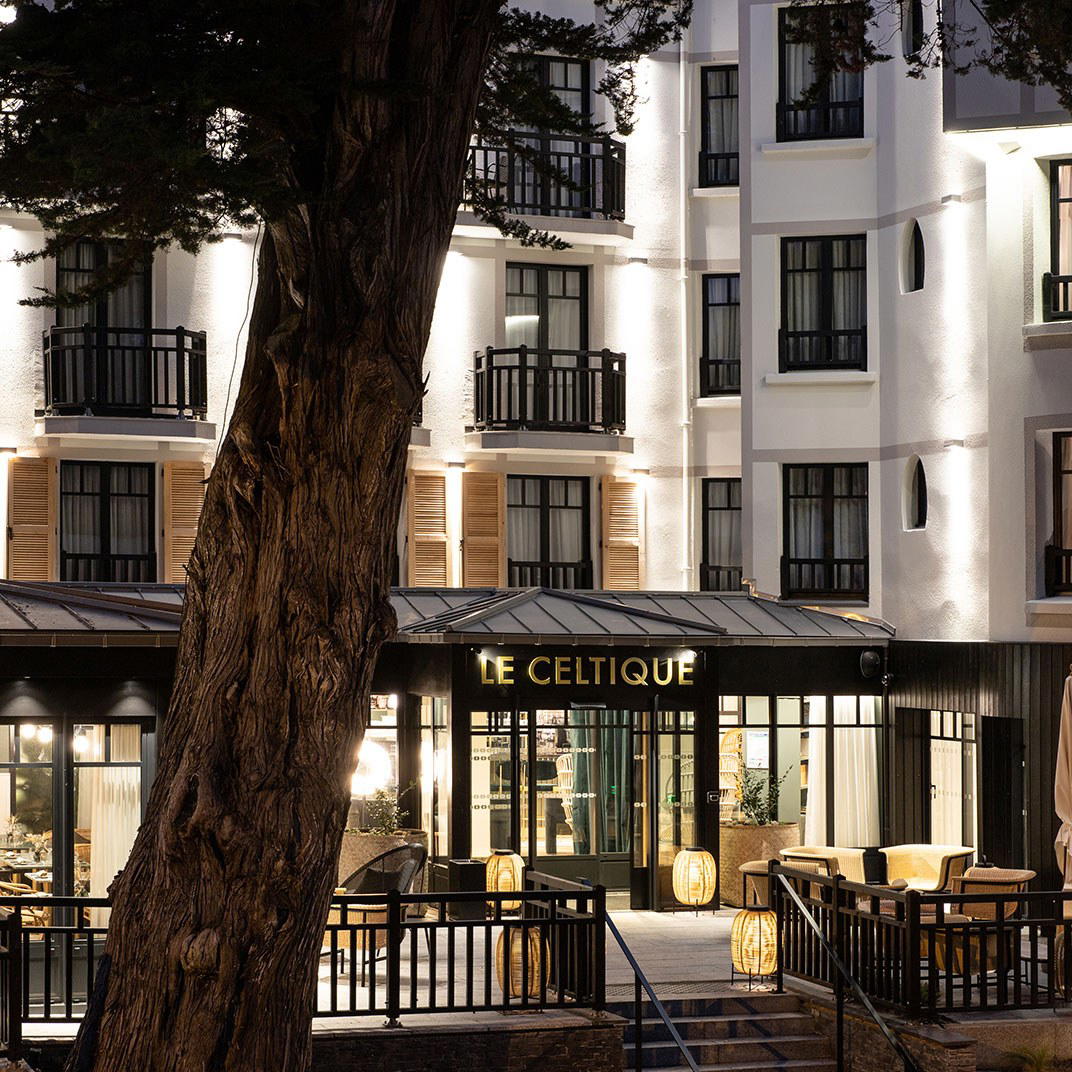
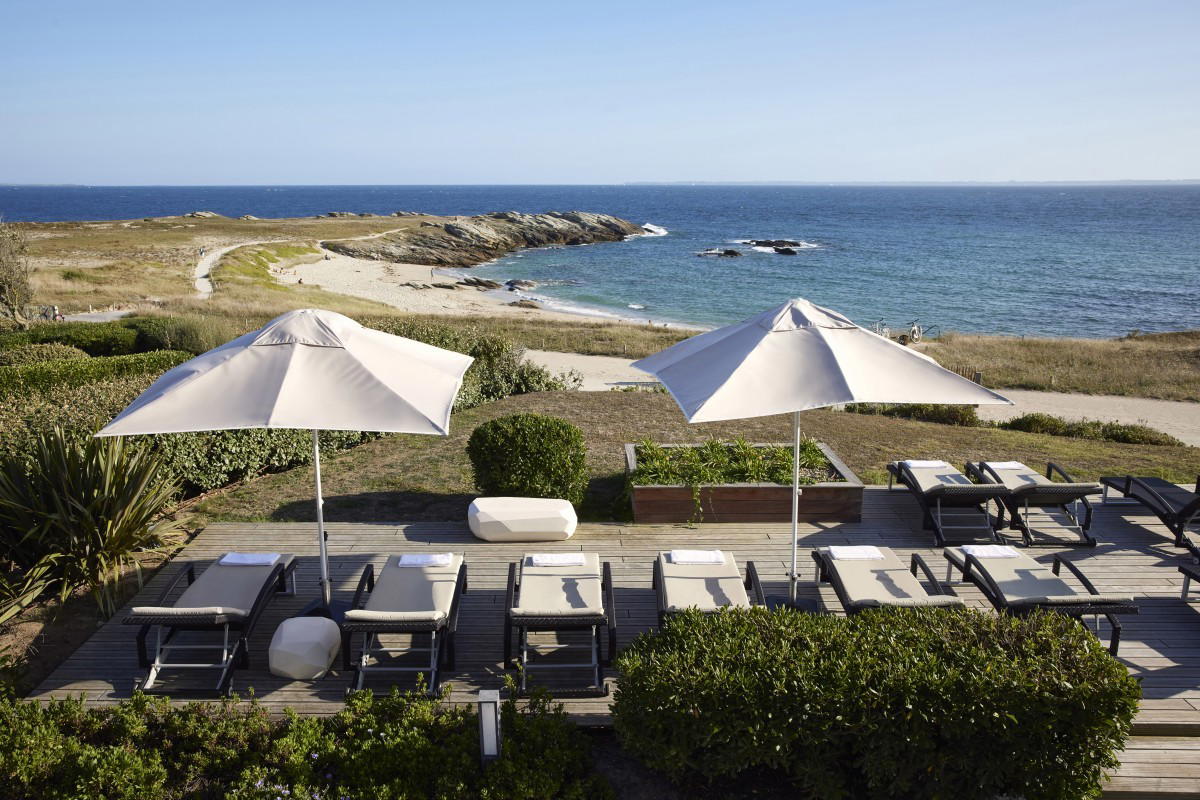
Wise traditional ambience with cozy, felted atmosphere, beautiful garden terrace views, and warm professional service.