On the car-free island of Groix off the Breton coast, Bistrot Bao occupies a position shaped entirely by its geography: what arrives on the ferry defines what ends up on the plate. The kitchen works within the tight logic of island supply, where seasonal catch and local produce set the terms. For a meal anchored in Atlantic Brittany's ingredient tradition, Bistrot Bao is the address to know.
Pearl is the En Primeur Club membership app — saves, bookings, and concierge access live there. Same editors, same standards.
- Address
- Rte de Crehal, 56590 Groix, France
- Phone
- +33297899487
- Website
- facebook.com
- Directions
- Get directions
 Saves & bookings on Pearl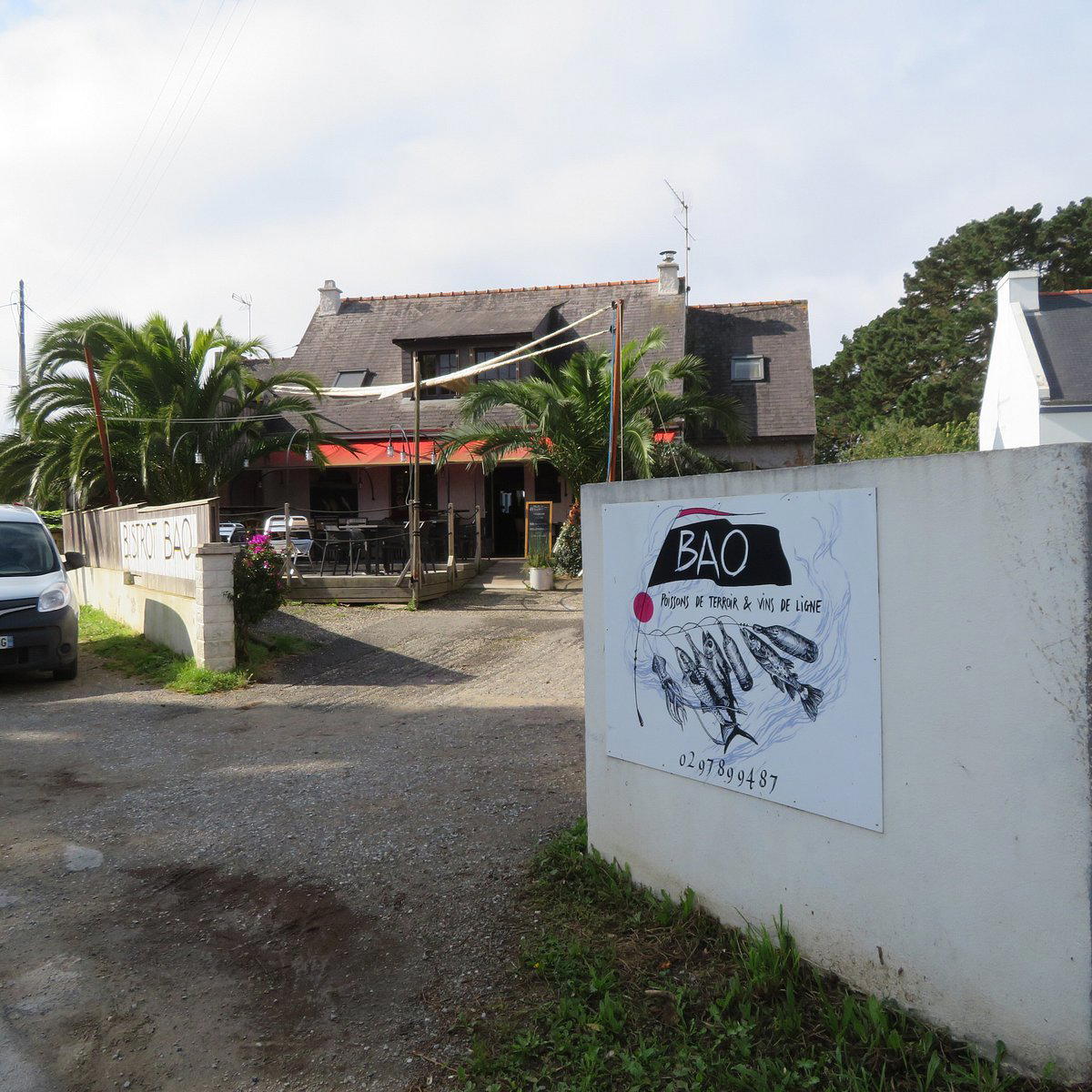
Where the Ferry Schedule Sets the Menu
Île de Groix sits roughly forty-five minutes by ferry from Lorient, and that crossing is not incidental to understanding how restaurants here operate. On an island of fewer than 2,000 permanent residents, no kitchen can rely on the supply chains that mainland France takes for granted. Cold-chain logistics, daily deliveries, and last-minute sourcing simply do not function the same way when a stretch of Atlantic separates you from the nearest wholesaler. The result, at Bistrot Bao on the Route de Crehal, is a cooking logic dictated almost entirely by what the island produces or what the boats bring in.
This is not an artisanal conceit. It is a structural reality. In the broader conversation about ingredient sourcing that now defines serious French cooking, from the precision-farmed vegetables underpinning the kitchen at Bras in Laguiole to the Ligurian coastal sourcing that shapes Mirazur in Menton, Groix operates at one literal end of the spectrum. Geography does the editing.
The Island Setting and What It Means at the Table
Groix is one of Brittany's inhabited Atlantic islands, a short hop from the mainland but a genuine remove in character. The island draws summer visitors for its clifftop walking paths, the inverted tombolo at the Pointe des Chats, and a coastline that tilts toward drama rather than the postcard prettiness of neighbouring Belle-Île. The culinary character here tracks the landscape: this is fishing-culture Brittany, where the working port at Le Bourg has historically shaped what ends up on local plates far more than any trend arriving from Paris.
Bistrot Bao sits on the Route de Crehal, positioning it away from the immediate port strip and toward a quieter part of the island. On a place where no private cars cross from the mainland, Groix is accessible only by the Lorient ferry, arriving anywhere involves either a bicycle, a local taxi, or a reasonable walk. That pace sets the tone for an evening here before you even sit down. The physical approach matters. Restaurants on pedestrian-first islands tend to attract guests who have already committed to a slower rhythm, and the dynamic in the dining room reflects that.
Ingredient Logic in a Breton Island Context
Brittany's foodways are among the more legible in France: shellfish from the estuaries and open coast, fish from inshore and offshore fleets, buckwheat from the interior, dairy from the bocage country further east. On Groix specifically, the tuna fishing heritage is documented, the island once held the only tuna-fishing fleet in metropolitan France, a history still visible in the museum at Le Bourg. That Atlantic tradition feeds into the local culinary identity in ways that distinguish Groix from, say, the oyster-centric culture of the Gulf of Morbihan to the east.
For a bistrot operating within that tradition, the sourcing conversation is less about philosophy than about practicality. What the local fishers land, what the island's small agricultural producers grow, and what can arrive by ferry without compromising quality, these factors together define the possible range of any given day's cooking. This is a more constrained and, in many ways, more honest form of market-driven cooking than the farm-to-table positioning adopted by urban restaurants with full access to national distribution networks.
Contrast this with the multi-supplier complexity behind kitchens like Alléno Paris au Pavillon Ledoyen in Paris or the Alpine produce sourcing central to Flocons de Sel in Megève, and the island bistrot model reads as a completely different discipline. Fewer options, sharper editing, and a menu that shifts not with creative intent but with availability.
Groix's Dining Scene in Broader Perspective
The island's restaurant offer is small by design. Year-round population limits demand outside the summer window, and the ferry's last sailing imposes a hard curfew on evening dining for day-trippers. Among Groix's handful of dining addresses, La Chaloupe and La Marine occupy their own positions in the local spread. Bistrot Bao operates in the same compact ecosystem, drawing from the same ingredient pool and serving a guest mix that skews toward those staying on the island rather than those making a day crossing.
That staying-over dynamic matters. Guests who have taken the ferry, found accommodation, and committed to the island for at least a night arrive with different expectations than those rushing a lunch before the return sailing. Dinner here is not a transaction between courses; it is the focal point of the evening in a place where other entertainment options are deliberately limited.
France's celebrated destination restaurants, Paul Bocuse - L'Auberge du Pont de Collonges in Collonges-au-Mont-d'Or, Auberge de l'Ill in Illhaeusern, Les Prés d'Eugénie - Michel Guérard in Eugénie-les-Bains, Georges Blanc in Vonnas, and Troisgros - Le Bois sans Feuilles in Ouches, built their reputations on a different model: drawing guests across significant distances to a known culinary address. The island bistrot works in the opposite direction, capturing guests who are already present and feeding them from the surrounding environment. Both are legitimate French dining traditions; they simply operate on entirely different scales of ambition and infrastructure.
Planning a Visit
Day-tripper schedules constrain the window for lunch but leave dinner firmly in the territory of overnight visitors. Given the island's limited accommodation stock, advance planning for both lodging and dinner is sensible in July and August, when summer population on Groix can multiply several times over the year-round figure.
For those building a longer itinerary around France's coastal dining, the Morbihan region more broadly rewards time: the Gulf's sheltered waters produce some of the country's leading oysters and mussels, and the mainland ports around Lorient connect to a serious fish-market culture that feeds restaurants across the southwest Breton coast. Groix sits at the Atlantic edge of that network, working with the same raw material tradition from a position of deliberate remove.
Comparison Snapshot
Comparable venues nearby, for context on price, style, and recognition.
| Venue | Cuisine | Price | Notes |
|---|---|---|---|
| Bistrot BaoThis venue — the venue you are viewing | Seafood Bistro with Local Fish & Natural Wine | $$ | Not listed |
| La Chaloupe | Traditional Breton Crêperie | $ | Le Bourg |
| La Marine | French Bistronomy with Local Seafood | $$$ | Le Bourg |
| Le Crabe Marteau | Breton Crab & Seafood House | $$ | Quai de la Douane |
| Chez Riz | Authentic Sichuan Chinese | $$ | Guillotiere |
| Ecume Givrée | French Bistronomique Iodée | $$ | centre-ville |
Continue exploring
More in Groix
Restaurants in Groix
Browse all →
At a Glance
- Rustic
- Cozy
- Intimate
- Casual Hangout
- Special Occasion
- Group Dining
- Terrace
- Open Kitchen
- Standalone
- Natural Wine
- Farm To Table
- Organic
- Natural Wine
- Local Sourcing
- Sustainable Seafood
Current opening hours
- Monday
- 11 AM–1:30 PM, 6 PM–12 AM
- Tuesday
- 11 AM–1:30 PM, 6 PM–12 AM
- Wednesday
- 11 AM–1:30 PM, 6 PM–12 AM
- Thursday
- 11 AM–1:30 PM, 6 PM–12 AM
- Friday
- 11 AM–1:30 PM, 6 PM–12 AM
- Saturday
- 11 AM–1:30 PM, 6 PM–12 AM
- Sunday
- 11 AM–1:30 PM, 6 PM–12 AM
Hours can change for holidays and private events. Last verified .
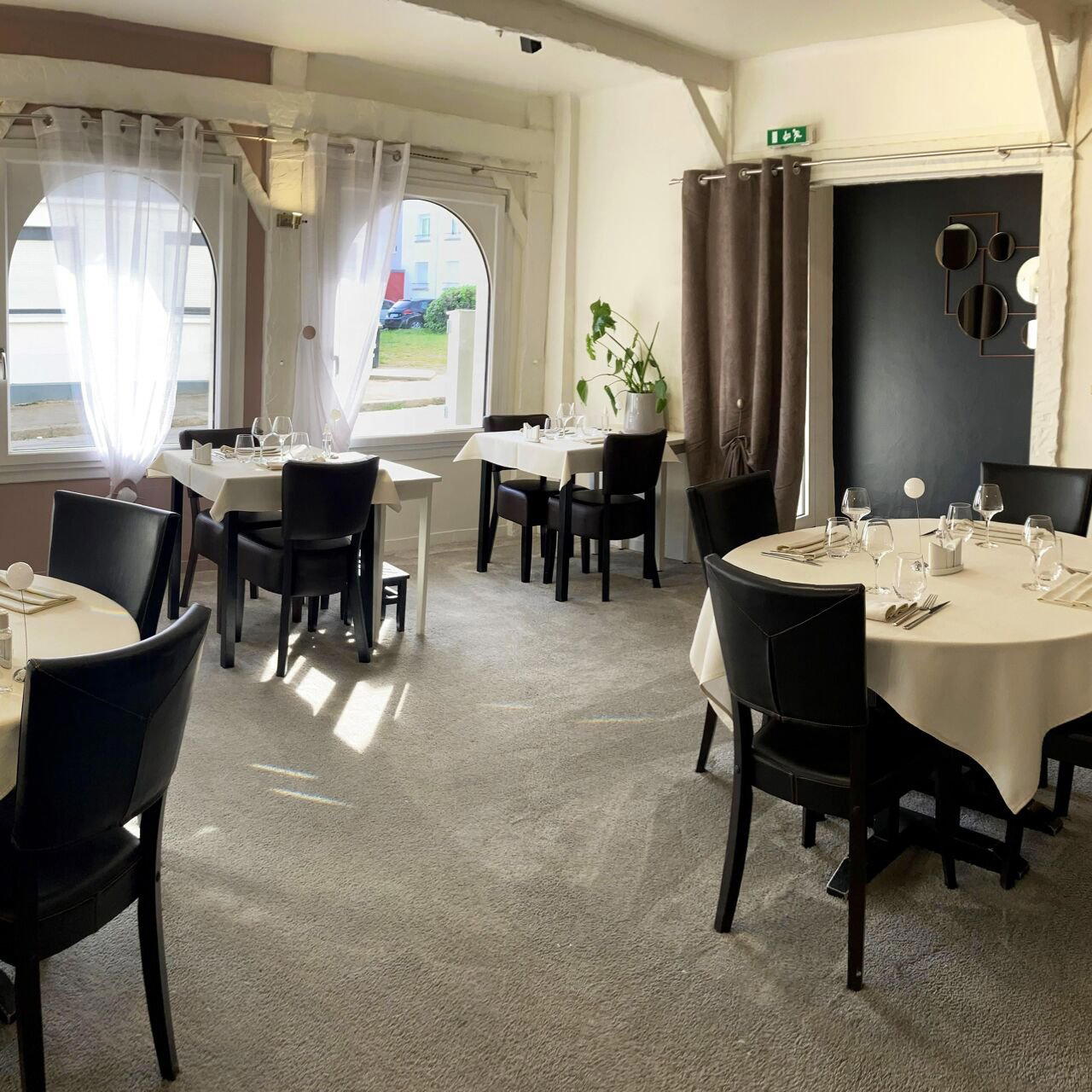
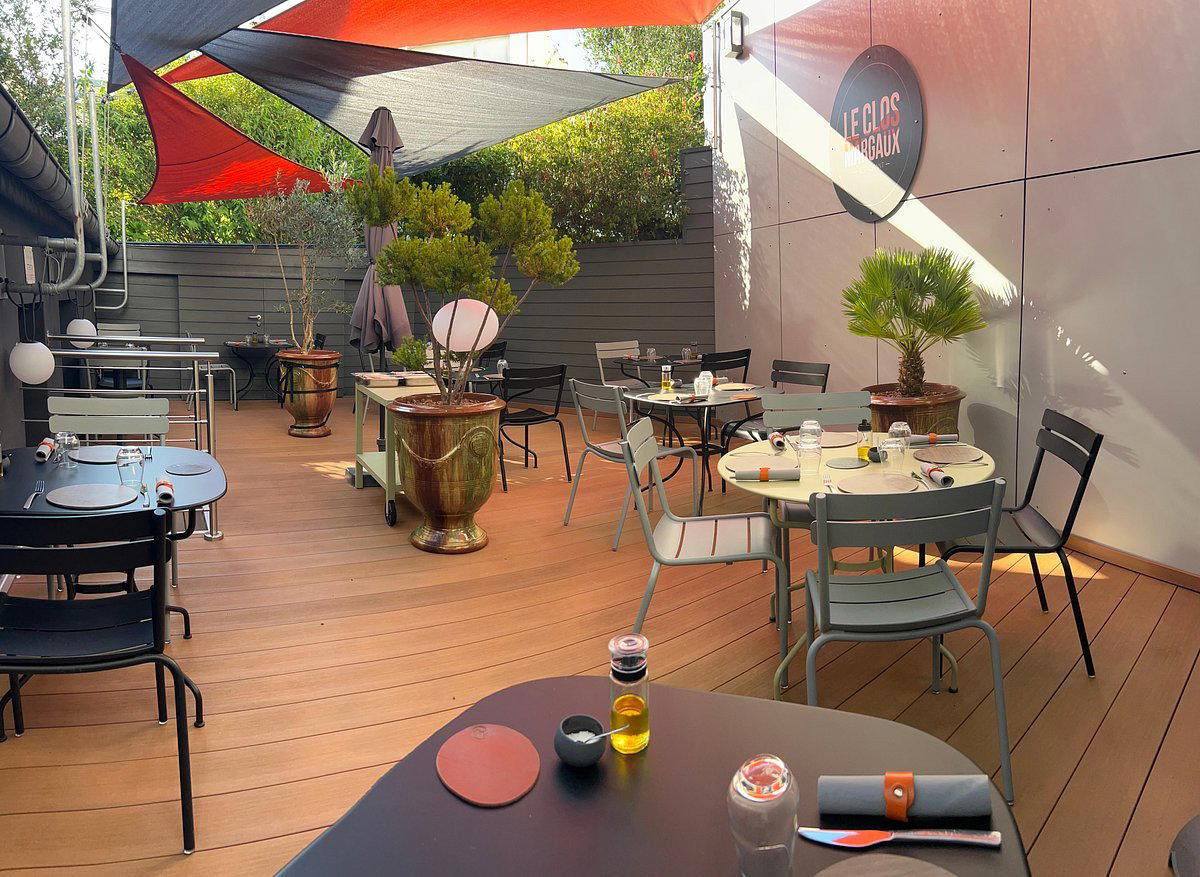
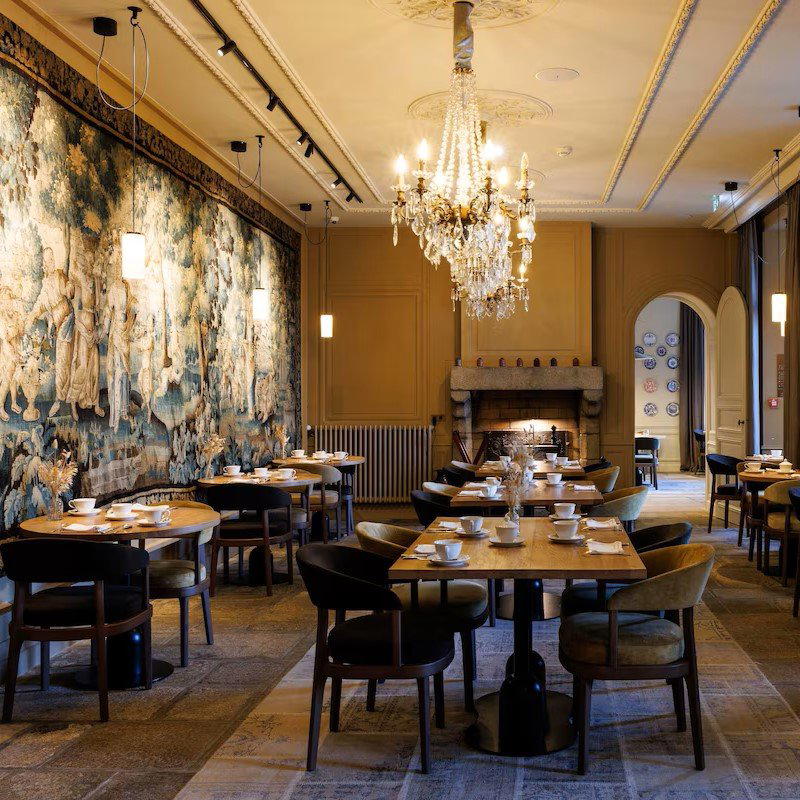
Rustic dining room with old tile floors and straw-bottomed chairs; casual terrace seating; warm, unpretentious atmosphere animated by a friendly team.