Avel Vor


1 Michelin Star · Gault & Millau Chef's Restaurant
Our verdict
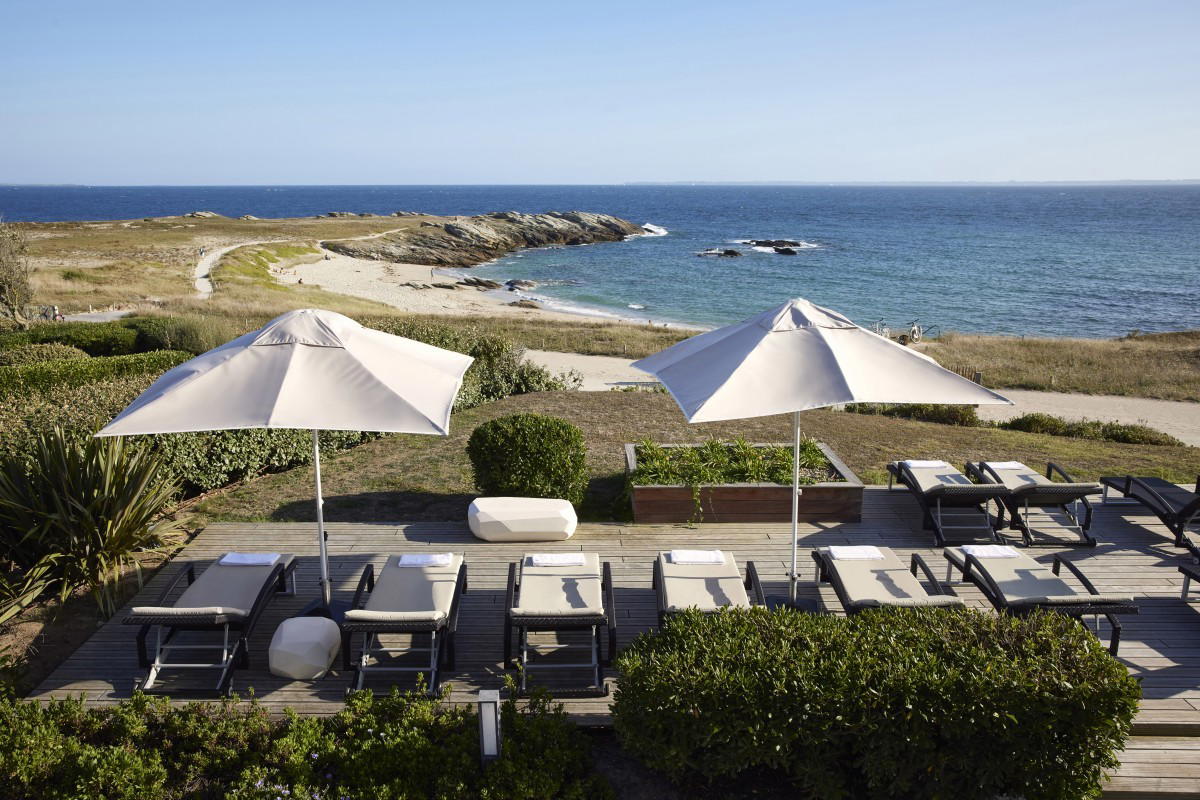
At Avel Vor, the ocean is both muse and larder, inspiring a refined, contemporary interpretation of Brittany’s maritime bounty. The restaurant’s intimate, light-washed dining room frames horizon-wide views, while a meticulously choreographed tasting menu celebrates shellfish, line-caught fish, and coastal herbs with polished restraint and quiet confidence. Thoughtful wine pairings—spotlighting grower Champagne and mineral-driven whites—deepen the dialogue between sea and cellar, creating an experience that feels at once rarefied and deeply rooted in place.

Pearl is the En Primeur Club membership app — saves, bookings, and concierge access live there. Same editors, same standards.
- Address
- 25 Rte de Locmalo, 56290 Port-Louis, France
- Phone
- +33 2 97 82 47 59
- Hours
- Mon–Tue ClosedWed–Sat 12–1 PM, 7:30–9 PMSun 12–1 PM
- Website
- avelvor.com
- Directions
- Get directions
- Booking
- Book on TheFork
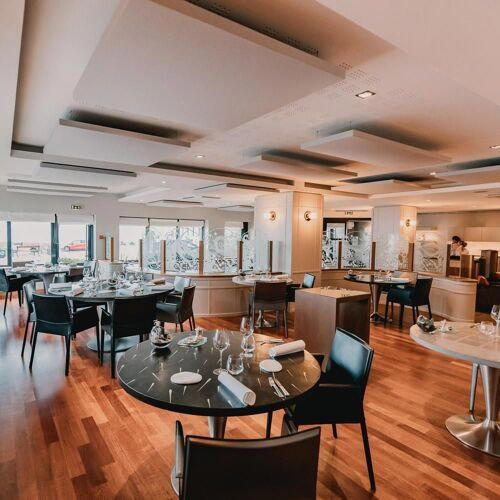
Where the Atlantic Comes to the Table
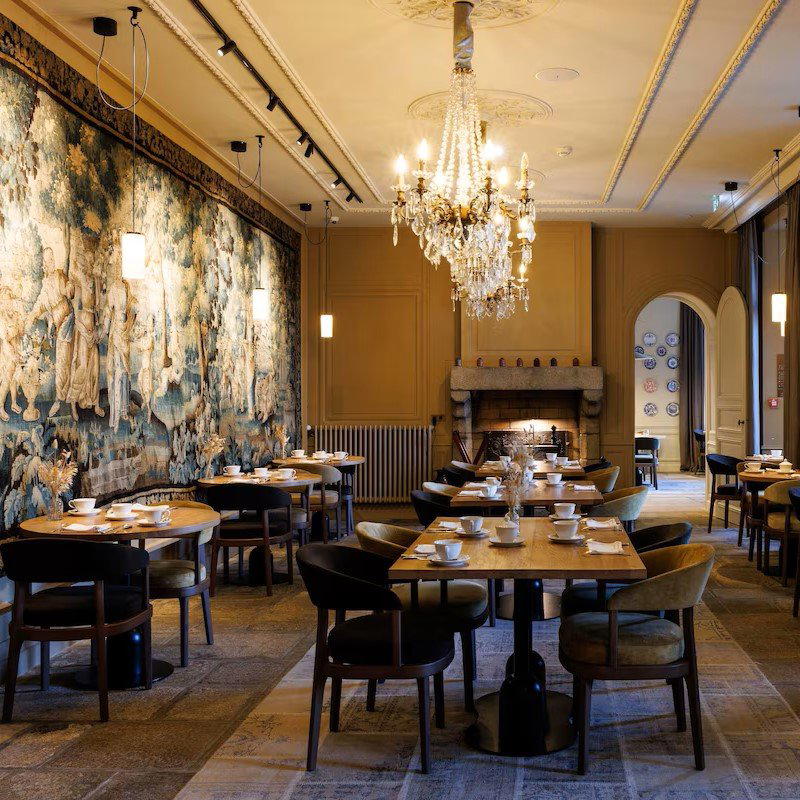
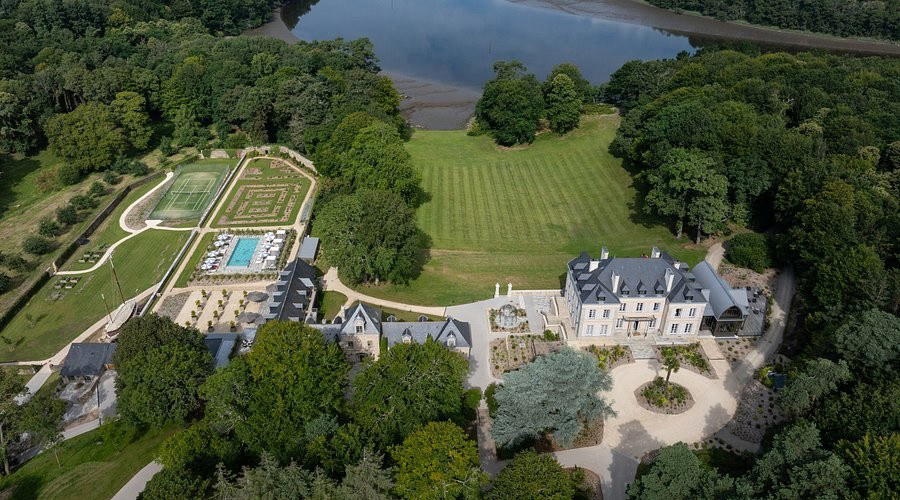
Port-Louis sits at the mouth of the Blavet river where it meets the Rade de Lorient, a small fortified town that has historically been more concerned with tides and fishing boats than restaurant guides. That context matters when assessing what Avel Vor represents: a Michelin-starred kitchen operating in a town most visitors pass through on the way to Lorient or the Quiberon peninsula. The name translates from Breton as "sea breeze," and the setting on Route de Locmalo confirms the maritime orientation before you reach the door. The dining room is spacious and modern rather than rustic, a deliberate choice that reads as ambition rather than deference to coastal cliche.
The Sourcing Case Behind a Breton Kitchen
Brittany's larder is one of the most consistently credible arguments for regional cooking anywhere in France. The Atlantic coast produces shellfish and fin fish with a salinity and freshness that three-star houses in Paris spend considerable effort sourcing and shipping. At Avel Vor, that same produce arrives with a fraction of the transit time, and the kitchen's approach to regional ingredients, specifically flawlessly fresh seafood, buckwheat, Guemene andouille sausage, and gwell (a traditional Breton fermented milk), reflects a sourcing logic that most urban modern-cuisine restaurants can only approximate.
Guemene andouille deserves a moment of explanation for those unfamiliar with it. Produced in a small town roughly forty kilometres northeast of Port-Louis, it is one of France's most geographically specific charcuterie products, its concentric rings of intestine a product of a slow, labour-intensive process that distinguishes it sharply from industrial andouille. Its appearance on a tasting menu in this context is not decorative regionalism; it signals a kitchen that treats the surrounding food culture as a primary material, not a theme. Similarly, gwell, the lightly fermented cow's milk product common in traditional Breton households, brings an acidic, dairy-forward complexity that neither creme fraiche nor buttermilk quite replicates. Its use here positions the kitchen's sourcing at a level of local specificity that goes beyond stocking regional cheeses.
The Mediterranean accents that run through the menu alongside these Breton foundations are worth addressing directly. Olive oil, thyme, and tomato water appearing in a kitchen this far north and this committed to regional sourcing could read as inconsistency. In practice, it functions as the kind of editorial decision that separates a focused creative kitchen from a strictly localist one. The Michelin guide's 2024 award, alongside language describing the dishes as "spot-on, aromatic," suggests those southern touches are applied with proportion rather than novelty. This is the same calibration that Mirazur in Menton brought to Mediterranean-alpine cooking: a defined regional identity that absorbs outside influence without losing its centre of gravity.
Where Avel Vor Sits in the Broader French Fine Dining Conversation
France's one-star tier is considerably more varied in character and ambition than it once was. The Michelin infrastructure that has historically concentrated prestige in Paris and Lyon continues to evolve, and the 2024 recognition of Avel Vor is part of a broader pattern of the guide acknowledging serious kitchens outside metropolitan centres. Restaurants like Auberge du Vieux Puits in Fontjoncouse and Bras in Laguiole have long demonstrated that exceptional cooking does not require an urban address. Avel Vor belongs to that same argument in Brittany's context, occupying a price point of €€€ that places it well below the €€€€ tier occupied by Paris houses such as Alléno Paris au Pavillon Ledoyen or Flocons de Sel in Megève, and priced in a range where the sourcing quality relative to cost is difficult to match in the capital.
The two-chef structure, with Camille Lacome and Agathe Richou sharing the creative direction, is notable in the context of contemporary French kitchens, where collaborative leadership remains rarer than solo-named positions. Michelin's description of the cooking as "flavoursome recipes rooted in the region" is the guide at its most condensed, but the specificity of the ingredient list it cites reads as evidence of a kitchen with a clear point of view rather than one assembling competent modern cuisine from anonymous suppliers. For comparison, the kind of Mediterranean-inflected creative cooking being done at AM par Alexandre Mazzia in Marseille operates from a similarly ingredient-led logic, though in an entirely different regional context.
Practical Considerations for Planning Your Visit
The operating hours at Avel Vor require attention before booking. Tuesday through Saturday, the kitchen runs two services: lunch from 12:00 to 13:00, and dinner from 19:30 to 21:00. Sunday service is lunch only, from 12:00 to 13:00. The restaurant is closed Monday and Tuesday. The lunch window of a single hour is narrow by the standards of French fine dining, and the dinner window of ninety minutes similarly compressed, which suggests a timed, structured format rather than a leisurely open-ended sitting. Visitors travelling from Lorient, approximately fifteen kilometres to the northeast, or from further afield in the Morbihan department, should factor this into itinerary planning.
Port-Louis itself offers limited accommodation relative to its culinary standing, which means most visitors arriving specifically for Avel Vor will be based in Lorient or along the Quiberon coast. For those building a full Brittany trip around the restaurant, our [Port-Louis restaurants guide](), [hotels guide](), and [bars guide]() cover the broader local options, alongside the [Port-Louis wineries guide]() and experiences guide for anyone spending more than a single meal in the area.
Further afield, Troisgros - Le Bois sans Feuilles in Ouches and Paul Bocuse - L'Auberge du Pont de Collonges in Collonges-au-Mont-dOr represent the longer tradition of destination restaurants operating outside Paris. For those curious about how modern cuisine translates across different cultural contexts, Frantzén in Stockholm and FZN by Björn Frantzén in Dubai offer instructive international comparisons.
Frequently asked questions
Is Avel Vor suitable for children?
What should I expect atmosphere-wise at Avel Vor?
What do regulars order at Avel Vor?
How It Stacks Up
| Venue | Cuisine | Price | Awards |
|---|---|---|---|
| Avel VorThis venue — the venue you are viewing | Modern French Fine Dining | $50–100 | 1 Michelin Star · Gault & Millau Chef's Restaurant |
| Alléno Paris au Pavillon Ledoyen | Creative | Not listed | Michelin 3 Star |
| Kei | Contemporary French, Modern Cuisine | Not listed | Michelin 3 Star |
| L'Ambroisie | French, Classic Cuisine | Not listed | Michelin 3 Star |
| Le Cinq - Four Seasons Hôtel George V | French, Modern Cuisine | Not listed | Michelin 3 Star |
| Plénitude | Contemporary French | Not listed | Michelin 3 Star |
Recognition history
Dated appearances from independent guides and award organizations, with the underlying list record or original source where available.
Michelin 1 Star
Michelin
Gault & Millau Chef's Restaurant
Gault & Millau
Full recognition history (4 entries)
Michelin 1 Star
Michelin
Michelin 1 Star
Michelin
Continue exploring
More in Port-Louis
Restaurants in Port-Louis
Browse all →
Bars in Port-Louis
Browse all →
Details
- Elegant
- Modern
- Sophisticated
- Intimate
- Date Night
- Special Occasion
- Waterfront
- Private Dining
- Extensive Wine List
- Farm To Table
- Local Sourcing
- Waterfront
- Street Scene
- A La Carte
- Prix Fixe
Current opening hours
- Monday
- Closed
- Tuesday
- Closed
- Wednesday
- 12–1 PM, 7:30–9 PM
- Thursday
- 12–1 PM, 7:30–9 PM
- Friday
- 12–1 PM, 7:30–9 PM
- Saturday
- 12–1 PM, 7:30–9 PM
- Sunday
- 12–1 PM
Hours can change for holidays and private events. Last verified .
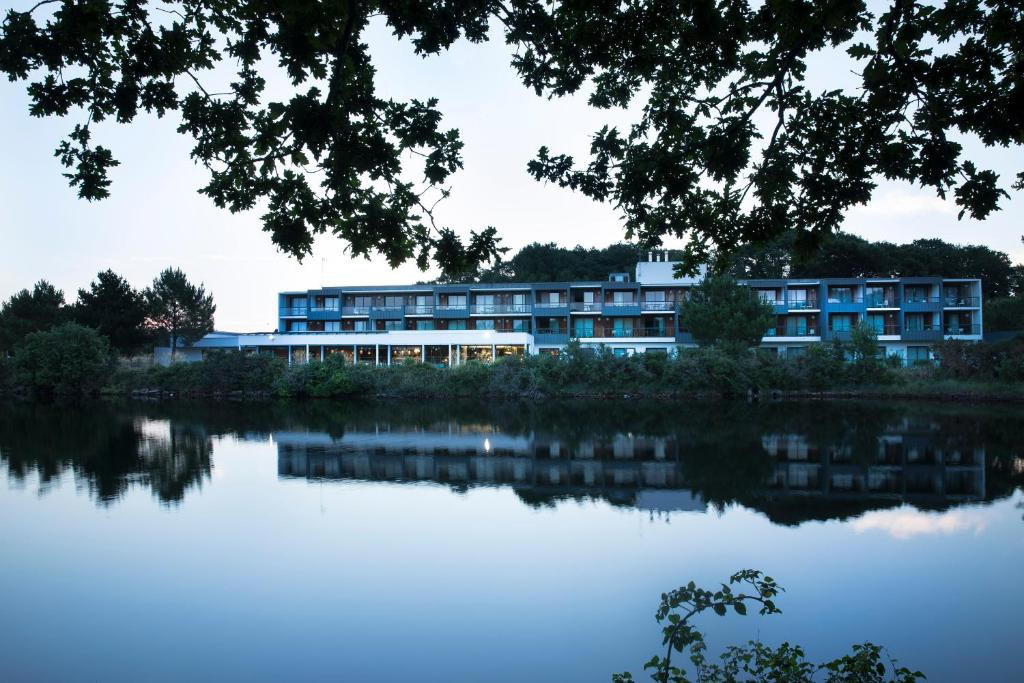
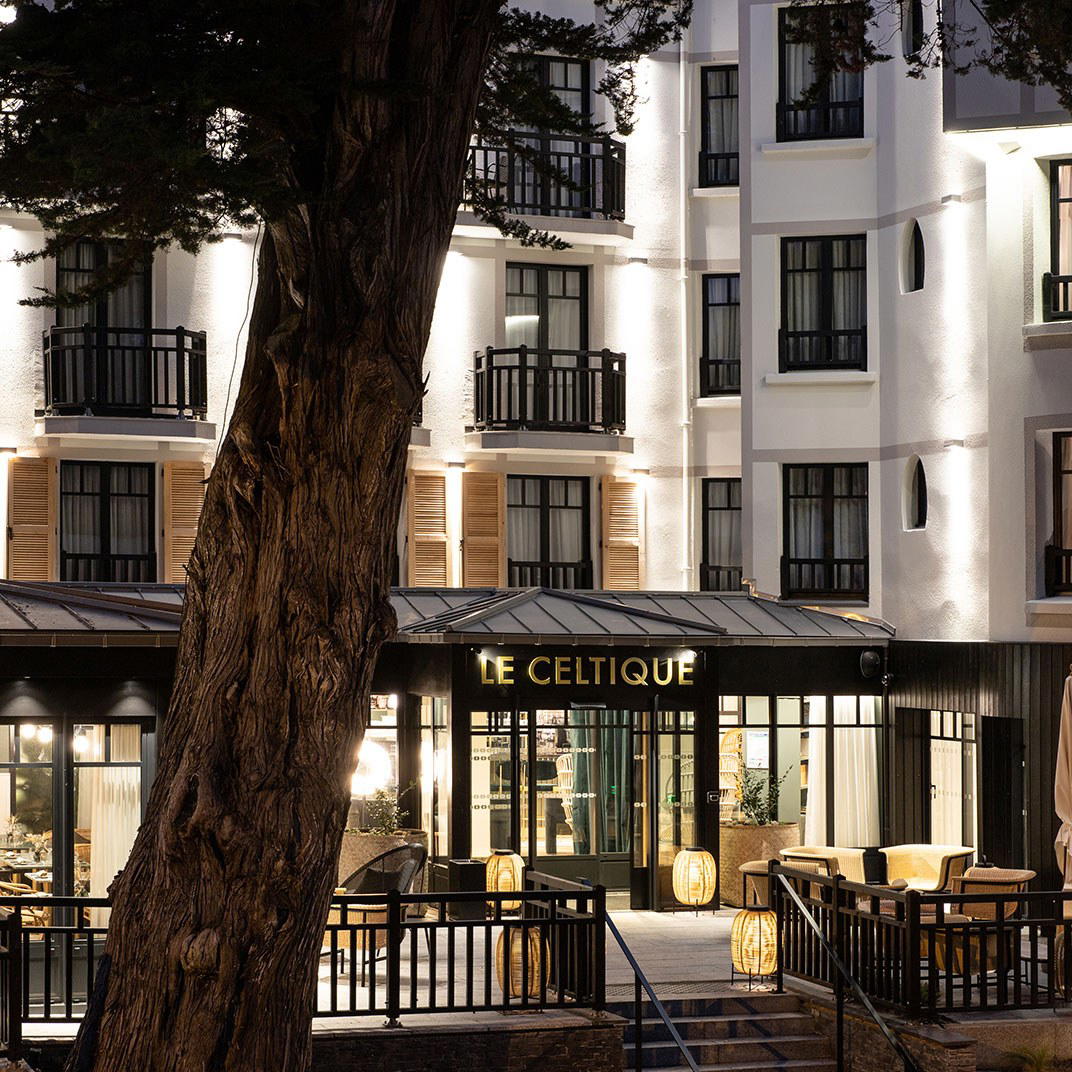
Spacious modern setting with elegant, luminous, simple and subdued atmosphere.