Bon Délire
Bon Délire occupies Pier 3 on San Francisco's Embarcadero waterfront, positioning itself within a city where sustainability-conscious dining has moved from niche commitment to competitive expectation. The venue sits at the intersection of Bay Area ethical sourcing culture and the broader shift toward environmental accountability that now defines the upper tier of American fine dining.
Pearl is the En Primeur Club membership app — saves, bookings, and concierge access live there. Same editors, same standards.
- Address
- Pier 3, San Francisco, CA 94111
- Phone
- +14159690655
- Website
- bondeliresf.com
- Directions
- Get directions
 Saves & bookings on Pearl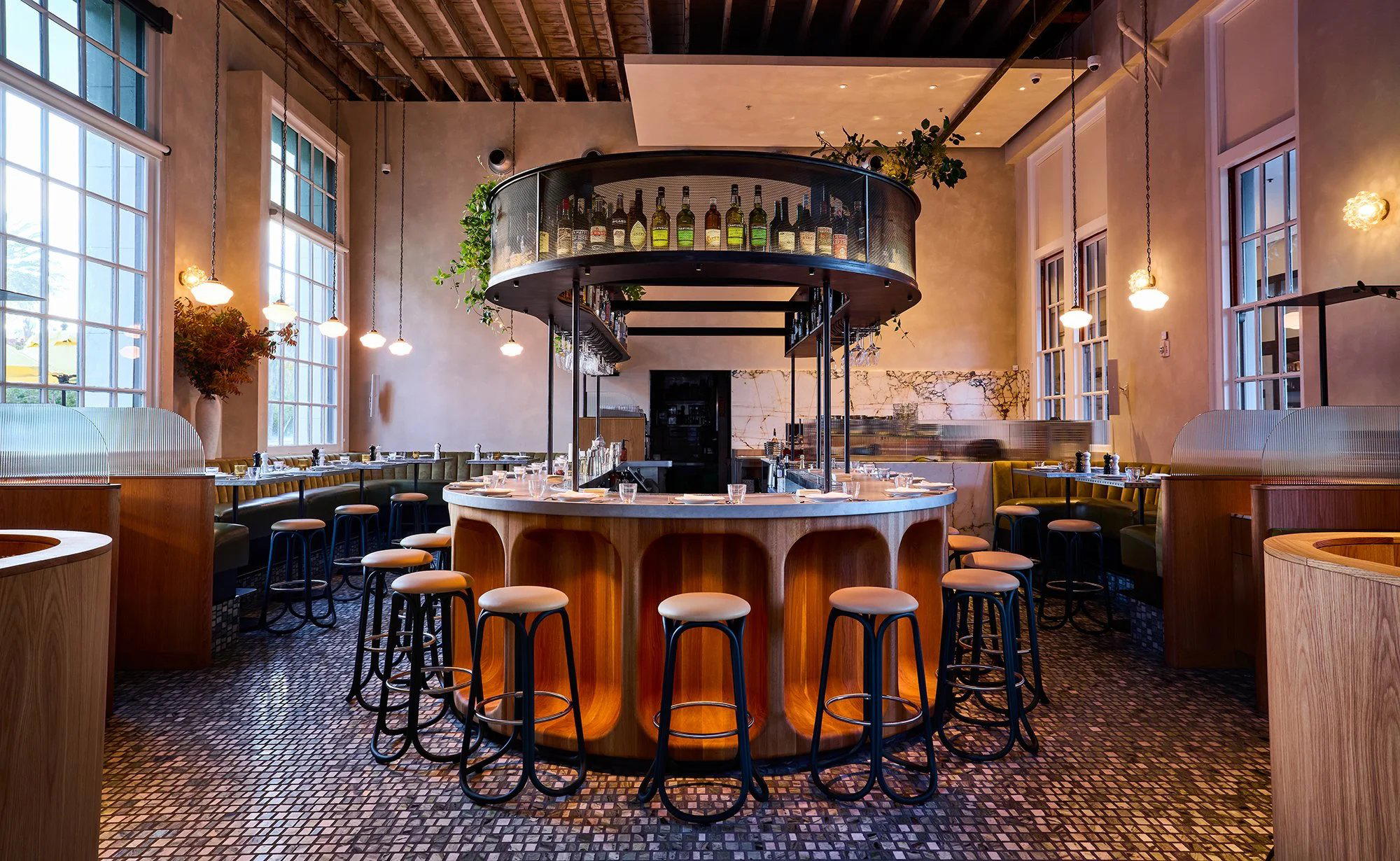
The Embarcadero Edge: Waterfront Dining and Environmental Accountability
Pier 3 on San Francisco's Embarcadero places a restaurant in an unusual position: the physical setting already carries its own ecological argument. The bay is visible, the tidal rhythms are audible, and the proximity to the water makes the question of sourcing not merely philosophical but immediate. In a city where sustainability credentials have become a baseline expectation for serious restaurants, a waterfront address either reinforces the conversation or exposes the gap between setting and practice. The dining public here has grown sophisticated enough to notice which side of that line a kitchen falls on.
San Francisco's relationship with environmentally accountable dining runs deeper than trend. The Bay Area has long been the geographic and intellectual center of American farm-to-table culture, a lineage that stretches back to the early work at Chez Panisse in Berkeley and continues through the current generation at places like Single Thread Farm in Healdsburg, where the farm-restaurant integration is structural rather than decorative, and Saison, whose wood-fire sourcing philosophy extends to fuel, not just ingredients. Bon Délire enters this conversation from Pier 3, a location that carries both the romance of the bay and the practical logistics of waterfront supply chains.
Where the Venue Sits in the San Francisco Dining Tier
The upper bracket of San Francisco dining is currently occupied by a compact set of destination restaurants, most of them operating at the $$$ price tier with tasting menus and Michelin recognition. Atelier Crenn holds three Michelin stars and operates with a committed no-beef policy rooted in environmental reasoning. Benu has sustained three stars with a French-Chinese format that draws from both Korean and California produce networks. Quince and Lazy Bear round out the competitive tier, both operating at $$$$ with fixed formats and deep sourcing commitments. Bon Délire's position relative to this comparable set will become clearer as the venue establishes its record, but the Embarcadero address and the city context place it adjacent to among the more demanding dining audiences in the United States.
For context on how sustainability operates at the highest level of American restaurant culture, the reference points are instructive. Blue Hill at Stone Barns in Tarrytown has built its entire identity around closed-loop farm economics. Le Bernardin in New York has made seafood sourcing transparency a public commitment alongside its technical reputation. What these venues share is the insistence that environmental accountability is not a marketing layer but a kitchen discipline with consequences for what appears on the plate and what does not.
The Sustainability Frame in California Fine Dining
California's regulatory environment and its produce geography give restaurants here structural advantages in sustainable sourcing that restaurants in other cities have to work harder to replicate. The state's agricultural diversity means that committed kitchens can build menus with minimal supply chain distance for most of the year. Seafood from the Pacific, produce from the Central Valley and the coastal farms of Marin and Sonoma, and the Napa-Sonoma wine corridor within two hours of the city create a sourcing radius that a New York or Chicago restaurant would struggle to match. Smyth in Chicago builds its own version of this through a basement fermentation and preservation program that reduces seasonal dependency. Providence in Los Angeles has made sustainable seafood certification a public-facing commitment for over a decade.
The harder question, in any California restaurant operating with sustainability as a framing claim, is whether waste reduction and ethical sourcing extend beyond ingredients into operations: energy sourcing, kitchen waste management, packaging, and water use. San Francisco's own municipal composting requirements set a floor for restaurant waste practice, but the upper tier of the market has been moving the bar considerably higher. Atelier Moessmer Norbert Niederkofler in Brunico has built a cook-the-mountain philosophy around zero-waste alpine ingredient use that has influenced how European fine dining frames its regional obligations. That influence has reached California kitchens.
Pier 3 and the Embarcadero Context
The Embarcadero's pier buildings occupy a specific place in San Francisco's commercial and cultural geography. Once working industrial waterfront, the piers have been progressively converted into cultural, office, and hospitality uses over the past three decades. Pier 3 sits north of the Ferry Building, which since its 1998 renovation has anchored a food-focused waterfront identity that includes the Saturday farmers market, now among the more attended in California. The proximity to that food culture is context worth noting: the Ferry Building market is where Bay Area chefs shop publicly, and where the region's small-farm and artisan producer networks are most visible. A restaurant at Pier 3 operates within earshot of that tradition.
For travellers already exploring the broader American fine dining circuit, the San Francisco waterfront sits within a geography that includes The French Laundry in Napa, roughly an hour's drive north, and connects by air to peers like Addison in San Diego, Frasca Food and Wine in Boulder, and Atomix in New York. The Inn at Little Washington and Emeril's in New Orleans represent the depth of the American fine dining map that San Francisco sits within. Our full San Francisco restaurants guide maps the city's dining tier in detail.
Planning Your Visit
Current public data for Bon Délire at Pier 3 does not include confirmed hours, pricing, or booking method. Visitors should verify operational details directly before planning. The table below places the venue in its approximate peer context.
| Venue | Price Tier | Format | Booking Lead Time |
|---|---|---|---|
| The restaurant (Pier 3, SF) | $$$ | Parisian French Bistro | Recommended |
| Lazy Bear | $$$$ | Progressive American tasting | Several weeks |
| Atelier Crenn | $$$$ | Modern French tasting | Months in advance |
| Benu | $$$$ | French-Chinese tasting | Months in advance |
| Quince | $$$$ | Italian contemporary tasting | Several weeks |
Category Peers
Comparable venues nearby, for context on price, style, and recognition.
| Venue | Cuisine | Price | Notes |
|---|---|---|---|
| Bon DélireThis venue — the venue you are viewing | Parisian French Bistro | $$$ | Not listed |
| Chouquet's | Classic French Bistro | $$$ | Pacific Heights |
| Chez Maman | Casual French Bistro | $$ | Potrero Hill |
| Absinthe | French Brasserie | $$$ | Hayes Valley |
| The Harlequin | New American | $$$ | Financial District/South Beach |
| Espetus Churrascaria | Authentic Brazilian Churrascaria | $$$ | Hayes Valley |
Continue exploring
More in San Francisco
Restaurants in San Francisco
Browse all →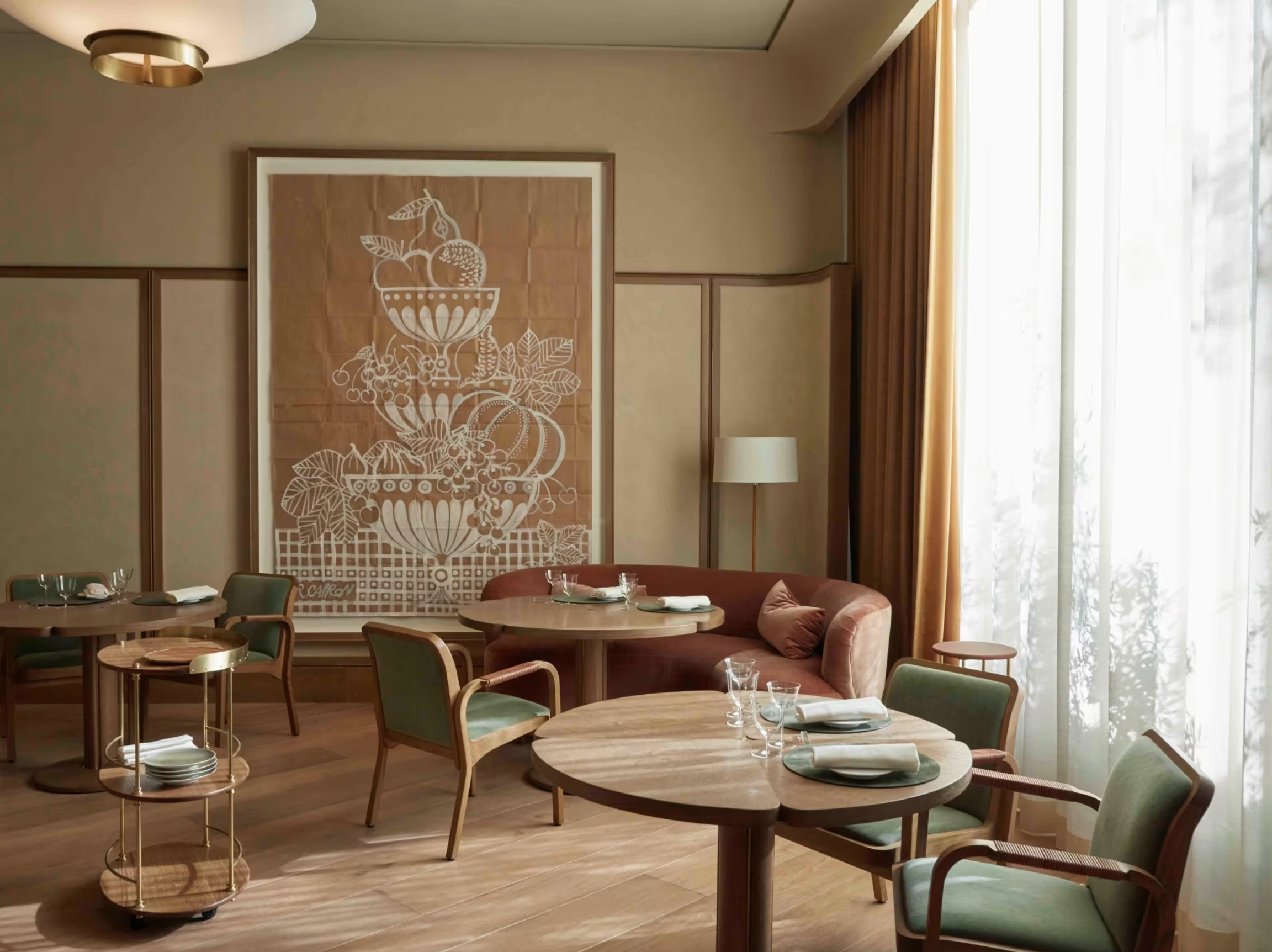
Bars in San Francisco
Browse all →
Hotels in San Francisco
Browse all →
At a Glance
- Lively
- Trendy
- Elegant
- Cozy
- Date Night
- Casual Hangout
- Waterfront
- Open Kitchen
- Craft Cocktails
- Waterfront
Current opening hours
- Monday
- 11:30 AM–9 PM
- Tuesday
- 11:30 AM–9 PM
- Wednesday
- 11:30 AM–9 PM
- Thursday
- 11:30 AM–9 PM
- Friday
- 11:30 AM–9:30 PM
- Saturday
- 11:30 AM–9:30 PM
- Sunday
- 11:30 AM–3 PM
Hours can change for holidays and private events. Last verified .
Stylish venue with high ceilings in a historic harbor building, French movie projections, DJ booth with vinyl, and festive energy blending Parisian charm with hip-hop soundtrack.