La Manne Céleste sits on Le Grand Chemin in Mane, in the heart of Provence's Alpes-de-Haute-Provence, where the surrounding countryside defines what ends up on the plate. The address places it within reach of some of the region's most celebrated tables, making it a natural stop for travellers mapping the South of France's serious dining circuit.
Pearl is the En Primeur Club membership app — saves, bookings, and concierge access live there. Same editors, same standards.
- Address
- Le Grand Chemin, 04300 Mane, France
- Phone
- +33492750570
- Website
- lamanneceleste.fr
- Directions
- Get directions
 Saves & bookings on Pearl
Where Provençal Land Meets the Plate
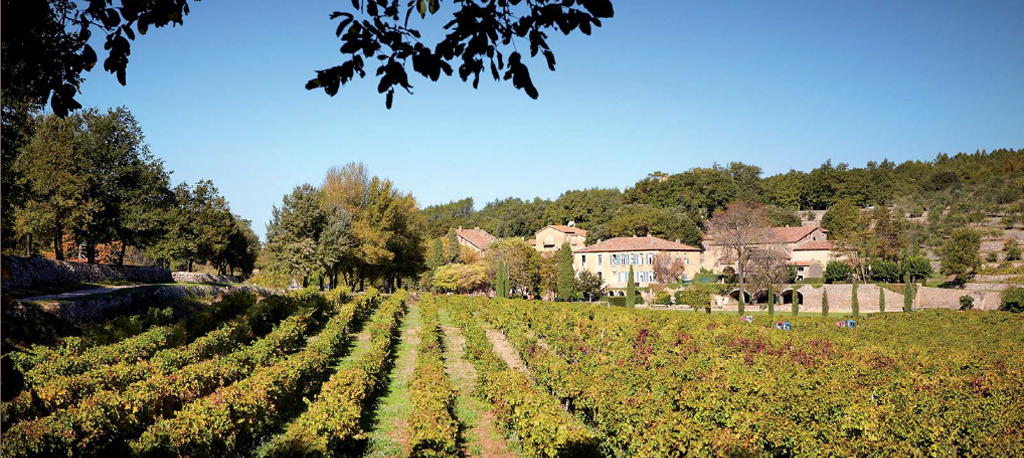
The road into Mane arrives through dry-stone walls and lavender plots that have supplied the region's kitchens long before the term farm-to-table entered editorial vocabulary. The soil here, alkaline and mineral-rich from centuries of sheep grazing and wildflower cycling, produces herbs, vegetables, and game that carry a distinctly Provençal signature: more austere than the coast, more aromatic than the alpine north. La Manne Céleste, on Le Grand Chemin, occupies this terrain in a literal sense.
For a certain category of restaurant in southern France, the sourcing question is the restaurant. The cuisine of Haute-Provence has always been defined by proximity, to thyme and savory on the garrigue, to market stalls in Forcalquier just a few kilometres away, to small producers who grow for flavour rather than volume. Where tables in Marseille or Lyon can compensate with technique and supply-chain reach, the villages around Mane rely on something more immediate. What arrives at the pass is, in most cases, what grew or grazed within a short radius. That constraint is also the opportunity.
Mane's Dining Context: A Village with Serious Neighbours
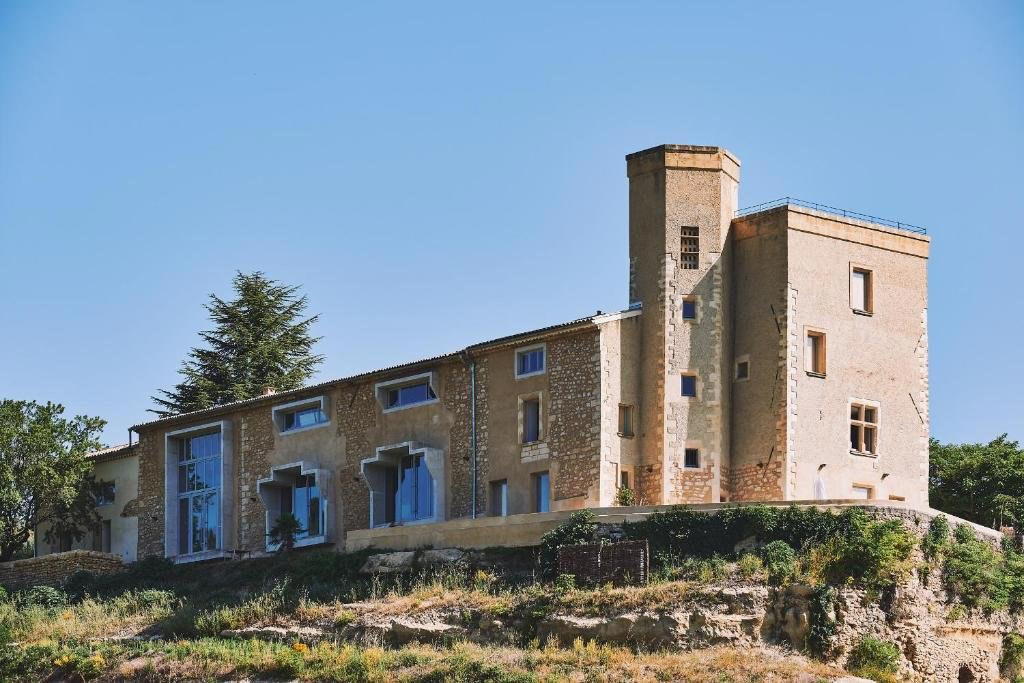
Mane is a small commune, but its immediate hospitality context is not. Le Couvent des Minimes, the L'Occitane-affiliated hotel and spa complex sitting just above the village, houses two distinct dining rooms: Le Feuillée, which operates a modern cuisine format at the higher end of local pricing, and Pamparigouste, positioned a price tier below with a similarly produce-led approach. The hotel's own restaurant, Le Couvent des Minimes restaurant, adds a Provençal French anchor to the cluster. That three-venue concentration within a single estate means Mane already punches above its population weight as a dining address. La Manne Céleste enters this context as an independent address on the route through the village, distinct from the Couvent cluster and drawing a different kind of visitor, one who came specifically rather than by virtue of being a hotel guest.
The broader South of France dining circuit provides useful comparison points. Tables like Mirazur in Menton, built around a coastal garden that supplies a significant portion of its menu, or Auberge du Vieux Puits in Fontjoncouse, which helped put a near-unknown village on France's serious dining map, demonstrate how deep sourcing credentials can carry a rural address into national and international conversation. In the French tradition, the auberge model, rooted, ingredient-led, often family-scaled, has produced some of the country's most durable restaurants. Bras in Laguiole is the clearest precedent: a destination built on the specificity of a plateau's flora, where the ingredients themselves constitute the editorial argument for making the journey.
The Ingredient Logic of Haute-Provence
Understanding what makes this region's produce distinctive requires looking at the agricultural calendar. Spring in the Alpes-de-Haute-Provence brings wild asparagus, early artichokes from the valley floors, and the first of the season's herbs. Summer is the peak: tomatoes from sun-baked terraces, courgettes, aubergines, and the lavender-honey production that defines the area's identity globally through the L'Occitane brand. Autumn delivers mushrooms from forested slopes, game from the plateau above Forcalquier, and the last of the stone fruits. This cycle, compressed and intense because of the altitude and dry climate, means that a kitchen working with local supply is forced to be seasonal in a way that coastal or urban restaurants can choose to ignore.
The leading Provençal cooking respects this compression rather than fighting it. At tables like AM par Alexandre Mazzia in Marseille, Provençal identity gets filtered through high-technique abstraction. In a village context, the logic tends to run the other way: less transformation, more fidelity to what the land produces in a given week. That approach demands supply relationships that urban kitchens rarely need, direct agreements with small farmers, foragers who know the terrain, and a willingness to adjust the menu to availability rather than the reverse.
Positioning and comparable set
France's independent village restaurants occupy a distinct tier in the national dining structure. They are not competing with the three-Michelin-star destinations that draw international flights, the Alléno Paris au Pavillon Ledoyen tier, or the long-established multi-generational houses like Auberge de l'Ill in Illhaeusern or Paul Bocuse - L'Auberge du Pont de Collonges. Nor are they trying to be. Their comparable set is more local: the bonne table that draws from a 50-kilometre radius, serves a mix of regional visitors and destination travellers, and builds its credibility on consistency and sourcing rather than spectacle. Flocons de Sel in Megève, despite its Michelin recognition, exemplifies how a mountain-village address can hold serious culinary standing by anchoring every element to its terrain.
For visitors constructing a longer itinerary through southern France, tables like Christopher Coutanceau in La Rochelle or Assiette Champenoise in Reims represent the kind of regional anchors that justify route planning around a single meal. Mane is positioned to play a similar role for those routing through Provence on a food-driven itinerary, its location between Aix-en-Provence and the Luberon makes it a logical midpoint rather than a detour.
Planning a Visit
Mane is a 15-minute drive from Manosque, which has a rail connection to Aix-en-Provence and Marseille on the Ligne des Alpes. By road from Aix, the drive runs approximately one hour through the Durance valley. The village is compact enough to walk, though arrival by car is the practical choice for most.
In Context: Similar Options
Comparable venues nearby, for context on price, style, and recognition.
| Venue | Cuisine | Price | Awards | Notes |
|---|---|---|---|---|
| La Manne CélesteThis venue — the venue you are viewing | French-Thai Fusion Bistro with Wood-Fired Pizzas | $$ | Not listed | Not listed |
| Le Couvent des Minimes, Un Hôtel & Spa L'Occitane en Provence | Provençal Bistro & Michelin-Starred French | $$$ | Not listed | Mane |
| Pamparigouste - Le Couvent des Minimes | Modern Provençal Bistro | $$$$ | Michelin Plate | Mane |
| Le Feuillée - Le Couvent des Minimes | French | $$$$ | Michelin 1 Star | Mane |
| Café. Germain | Provençal French Bistro | $$ | Not listed | Grand Place |
| Le Petit Provençal | Provençal French Bistro | $$ | Not listed | old town |
Continue exploring
More in Mane
Restaurants in Mane
Browse all →
Bars in Mane
Browse all →

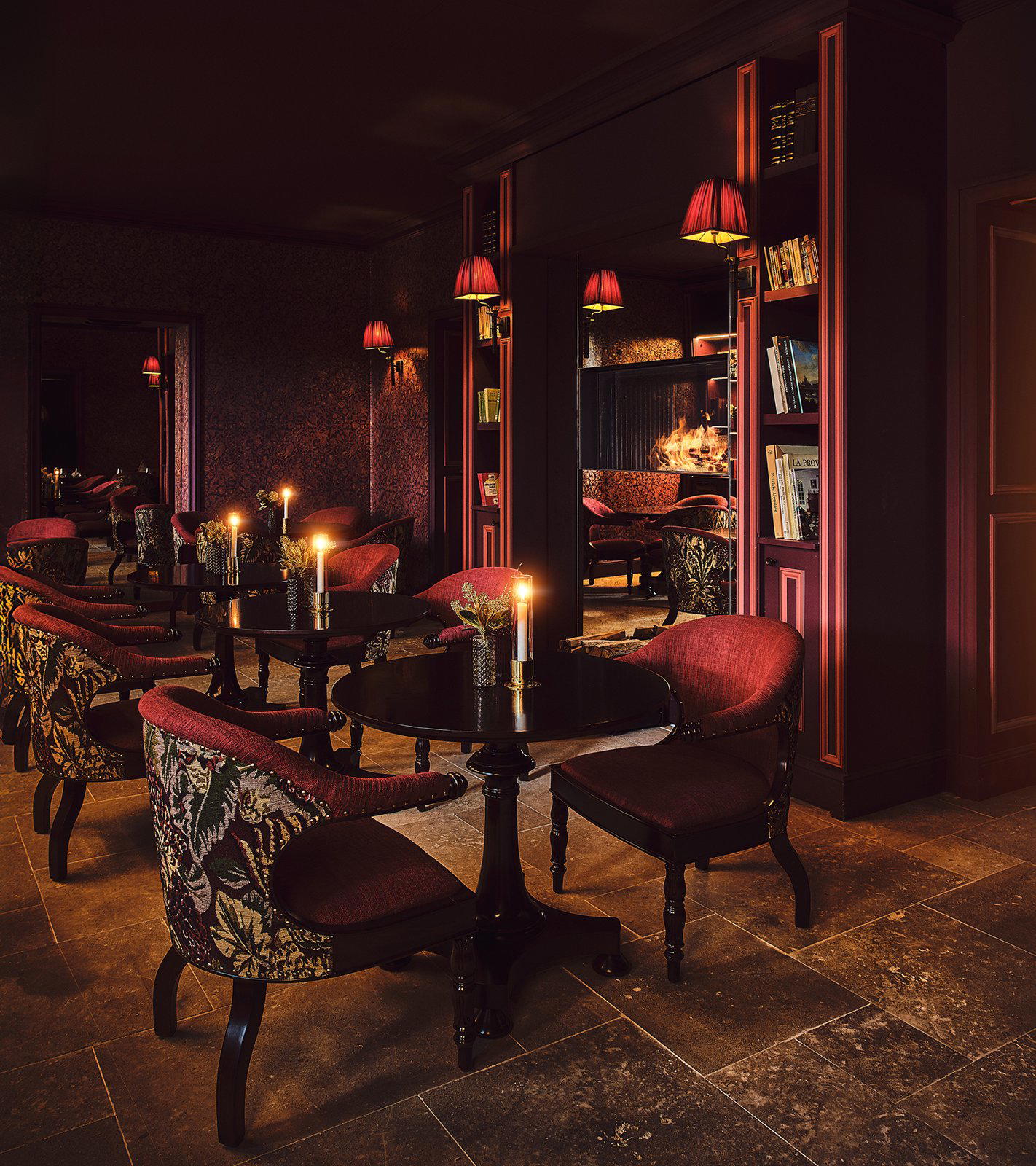
Hotels in Mane
Browse all →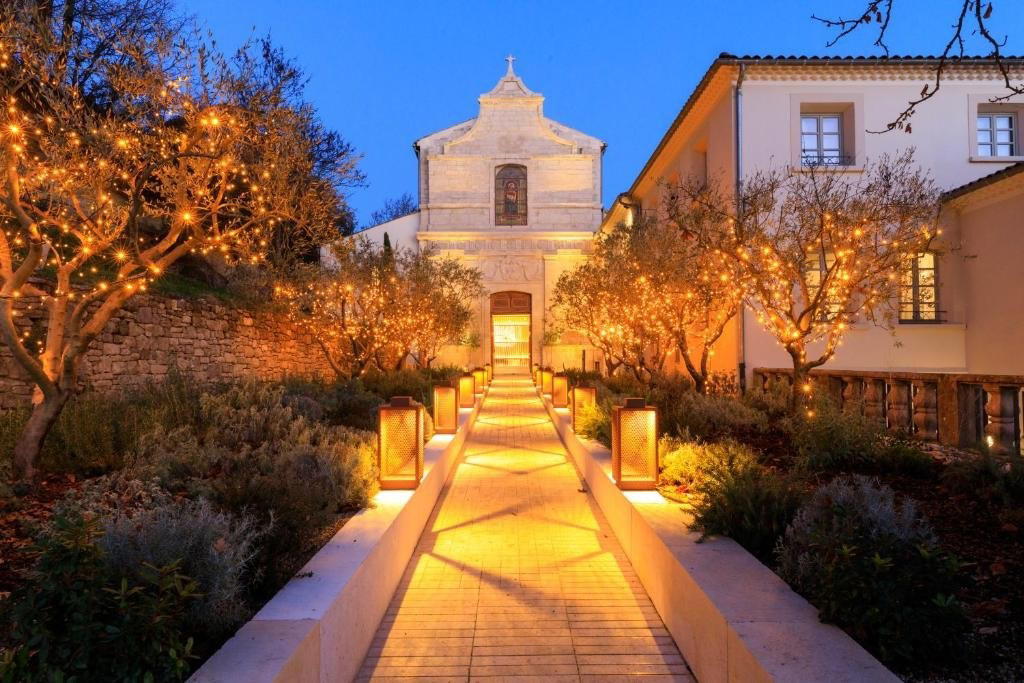
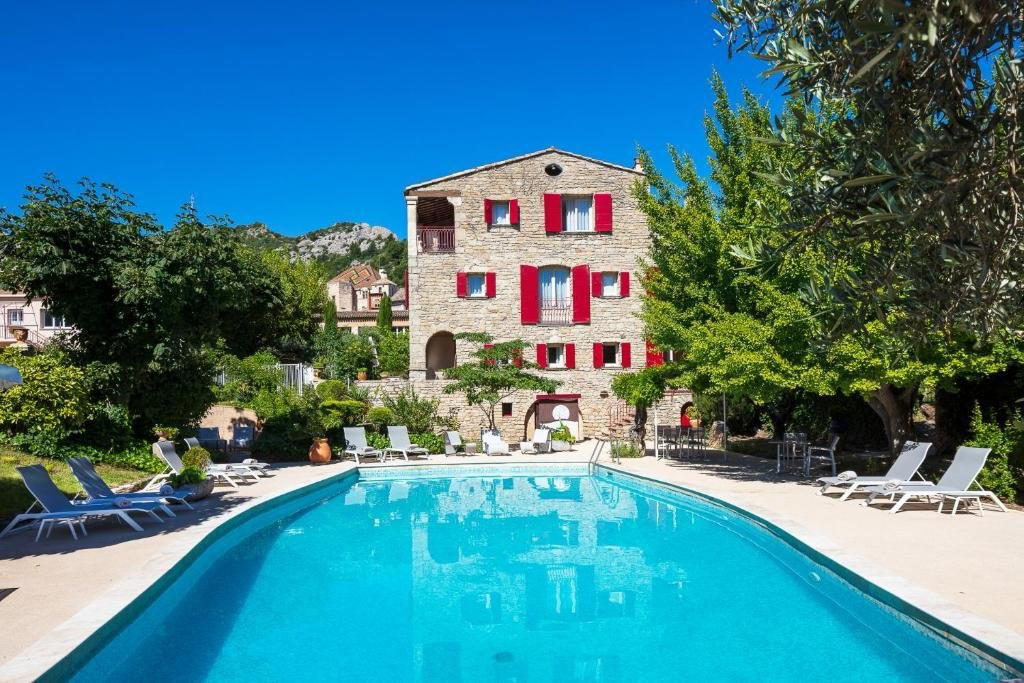
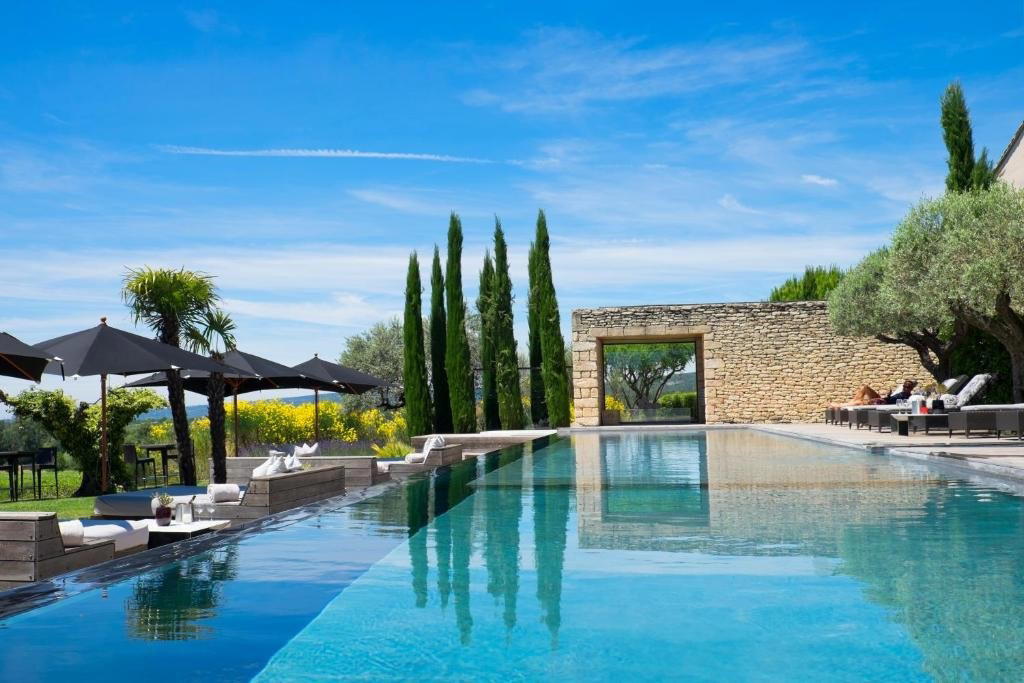
At a Glance
- Cozy
- Lively
- Classic
- Casual Hangout
- Family
- Terrace
- Open Kitchen
- Garden
Current opening hours
- Monday
- Closed
- Tuesday
- 7–10 PM
- Wednesday
- 7–10 PM
- Thursday
- 7–10 PM
- Friday
- 7–10:30 PM
- Saturday
- 7–10:30 PM
- Sunday
- Closed
Hours can change for holidays and private events. Last verified .
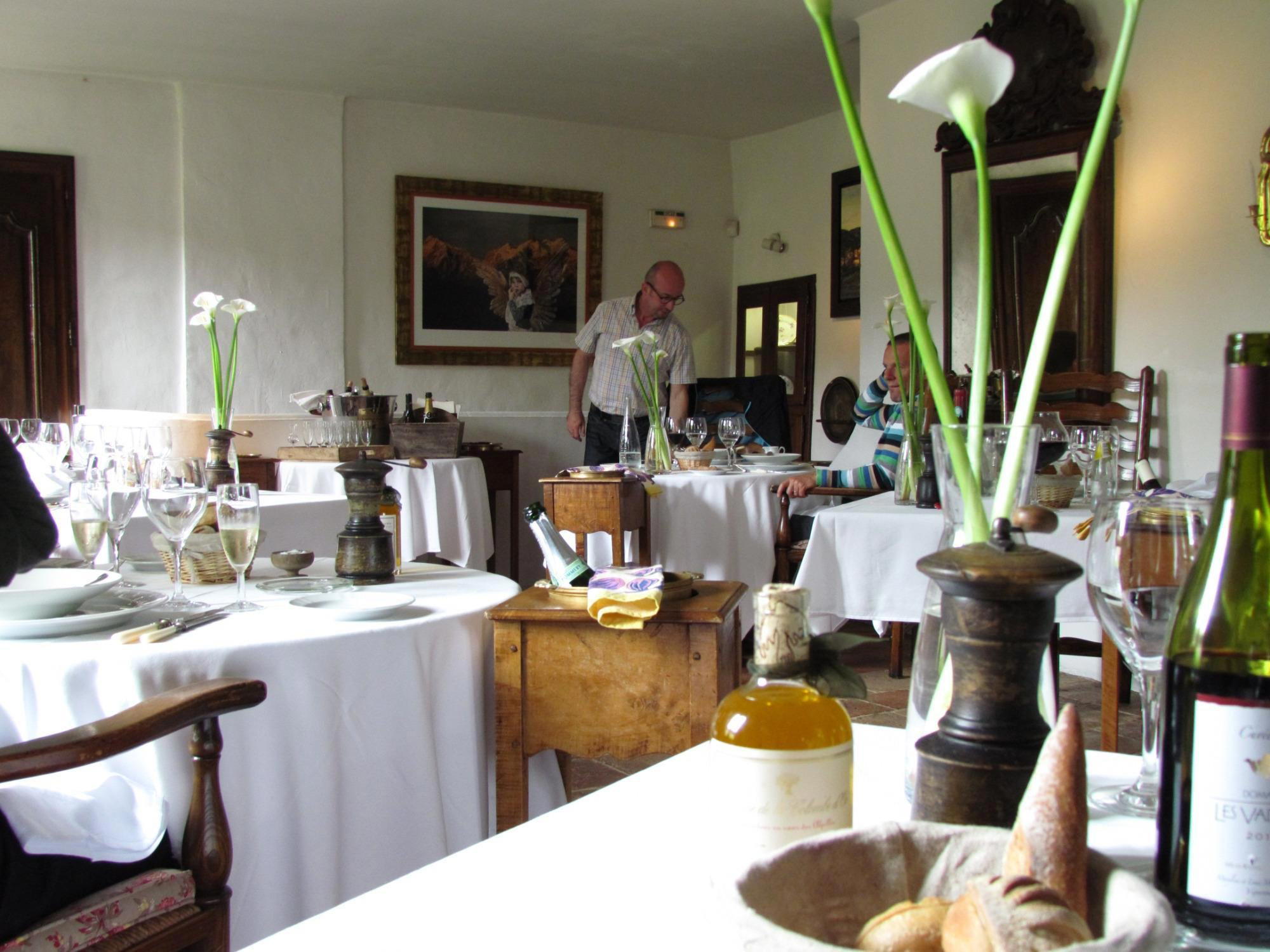
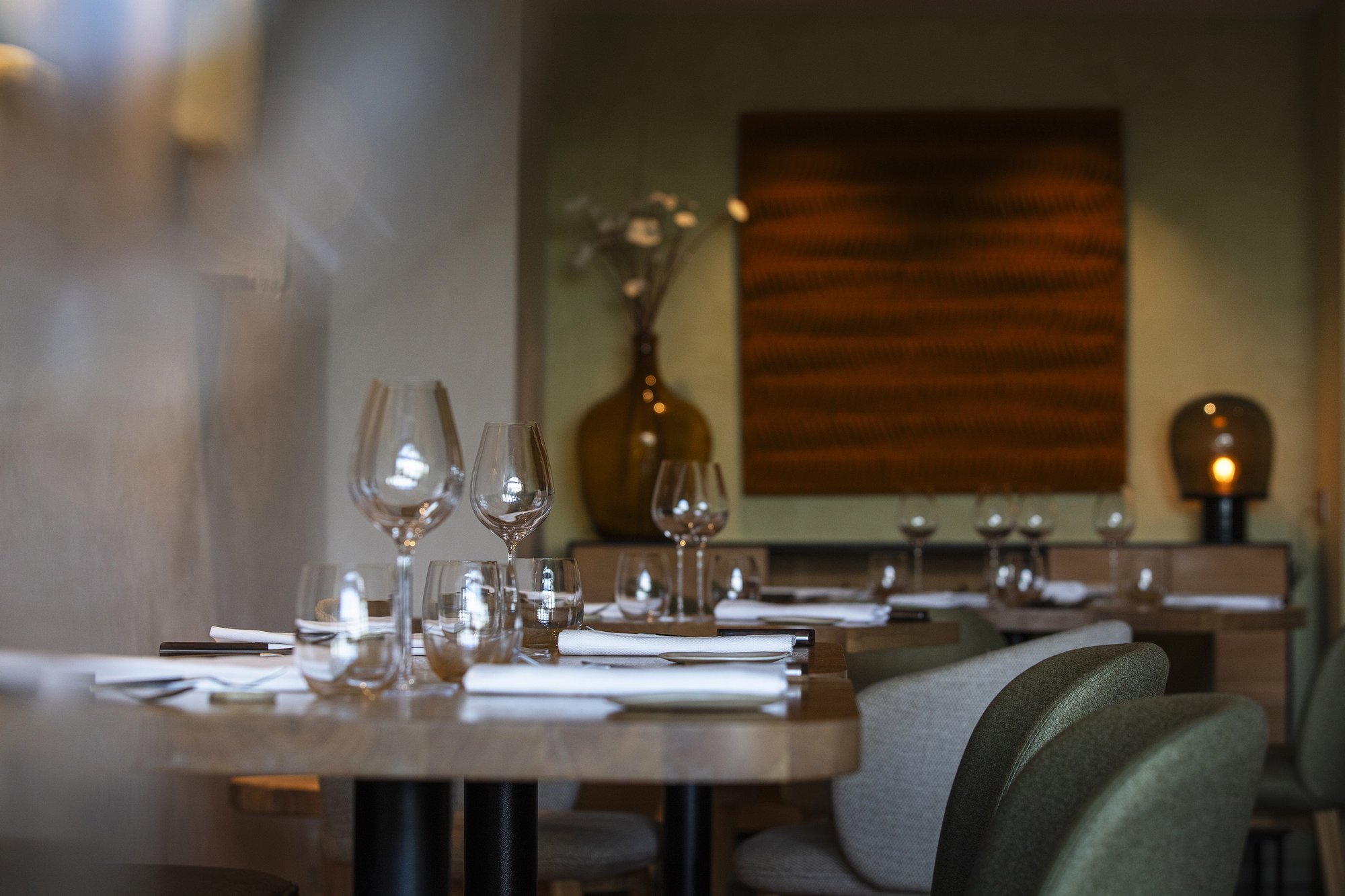
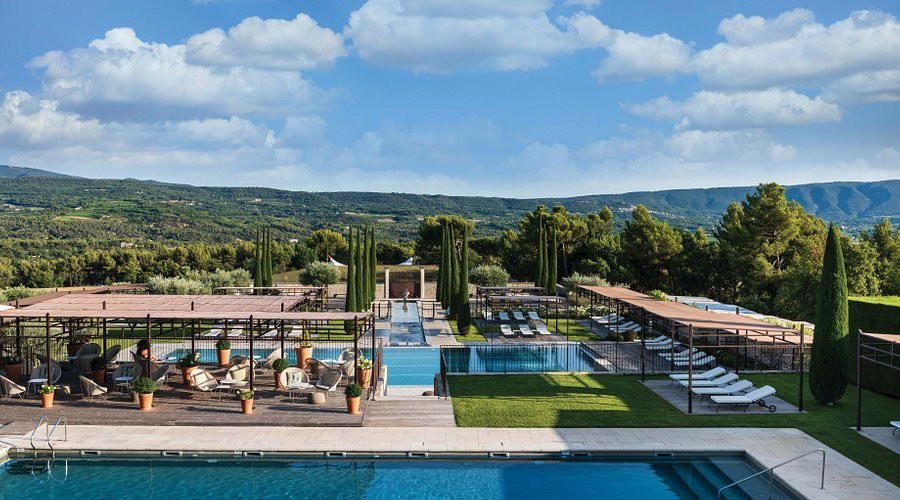
Warm and cozy interior with simple vintage bistro decor, complemented by a beautiful wooden terrace under pergola.