On the Boulevard du Montparnasse, La Manifattura occupies a stretch of Paris where the 14th arrondissement's working character still pushes back against gentrification. The address sits within a dining neighbourhood where ethical sourcing and environmental accountability have moved from talking points to structural commitments, placing La Manifattura in a conversation that extends well beyond the plate.
Pearl is the En Primeur Club membership app — saves, bookings, and concierge access live there. Same editors, same standards.
- Address
- 106 Bd du Montparnasse, 75014 Paris, France
- Phone
- +33143355366
- Website
- lamanifattura-paris.fr
- Directions
- Get directions
 Saves & bookings on Pearl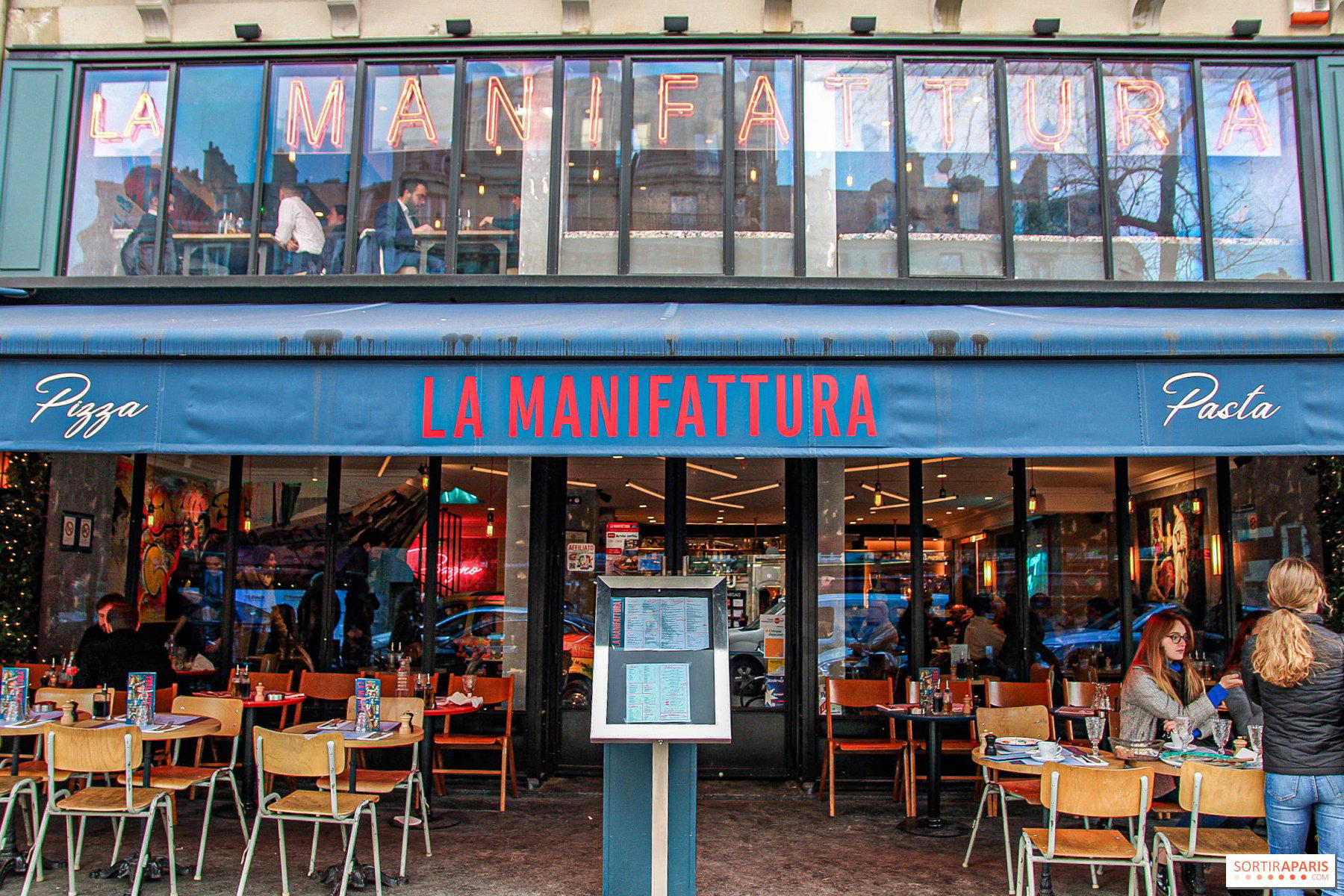
Montparnasse and the Ethics of the Table
The Boulevard du Montparnasse carries a particular kind of weight in Paris. This is the artery that once connected the studios of Modigliani and Giacometti to the brasseries where they ran up tabs, and it retains a productive tension between art-world seriousness and everyday neighbourhood life. Number 106 sits in the 14th arrondissement, a district that has never fully surrendered to the tourist economy the way the Marais or Saint-Germain have. That resistance shapes the dining culture here: the 14th rewards restaurants that are built for the long term rather than the season, and it tends to be unforgiving of venues that prioritise surface over substance.
Across France's most awarded tables, from Mirazur in Menton to Bras in Laguiole, the last decade has seen a structural shift in how serious kitchens think about sourcing. What was once a chef's personal conviction has become an operational framework: supply chains audited for carbon footprint, menus restructured around what can be grown or raised within a radius rather than what a supplier can import overnight. Troisgros in Ouches relocated its flagship kitchen partly to be closer to its agricultural suppliers. Flocons de Sel in Megève built its identity around Alpine proximity to ingredient sources. La Manifattura, on this Montparnasse boulevard, operates within that same national current.
The Sustainability Argument in a Paris Context
Paris dining at the premium tier has historically been structured around classical French technique applied to luxury ingredients: foie gras, turbot, Bresse chicken, truffles sourced from wherever the season dictates. That model is under pressure, not from any single regulation or manifesto, but from a generational shift in how both chefs and a significant portion of their clientele think about the provenance of what arrives at the table.
Restaurants like Arpège, which transformed from a classic French table into among the more discussed vegetable-forward restaurants in Europe, and Kei, which layers Japanese precision over French produce, have shown that the city's diners are open to frames that depart from tradition when the execution is credible. The question La Manifattura implicitly asks is where ethical sourcing and environmental accountability sit when they are treated not as marketing overlays but as structural design principles. That question is being asked across the French dining spectrum, from Auberge du Vieux Puits in Fontjoncouse to Assiette Champenoise in Reims.
Particularly durable sustainability commitments in French fine dining tend to share a few structural features: direct relationships with growers rather than intermediary wholesalers, menus that flex with agricultural reality rather than locking in ingredients that then require sourcing workarounds, and a willingness to make waste reduction visible rather than treating it as a back-of-house technicality. Auberge de l'Ill in Illhaeusern has maintained its Alsatian agricultural relationships across generations. The model works when it is embedded in the kitchen's operating logic rather than bolted on as a communications strategy.
At the upper end of Paris dining, the conversation about sustainability often gets filtered through the lens of Michelin-starred credentialism. Tables like Alléno Paris au Pavillon Ledoyen and Le Cinq at the Four Seasons George V operate in the €€€€ tier where ingredient cost is less of a constraint and sourcing narratives can be supported by the margin structure. Further down the price spectrum, the trade-offs are more visible: ethical sourcing competes directly with food cost targets, and the venues that manage both successfully tend to do so through waste reduction and whole-animal or whole-vegetable utilisation rather than premium ingredient swaps.
La Manifattura's address on the Boulevard du Montparnasse places it outside the 1st and 8th arrondissement concentration of grand restaurants. The 14th has its own dining logic, one where the kind of institutionalised grandeur associated with Paul Bocuse in Collonges would feel misaligned. The neighbourhood supports restaurants that make their case through consistency and conviction rather than through address prestige. For diners whose reference points include AM par Alexandre Mazzia in Marseille or Au Crocodile in Strasbourg, both of which operate with strong regional sourcing commitments, La Manifattura fits a recognisable pattern: a restaurant whose identity is shaped by its relationship to its supply chain as much as by its technique.
For international visitors whose dining shorthand runs through Le Bernardin in New York or Atomix, the Montparnasse address requires a deliberate detour from the tourist-facing dining corridors. That detour is the point. Restaurants that have earned a neighbourhood's loyalty over time tend to do so by building for repeat visitors rather than one-time destination diners, and the sustainability commitments that are hardest to fake are the ones that a local clientele can verify through seasonal consistency.
Planning Your Visit
The restaurant is at 106 Boulevard du Montparnasse, 75014 Paris, accessible by metro via the Vavin or Edgar Quinet stations on line 4 and line 6 respectively. The boulevard itself is a straight walk from Montparnasse-Bienvenüe, one of the city's major interchange hubs, which connects lines 4, 6, 12, and 13. For visitors building a Paris itinerary around the city's serious dining, the 14th sits just south of the Luxembourg Gardens and within a reasonable distance of the Left Bank restaurant cluster. Given the limited publicly available data on booking procedures and hours at this stage, confirming reservations and current service times directly with the venue before visiting is the practical approach. For a fuller picture of Paris dining at every tier and arrondissement, the EP Club Paris restaurants guide maps the city's tables against neighbourhood, cuisine, and price point.
Recognition history
Dated appearances from independent guides and award organizations, with the underlying list record or original source where available.
50 Top Pizza Europe #35
50 Top Pizza
Continue exploring
More in Paris
Restaurants in Paris
Browse all →
Bars in Paris
Browse all →
Hotels in Paris
Browse all →




At a Glance
- Trendy
- Lively
- Industrial
- Whimsical
- Group Dining
- Casual Hangout
- Family
- Open Kitchen
- Craft Cocktails
Current opening hours
- Monday
- 12–3 PM, 7–11 PM
- Tuesday
- 12–3 PM, 7–11 PM
- Wednesday
- 12–3 PM, 7–11 PM
- Thursday
- 12–3 PM, 7–11 PM
- Friday
- 12–3 PM, 7–11:30 PM
- Saturday
- 12–3 PM, 7–11:30 PM
- Sunday
- 12–10:30 PM
Hours can change for holidays and private events. Last verified .
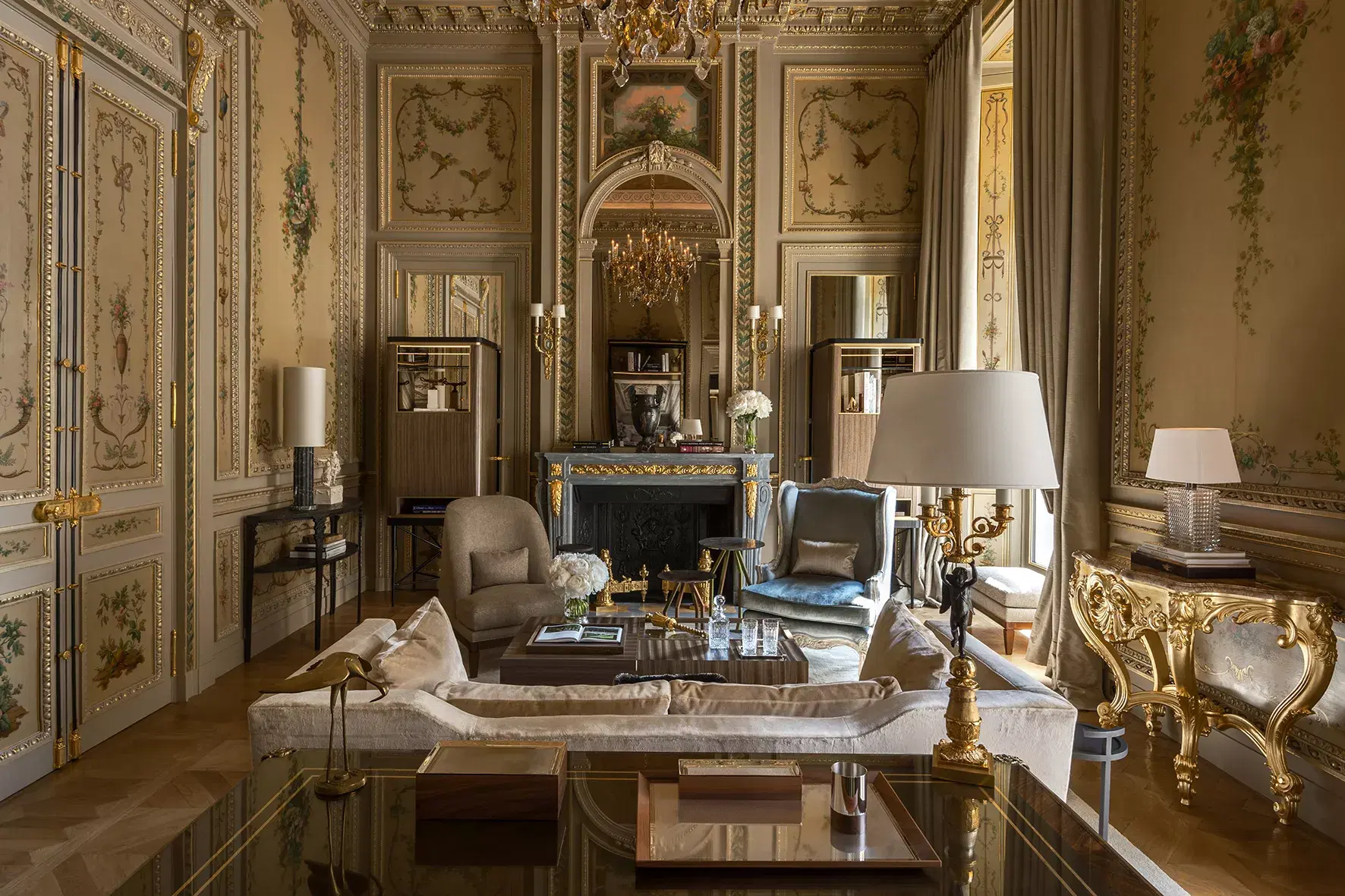
Lively and informal atmosphere with whimsical street art decor, music, and a lively Italian vibe.