Hostellerie du Grünewald

Michelin Plate
Our verdict
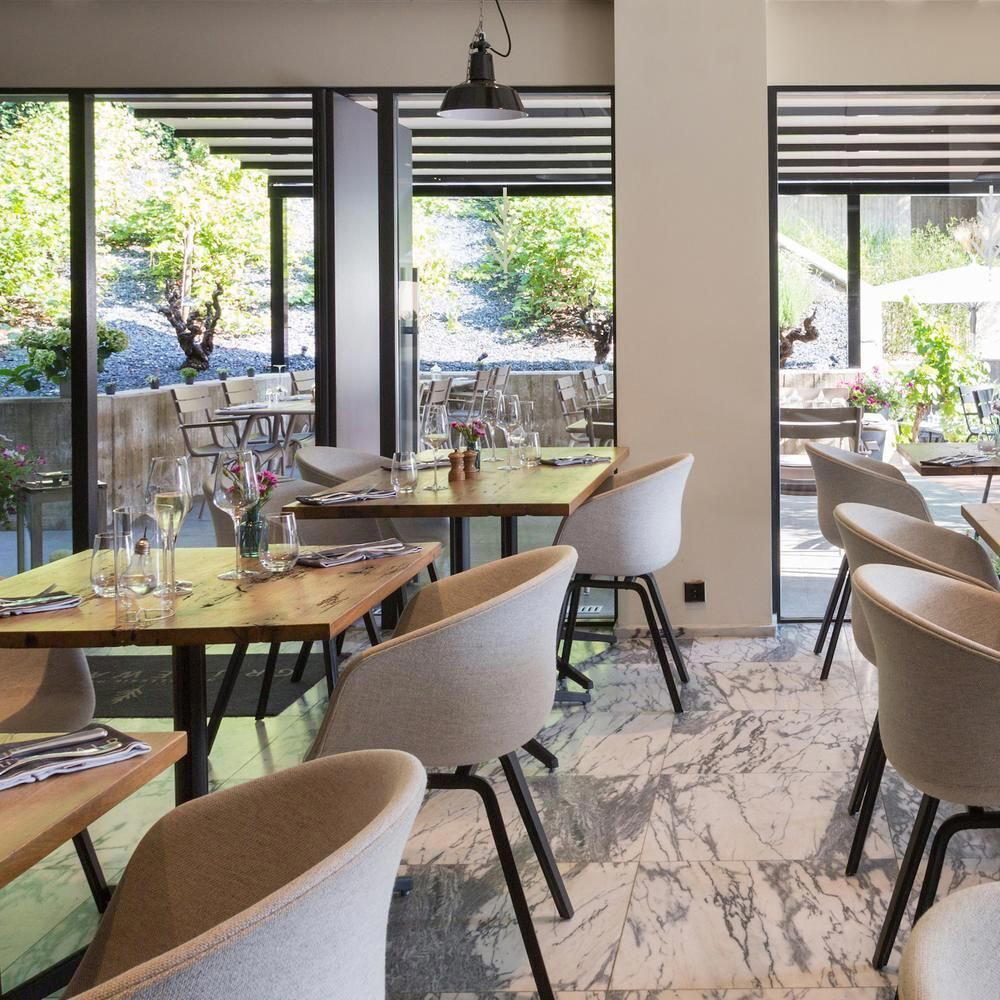
A Michelin Plate holder in Luxembourg's Dommeldange district, Hostellerie du Grünewald serves modern French cuisine in a setting that reads more country estate than city restaurant. Consecutive Michelin recognition in 2024 and 2025 places it firmly in the capital's mid-to-upper dining tier, where classical French technique meets a kitchen that keeps the focus on the plate rather than spectacle.

Pearl is the En Primeur Club membership app, where members save venues, book tables and use the concierge.
The menu
See the current menu on hdg.lu →A Road Out of the City, a Kitchen Worth the Turn
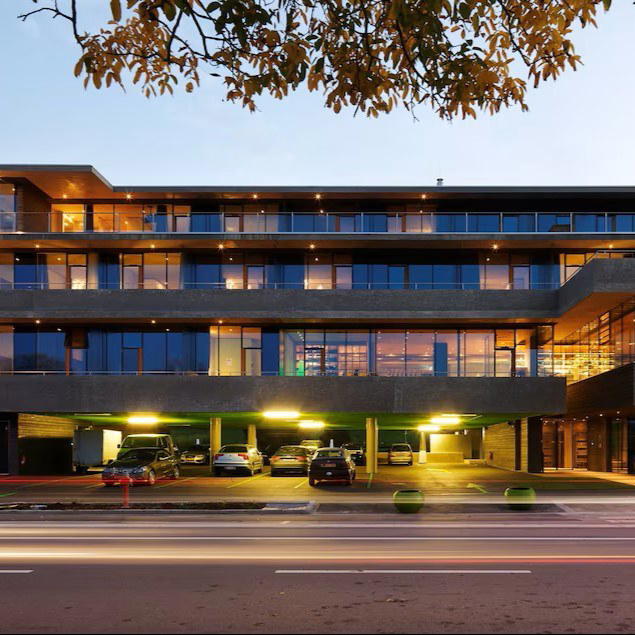
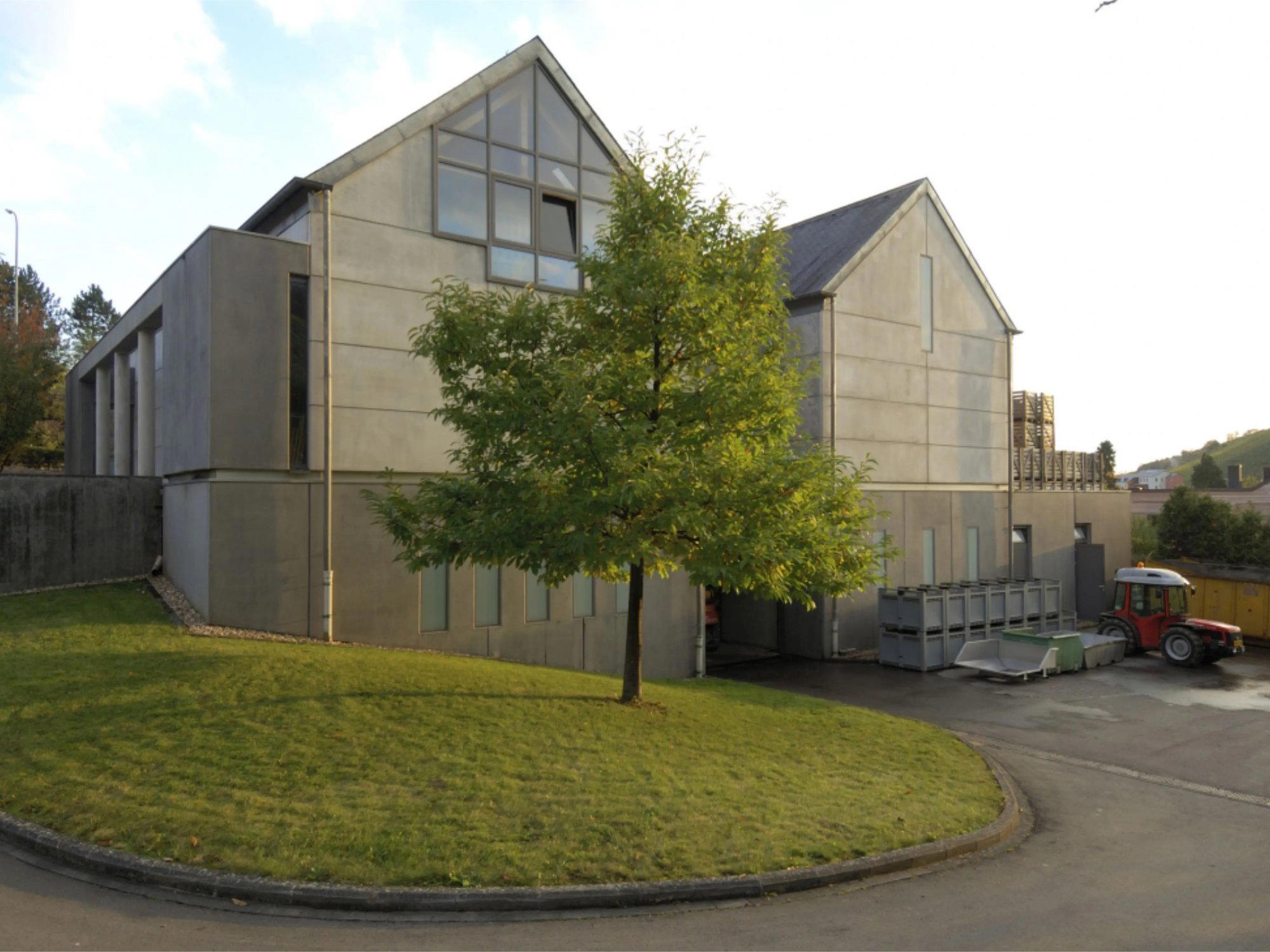
The route toward Dommeldange, east of Luxembourg City's centre, narrows as it climbs past residential streets and wooded hillsides before opening onto the address at Route d'Echternach. Hostellerie du Grünewald occupies the kind of position that European country-house hotels have made their own for generations: close enough to the capital to draw a professional dining crowd, far enough removed that the sense of occasion begins before you reach the door. That spatial separation is not incidental. In Luxembourg, where the serious restaurant scene is concentrated in a compact urban core, a dining address in Dommeldange signals a deliberate choice by both the kitchen and its guests.
Modern French cuisine at this price tier, €€€, occupies a specific position in Luxembourg's dining hierarchy. It sits beneath the two-star French houses such as Léa Linster and Ma Langue Sourit, but it shares the same classical lineage. The Michelin Plate, awarded consecutively in 2024 and 2025, is a meaningful marker at this level: it denotes food quality acknowledged by the guide without the full weight of star recognition, placing Hostellerie du Grünewald in the tier of kitchens that execute classical French technique reliably and without shortcuts.
Where the Wine List Does the Contextualising
In modern French restaurants of this category across Western Europe, the wine program often tells you more about a kitchen's ambitions than the menu does. A menu can be composed seasonally and reprinted; a cellar is built over years and reflects decisions made long before a given service. At the €€€ price point in Luxembourg, a wine list that can credibly accompany French technique needs range across Burgundy, the Loire, and Alsace at minimum, with the Moselle's own regional production increasingly relevant given Luxembourg's proximity to the German and domestic wine-growing tradition.
Luxembourg sits at a crossroads that makes wine curation here genuinely interesting. The domestic Moselle producers, working Riesling, Auxerrois, Pinot Gris, and Crémant under appellation rules that most visitors underestimate, sit alongside French regional imports and a broader European cellar. At houses like Hostellerie du Grünewald, a considered wine program bridges those identities: French classical on the plate, a selection that might move between Alsatian producers, German-tradition whites from across the nearby border, and the increasingly respected domestic labels. For the wine-attentive guest, that breadth is part of what distinguishes the mid-to-upper tier from restaurants that treat the list as an afterthought. Peer restaurants at comparable price points in the region, such as Schanz in Piesport and Colonnade in Lucerne, demonstrate how modern French kitchens in Central Europe use regional wine identities as editorial tools rather than simple accompaniments.
The Broader Luxembourg French Scene
Luxembourg's French-leaning restaurant culture is deeper than the city's size would suggest, shaped partly by the capital's status as an EU institution hub and the professional class that accompanies it. The demand for classical technique, formal service, and serious wine programs sustains a category of restaurant that in comparably sized cities would struggle. The Michelin guide's consistent engagement with Luxembourg, covering the city in its main European editions and awarding across several price tiers, reflects that depth rather than creating it.
Within that scene, restaurants cluster at clear tiers. At the apex sit the two-star addresses. Beneath them, the €€€ Michelin Plate tier to which Hostellerie du Grünewald belongs includes kitchens that take the French classical canon seriously without the full production overhead of the starred houses. Elsewhere in the city, Artis, Bistronome, De Pefferkär, and La Maison Lefèvre map out a mid-tier that gives visitors and locals meaningful options across formats and cuisine identities. Hostellerie du Grünewald's Dommeldange location sets it apart from that urban cluster, offering a different register for the same quality bracket.
The technical reference points that define cooking in this tradition, classical sauce work, produce-led seasonal composition, the expectation of formal structure across courses, connect kitchens in Luxembourg to counterparts like Alex Dilling at Hotel Café Royal in London, Coeur D'Artichaut in Münster, and La Table du Lausanne Palace in Lausanne.
Practical Considerations
Dommeldange sits northeast of Luxembourg City's centre, reachable by car within a short drive along the Route d'Echternach. The address, 10-14 Route d'Echternach, 1453 Dommeldange, is specific enough that GPS navigation handles the approach without difficulty. The hostellerie format, combining dining with accommodation, means the restaurant is accessible both to guests staying on site and to visitors making a reservation as a standalone dining destination. At €€€ pricing, Hostellerie du Grünewald positions itself as an occasion restaurant rather than a casual mid-week option, which shapes the appropriate timing for a visit: weekend lunches and Friday or Saturday dinners account for the majority of the serious dining trade at houses of this category in the region.
For visitors building a broader Luxembourg itinerary, the full Luxembourg restaurants guide maps the complete scene. Related planning resources cover hotels, bars, wineries, and experiences across the capital. Modern French elsewhere in Europe, from Sketch's Lecture Room and Library in London to La Table du Valrose in Rougemont and Mühle in Schluchsee, offers useful context for calibrating expectations across the category's regional variations.
Frequently asked questions
How do I find Hostellerie du Grünewald?
Hostellerie du Grünewald is located at 10-14 Rte d'Echternach, 1453 Dommeldange Luxembourg, Luxembourg.
In Context: Similar Options
| Venue | Cuisine | Price | Awards | Notes |
|---|---|---|---|---|
| Hostellerie du GrünewaldThis venue (the venue you are viewing) | Relaxed French Bistro | $100–150 | Michelin Plate | Not listed |
| Ma Langue Sourit | Modern French Fine Dining | $150–200 | 2 Michelin Stars · La Liste Top Restaurants | Contemporary French, Modern Cuisine |
| Léa Linster | Modern French Fine Dining | $150–200 | 2 Michelin Stars · La Liste Top Restaurants | Modern French |
| Grünewald Chef’s Table | Modern French Chef's Table | $100–150 | 1 Michelin Star | Modern Cuisine |
| Guillou Campagne | Traditional French Country Bistro | $100–150 | 1 Michelin Star | Classic French |
| Apdikt | French Contemporary Fine Dining | $150–200 | 1 Michelin Star · We're Smart World 2 Radishes | Creative |
Recognition history
Dated appearances from independent guides and award organizations, with the underlying list record or original source where available.
Michelin Plate
Michelin
Full recognition history (3 entries)
Michelin Plate
Michelin
Michelin Plate
Michelin
Continue exploring
More in Luxembourg
Restaurants in Luxembourg
All restaurants in Luxembourg →
Bars in Luxembourg
All bars in Luxembourg →
Hotels in Luxembourg
All hotels in Luxembourg →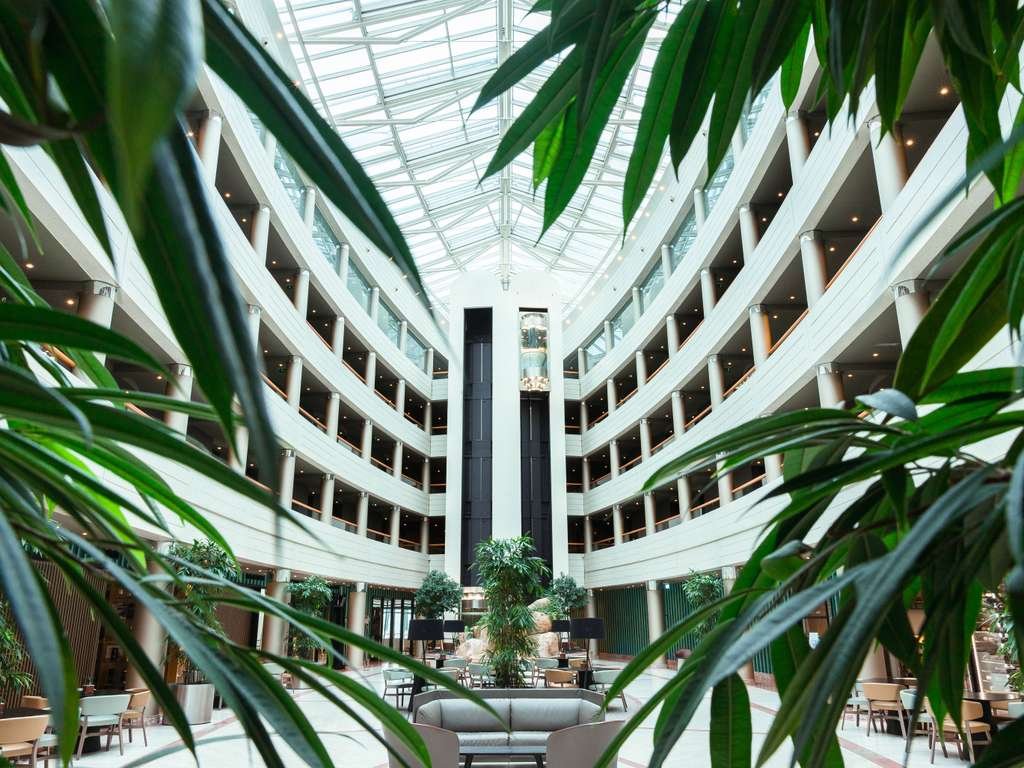

Details
- Elegant
- Cozy
- Sophisticated
- Date Night
- Business Dinner
- Special Occasion
- Terrace
- Hotel Restaurant
- Extensive Wine List
- Garden
- A La Carte
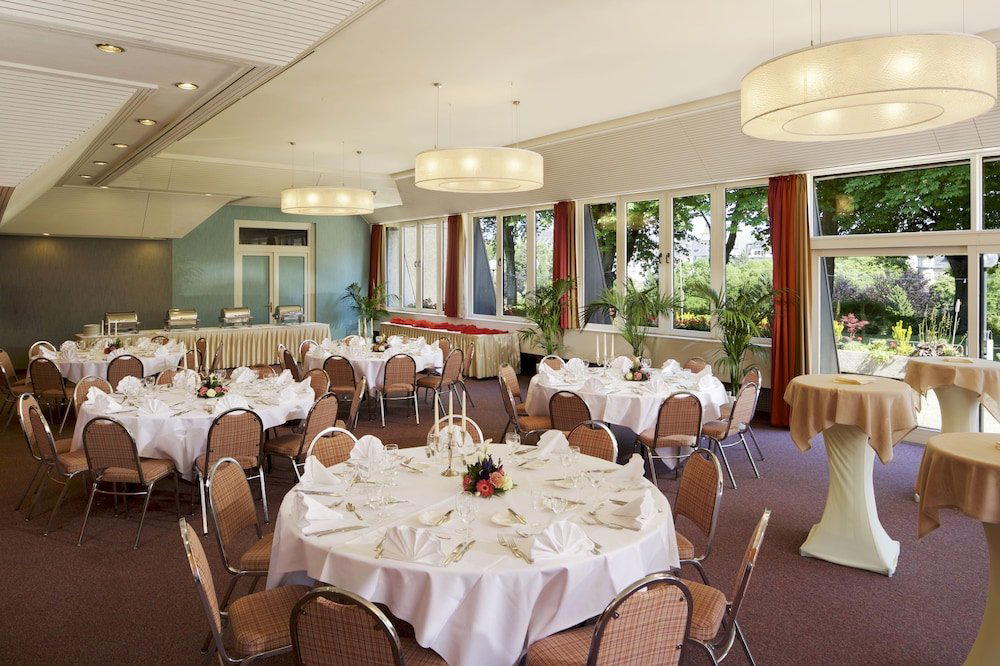
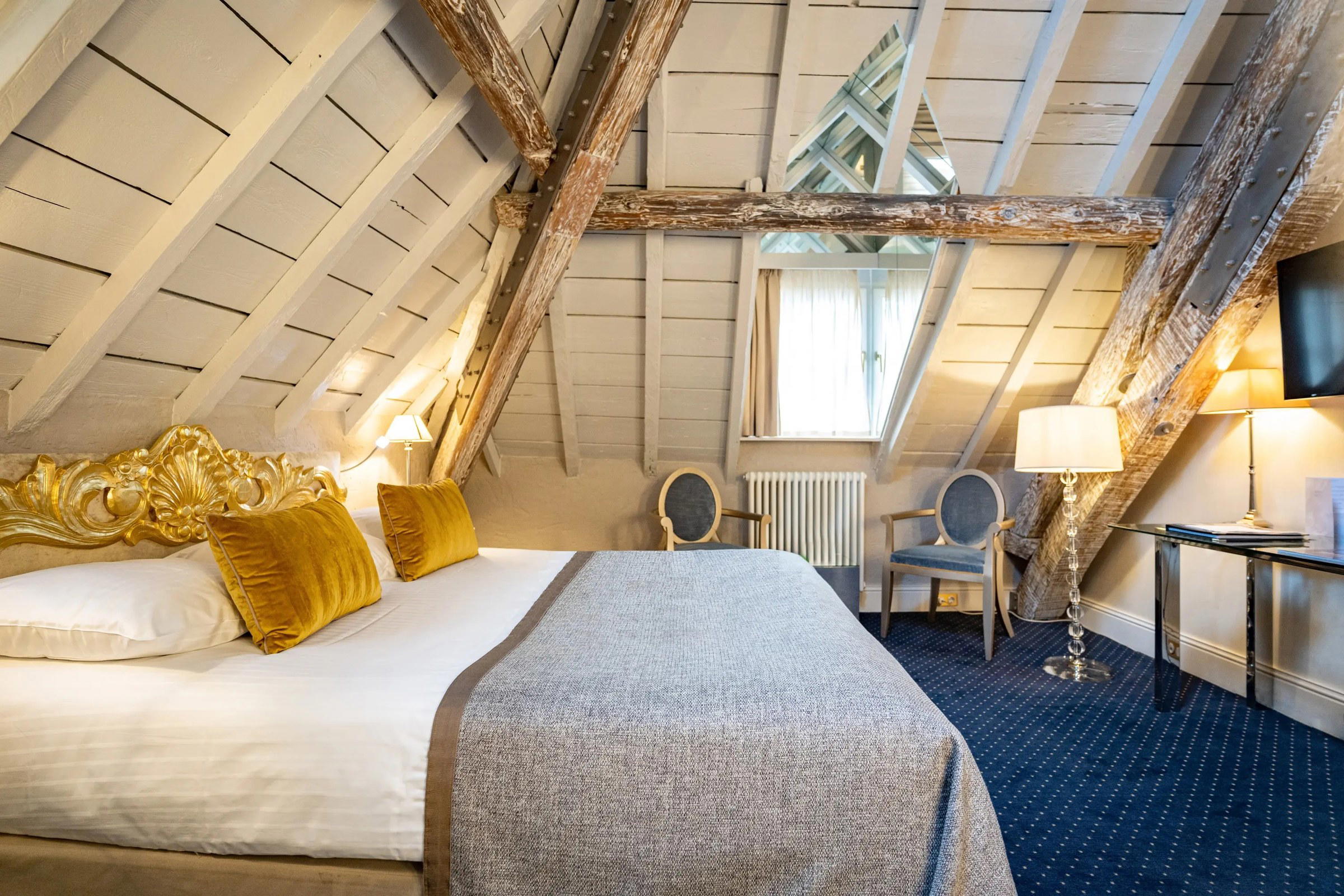
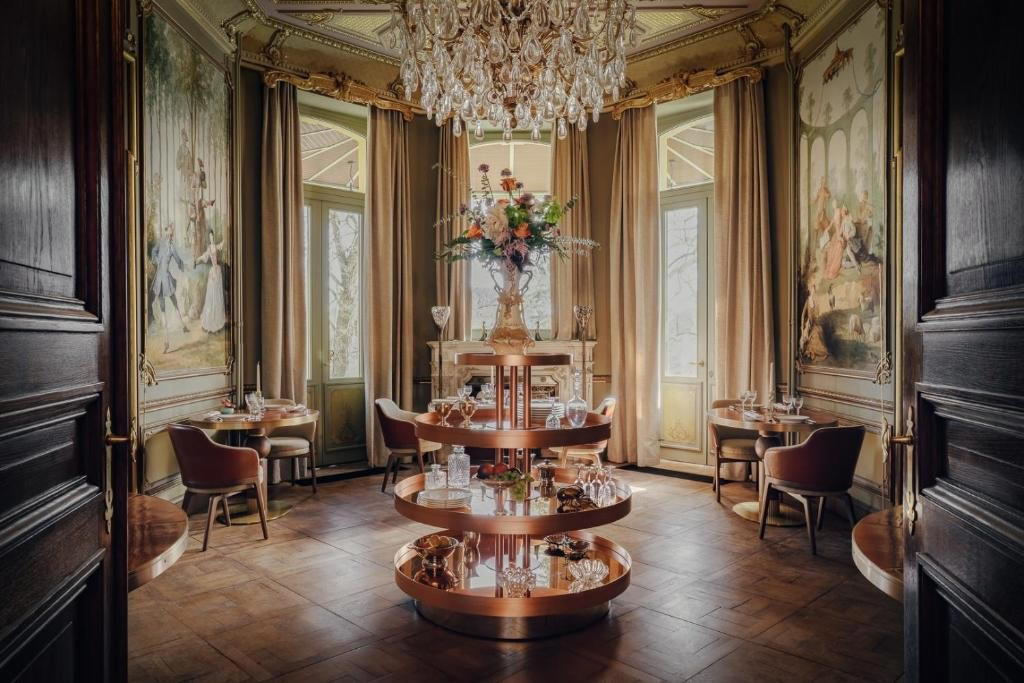
Refined contemporary bourgeois decoration with cozy fireplace, soft atmospheric music, and pleasant terrace seating.