Positioned on Rue Saint-François de Paule in the heart of Old Nice, Le Grand Balcon sits within a dining neighbourhood where the gap between tourist-facing brasseries and serious local cooking is wider than it first appears. The address places it steps from the Cours Saleya market, which anchors much of the Niçoise kitchen's commitment to seasonality and short supply chains. For visitors mapping Nice's more considered dining options, it warrants a closer look alongside peers like Flaveur and L'Aromate.
Pearl is the En Primeur Club membership app — saves, bookings, and concierge access live there. Same editors, same standards.
- Address
- 10 Rue Saint-François de Paule, 06300 Nice, France
- Phone
- +33493626074
- Website
- groupe-nissachic.fr
- Directions
- Get directions
 Saves & bookings on Pearl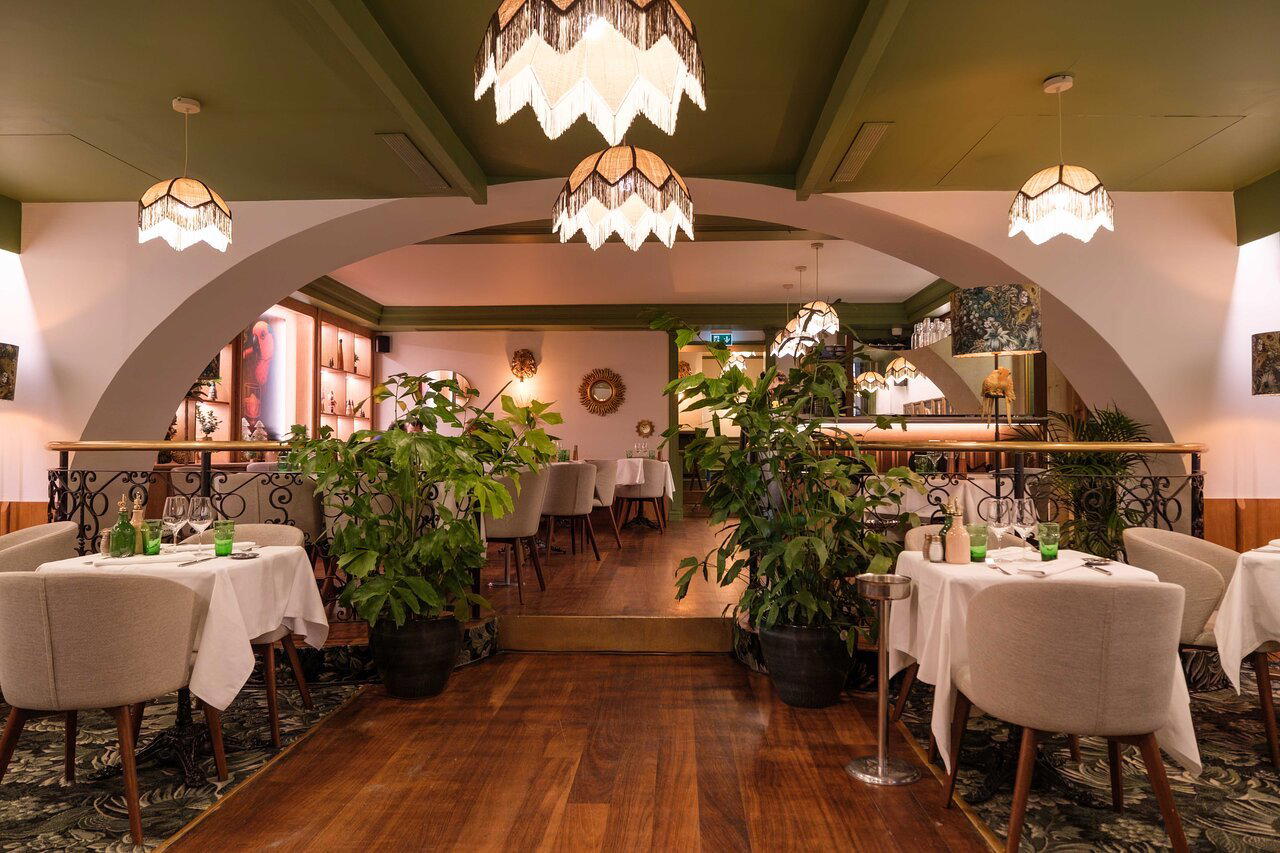
Old Nice and the Question of Ethical Sourcing
The streets running between the Cours Saleya and the Opéra de Nice carry a particular kind of culinary pressure. This is one of France's most visited urban quarters, and the restaurants that line it face a choice familiar to serious kitchens across the Côte d'Azur: orient toward the tourist economy, or orient toward the product. The dining scene here has slowly split into two distinct registers. On one side, high-turnover brasseries serving pan-Mediterranean standards. On the other, a smaller cohort of addresses that treat proximity to the Cours Saleya market not as a marketing point but as a structural commitment to sourcing within a few kilometres. Le Grand Balcon, at 10 Rue Saint-François de Paule, is a restaurant in Nice serving Modern Mediterranean French with Niçoise Fusion.
That proximity matters more than it sounds. The Cours Saleya hosts among the more consequential daily markets in the south of France, with producers arriving from the Var, the arrière-pays niçois, and the Ligurian border. For kitchens that choose to engage with it seriously, the market imposes a discipline: menus become seasonal by necessity, waste decreases because volumes are purchased closer to service, and the distance between field and plate compresses in ways that matter both environmentally and gastronomically. This is the framework within which restaurants like Flaveur and L'Aromate have built creditable reputations in Nice's modern French scene, and it is the baseline against which any serious address in this neighbourhood should be measured.
The Address and What It Signals
Rue Saint-François de Paule is not a quiet street. It connects the Place Masséna axis to the old port quarter, carrying a constant flow of foot traffic past the gilded facade of the Opéra de Nice and the historic shopfront of Maison Auer. For a restaurant operating here, the physical environment is already doing considerable work: the architecture is Baroque, the light is Mediterranean, and the ambient noise rises and falls with the rhythm of a city that treats its streets as extensions of its dining rooms.
What this means practically is that the approach to Le Grand Balcon involves a kind of sensory compression, the smell of socca from a nearby vendor, the sound of the opera house receiving a delivery, the particular quality of afternoon light on cream-and-ochre stonework. Nice's old town delivers this whether you want it to or not, which is part of why dining here carries a different register than eating in, say, the quieter residential lanes of Cimiez or the business-oriented dining of the port district. The question for any restaurant on this corridor is what it adds to a setting that is already theatrically complete.
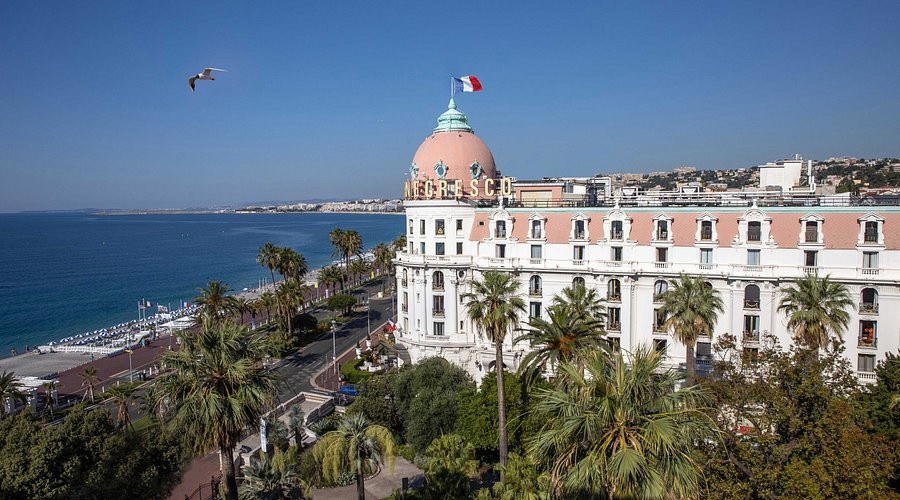
Nice's broader dining conversation now includes addresses operating well beyond the traditional Niçoise repertoire. Les Agitateurs and ONICE have pushed the city's ambitions in a more creative direction, while Le Chantecler at the Negresco maintains one formally decorated room in the city. Le Grand Balcon occupies its own position in that field, shaped by its location, its immediate relationship to the market infrastructure of the Cours Saleya, and whatever editorial decisions its kitchen makes about how to interpret that raw material.
Sustainability as Structural Practice, Not Marketing
Across the Côte d'Azur and into the broader French Mediterranean south, particularly credible kitchens have moved past the language of sustainability and toward its practice. Mirazur in Menton, which holds three Michelin stars and topped the World's 50 Best list in 2019, has built a working kitchen garden and biodynamic sourcing model that operates as infrastructure rather than concept. Bras in Laguiole has framed its entire identity around the Aubrac plateau's ecological rhythms for decades. These are not boutique gestures, they represent genuine restructuring of how a kitchen relates to its supply chain, its waste stream, and its seasonal calendar.
For a restaurant at Le Grand Balcon's address, the structural opportunity is different but no less real. Urban proximity to a daily market means the ethical sourcing question is answered partly by logistics: short chains, low transport, producer-direct relationships that are easier to maintain when the producer is twenty metres away six mornings a week. The more demanding question is what the kitchen does with that access, whether it commits to whole-animal or whole-vegetable cooking that minimises waste, whether it builds relationships with specific small producers over seasons rather than shopping generically, and whether its menu changes frequently enough to reflect actual market availability rather than a fixed concept imposed onto whatever the market happens to offer.
France's broader conversation about kitchen waste and ethical procurement has accelerated since the anti-gaspillage legislation of 2016, which placed legal obligations on food businesses around waste reduction. Restaurants in direct proximity to wholesale and retail markets have a structural advantage in meeting those standards, and a corresponding obligation to exercise it deliberately.
Planning a Visit
The restaurant sits at 10 Rue Saint-François de Paule in the old town, within ten minutes' walk of Nice-Ville station and immediately adjacent to the Cours Saleya market quarter. Old Nice is most naturally accessed on foot from the Promenade des Anglais or by tram to the Opéra stop on Line 1. For those mapping a wider arc of serious French dining in the south, the regional conversation extends to AM par Alexandre Mazzia in Marseille and, further afield, to reference points like Flocons de Sel in Megève and Troisgros in Ouches, which have each defined different versions of what grounded, place-specific French cooking can look like at its most serious.
Those building a broader French dining itinerary may also find value in reference addresses like Alléno Paris au Pavillon Ledoyen, Auberge de l'Ill in Illhaeusern, Assiette Champenoise in Reims, Au Crocodile in Strasbourg, and Paul Bocuse at L'Auberge du Pont de Collonges, each anchoring a different regional tradition. For transatlantic comparison, Le Bernardin and Atomix in New York City operate in peer tiers for prix-fixe precision and sourcing discipline.
The Quick Read
Comparable venues nearby, for context on price, style, and recognition.
| Venue | Price | Notes |
|---|---|---|
| Le Grand BalconThis venue — the venue you are viewing | $$$ | Not listed |
| Le Boudoir | $$$ | Cœur de Nice, Modern French Bistronomique |
| Le 3e Restaurant - Terrasse | $$$ | Cœur de Nice, Seasonal Mediterranean French |
| Café Paulette | $$ | Nice Historique, French Mediterranean Bistro |
| Nuances | $$$$ | Nice Historique, Modern French Chef's Surprise Tasting |
| Lavomatique | $$ | Nice Historique, Modern French Small Plates |
Continue exploring
More in Nice
Restaurants in Nice
Browse all →
Bars in Nice
Browse all →
Hotels in Nice
Browse all →

At a Glance
- Romantic
- Elegant
- Intimate
- Sophisticated
- Date Night
- Special Occasion
- Historic Building
- Local Sourcing
Current opening hours
- Monday
- 12–2:30 PM, 7:30–11 PM
- Tuesday
- 12–2:30 PM, 7:30–11 PM
- Wednesday
- 12–2:30 PM, 7:30–11 PM
- Thursday
- 12–2:30 PM, 7:30–11 PM
- Friday
- 12–2:30 PM, 7:30–11 PM
- Saturday
- 12–2:30 PM, 7:30–11 PM
- Sunday
- 12–2:30 PM
Hours can change for holidays and private events. Last verified .
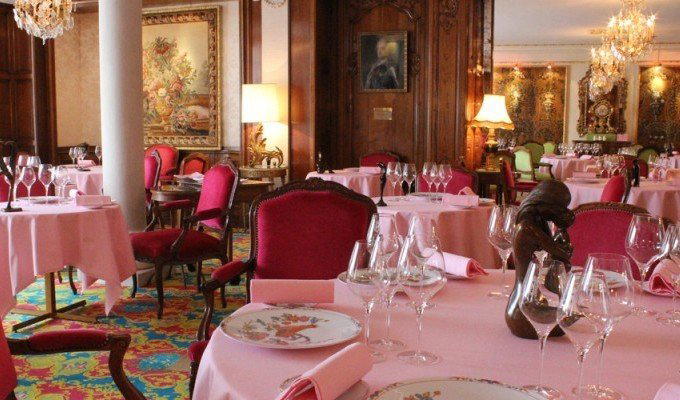
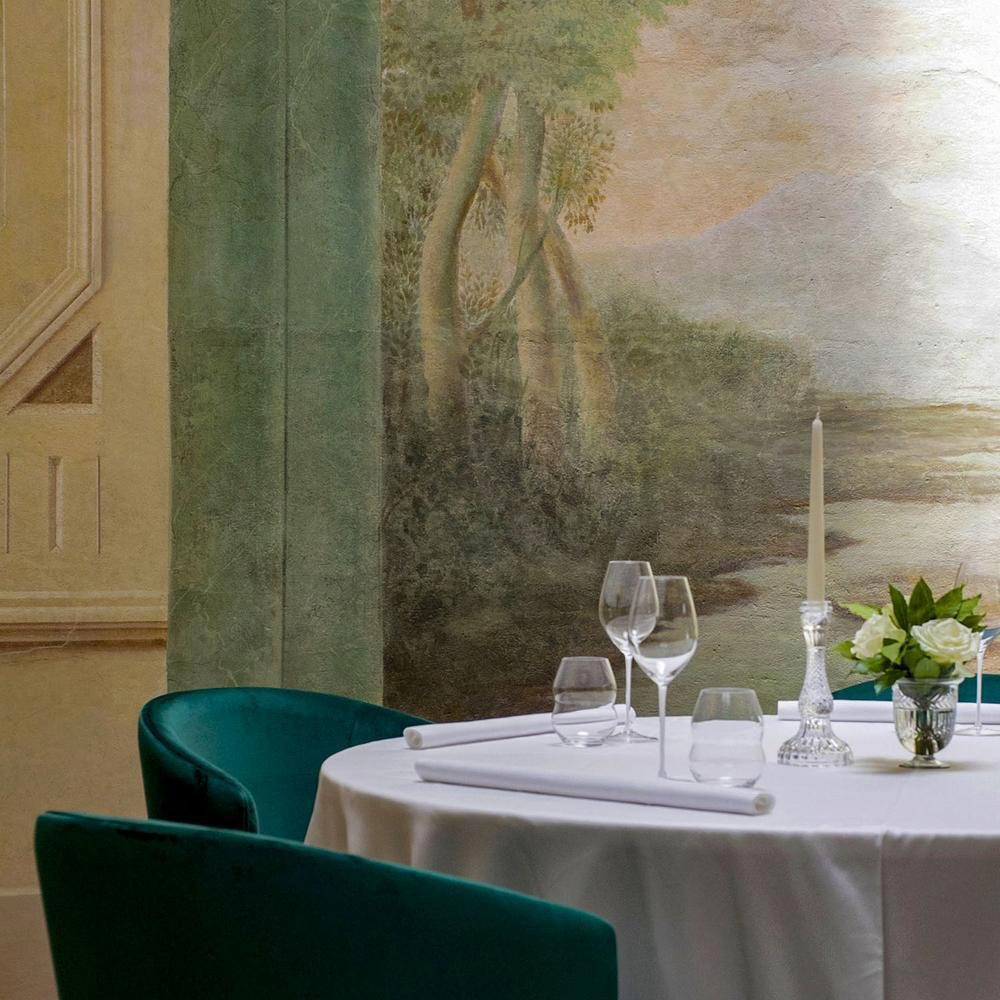
Warm and refined atmosphere with soft lighting, reminiscent of opera salons, featuring antique books, paintings, and Bordeaux club chairs.