Le Panier serves Modern French Tasting Menus with an open kitchen and terrace, built for a leisurely lunch or dinner.
Pearl is the En Primeur Club membership app — saves, bookings, and concierge access live there. Same editors, same standards.
- Address
- 5 Rue Barillerie, 06300 Nice, France
- Phone
- +33489971437
- Website
- restaurantlepanier.com
- Directions
- Get directions
 Saves & bookings on Pearl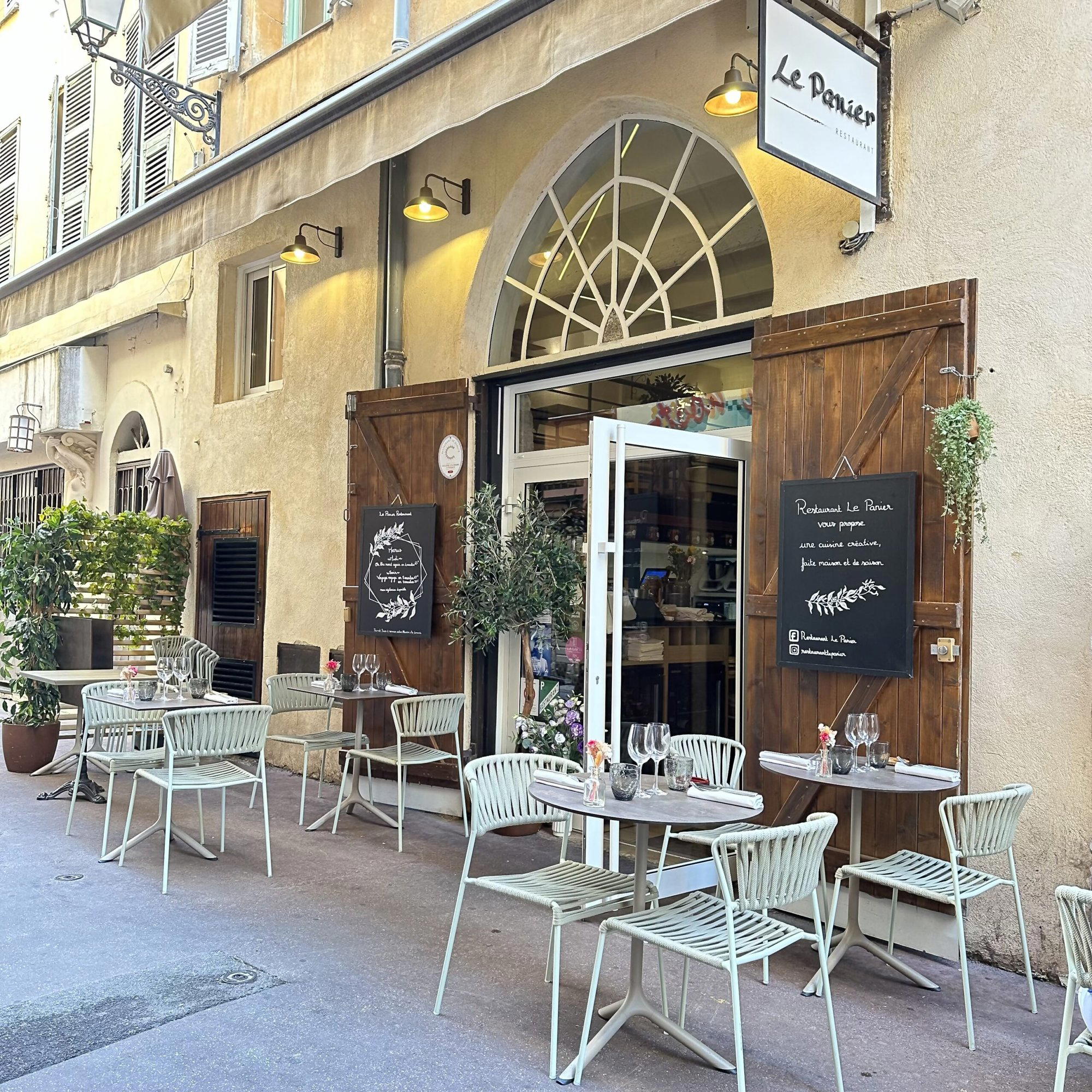
Rue Barillerie and the Logic of the Old Town Table
The streets of the Vieille Ville press close around you before you reach the door. Rue Barillerie sits inside Nice's old quarter, where the baroque facades overhead, the smell of socca drifting from the market stalls, and the particular quality of late-afternoon light filtering between tall buildings establish a context that no dining room can entirely ignore. Restaurants in this quarter operate in permanent dialogue with one of France's most self-assured regional food cultures. The cooking that has defined this corridor for generations, pissaladière, daube niçoise, fresh pasta with pistou, carries genuine weight, and any table here is measured against that tradition whether it courts it or departs from it.
Le Panier, at 5 Rue Barillerie, occupies a position inside that context. The address places it within walking reach of the Cours Saleya market, which has supplied this neighbourhood's kitchens for centuries and remains one of the Côte d'Azur's most direct lines from producer to plate. That proximity is not incidental: the rhythm of the old town's leading tables is dictated in large part by what arrives at the market each morning.
How the Meal Unfolds: A Progression Through the Vieille Ville Tradition
Old town Nice tables at this level tend to follow a logic of accumulation rather than spectacle. A meal here is less about single theatrical dishes and more about how a sequence of courses builds an argument for a place and its ingredients. The opening moves are typically understated: something cold, something acidic, something that orients the palate toward the Mediterranean without announcing itself loudly. Tapenade or a small anchovy preparation, Nice's cured fish tradition is among the oldest in France, with Ligurian influence crossing the border for centuries, might appear as a precursor. The point is to establish register before the more substantial courses arrive.
The middle of the meal in this culinary tradition is where the Niçoise identity becomes most legible. Slow-cooked preparations, whether a daube braised with olives and orange peel or a stockfish in the style of estocaficada, carry the flavours that distinguish this city from the rest of Provence. These are not refined-down gestures toward the region; they are the region, in concentrated form. Tables that execute them correctly earn a different kind of respect from those chasing contemporary trend, and in the Vieille Ville specifically, the audience for that cooking is both local and knowledgeable.
The final arc of a meal here tends to track the same seasonal logic as the opening. Dessert in the Nice tradition frequently runs toward citrus, given the lemon and orange groves historically cultivated along this stretch of coast, or toward simple dairy preparations that let an evening close without overstatement. For visitors arriving from higher-wire experiences, tables such as Mirazur in Menton twenty kilometres along the coast, or the Le Chantecler in Nice itself, the contrast is instructive. Not every great meal is a demonstration of technique. Some are demonstrations of continuity.
Where Le Panier Sits in the Nice Dining Picture
Nice's restaurant scene has stratified meaningfully over the past decade. At the summit of the price range, creative contemporary kitchens, among them Flaveur, L'Aromate, Les Agitateurs, and ONICE, have built reputations around modern technique applied to regional ingredients. Below that tier, but not beneath it in terms of cultural value, sit the old town's traditional tables: less expensive, less innovation-driven, and often more revealing about what this city actually eats.
Le Panier at 5 Rue Barillerie belongs to this latter category. It is the kind of address that rewards the traveller already familiar with Côte d'Azur cooking more than the visitor arriving without that context. The Vieille Ville is dense with options at every price point, and the distinction between an unremarkable tourist-facing operation and a kitchen that takes the regional tradition seriously is not always visible from the street. Location within this quarter is a necessary but not sufficient credential.
The Côte d'Azur and French Dining in Register
France's most-discussed restaurant tables in 2024 are concentrated elsewhere: Alléno Paris au Pavillon Ledoyen in the capital, Flocons de Sel in Megève, the long-standing authority of Troisgros, the regional gravitas of Auberge de l'Ill, Bras in Laguiole, and the enduring civic monument of Paul Bocuse. Further afield, AM par Alexandre Mazzia in Marseille and Assiette Champenoise in Reims anchor the wider southern and northern arcs of French gastronomy. Even internationally, Au Crocodile in Strasbourg, Le Bernardin in New York City, and Atomix in New York City offer reference points for what highly formalised, high-investment dining looks like at its sharpest.
The restaurant does not compete in that register, nor does it need to. The old town addresses that have survived in this neighbourhood for decades operate on a different axis, one where consistency, ingredient sourcing from the Cours Saleya, and fidelity to Niçoise cooking form the basis of the offer. That is a legitimate and distinct proposition in the context of French regional dining, and travellers who understand the difference will find this end of the market the revealing.
Planning a Visit: What to Know Before You Go
Rue Barillerie sits in the heart of the Vieille Ville, reachable on foot from the Cours Saleya market in under two minutes and from the Place Masséna in around ten. The old quarter is pedestrianised through most of its core, which means arriving by car is inefficient; the nearest practical drop-off points are along the quayside or at the edge of the market square. Advance reservation arrangements are best confirmed directly on arrival or through a hotel concierge familiar with the neighbourhood's smaller tables. Old town restaurants in this category tend to fill on weekend evenings and during the summer high season from July through August, when the street itself sees significant foot traffic.
Where the Accolades Land
Comparable venues nearby, for context on price, style, and recognition.
| Venue | Cuisine | Price | Notes |
|---|---|---|---|
| Le PanierThis venue — the venue you are viewing | Modern French Tasting Menus | $$$ | Not listed |
| Le Patio | Provençal Mediterranean | $$$ | Nice Historique |
| SALETTE | French Bistronomique | $$$ | Nice Historique |
| La Langouste | French Seafood Mediterranean | $$$ | Cœur de Nice |
| La Petite Maison | Authentic Niçoise Mediterranean | $$$ | Nice Historique |
| Lavomatique | Modern French Small Plates | $$ | Nice Historique |
Continue exploring
More in Nice
Restaurants in Nice
Browse all →
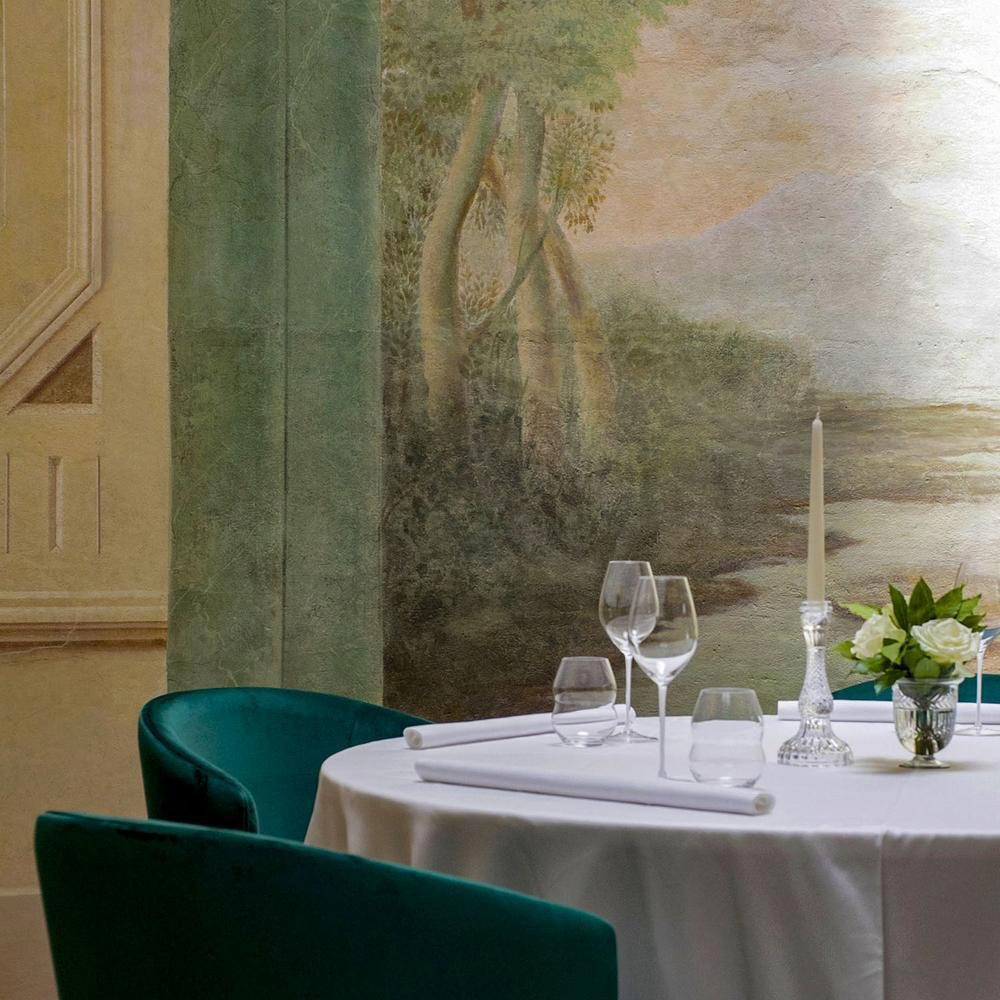
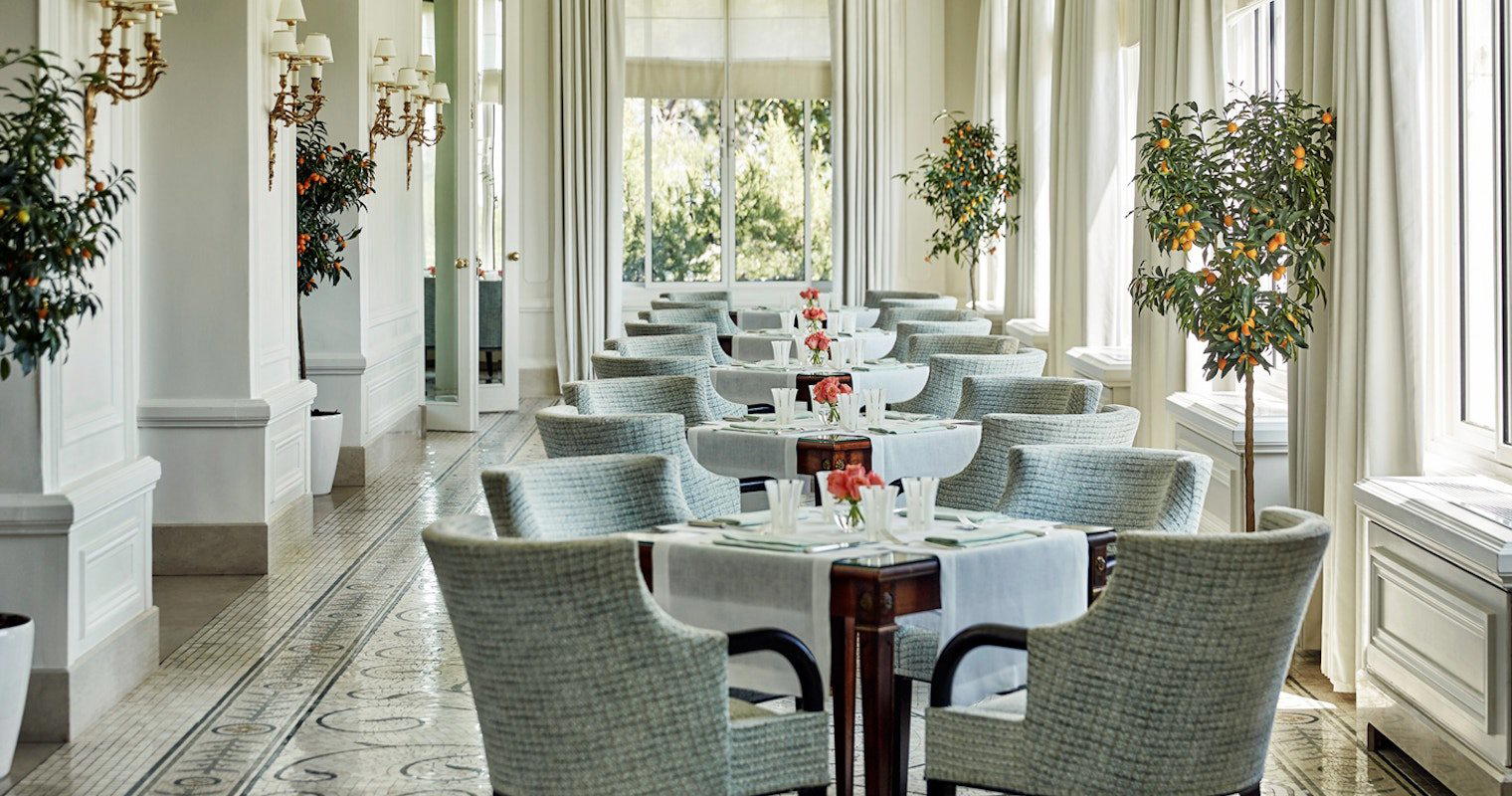
Bars in Nice
Browse all →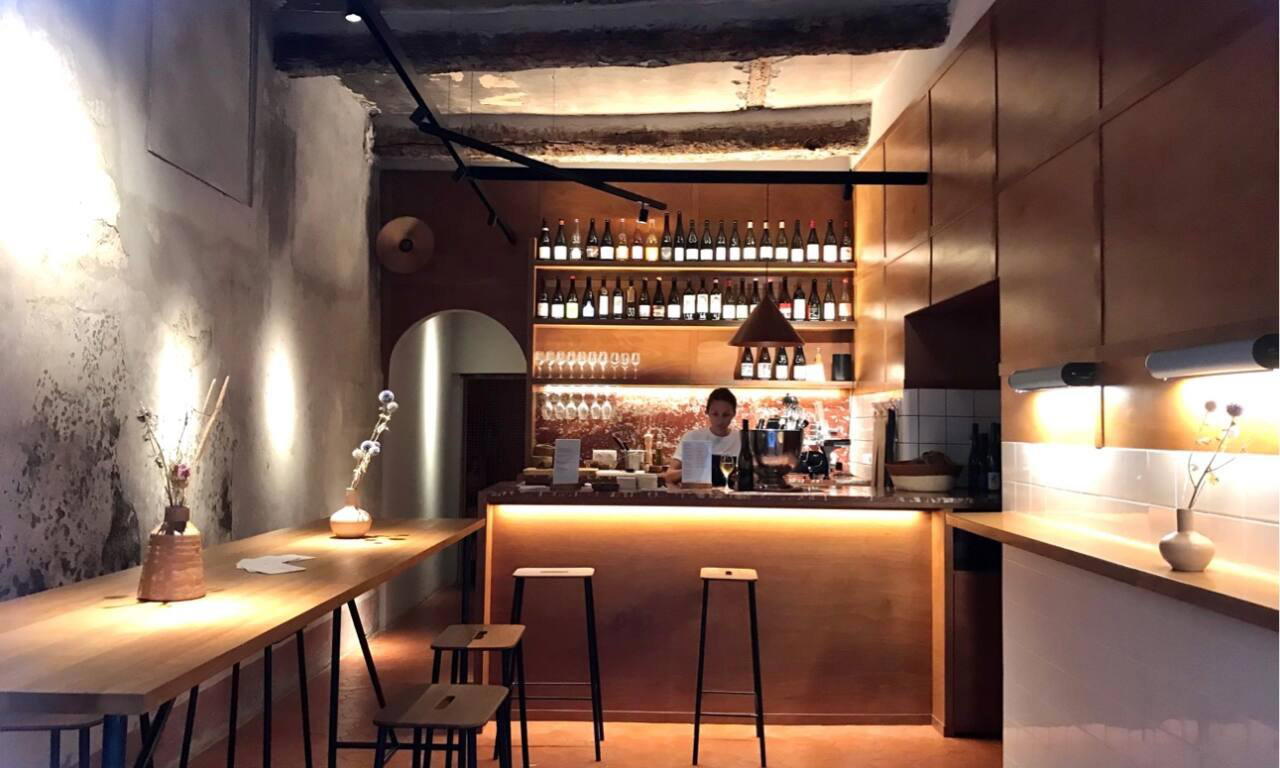
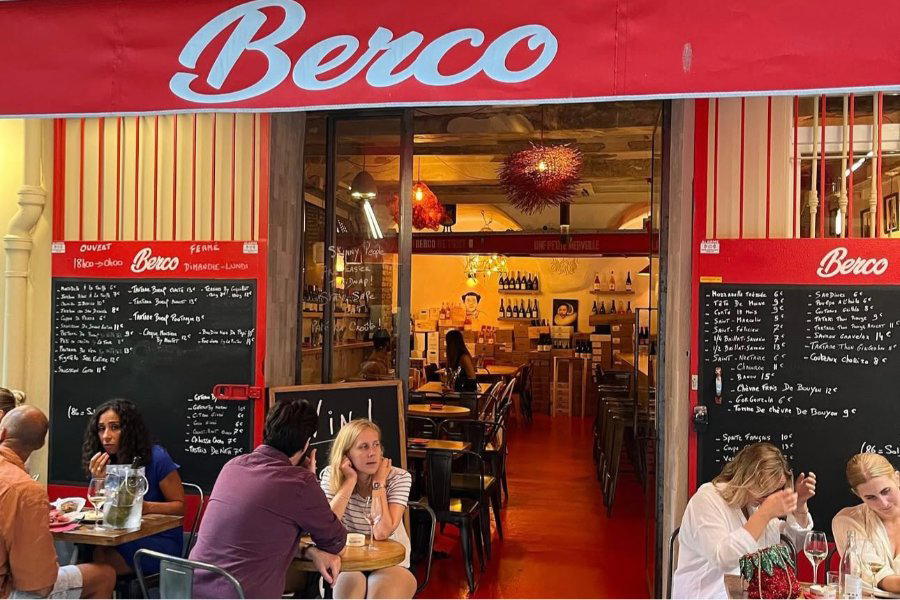
Hotels in Nice
Browse all →

At a Glance
- Cozy
- Intimate
- Elegant
- Date Night
- Special Occasion
- Open Kitchen
- Terrace
- Sommelier Led
- Local Sourcing
- Street Scene
Current opening hours
- Monday
- 12–1:15 PM, 7–9 PM
- Tuesday
- Closed
- Wednesday
- Closed
- Thursday
- 7–9:15 PM
- Friday
- 7–9:15 PM
- Saturday
- 12–1:15 PM, 7–9:15 PM
- Sunday
- 12–1:15 PM, 7–9:15 PM
Hours can change for holidays and private events. Last verified .
Cozy space with open kitchen, mezzanine, and quiet summer terrace offering a personal, relaxed atmosphere.