
Relais Chateaux Award
Our verdict
Housed in a historic square in Marbella's old town, La Fonda Restaurante brings Andalusian cooking to a setting where the architecture does some of the work. Chef Léo Huet, recognised for expression of the terroir, draws on the region's produce and culinary tradition in a format that places local identity at the centre of the plate.

Pearl is the En Primeur Club membership app, where members save venues, book tables and use the concierge.
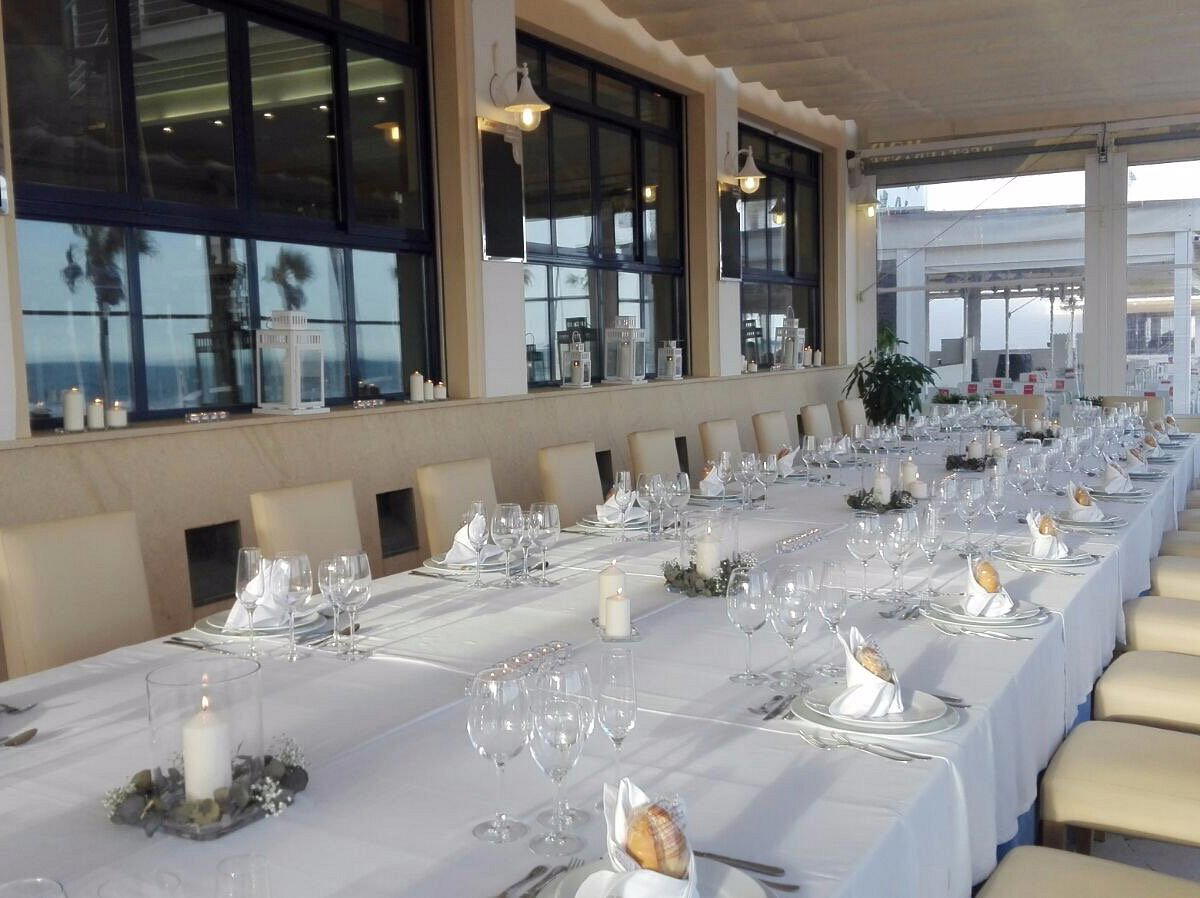
Old Town Gravity
Plaza Santo Cristo sits a few streets back from the seafront strip, in the part of Marbella's casco antiguo where the whitewashed walls are narrow enough to touch and the tourist traffic thins noticeably. Restaurants at this address are selling something other than proximity to the beach: they're selling place. The square itself carries weight, and La Fonda Restaurante, at number 10, occupies that address as a house of Andalusian cooking rather than a destination for Costa del Sol convenience dining.
That distinction matters in Marbella, where the dining scene has long been divided between resort-facing internationalism, the steakhouses, the Japanese-fusion rooftops, the hotel brasseries, and a smaller, harder-to-find layer of restaurants genuinely concerned with the food of this corner of Andalusia. La Fonda sits in the latter category, in the same part of the city as Andala Marbella, which anchors the Andalusian tradition from a different angle. For a broader picture of where these restaurants sit in the city's full offer, our full Marbella restaurants guide maps the range from neighbourhood staples to Michelin-tracked modern kitchens.
Terroir as a Working Principle
Among the recognitions applied to La Fonda is a designation that points directly at intent: Expression of the Terroir. In Spanish fine dining broadly, and in Andalusian cooking specifically, this framing has weight. It signals a kitchen that treats geography as the primary ingredient, sourcing and building menus around what the surrounding region actually produces rather than what a cosmopolitan clientele might expect to find anywhere.
Andalusia gives a kitchen a great deal to work with. The coast brings fish and shellfish from the Atlantic and the Mediterranean simultaneously, a dual-ocean access that produces a range most coastal regions in Europe cannot match. Inland, the Sierra de las Nieves and the wider Málaga province supply game, cured meats, olive oil, almonds, citrus, and a vegetable culture that goes deep into Moorish-influenced tradition. The gazpacho, the ajoblanco, the salmorejo: these are not dishes that arrived from elsewhere. They are products of this soil and this climate, refined over centuries. A kitchen committed to terroir in this province has the raw material; the discipline is in resisting the temptation to complicate what the ingredients already resolve.
Chef Léo Huet works within that context. The name suggests Franco-Spanish training lines, and a background moving between French culinary rigour and Andalusian ingredient culture is a coherent formation for a kitchen positioning itself at the intersection of classical technique and regional specificity. Spain's leading kitchens have long operated at that crossing: Arzak in San Sebastián and El Celler de Can Roca in Girona both built their reputations by placing regional identity under a technically exacting lens, and the same principle applies at different scales across the country. At La Fonda, the scale is intimate, and the intention reads in the same direction.
Where La Fonda Sits in Marbella's Restaurant Tier
Marbella's upper dining register is anchored by Skina, the two-Michelin-starred seasonal Andalusian counter that operates at price points and reservation lead times in a different bracket entirely. Below that, a cluster of serious restaurants operates in the €€€ to €€€€ range, including modern Spanish formats like BACK and Messina, and the Japanese-leaning Nintai. La Fonda competes in this mid-to-upper tier, where the differentiation is not primarily about price but about culinary identity: what does the kitchen actually stand for, and does the room support it?
The old town address is an argument in itself. Compared to the Golden Mile or Puerto Banús restaurant corridors, Plaza Santo Cristo is quieter, more local in character, and less dependent on passing trade. Restaurants here build their regulars differently, through word of mouth and repeat visits rather than high-visibility footfall.
For the full range of how Marbella drinks and stays, our Marbella bars guide, hotels guide, wineries guide, and experiences guide cover the surrounding scene in detail.
The Wider Andalusian Conversation
Spain's most discussed restaurants in the past decade have tended to cluster in the Basque Country, Catalonia, and Madrid. The Andalusian south has produced standouts, Aponiente in El Puerto de Santa María is among the country's most formally ambitious kitchens, but the region's broader dining culture has remained less internationally visible than its ingredient wealth might suggest. That gap is, in part, what restaurants with a terroir mandate are working to close: making the case that Andalusian cooking, practiced with rigour, belongs in the same conversation as the formats drawing international attention to Cocina Hermanos Torres in Barcelona or DiverXO in Madrid.
It is a different argument to make than the one constructed by technically maximalist kitchens. The Andalusian case rests on restraint and specificity, on proving that a fried pescaíto or a bowl of cold almond soup made from this province's almonds and this season's olive oil is already a complete statement. The chef's role is framing and quality control, not transformation. That is a harder case to make legibly to international visitors but a more durable one for the long term.
Planning Your Visit
La Fonda Restaurante is at Pl. Santo Cristo, 10, in Marbella's old town, a five-to-ten minute walk from the seafront promenade depending on your starting point. The plaza is compact and the address is easier to find on foot than by car, given the old town's narrow streets and limited parking. Given the restaurant's rating profile and its positioning in Marbella's more serious dining tier, booking ahead is advisable, particularly for weekend evenings and during summer, when the city's population rises sharply with seasonal visitors. Specific pricing, current hours, and reservation method are not listed here; checking directly with the restaurant or via current booking platforms before visiting will confirm availability and any seasonal adjustments to format or hours. For additional context on where this fits within the Costa del Sol's broader hospitality offer, the EP Club Marbella guides above cover the full picture.
Frequently asked questions
What kind of recognition has La Fonda Restaurante received?
La Fonda Restaurante has received recognition including:
Can I walk in to La Fonda Restaurante?
Walk-in availability at Plaza Santo Cristo, 10 depends sharply on timing. Marbella's old town draws significant visitor numbers from late spring through September, and a restaurant with a terroir-focused reputation in the casco antiguo fills accordingly. Off-peak weekday lunches offer the most realistic chance without a reservation; summer evenings are a different calculation.
Awards and Standing
Comparable venues nearby, for context on price, style, and recognition.
| Venue | Cuisine | Price | Awards | Notes |
|---|---|---|---|---|
| La Fonda RestauranteThis venue (the venue you are viewing) | Modern Spanish Tapas | $50–100 | Relais Chateaux Award | Not listed |
| Leña | Modern Spanish Grill | Not listed | Not listed | Puente Romano Beach Resort |
| D-Wine Marbella | Spanish Fine Dining with Extensive Wine Selection | $50–100 | World's Best Wine Lists Awards WBWL 3-Star | Nueva Alcántara |
| Sidreria Usategui | Basque Sidrería | Not listed | Not listed | El Palomar |
| Bibo Dani Garcia | Modern Spanish Brasserie and Tapas | Not listed | Not listed | Puente Romano |
| Lobito de Mar | Modern Mediterranean Seafood | $50–100 | Macarfi 7 Food Rating · Guía Repsol 1 Sol | Golden Mile |
Recognition history
Dated appearances from independent guides and award organizations, with the underlying list record or original source where available.
Relais Chateaux Award
Relais Chateaux
Full recognition history (2 entries)
Relais Chateaux Award
Relais Chateaux
Continue exploring
More in Marbella
Restaurants in Marbella
All restaurants in Marbella →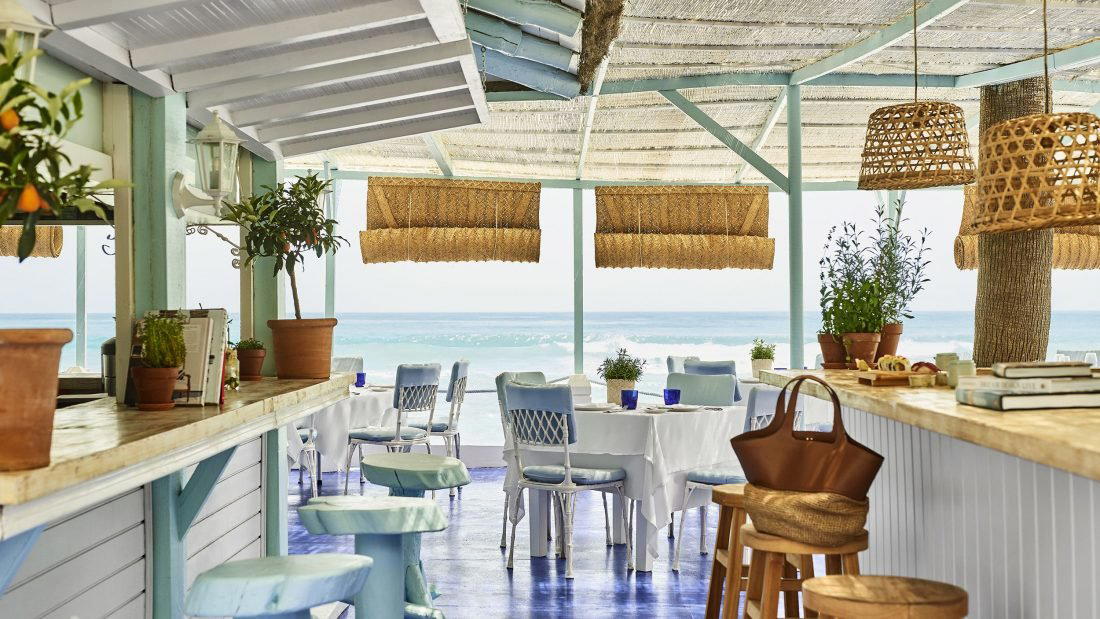
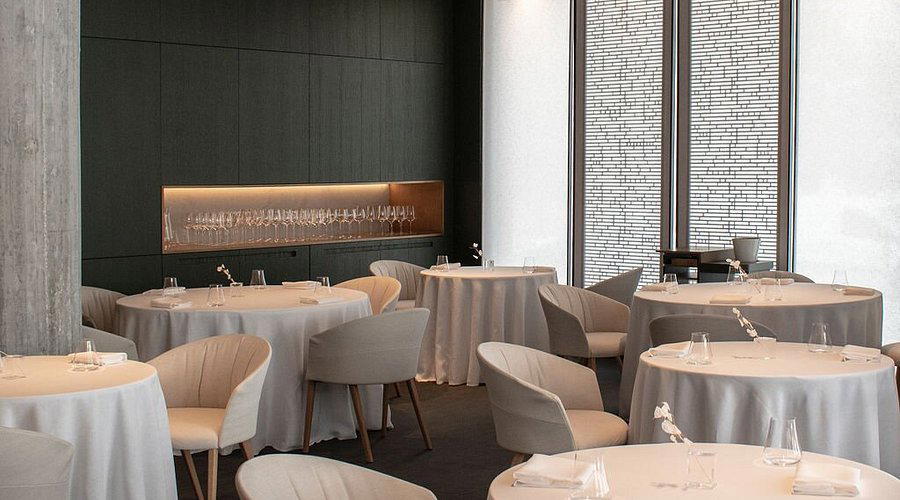
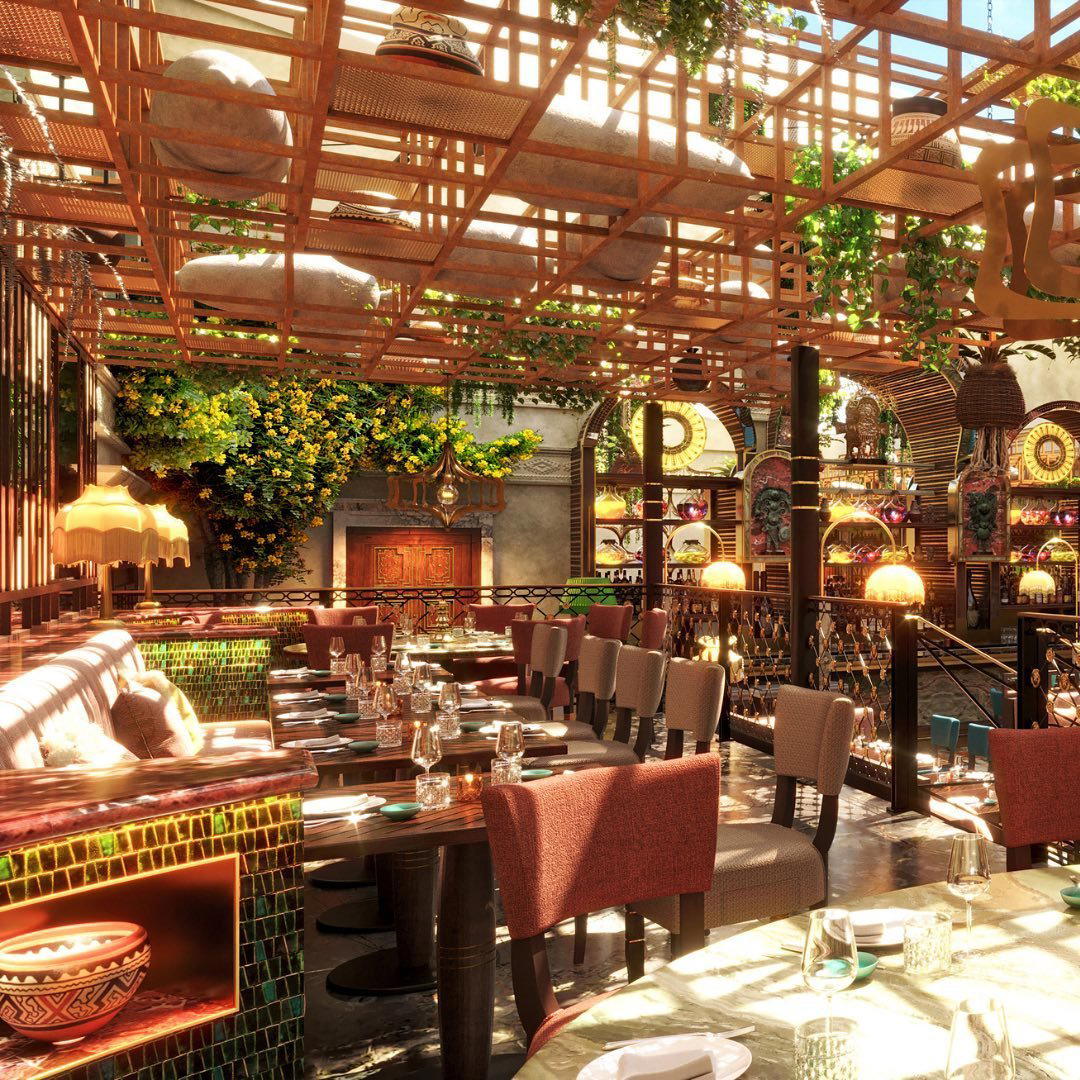
Bars in Marbella
All bars in Marbella →
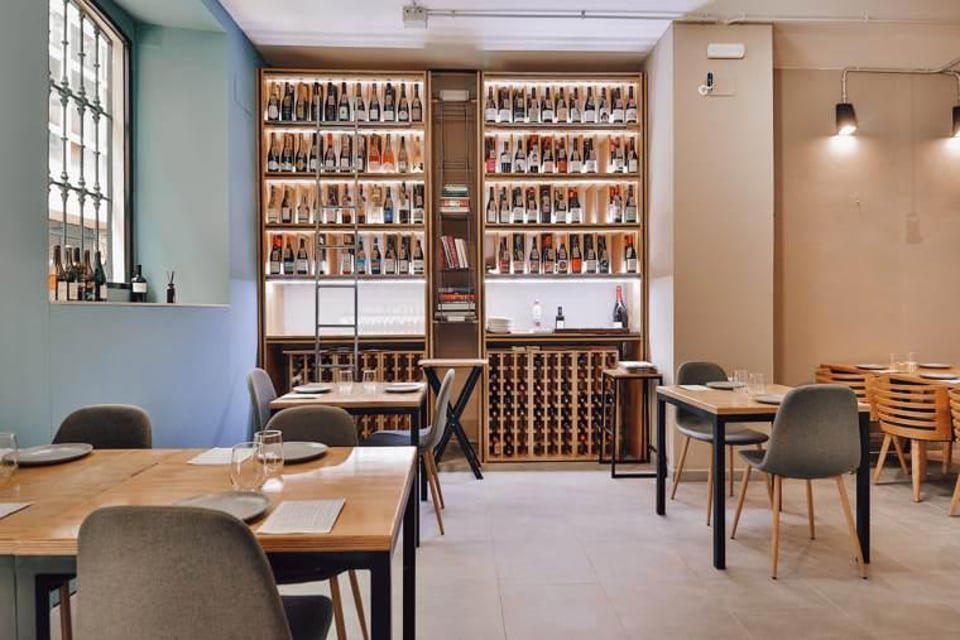
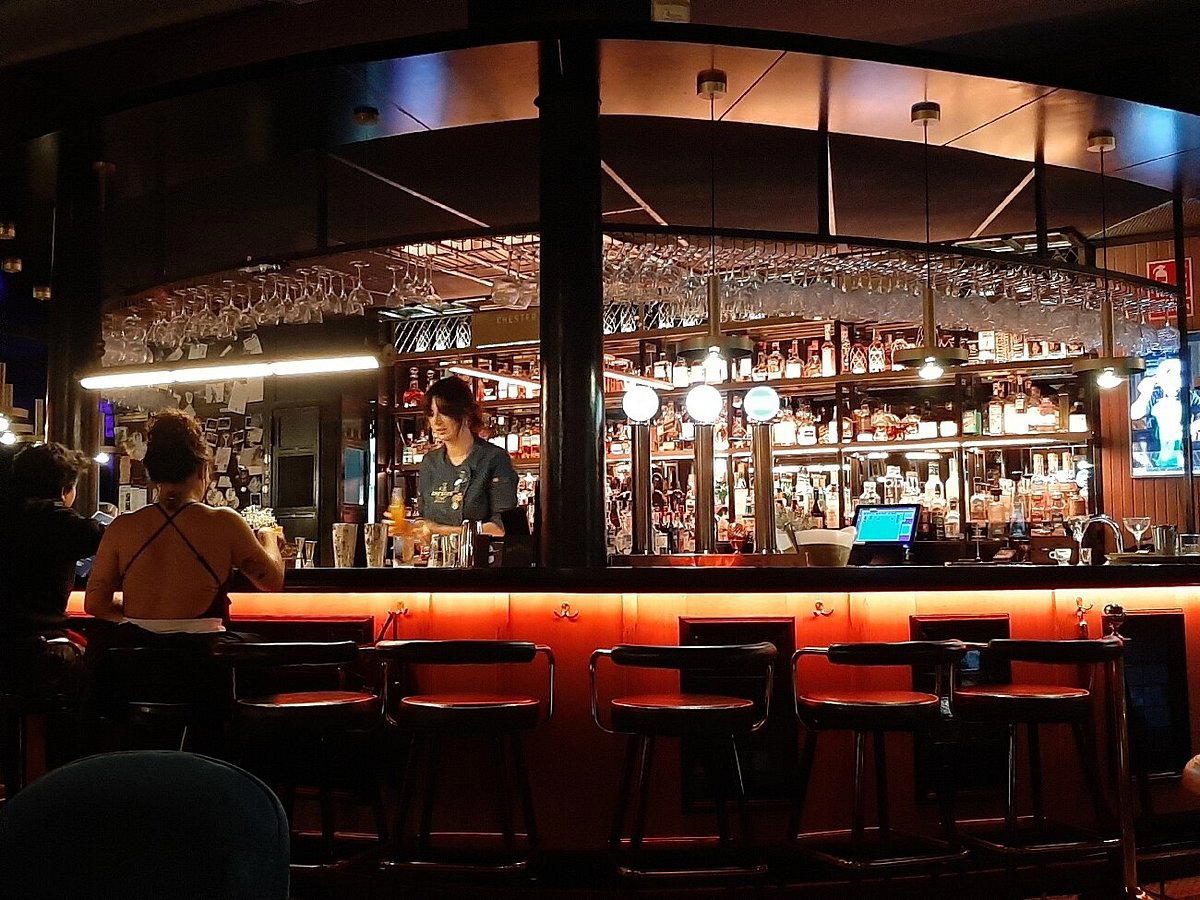
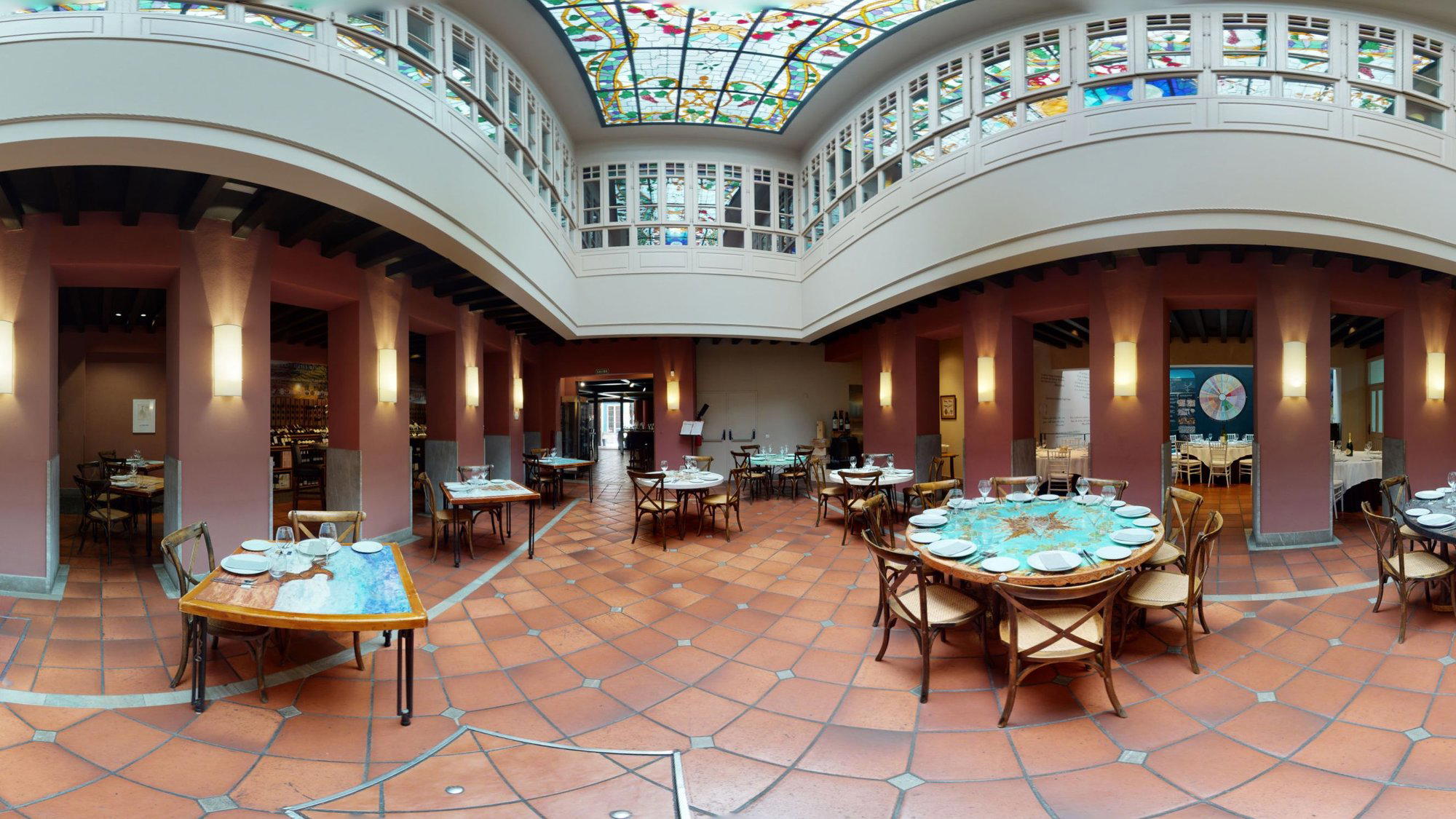
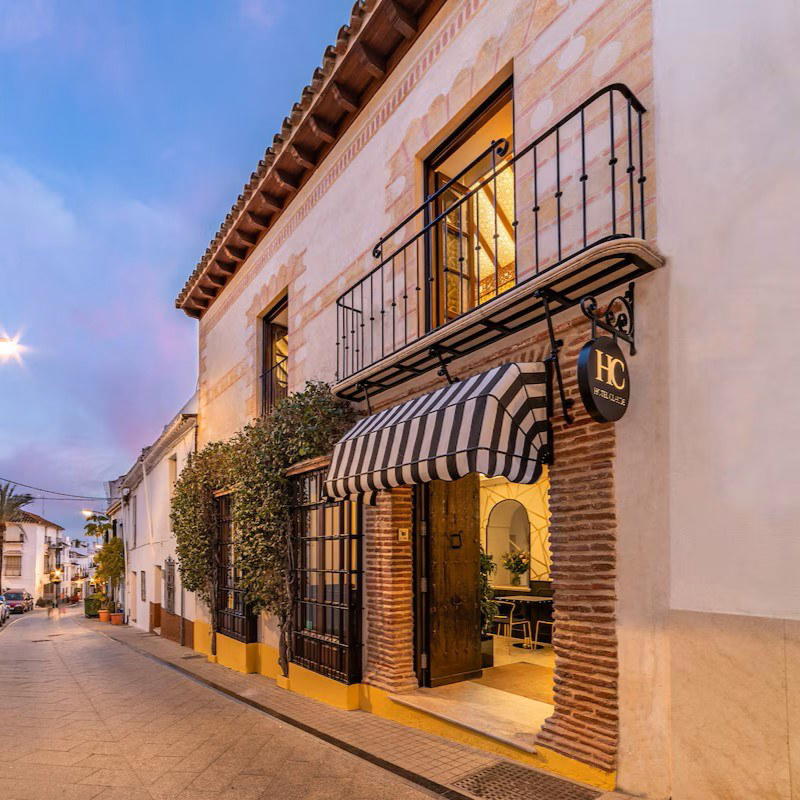

Details
- Romantic
- Elegant
- Intimate
- Cozy
- Sophisticated
- Date Night
- Special Occasion
- Celebration
- Courtyard
- Live Music
- Historic Building
- Hotel Restaurant
- Terrace
- Extensive Wine List
- Garden
- Street Scene
- A La Carte
- Small Plates
- Tasting Menu
- Wine Pairing
- Vegetarian Friendly
- Allergy Accommodating
Current opening hours
- Monday
- Closed
- Tuesday
- 7–11 PM
- Wednesday
- 7–11 PM
- Thursday
- 7–11 PM
- Friday
- 7–11 PM
- Saturday
- 7–11 PM
- Sunday
- Closed
Hours can change for holidays and private events. Hours as of .
Romantic and stylish with candlelit chapel, beautiful garden courtyard, tasteful decorations, and relaxing live music.