Few addresses on the Left Bank carry as much accumulated history as La Closerie des Lilas at 171 Boulevard du Montparnasse. Where Montparnasse's early twentieth-century artistic milieu once gathered, the brasserie and its piano bar still operate as a working dining room rather than a museum piece, a distinction that separates it from Paris's more theatrical heritage venues.
Pearl is the En Primeur Club membership app — saves, bookings, and concierge access live there. Same editors, same standards.
- Address
- 171 Bd du Montparnasse, 75006 Paris, France
- Phone
- +33 1 40 51 34 50
- Website
- closeriedeslilas.fr
- Directions
- Get directions
 Saves & bookings on Pearl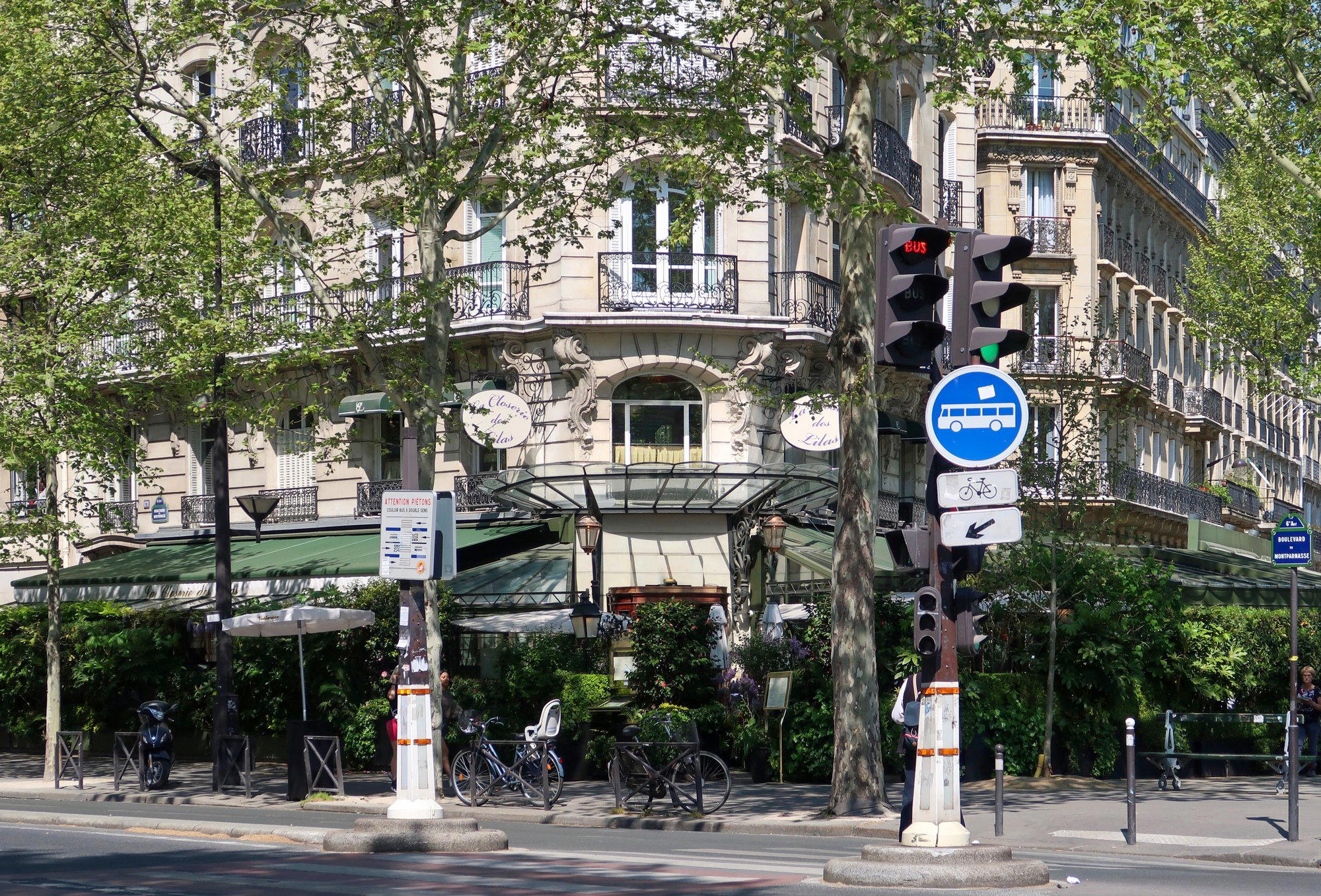
Where Montparnasse's Past Meets a Working Brasserie
Boulevard du Montparnasse has a particular quality in the late afternoon: the light falls at an angle that makes the terrace awnings of its older establishments glow amber, and the noise of the street drops slightly before the evening crowds arrive. La Closerie des Lilas, at number 171, sits at the eastern end of that boulevard where it meets the Luxembourg gardens district. The interior moves between a traditional brasserie dining room and a piano bar that operates on a different, quieter register.
Left Bank dining has fragmented considerably. The neighbourhood corridor running from Saint-Germain-des-Prés toward Port-Royal contains everything from three-Michelin-star precision at Arpège to fast-casual formats aimed at students from the nearby grandes écoles. La Closerie occupies a middle tier that French restaurant culture calls the grande brasserie de tradition, a category distinct from both the tasting-menu circuit and the bistro economy. The distinction is architectural as much as culinary: these are rooms built for sustained occupation, where a table for two at 8pm might still be occupied at midnight without any pressure to leave.
The Room Itself: Reading the Atmosphere
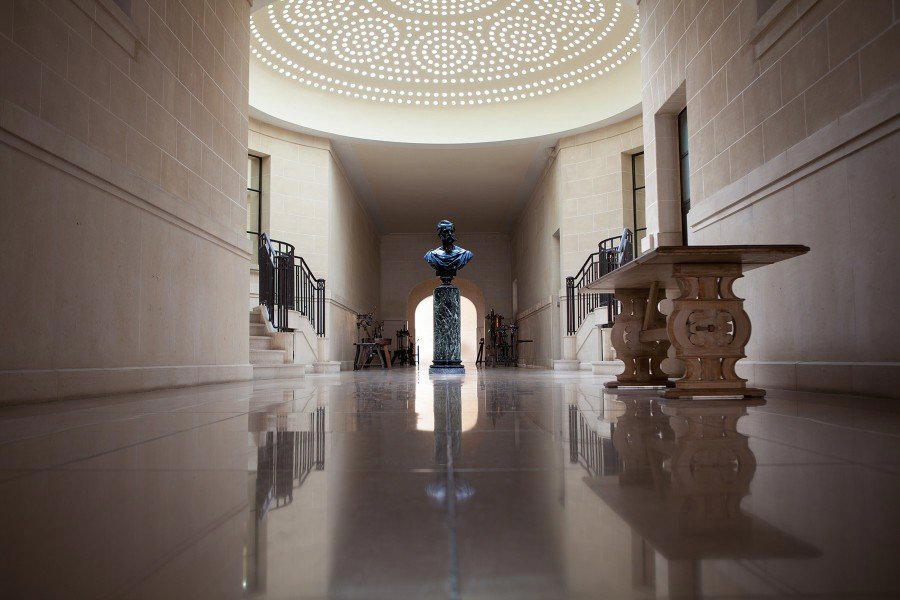
The sensory experience of La Closerie operates through accumulation rather than drama. The brasserie section runs to white tablecloths, banquettes, and the particular acoustics of a room with enough depth to absorb noise without becoming reverberant, a feature that separates well-designed traditional French dining rooms from the open-plan formats that have become common in newer Paris openings. Brass fittings, dark wood, and the steady presence of the piano bar in an adjacent space create a layered environment where the volume adjusts depending on where you sit.
The piano bar is the detail that most distinguishes La Closerie from the other grande brasserie addresses along this part of the Left Bank. It functions as a separate social zone that draws a different crowd from the dining room proper, quieter, more likely to be there for a single drink extended over conversation than for a full dinner service. In a city where the aperitif culture has largely migrated to natural wine bars and cocktail programs, this format represents a specific inheritance from mid-century Parisian social life.
Paris's premium dining tier, houses like Alléno Paris au Pavillon Ledoyen, Le Cinq at the Four Seasons George V, and Kei, operates in a register of formal ceremony that La Closerie does not attempt to compete with. Its competitive set is different: it belongs to a cohort of historically significant Paris brasseries where the room's accumulated associations carry as much weight as the contemporary kitchen output. That cohort is smaller than it once was, as several of Montparnasse's older establishments have either closed or converted formats.
The Historical Weight Behind the Address
The association of 171 Boulevard du Montparnasse with Paris's early twentieth-century artistic and literary communities is documented across multiple published sources. The brass plaques on tables mark where specific writers, painters, and intellectuals were known to sit, a detail that has been discussed in accounts of the Montparnasse period in publications from Le Monde to the Paris Review. This was the geography of the Lost Generation's Paris, and La Closerie occupies a node in that network alongside the other café-brasseries of the 6th and 14th arrondissements.
What that history does to the dining experience is more complicated than simple atmosphere. For a significant portion of the clientele, particularly international visitors arriving from literary or cultural motivations, the room itself is the primary draw. This is a dynamic that operates similarly at a handful of other French institutions: Auberge de l'Ill in Illhaeusern carries the weight of its own multigenerational identity, as does Paul Bocuse's Auberge du Pont de Collonges outside Lyon. At these addresses, history is part of the product, but the risk, which La Closerie has largely avoided, is becoming a venue that trades exclusively on the past rather than operating as a functioning restaurant in the present.
The comparison with France's more remote but historically significant restaurant addresses is instructive. Houses like Bras in Laguiole, Les Prés d'Eugénie in Eugénie-les-Bains, and Georges Blanc in Vonnas operate as destination properties where the journey is part of the proposition. La Closerie, by contrast, is embedded in among the more walkable parts of the French capital, accessible by Métro to Port-Royal or Notre-Dame-des-Champs, and its draw is specifically urban: the layering of a working brasserie inside a neighbourhood with its own literary topography.
Planning a Visit
The address at 171 Boulevard du Montparnasse places La Closerie in the 6th arrondissement. The Luxembourg gardens are a short walk north, and the Métro connections at Port-Royal make it reachable from most of central Paris without significant effort. The brasserie dining room stays open from noon until midnight every day, making it viable as both a midday and a late-night option.
La Closerie functions well as a counterpoint, a room where the pace slows and the format is self-directed rather than structured by the kitchen's sequence. Those chasing France's most technically ambitious kitchens will find fuller reference points at Mirazur in Menton, Flocons de Sel in Megève, or Troisgros in Ouches. What La Closerie offers is something different and harder to replicate: a room that has been open long enough to accumulate the kind of specific gravity that no amount of contemporary design can manufacture.
The Quick Read
Comparable venues nearby, for context on price, style, and recognition.
| Venue | Cuisine | Price | Notes |
|---|---|---|---|
| La Closerie des LilasThis venue — the venue you are viewing | Not listed | $$$ | Not listed |
| Maison Blanche | Not listed | $$$ | 8th arrondissement, Modern French Fine Dining |
| La Boissonnerie | Not listed | $$$ | Saint-Germain-des-Prés, Modern French Bistro |
| La Bonne Excuse | Not listed | $$$ | 7th Arrondissement, Seasonal French Bistro |
| Sébastien Gaudard | Not listed | $$$ | 9th Arrondissement, Classic French Patisserie & Café |
| Clémentine | Quartier Vivienne, Classic French Bistro | $$$ | Not listed |
Continue exploring
More in Paris
Restaurants in Paris
Browse all →
Bars in Paris
Browse all →
Hotels in Paris
Browse all →



At a Glance
- Classic
- Well Known
- Elegant
- Sophisticated
- Special Occasion
- Date Night
- Business Dinner
- Historic Building
- Live Music
- Terrace
- Private Dining
- Street Scene
Current opening hours
- Monday
- 12 PM–12 AM
- Tuesday
- 12 PM–12 AM
- Wednesday
- 12 PM–12 AM
- Thursday
- 12 PM–12 AM
- Friday
- 12 PM–12 AM
- Saturday
- 12 PM–12 AM
- Sunday
- 12 PM–12 AM
Hours can change for holidays and private events. Last verified .
Lavish décor reminiscent of Parisian intellectual heyday with refined veranda atmosphere in the gourmet restaurant.