
Azienda vitivinicola Domenico Filippino is a small family estate in Neive, working about 10 hectares across the Serra Capelli and San Cristoforo slopes. The draw is traditional Piedmont rather than polished cellar-door theatre: Nebbiolo-led Barbaresco DOCG, Barolo, Barbera, Dolcetto, Moscato, Arneis and Cortese shaped by Langhe soils, long ageing and a quiet working-winery setting.

Pearl is the En Primeur Club membership app — saves, bookings, and concierge access live there. Same editors, same standards.

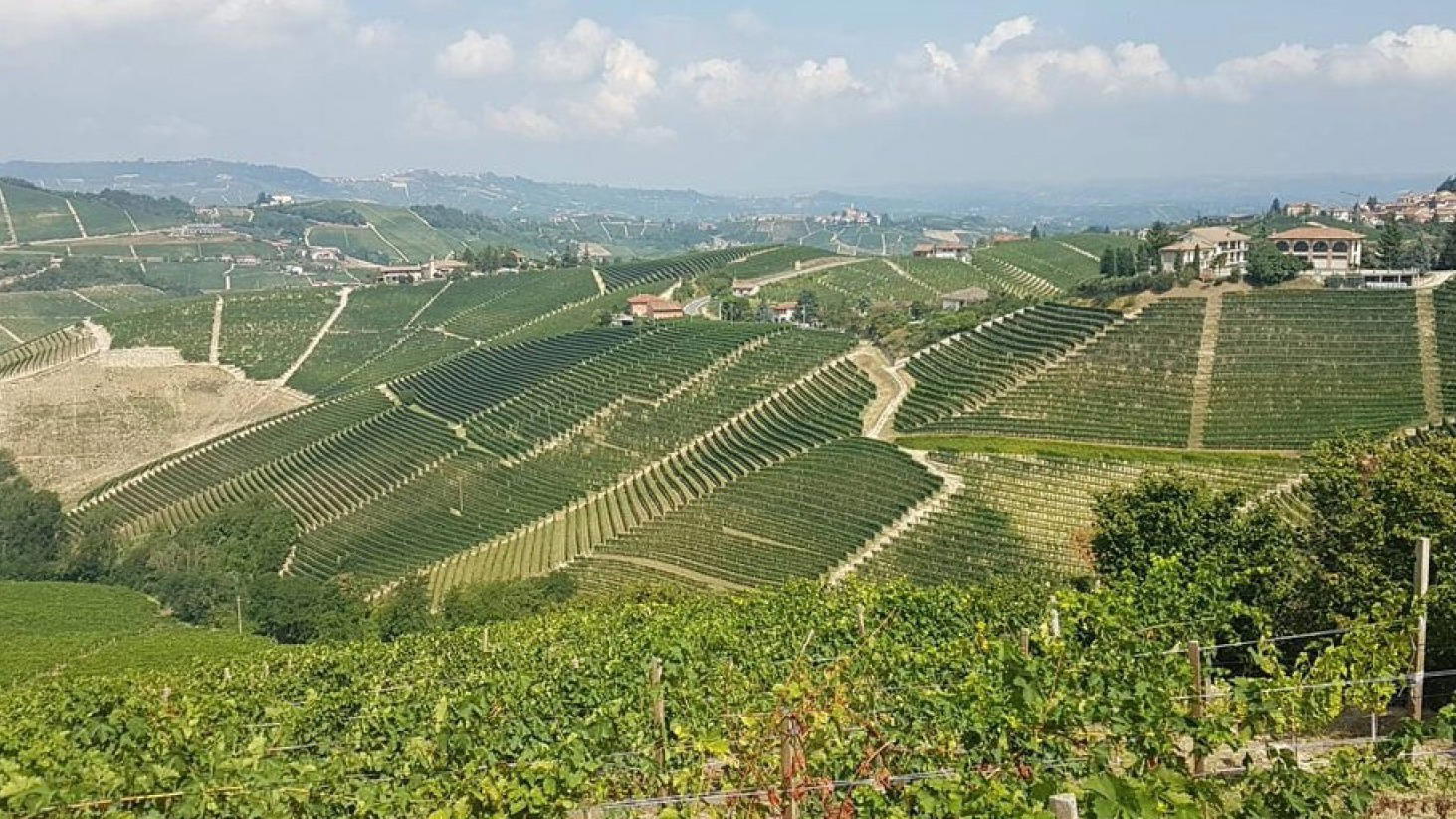
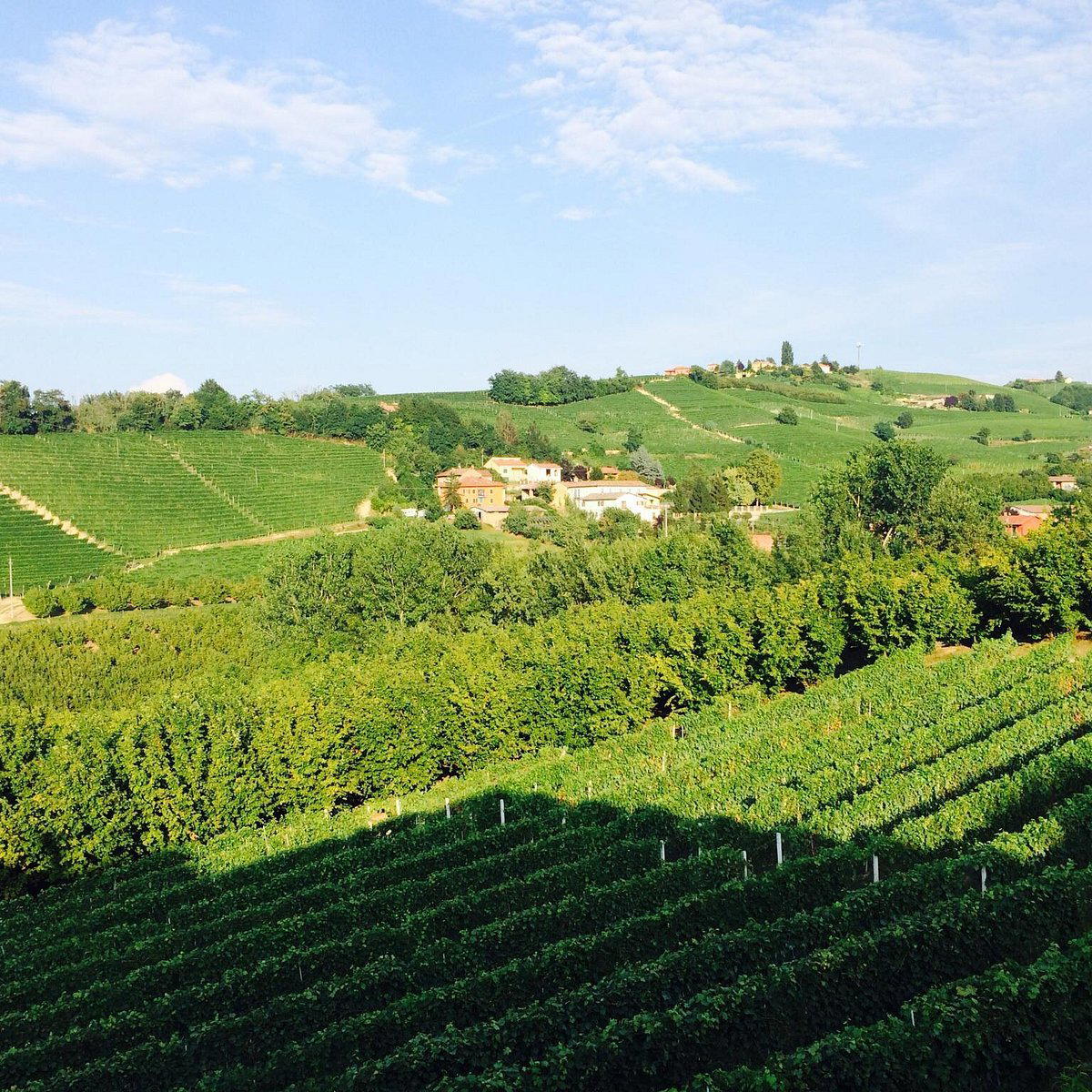
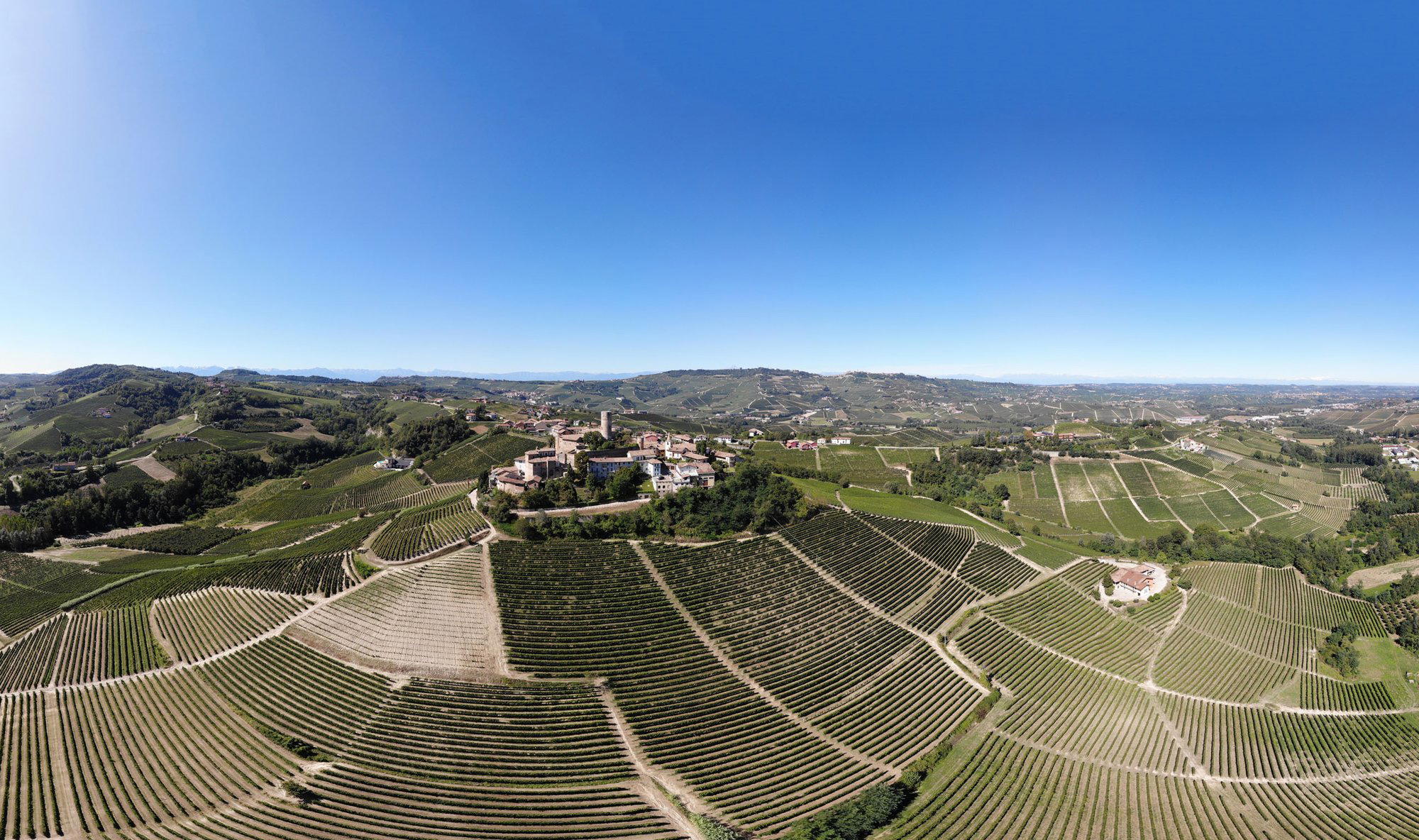
The approach to Azienda vitivinicola Domenico Filippino is best understood through its setting: Neive, in the UNESCO-listed hills around the village. The tone is not that of a polished design destination or a venue whose identity rests on a long catalogue of visitor-facing details. The appeal is a rural, working-winery feel, with panoramic vineyard landscapes and a classic Piedmont estate atmosphere that gives the address its immediate context.
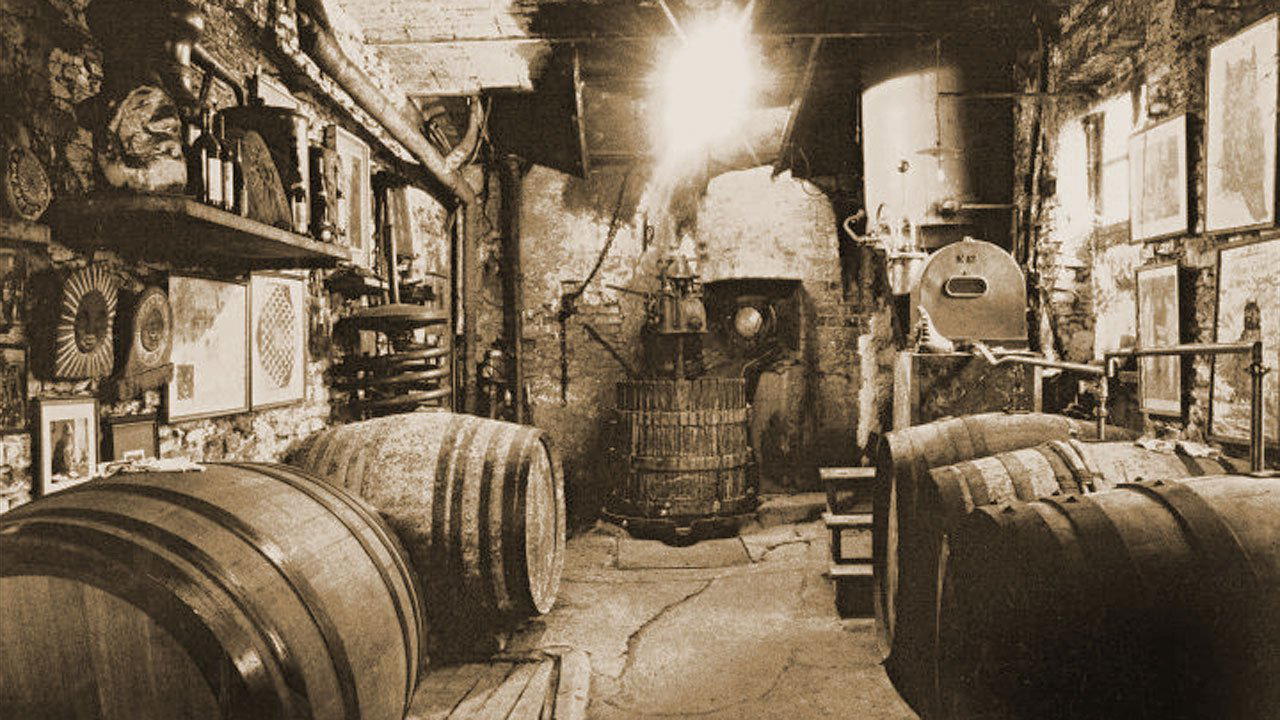
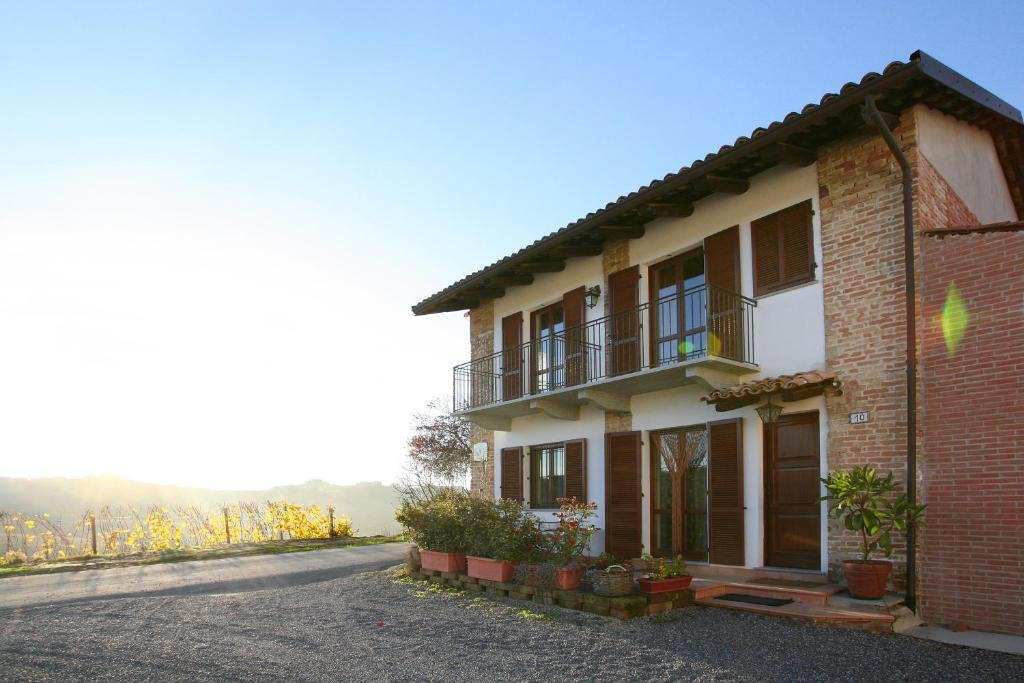
Azienda vitivinicola Domenico Filippino is presented as a traditional, family-run Piedmont estate. On the information available, a reliable way to frame it is as a scenic, rustic, intimate address in Neive rather than as a place defined by a publicly confirmed menu, tasting format, grape list, cellar technique, award history or fixed visitor program. That distinction matters: the venue reads less as a tightly packaged experience and more as a countryside estate whose value is tied to place, mood and continuity.
A Neive estate defined by landscape rather than spectacle
Neive is the location, and the surrounding UNESCO-listed hills are central to the sense of place. The estate’s character is grounded in vineyard views, a quiet rural mood and the classic feel of a working Piedmont property. Instead of foregrounding architectural drama or a heavily branded hospitality concept, the description points back to the landscape itself: hills, vines and the atmosphere of a rural estate in one of Piedmont’s most recognisable wine areas.
What can be said with confidence is narrower but still useful: this is a traditional family-run estate in Neive with a scenic, rustic and intimate atmosphere. Those words are doing most of the work here. “Traditional” suggests a venue that fits within a familiar regional pattern rather than trying to reinvent it; “family-run” gives the address a human scale; “rustic” and “intimate” set expectations away from gloss and toward a quieter, more direct encounter with the setting.
That makes the venue more relevant for travellers seeking a grounded countryside setting than for those looking for a highly designed hospitality stop. The draw is the landscape and the family-estate identity, not a list of services or programmed experiences. In practical editorial terms, it is best understood as a place to keep on the map for its Neive context and its working-winery feel, while avoiding assumptions about what a visit might include beyond the qualities that are actually stated.
A family-run Piedmont estate in a UNESCO hillscape
The description places Azienda vitivinicola Domenico Filippino within the classic Piedmont estate tradition. Its setting in the UNESCO-listed hills around Neive gives it the kind of visual and rural context that matters to visitors planning time in the area. For many readers, that context is already meaningful: the surrounding hillscape shapes the journey, the view and the mood before any specific tasting detail or cellar note becomes relevant.
That restraint is important, because estates in Piedmont can vary widely in how they welcome visitors, how formal their tastings are, and how much information they make public. Here, the reliable reading remains deliberately simple and place-led.
Seen that way, the absence of granular detail does not erase the venue’s usefulness. It simply changes how it should be presented. The winery is strongest as an atmospheric Neive reference point: a traditional estate whose appeal lies in its rural setting, its vineyard surroundings and the sense of intimacy attached to a family-run property.
How to read this stop in a wider Italian wine itinerary
The winery should be read as a quiet Neive estate with a classic rural character. The price positioning is $$$, but the available facts do not confirm specific tasting prices, opening hours, booking rules, group capacity, accessibility details, food service, takeout, delivery or dietary accommodations. Those omissions should shape expectations. It is not useful to treat the venue as if it has a fully documented visitor program when the confirmed information instead points to atmosphere, location and estate identity.
For readers comparing nearby options, the safest comparison is with the winery itself and with other Neive venues in general terms. The strongest reasons to note it are its family-run Piedmont identity, its setting in the UNESCO-listed hills around Neive, and its scenic, rustic, intimate working-winery feel. In an itinerary, that makes it a countryside-minded entry rather than a spectacle-driven one: a place whose editorial value comes from the way it expresses the landscape around Neive and the enduring appeal of a traditional Piedmont estate.
Recognition history
Dated appearances from independent guides and award organizations, with the underlying list record or original source where available.
Falstaff Winery - Listed
Falstaff
At a Glance
- Scenic
- Rustic
- Classic
- Intimate
- Romantic Getaway
- Group Outing
- Wine Education
- Special Occasion
- Solo Exploration
- Vineyard Tour
- Estate Grounds
- Panoramic View
- Historic Building
- Sustainable
- Vineyard
- Mountain
- Barbaresco DOCG
- Nebbiolo
- Barbera
- Dolcetto
- Moscato
- Arneis
- Cortese
- Still Red
- Still White
- Sparkling
- Dessert
- Standard Tasting
- Winery Tour
- Vineyard Walk
- Private Tasting
Current opening hours
- Monday
- 10 AM–6 PM
- Tuesday
- 10 AM–6 PM
- Wednesday
- 10 AM–6 PM
- Thursday
- 10 AM–6 PM
- Friday
- 10 AM–6 PM
- Saturday
- 10 AM–6 PM
- Sunday
- Closed
Hours can change for holidays and private events. Last verified .
Traditional family-run Piedmont estate set in the UNESCO-listed hills around Neive, with a rural working-winery feel and panoramic vineyard landscapes rather than a polished design-destination vibe.