La Cheminée
Our verdict
La Cheminée sits in Tardets-Sorholus, a small Basque village in the Soule region of the French Pyrénées, where the surrounding landscape defines the table. Dining here connects directly to the agricultural and pastoral traditions of a part of France that remains largely outside the mainstream restaurant circuit. For travellers willing to seek it out, that remoteness is the point.

Pearl is the En Primeur Club membership app — saves, bookings, and concierge access live there. Same editors, same standards.
- Address
- 710 Agosti Xaho karrika, 64470 Tardets-Sorholus, France
- Phone
- +33625726846
- Website
- restaurant-la-cheminee.fr
- Directions
- Get directions
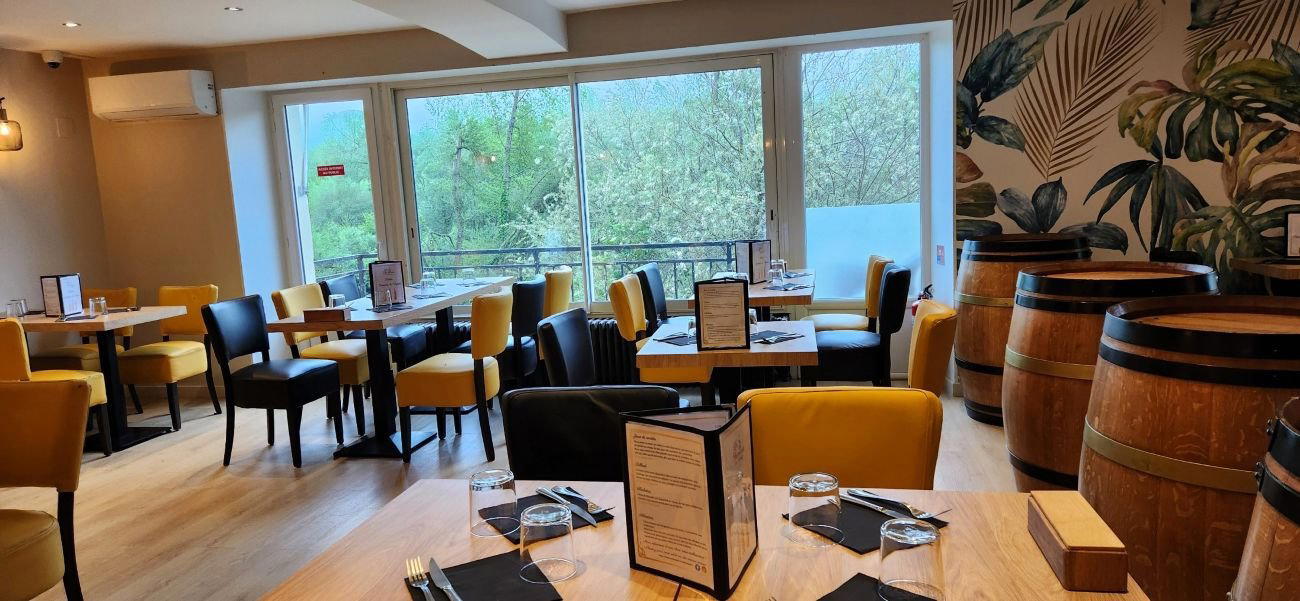
The menu
What to order
- Confit de canard
- Garbure béarnaise
- Côte de bœuf
- Desserts maison
Where the Pyrénées Set the Menu
There is a category of French restaurant that exists almost entirely because of what surrounds it. Not the décor, not the chef's biography, not the awards shelf, but the specific geography pressing in on the kitchen window. La Cheminée, at 710 Agosti Xaho karrika in Tardets-Sorholus, belongs to that category. The village sits in the Soule, the smallest and least-visited of the three French Basque provinces, tucked into a valley where the Pyrénées begin their serious climb toward the Spanish border. Arriving here by car from Pau or Mauléon-Licharre, through roads that narrow into single lanes flanked by beech forest and stone farmhouses, recalibrates the appetite before you've set foot inside.
The fireplace implied by the name — la cheminée — is not decorative shorthand. In this part of the Basque Country, the hearth has been the functional centre of cooking and community for centuries. Traditional Souletin farmhouses, known as etxe, were built around a central fireplace, and the culinary traditions that developed in this pocket of France reflect that architecture: slow-cooked meats, cured products from the family pig, dried and aged cheeses from mountain flocks. The name, in other words, is a positioning statement about where this kitchen stands in relation to that tradition.
Soule's Larder: A Geography of Ingredients
The French Basque interior operates a food economy that is largely invisible to visitors who confine themselves to Biarritz or Saint-Jean-de-Luz on the coast. In the Soule, this is particularly pronounced. The province is the primary zone for Ossau-Iraty, the sheep's milk cheese that carries a French AOC designation and represents one of the oldest cheese-making traditions in the Pyrénées. The milk comes from Manech and Basco-Béarnaise ewes that graze across the high pastures above villages like Tardets-Sorholus from spring through early autumn, then descend to valley farms for the winter. Any kitchen in this area with genuine sourcing ambitions has direct access to milk, cheese, and lamb at a quality that restaurants further afield work hard to replicate through supplier relationships.
Broader Basque Country is equally specific in its charcuterie traditions. Jambon de Bayonne, salted and air-dried with local salt from Salies-de-Béarn, carries a PGI designation that anchors it firmly to this corner of southwestern France. Black pigs raised in the inland valleys contribute to a tradition of cured products that sits alongside, and in some respects predates, the more internationally recognised Iberian equivalents across the border. A restaurant in Tardets-Sorholus operates within reach of these supply chains not as a marketing advantage but as a simple function of geography. The ingredients are here because the animals and the salt and the altitude are here.
Mountain trout from Pyrénéan streams, wild mushrooms foraged from the beech and oak forests surrounding the village, piments d'Espelette grown in the lower Basque valleys to the north: these are the building blocks of a regional cooking tradition that larger French cities access only at significant cost and with considerable logistical effort. For travellers who have eaten Basque-inflected food at celebrated addresses elsewhere in France, the precision cooking at Mirazur in Menton, the ingredient-driven intensity at Bras in Laguiole, or the classical weight of Auberge de l'Ill in Illhaeusern, returning to the source territory puts the supply chain in immediate perspective.
The Soule in Context: France's Quieter Dining Register
French regional cooking has developed two distinct trajectories over the past two decades. The first, represented by destination addresses like Alléno Paris au Pavillon Ledoyen, Assiette Champenoise in Reims, or Flocons de Sel in Megève, involves technically ambitious cooking that commands significant critical attention and accordingly prices. The second, quieter trajectory runs through village restaurants in regions where the agricultural identity remains intact, where the kitchen's primary job is to express what the surrounding land produces rather than to transform it beyond recognition.
Tardets-Sorholus operates firmly in that second register. The Soule has a population of around 13,000 across the entire province, and the village itself is a small market town that functions as a local service hub rather than a tourist destination. Restaurants here price and operate for the community that lives here year-round as much as for visitors, which creates a different set of priorities from the celebrated auberge model seen at places like Auberge du Vieux Puits in Fontjoncouse or Georges Blanc in Vonnas. The comparison set is not other destination restaurants; it is the broader tradition of French rural cooking that sustained itself long before Michelin extended its attention into the provinces.
That said, the Basque Country broadly has attracted serious culinary investment. Across the border in San Sebastián, the concentration of high-end restaurants per capita is among the highest in the world. That gravitational pull has sharpened awareness of Basque ingredients and techniques across the food world in a way that benefits even village-level restaurants in the French interior, by raising the general legibility of what Souletin cooking draws on.
Planning a Visit to Tardets-Sorholus
Tardets-Sorholus is approximately 50 kilometres southeast of Pau, which has the nearest commercial airport with connections to Paris Charles de Gaulle and several other French cities. The drive from Pau follows the D919 south through the Gave d'Oloron valley and takes roughly one hour under normal conditions. From Bayonne or Biarritz on the coast, the route runs east through Mauléon-Licharre and covers around 80 kilometres, typically an hour and a quarter by car. There is no practical public transport connection to Tardets-Sorholus from the major regional centres, making a car essential. Visitors combining this part of the Basque Country with broader southwestern France itineraries might also consider the area alongside the Atlantic Coast restaurants covered in our profiles of Christopher Coutanceau in La Rochelle and La Marine in Noirmoutier-en-l'île. For a full picture of what to eat and where in this part of France, see our full Tardets-Sorholus restaurants guide.
Frequently asked questions
Is La Cheminée child-friendly?
Tardets-Sorholus is a small village in the Soule interior, and restaurants of this type in the French Basque highlands tend to run at a relaxed, unhurried pace that works reasonably well for families. That said, specific facilities for children are not documented for La Cheminée. It is worth calling ahead or checking on arrival to confirm what the kitchen can accommodate for younger diners.
Is La Cheminée formal or casual?
La Cheminée is situated at 710 Agosti Xaho karrika in Tardets-Sorholus, a village deep in the Soule valley rather than a city dining destination, which signals a register closer to convivial and unpretentious than white-tablecloth formal. Rural Basque-French addresses of this kind generally reward comfortable, practical dress over ceremony. No dress code is formally documented for this address.
Is La Cheminée a good base for exploring Soule's food and landscape?
Tardets-Sorholus sits at the geographic centre of Soule, the smallest and least-visited of the three French Basque provinces, placing La Cheminée within reach of the Kakuetta gorges, Basque highland farms, and the transhumance routes that define the region's food culture. The nearest commercial airport is Pau, roughly 50 kilometres northwest, making the village a deliberate detour rather than a casual stopover. For travellers organising a food-focused itinerary through the French Basque interior, Tardets-Sorholus functions as a practical and coherent anchor point.
How do I find La Cheminée?
La Cheminée is located at 710 Agosti Xaho karrika, 64470 Tardets-Sorholus, France, Tardets Sorholus.
Can I walk in to La Cheminée?
No booking policy is publicly documented for La Cheminée. In a village the size of Tardets-Sorholus, covers are limited and the restaurant does not draw from a large passing trade, which means walk-in availability can be unpredictable, particularly on weekends. Contacting the venue directly before travelling from Pau or further afield is the safer approach.
A Quick Peer Check
Comparable venues nearby, for context on price, style, and recognition.
| Venue | Cuisine | Price | Notes |
|---|---|---|---|
| La CheminéeThis venue — the venue you are viewing | French Traditional Wood-Fire Cooking | Not listed | Not listed |
| Le Bayonnais | Basque Bistro | $30–50 | Petit Bayonne |
| Chez Pablo | Traditional Basque Bistro | $20–30 | Saint-Jean-de-Luz |
| Restaurant LMB | French Basque Bistro | $30–50 | near Grand Plage |
| Saturne | Modern French with Nordic Influences | Not listed | 2nd Arrondissement |
| Chez Fred | Bistronomic French | Not listed | Podensac |
Continue exploring
More in Tardets Sorholus
Restaurants in Tardets Sorholus
Browse all →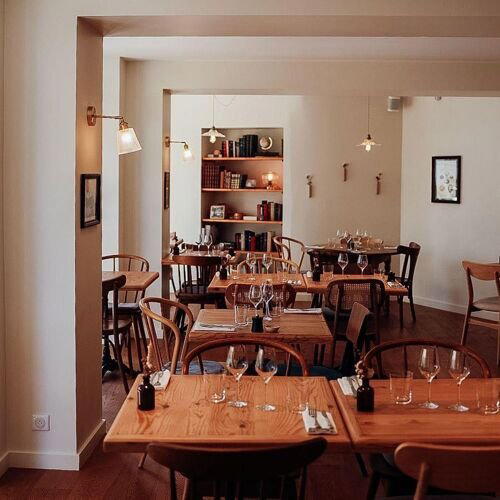
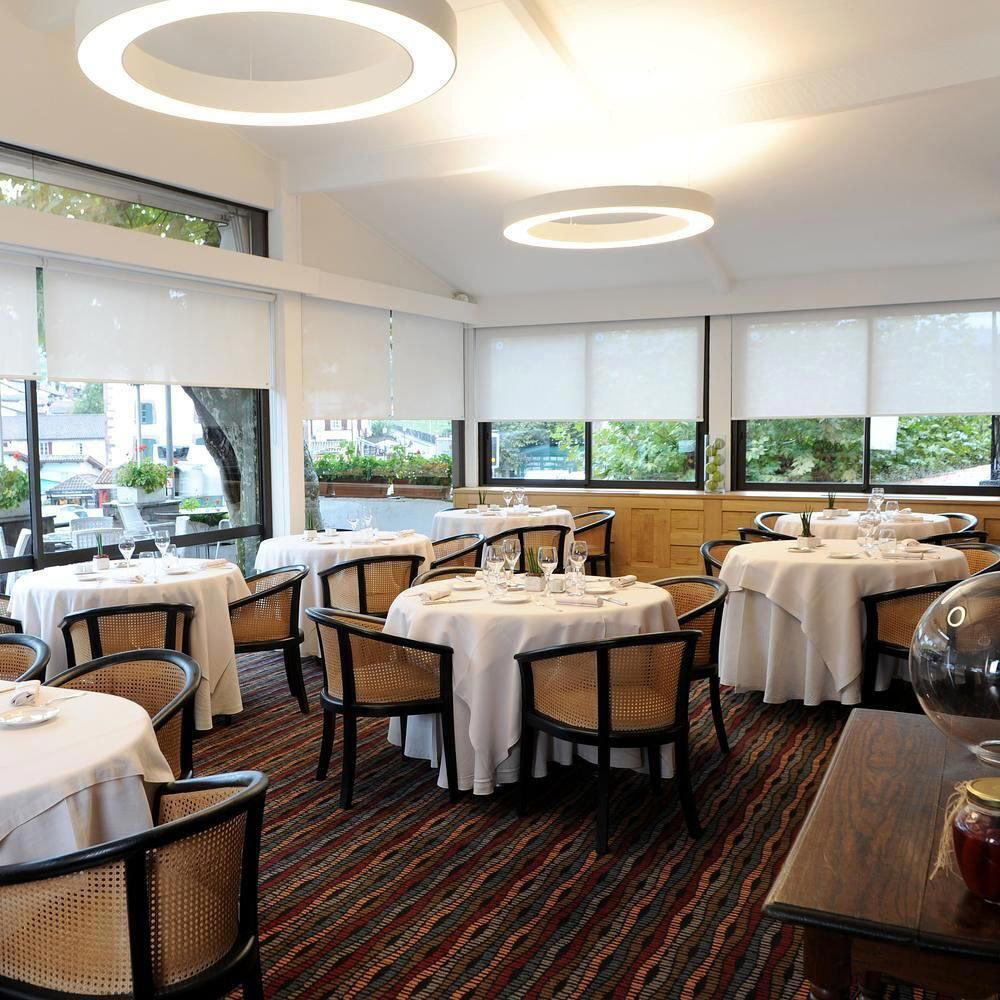
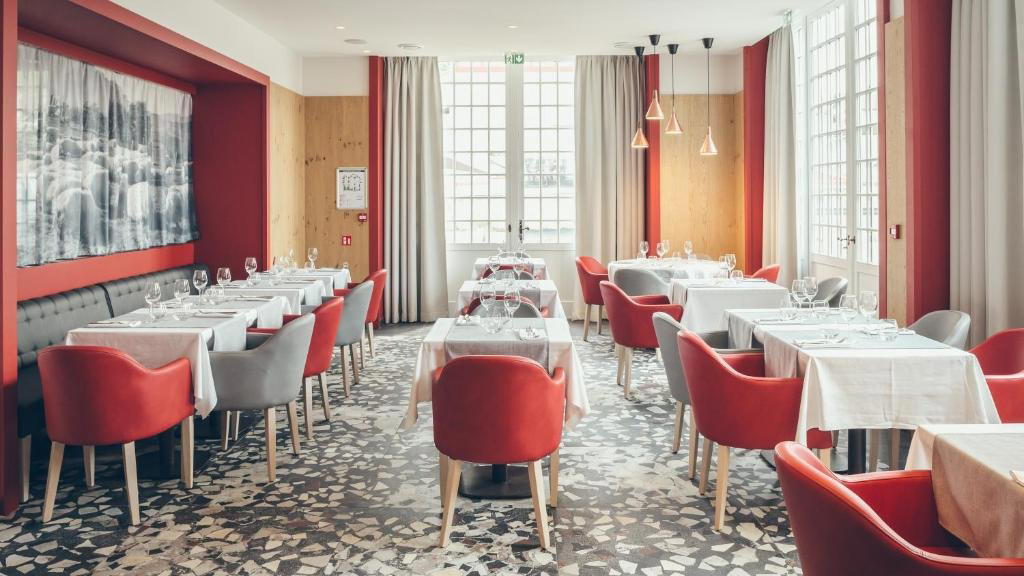
Hotels in Tardets Sorholus
Browse all →
Details
- Cozy
- Rustic
- Family
- Casual Hangout
- Terrace
- Local Sourcing
- Mountain
- Street Scene
- A La Carte
Chaleureuse et conviviale ambiance familiale with a welcoming atmosphere.