
Etchemaïté sits in the small Basque village of Larrau, deep in the Pyrenean interior, and holds a 2025 Michelin Bib Gourmand for traditional cuisine that punches well above its remote address. This is the kind of village auberge that rewards travellers willing to leave the coastal circuit behind for something grounded, seasonal, and genuinely local.
Pearl is the En Primeur Club membership app — saves, bookings, and concierge access live there. Same editors, same standards.
- Address
- Le Bourg, 64560 Larrau, France
- Phone
- +33 5 59 28 61 45
- Website
- logishotels.com
- Directions
- Get directions
 Saves & bookings on Pearl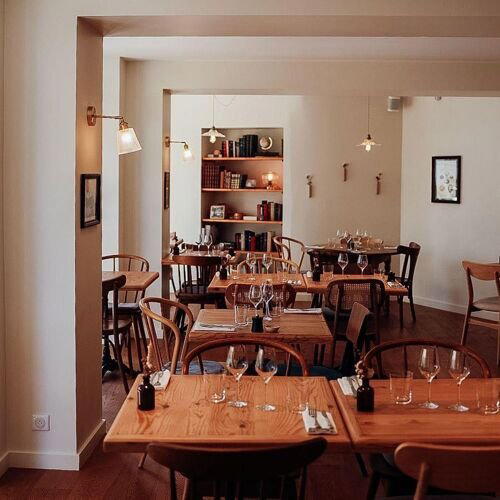
At the End of the Road, in the Leading Sense
Larrau sits at an altitude that most French road maps treat as a footnote. The D26 climbs through the Soule region of the Basque Country, threading past limestone gorges and beech forests before arriving at this small commune near the Spanish border. By the time you reach Le Bourg, the village centre where Etchemaïté occupies its position as the de facto anchor of local hospitality, the city-centre dining world feels like a different discipline entirely. Here, the editorial question is not what techniques are being deployed, but what the land outside the window actually produces, and how faithfully the kitchen renders it.
That framing is not romantic shorthand. It is a structural reality of cooking in the Pyrenean interior. The Soule valley and its neighbours have maintained distinct agricultural and pastoral traditions that differ meaningfully from the Basque coast. Sheep farming for milk and meat, mountain foraging, and the slow cycles of upland agriculture define what is available at any given time of year. Restaurants in this context either work within those constraints or they import around them. The Bib Gourmand classification that Michelin awarded Etchemaïté in 2025 is precisely calibrated for kitchens that do the former: it signals quality and character at a price point, the €€ tier here, that reflects genuine value rather than scaled-down luxury.
What a Bib Gourmand Means in This Context
Michelin's Bib Gourmand is awarded to restaurants offering quality cooking at prices the guide considers accessible. In practice, this creates a specific kind of restaurant: one that has sufficient consistency and technical grounding to attract Michelin attention, but whose identity is built around accessibility rather than spectacle. The distinction matters when reading Etchemaïté against the broader French dining spectrum.
France's highest-decorated rooms, the three-star addresses like Troisgros in Ouches or Auberge de l'Ill in Illhaeusern, operate in a different economy of ambition. Visitors are making the drive to Larrau with Etchemaïté as the destination. That pattern of deliberate pilgrimage, familiar from destinations like Bras in Laguiole or Auberge du Vieux Puits in Fontjoncouse, says something about perceived quality that ratings alone cannot fully convey.
Ingredient Logic in the Pyrenean Interior
Traditional cuisine in this part of France is not a nostalgic category. It is a functional response to geography. The Basque interior produces lamb from Manech ewes, a breed adapted to the altitude and used for both Ossau-Iraty cheese production and meat. It produces wild mushrooms from the beech and oak forests, river trout, and cured pork products that reflect the broader Basque charcuterie tradition. Seasonal vegetables follow upland growing cycles that lag behind the coast by several weeks in spring and advance faster in autumn.
A kitchen working within this framework makes sourcing decisions that are, in a sense, made for it by the terrain. The more interesting editorial question is one of execution: how those materials are treated, how much the kitchen resists the impulse to complicate what the landscape provides, and whether the result reads as coherent rather than merely rustic. The recognition suggests Etchemaïté has resolved that tension credibly. The €€ price tier means the sourcing discipline is not offset by luxury-ingredient purchasing, the kitchen is working with what the valley and its surroundings yield, not supplementing with imported prestige proteins.
This places Etchemaïté in a specific lineage of French regional cooking that prizes fidelity to place over creative distance from it. The tradition runs from simple auberge cooking through to more considered rural addresses like Auberge Grand'Maison in Mûr-de-Bretagne. Across the Pyrenean border, the same sourcing logic appears in Basque Country restaurants like Auga in Gijón, where proximity to the raw material is itself an editorial statement about what the food is trying to say.
The Village Auberge as a Format
The auberge format, a hospitality establishment offering both lodging and meals in a rural or village setting, is one of the older organising structures in French regional life. It exists at the intersection of necessity and tradition: in villages where no restaurant circuit exists, the auberge absorbs all local demand and visiting travellers alike. In that context, the dining room is not a specialised venue but a general one, serving lunches after market days, dinners for walkers, and weekend meals for local families alongside the more deliberate visitors who arrive from further away.
Etchemaïté operates within that format in Larrau, a commune whose position near the GR10 long-distance trail and the Gorges d'Holzarté brings a steady flow of walkers through the area, particularly from spring through autumn. The kitchen's traditional cuisine classification fits this audience pattern: accessible enough for a post-hike meal, consistent enough to anchor repeat visits, and regionally grounded enough to constitute an argument for the Soule's distinct character within the broader Basque identity.
Planning a Visit
Larrau is not on the way to anywhere else by accident. The village sits roughly 50 kilometres south of Mauléon-Licharre, the nearest town of any size in the Soule region, and reaching it by car on the mountain roads requires time that should be budgeted honestly. The GR10 trail passes through the area, making Etchemaïté a natural waypoint for walkers covering the Pyrenean traverse between late spring and early autumn. For those visiting by car, the gorge roads are passable but demand attention in wet conditions. Booking in advance is advisable given the limited capacity of village-scale operations. The Michelin Bib Gourmand classification holds for 2025, and the €€ pricing reflects a level accessible to most travellers making the journey specifically for the food.
Side-by-Side Snapshot
Comparable venues nearby, for context on price, style, and recognition.
| Venue | Cuisine | Price | Awards | Notes |
|---|---|---|---|---|
| Etchemaïté | Traditional French-Basque | $$ | Bib Gourmand | Larrau |
| L'Auberge du Pas de Vent | Traditional French Regional Landes | $$ | Bib Gourmand | Pouillon |
| La Falène Bleue | Modern French Bistronomique | $$ | Bib Gourmand | Lannepax |
| AHPĒ | Modern French Market Bistro | $$$ | Bib Gourmand | Biarritz Municipality |
| Le Pim'Pi Bistrot | Modern French Bistro | $$ | Michelin Plate | Biarritz center |
| L'Interprète | Modern French Bistronomy | $$$ | Michelin Plate | centre-ville |
Recognition history
Dated appearances from independent guides and award organizations, with the underlying list record or original source where available.
Michelin Bib Gourmand
Michelin
Michelin Bib Gourmand
Michelin
Continue exploring
More in Larrau
Restaurants in Larrau
Browse all →
At a Glance
- Rustic
- Cozy
- Scenic
- Family
- Special Occasion
- Historic Building
- Extensive Wine List
- Local Sourcing
- Mountain
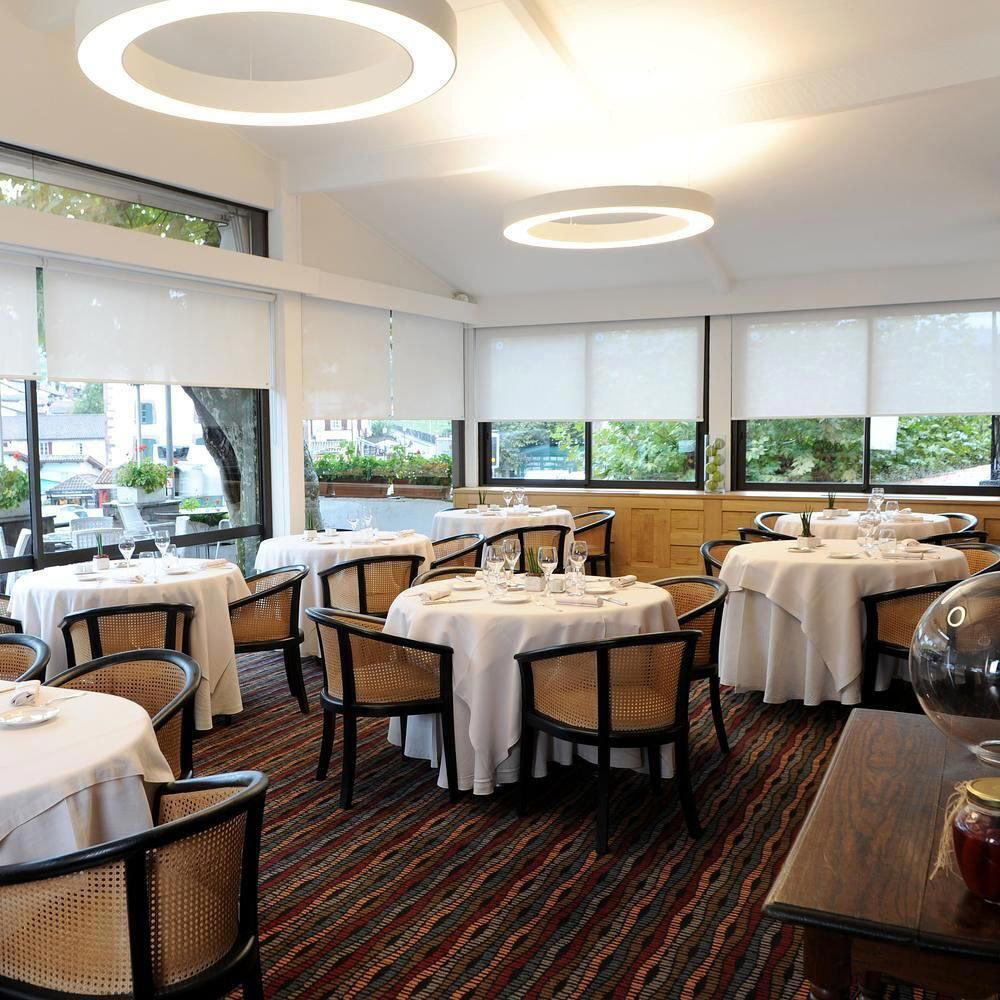
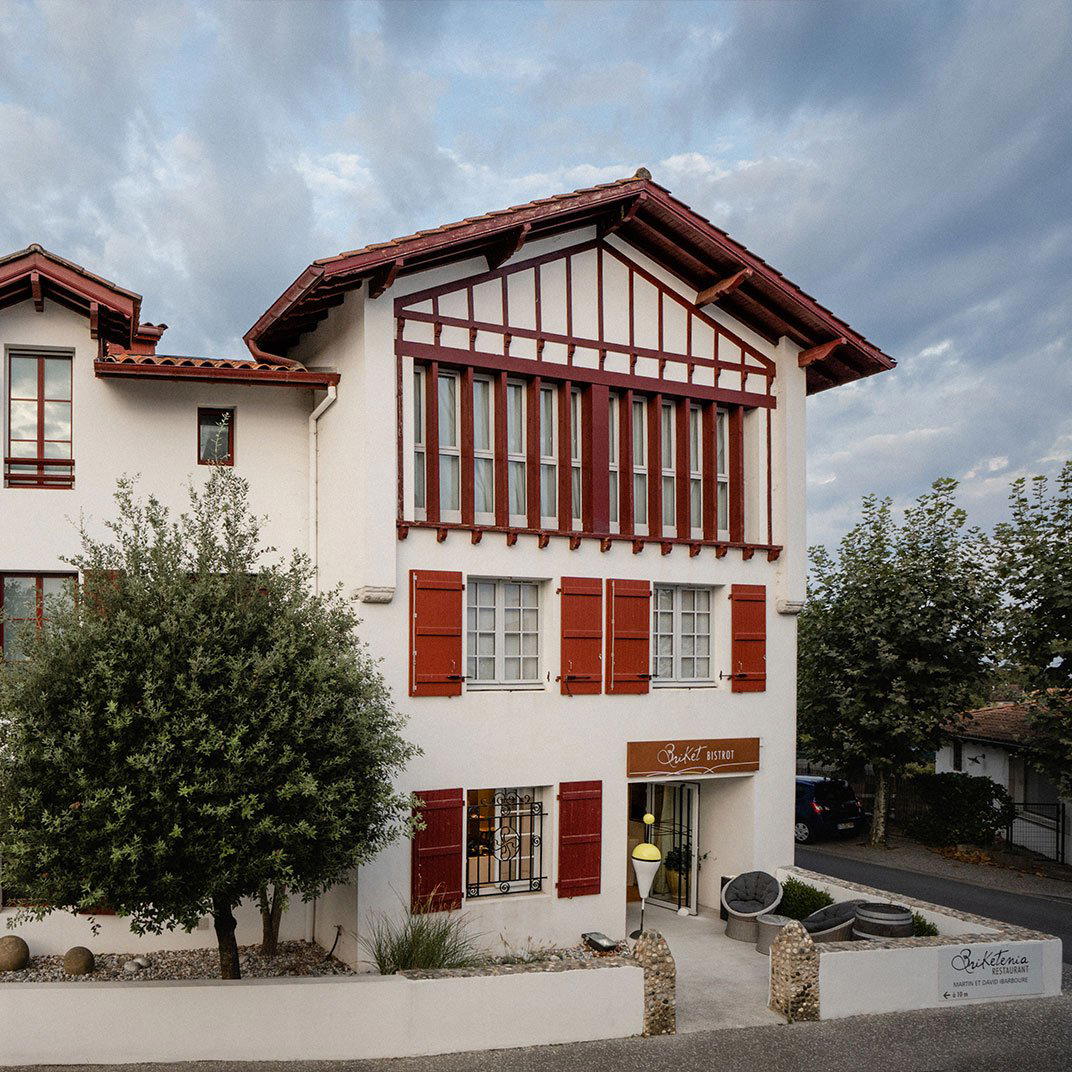
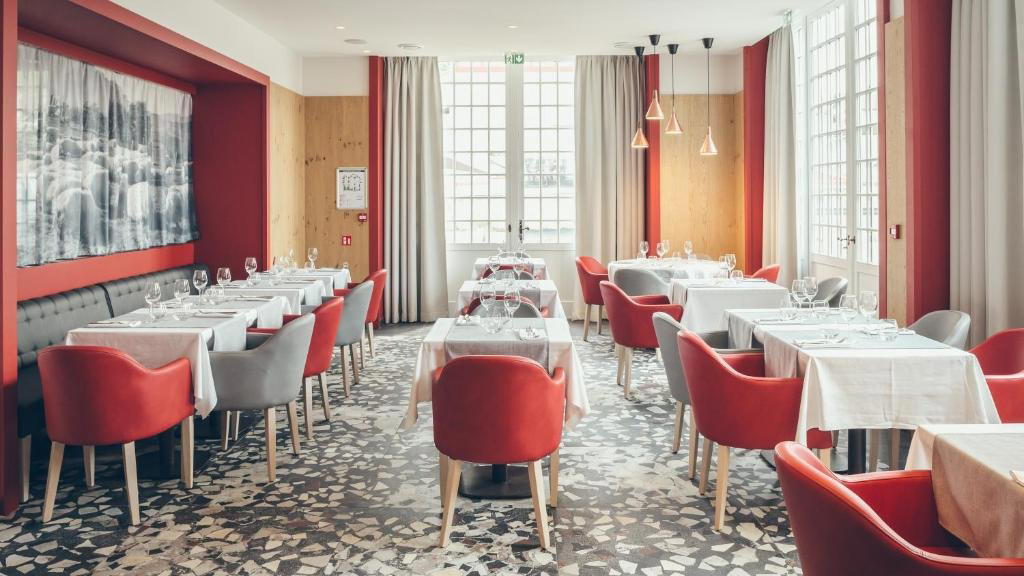
Warm, rustic dining room bathed in light with large windows providing panoramic mountain views.