La Chaumière
Our verdict
La Chaumière sits in Beuvry-la-Forêt, a quiet commune in the Nord department where the French tradition of the village restaurant endures largely outside the circuits that feed urban dining guides. The address on Rue Henri Fievet places it in the kind of agricultural northern France where sourcing decisions carry real weight, and where a kitchen's relationship to its immediate region shapes everything on the plate.

Pearl is the En Primeur Club membership app — saves, bookings, and concierge access live there. Same editors, same standards.
- Address
- 685 Rue Henri Fievet, 59310 Beuvry-la-Forêt, France
- Phone
- +33320718638
- Hours
- Mon–Tue 12–2 PMWed–Sat 12–2 PM, 7–9 PMSun 12–2 PM
- Website
- restaurant-la-chaumiere.fr
- Directions
- Get directions
- Booking
- Book on the venue's website
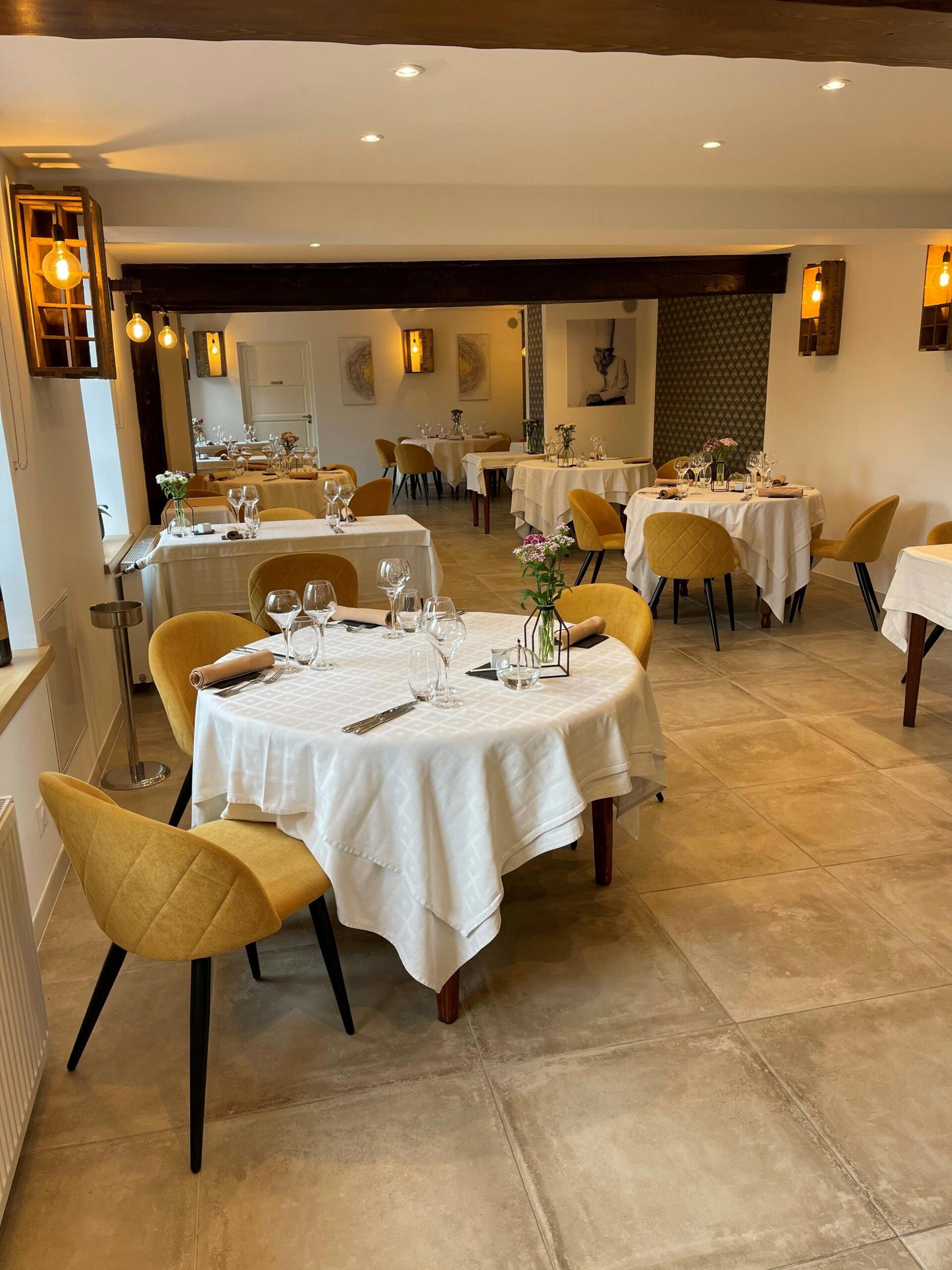
The menu
What to order
- Linguines à la truffe flambées à la meule de parmesan
Where Northern France Still Eats Like It Means It
The Nord department does not announce itself the way Burgundy or Provence does. There are no grand appellations to organise the conversation, no pilgrimage routes worn smooth by gastro-tourists. What the region has instead is a working relationship with its land: fields that produce endives, chicory, and sugar beet at scale; coastal access that puts the North Sea catch within a short drive of inland kitchens; and a tradition of the rural table that predates the Michelin era by several generations. La Chaumière, at 685 Rue Henri Fievet in Beuvry-la-Forêt, sits inside that tradition. The name itself — the thatched cottage — signals something about register and intent before you have even read the menu.
Beuvry-la-Forêt is a commune of modest scale in the Douai arrondissement, approximately 50 kilometres south of Lille. That proximity to Lille matters for context: the city has developed a serious dining scene over the past decade, with a cluster of addresses that draw from both French classical technique and the Flemish culinary inheritance the region shares with neighbouring Belgium. The village restaurant that survives at this level, away from that urban energy, tends to do so because it has a clear answer to a simple question, why drive out here? The answer, in the Nord, almost always comes back to produce and to a particular seriousness about the local table. See our full Beuvry La Foret restaurants guide for further context on the area's dining options.
The Sourcing Logic of a Northern French Kitchen
French regional cooking at its most coherent is an argument about geography. The kitchen does not choose its ingredients so much as it accepts the obligations that the surrounding land and water impose. In the Nord, that means leaning into products that are rarely glamorous in the way that a Périgord truffle or a Breton lobster is glamorous, but which carry genuine character when handled with discipline. The endive, born from a 19th-century Belgian agricultural accident, is the archetype: bitter, structured, requiring technique to coax into something worth eating. The maroilles cheese, with its pungent washed rind, is another product that demands either commitment or avoidance; there is no polite middle ground.
Restaurants in this part of France that anchor their menus to these regional specifics are making a bet that the travelling diner will respond to authenticity over novelty. That bet has become more interesting as the broader French dining scene has split between the highly internationalised creativity visible at addresses like Alléno Paris au Pavillon Ledoyen in Paris or Mirazur in Menton, and a quieter counter-movement that insists on rootedness. La Chaumière's address in a rural commune rather than a regional capital places it, by definition, on the rooted side of that divide.
The broader French tradition of the auberge de campagne, the country inn with serious food, has a long and well-documented history. That format has produced some of France's most enduring tables. It also produces, in lesser hands, restaurants that coast on nostalgia. The distinction between the two tends to show up in the sourcing, specifically, in whether the kitchen is actively working with producers or simply buying from the nearest wholesale market.
The Village Table in a Regional Frame
Placing La Chaumière alongside the major reference points of French fine dining, Bras in Laguiole, Troisgros - Le Bois sans Feuilles in Ouches, or Paul Bocuse - L'Auberge du Pont de Collonges in Collonges-au-Mont-d'Or, is not to suggest equivalence in format or ambition, but to note what those houses have in common: they are all rural or semi-rural, all deeply embedded in their regional supply networks, and all make the argument that the leading reason to leave the city for dinner is a kitchen that could not exist anywhere else. That logic applies at multiple price points and ambition levels. The Nord has its own version of that argument to make, and Beuvry-la-Forêt is part of the territory in which it gets made.
For comparison, the Champagne region's Assiette Champenoise in Reims and Alsace's Au Crocodile in Strasbourg demonstrate how France's northern tier produces serious tables outside Paris, each anchored to a regional identity that shapes the plate. La Chaumière operates in the same geographical band, where the climate is cool, the flavours tend toward the substantial, and the cooking tradition prizes technique over provocation. Nearby, Les Tuileries represents another local reference point worth considering when building an itinerary around the area.
Planning a Visit
Beuvry-la-Forêt is most easily reached by car from Lille (roughly 45 minutes) or from Douai (closer to 15 minutes). The village does not have a rail station; the nearest TGV access point is Douai, which sits on the Paris-Lille axis. For visitors arriving from Paris, the journey is manageable as a day trip, though the area rewards an overnight stay in Douai or the surrounding countryside. The address at 685 Rue Henri Fievet is specific enough to locate reliably by GPS.
The broader French destination dining circuit, which includes Atlantic coast addresses like Christopher Coutanceau in La Rochelle and southern productions like AM par Alexandre Mazzia in Marseille or L'Oustau de Baumanière in Les Baux, tends to overlook the Nord. That oversight creates the conditions under which a village restaurant can hold its ground without the pressures, or the prices, that come with visibility. Whether La Chaumière is capitalising on that position is a question the visit itself will answer.
Frequently asked questions
Can I bring kids to La Chaumière?
La Chaumière sits in Beuvry-la-Forêt, a quiet village in the Nord department — the setting is unhurried and not the kind of high-pressure urban dining room that discourages families.
Is La Chaumière formal or casual?
The address — 685 Rue Henri Fievet in a small Nord village — points to a neighbourhood table rather than a metropolitan fine-dining room. Village restaurants in this part of northern France typically run at a relaxed register, though dress code specifics have not been confirmed.
Is La Chaumière worth visiting specifically from Lille for northern French regional cooking?
Beuvry-la-Forêt sits roughly 45 minutes by car from Lille, putting La Chaumière within range as a deliberate half-day or evening excursion rather than a casual walk-in. The Nord department has no grand appellations or internationally marketed restaurant corridors, which means tables like La Chaumière tend to operate for the region rather than for visiting critics — a different proposition from the polished dining rooms closer to Lille's centre.
What should I eat at La Chaumière?
The body of work at La Chaumière draws on the sourcing logic of northern French cooking — a region shaped by Flemish influence, root vegetables, game, and freshwater produce rather than the Mediterranean pantry. Specific menu items and current dishes are best confirmed directly with the restaurant, as seasonal menus shift with what the Nord landscape produces.
How do I find La Chaumière?
La Chaumière is located at 685 Rue Henri Fievet, 59310 Beuvry-la-Forêt, France, Beuvry La Foret.
How far ahead should I plan for La Chaumière?
Beuvry-la-Forêt is not a destination with obvious tourist infrastructure, which means La Chaumière draws a local and regional crowd rather than a transient one.
Comparable Spots, Quickly
Comparable venues nearby, for context on price, style, and recognition.
| Venue | Cuisine | Price | Notes |
|---|---|---|---|
| La ChaumièreThis venue — the venue you are viewing | Refined French Regional Fine Dining | Not listed | Not listed |
| Les Tuileries | Refined French Bistro | Not listed | Beuvry-la-Foret |
| Rillons | Modern French Bistronomique | Not listed | Templeuve-en-Pévèle |
| La Marmite de Pierrot | Traditional Northern French Bistro | $50–100 | Capinghem |
| Les 3 Toqués | French Bistro with Seasonal Local Cuisine | $30–50 | Sainghin-en-Weppes |
| Les Jardins du Presbourg | Modern French Bistro | Not listed | 16e Arr. |
Continue exploring
More in Beuvry La Foret
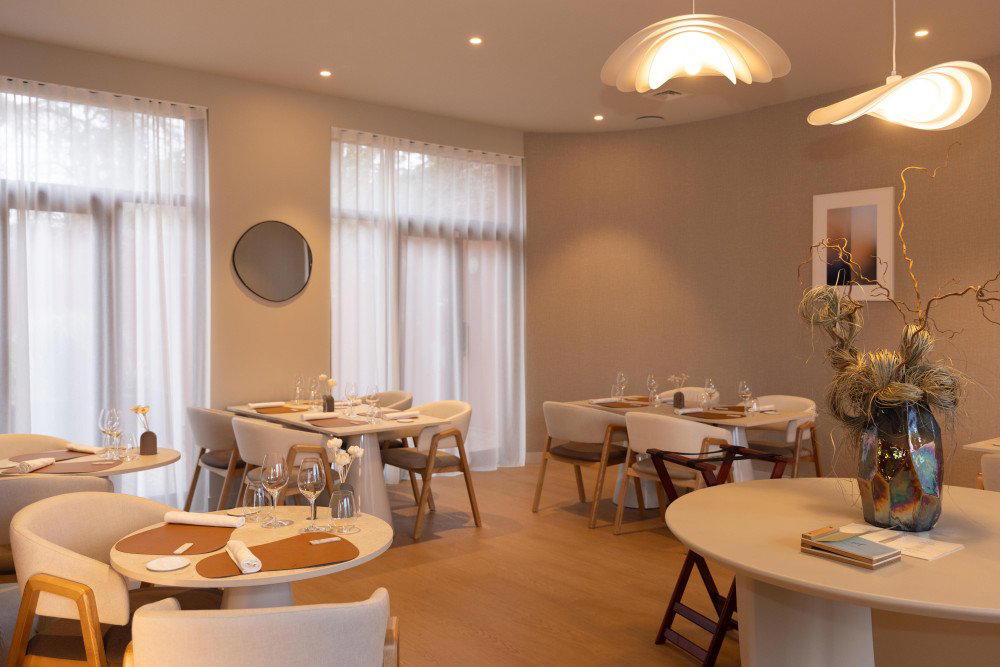
Restaurants in Beuvry La Foret
Browse all →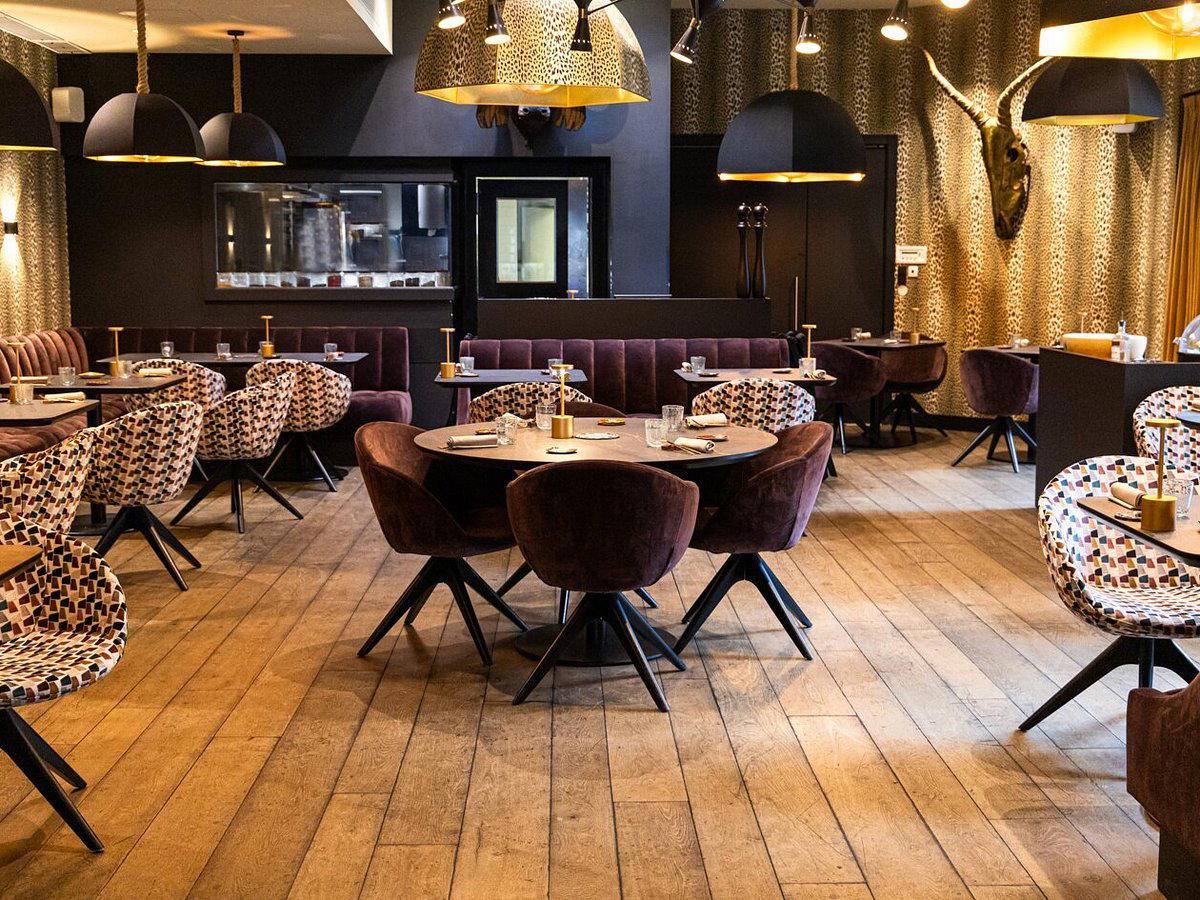
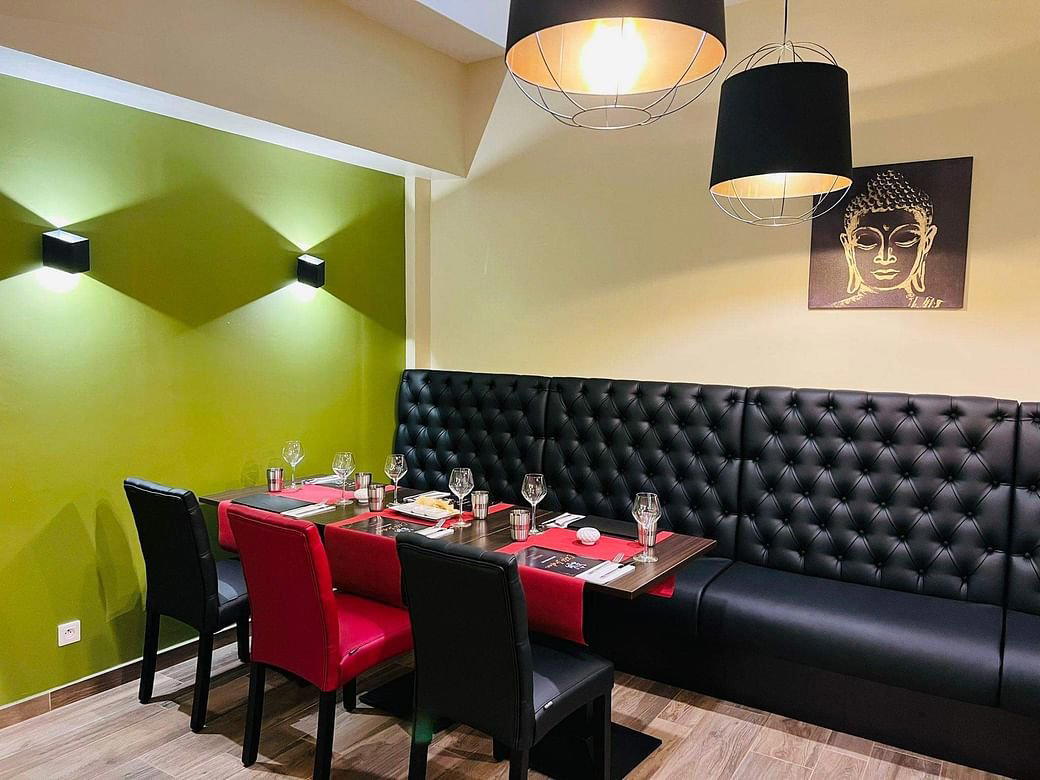
Bars in Beuvry La Foret
Browse all →

Details
- Romantic
- Elegant
- Cozy
- Classic
- Intimate
- Date Night
- Special Occasion
- Historic Building
- Local Sourcing
- A La Carte
Current opening hours
- Monday
- 12–2 PM
- Tuesday
- 12–2 PM
- Wednesday
- 12–2 PM, 7–9 PM
- Thursday
- 12–2 PM, 7–9 PM
- Friday
- 12–2 PM, 7–9 PM
- Saturday
- 12–2 PM, 7–9 PM
- Sunday
- 12–2 PM
Hours can change for holidays and private events. Last verified .
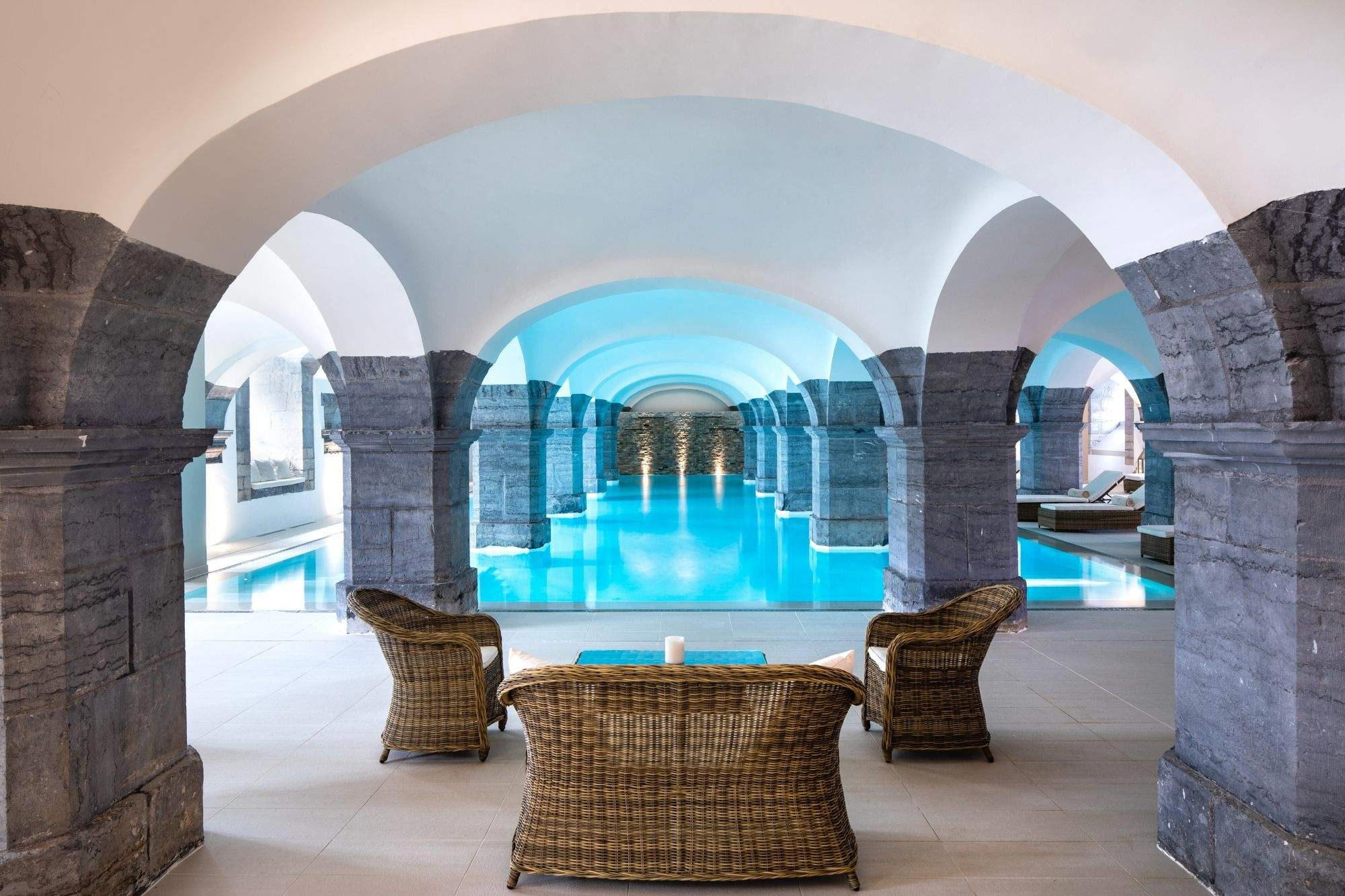
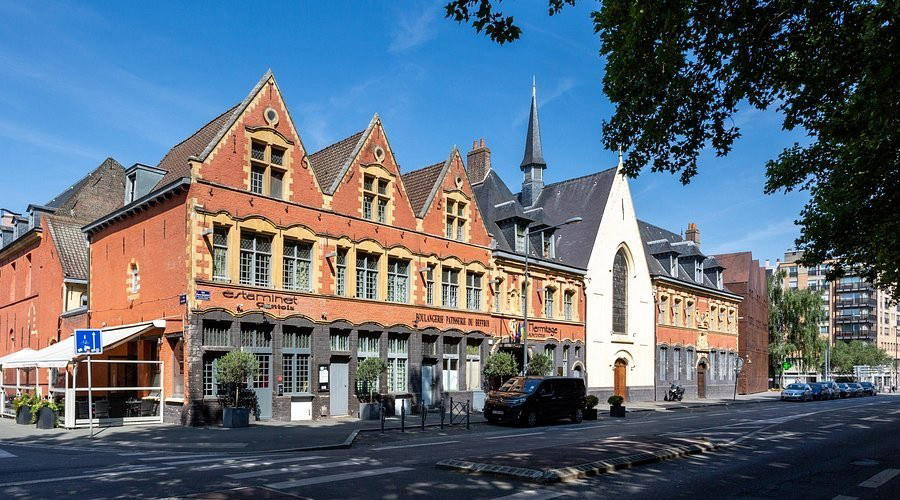
Cozy and elegant ambiance with a crackling fireplace, warm lighting, and charming country decor praised for its refined and welcoming atmosphere.