On Avenue Victor Hugo in Apt, the gateway town to the Luberon, La Chastelle occupies the kind of address where Provençal market culture and serious table cooking intersect. The surrounding region supplies some of France's most closely watched seasonal produce, and restaurants along this corridor tend to build their menus accordingly. For visitors working through the Luberon, it belongs on the same planning list as the town's other focused dining rooms.
Pearl is the En Primeur Club membership app — saves, bookings, and concierge access live there. Same editors, same standards.
- Address
- 423 Av. Victor Hugo, 84400 Apt, France
- Phone
- +33490049230
- Website
- restaurant-lachastelle.fr
- Directions
- Get directions
 Saves & bookings on Pearl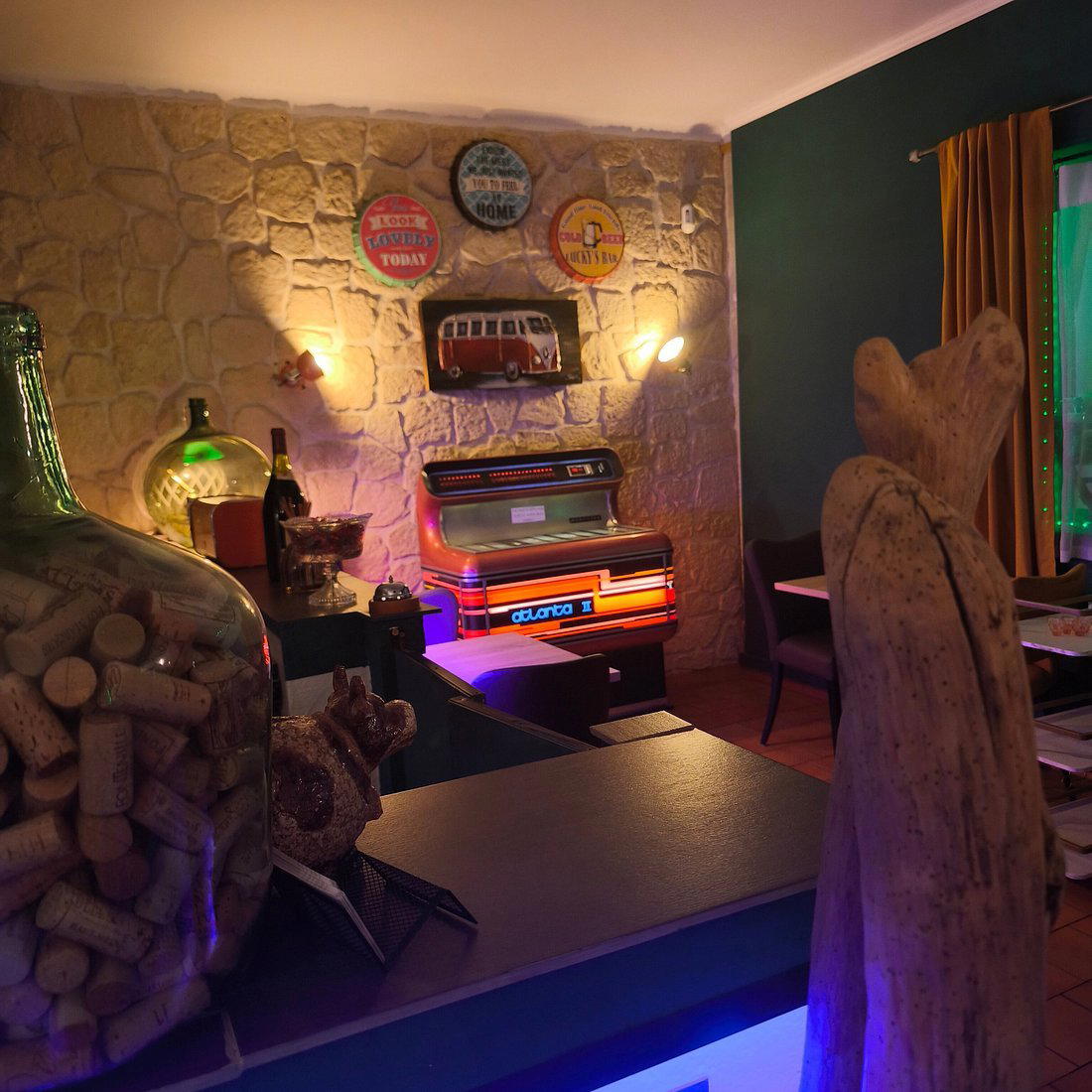
Where the Luberon's Produce Conversation Starts
Apt sits at the hinge of the Luberon, the long ridge of limestone and lavender fields that separates the Durance valley from the Vaucluse plateau. The town is known first as a market town: its Saturday market is among the more-attended in inland Provence, drawing producers from as far as the Drôme with truffles, candied fruit, herbed cheeses, and stone-fruit varieties that rarely travel far enough to reach supermarket shelves. That market culture doesn't stay outside the town's restaurants. It moves through the kitchen doors on Avenue Victor Hugo and onto tables that same evening. La Chastelle sits on that avenue.
In a region where ingredient provenance is genuinely close rather than aspirationally claimed, the distance between field and plate is measurable in kilometers rather than supply-chain abstractions. The Luberon and the broader Vaucluse have supplied French fine dining with raw materials for generations. Restaurants like Bras in Laguiole and Auberge du Vieux Puits in Fontjoncouse built their reputations partly on the specificity of their terroir relationships, the discipline of letting local growing conditions set the kitchen's agenda rather than the other way around. That same pressure applies in Apt, where the Saturday market creates a weekly reset for what any serious kitchen ought to be cooking.
Apt's Dining Position in the Luberon Circuit
The Luberon draws a particular kind of traveler: people who have already been to Paris, already have a point of reference for what three-star cooking looks like at places like Alléno Paris au Pavillon Ledoyen or Mirazur in Menton, and are now looking for something with a different register. Regional cooking in Provence operates with a different logic than metropolitan fine dining. The emphasis shifts from technique-as-spectacle toward ingredient integrity and seasonal honesty. A ripe Cavaillon melon served cold and clean, a daube built on local lamb, a tian that reflects what was actually abundant that week, these are the markers of cooking that has absorbed its geography rather than performed it.
Within Apt itself, La Chastelle shares the dining conversation with a small cluster of address-specific rooms. L'Intramuros and Mona Lisa represent the town's other reference points for visitors making deliberate dining decisions. Across all of them, the common thread is proximity to Provençal sourcing, the question is what each kitchen does with that proximity.
The Provençal Ingredient Calendar
Understanding what La Chastelle is likely cooking at any given time requires understanding Provence's produce calendar, which is more compressed and dramatic than northern France's. Spring brings asparagus from the Vaucluse flats, small artichokes from the coastal zones, and the first stone fruit from the Luberon hillsides. Summer is the full expression of the region: tomatoes in varieties that aren't grown for transport, courgette flowers, basil at its most aromatic before the heat tips it toward bitterness, and the Cavaillon melons that have been under controlled appellation production for decades. Autumn brings the truffle question, Apt is within the Vaucluse black truffle zone, which produces a meaningful share of France's Tuber melanosporum harvest, and any kitchen in this town that isn't engaging with that ingredient during the November-to-March season is leaving the argued-about local ingredient on the table.
This seasonal specificity is what separates Luberon dining from the kind of generalist Provençal cooking that has become a style category rather than a practice. Restaurants that have genuinely absorbed it tend to resist fixed menus in favor of formats that can respond to what's available. The contrast with Paris's year-round consistency is part of what makes the region worth visiting specifically for the table, not just the landscape. For those interested in how French haute cuisine handles that same seasonal pressure at the other end of the formality spectrum, Flocons de Sel in Megève or Troisgros in Ouches offer useful comparison points, both have built long reputations on regional sourcing discipline at a different scale and price tier.
Planning a Visit to La Chastelle
Avenue Victor Hugo is one of the main arteries running through central Apt, accessible on foot from the old town and direct to reach by car from the D900, which is the principal east-west road through the Luberon valley. Apt itself sits roughly midway between Cavaillon to the west and Forcalquier to the east, making it a practical base for anyone spending several days in the Luberon. The town has limited accommodation of its own, but the surrounding villages, Bonnieux, Roussillon, Gordes, are within twenty to thirty minutes by car and carry their own dining and lodging options.
The restaurant is recommended for reservations and prices about $35 per person. Given the pattern across Apt's dining rooms, lunch service is often available on market days, particularly Saturday, but confirming this in advance is sensible, especially during the high-season months of July and August when the Luberon receives its heaviest visitor traffic. For context on how southern French kitchens of this type tend to price, the typical price is about $35 per person.
Visitors who have worked through the reference addresses of French regional cooking, places like Auberge de l'Ill in Illhaeusern, Paul Bocuse in Collonges-au-Mont-d'Or, Christopher Coutanceau in La Rochelle, or Georges Blanc in Vonnas, tend to approach a Luberon stop with a different frame. These are not the same register. The Luberon asks for patience with informality and a willingness to let the market calendar make decisions. That's not a lower standard; it's a different one, and for the right traveler, it's the more interesting meal.
At-a-Glance Comparison
Comparable venues nearby, for context on price, style, and recognition.
| Venue | Cuisine | Price | Notes |
|---|---|---|---|
| La ChastelleThis venue — the venue you are viewing | Traditional Provençal Bistro | $$ | Not listed |
| L'Intramuros | Southern French Bistro with Rum Focus | $$ | Apt |
| Mona Lisa | Traditional French Bistro | $$ | centre-ville |
| Grenache | Modern French Bistro | $$ | Pont De Beraud |
| La Tomate Verte | French Bistro with Provençal Influences | $$ | Centre Ville |
| La Table du Meunier | Traditional Provençal French | $$ | Fontvieille |
Continue exploring
More in Apt
Restaurants in Apt
Browse all →

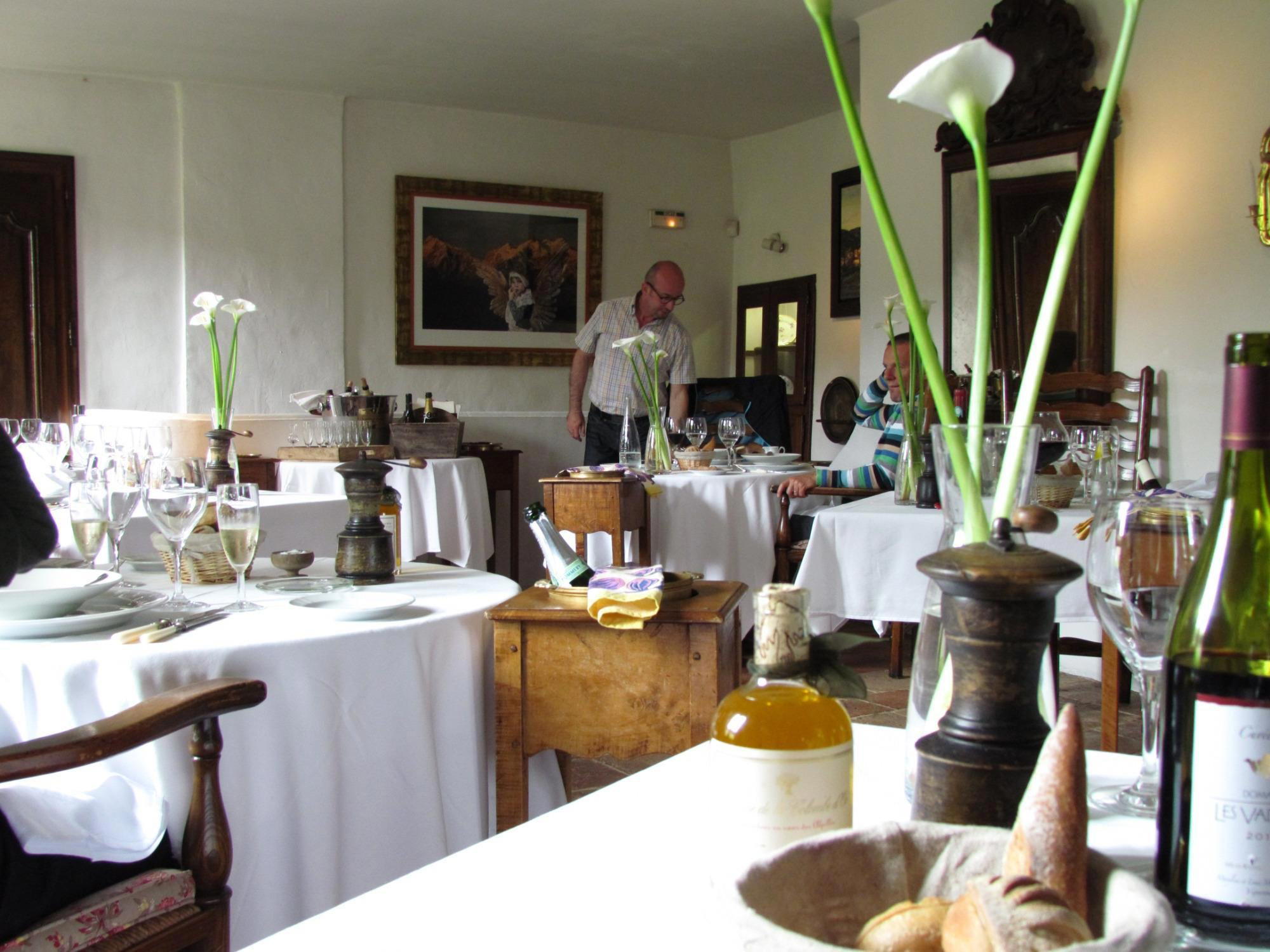
Bars in Apt
Browse all →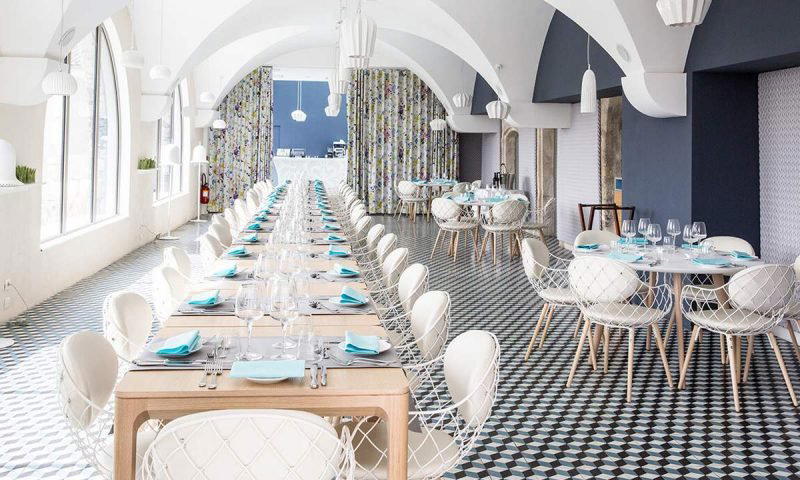
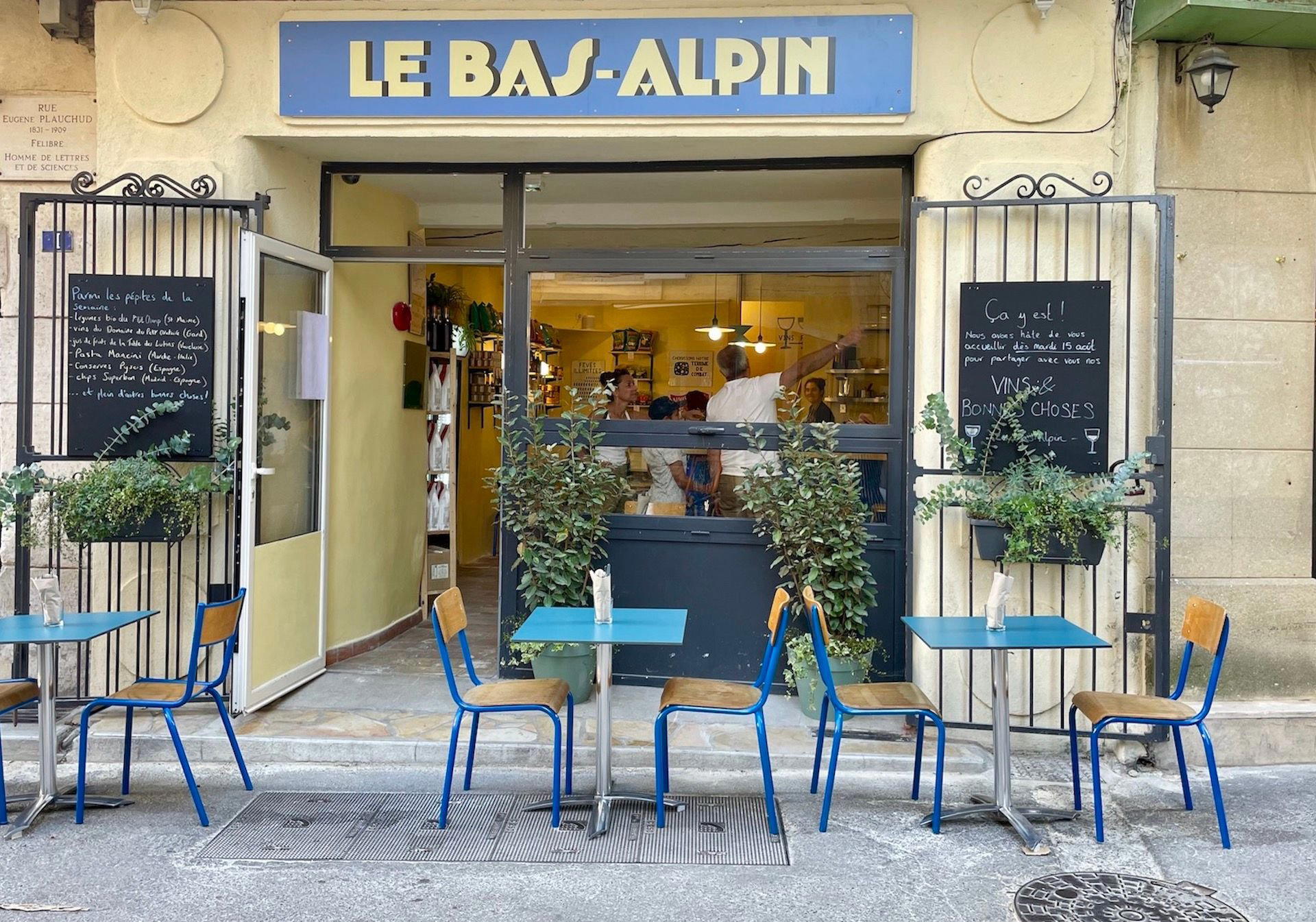
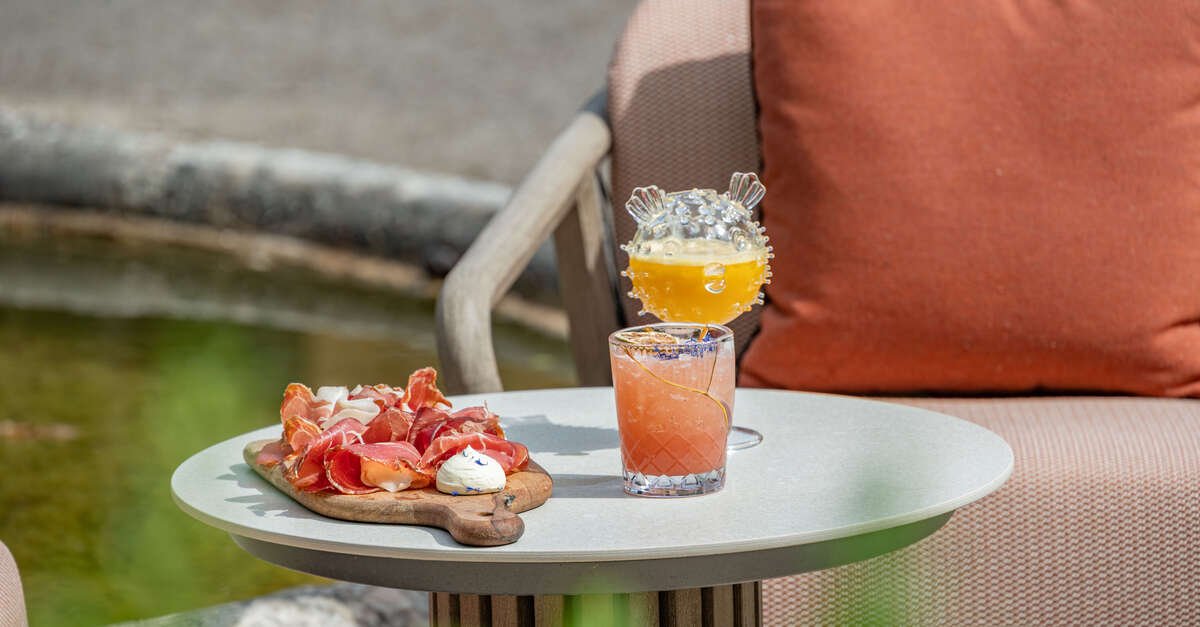
Hotels in Apt
Browse all →

At a Glance
- Cozy
- Classic
- Intimate
- Date Night
- Group Dining
- Family
- Casual Hangout
- Celebration
- Courtyard
- Standalone
- Beer Program
- Local Sourcing
- Farm To Table
Current opening hours
- Monday
- 12–1:30 PM, 7–8:30 PM
- Tuesday
- 12–1:30 PM, 7–8:30 PM
- Wednesday
- Closed
- Thursday
- 12–1:30 PM, 7–8:30 PM
- Friday
- 12–1:30 PM, 7–8:30 PM
- Saturday
- 7–8:30 PM
- Sunday
- 12–1:30 PM, 7–8:30 PM
Hours can change for holidays and private events. Last verified .
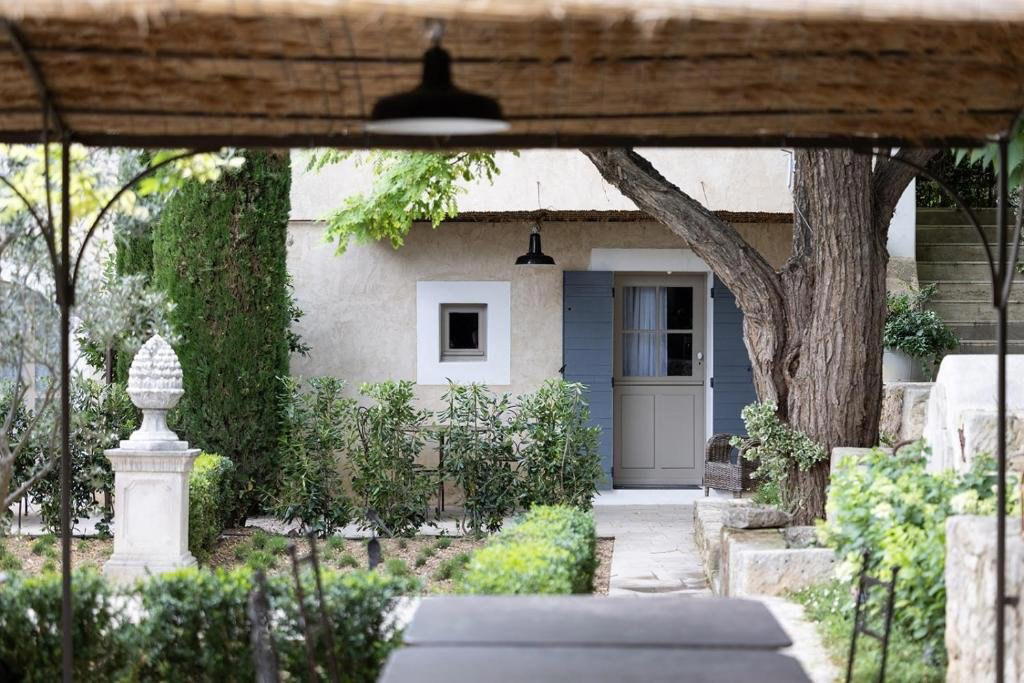
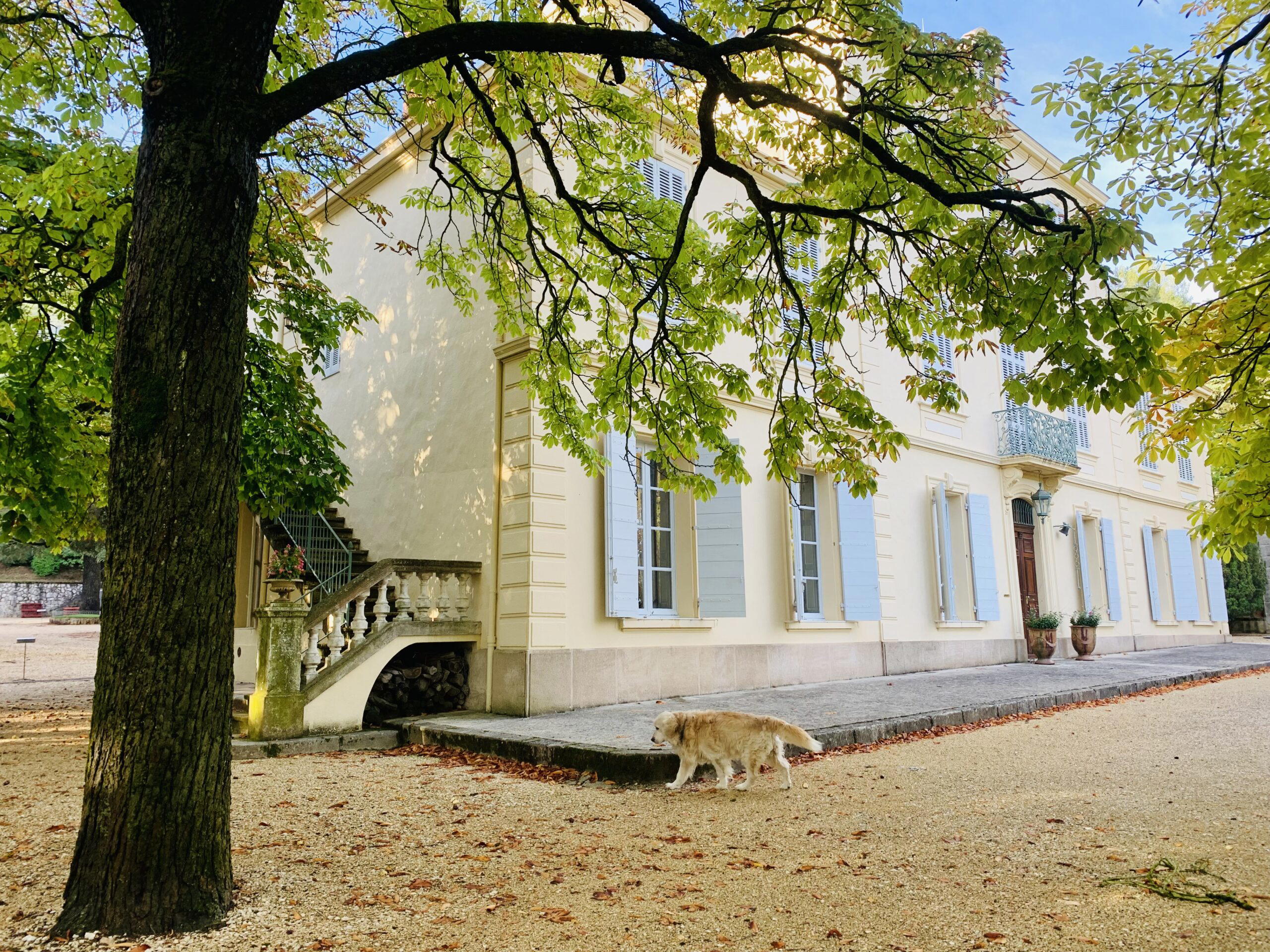
Warm and intimate setting with vintage 1950s and 1960s décor, soft lighting, and a welcoming atmosphere that feels tucked away from the city center; a cozy courtyard patio available in warmer months.