La Table du Meunier
La Table du Meunier occupies a quieter register in Fontvieille's dining scene, where the pace of a Provençal village meal still dictates how long you stay at the table. Set on the Cours Hyacinthe Bellon, the restaurant draws on the traditions of southern French cooking in a town that has preserved its market-village character despite sitting within easy reach of Arles and Les Baux-de-Provence.
Pearl is the En Primeur Club membership app — saves, bookings, and concierge access live there. Same editors, same standards.
- Address
- 42 Cr Hyacinthe Bellon, 13990 Fontvieille, France
- Phone
- +33490546105
- Website
- domaine-moulin.fr
- Directions
- Get directions
 Saves & bookings on Pearl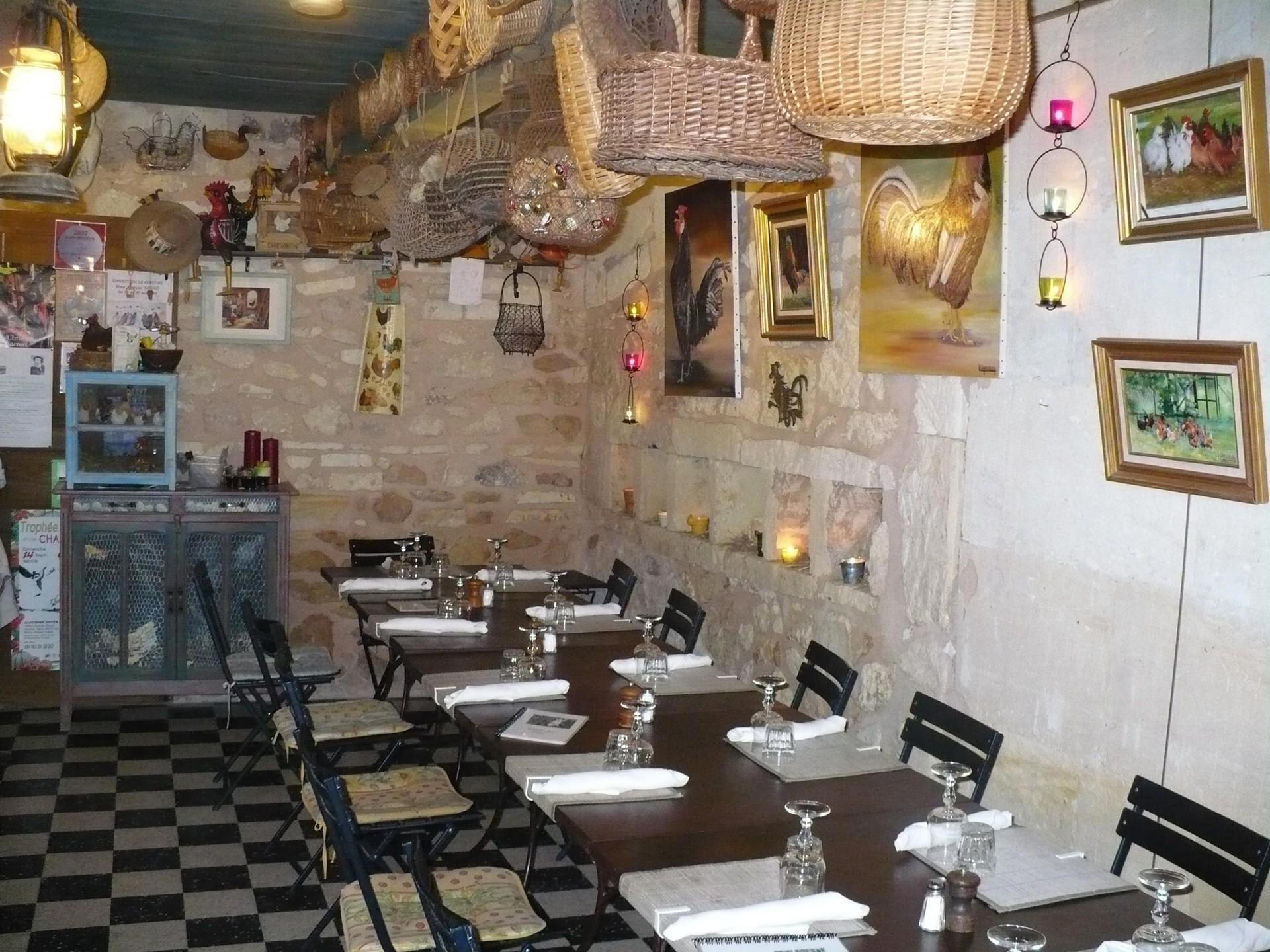
Fontvieille and the Rhythm of the Village Table
There is a particular discipline to eating well in a small Provençal village that larger cities cannot replicate. In Fontvieille, a limestone town of fewer than 4,000 residents in the Alpilles hills, the meal is not compressed into a metropolitan lunch hour or stretched into late-night theatrics. It follows the light, the market day, and the season. La Table du Meunier is a restaurant at 42 Cr Hyacinthe Bellon, 13990 Fontvieille, France, serving Traditional Provençal French at about $35 per person. It operates within that frame. The address places it on one of Fontvieille's central thoroughfares, where the plane trees and the pace of the street set expectations before you reach the door.
The town's identity shapes the dining context here. Fontvieille is best known in the French literary imagination through Alphonse Daudet, whose windmills sit on the ridge above the village, but its contemporary relevance to the region's food traveller is more practical: it sits within a short drive of the Camargue wetlands to the south and the productive agricultural plain that supplies markets from Arles to Saint-Rémy-de-Provence. That proximity to ingredients is not incidental to how village restaurants like this one position themselves in the local hierarchy.
The Dining Ritual in a Provençal Register
Southern French dining, at the village level, is built around rituals that have remained largely stable for generations. The meal begins with an acknowledgement of the table, not just the food: the bread arrives before the menu is fully interrogated, the wine is poured early, and the pacing between courses is calibrated by conversation rather than kitchen efficiency. A restaurant that respects this rhythm is not slow, it is correct. The format distinguishes village dining from the tighter service choreography of, say, a three-star room like Alléno Paris au Pavillon Ledoyen or the precision sequencing at Atomix in New York City, where each course arrives as part of an engineered arc. In Fontvieille, the arc is the afternoon or evening itself.
Provençal cooking, at this level, is a cuisine of restraint in a different sense than Nordic minimalism or Japanese omakase economy. The restraint is in the refusal to over-intervene. Olive oil, thyme, anchovies, tomato, and lamb from the Alpilles are not ingredients to be transformed beyond recognition; they are the point. The tradition here runs through the mas kitchens of the Bouches-du-Rhône rather than through the brigade kitchens of Lyon. Comparing that sensibility to the haute cuisine register of Mirazur in Menton or the classical precision of Auberge de l'Ill in Illhaeusern clarifies what village cooking does and does not attempt. It is not competing on the same terms.
La Table du Meunier in Its Local comparable set
Within Fontvieille specifically, the restaurant sits alongside a small cluster of addresses that serve the town's resident population and the visitors drawn to the Alpilles and the nearby Abbaye de Montmajour. La Régalido occupies a higher price register, with its converted oil mill and hotel setting positioning it toward the regional weekend-destination market. Belvédère operates at the €€ tier with a Mediterranean Cuisine identity, while L'Ami Provençal and Amici Miei cover the more casual end of the spectrum. Le Patio rounds out a scene that, despite the village's modest scale, offers genuine range across format and price. La Table du Meunier occupies a position within this local set that is shaped by its address and format rather than by a dominant critical profile in the regional press.
The Cours Hyacinthe Bellon address is central without being on the main tourist circuit, which influences the clientele mix. Village restaurants in this position in Provence tend to draw a higher proportion of local regulars than those on marked tourist routes, and that regularity shapes the cooking in a useful way: the menu responds to what the kitchen can source and sustain, not to what a passing visitor expects Provençal food to look like.
Regional Context: Where Fontvieille Sits in the Provençal Dining Map
The Bouches-du-Rhône and the broader PACA region have produced a number of reference-point restaurants that define the ceiling of southern French ambition. AM par Alexandre Mazzia in Marseille represents one technically adventurous end of the contemporary southern French idiom, operating at three Michelin stars with a format that pushes well beyond regional cooking conventions. That register is a different proposition entirely from village dining in the Alpilles. Elsewhere in France, the traditions that inform Provençal cooking at the village level share ground with the auberge model seen at Bras in Laguiole or the generational continuity of Paul Bocuse - L'Auberge du Pont de Collonges in Collonges-au-Mont-d'Or, though the scale and reputation of those addresses are not comparable. Mountain dining at Flocons de Sel in Megève and the classical discipline at Assiette Champenoise in Reims or Au Crocodile in Strasbourg further illustrate how France's regional dining character diverges sharply once you move beyond the Rhône valley south. The Troisgros - Le Bois sans Feuilles in Ouches and Le Bernardin in New York City represent the French fine dining tradition at its most institutionally sustained, a useful calibration for understanding how far the village register deliberately steps away from that model. Fontvieille is not a destination for that kind of dining, and the restaurants that work here, including the restaurant, are not attempting it.
Planning a Visit
Fontvieille is accessible by car from Arles in under 15 minutes and from Les Baux-de-Provence in roughly the same time, making it a practical addition to a broader Alpilles itinerary rather than a standalone destination requiring separate logistics. The Cours Hyacinthe Bellon address is walkable from the village centre. The restaurant recommends reservations, and its regular hours are Monday 12 to 1 PM and 7 to 8:30 PM, Thursday through Sunday 12 to 1:30 PM and 7 to 8:30 PM, with Tuesday and Wednesday closed. The warmest months, May through September, represent peak opening across Fontvieille's dining scene.
Cuisine Context
Comparable venues nearby, for context on price, style, and recognition.
| Venue | Cuisine | Price | Awards | Notes |
|---|---|---|---|---|
| La Table du MeunierThis venue — the venue you are viewing | Traditional Provençal French | $$ | Not listed | Not listed |
| L'Ami Provençal | Authentic Provençal French | $$$ | Not listed | Fontvieille |
| La Régalido | Provençal French Bistro | $$$ | Not listed | Fontvieille |
| Le Relais du Castelet | Provençal Seasonal Bistro | $$$ | Michelin Plate | Fontvieille |
| Belvédère | Mediterranean with Japanese Influence | $$$ | Michelin Plate | Fontvieille |
| Le Patio | Provençal French Gastronomic | $$$$ | Not listed | Fontvieille |
Continue exploring
More in Fontvieille
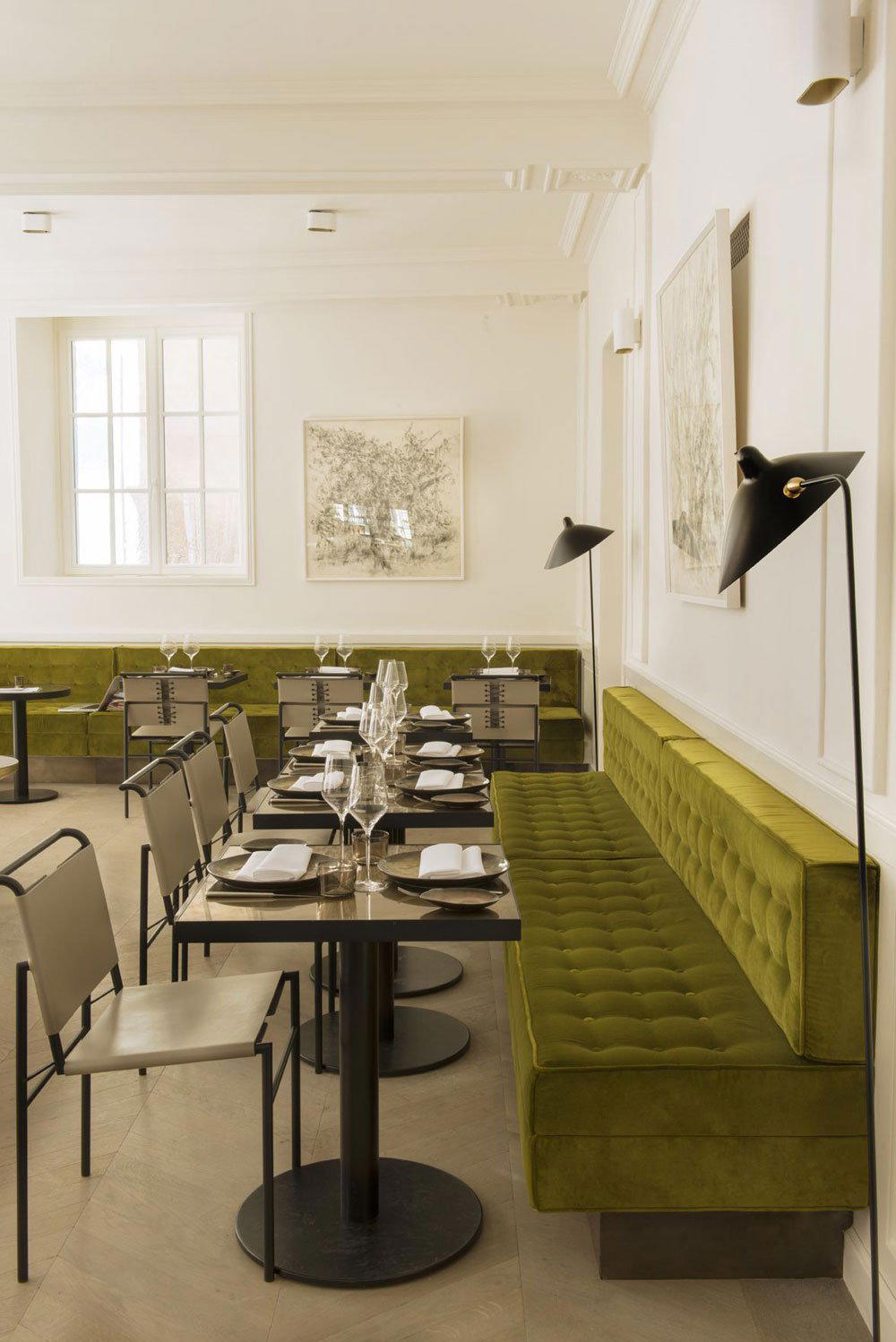
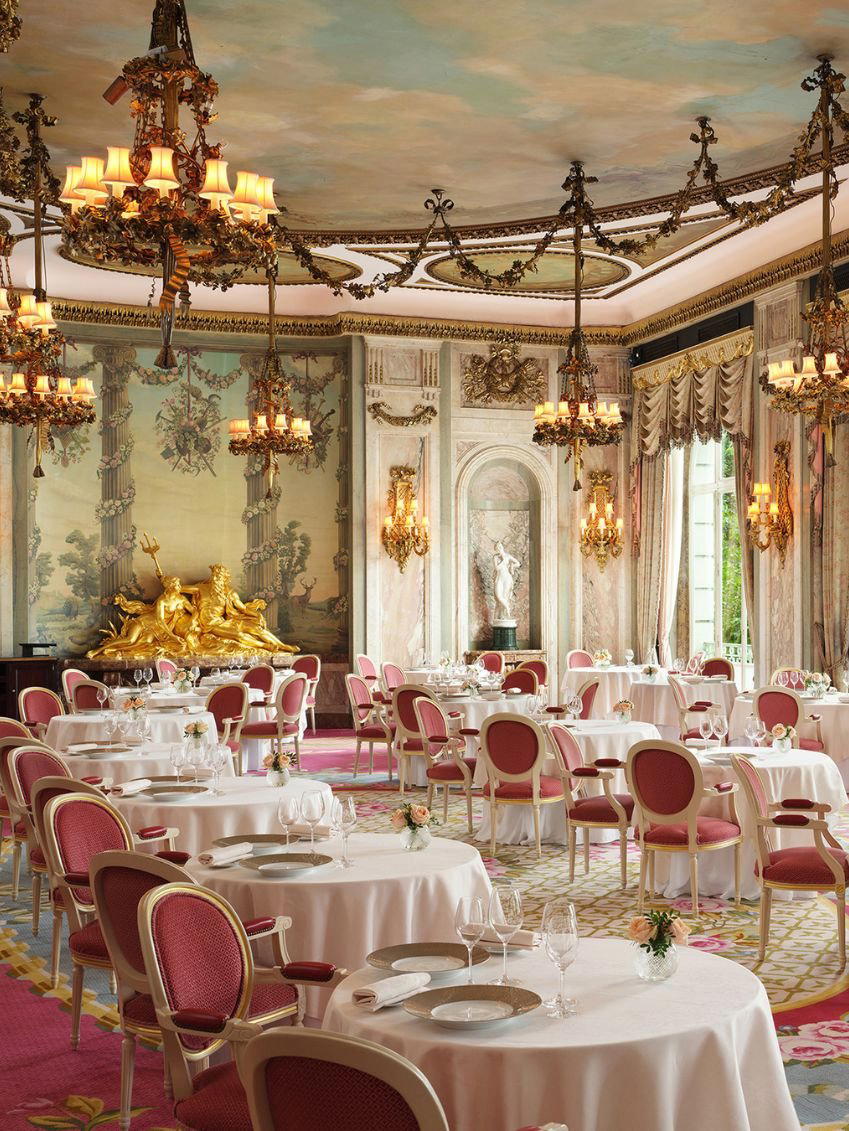
Restaurants in Fontvieille
Browse all →
Bars in Fontvieille
Browse all →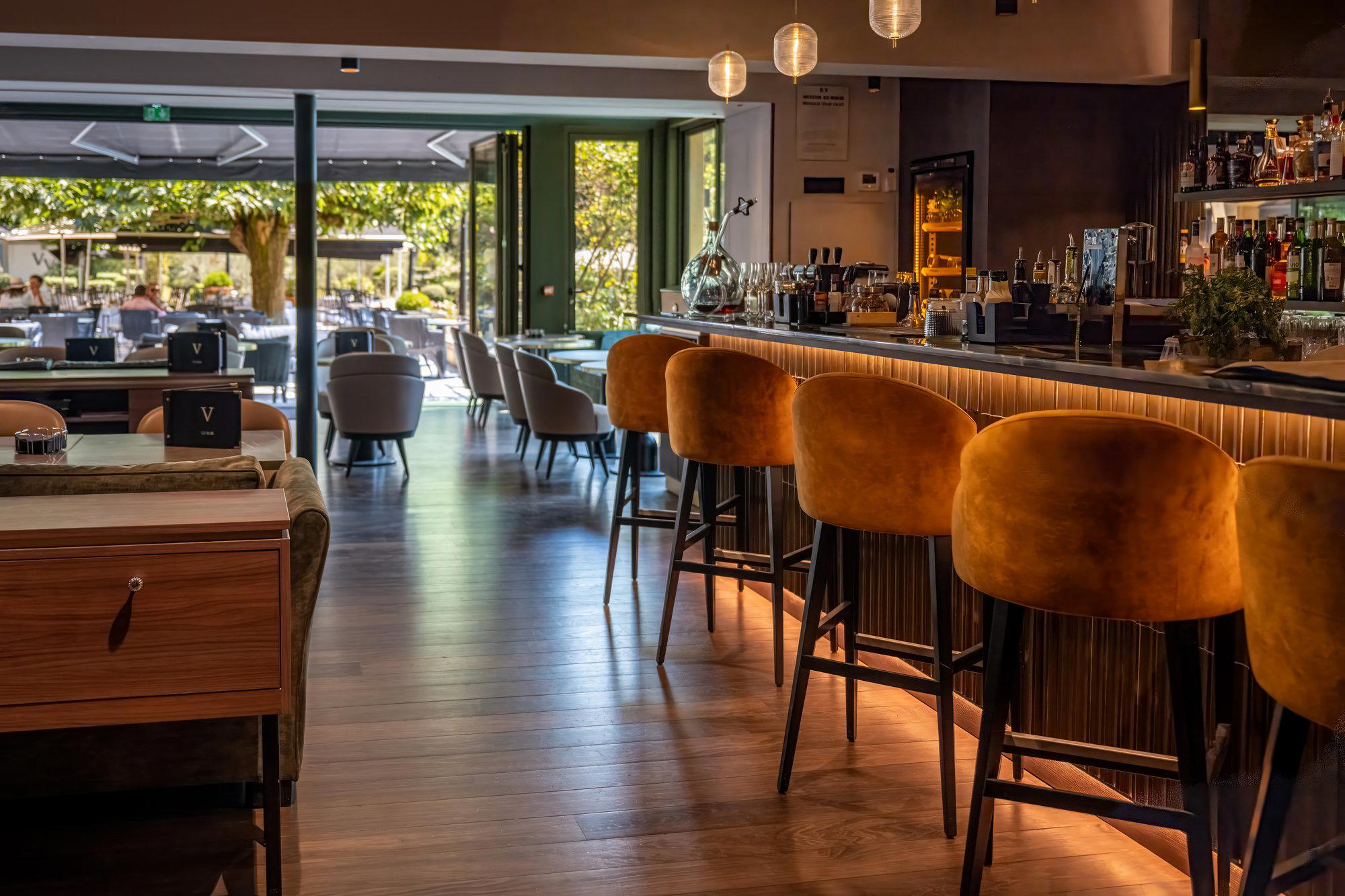
Hotels in Fontvieille
Browse all →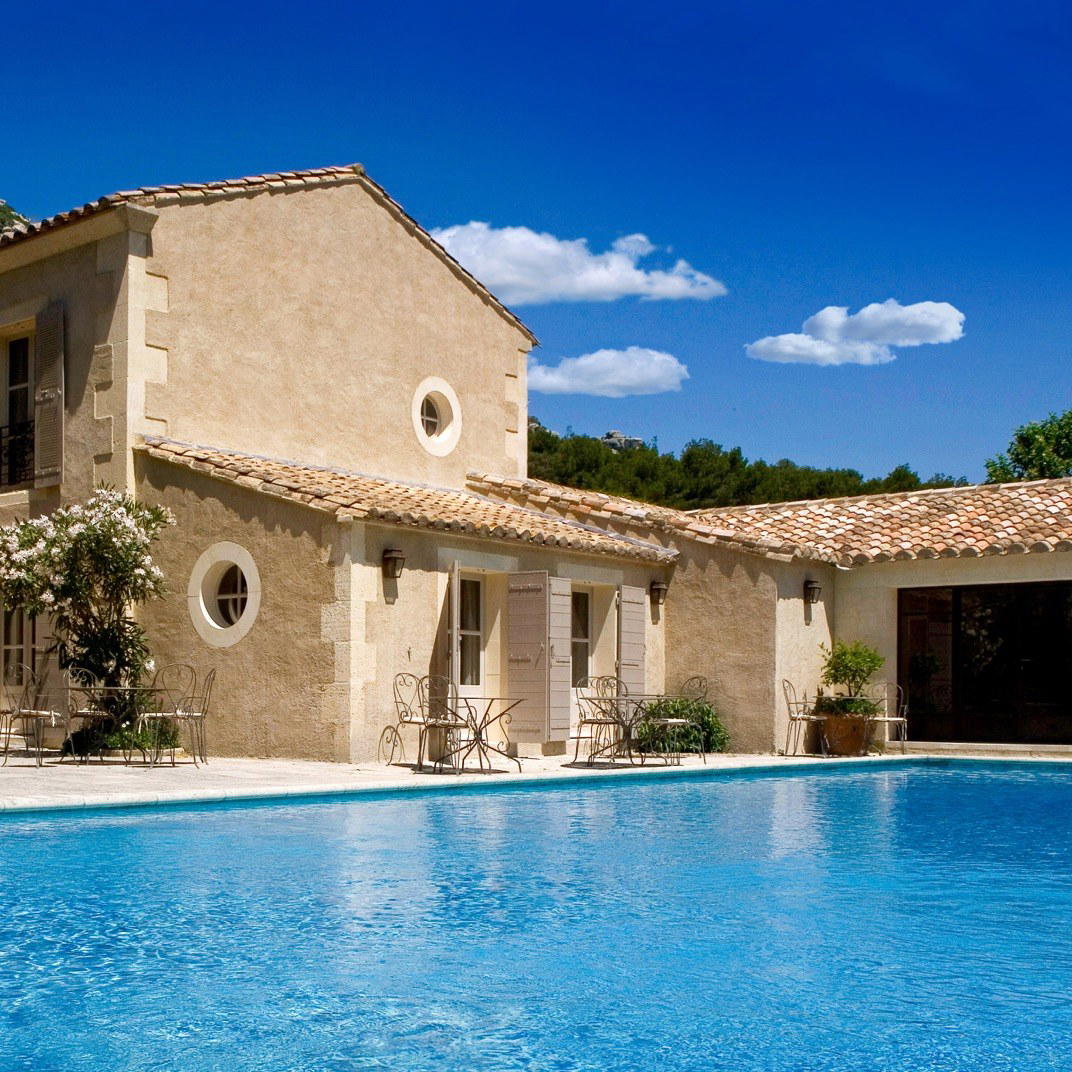
At a Glance
- Rustic
- Cozy
- Classic
- Family
- Group Dining
- Special Occasion
- Terrace
- Historic Building
- Garden
Current opening hours
- Monday
- 12–1 PM, 7–8:30 PM
- Tuesday
- Closed
- Wednesday
- Closed
- Thursday
- 12–1:30 PM, 7–8:30 PM
- Friday
- 12–1:30 PM, 7–8:30 PM
- Saturday
- 12–1:30 PM, 7–8:30 PM
- Sunday
- 12–1:30 PM, 7–8:30 PM
Hours can change for holidays and private events. Last verified .
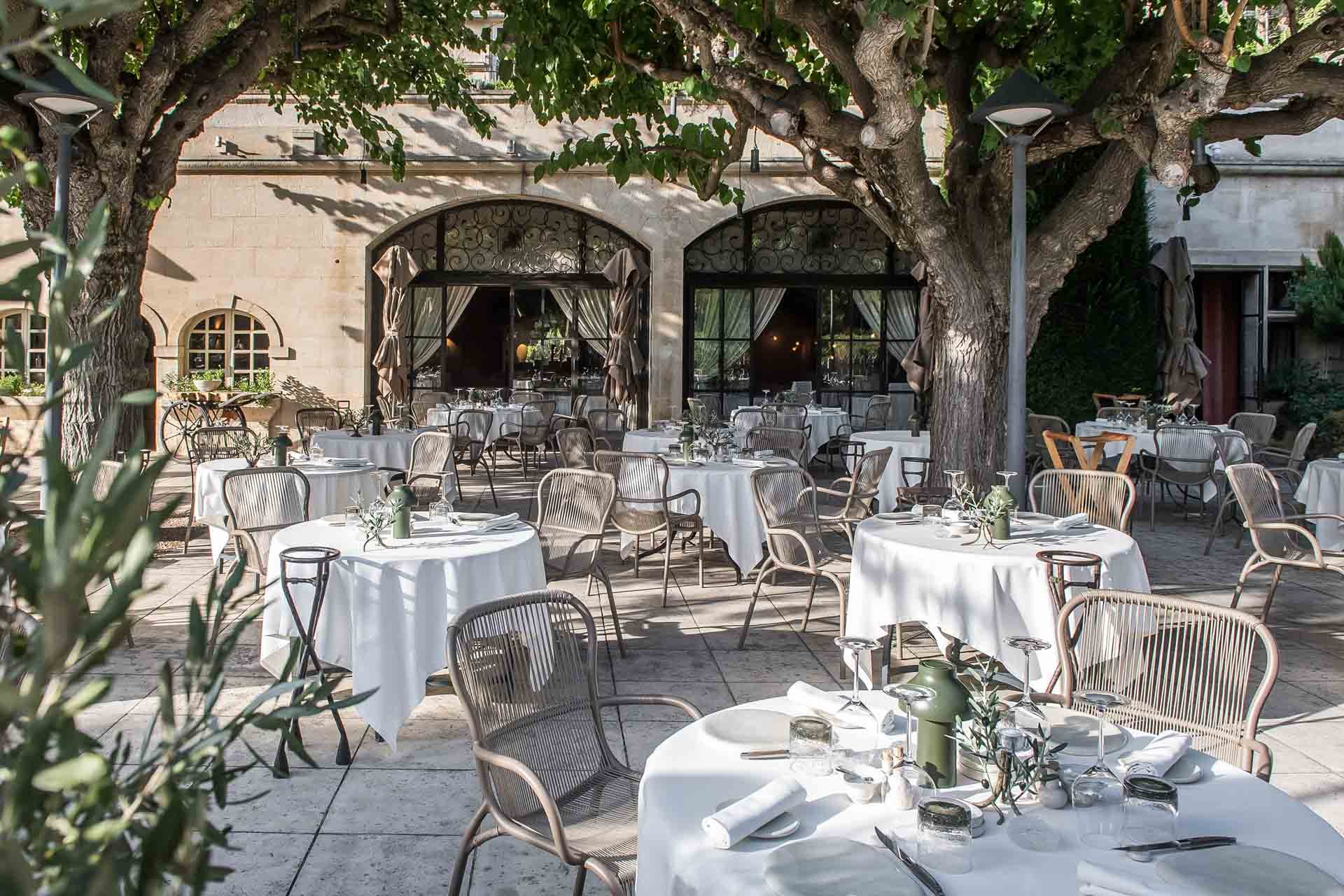
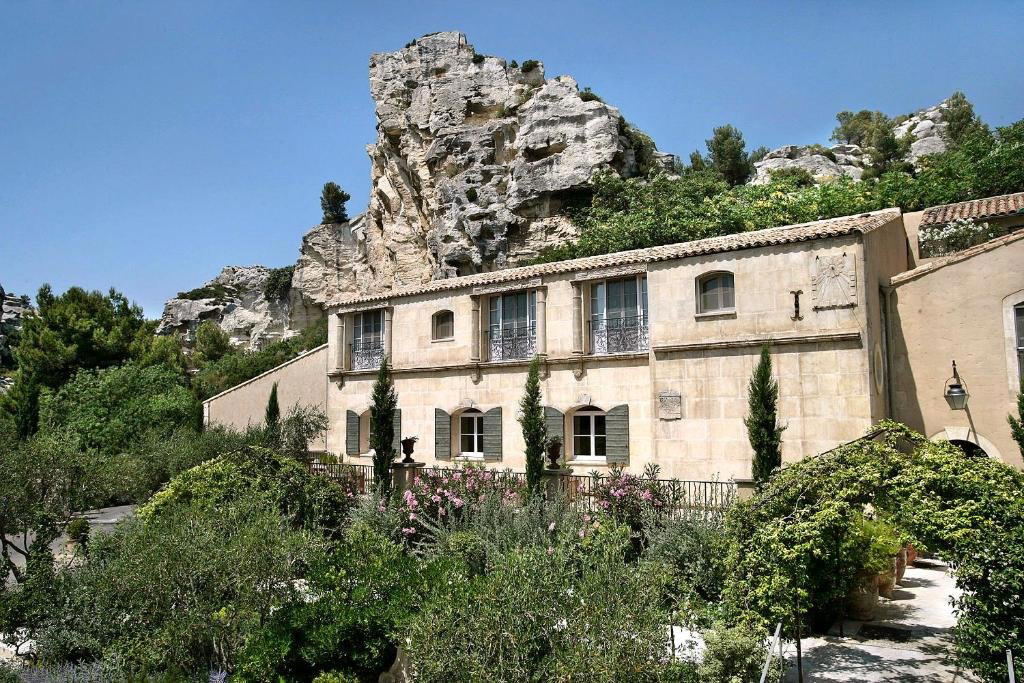
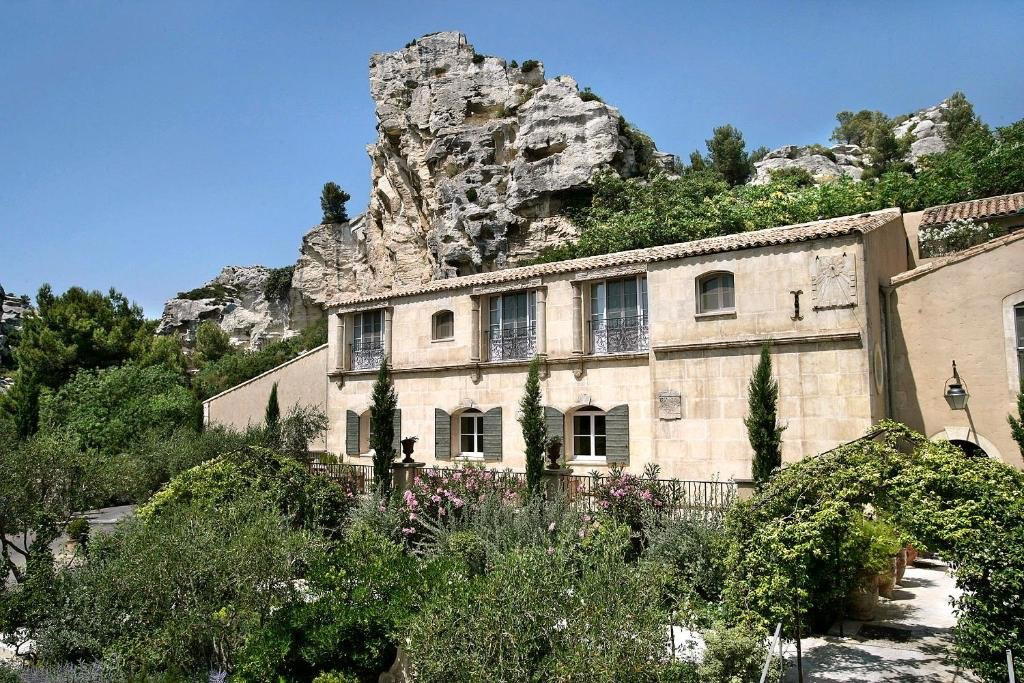
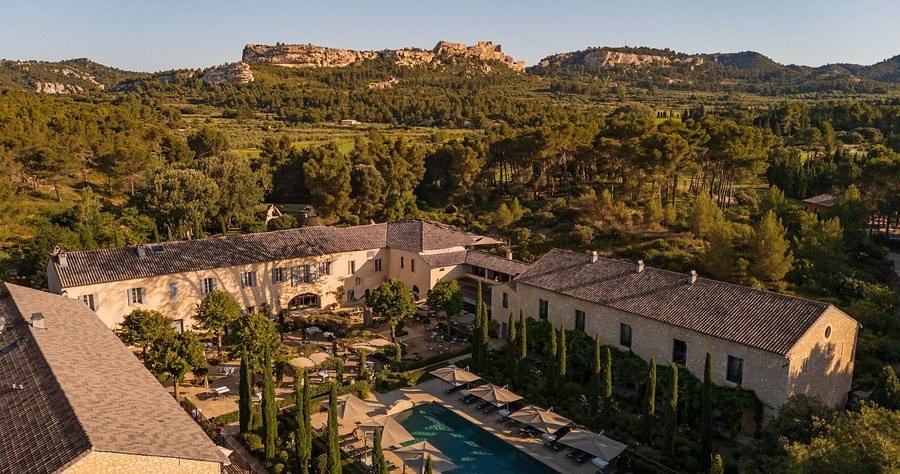
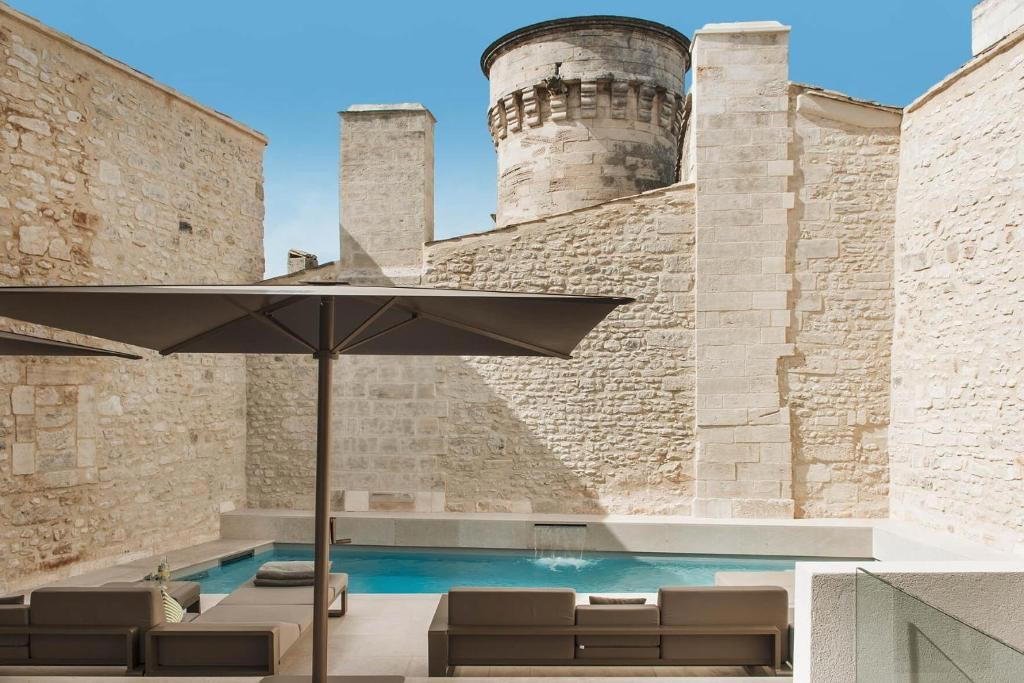
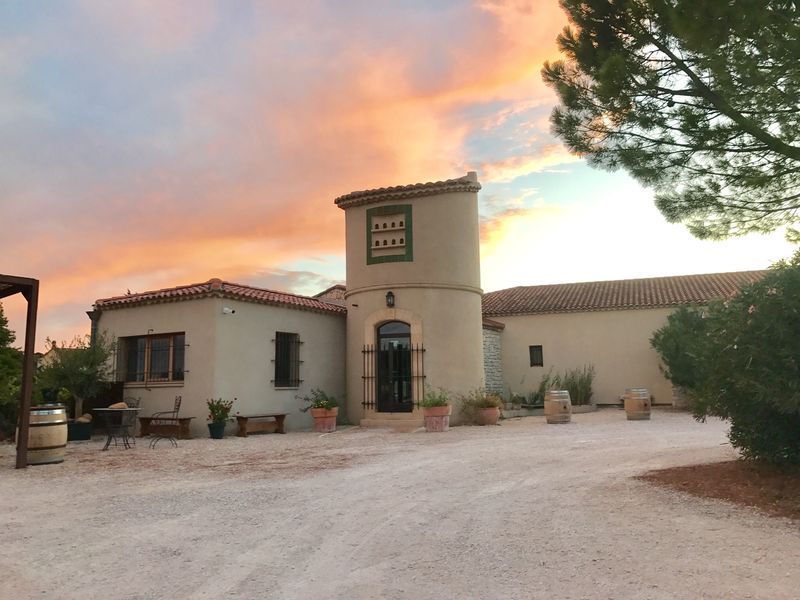
Authentic rustic setting with air-conditioned indoor dining and shaded terrace, creating a cozy Provençal atmosphere.