La Casa de Toño
La Casa de Toño occupies a corner of Miguel Hidalgo's Anáhuac neighbourhood where working-class Mexican cooking holds its ground against the district's upmarket drift. The kitchen deals in the kind of pozole, tlayudas, and slow-cooked stews that anchor daily life in Mexico City, served in portions sized for appetite rather than aesthetics. For visitors calibrating between high-concept dining and the city's street-level traditions, this is a useful reference point.
Pearl is the En Primeur Club membership app — saves, bookings, and concierge access live there. Same editors, same standards.
- Address
- Local 2 Col., Bahia del Espiritu santo 21-Local 4, Anáhuac I Secc, Miguel Hidalgo, 11320 Ciudad de México, CDMX, Mexico
- Phone
- +52 55 5386 1125
- Website
- sucursales.lacasadetono.mx
- Directions
- Get directions
 Saves & bookings on Pearl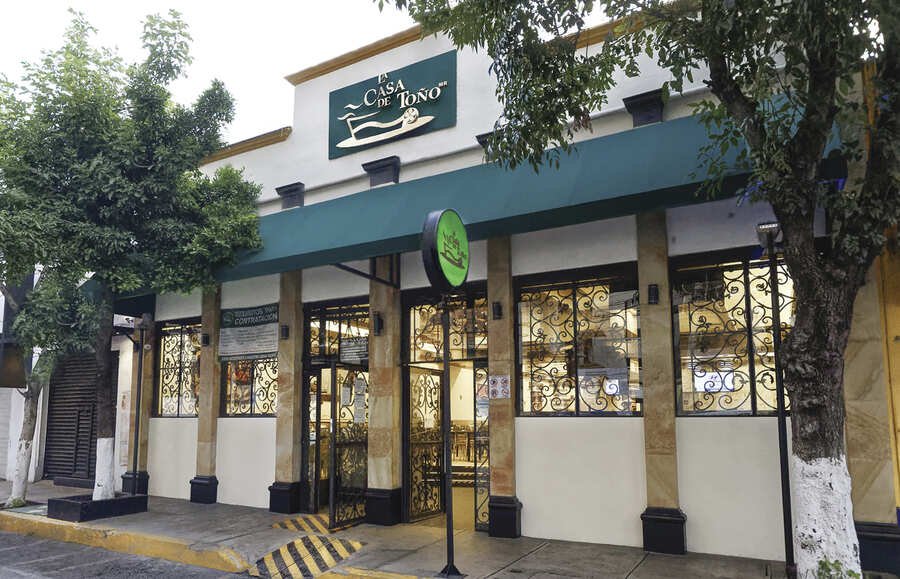
Where the Neighbourhood Eats, Not Where It Performs
Mexico City's Miguel Hidalgo borough sits in a peculiar tension. Its western edges press against Polanco's finance-and-fine-dining corridor, while neighbourhoods like Anáhuac retain a domestic, market-facing character that predates the borough's recent commercial ambitions. It is in that older register that La Casa de Toño operates, occupying a street-level address on Bahía del Espíritu Santo where the clientele is largely local and the menu reads like an inventory of Mexico City's everyday kitchen rather than a curated edit of it. For readers mapping the city's dining range, it sits at a different coordinate entirely from destinations like Pujol in Mexico City or Le Chique in Puerto Morelos — not in competition with them, but representing a parallel and equally serious strand of Mexican food culture.
The Ingredient Logic Behind Everyday Mexican Cooking
Understanding a restaurant like La Casa de Toño means understanding what Mexican everyday cooking actually requires at the sourcing level. The dishes that define this category — pozole, sopes, enfrijoladas, caldos, depend on ingredients with deep regional identities: dried chiles from Oaxaca and Puebla, hominy corn that has been nixtamalised rather than processed, tomatillos, epazote, and cuts of pork that reward long, slow cooking over high heat. These are not pantry items that can be substituted without consequence. The cuisine's coherence depends on supply chains that connect the capital to producing regions across the country.
This sourcing logic places La Casa de Toño in a broader tradition of Mexico City fondas and cocinas económicas that have historically acted as the city's connective tissue between regional food cultures and urban daily life. In a city where Levadura de Olla Restaurante in Oaxaca and Alcalde in Guadalajara have built reputations by making provenance visible and philosophically central, the capital's popular-tier restaurants have often practised the same sourcing rigour without naming it, because the food would simply not hold up otherwise. A pozole without the right hominy is categorically a different dish. The kitchen at La Casa de Toño works within that constraint, as any serious operation in this category must.
Contrast this with the approach at destination-tier establishments. Animalón in Valle de Guadalupe and Olivea Farm to Table in Ensenada make their ingredient sourcing a primary narrative, building menus around named producers and seasonal windows. La Casa de Toño operates without that editorial frame, but the underlying requirement, that the raw material be correct, connects both ends of the price spectrum. What changes is not the importance of sourcing but how loudly it is announced.
Reading the Room: What the Space Communicates
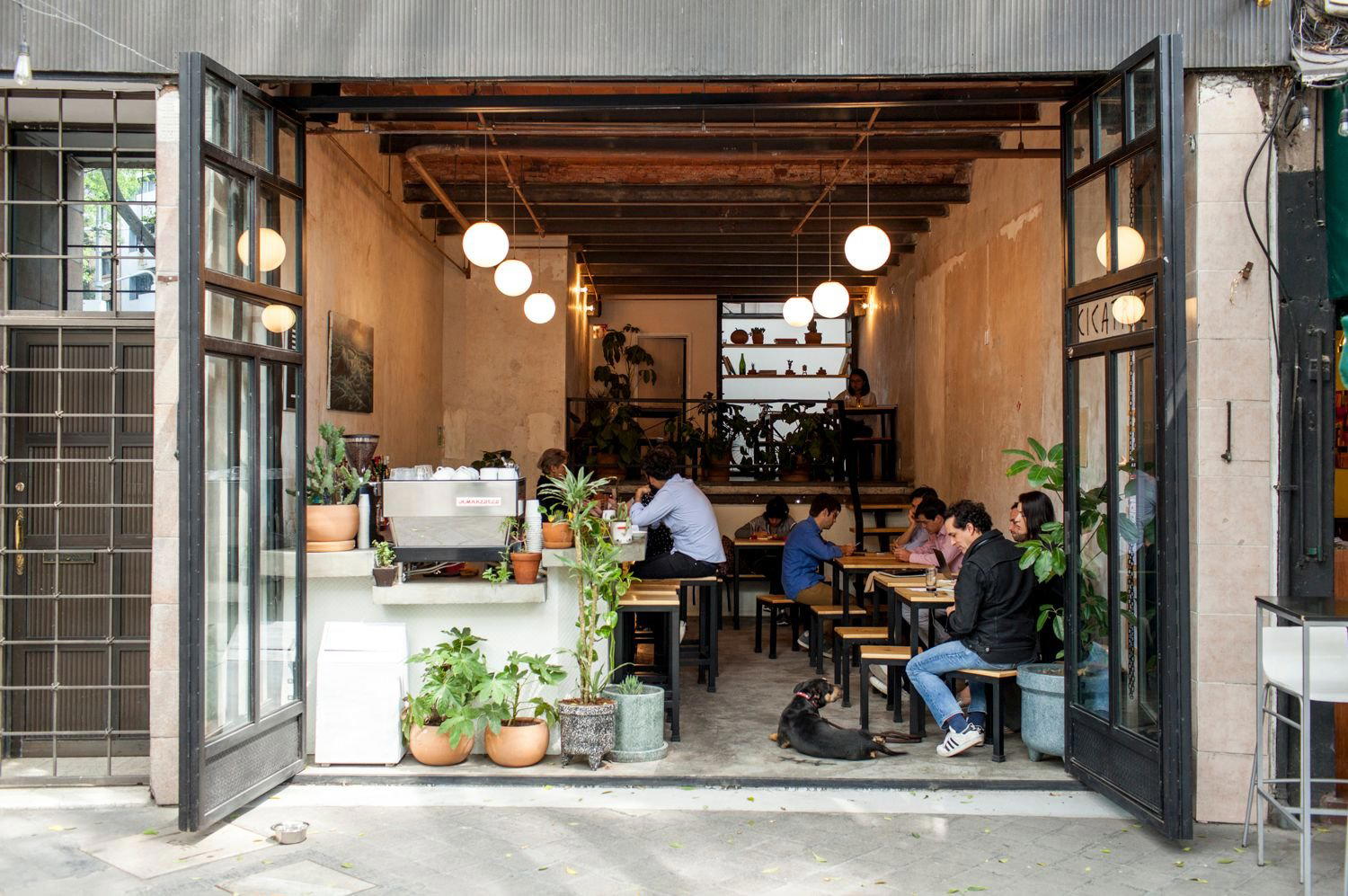
The address in Anáhuac I Sección, a residential grid of mid-century apartment blocks and local commerce, sets expectations accurately. This is not a room designed to signal aspiration. The experience of approaching La Casa de Toño is one of functional urban Mexico rather than produced atmosphere: street-level visibility, the kind of seating arrangement that prioritises throughput, and a pace that accommodates both families and workers on a lunch window. The cooking is the event, not the container.
That directness is itself a form of editorial statement in a city where dining at a certain price tier increasingly involves elaborate spatial design. The contrast with Polanco's more performative restaurants, a short distance west, sharpens the sense of what this kind of space is actually doing. In many cities, the neighbourhood restaurant that resists aesthetic upgrading is doing so under economic pressure. In Mexico City, it is often also doing so as a matter of culinary identity: the food category demands a certain authenticity of context that a designed room would undercut.
Situating La Casa de Toño in Mexico's Broader Dining Range
Mexico's restaurant sector has stratified sharply over the past decade. At the leading, tasting-menu formats at KOLI Cocina de Origen in Monterrey, Pangea in San Pedro Garza Garcia, and HA' in Playa del Carmen command international attention and price points that benchmark against global fine dining. At the accessible end, operations like La Casa de Toño remain tied to local pricing, local supply, and local demand cycles, serving constituencies for whom the food is not a leisure category but a daily staple. Neither position is more or less serious about the cooking; the metrics of quality just operate differently.
For visitors to Miguel Hidalgo coming from a context of high-concept Mexican dining, La Casa de Toño offers a recalibration. The dishes that anchor the menu here are the same dishes that inform much of what the tasting-menu tier has spent years reinterpreting. Pozole, in particular, has moved through Mexico City's fine-dining scene in various reformulations; eating it in a format like this provides the reference point against which those reformulations can be assessed. The same logic applies when comparing to regional specialists: Huniik in Merida and Arca in Tulum draw on regional Mexican traditions with a self-conscious curatorial eye. La Casa de Toño operates from inside those traditions without the curatorial distance.
Readers interested in the full range of what Miguel Hidalgo's dining scene offers, from neighbourhood staples to destination-grade restaurants, will find context in our full Miguel Hidalgo restaurants guide. For comparison with how popular-tier Mexican cooking plays out in other cities and formats, Carnitas Don Vasco in Cancún and Casa Barroca in Puebla offer useful regional parallels. At the international end of the comparison, the discipline that defines serious tasting-menu cooking, visible in both Le Bernardin in New York City and Atomix in New York City, underscores how different the operating logic is at La Casa de Toño's end of the spectrum, without that difference implying a lesser claim on seriousness.
Planning Your Visit
La Casa de Toño sits at Local 2, Bahía del Espíritu Santo 21, Anáhuac I Sección, Miguel Hidalgo, with a second local entrance marked as Local 4 on the same block. The address places it within walking distance of the borough's main residential streets, accessible by metro and pesero from central Mexico City. Given the restaurant's format and local clientele, walk-in visits during standard meal hours are the practical approach; the operation does not appear to run a reservation system in the conventional sense. For lunch, arriving before the midday rush, typically around noon, gives the leading chance of immediate seating. Dress code is none: this is a neighbourhood restaurant, and the room dresses accordingly. California Prime - Rib Sucursal Los Angeles in Celaya represents a different but equally accessible tier of Mexican popular dining for readers building a comparative picture across the country. Lunario in El Porvenir shows how the accessible end of the market operates in a winery context, offering another angle on how sourcing and accessibility intersect across Mexican dining formats.
How La Casa de Toño in Miguel Hidalgo: Hours and What to Know compares with similar nearby venues.
| Venue | Cuisine | Price |
|---|---|---|
| Siembra Tortillería | Mexican | $ |
Continue exploring
More in Miguel Hidalgo
Restaurants in Miguel Hidalgo
Browse all →
Bars in Miguel Hidalgo
Browse all →
At a Glance
- Cozy
- Classic
- Family
- Casual Hangout
- Group Dining
- Beer Program
Current opening hours
- Monday
- 8 AM–11 PM
- Tuesday
- 8 AM–11 PM
- Wednesday
- 8 AM–11 PM
- Thursday
- 8 AM–11 PM
- Friday
- 8 AM–11 PM
- Saturday
- 8 AM–11 PM
- Sunday
- 8 AM–11 PM
Hours can change for holidays and private events. Last verified .
Warm and inviting casual atmosphere well-suited for hearty family meals with a welcoming neighborhood feel.
Know Before You Go
- Getting there
- Local 2 Col., Bahia del Espiritu santo 21-Local 4, Anáhuac I Secc, Miguel Hidalgo, 11320 Ciudad de México, CDMX, Mexico