Los Michoacanos
Los Michoacanos sits on the pescador waterfront in San José del Cabo, operating within the tradition of Michoacán-rooted cooking that defines much of Baja California Sur's working-class dining scene. The address places it near the fishing docks, where the logic of the menu follows the logic of the catch. For visitors tracking the gap between resort pricing and local eating, it belongs in that conversation.
Pearl is the En Primeur Club membership app — saves, bookings, and concierge access live there. Same editors, same standards.
- Address
- Panga s/n (e/ Paseo del Pescador), 23400 San José del Cabo, Baja California Sur
- Directions
- Get directions
 Saves & bookings on Pearl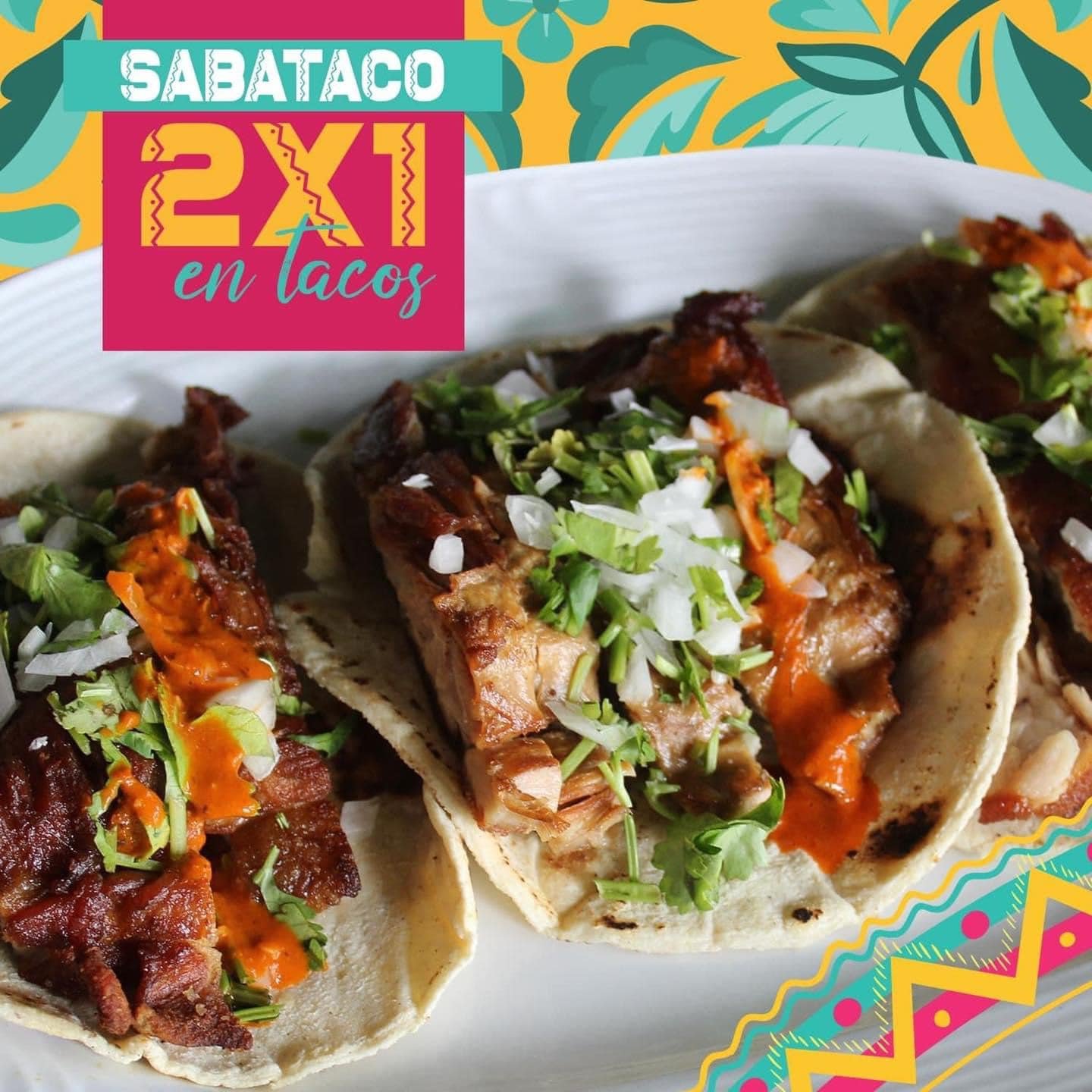
Where the Waterfront Sets the Terms
The address tells you something before you sit down. Panga s/n, on the Paseo del Pescador, puts Los Michoacanos at the working edge of San José del Cabo, where the fishing pangas tie up and the morning catch moves quickly from boat to kitchen. This is not the art-district corridor that draws most first-time visitors to the colonial centre, nor is it the resort strip of the hotel zone to the north. It is the part of town where the clientele is local, the turnover is fast, and the cooking answers to a different set of priorities than the dining rooms along Zaragoza.
San José del Cabo has developed a recognisably split dining identity over the past decade. On one side, restaurant groups and resort operators have moved toward tasting menus, farm-to-table sourcing narratives, and international reference points. On the other, a quieter tier of neighbourhood places has held to regional Mexican traditions that predate the resort boom entirely. Los Michoacanos occupies the second category, and understanding what that means requires some context about where Michoacán cooking fits within Mexico's broader culinary geography.
Michoacán's Culinary Reach, and What It Means in Baja
Michoacán's cuisine was designated a UNESCO Intangible Cultural Heritage in 2010, the first Mexican regional tradition to receive that designation, and the recognition pointed to something specific: the depth and coherence of a cooking culture built around corn, chiles, slow-cooked proteins, and techniques that have remained largely continuous for generations. That heritage migrated north with communities who settled in Baja California Sur during the mid-twentieth century, and its presence in Los Cabos is less a culinary curio than a demographic fact. Much of the working population in the cape region traces family roots to Michoacán, Jalisco, and Sinaloa, and the kitchens that serve them reflect those origins.
In a region where the dining conversation is often dominated by properties like Acre, with its Mexican farm-table format at the $$$ tier, or Arbol operating at the $$$$ end of the market, the cooking at places like Los Michoacanos represents something the resort economy does not naturally produce: food made for people who eat it every week rather than once on a holiday. That distinction shapes everything from portion logic to seasoning to the informality of service.
The Paseo del Pescador location reinforces this. Fish and seafood move between the docks and the kitchen at a tempo that larger, more production-heavy restaurant operations cannot match. The geography is a structural advantage, not a marketing angle.
The Broader Pattern of Local Eating in Los Cabos
Visitors who limit their dining to the hotel zone or the Zaragoza gallery district will encounter a coherent but narrow slice of what San José del Cabo actually eats. The working-class and middle-class restaurant tier, concentrated around the market, the church square, and the waterfront, runs on different economics and different culinary assumptions. Tacos, ceviches, seafood stews, and braised meats in the Michoacán style are daily food here, not a themed experience.
This pattern is not unique to Los Cabos. Across Mexico, the most nutritionally serious cooking often happens at the most economically modest price points. Pujol in Mexico City has spent years making that argument at the fine-dining register, while Levadura de Olla in Oaxaca does it through indigenous technique at a more accessible price. In Baja, Olivea Farm to Table in Ensenada and Animalón in Valle de Guadalupe have developed their own arguments about what serious regional eating looks like at higher price points. Los Michoacanos sits at the other end of that spectrum, where the argument is made through repetition and consistency rather than through concept or curation.
For a broader map of where Los Michoacanos fits within the San José del Cabo dining scene, the EP Club San José del Cabo restaurants guide covers the full range from this tier up through properties like CARBÓNCABRÓN and El Jaliscience, each operating with a different price register and customer base.
Who Comes Here and When
The Paseo del Pescador tends to animate in the mornings and at midday, when fishing activity is highest and the surrounding neighbourhood is most active. Early afternoon is when this type of waterfront spot is typically at its most functional: the kitchen is stocked, the regulars have established their rhythm, and the ambient logic of the place makes most sense. Late evenings shift the energy toward the colonial centre and the art-district restaurants.
Visitors coming from resort hotels who want to eat as the town eats rather than as the resort economy suggests should plan accordingly. The address is walkable from the central plaza for anyone staying in or near the colonial zone. For guests based further along the hotel corridor, a short taxi or rideshare brings you to a part of the city most resort itineraries skip entirely. Comparable local-tier spots like Barbacoa de Vicky draw from the same logic, serving a clientele that measures value differently than the tourist-facing tier does.
Mexico's broader dining geography offers useful comparison points. KOLI Cocina de Origen in Monterrey, Alcalde in Guadalajara, and Pangea in San Pedro Garza García represent what happens when regional Mexican cooking receives significant investment and institutional recognition. HA' in Playa del Carmen, Le Chique in Puerto Morelos, and Lunario in El Porvenir do the same at various scales. Los Michoacanos represents the baseline from which all of that critical apparatus departs: food rooted in community, economics, and migration, made without a concept beyond cooking what the tradition demands.
Planning Your Visit
The Panga s/n address on Paseo del Pescador is the reliable locator. Arriving at midday on a weekday will generally align with the kitchen at its most active. Given the waterfront context, dress is informal. Visitors with specific dietary requirements, including vegetarian requests, should confirm directly on arrival, as menus at this category of restaurant shift with supply and season rather than operating from a fixed written card.
For international comparison, the kind of technical precision you find at Le Bernardin in New York City or the tasting-menu rigour of Atomix represents a different set of values entirely. Los Michoacanos answers to the logic of the dock, the daily catch, and a culinary lineage that UNESCO saw fit to recognise. That is sufficient authority for the cooking it serves.
Price and Positioning
| Venue | Price | Awards |
|---|---|---|
| Los MichoacanosThis venue — the venue you are viewing | This venue | Not listed |
| Flora's Field Kitchen | $$ | Contemporary, $$ |
| Acre | $$$ | Mexican, $$$ |
| Arbol | $$$$ | Indian, $$$$ |
| Nao | $$$$ | Mediterranean Cuisine, $$$$ |
| Omakai | $$$$ | Japanese, $$$$ |
Continue exploring
More in San José del Cabo
Restaurants in San José del Cabo
Browse all →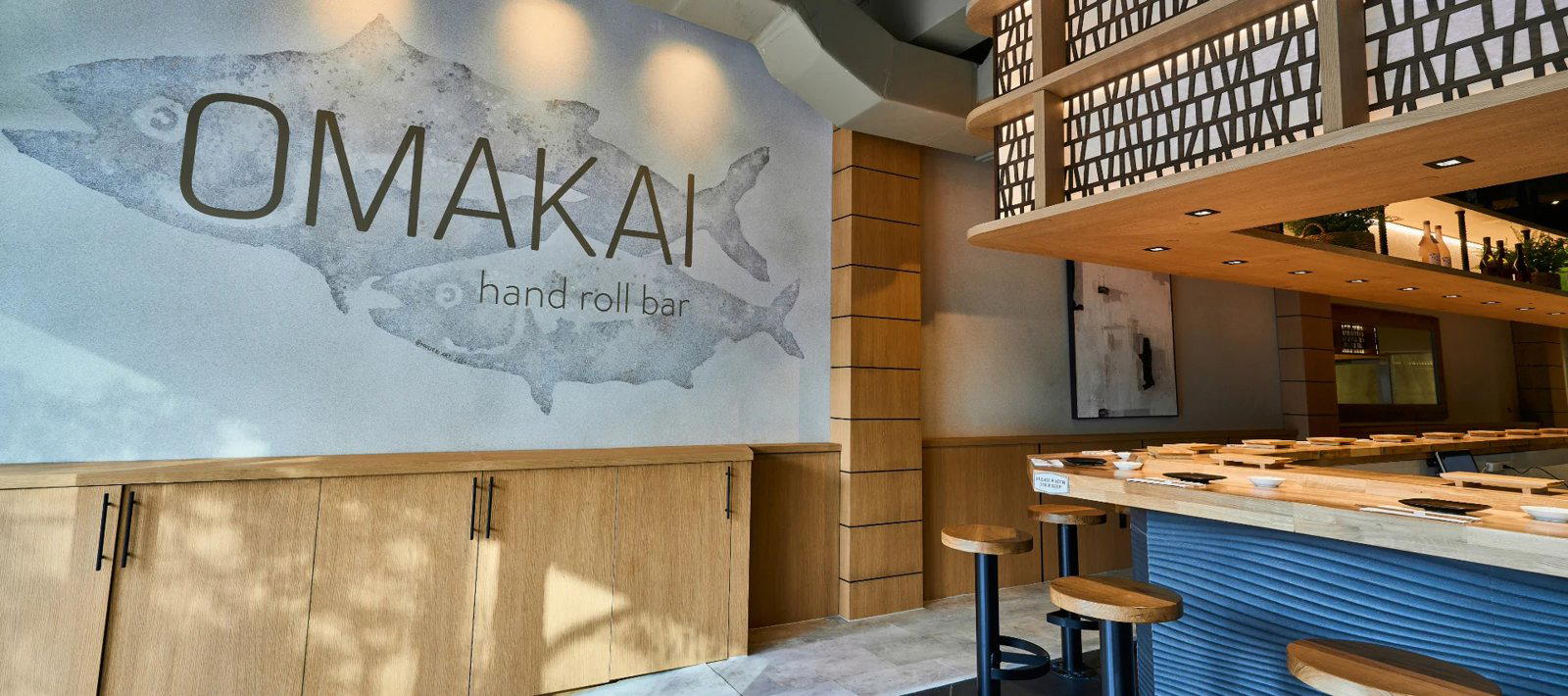
Bars in San José del Cabo
Browse all →

At a Glance
- Rustic
- Lively
- Casual Hangout
- Group Dining
- Standalone
Casual and authentic with a focus on fresh carnitas preparation and personal service in a no-frills setting.
Know Before You Go
- Getting there
- Panga s/n (e/ Paseo del Pescador), 23400 San José del Cabo, Baja California Sur