La Carta De Oaxaca
On Ballard Avenue NW, La Carta De Oaxaca has held a specific place in Seattle's Mexican dining conversation for years: a kitchen that draws on Oaxacan tradition without flattening it for a general audience. The address puts it in one of the city's most food-literate neighbourhoods, where the bar for ingredient sourcing and culinary specificity runs higher than most. It is one of the few rooms in Seattle where mole's complexity is treated as a point of departure rather than a selling point.
Pearl is the En Primeur Club membership app — saves, bookings, and concierge access live there. Same editors, same standards.
- Address
- 5431 Ballard Ave NW, Seattle, WA 98107
- Phone
- +12067828722
- Website
- seattlemeetsoaxaca.com
- Directions
- Get directions
 Saves & bookings on Pearl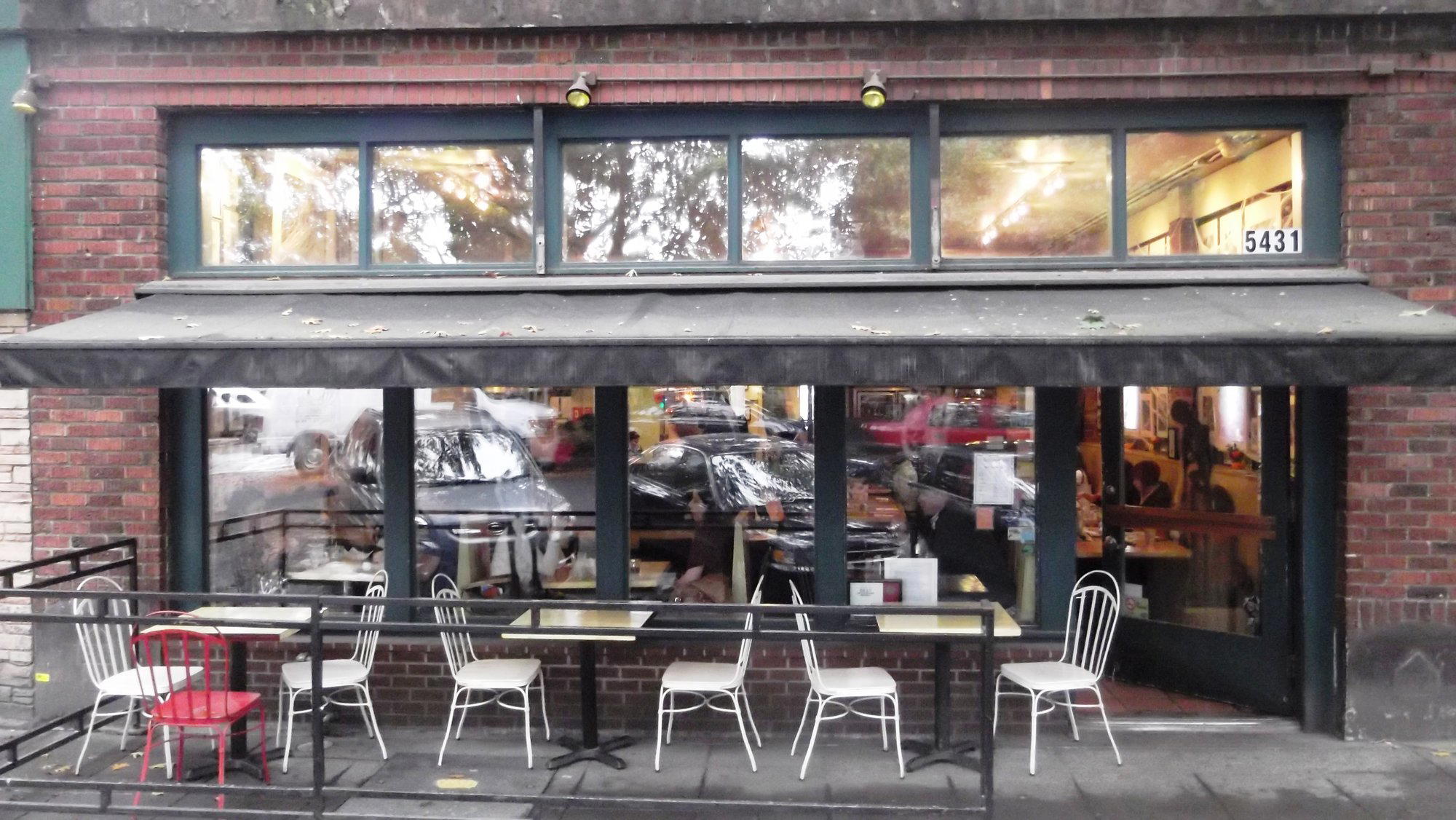
Ballard and the Case for Regional Mexican
Ballard Avenue NW operates as one of Seattle's more consistent stretches of serious eating. The neighbourhood has accumulated a density of kitchens that treat ingredient sourcing and culinary specificity as baseline expectations rather than differentiators. La Carta De Oaxaca sits at 5431 Ballard Ave NW inside that context, and its presence on the strip says something about what the street has come to expect from its restaurants. This is not a generalised Mexican restaurant that happens to mention Oaxaca in its branding. The kitchen draws directly from one of Mexico's most technically demanding regional traditions, in a city where that specificity is increasingly legible to a dining public that knows the difference.
La Carta De Oaxaca belongs to a cohort of Seattle restaurants that operate closer to the tradition-focused end of the spectrum, positioned differently from the technique-led New American of Canlis or the ingredient-forward New Asian of Joule.
What Oaxacan Cooking Actually Demands
Oaxacan cuisine is one of Mexico's most codified regional traditions, built around a set of preparations that resist shortcutting. The state's moles, particularly negro, coloradito, and amarillo, require days of preparation and involve ingredient lists that can exceed thirty components. Chiles, chocolate, dried fruits, charred aromatics, and masa-based thickeners interact across extended cooking times to produce sauces with genuine structural depth. This is categorically different from the Tex-Mex or Americanised Mexican formats that most U.S. cities default to when the category is underspecified.
The indigenous ingredient set also matters here. Oaxaca's food culture is inseparable from its agricultural traditions: black beans cooked low and slow with local herbs, tlayudas built on large hand-formed tortillas, chapulines as a protein source with pre-Columbian roots, and mezcal as both beverage and cultural marker. Kitchens that work within this tradition face a specific challenge in a U.S. context: sourcing ingredients that are genuinely Oaxacan in character, and applying the preparation methods those ingredients require, rather than substituting toward easier or more available alternatives. The intersection of imported technique and indigenous product is where this cuisine either holds or loses its integrity.
That tension between fidelity to source and adaptation to context places Oaxacan restaurants in the U.S. in a position that parallels what Japanese regional cooking faces in cities like New York or San Francisco, where Le Bernardin or Lazy Bear represent how technique-driven kitchens maintain identity across geography. The question is always how much translation the cuisine can absorb before it stops being itself.
The Room and the Register
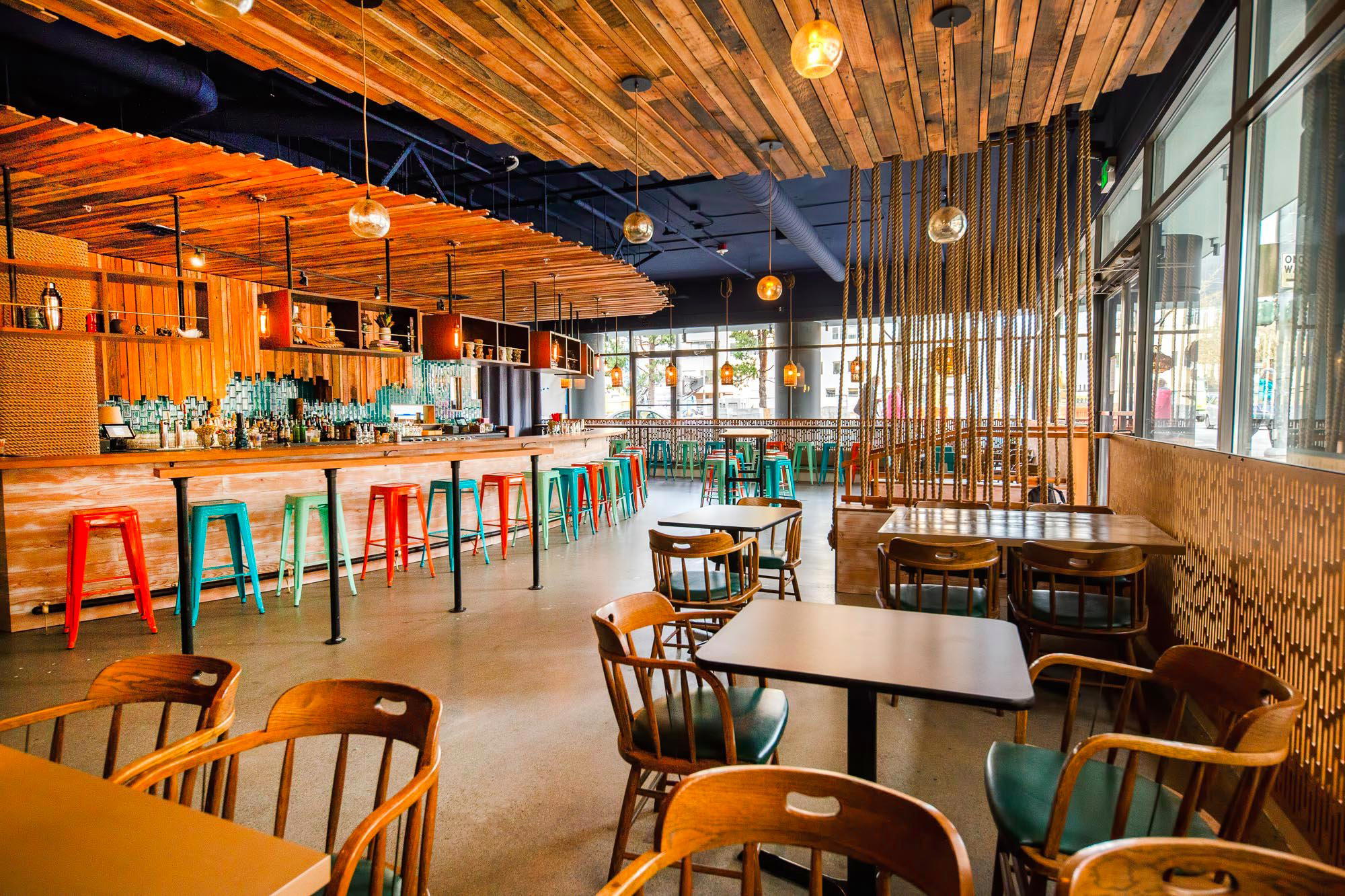
The physical experience of Ballard Avenue at dinner has a particular register: the street is walkable, the buildings are low-rise, and the general atmosphere leans toward neighbourhood restaurant rather than destination dining. La Carta De Oaxaca fits that physical frame. This is not a room designed to signal ambition through interior spectacle in the way that, say, a Chicago kitchen like Alinea or a Healdsburg property like Single Thread Farm uses design as part of its editorial statement. The experience here is defined by what's on the plate and in the glass, not by architectural drama.
That restraint in format is consistent with how Oaxacan cooking tends to present itself even in Mexico: food-forward, direct, and rooted in the logic of the ingredients rather than the theatre of the service. A kitchen operating in this mode positions itself closer to a neighbourhood cantina tradition than to a fine-dining framework. The comparison set in Seattle includes addresses like 1744 NW Market St and 2963 4th Ave S, which operate at a similar neighbourhood frequency on the city's dining map.
Mezcal and the Beverage Programme
Oaxaca's role as the primary origin state for mezcal gives any kitchen drawing on that tradition a natural beverage anchor. Mezcal's category has grown substantially in U.S. restaurant programmes over the past decade, moving from novelty to a spirits category with its own vocabulary of producers, regions within Oaxaca, and agave varieties. A restaurant operating with genuine Oaxacan reference points has a credibility advantage in that category that a general Mexican kitchen does not. Kitchens with this kind of regional specificity tend to attract beverage programmes that match the sourcing logic of the food side.
Regional Specificity in a Broader U.S. Context
Across the U.S. the restaurants that have most successfully maintained regional identity within a non-native context tend to share certain structural characteristics: a defined culinary lineage, ingredient sourcing that traces back to origin, and a kitchen that treats the source tradition as authoritative rather than as inspiration material. This applies across cuisines. Atomix in New York does it with Korean culinary structure. Providence in Los Angeles does it with French-trained seafood technique applied to Pacific product. Addison in San Diego frames California produce through classical French discipline. Blue Hill at Stone Barns in Tarrytown builds its entire identity around the relationship between farm and kitchen. The through-line is that specificity, when maintained rigorously, becomes the identity. La Carta De Oaxaca's address and culinary framing place it in that tradition on Seattle's north side.
For travellers moving between Pacific Coast cities, the context shifts but the principle holds: Emeril's in New Orleans, The French Laundry in Napa, and The Inn at Little Washington each demonstrate that a defined culinary perspective, held consistently, is what separates a restaurant with a point of view from one that simply fills seats. The restaurant occupies a smaller register than any of those rooms, but the underlying logic is the same.
Planning a Visit
The restaurant is located at 5431 Ballard Ave NW in Seattle's Ballard neighbourhood, walkable from the main commercial strip and accessible by bus from central Seattle. Ballard's dining density means the street rewards an evening that moves between stops, with the restaurant functioning well as either an anchor dinner or an earlier meal before continuing along the avenue. The restaurant is walk-in friendly and open Tuesday through Thursday from 11:30 AM to 9:30 PM, Friday and Saturday from 11:30 AM to 10:30 PM, and closed Monday and Sunday. Expect a casual setting and a typical spend of about $15 per person. Arriving with some familiarity with Oaxacan cooking traditions, even at a basic level, will make the menu more legible and the meal more rewarding. This is a kitchen where knowing what mole negro requires is relevant context, not optional background.
Recognition, Side-by-Side
Comparable venues nearby, for context on price, style, and recognition.
| Venue | Cuisine | Price | Notes |
|---|---|---|---|
| La Carta De OaxacaThis venue — the venue you are viewing | Traditional Oaxacan Mexican | $ | Not listed |
| El Rinconsito | Authentic Mexican Taqueria | $ | Atlantic |
| Little Neon Taco | Modern Mexican Taqueria | $$ | First Hill |
| Maiz Molino | Nixtamal Mexican Antojitos | $$ | Denny Triangle |
| Koko's - Seattle | Modern Mexican and Latin | $$ | First Hill |
| The Yard Cafe | Latin-inspired Mexican Comfort Food | $$ | Greenwood |
Continue exploring
More in Seattle
Restaurants in Seattle
Browse all →
Bars in Seattle
Browse all →
Hotels in Seattle
Browse all →

At a Glance
- Rustic
- Lively
- Casual Hangout
- Late Night
- Standalone
Current opening hours
- Monday
- Closed
- Tuesday
- 11:30 AM–9:30 PM
- Wednesday
- 11:30 AM–9:30 PM
- Thursday
- 11:30 AM–9:30 PM
- Friday
- 11:30 AM–10:30 PM
- Saturday
- 11:30 AM–10:30 PM
- Sunday
- Closed
Hours can change for holidays and private events. Last verified .
Bare-bones décor with lively party atmosphere.