La Cantine Verte
Our verdict
La Cantine Verte sits on Le Grand-Pont in Cornaux, a quiet commune in the canton of Neuchâtel where the Seeland farming corridor meets the southern edge of the Jura arc. Switzerland's broader turn toward ingredient-led cooking has found expression even at this scale of town, and La Cantine Verte represents the local iteration of that shift — a green-named address in a region with serious agricultural depth.

Pearl is the En Primeur Club membership app — saves, bookings, and concierge access live there. Same editors, same standards.
- Address
- Le Grand-Pont 16, 2087 Cornaux, Switzerland
- Phone
- +41327573727
- Hours
- Mon ClosedTue–Fri 10 AM–11 PMSat 6 PM–12 AMSun Closed
- Website
- lacantineverte.ch
- Directions
- Get directions
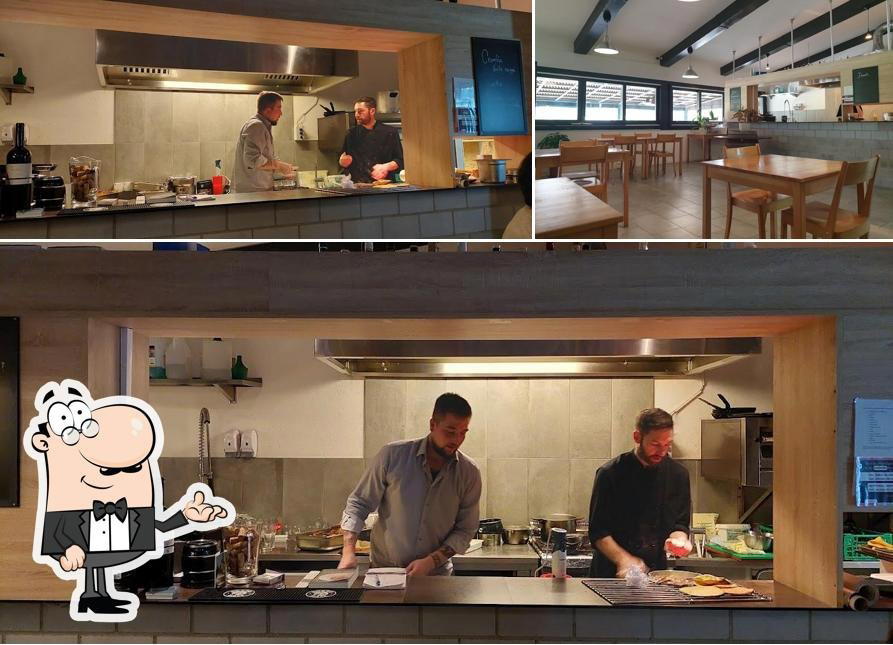
Where the Seeland Meets the Table
The road along Le Grand-Pont in Cornaux runs parallel to the canal that links Lake Neuchâtel to Lake Biel, a stretch of reclaimed lowland that produces some of the most productive vegetable and fruit cultivation in Switzerland. Approaching an address like La Cantine Verte in this setting means arriving with a specific kind of context: the canton of Neuchâtel sits at the junction of French-speaking Switzerland's winemaking culture and the Seeland's intensive market gardening. That geography has shaped what ends up on plates in this part of the country more than any single culinary trend.
The name itself — La Cantine Verte, the green canteen — signals an orientation toward plant-forward or ingredient-driven cooking that has become a distinct category across Swiss restaurant culture over the past decade. In larger Swiss cities, that positioning typically aligns with a certain price tier and a particular sourcing vocabulary. In a commune of Cornaux's scale, the same orientation carries different weight: proximity to the source, rather than proximity to a supplier network, tends to define what arrives in the kitchen.
The Seeland as a Sourcing Region
Agricultural corridor stretching from Murten down through the Seeland toward Lyss and Aarberg is not a well-publicised food region in the way that Valais or the Lavaux are associated with wine and terroir tourism. It is, however, one of the most productive zones in the country for seasonal vegetables, sugar beet, and soft fruit. Restaurants operating in communes adjacent to this corridor, Cornaux sits at its western fringe, where the Neuchâtel lake plain begins, have a structural advantage over urban kitchens when it comes to shortening the chain between field and plate.
That kind of sourcing proximity matters in a Swiss context because the country's premium dining sector, concentrated in addresses like Hotel de Ville Crissier in Crissier or Schloss Schauenstein in Fürstenau, has spent considerable energy constructing local sourcing narratives. For those kitchens, local often means within a canton or across a regional boundary. For a kitchen in Cornaux, local can mean fields visible from the dining room window. The editorial distinction between those two versions of ingredient provenance is worth holding onto when comparing what Switzerland's larger award-winning restaurants, Cheval Blanc by Peter Knogl in Basel, Memories in Bad Ragaz, or 7132 Silver in Vals, claim versus what a smaller regional address can realistically deliver.
The Canton of Neuchâtel's Dining Register
Neuchâtel as a canton does not carry the restaurant recognition density of Vaud, Zurich, or Graubünden. Its most visible food culture is viticultural: the white wines produced along the northern shore of Lake Neuchâtel, particularly Chasselas and Pinot Gris, have a regional following that exceeds their international profile. The restaurant culture that serves those wines operates across a range of formats, from lakeside brasseries in Neuchâtel city to smaller commune-level addresses. La Cantine Verte in Cornaux sits in the latter category, in a town of roughly 1,400 residents where a restaurant's role in the community differs from its role in a city neighbourhood.
Across Swiss dining more broadly, the past five years have seen a movement away from the formal tasting-menu format toward shorter, more ingredient-centred menus that allow produce quality to carry the weight. Addresses like Colonnade in Lucerne, focus ATELIER in Vitznau, and IGNIV Zürich by Andreas Caminada in Zurich each represent different points on the spectrum between high technique and ingredient transparency.
Regional Comparisons and What They Suggest
Swiss German dining has generated a strong critical consensus around a small number of flagship addresses, Einstein Gourmet in Sankt Gallen, Da Vittorio in St. Moritz, Magdalena in Schwyz. The French-speaking side has its own tier, anchored by La Table du Lausanne Palace in Lausanne, L'Atelier Robuchon in Geneva, and La Brezza in Ascona. La Cantine Verte does not position itself against that award-circuit tier. Its comparative set is more likely local brasseries and regional lunch addresses in the Neuchâtel arc than the Michelin-mapped rooms in Lausanne or Zurich. That distinction matters for readers calibrating expectations: the value proposition of a commune-scale restaurant in this corridor is access and proximity to an agricultural zone, not competition with tasting-menu destinations.
For context on how ingredient-sourcing narratives operate at the award-recognised end of the market, the contrast with internationally reviewed rooms like Maison Wenger in Le Noirmont, another Jura-arc address with a stronger external profile, is instructive. Maison Wenger draws on Jura landscapes and foraging traditions with documented critical recognition.
Planning a Visit to Cornaux
Cornaux is accessible by regional rail on the Biel/Bienne to Neuchâtel line, with the Cornaux station serving the commune directly. By road from Neuchâtel city, the drive follows the lake plain south and takes under fifteen minutes. The address on Le Grand-Pont places the restaurant centrally within the village. For a broader picture of dining options in the area, our full Cornaux restaurants guide covers the local range. Readers planning a wider Romand dining circuit can use addresses like Le Bernardin in New York City and Atomix in New York City as reference points for how ingredient-sourcing philosophy operates at different scales of ambition and resource.
Frequently asked questions
Can I bring kids to La Cantine Verte?
La Cantine Verte is a village restaurant in Cornaux, set along Le Grand-Pont beside the canal linking Lake Neuchâtel to Lake Biel. Contacting the venue directly before visiting is the practical approach.
What is the atmosphere like at La Cantine Verte?
Cornaux is a small commune on the Biel/Bienne–Neuchâtel rail corridor, and La Cantine Verte occupies an address on Le Grand-Pont, the road that runs alongside the reclaimed lowland canal. The setting points toward a relaxed, local dining room rather than a formal destination restaurant. Canton Neuchâtel's dining register is less dense with high-profile addresses than Vaud or Zurich, which typically means venues like this carry an unfussy, community-facing tone.
Is La Cantine Verte a good option for dining near the Neuchâtel–Biel rail line?
Cornaux sits directly on the regional rail line between Biel/Bienne and Neuchâtel, with its own station serving the commune. La Cantine Verte at Le Grand-Pont 16 is one of the few restaurant addresses in this stretch of the canton, which has limited dining infrastructure compared to the cantonal capital. For travellers moving along that corridor without a car, it represents a practical stop in an otherwise sparse dining zone.
What's the signature dish at La Cantine Verte?
The broader Seeland agricultural corridor — stretching toward Murten, Lyss, and Aarberg — is a productive sourcing region for vegetables and dairy, which tends to shape the kitchens that draw from it. For current menu information, reaching the restaurant directly is the only reliable route.
Where exactly is La Cantine Verte?
La Cantine Verte is located at Le Grand-Pont 16, 2087 Cornaux, Switzerland, Cornaux.
Comparison Snapshot
Comparable venues nearby, for context on price, style, and recognition.
| Venue | Cuisine | Price | Notes |
|---|---|---|---|
| La Cantine VerteThis venue — the venue you are viewing | Creative French Bistro | $20–30 | Not listed |
| Le Cardinal | Swiss-French Brasserie | $30–50 | City Center |
| Le Boulevard 39 | French-Swiss Brasserie | $30–50 | Pérolles |
| Ghostacos | French Tacos | $10–20 | Aeschen |
| Brasserie, Bar und Event Volkshaus Basel | Swiss-French Brasserie | $30–50 | Messe |
| Quai de l'Ours | French-Swiss Seasonal Bistro | $50–100 | Orsieres |
Continue exploring
More in Cornaux
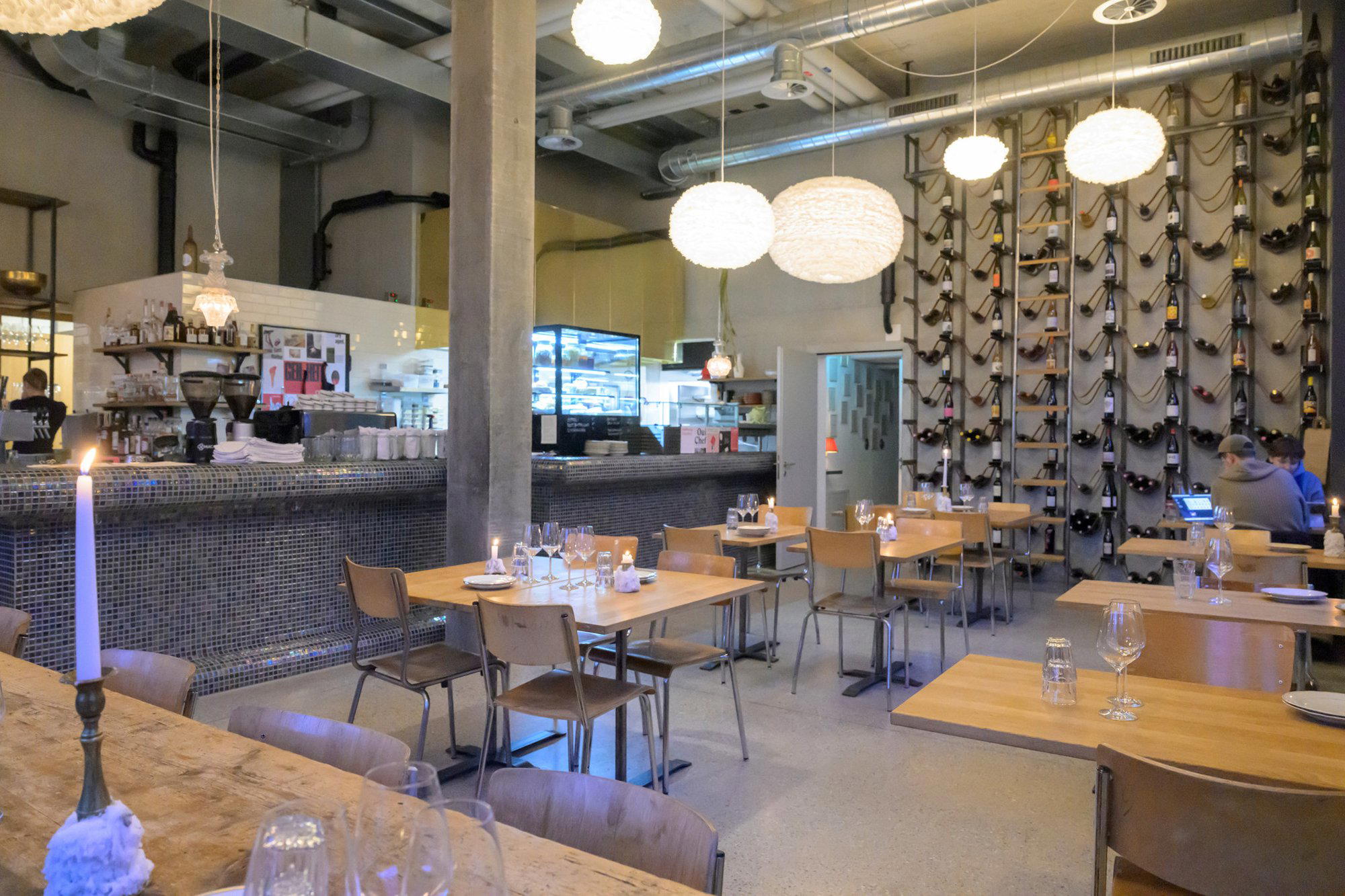
Restaurants in Cornaux
Browse all →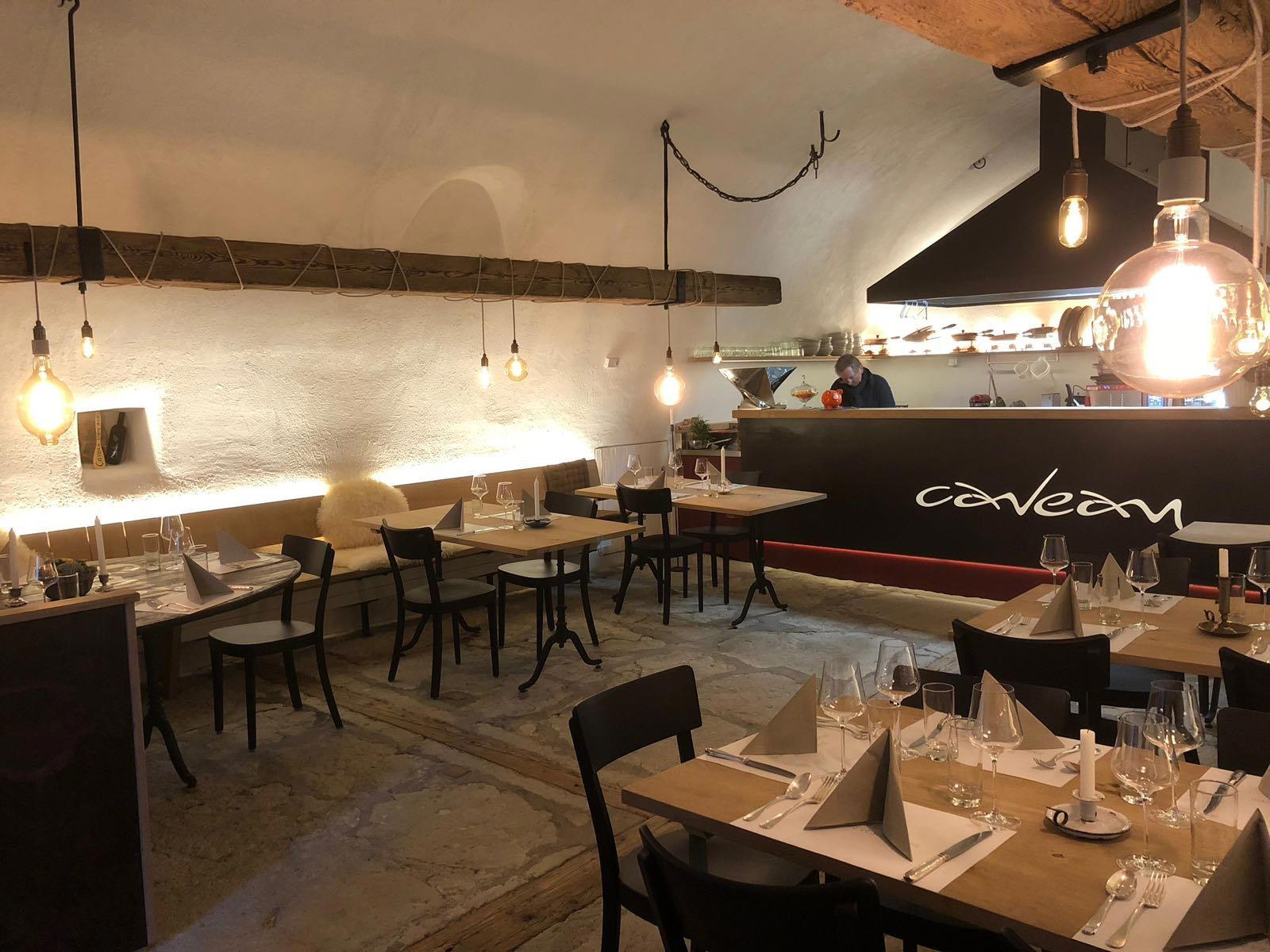
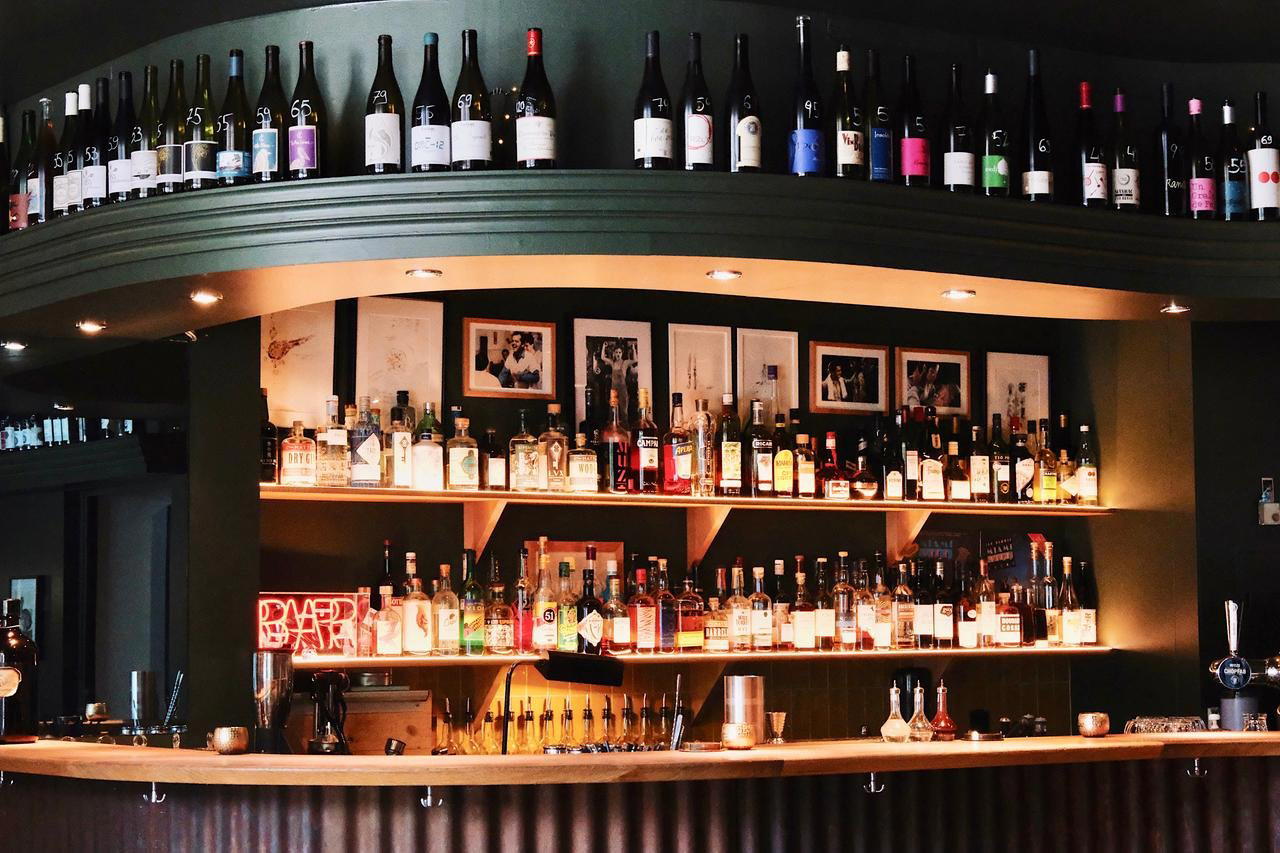
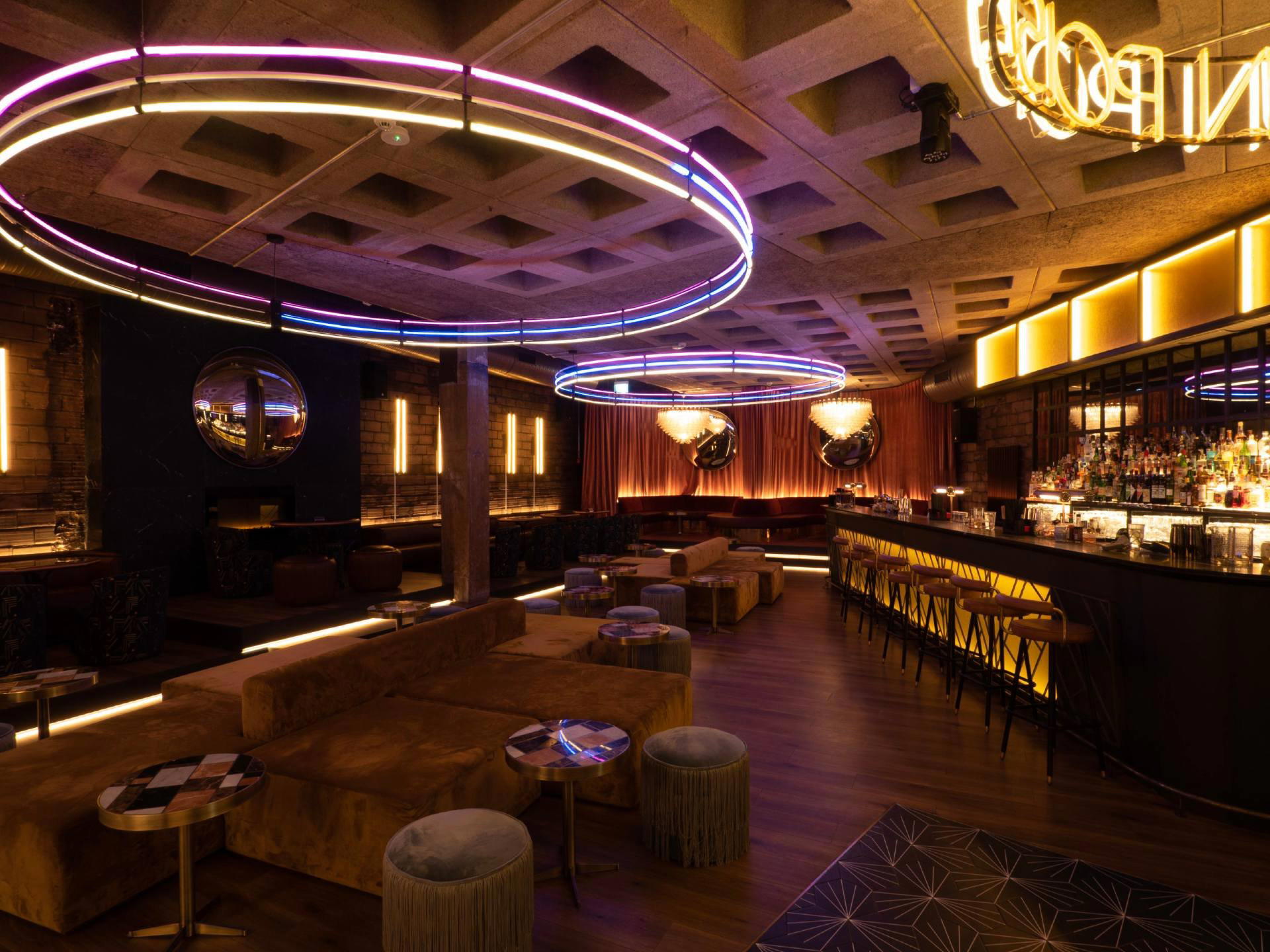
Bars in Cornaux
Browse all →
Hotels in Cornaux
Browse all →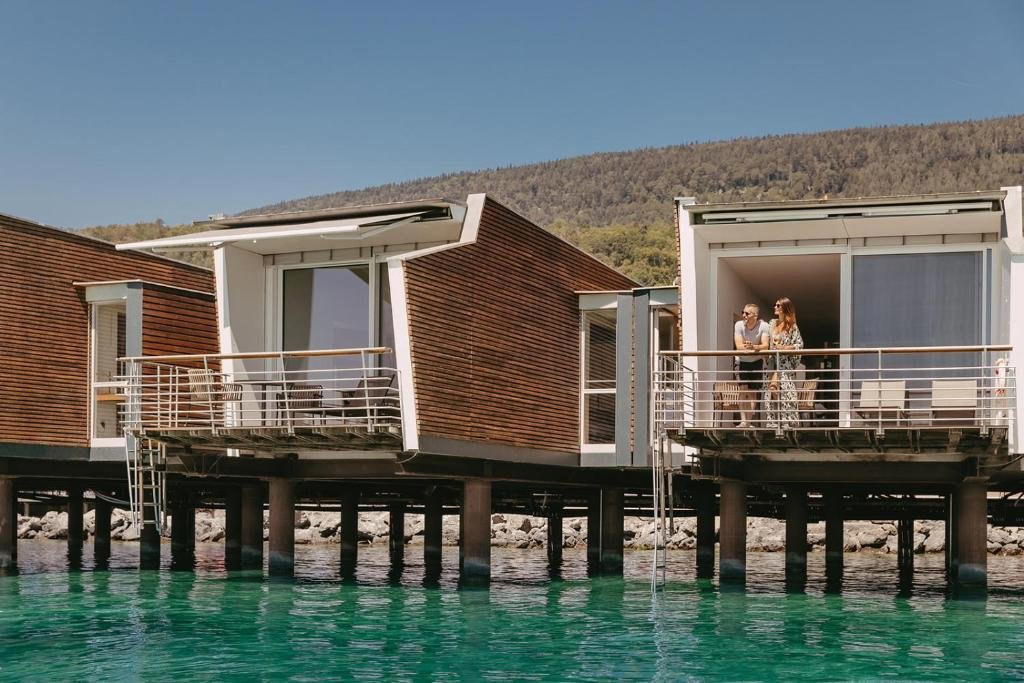

Details
- Cozy
- Rustic
- Casual Hangout
- Standalone
- Local Sourcing
- A La Carte
- Vegetarian Friendly
- Vegan Options
- Gluten Free Options
Current opening hours
- Monday
- Closed
- Tuesday
- 10 AM–11 PM
- Wednesday
- 10 AM–11 PM
- Thursday
- 10 AM–11 PM
- Friday
- 10 AM–11 PM
- Saturday
- 6 PM–12 AM
- Sunday
- Closed
Hours can change for holidays and private events. Last verified .
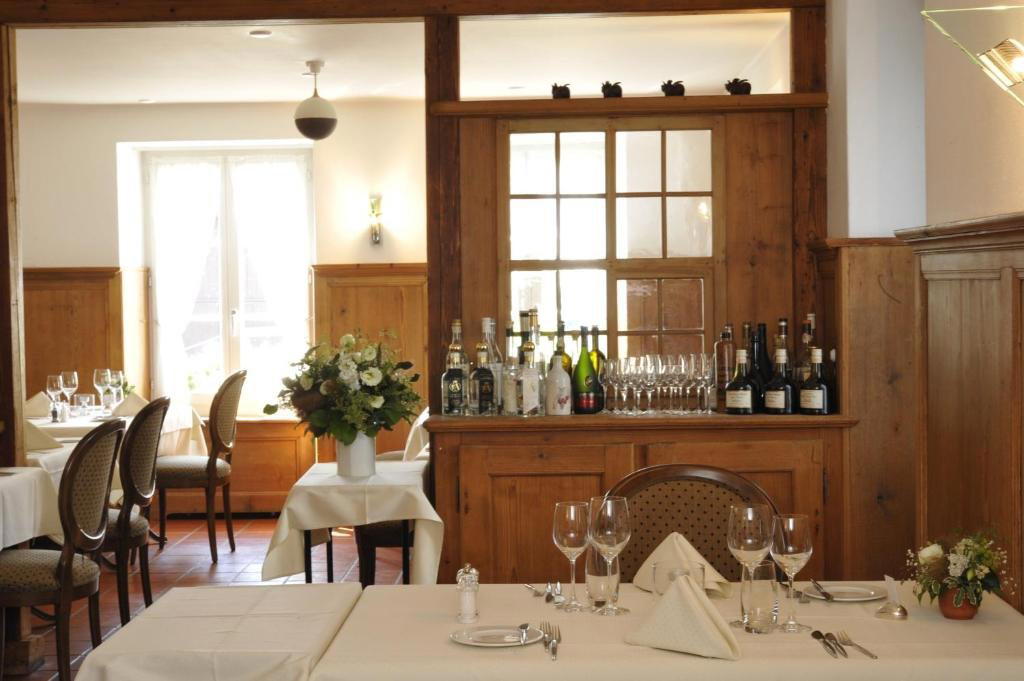
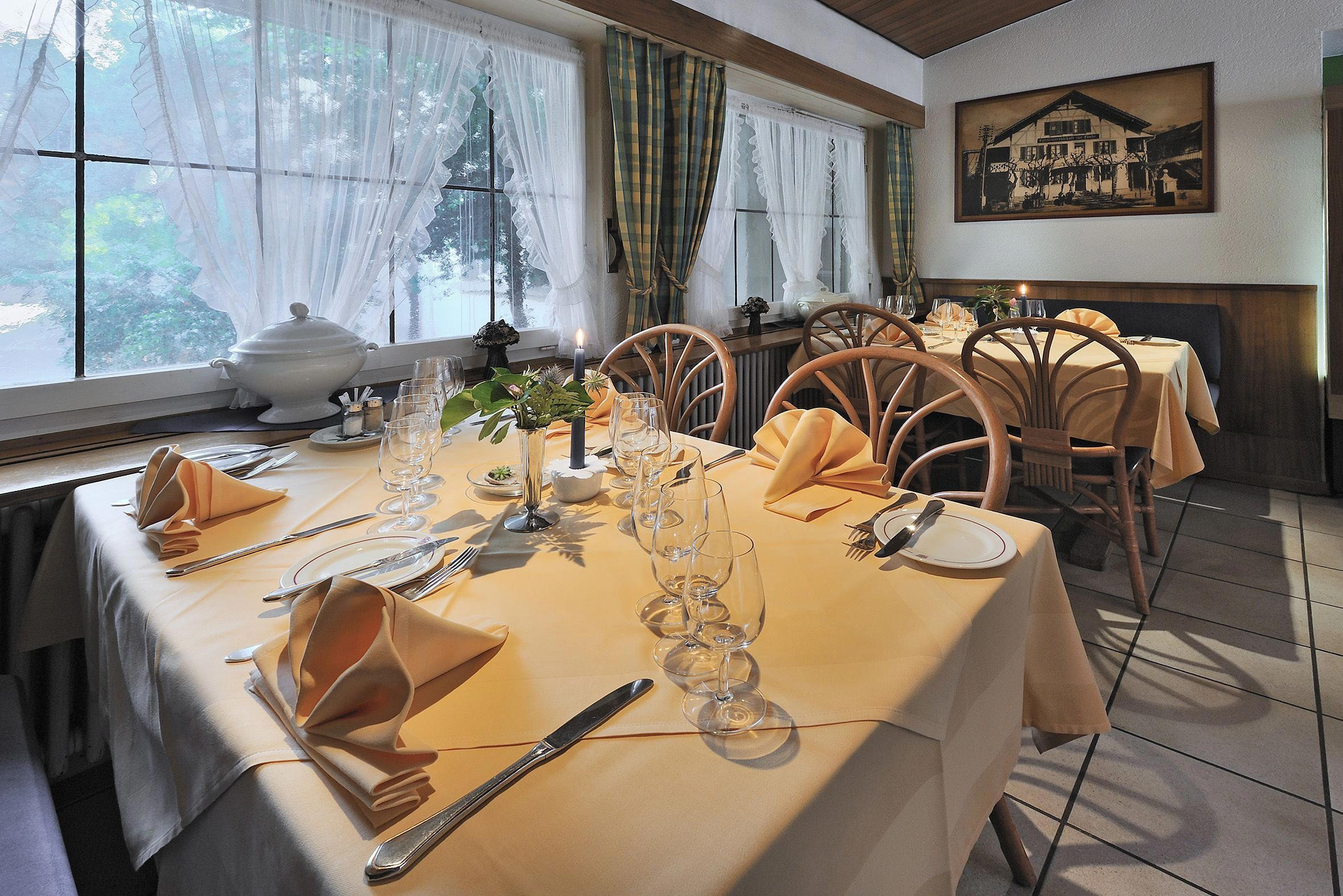
Cozy and well-decorated interior with a convivial atmosphere.