Brasserie, Bar und Event Volkshaus Basel
Volkshaus Basel occupies a century-old workers' hall on Rebgasse in the Kleinbasel quarter, operating as a brasserie, bar, and event space that draws from the neighbourhood's working-class roots without performing nostalgia. The format sits closer to a European grand café than a destination restaurant, making it one of the more genuinely local propositions in a city better known abroad for its Michelin-starred dining circuit.
Pearl is the En Primeur Club membership app — saves, bookings, and concierge access live there. Same editors, same standards.
- Address
- Rebgasse 12-14, 4058 Basel, Switzerland
- Phone
- +41 61 690 93 00
- Website
- volkshaus-basel.ch
- Directions
- Get directions
 Saves & bookings on Pearl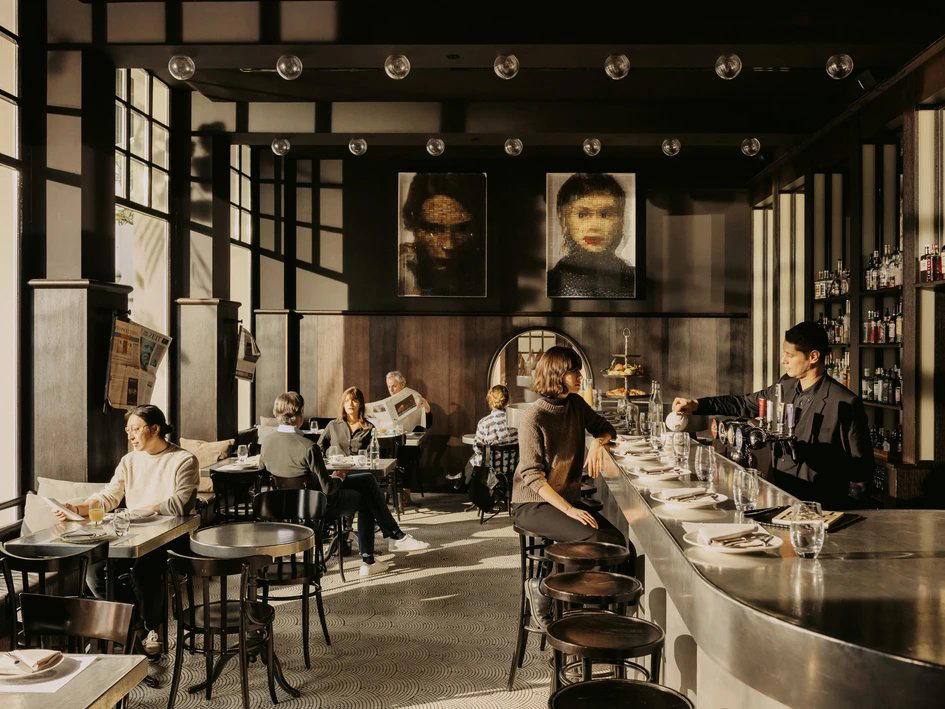
Kleinbasel's Civic Dining Tradition
Basel's dining identity tends to be exported abroad in one register: the Michelin-starred Franco-Swiss fine dining that institutions like Cheval Blanc by Peter Knogl and Stucki - Tanja Grandits represent. But the city also carries a parallel tradition rooted in civic architecture and collective eating, one that predates the modern tasting-menu format by several generations. Volkshaus Basel on Rebgasse sits in that second current. The building itself is a former workers' hall, a type of structure common to German-speaking Switzerland in the late nineteenth and early twentieth centuries, designed to serve as a social anchor for urban working communities. That architectural DNA shapes the experience before a single dish arrives.
Kleinbasel, the right-bank quarter where the Volkshaus sits, has historically been the more working-class, less tourist-facing side of the Rhine. Over the past decade it has absorbed galleries, independent bars, and a younger residential population without entirely shedding its original character. The Volkshaus building reflects that layering: the proportions are civic and generous, the address is practical rather than scenic, and the combination of brasserie, bar, and event space under one roof signals a venue oriented toward the city's own residents as much as toward visitors arriving for Art Basel or the city's museum circuit.
A Format Built Around the Room
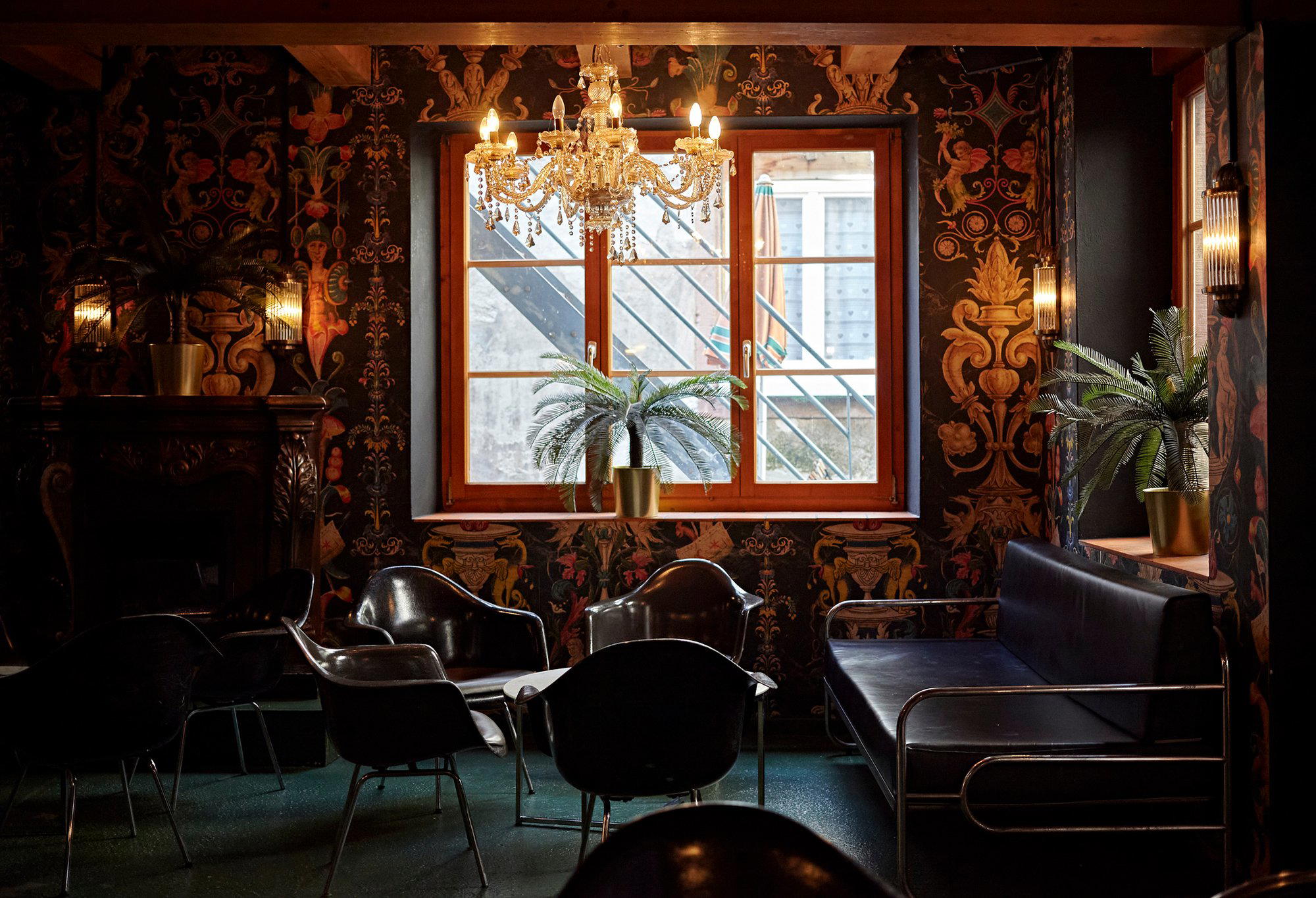
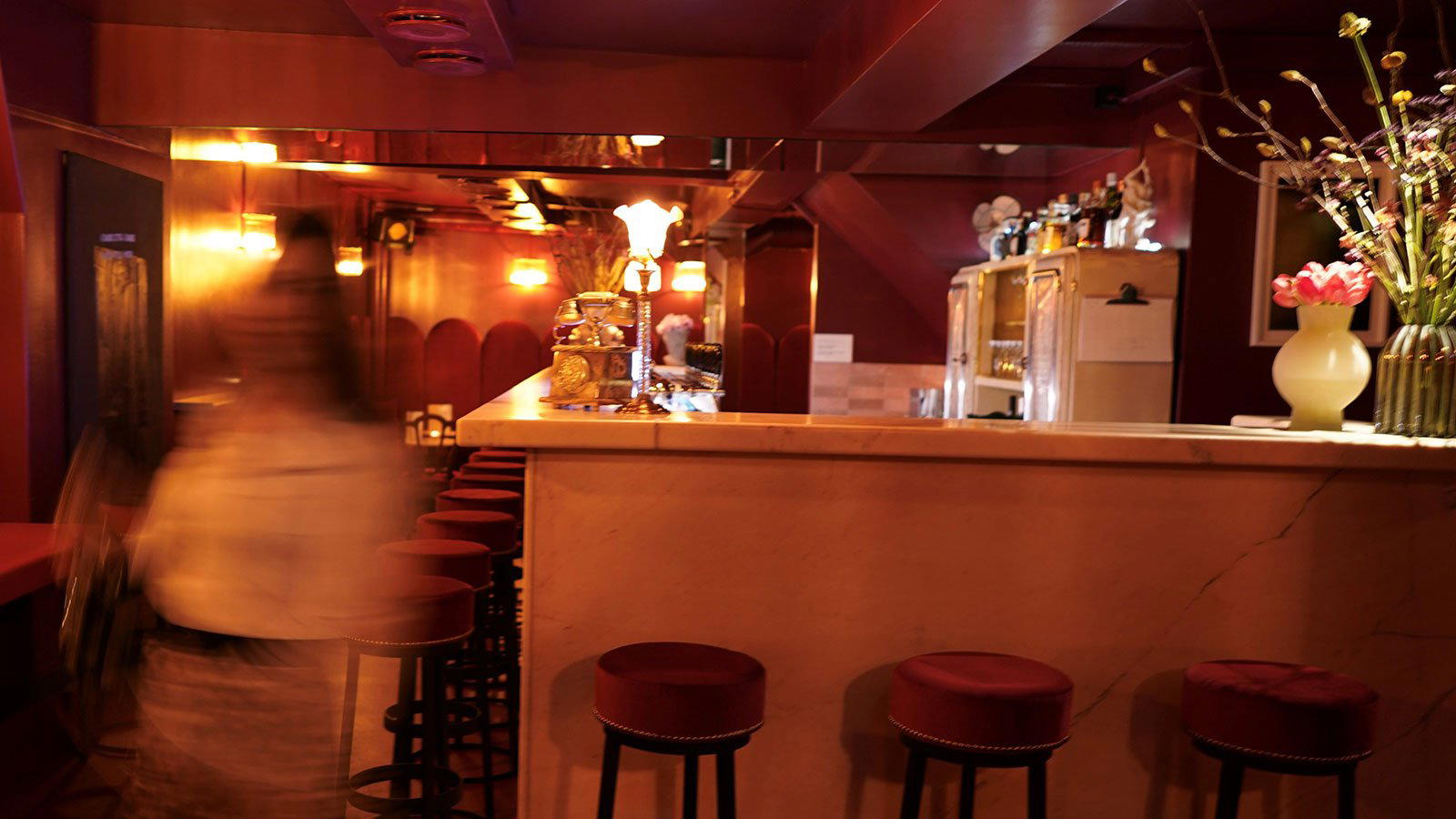
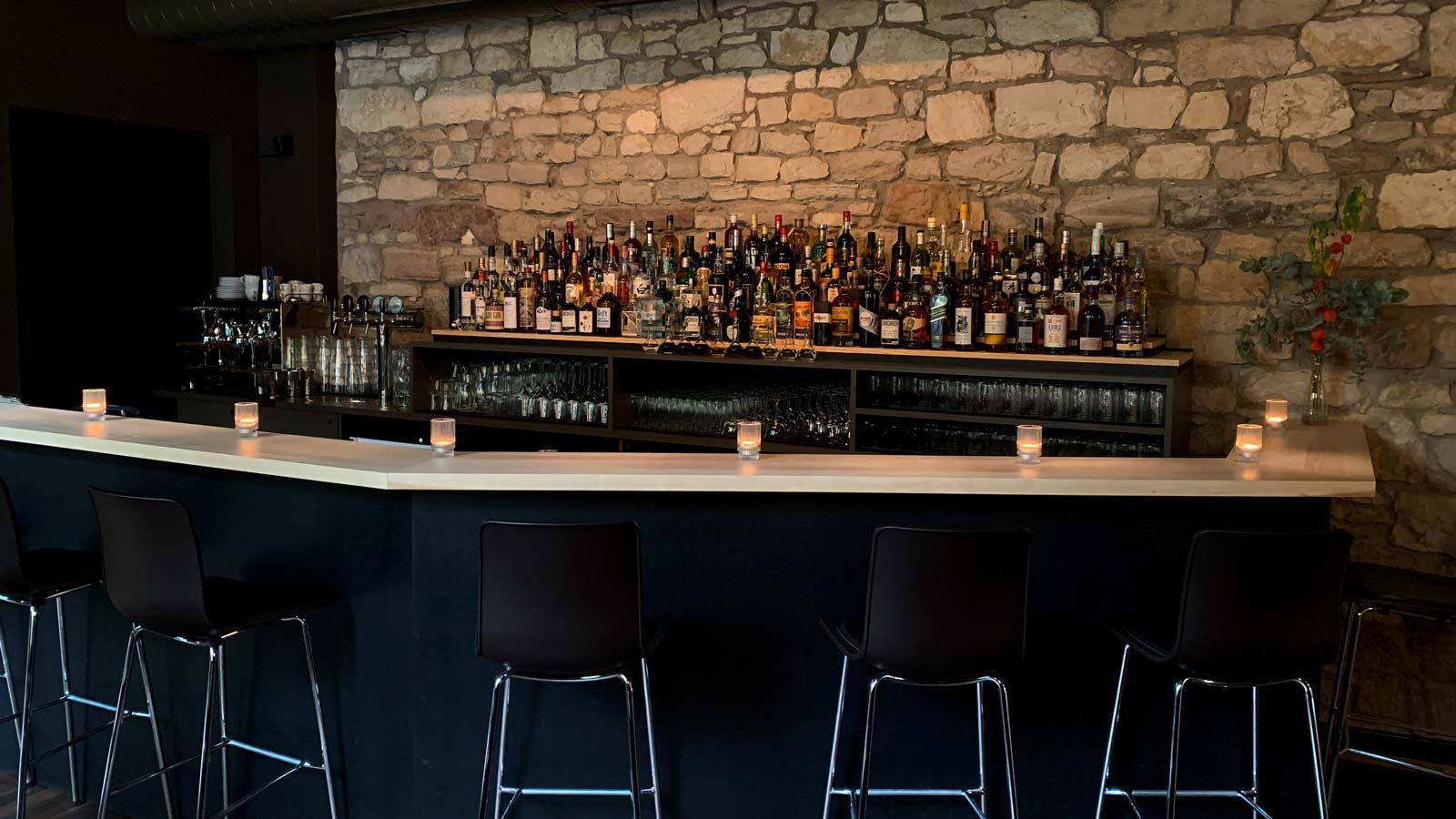
The brasserie-bar-event format is worth understanding on its own terms, because it places Volkshaus Basel in a different competitive set than either the fine-dining addresses or the casual wine-bar tier that has grown across Swiss cities in recent years. European grand cafés and civic brasseries have historically derived their energy from the room itself: the ceiling height, the acoustic texture of a crowd, the sense that the space existed before any particular menu did and will continue after. That relationship between architecture and dining programme is what separates venues like this from purpose-built restaurant formats, where the room is designed to serve the food rather than the reverse.
In Swiss cities, this model operates on a different rhythm than its French or Austrian equivalents. Basel's civic brasserie tradition incorporates regional German-speaking conventions around the timing and composition of meals alongside the French-inflected brasserie format, producing something that reads as neither purely Alsatian nor straightforwardly German. The city's position at the tripoint of Switzerland, France, and Germany is legible in this kind of establishment in ways it is not always legible at the higher-end French-technique restaurants that populate the Michelin circuit.
For context on where Basel's most formally recognised tables sit, roots and 1777 represent the city's more contemporary fine-dining registers, while Ackermannshof occupies the Mediterranean-inflected middle tier. Volkshaus Basel operates in a different register from all of them, one defined more by frequency of use and breadth of function than by a singular dining proposition.
Ingredient Sourcing and Regional Identity
In Swiss brasserie cooking, the sourcing question is inseparable from the geography. Basel's position at the bend of the Rhine puts it within reach of three distinct agricultural zones: the Alsatian plain to the west, the Black Forest foothills to the north, and the Swiss Mittelland stretching south and east. A brasserie operating in this location draws from that overlap almost by default. The Rhine-region vegetable growing season, Alsatian charcuterie traditions, and Swiss dairy networks form the background of regional cooking at this price and format tier in a way that is difficult to replicate in cities further from agricultural borders.
This matters as context because brasserie cooking in this region does not need to travel far to find its ingredients. The provenance logic that drives a great deal of contemporary fine-dining marketing has been structurally built into Rhine-region brasserie formats for as long as the format has existed in this geography. The short supply chains are not a recent editorial decision; they reflect logistics, history, and the preferences of a local clientele that has always known where its food comes from.
Switzerland's dining scene more broadly has been investing in ingredient-led regional cooking at multiple price points. The work at Schloss Schauenstein in Fürstenau, Memories in Bad Ragaz, and Mammertsberg in Freidorf demonstrates how seriously the country's kitchen culture has taken hyper-local sourcing at the upper end. The civic brasserie format occupies a different position in that ecosystem: less explicitly articulated in menu language, but embedded in the same regional supply logic.
Basel in the Swiss Dining Context
Switzerland's most formally decorated restaurants are distributed across the country rather than concentrated in one city. Hotel de Ville Crissier in Crissier, Maison Wenger in Le Noirmont, Einstein Gourmet in Sankt Gallen, focus ATELIER in Vitznau, Da Vittorio - St. Moritz in St. Moritz, and The Japanese Restaurant in Andermatt all sit outside Basel, illustrating how the Swiss system works differently from Paris or Tokyo, where award concentration and geographic concentration overlap. Basel's contribution to that national picture is real but selective. La Table du Valrose in Rougemont shows how even smaller Swiss addresses are earning formal recognition.
Within that context, Volkshaus Basel represents the kind of establishment that functions as connective tissue in a city's dining culture, the address that locals return to across different occasions and different stages of life, rather than the destination that draws visitors from abroad on the strength of a rating. That role is not a lesser one; cities without strong civic dining infrastructure tend to hollow out at the middle, leaving only tourist-facing formats and high-end destination restaurants. For our full Basel restaurants guide, including how the city's dining districts break down, the broader picture is worth reading before planning any serious eating itinerary here.
Planning Your Visit
The Volkshaus address on Rebgasse 12-14 places it in the heart of Kleinbasel, accessible from the city centre by tram across the Mittlere Brücke. The venue's combined function as brasserie, bar, and event space means the rhythm of the room shifts across the day and across the week; an evening with a private event in one section runs differently from a midweek lunch. Visitors planning around Art Basel, the city's major fair weeks, or the wider museum calendar should expect the bar and event programme to be fuller and should plan accordingly. The brasserie format generally supports both drop-in and advance arrangements, though checking availability ahead of high-footfall periods is sensible. Comparable European civic brasseries at this format level, such as Le Bernardin in New York City or the community-dining model exemplified by Lazy Bear in San Francisco, have demonstrated how format clarity and architectural character can sustain a dining programme independently of awards cycles.
How Brasserie, Bar und Event Volkshaus Basel compares with similar nearby venues.
| Venue | Cuisine | Price |
|---|---|---|
| Roter Bären | Modern Cuisine | €€€ |
Continue exploring
More in Basel
Restaurants in Basel
Browse all →
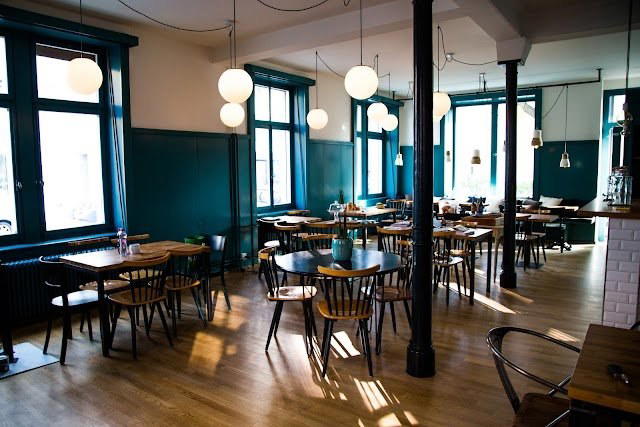
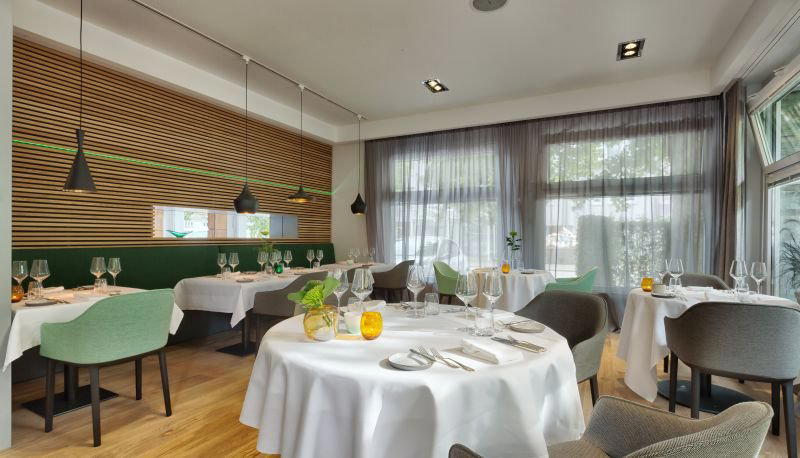
Bars in Basel
Browse all →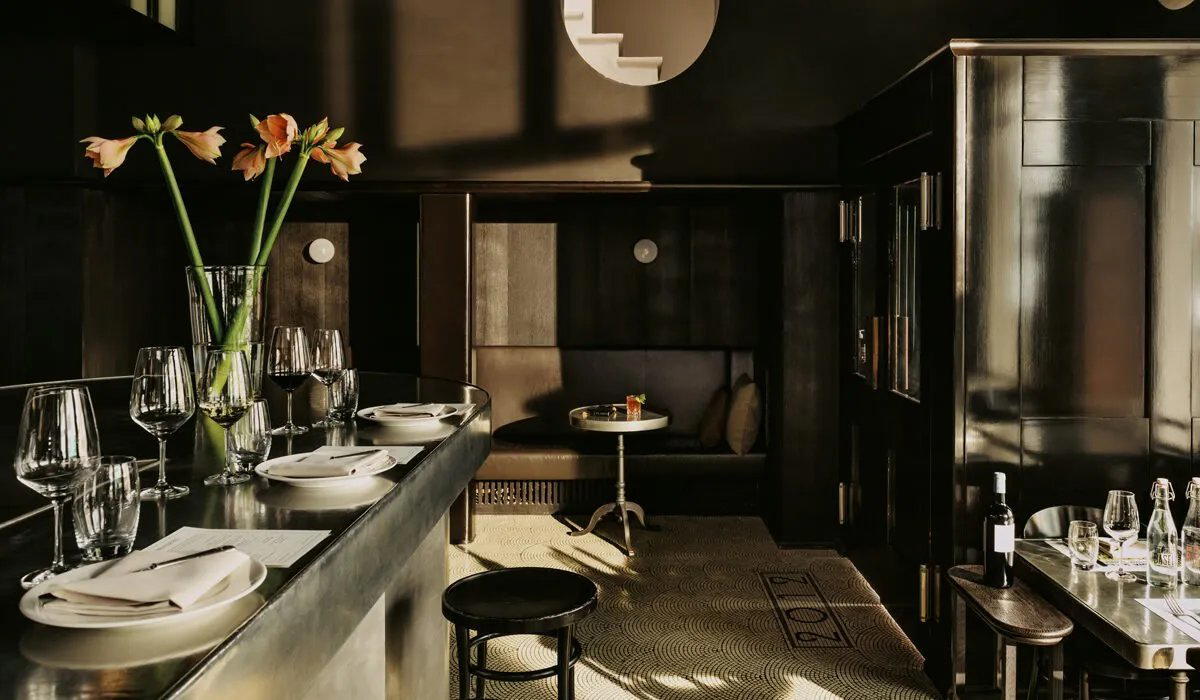
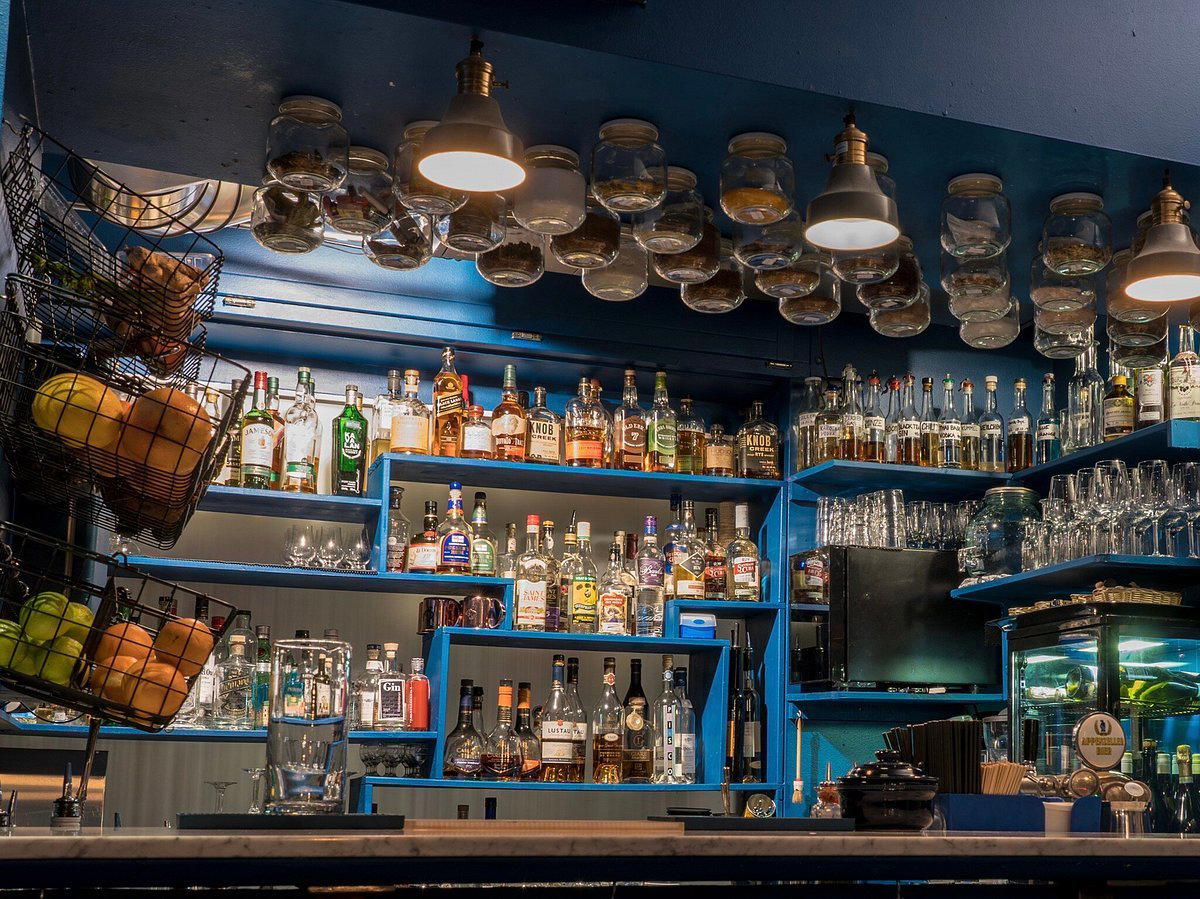
Hotels in Basel
Browse all →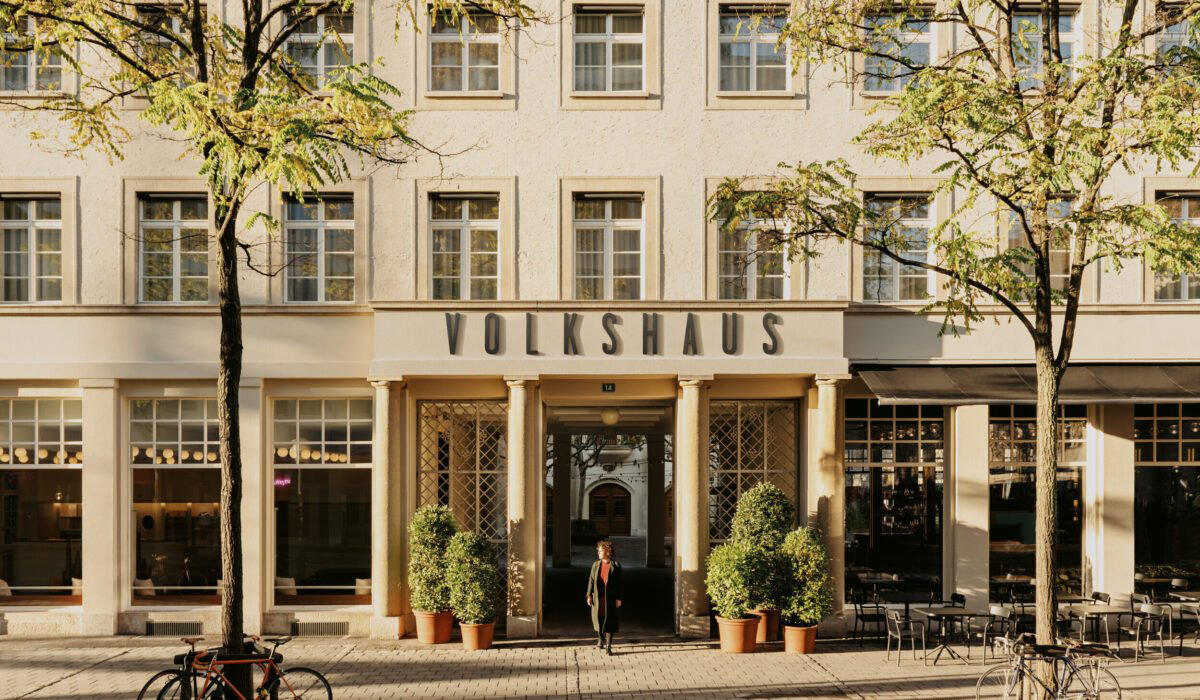

At a Glance
- Lively
- Modern
- Well Known
- Sophisticated
- Business Dinner
- Group Dining
- Celebration
- Casual Hangout
- After Work
- Brunch
- Live Music
- Garden
- Courtyard
- Historic Building
- Design Destination
- Hotel Restaurant
- Craft Cocktails
- Beer Program
- Local Sourcing
- Garden
Current opening hours
- Monday
- 7 AM–10 PM
- Tuesday
- 7 AM–11 PM
- Wednesday
- 7 AM–11 PM
- Thursday
- 7 AM–11 PM
- Friday
- 7 AM–12 AM
- Saturday
- 8 AM–12 AM
- Sunday
- 8–11 AM
Hours can change for holidays and private events. Last verified .
Big-city atmosphere with renowned contemporary art, mouth-blown lights creating a sophisticated modern setting, and a leafy courtyard garden for seasonal outdoor dining.
Know Before You Go
- Getting there
- Rebgasse 12-14, 4058 Basel, Switzerland