La Cambrousse
La Cambrousse sits along the Route de Longwy in Villers-la-Chèvre, a village in the Lorraine borderlands where the French countryside folds quietly toward Luxembourg. The address places it deep in agricultural territory, removed from the circuits of urban dining and closer to the kind of sourcing-led cooking that rural France has always done well. For those willing to make the drive, it represents a distinctly regional approach to the table.
Pearl is the En Primeur Club membership app — saves, bookings, and concierge access live there. Same editors, same standards.
- Address
- 11-13 Rte de Longwy, 54870 Villers-la-Chèvre, France
- Phone
- +33 3 82 89 76 70
- Website
- lacambrousse.com
- Directions
- Get directions
 Saves & bookings on Pearl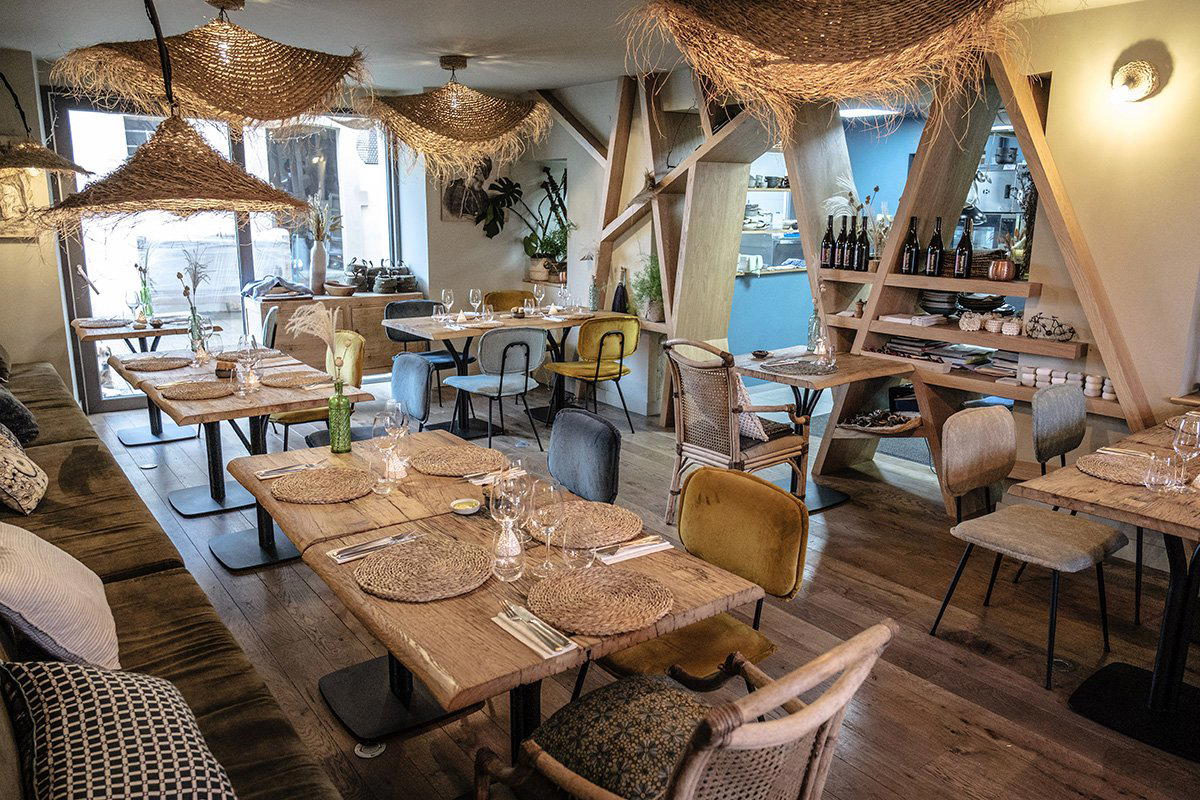
Where Lorraine's Fields Meet the Table
La Cambrousse is a restaurant in Villers-la-Chèvre, France, serving modern French regional bistro cooking at a price point of about $62 per person. The Route de Longwy through Villers-la-Chèvre does not announce itself as a dining destination. The village sits in the Meurthe-et-Moselle department, close to the Luxembourg and Belgian borders, in the kind of agricultural terrain that once fed the iron and steel workers of the region's industrial corridor. Today that corridor is quieter, but the land remains productive, and restaurants like La Cambrousse occupy a particular position in the French provincial tradition: places where the distance from a major city is an asset rather than a liability, and where sourcing from nearby farms and producers is a function of geography rather than a trend.
Rural Lorraine has historically sat outside the circuits of destination dining that animate places like Alsace to the east or Burgundy to the south. That distance from the Michelin-starred trail, which runs through addresses like Au Crocodile in Strasbourg or Assiette Champenoise in Reims, means the region's restaurants have developed along different lines: less performative, more rooted in the rhythms of local agriculture and the habits of local diners. La Cambrousse, addressed at 11-13 Route de Longwy, belongs to that tradition.
The Logic of Rural French Sourcing
The broader argument for ingredient-led cooking in Lorraine is direct in agricultural terms. The region produces dairy, game, river fish, and market garden vegetables with relatively low transport distances to the kitchen. In French culinary culture, this connection between a specific terroir and what appears on the plate carries significant weight, and it shapes the kind of cooking that makes sense in a village setting. The grand tasting menus of Mirazur in Menton or Flocons de Sel in Megève are built on proximity to specific mountain or coastal ecologies; rural Lorraine kitchens operate on similar logic at a different register and price point.
The countryside around Villers-la-Chèvre gives any kitchen here access to ingredients that urban restaurants in Nancy or Metz must order in: local game through hunting seasons, dairy from farms across the Moselle plateau, and the seasonal vegetable production that anchors traditional Lorrainaise cooking. The region's most embedded culinary tradition is the quiche, but the broader repertoire of Lorraine includes mirabelle plums from the orchards concentrated particularly around the Moselle valley, freshwater fish from the rivers that cross the plateau, and charcuterie traditions that run through the border country into Luxembourg and southern Belgium.
For a restaurant occupying this position, the table is a direct extension of the surrounding countryside in a way that is harder to achieve from a city-centre address. This is the structural advantage that rural French restaurants have always held, and it is the reason that some of France's most ingredient-honest cooking happens far from Paris. Compare the sourcing transparency at a place like Bras in Laguiole or the farm-adjacent approach at Auberge de l'Ill in Illhaeusern: in each case, the rural address is inseparable from what the kitchen can offer.
Placing La Cambrousse in Its Regional Context
Villers-la-Chèvre sits in a part of France that receives relatively few international visitors and appears rarely in English-language food coverage, which concentrates instead on the major Alsatian route, the Lyon region, or the grand tables of Paris such as Alléno Paris au Pavillon Ledoyen. The village's dining scene is correspondingly local in character: driven by regional regulars, cross-border diners from Luxembourg, and travellers moving along the routes between Nancy and the Grand Duchy rather than by the destination-seeking food traveller who plans trips around three-star addresses.
That profile shapes what a restaurant like La Cambrousse is likely to offer. In the rural auberge and restaurant tradition of this part of France, the format tends toward regional classics executed with local produce, generous portions calibrated to the appetite of working countryside, and a wine selection that runs toward bottles from Alsace, the Moselle, or the broader Lorraine AOC. The cross-border proximity to Luxembourg also means that regional cooking here absorbs some influence from the culinary habits of the Grand Duchy, where hearty, produce-driven food remains the dominant register.
French restaurants at this level of regional embeddedness rarely chase Michelin or 50 Best attention. The relevant comparison set here is not Troisgros in Ouches or Paul Bocuse in Collonges-au-Mont-d'Or, but the category of serious regional French restaurants where the sourcing discipline and the cooking craft are the point, not the ceremony. Restaurants like Auberge du Vieux Puits in Fontjoncouse or Georges Blanc in Vonnas show how deep that tradition runs across provincial France, and how rewarding it can be for travellers willing to move off the main tourist circuits.
Planning a Visit
The restaurant is located at 11-13 Route de Longwy, 54870 Villers-la-Chèvre. The village is accessible by car from Nancy, approximately 40 kilometres to the south, and from Luxembourg City, roughly 30 kilometres to the north, making it a plausible detour for cross-border travellers rather than a dedicated destination journey. Given the rural setting and the village's modest population, visiting by private transport is the practical approach; public connections to Villers-la-Chèvre from regional hubs are limited. The restaurant is open Tuesday through Thursday from 7 to 9:30 PM, Friday and Saturday from 12 to 1:30 PM and 7 to 9:30 PM, and is closed Monday and Sunday.
Comparable Venues
Comparable venues nearby, for context on price, style, and recognition.
| Venue | Cuisine | Price | Notes |
|---|---|---|---|
| La CambrousseThis venue — the venue you are viewing | Modern French Regional Bistro | $$$ | Not listed |
| L'Arsenal | Regional French Bistro | $$$ | Place de l'Arsenal |
| Saturne | Modern French with Nordic Influences | $$$ | 2nd Arrondissement |
| Le KG | French Bistronomic | $$$ | Bainville-aux-Saules |
| Hostellerie du Mont Aimé | Traditional French Champagne Bistro | $$$ | Bergères-les-Vertus |
| Restaurant Le Paris | Traditional French Bistro | $$ | centre-ville |
Continue exploring
More in Villers La Chevre
Restaurants in Villers La Chevre
Browse all →
Bars in Villers La Chevre
Browse all →
At a Glance
- Cozy
- Modern
- Rustic
- Elegant
- Date Night
- Special Occasion
- Group Dining
- Open Kitchen
- Local Sourcing
Current opening hours
- Monday
- Closed
- Tuesday
- 7–9:30 PM
- Wednesday
- 7–9:30 PM
- Thursday
- 7–9:30 PM
- Friday
- 12–1:30 PM, 7–9:30 PM
- Saturday
- 12–1:30 PM, 7–9:30 PM
- Sunday
- Closed
Hours can change for holidays and private events. Last verified .
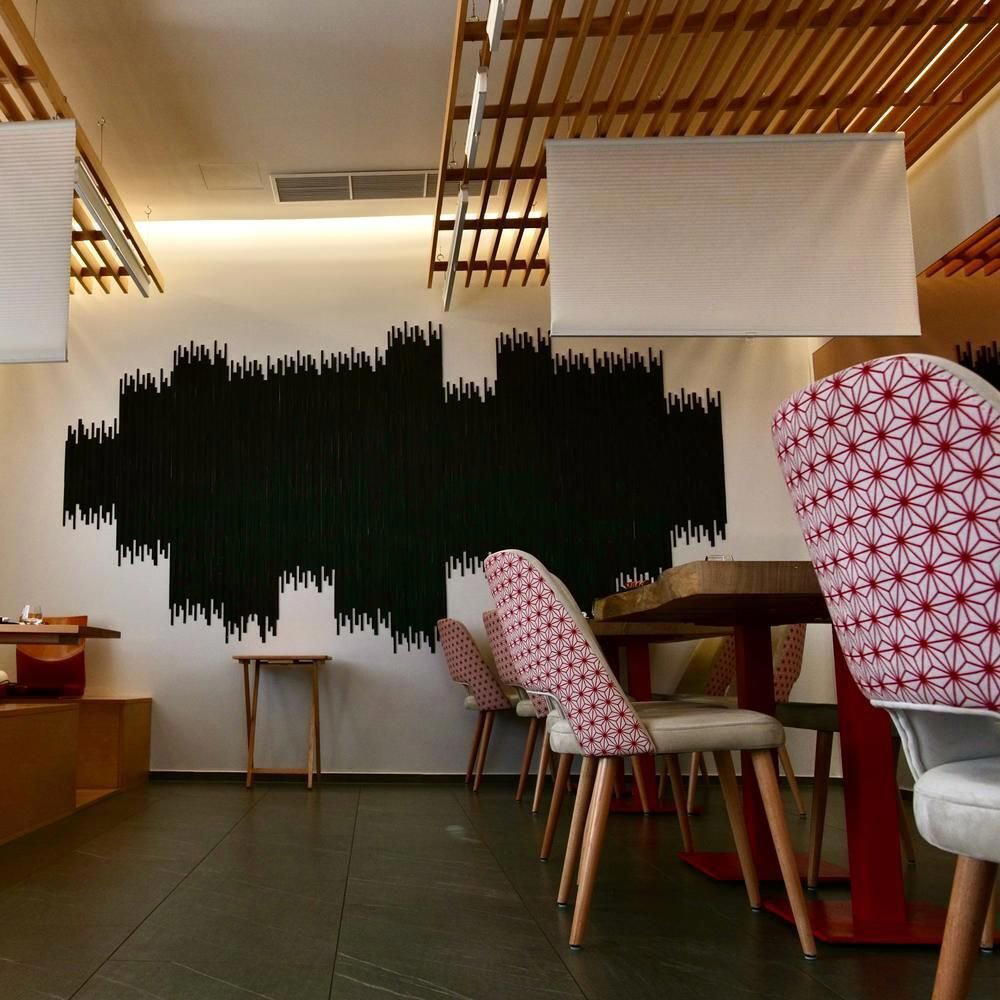
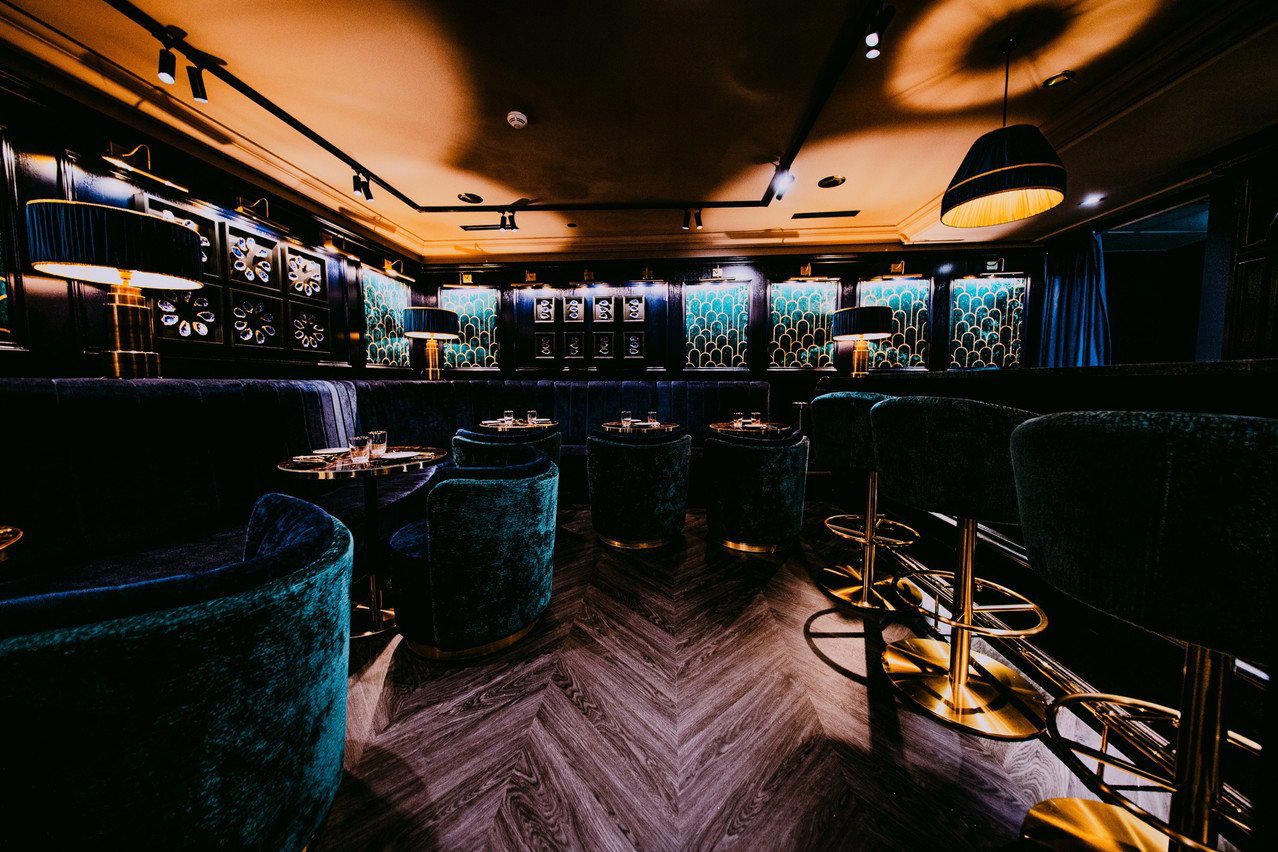
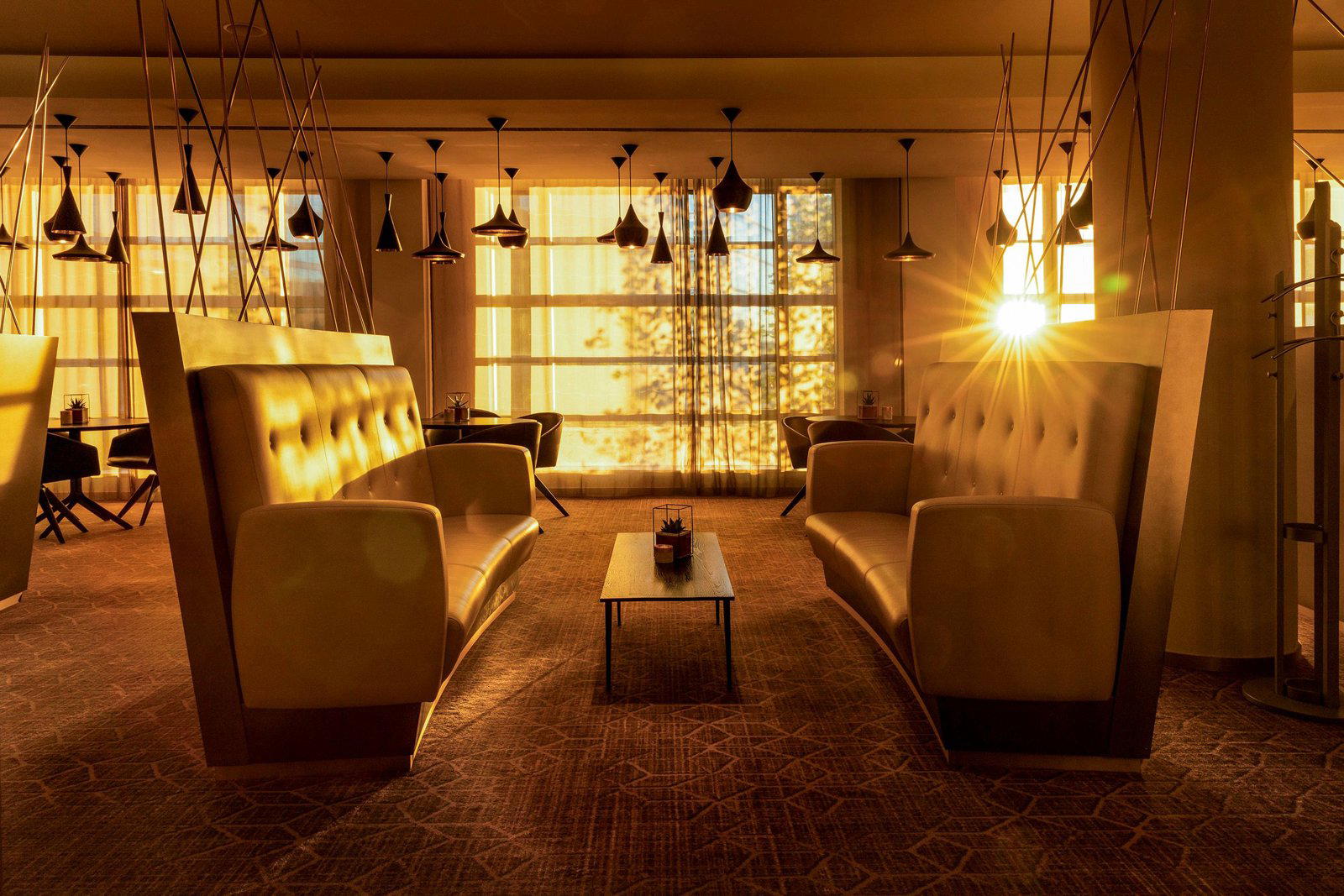
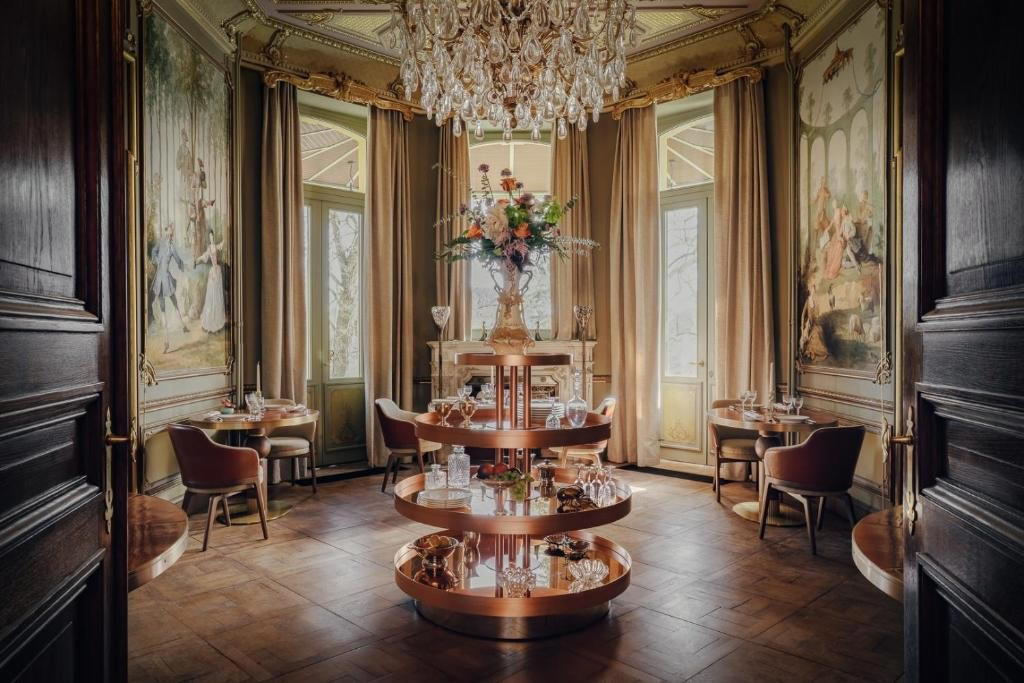
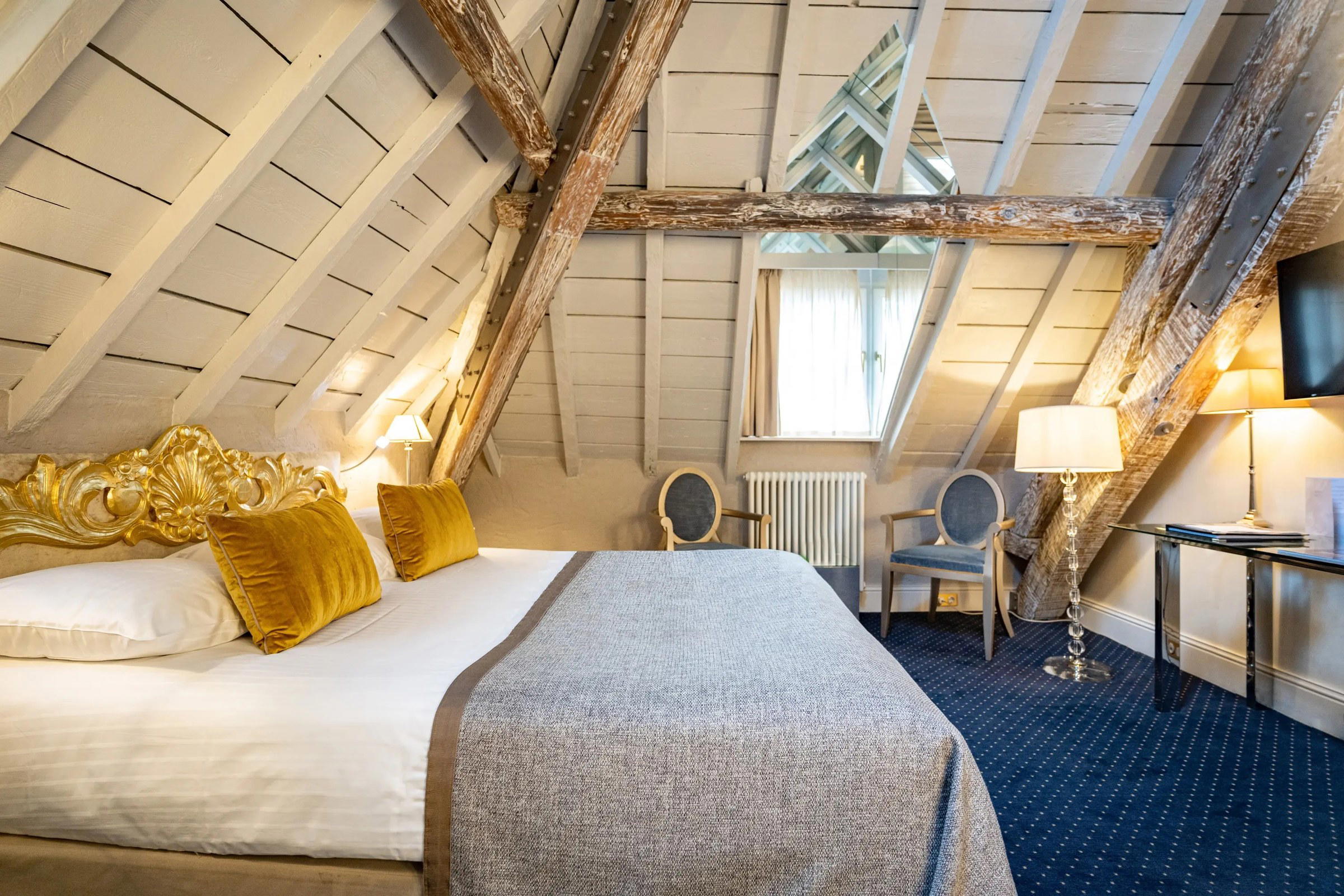
Warm, modern interior with strong wood presence, tasteful tropical decor, cozy yet lively atmosphere.