L'Arsenal occupies a storied address on Place de l'Arsenal in Nancy, a city whose dining scene draws more seriously on Lorraine's agricultural heritage than most visitors expect. The room's historic bones sit within a neighbourhood that rewards those who look past the headline grandeur of Place Stanislas. For Nancy's wider restaurant context, see our full city guide.
Pearl is the En Primeur Club membership app — saves, bookings, and concierge access live there. Same editors, same standards.
- Address
- 24 Pl. de l'Arsenal, 54000 Nancy, France
- Phone
- +33383321101
- Website
- restaurant-l-arsenal.fr
- Directions
- Get directions
 Saves & bookings on Pearl
Place de l'Arsenal and the Lorraine Dining Tradition
L'Arsenal is a restaurant in Nancy, France, serving Regional French Bistro cooking. Visitors arrive for Place Stanislas, the gilded 18th-century square that anchors the old town, and often eat wherever is nearest and most visible. The more considered addresses tend to sit a short walk away, on quieter squares and side streets where rents are lower and the cooking tends to be more focused. Place de l'Arsenal belongs to that second category: a historic address that carries weight without the tourist-facing pressure of the grand place.
Lorraine as a culinary region is frequently underread by those who associate northeastern France almost entirely with Alsace. The two regions share a border and some Germanic culinary logic, but Lorraine's kitchen tradition is distinct. It is a region of quiches, mirabelle plums, bergamot-flavoured sweets, and a strong cattle and dairy culture that shapes how even modern kitchens here approach their menus. The proximity to the Meuse and Moselle river systems also means freshwater fish has historically featured alongside the red meat that dominates the region's rustic cooking. Any serious address in Nancy inevitably draws on this supply chain, whether explicitly or as quiet background to a more contemporary format.
What L'Arsenal Represents in Nancy's Current Restaurant Tier
Nancy's dining options now spread across several price and format tiers. At the entry level, places like Cadet (Modern Cuisine) and the accessible neighbourhood cooking at Bistrot Gros (Modern Cuisine) serve a younger, local crowd with contemporary plates at moderate prices. Mid-tier modern addresses such as Au Grand Sérieux bring more technique and a tighter sourcing focus. At the upper end, La Maison dans le Parc (Modern Cuisine) operates in the premium bracket with a room and format to match. Bastion represents another strand of the city's evolving offer.
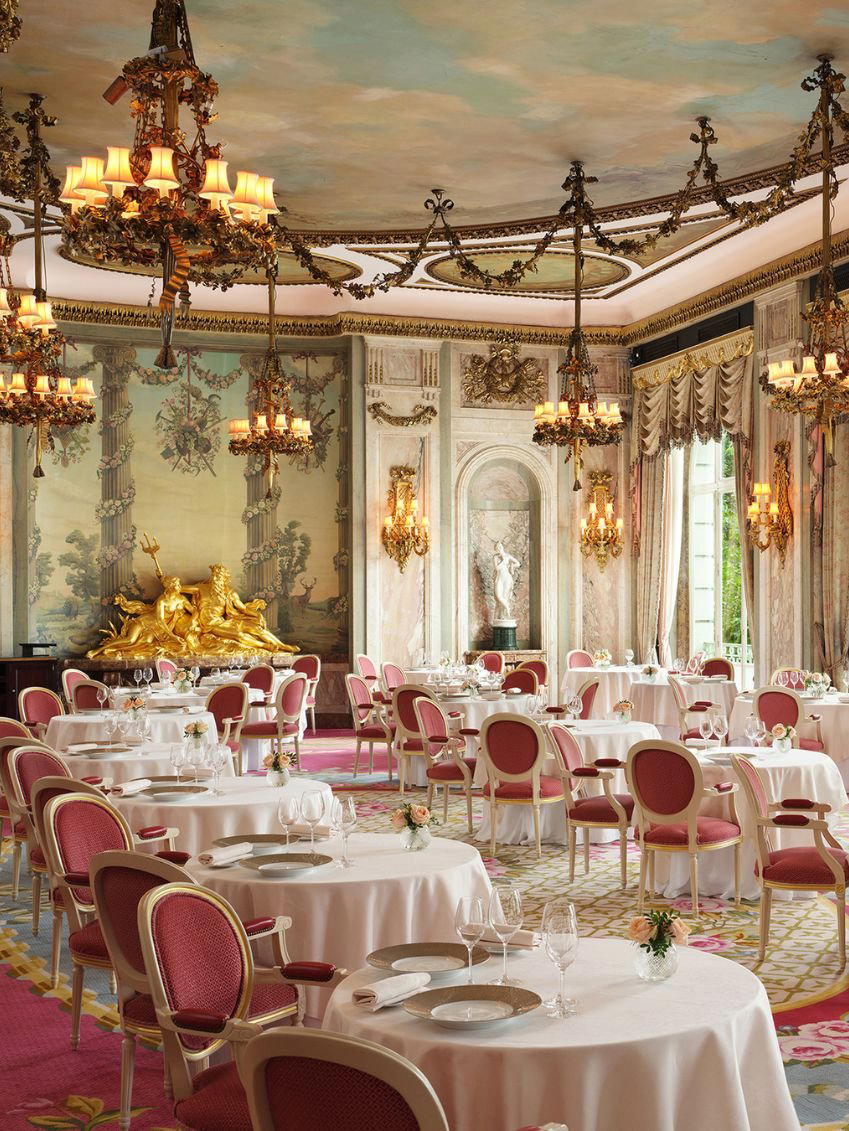
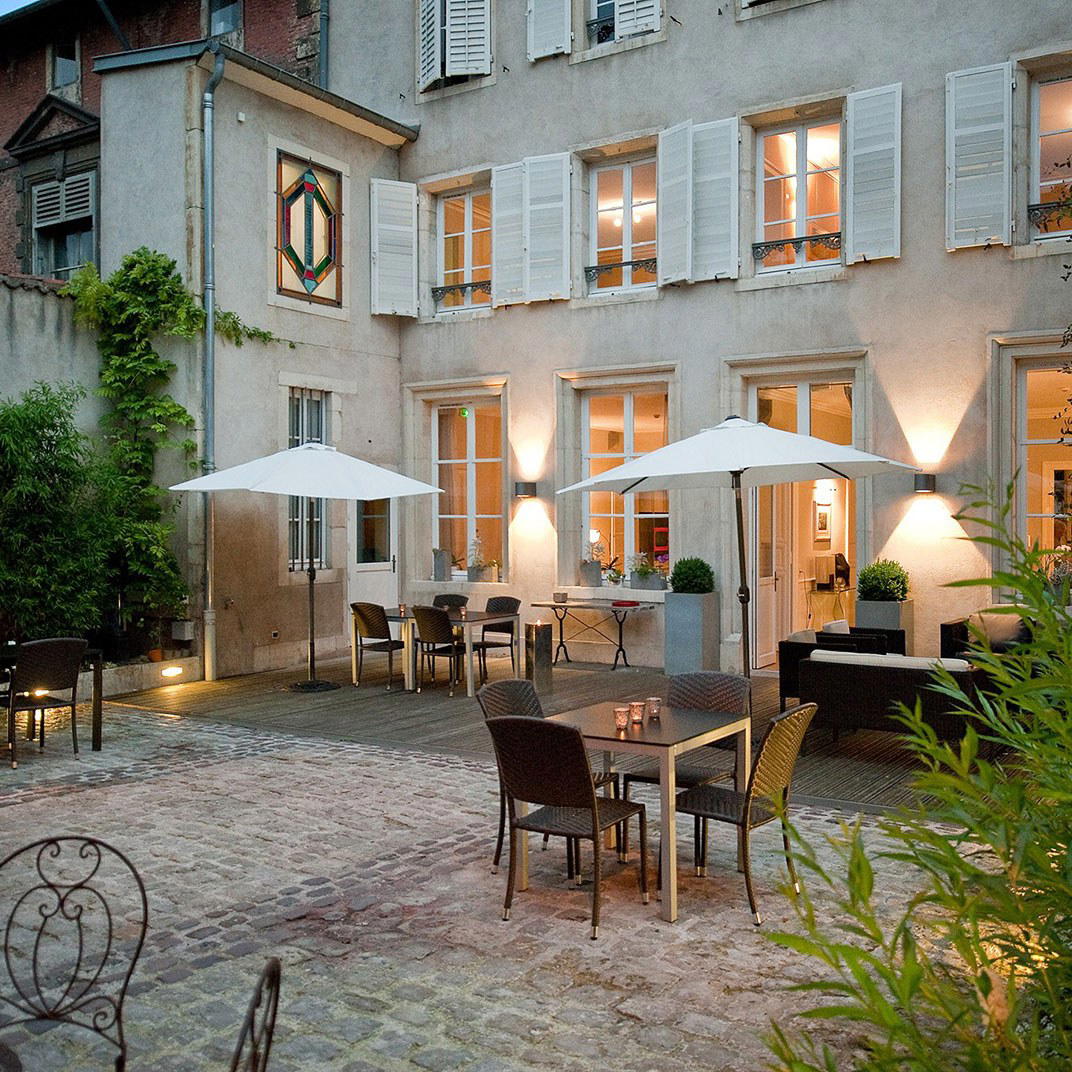
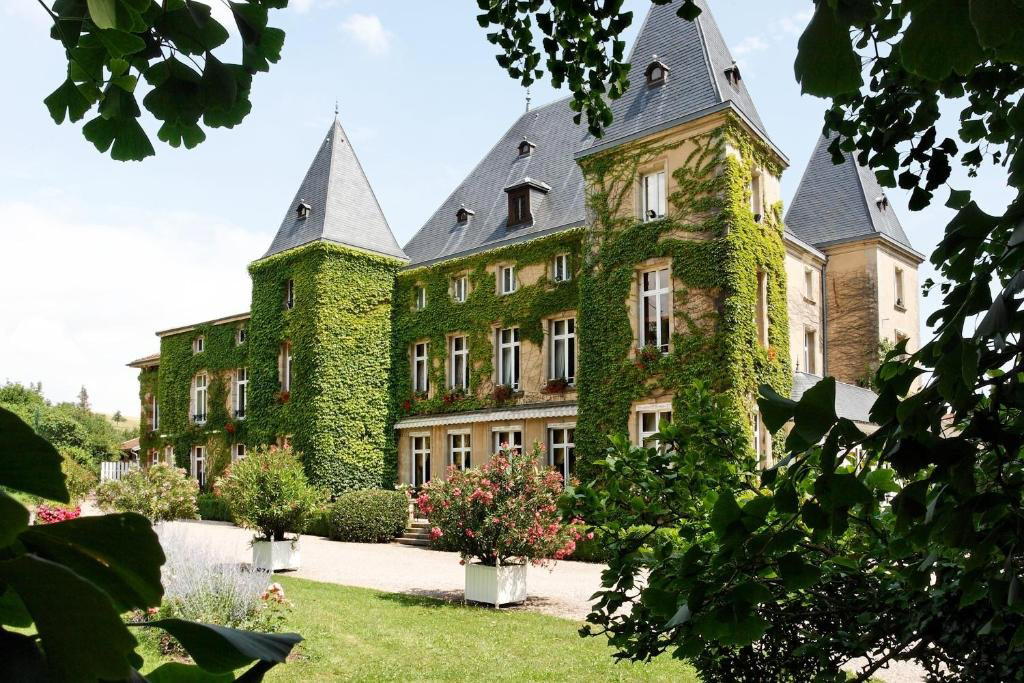
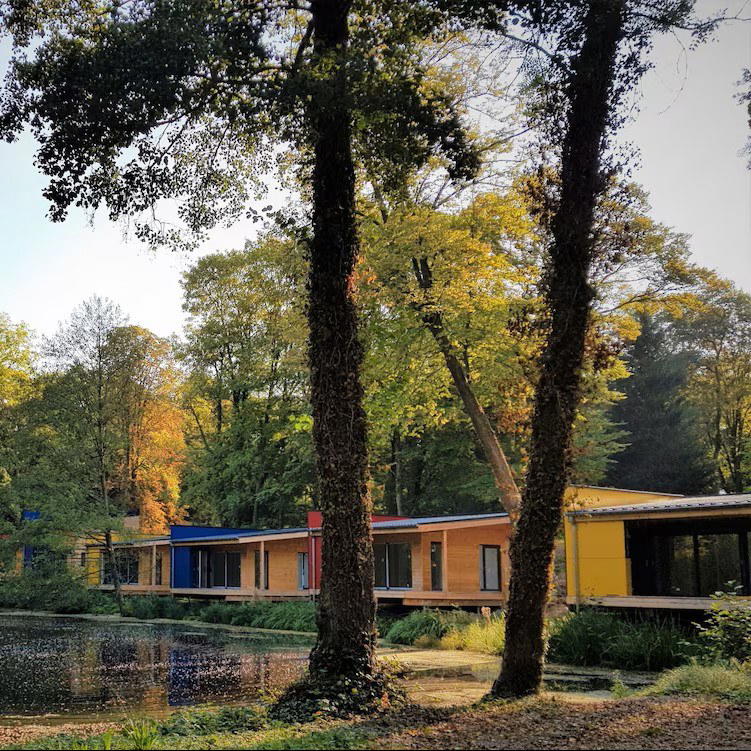
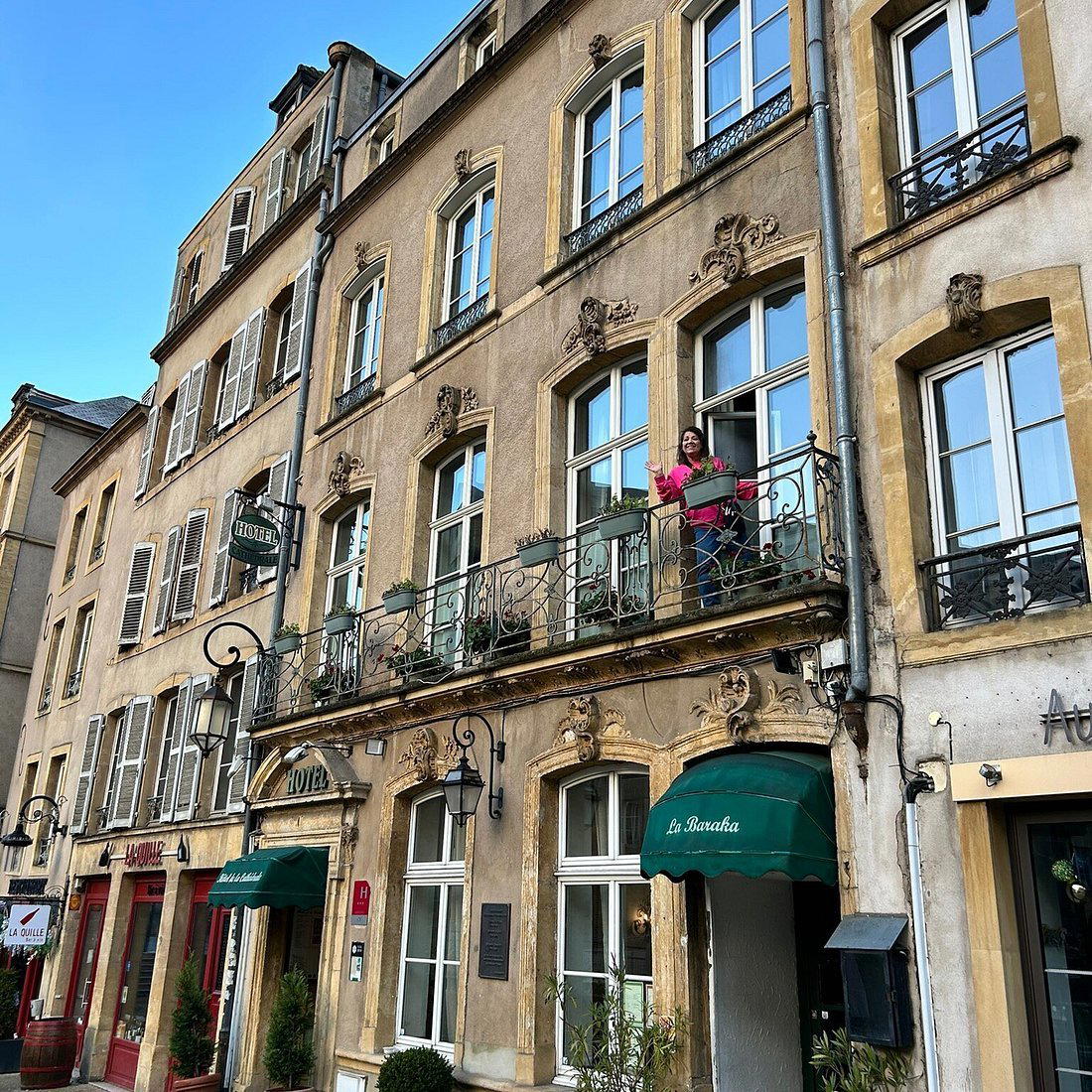
The restaurant on Place de the restaurant sits within this ecosystem as an address defined by its physical setting as much as its kitchen. The building itself, positioned on one of Nancy's historically significant squares, lends the experience a kind of civic seriousness that newer openings in renovated industrial or retail spaces cannot replicate. In French regional cities, this matters: a room with genuine architectural heritage communicates something about continuity, about a relationship to place that is not manufactured for effect.
Ingredient Sourcing and the Lorraine Supply Chain
The broader argument for eating seriously in Nancy rather than simply passing through rests on access to Lorraine's agricultural output. The region produces some of France's more distinctive raw materials: Mirabelle de Lorraine holds a protected geographical indication, making Nancy and its surroundings the only zone where the genuine article is grown commercially in volume. Lorraine cattle, while less famous than Charolais or Limousin breeds to the south and west, contribute to a local beef and dairy culture that supplies restaurants across the region without the long-distance sourcing that burdens kitchens in larger cities.
Chefs working at addresses on Place de the restaurant and the surrounding streets draw on this without necessarily making it a marketing narrative. In contrast to destination restaurants in more tourist-facing regions, where provenance signalling has become almost obligatory on menus, Lorraine kitchens often treat local sourcing as a baseline assumption rather than a point of differentiation. The mirabelle appears in sauces, in desserts, and in the digestif culture that follows dinner here in a way that feels embedded rather than curated. This is one of the genuine pleasures of eating in the northeast: the relationship between the table and the territory around it tends to be functional and unperformed.
For comparison, consider how sourcing operates at the upper end of French fine dining elsewhere. At Bras in Laguiole, the Aubrac plateau's herbs, mushrooms, and cattle define the menu explicitly. At Flocons de Sel in Megève, Alpine altitude shapes the supply. At Mirazur in Menton, the kitchen's proximity to both the Mediterranean and the Italian border is the central culinary argument. Nancy addresses a different kind of terroir: continental, agricultural, rooted in river valleys and orchards rather than coast or mountain.
Nancy in the Context of France's Northeast Dining Circuit
The northeast of France operates as a coherent dining circuit for those who plan accordingly. Strasbourg, with its Alsatian tradition and addresses like Au Crocodile, sits roughly 150 kilometres east of Nancy by road. Reims, home to Assiette Champenoise, lies to the west. Nancy occupies the middle of this triangle, connected by the A31 and the TGV network, making it a logical stop on a longer route rather than a detour. The city's train station handles direct services from Paris Est, with journey times that make a day trip viable, though the neighbourhood around Place de the restaurant rewards an overnight stay.
The comparison set for serious eating in provincial France has widened considerably. Addresses like Auberge de l'Ill in Illhaeusern and Troisgros - Le Bois sans Feuilles in Ouches established the model of destination dining outside Paris that the French regions have pursued for decades. What has changed is the depth of the field below that summit: cities like Nancy now sustain several credible addresses across different price points, reducing the risk for a traveller who commits to a longer regional stay. Further afield, French-influenced technical cooking at Le Bernardin in New York City or the cross-cultural precision of Atomix in New York City illustrates how French culinary logic travels internationally, but the argument for eating in the source region remains strong: the supply chain is shorter, the ingredients are in their correct season, and the cultural context is intact.
Planning Your Visit
The restaurant is located at 24 Place de the restaurant, 54000 Nancy, a square that sits within comfortable walking distance of the city's historic core and the main train station. The restaurant is recommended for reservations and is closed on Monday and Sunday. The city rewards planning: Place Stanislas and the adjoining Place de la Carrière are UNESCO-listed and best appreciated without the peak summer crowds, making shoulder-season visits in spring or early autumn a practical choice.
At-a-Glance Comparison
Comparable venues nearby, for context on price, style, and recognition.
| Venue | Cuisine | Price | Notes |
|---|---|---|---|
| L'ArsenalThis venue — the venue you are viewing | Regional French Bistro | $$$ | Not listed |
| Grand Café Foy | Traditional French Brasserie | $$ | Place Stanislas |
| LA COUR DES ARTS | Seasonal French Bistro | $$ | Place Stanislas |
| Les Frères Marchand | Traditional French Lorraine & Alsatian Brasserie | $$ | vieille ville |
| Vins et Tartines | French Tartine Bistro & Wine Cave | $$ | centre-ville |
| TT Histoire | Modern French-Armenian Fusion Bistronomie | $$$ | Place Stanislas |
Continue exploring
More in Nancy
Restaurants in Nancy
Browse all →

At a Glance
- Elegant
- Sophisticated
- Date Night
- Special Occasion
- Private Dining
- Extensive Wine List
- Local Sourcing
- Street Scene
Current opening hours
- Monday
- Closed
- Tuesday
- 12–2 PM, 7–11 PM
- Wednesday
- 12–2 PM, 7–11 PM
- Thursday
- 12–2 PM, 7–11 PM
- Friday
- 12–2 PM, 7–11 PM
- Saturday
- 12–2 PM, 7–11 PM
- Sunday
- Closed
Hours can change for holidays and private events. Last verified .
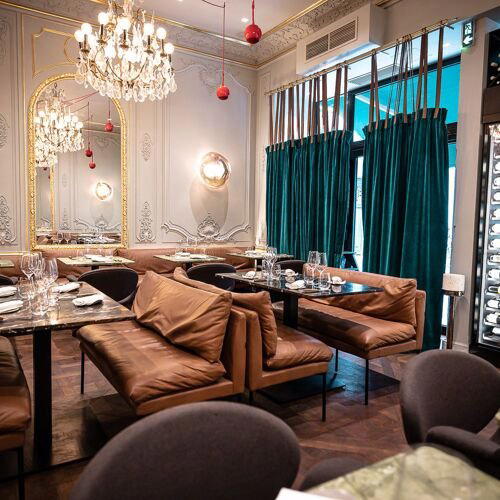
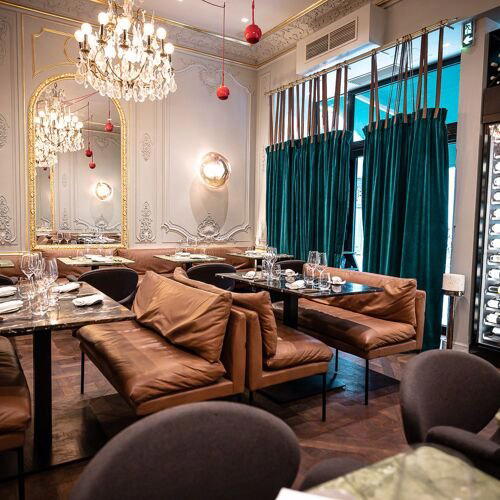
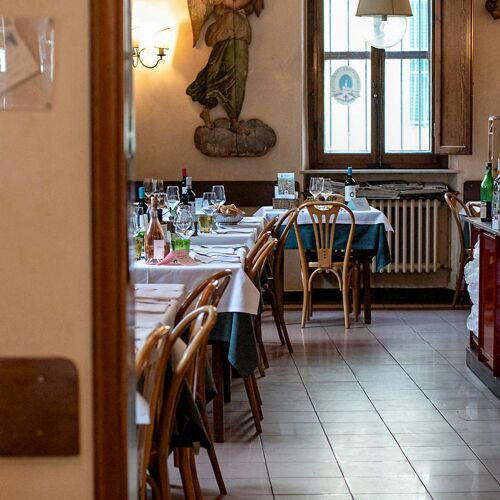
Pleasant and elegant setting with warm welcome and low-key atmosphere.