La Bursch

A converted village in the Cervo Valley, La Bursch brings together sustainable hospitality and ingredient-led cooking under young chef Erika Gotta. The restaurant occupies spaces furnished with decades of collected textiles and antiques, creating an atmosphere that feels earned rather than designed. The kitchen draws on the leading of the surrounding Biella Alpine foothills, presenting territory-rooted dishes with a precise modern hand.
Pearl is the En Primeur Club membership app — saves, bookings, and concierge access live there. Same editors, same standards.
- Address
- Frazione Oretto, 22, 13812 Campiglia Cervo BI, Italy
- Phone
- +39 333 664 3508
- Website
- labursch.com
- Directions
- Get directions
 Saves & bookings on Pearl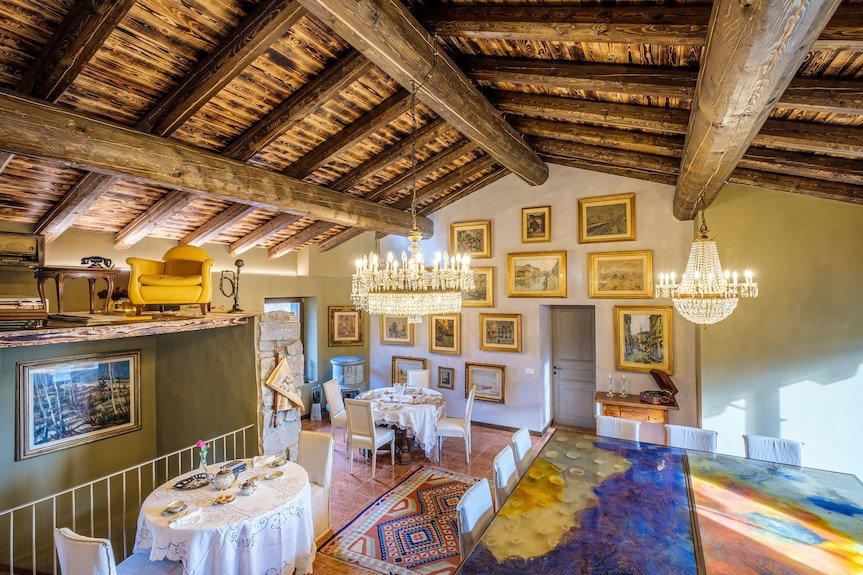
A Village Reborn in the Cervo Valley
The Cervo Valley, cutting through the Biella Alpine foothills in Piedmont's lesser-visited northeast, does not advertise itself. The road to Campiglia Cervo passes through terrain that most Italian food tourism bypasses entirely in favor of the Langhe or the Ligurian coast. That is precisely why what has been assembled at La Bursch carries weight. An entire hamlet, Frazione Oretto, has been converted into a structure dedicated to sustainable hospitality, with the restaurant at its centre. What you encounter on arrival is not a hotel with a dining room bolted on, but a considered ecosystem in which the kitchen and the place are genuinely continuous with each other.
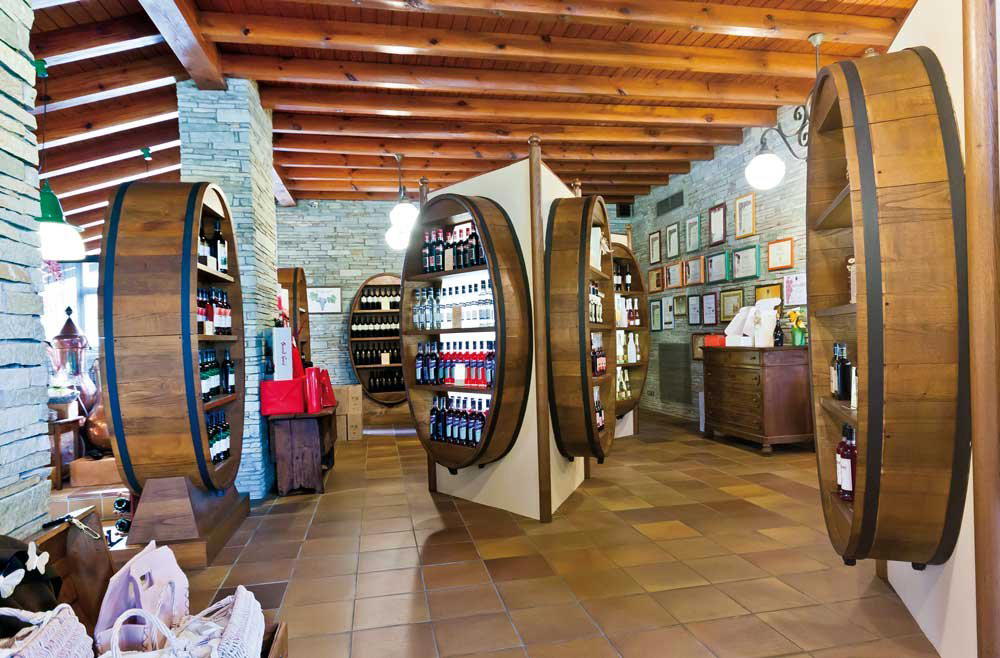
The interior reflects accumulation over time rather than a single design commission: furniture and fabrics gathered by the owning family over years, soft lighting calibrated for evening conversation, service that feels welcoming without performance. These are not incidental details. They are the conditions under which a certain kind of food makes sense, which is cooking that asks you to pay attention to where ingredients come from rather than to technical spectacle for its own sake.
Territory on the Plate: What the Cervo Valley Kitchen Looks Like
Alpine Piedmont produces a particular kind of ingredient story. The valley's elevation, microclimate, and farming traditions push producers toward breeds, grains, and foraged materials that rarely reach urban restaurant supply chains. In northern Italy's broader fine dining conversation, which runs through the three-Michelin-star addresses of places like Piazza Duomo in Alba, Osteria Francescana in Modena, or Le Calandre in Rubano, the emphasis on local sourcing is often framed as a statement of culinary identity. At La Bursch, the framing is more elemental: the valley is simply what is here, and the kitchen works from that fact outward.
Chef Erika Gotta, described in editorial coverage of the restaurant as young, operates within this logic. The dishes present territory-sourced ingredients in carefully prepared, visually precise compositions, with a modern touch that lightens classic forms rather than replacing them. The beef Wellington, cited in coverage as an example of the kitchen's precision, is instructive: a preparation with deep European roots, reworked with the kind of attention to texture and weight that reflects a cook thinking seriously about technique. The broader menu follows the same principle, using the Cervo Valley's leading materials as the primary argument and refinement as the secondary one.
This positions La Bursch within a pattern visible across northern Italy's smaller, location-anchored restaurants: the idea that genuinely local sourcing is itself a form of editorial curation, because the ingredient list of a specific Alpine valley is inherently different from what arrives at a city kitchen. Compared to the creative-Italian registers of Reale in Castel di Sangro or the Adriatic product focus at Uliassi in Senigallia, the restaurant operates at a smaller scale and with a less decorated public profile, but the underlying logic is recognizable: place before technique, ingredient before gesture.
Sustainable Hospitality as a Structural Commitment
The word sustainable is used broadly enough in hospitality to be nearly meaningless in most contexts. At the restaurant, it refers to something more structural: the conversion of an entire village fraction as a hospitality unit, a family-led ownership model, and a kitchen philosophy anchored in what the surrounding territory produces. These are not marketing claims layered over a conventional hotel-restaurant operation. They describe the actual shape of the enterprise, in which the hospitality structure and the food sourcing logic are built on the same foundation.
This approach has precedent in northern Italian Alpine hospitality, where agriturismo culture and the slow-food tradition have long encouraged structures that tie kitchen identity directly to land and producer relationships. What the restaurant adds to that tradition is a restaurant register with enough technical ambition to sit in fine-dining conversation, rather than simply offering regional comfort food in a rural setting. The result is a place that serves the Biella hills in a form that takes the ingredients seriously.
Where La Bursch Sits in the Wider Italian Fine Dining Picture
Italy's fine dining tier at its upper end runs through addresses with long award histories and international recognition: Dal Pescatore in Runate, Enoteca Pinchiorri in Florence, Enrico Bartolini in Milan, Atelier Moessmer Norbert Niederkofler in Brunico. The restaurant does not occupy that tier in terms of Michelin recognition or international profile. What it represents is a different value proposition: a remote, family-built structure where the identity is formed by place rather than by accumulated awards, and where a young chef is working through a kitchen vocabulary that takes its cues from the valley outside rather than from a curriculum of stage kitchens.
For the travelling reader used to planning around Casa Perbellini in Verona or Quattro Passi in Marina del Cantone, the restaurant requires a different kind of routing decision. It is not a detour on the way to somewhere else; the Cervo Valley is a destination in itself, and the restaurant functions as the central reason to make the trip. That framing should shape how you think about the visit. Come for the valley, stay for what the kitchen does with it.
Planning a Visit to La Bursch
Campiglia Cervo sits in the Biella province of Piedmont, in a part of northern Italy where the infrastructure for international tourism is modest. Reaching Frazione Oretto requires driving into the valley rather than arriving by rail or frequent public transport, which means building the visit around a stay in the village structure itself makes practical sense. The sustainable hospitality model at the restaurant is set up to accommodate that: this is a place designed for arrival with enough time to absorb where you are, not a dinner reservation between two other cities.
Given the scale of the operation, a converted village fraction with a single restaurant guided by a young chef, advance planning is advisable, particularly in the warmer months when the Biella hills draw walkers and cyclists from the broader Piedmont region.
Side-by-Side Snapshot
Comparable venues nearby, for context on price, style, and recognition.
| Venue | Cuisine | Price | Awards | Notes |
|---|---|---|---|---|
| La BurschThis venue — the venue you are viewing | Modern Piedmontese Regional Cuisine | $$$ | Michelin Plate | Not listed |
| Gina casa con cucina | Modern Italian | $$$ | Michelin Plate | Aosta center |
| Koinè | Modern Italian Fine Dining | $$$ | Michelin Plate | city center |
| La Luge | Aosta Valley Italian | $$$ | Michelin Plate | Breuil-Cervinia |
| Pinocchio | Traditional Piedmontese | $$$ | Michelin Plate | Borgomanero |
| Antica Locanda del Villoresi | Modern Italian Seafood | $$$ | Michelin Plate | Nerviano |
Recognition history
Dated appearances from independent guides and award organizations, with the underlying list record or original source where available.
Michelin Plate
Michelin
Continue exploring
More in Campiglia Cervo
Restaurants in Campiglia Cervo
Browse all →
Bars in Campiglia Cervo
Browse all →
Hotels in Campiglia Cervo
Browse all →
Wineries in Campiglia Cervo
Browse all →
At a Glance
- Romantic
- Cozy
- Rustic
- Elegant
- Intimate
- Date Night
- Special Occasion
- Garden
- Historic Building
- Open Kitchen
- Extensive Wine List
- Local Sourcing
- Farm To Table
- Mountain
- Garden
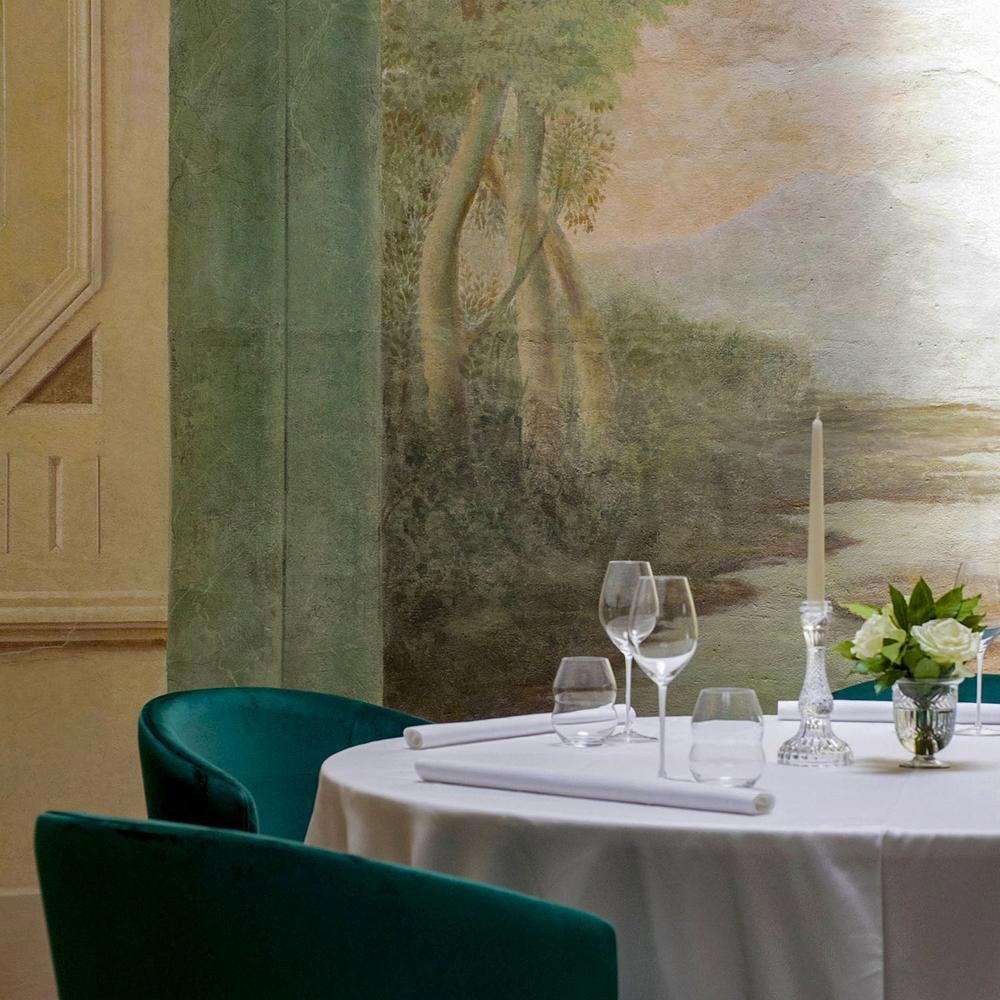
Soft lighting in spaces enhanced by antique furniture and fabrics, creating a magical, welcoming, and ancient luxurious atmosphere.