Pinocchio

Michelin Plate
Our verdict
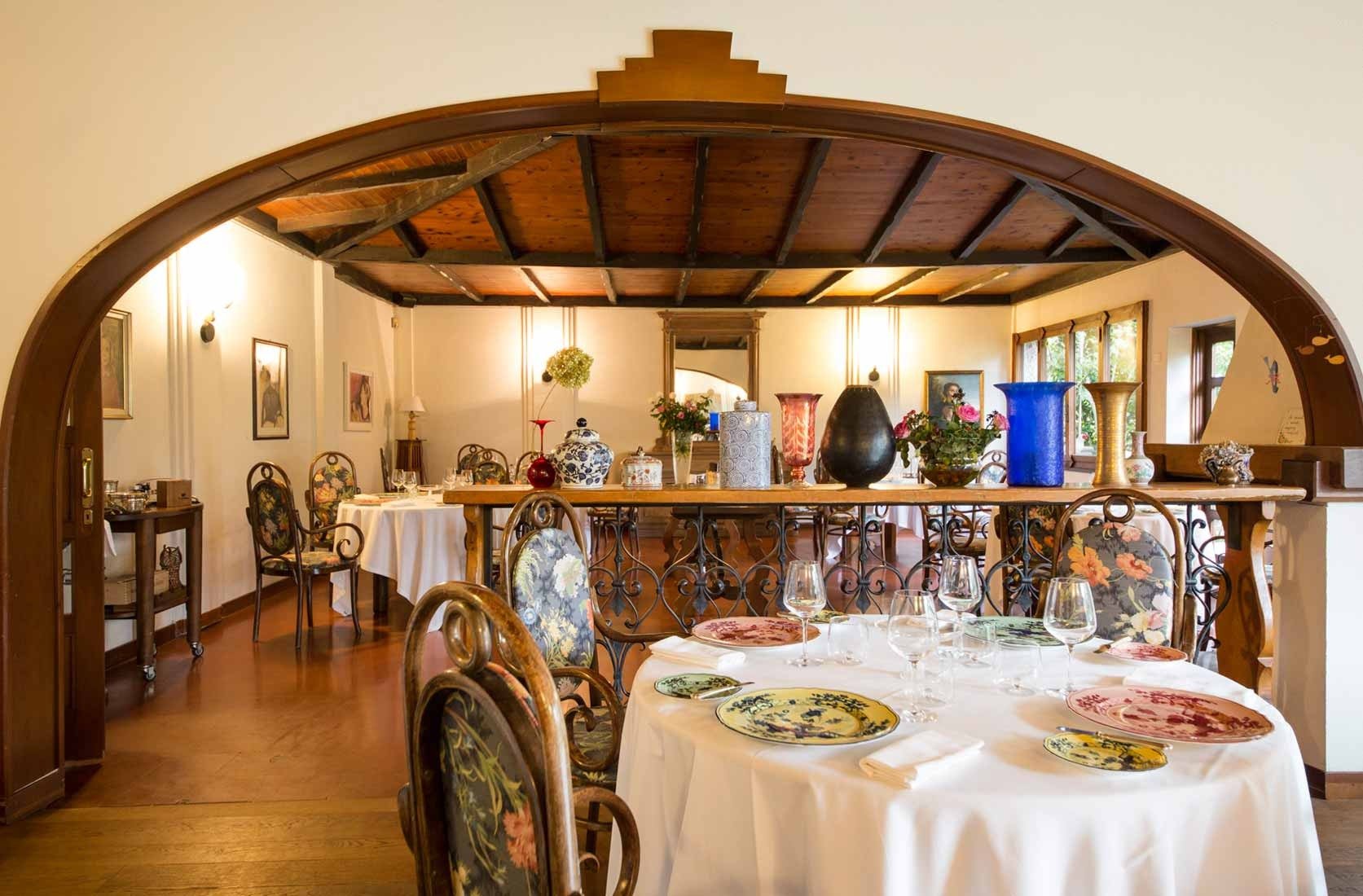
A family-run institution on via Matteotti in Borgomanero, Pinocchio has held its reputation across decades by staying close to the Piedmontese table rather than chasing trends. The classic dining room frames a menu built around regional staples, from the kitchen's celebrated take on paniscia to a rotating selection of both salt- and freshwater fish. It is the kind of serious, unhurried cooking that the province does well.

Pearl is the En Primeur Club membership app, where members save venues, book tables and use the concierge.
The menu
What to order
- Paniscia
- Agnolotti del Presidente
- Zabaglione
A Dining Room That Refuses to Perform
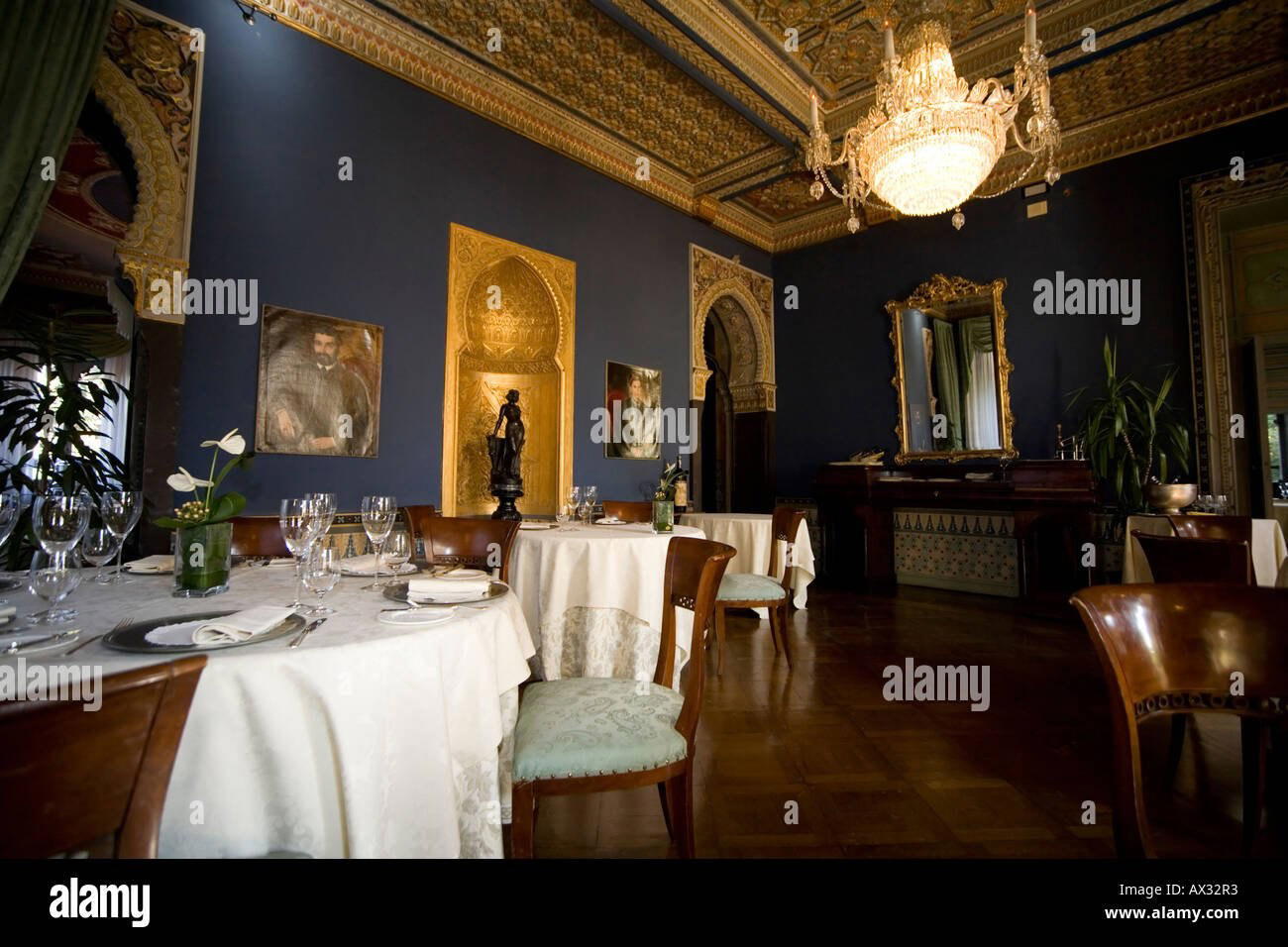
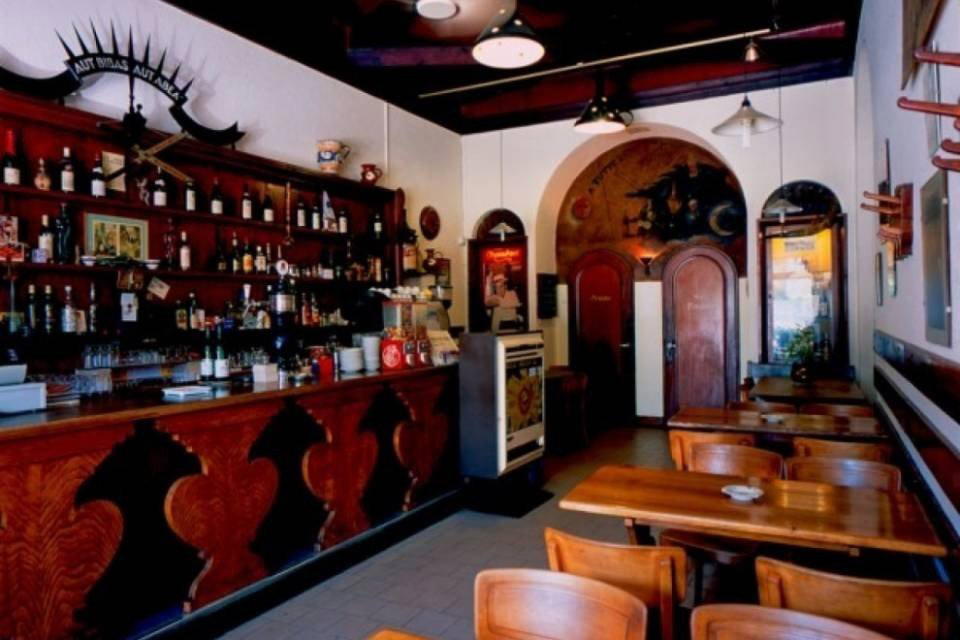
There is a particular kind of restaurant that northern Italy does better than almost anywhere: the family-run sala that has earned its standing not through reinvention but through consistency. Borgomanero, a mid-sized town in the province of Novara sitting between the Lago d'Orta and the Piedmontese wine country further south, has one such room at via Matteotti 147. Pinocchio's dining room reads as deliberately unfashionable, no raw concrete, no open kitchen theatre, no ambient soundtrack calibrated to a mood board. What you get instead is a classic-style sala where the decor signals that the kitchen, not the room, is the point. In a northern Italian dining culture that produced temples of invention such as Osteria Francescana in Modena and Le Calandre in Rubano, there remains a separate and equally serious tradition of family restaurants where generational knowledge and regional fidelity are the credentials. Pinocchio sits squarely in that second category.
What Piedmont Grows, the Kitchen Uses
The Piedmontese table is one of the most ingredient-specific in Italy. The province of Novara contributes its own strand: the rice paddies of the Novarese lowlands, the freshwater fish of the lakes, the preserved meats and vegetables that define the peasant-origin dishes now considered regional classics. Pinocchio's menu is built on these sources, and the kitchen's approach makes the provenance visible rather than implicit. The paniscia, a rice dish cooked with borlotti beans, salami and vegetables that functions as Novara's answer to a risotto, appears here in a version that demonstrates exactly what thoughtful sourcing looks like in practice. Rather than incorporating the vegetables directly into the rice, the kitchen adds them as a vegetable cream layered on leading at service. The result is both a visual and textural argument: the ingredients remain identifiable, their origin readable, their treatment a step removed from the long-cooked amalgamation of older farmhouse versions. It is the kind of adaptation that earns the word contemporary without abandoning what the dish is for.
The broader Piedmontese context matters here. Risotto culture in Novara is distinct from the Milanese tradition: the local Vialone Nano and Arborio strains, grown in paddies that stretch across the flatlands between the town and the river systems to the east, produce a grain with different starch behaviour and a slightly different finish on the palate than the rice used in Lombardy. Restaurants that take the sourcing seriously, and the kitchen's treatment of paniscia suggests this one does, are working with raw material that has been cultivated and selected over generations. For comparison, the mountain-focused sourcing philosophy at Atelier Moessmer Norbert Niederkofler in Brunico or the Mantuan agricultural depth behind Dal Pescatore in Runate operates on similar principles, just rooted in entirely different microclimates and traditions.
The Fish Question in a Landlocked Province
One of the less-discussed aspects of Piedmontese cooking is its relationship with fish. The region has no coastline, but the lakes of the prealpine zone and the river systems feeding down from the Alps have sustained a freshwater fish culture for centuries. Pinocchio's menu maintains a standing section of fish-based dishes that draws on both freshwater species and salt-water fish, the latter arriving via the supply chains that have long connected the Piedmontese interior to the Ligurian coast. This dual-source approach is characteristic of the serious trattorias and ristoranti in the lake district: the Lago d'Orta, sitting just to the northwest of Borgomanero, has historically provided the local kitchen with perch, trout and other freshwater species, while the Ligurian routes explain the presence of Mediterranean fish in a region with no beach within easy reach. Restaurants that handle both categories with the same seriousness as the meat and rice dishes are a particular feature of this corner of Piedmont, and Pinocchio's menu reflects that dual inheritance. For a useful counterpoint in how a coastal Italian kitchen approaches the same fish-sourcing question, the work at Uliassi in Senigallia or Quattro Passi in Marina del Cantone shows how different the raw material becomes when the sea is at the door rather than a supply chain away.
Family Operations and What They Sustain
The recognition Pinocchio has accumulated describes the restaurant as well run by a highly professional and experienced family, a phrase that, in Italian dining, carries more weight than it might appear to. Family-run operations at this level tend to sustain quality across longer periods than chef-driven projects because succession and institutional memory are built into the model. The professional consistency noted in the assessments, not just the food but the service and the running of the room, points to a restaurant that has been doing this long enough to have eliminated the variables that affect younger establishments. The dining culture of northern Italy, from the Michelin-heavy addresses like Piazza Duomo in Alba or Enoteca Pinchiorri in Florence down to the regional staples, is built on a mix of both: the marquee destinations and the reliable family institutions that surround them. Pinocchio occupies the latter tier, which in this part of Italy represents a genuine and durable form of culinary seriousness.
Planning a Visit
Borgomanero sits in the province of Novara, making it accessible from Milan by train in under an hour and from the Lago d'Orta area in under thirty minutes by road, which places it within easy range of a wider northern Italian itinerary that might also include the wine country around Ghemme and Gattinara, both classified appellations in the province. The restaurant is at via Matteotti 147; booking in advance is advisable given the restaurant's standing and the limited scale typical of family operations in this category. The price range is, but the profile of the room and the style of cooking place it in the mid-to-upper bracket for the Novarese area rather than the €€€€ tier occupied by destination restaurants such as Enrico Bartolini in Milan or Reale in Castel di Sangro. For those building a broader Borgomanero itinerary, EP Club's guides to hotels, bars, wineries and experiences in the town cover the broader picture. The full Borgomanero restaurants guide provides the comparative context for where Pinocchio sits among the town's other serious options.
Frequently asked questions
Is Pinocchio suitable for children?
The family-run structure and classic-style dining room place Pinocchio broadly in line with northern Italian restaurants that accommodate families without friction. The menu's Piedmontese focus, risotto, salami, vegetables, fish, offers enough familiarity for younger diners, though the formal sala setting calls for a degree of composure rather than a casual evening out.
What should I expect atmosphere-wise at Pinocchio?
The dining room is a classic northern Italian sala: formally attentive, settled in its habits, and deliberately free of contemporary design gestures. Recognition for this restaurant consistently highlights the professional family operation behind it, which shapes the room's tone, efficient without being cold, and anchored in the kind of sustained competence that takes decades to establish.
Does Pinocchio have a Michelin star or similar recognition?
Pinocchio has received recognition including: This reliable restaurant is well run by a highly professional and experienced family. In the classic-style dining room, where the decor eschews fashionable trends, enjoy typical Piedmontese cuisine lightened by the occasional modern twist. ….
What dish is Pinocchio famous for?
The kitchen's paniscia draws the most consistent attention. This is the Novarese variant of risotto, built with beans, salami, and vegetables, and at Pinocchio, the vegetables arrive as a cream layered on top rather than cooked into the rice, adding colour and separating the textures in a way that reads as a considered modern adjustment to a firmly regional dish.
Where is Pinocchio in Borgomanero?
Pinocchio is located at via Matteotti 147, Borgomanero.
How hard is it to get a table at Pinocchio?
Book ahead. Restaurants with sustained critical recognition in smaller Piedmontese towns like Borgomanero tend to run at consistent occupancy, and Pinocchio's family-run model means the room size is fixed and service ratios are carefully managed. A reservation made several days in advance is a reasonable minimum; for weekend visits or larger groups, more lead time is advisable.
A Quick Peer Check
Comparable venues nearby, for context on price, style, and recognition.
| Venue | Cuisine | Price | Awards | Notes |
|---|---|---|---|---|
| PinocchioThis venue (the venue you are viewing) | Traditional Piedmontese | Not listed | Michelin Plate | Not listed |
| LeBolle | Modern Mediterranean Fine Dining | Not listed | Michelin Plate | Stresa |
| Nebbia | Modern Milanese Trattoria | Not listed | Not listed | Porta Ticinese - Conca Del Naviglio |
| Olona - "Da Venanzio" dal 1922 | Traditional Italian Trattoria | $50–100 | Michelin Plate | Induno Olona |
| Osteria Mercato | Modern Italian Seafood | Not listed | Michelin Plate | historical center |
| Feel Como | Modern Italian with Alpine & Lake Como Ingredients | $100–150 | Michelin Plate | Centro Storico (Historic Center) |
Recognition history
Dated appearances from independent guides and award organizations, with the underlying list record or original source where available.
Michelin Plate
Michelin · 2026 Michelin Plate
Continue exploring
More in Borgomanero
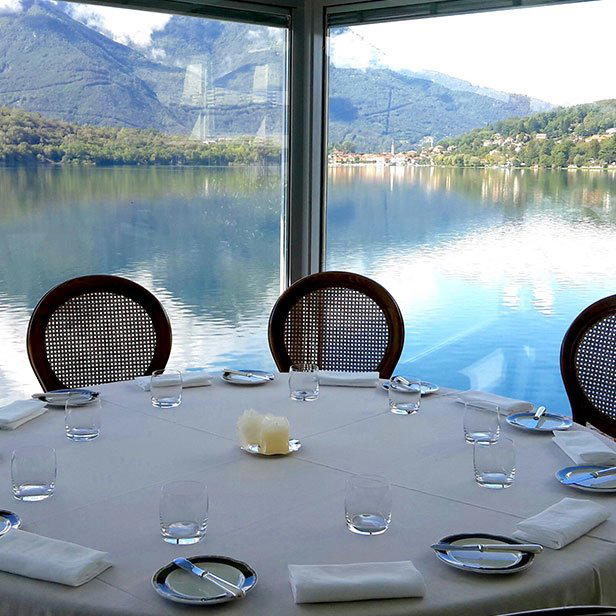
Restaurants in Borgomanero
All restaurants in Borgomanero →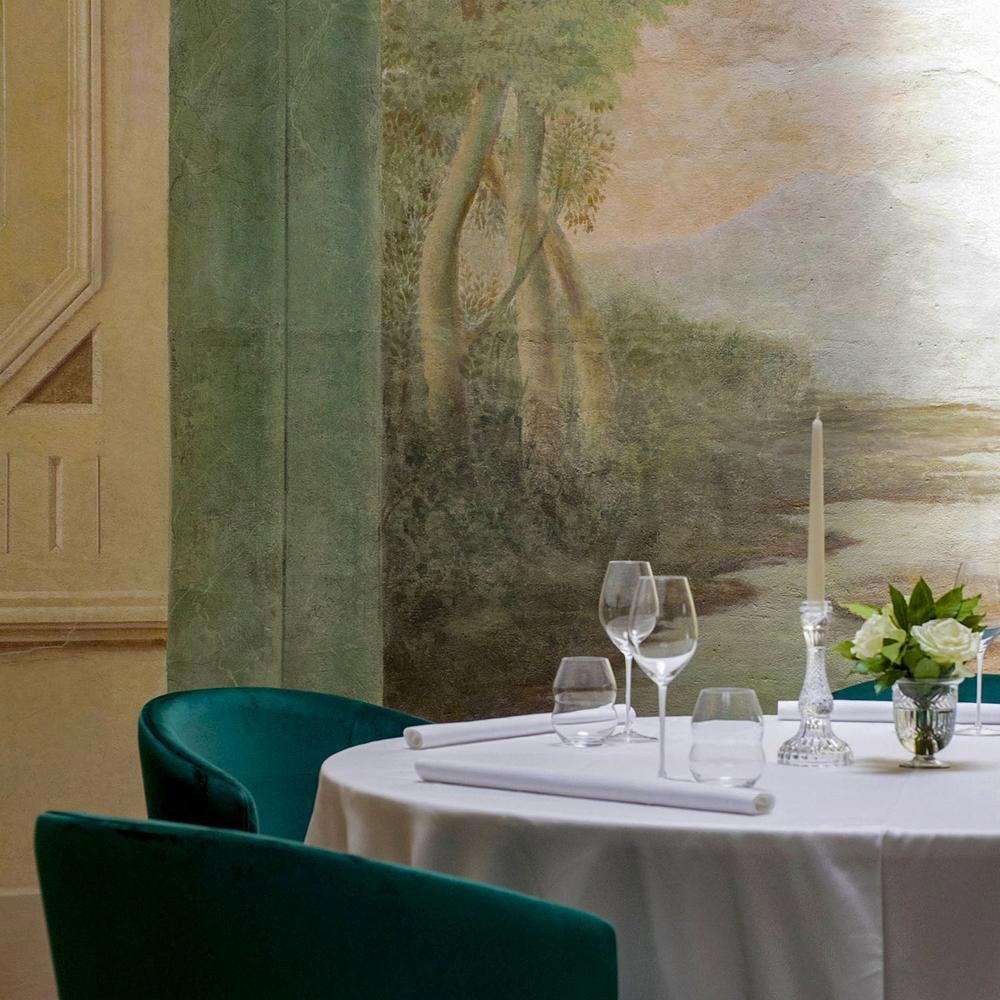
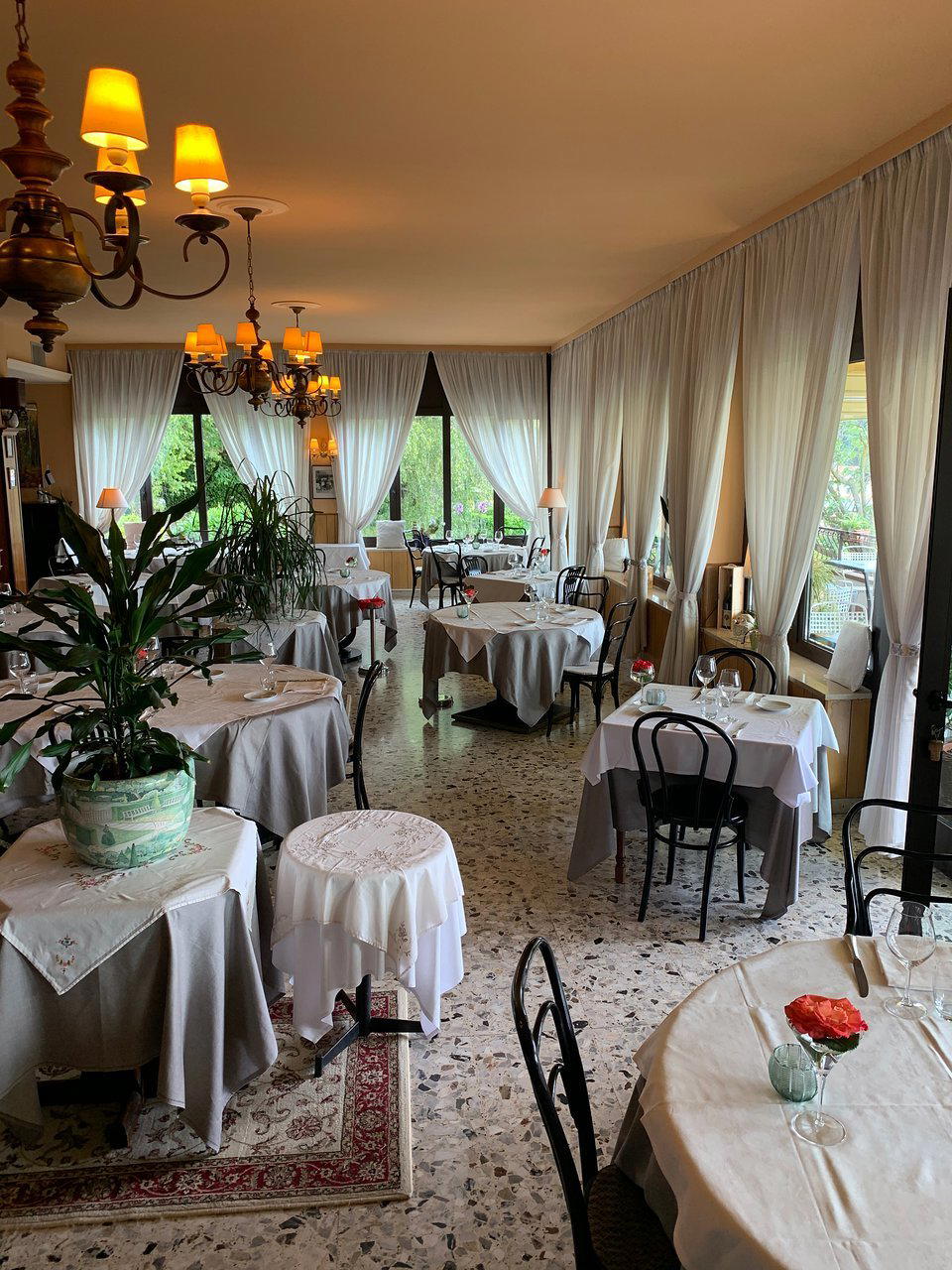
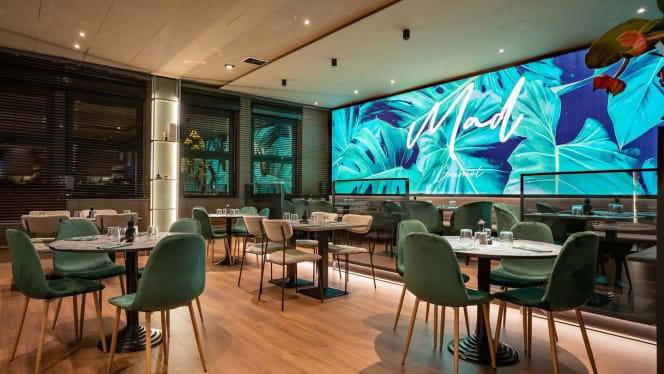
Bars in Borgomanero
Browse all →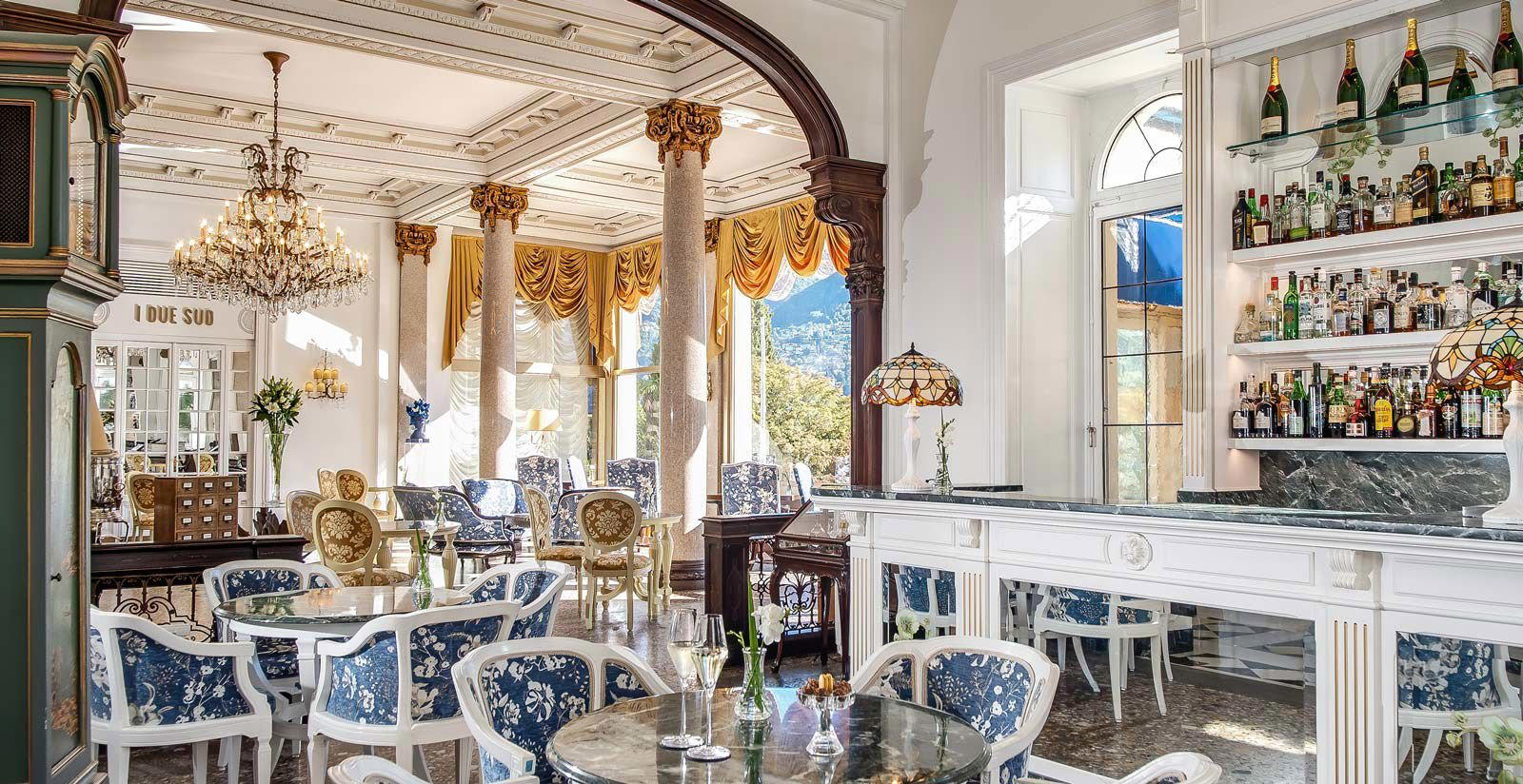

Details
- Classic
- Elegant
- Cozy
- Family
- Special Occasion
- Garden
- Extensive Wine List
- Local Sourcing
- Garden
- A La Carte
- Tasting Menu
- Vegetarian Friendly
- Gluten Free Options
Current opening hours
- Monday
- 12–2:30 PM, 7–11 PM
- Tuesday
- 12–2:30 PM, 7–11 PM
- Wednesday
- Closed
- Thursday
- 12–2:30 PM, 7–11 PM
- Friday
- 12–2:30 PM, 7–11 PM
- Saturday
- 12–2:30 PM, 7–11 PM
- Sunday
- 12–2:30 PM
Hours can change for holidays and private events. Hours as of .
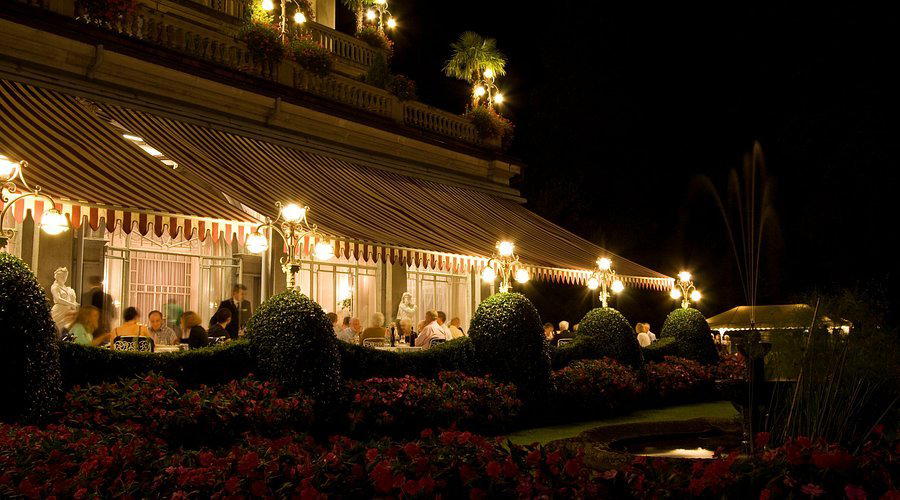
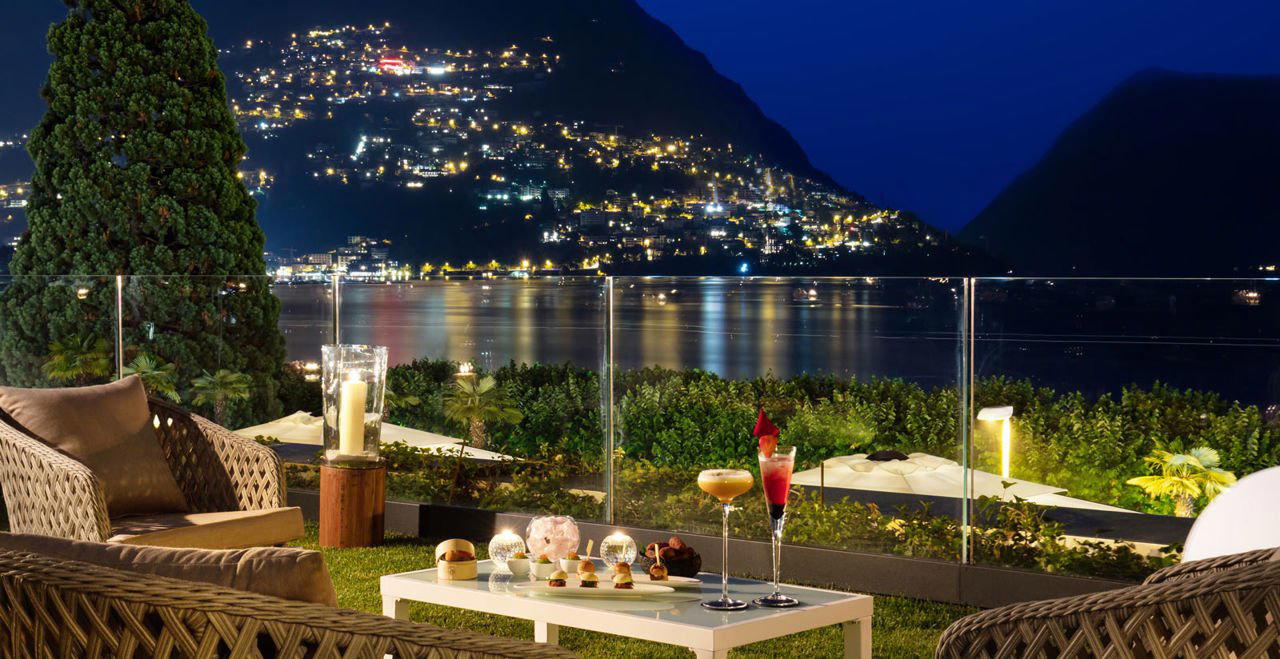
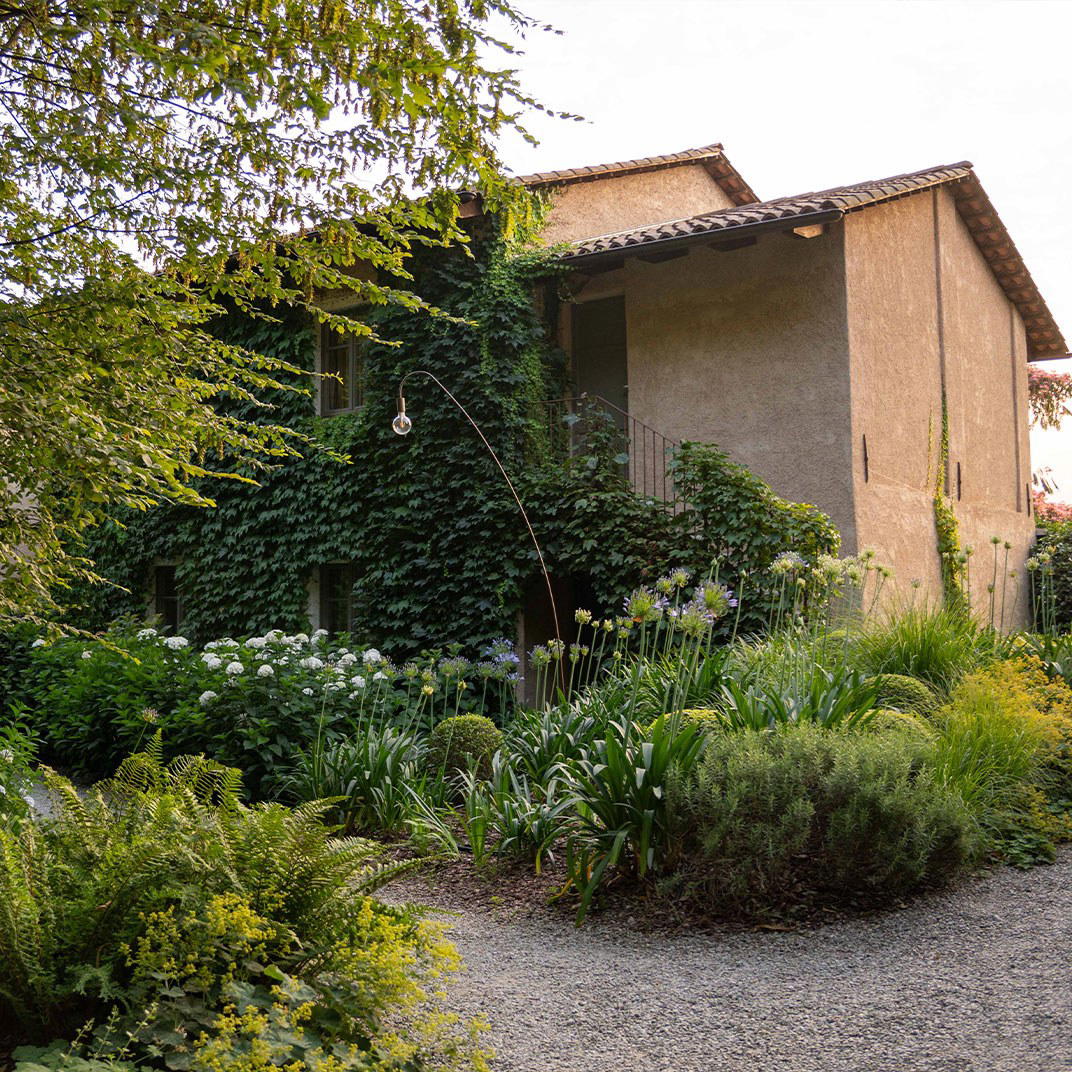
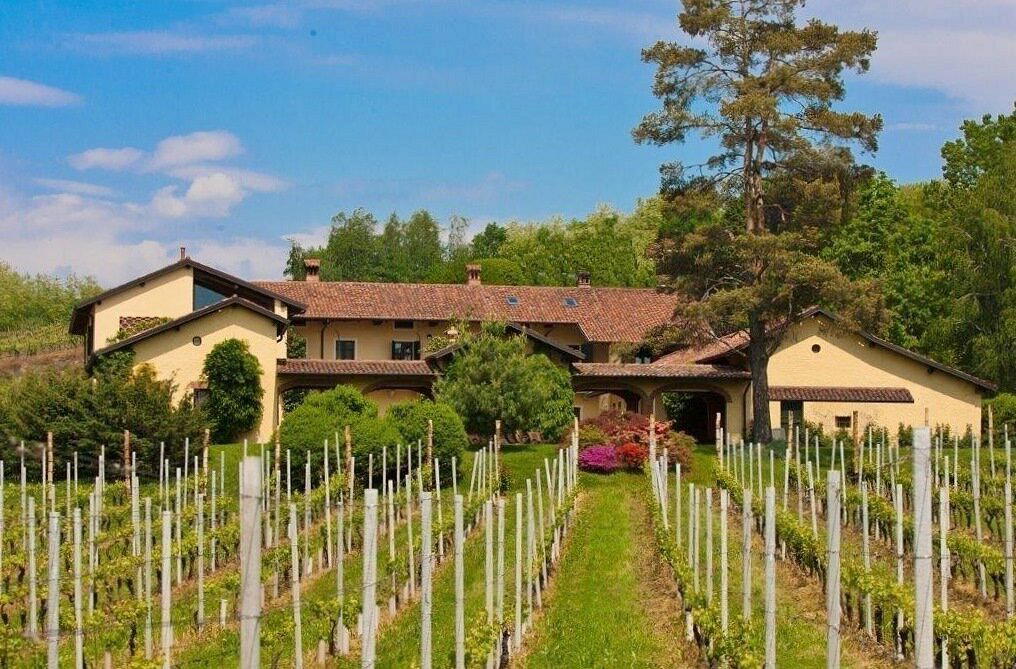
Classic-style dining room with warm, elegant, and relaxing atmosphere, though some note it feels dated; lovely garden for outdoor dining in good weather.