La Braciera sits on Via San Lorenzo in the residential fringes of Palermo, where the city's deep appetite for wood-fired cooking meets the agricultural produce of Sicily's interior. The name signals the format, braciera, the grill, and the approach is one that positions ingredient sourcing ahead of technique display. For visitors working through Palermo's broader dining scene, this is a reference point for understanding what the island's raw materials look like when left largely to speak for themselves.
Pearl is the En Primeur Club membership app — saves, bookings, and concierge access live there. Same editors, same standards.
- Address
- Via San Lorenzo, 6/b, 90146 Palermo PA, Italy
- Phone
- +39916885444
- Website
- labraciera.it
- Directions
- Get directions
 Saves & bookings on Pearl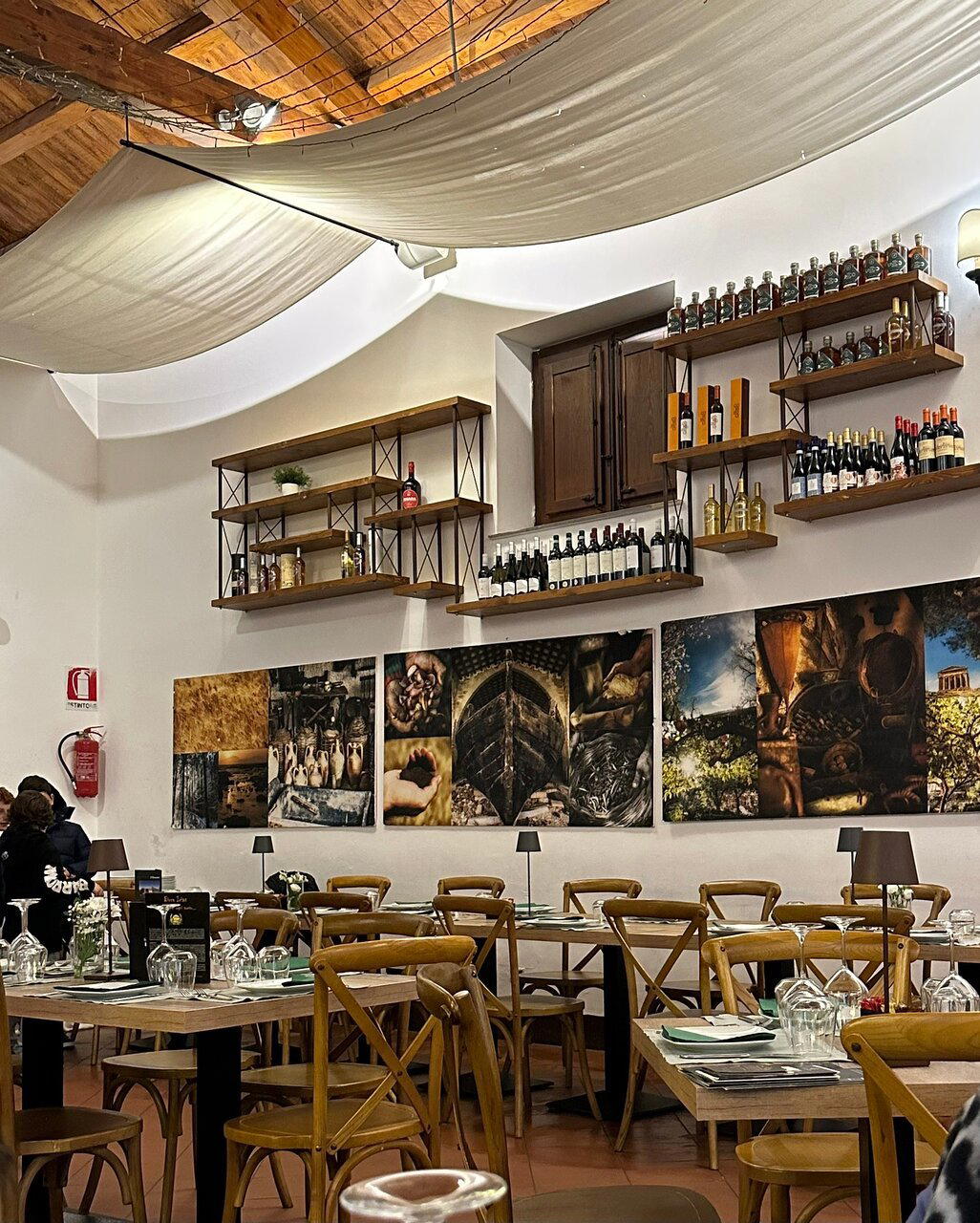
Fire, Produce, and the Logic of the Sicilian Grill
Approach Via San Lorenzo on the western edge of Palermo and the neighbourhood reads differently from the tourist-dense centro storico. The streets are quieter, the buildings more residential, and the restaurants here are feeding locals rather than performing for visitors. It is in this context that La Braciera operates, a wood-fire address whose identity is anchored in what arrives from the fields, farms, and fishing boats of Sicily rather than in choreographed presentation. In a city where the street food tradition runs so deep that raw ingredients can feel secondary to technique, a grill-focused kitchen offers a corrective perspective.
Sicily's agricultural diversity is a structural fact of the island's geography. The interior provinces, Enna, Caltanissetta, Ragusa, produce some of Italy's most distinctive vegetables, legumes, and small-farm meats. The coastal waters around Palermo and Trapani supply a fishing economy that has shaped the city's diet for centuries. A kitchen built around the braciere, the wood-burning grill, requires that its sourcing logic be sound: smoke and direct heat leave little room for ingredients that are anything other than fresh and properly handled. That pressure on the supply chain is what gives this format its editorial interest.
What the Grill Format Reveals About Sicilian Produce
Grilling as a primary cooking method has returned to prominence across Italian dining in the last decade, partly as a response to the hyper-technical tasting menu format that dominated the 2000s and 2010s. Restaurants like Reale in Castel di Sangro and Uliassi in Senigallia represent the high-end pole of Italian cooking where technique and terroir intersect at considerable cost. La Braciera occupies a different register entirely, a neighbourhood grill that makes its case through volume and directness rather than through constructed tasting sequences.
That directness is the point. When a kitchen commits to the grill as its primary tool, every ingredient's provenance becomes visible. A poorly sourced piece of pork or an out-of-season vegetable cannot be masked by a reduction or a foam. This is the editorial argument that wood-fire cooking makes against more interventionist approaches: the fire is honest, and the produce either holds up or it does not. In Sicily, where the agricultural calendar is long and the growing conditions are among the more favourable in the Mediterranean, the seasonal case for grill-based cooking is unusually strong.
Palermo's food culture does not operate on a single register. The street food tradition, pane e panelle, stigghiola, offal skewers at the Ballarò and Vucciria markets, is intensely flavoured and technique-dependent in its own way. But the city also supports a quieter tradition of trattorie and bracerie that serve as everyday dining infrastructure for residents. La Braciera belongs to this second category, placing it in a different competitive bracket from the more contemporary Sicilian cooking at Mec Restaurant or the creative format at A' Cuncuma.
Palermo's Broader Dining Geography
Understanding where La Braciera sits requires some sense of how Palermo's eating options stratify. At the leading end, a small number of kitchens pursue the kind of refined Sicilian cooking that references the island's Norman, Arab, and Spanish culinary inheritances through a contemporary lens. Further down, the city's focaccerie and street food operations, including the long-established Antica Focacceria San Francesco and the Ancient Saint Francis Focaccia Shop, represent the democratic baseline of Palermo eating, where price, speed, and flavour intensity are what matter. Pizza has also carved out its own serious niche, with AMMODO by Daniele Vaccarella representing the more craft-focused end of that segment.
The restaurant occupies the middle ground: a sit-down grill address that is neither positioned as a destination restaurant for visitors with one night in the city nor as a quick-service street food stop. This is the dining tier that rewards repeat visits and local knowledge, and it is where most of Palermo's actual food culture lives. Italy's most celebrated dining addresses, from Osteria Francescana in Modena to Piazza Duomo in Alba to Le Calandre in Rubano, draw international attention precisely because Italy's everyday dining tier is already high enough to make the contrast meaningful. The restaurant is part of the everyday tier.
Ingredient Seasonality and the Sicilian Calendar
Sicily's growing season extends well beyond what is available in northern Europe. The island's winters are mild enough to support brassicas, citrus, and fennel through December and January; its summers deliver aubergines, tomatoes, and peppers of a quality that has supplied both local kitchens and mainland Italian markets for generations. For a grill kitchen, this calendar matters directly: what can be sourced locally and in season determines what appears over the fire.
The island's fishing economy adds a second seasonal layer. The Strait of Sicily and the waters around the Egadi Islands produce swordfish, tuna, and a range of smaller species that have historically been more available and more affordable than in northern Italian coastal cities. A braciera that connects to this supply chain has access to raw materials that restaurants in Milan or Turin, even highly regarded ones like Enrico Bartolini, must import at significant cost and with some loss of immediacy.
This is not an argument that neighbourhood grills in Palermo automatically outperform celebrated northern Italian kitchens. It is an argument about structural advantage: the closer a kitchen operates to its source ingredients, the shorter the chain between harvest and plate, and the more the grill format can do with what it receives.
Planning Your Visit
The restaurant is on Via San Lorenzo, 6/b, in a residential section of Palermo's western suburbs rather than in the historic centre. Visitors staying in the centro storico should plan for a short taxi or rideshare journey. The location in a local neighbourhood, away from the higher-footfall tourist zones, is itself a reliable signal about who the kitchen is cooking for.
Atelier Moessmer Norbert Niederkofler, Dal Pescatore, and Quattro Passi, addresses that represent the high-end pole of ingredient-focused Italian cooking. For international reference points on what serious sourcing looks like at the highest tier, Le Bernardin in New York and Atomix illustrate how sourcing discipline translates across different culinary traditions. Enoteca Pinchiorri in Florence rounds out the comparative picture for those interested in how Italian culinary identity plays differently across regions.
A Quick Peer Check
Comparable venues nearby, for context on price, style, and recognition.
| Venue | Cuisine | Price | Notes |
|---|---|---|---|
| La BracieraThis venue — the venue you are viewing | Traditional Sicilian Pizza | $$ | Not listed |
| Ristorante Quattro mani | Modern Sicilian | $$$ | Kalsa |
| Archestrato di Gela | Contemporary Sicilian Pizza | $$$ | Libertà |
| Bye Bye Blues | Modern Sicilian Seafood | $$$ | Mondello |
| Trattoria Piccolo Napoli | Traditional Sicilian Seafood | $$ | Politeama |
| Porta Carbone - Cala | Sicilian Street Food - Pani Ca' Meusa | $ | Kalsa |
Continue exploring
More in Palermo
Restaurants in Palermo
Browse all →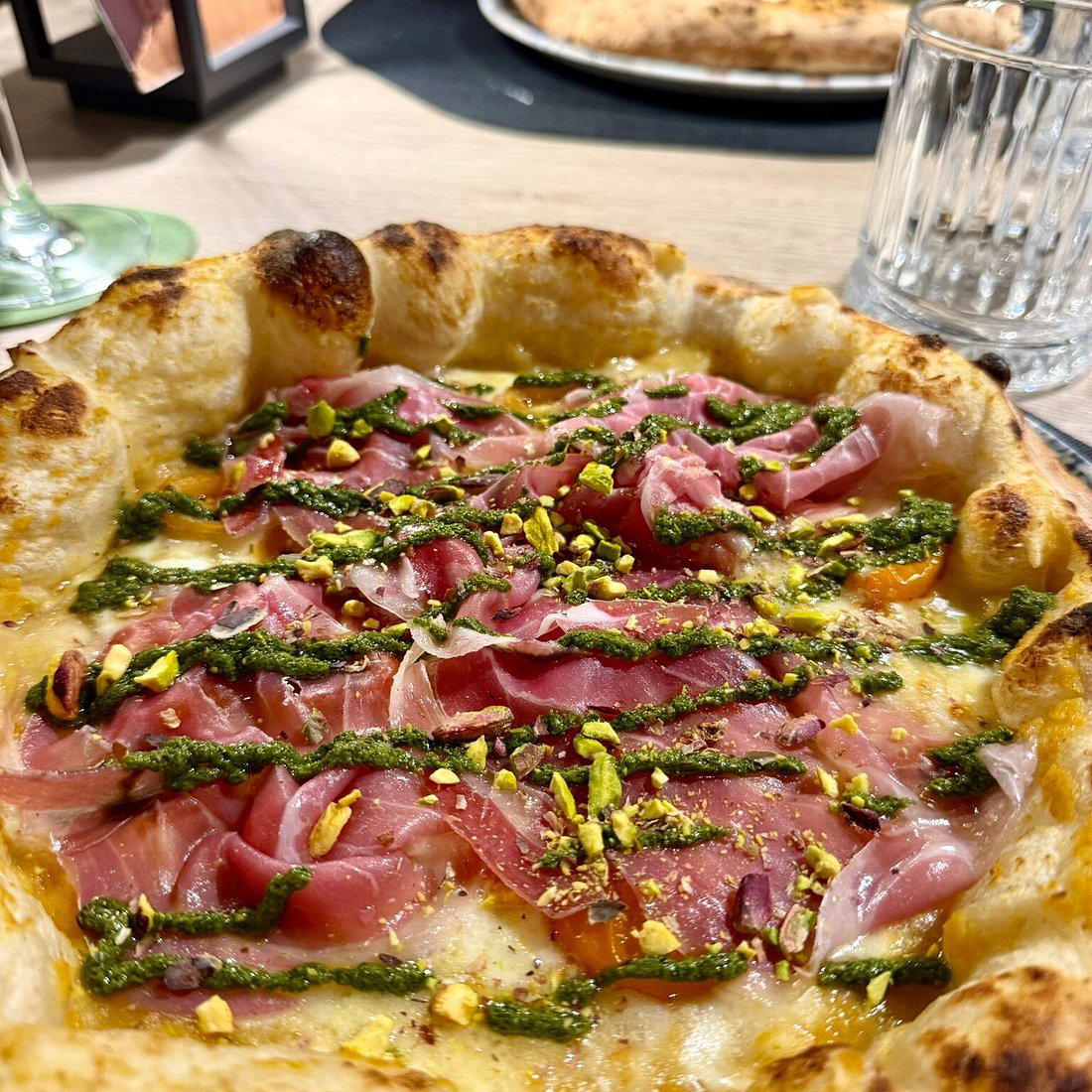
Bars in Palermo
Browse all →
Hotels in Palermo
Browse all →
Wineries in Palermo
Browse all →
At a Glance
- Classic
- Rustic
- Family
- Casual Hangout
- Late Night
- Standalone
- Local Sourcing
Current opening hours
- Monday
- 7:30 PM–12 AM
- Tuesday
- Closed
- Wednesday
- 7:30 PM–12 AM
- Thursday
- 7:30 PM–12 AM
- Friday
- 7:30 PM–12 AM
- Saturday
- 7:30 PM–12 AM
- Sunday
- 7:30 PM–12 AM
Hours can change for holidays and private events. Last verified .
Cozy and rustic family atmosphere with a classic pizzeria feel.