A fixture on Piazzetta Mulino a Vento in central Palermo, Trattoria Piccolo Napoli draws a loyal crowd that returns not for novelty but for consistency, the kind of trattoria where the regulars' order is already being prepared before they sit down. It occupies a particular tier in Palermo's dining scene: neither tourist-facing nor self-consciously modern, but rooted in the city's Southern Italian culinary tradition.
 Discover on Pearl
Pearl is the En Primeur Club membership app — saves, bookings, and concierge access live there. Same editors, same standards.
- Address
- Piazzetta Mulino a Vento, 4, 90139 Palermo PA, Italy
- Phone
- +39 333 329 2576
- Website
- trattoriapiccolonapoli.it
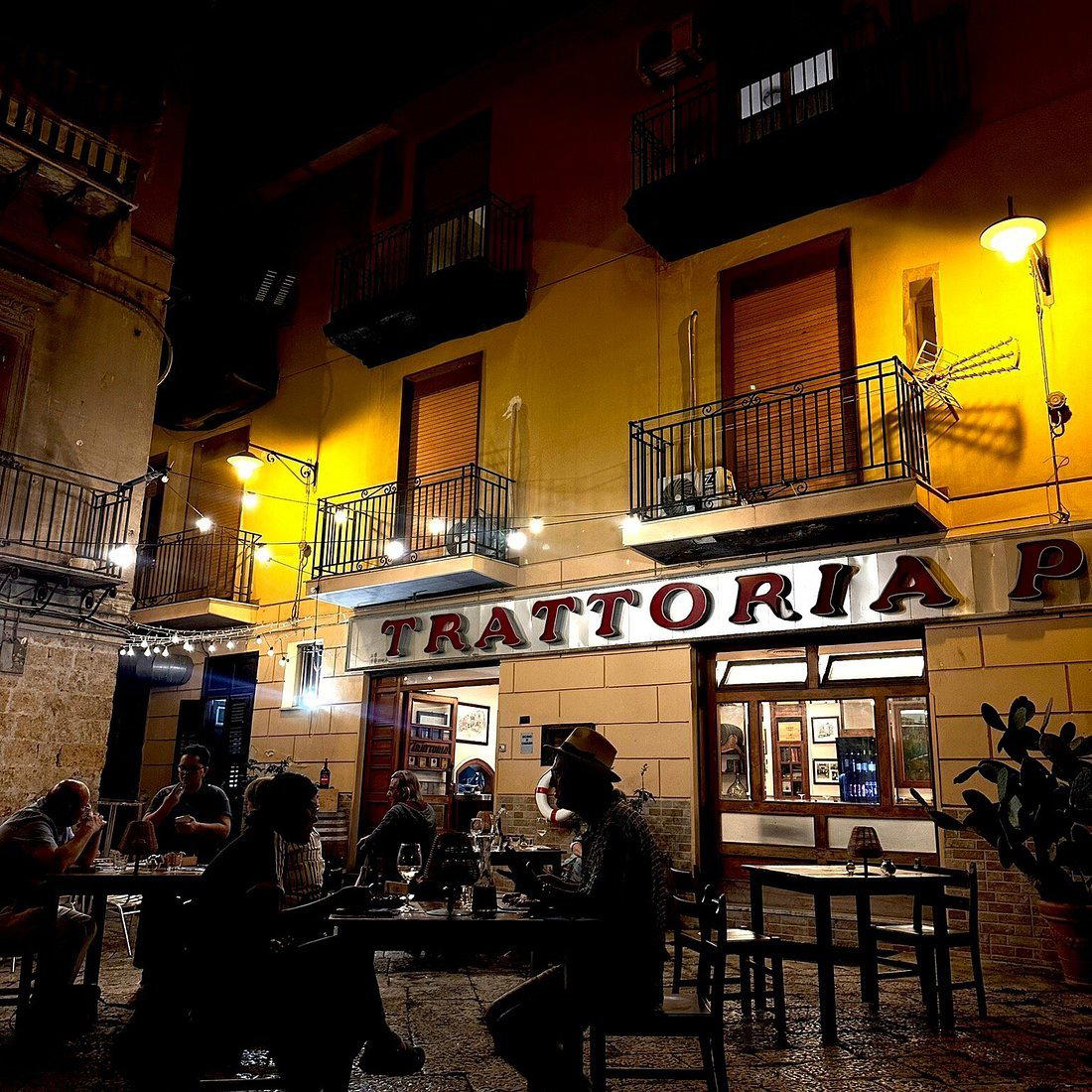
The Room That Earns Its Reputation Through Repetition
Trattoria Piccolo Napoli is a casual Palermo restaurant serving traditional Sicilian seafood at Piazzetta Mulino a Vento, 4, 90139 Palermo PA, Italy. There is a particular kind of trattoria that Palermo does better than almost anywhere else in Italy: not the kind that chases accolades or reinvents the plate, but the kind where the room itself becomes part of the meal. Piazzetta Mulino a Vento is a small square in the older fabric of central Palermo, and Trattoria Piccolo Napoli sits within it the way these places always do, without fanfare, without a marquee, with only the accumulation of returned visits as its credential. The city has no shortage of dining rooms competing for the tourist euro, especially around the Vucciria and Ballarò markets.
What you encounter here belongs to a lineage that runs through the trattoria model at its most disciplined: a focused menu, a room scaled to human proportion, and a clientele that measures the kitchen not by seasonal concept changes but by whether Tuesday's pasta tastes the way it should. That is a harder standard to meet than it sounds, and it is precisely the standard Palermo's long-running trattorias are judged against by the people who eat in them week after week.
What Keeps Regulars Coming Back
The regulars' perspective is the most useful lens for understanding a place like this. In Palermo's trattoria culture, a local following that returns consistently is a more meaningful signal than any single award cycle, because it reflects something critics rarely test: whether a kitchen holds its level on an ordinary Wednesday. The Southern Italian trattoria format, antipasto, primo, secondo, dolce, with the kitchen setting the rhythm rather than the diner, rewards this kind of loyalty. Regulars learn which dishes the kitchen executes with particular confidence, and that knowledge becomes the unwritten menu that never appears on any printed card.
Sicily's culinary tradition gives trattorias like this one considerable material to work with. The island sits at the intersection of Arab, Norman, Greek, and Spanish influence, and that layering shows up most legibly not in fine dining tasting menus but in the everyday cooking of places like this: the use of saffron and raisins alongside capers and anchovies, the presence of fresh ricotta as both ingredient and condiment, the preference for fish preparations that keep the product central rather than obscuring it. A trattoria with a committed regular base has typically found a way to honour that tradition without museumifying it, the cooking is alive because it is cooked and eaten daily, not preserved under glass.
For context on where Piccolo Napoli sits within Palermo's broader dining spectrum, the city's higher-end end is represented by places like Mec Restaurant, which operates at a premium Sicilian register, and A' Cuncuma, which brings a creative lens to the same regional ingredients. Piccolo Napoli is not positioned against either of those. Its comparable set is the city's trattoria tier: rooms where the cooking is measured by fidelity to tradition rather than ambition to depart from it.
Palermo's Trattoria Tradition in Context
Italy's trattoria format has been under pressure for two decades. Rising costs, generational turnover in family kitchens, and the economics of serving tourists rather than locals have eroded the model in many cities. Rome has lost dozens of its historic trattorias to restaurant-format dining rooms aimed at visitors. Naples has held on better, partly because of the intensity of local eating culture. Palermo has held on better still, and the reason is structural: the city's population eats out as a matter of daily life rather than occasional occasion, and the concentration of street food culture around markets like Ballarò and the Capo means that the palate educated on the street demands a certain standard when it sits down indoors.
That local pressure is what maintains places like Piccolo Napoli. A trattoria that cannot satisfy a Palermitano who has eaten arancina for breakfast does not last, regardless of how charmed visiting tourists might be. This is a different accountability structure than the one operating in, say, a Michelin-starred room at Osteria Francescana in Modena or Piazza Duomo in Alba, where the audience is largely destination diners arriving with expectations shaped by international coverage. The trattoria's accountability is more immediate and less forgiving.
This is also why the format produces a different kind of dining experience than contemporary Italian fine dining, whether that is the seafood precision at Uliassi in Senigallia, the mountain-rooted tasting menus at Atelier Moessmer Norbert Niederkofler in Brunico, or the refined rural cooking at Dal Pescatore in Runate. Those rooms aim for transcendence. Piccolo Napoli aims for reliability, and in its category, that is the harder thing to sustain.
Where Piccolo Napoli Fits in the Neighbourhood
Piazzetta Mulino a Vento sits in central Palermo, within reach of the city's historic centro storico. The neighbourhood has a working character that has resisted full gentrification, and the eating options around it reflect that. For street food and bakery formats in the same vicinity, Antica Focacceria San Francesco and the Ancient Saint Francis Focaccia Shop cover the sfincione and focaccia tradition that runs parallel to trattoria culture in Palermo's food life. For pizza at a more considered level, AMMODO by Daniele Vaccarella represents the contemporary Sicilian pizza format.
Piccolo Napoli is not trying to do what any of those places do. It occupies the sit-down trattoria slot in a city where that slot is crowded with options and where the competition is fierce precisely because the customers know exactly what they want.
Planning Your Visit
Given that Piccolo Napoli's dining room is sized for the neighbourhood rather than for volume, arriving early or making a reservation through whatever local channel the trattoria uses, phone, walk-in, or neighbourhood word-of-mouth, is the practical approach, particularly at weekend lunches when Palermitano family dining fills rooms quickly. Lunch is the primary meal in Sicilian culture, and the afternoon sitting here will reflect that: longer, less rushed, more likely to give you the table dynamic that makes a trattoria worth visiting. For those building a broader picture of where Piccolo Napoli sits relative to the city's full dining range,
Cuisine-First Comparison
Comparable venues nearby, for context on price, style, and recognition.
| Venue | Cuisine | Price | Awards | Notes |
|---|---|---|---|---|
| Trattoria Piccolo NapoliThis venue — the venue you are viewing | Traditional Sicilian Seafood | $$ | , | |
| AMMODO - La pizza di Daniele Vaccarella | Modern Italian Pizza | $$ | 1 recognition | Via Empedocle Restivo |
| Frittola di Ballarò | Traditional Sicilian Frittola Street Food | $ | , | Ballarò |
| Badalamenti Cucina e Bottega | Traditional Sicilian Italian | $$$ | Michelin Plate | Mondello |
| Porta Carbone - Cala | Sicilian Street Food - Pani Ca' Meusa | $ | , | Kalsa |
| Da Umberto | Sicilian Street Food | $ | , | Ballaro |
Continue exploring
More in Palermo
Restaurants in Palermo
Browse all →
Bars in Palermo
Browse all →
Hotels in Palermo
Browse all →
Wineries in Palermo
Browse all →
At a Glance
- Classic
- Rustic
- Intimate
- Hidden Gem
- Iconic
- Date Night
- Group Dining
- Casual Hangout
- Special Occasion
- Standalone
- Historic Building
- Beer Program
- Local Sourcing
- Sustainable Seafood
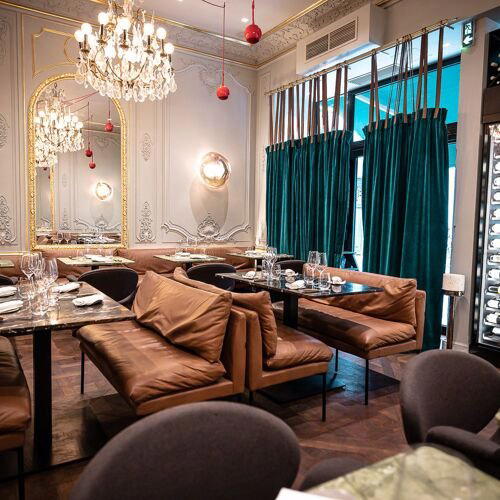
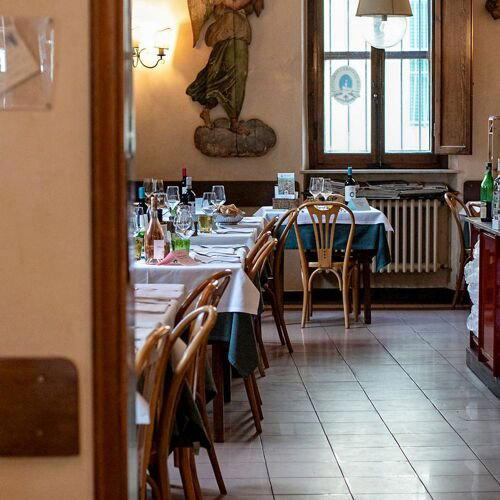
Intimate, homely atmosphere in a historic family-run trattoria with simple, authentic décor; quiet and off the beaten path despite its legendary status.