Pasticceria Costa occupies a quiet stretch of Via Gabriele D'Annunzio in Palermo's western residential belt, operating in the tradition of the Sicilian bar-pasticceria: a format that collapses the distinction between morning coffee ritual and afternoon sweet counter. In a city where the pasticceria functions as a social anchor rather than a destination, Costa represents the neighbourhood tier of that tradition.
Pearl is the En Primeur Club membership app — saves, bookings, and concierge access live there. Same editors, same standards.
- Address
- Via Gabriele D'Annunzio, 15, 90144 Palermo PA, Italy
- Phone
- +39 091 345652
- Website
- pasticceriacosta.com
- Directions
- Get directions
 Saves & bookings on Pearl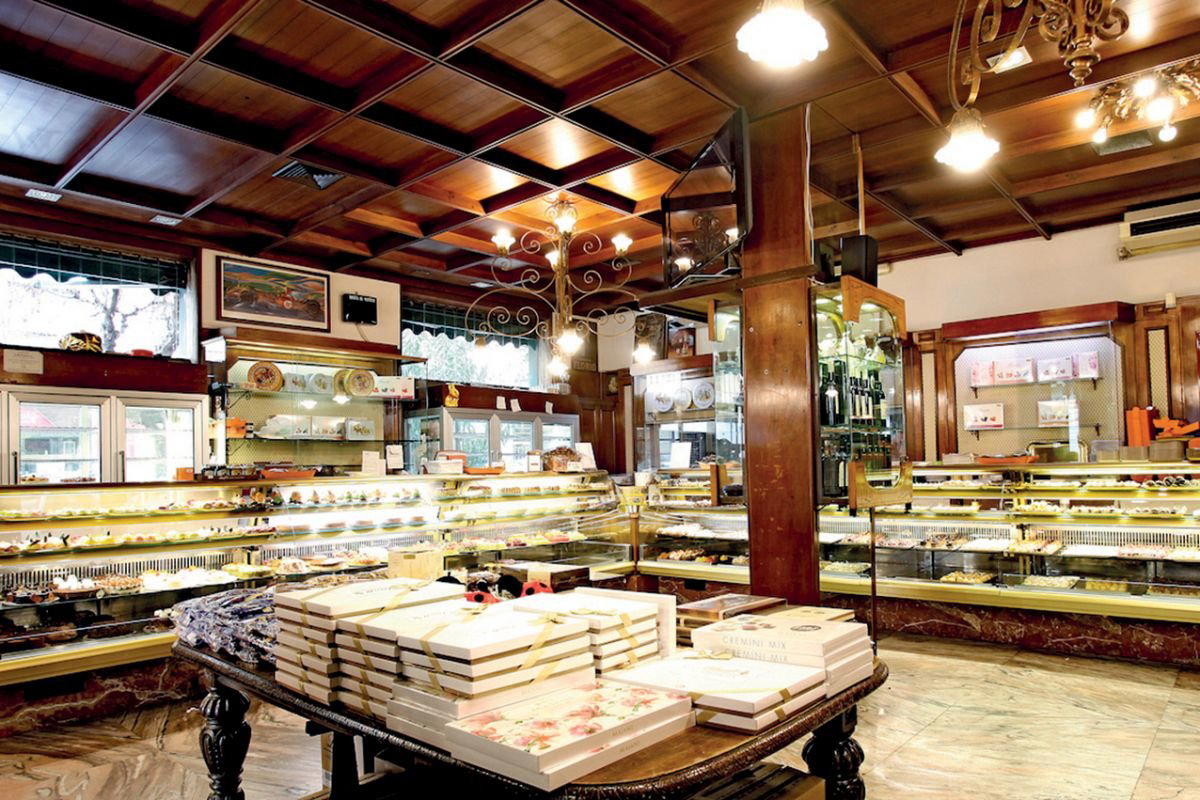
The Bar-Pasticceria as Palermo Institution
Palermo's drinking culture has never been organized around standalone cocktail bars in the northern Italian or international sense. The city's social infrastructure runs instead through the bar-pasticceria: a hybrid format that opens at dawn for espresso and cornetti, pivots to granita and brioche by mid-morning, and by early evening slides into the aperitivo hour with Aperol, local amaro, and occasionally something more considered. Bar Pasticceria Alba and Casa Stagnitta both operate in adjacent registers of this tradition, each anchoring a neighbourhood rather than drawing from across the city. Pasticceria Costa, on Via Gabriele D'Annunzio in the western residential zone, belongs to this same civic category.
Understanding that category matters before you walk in. The bar-pasticceria is not structured around a cocktail programme the way 1930 in Milan or Drink Kong in Rome are. It does not have a bartender with a stated philosophy or a menu built around technique showcases. What it has is continuity: a consistent physical space, a counter that anchors the day across multiple drinking occasions, and a sweet-making tradition that informs everything poured or plated from it.
What the Counter Signals
In Palermo, reading a pasticceria counter correctly takes a moment if you've arrived from a city where bars and patisseries operate separately. At Costa, as at comparable neighbourhood addresses around the city, the pastry display and the drinks service share the same counter and, more importantly, the same logic. The granita — Sicily's most argued-over cold preparation, with regional debates over texture, sugar ratio, and whether almond or lemon takes precedence — sits alongside the espresso machine rather than in a separate dessert section. The brioche used for dunking is not an afterthought but a structural element of the morning ritual, sold in volume before most of the city has properly woken up.
The aperitivo register is quieter here than at the city-centre addresses tourists tend to congregate around. That is not a deficit. In Palermo's western residential belt, the aperitivo hour functions as a neighbourhood decompression ritual rather than a performative event. Enoteca Picone, a few kilometres away, operates with a more curated wine and spirits selection; Ancient Saint Francis Focaccia Shop leans harder into the street-food adjacency of Palermitan drinking culture. Costa occupies the middle ground: a place where the drink is incidental to presence rather than the reason for presence.
The Sicilian Sweet Tradition and Its Drink Pairings
Sicily's pastry tradition is among the most technically specific in Italy, shaped by centuries of Arab, Norman, and Spanish influence that produced a vocabulary of almond-based sweets, ricotta preparations, and candied fruit work largely absent from the northern Italian canon. The cassata, the cannolo, the frutta martorana: these are not regional variations on a national theme but genuinely distinct preparations with their own sourcing logic and seasonal rhythms. A pasticceria working within this tradition is, among other things, a flavour-pairing environment. The bitterness of a properly pulled Sicilian espresso against a ricotta-filled cannolo, or the cold granita di mandorla against the heat of a Palermo summer morning, are combinations that have accumulated meaning over generations rather than being designed for effect.
This is where the bar-pasticceria format earns its editorial interest, even for a reader arriving from the technically sophisticated cocktail cultures of cities like Venice or Florence. The pairing intelligence is not expressed through a menu but through the counter itself: the proximity of preparations, the timing of service, and the assumption that a customer knows how to use the space. There is no instruction required because the format is culturally transmitted rather than hospitality-designed.
For comparison: Bar Leather Apron in Honolulu and Lost and Found in Nicosia both operate within their respective local drinking traditions while building a recognisable international cocktail grammar on leading. The Palermitan bar-pasticceria does the reverse: it remains almost entirely legible only within its local tradition, and that opacity is part of its character.
L'Antiquario and the Question of Register
Palermo does have a higher-register bar scene, though it remains smaller and less internationally profiled than Naples, where L'Antiquario has built a credible cocktail programme with a historical drinks angle. Palermo's equivalent tier is thinner: the city's drinking culture skews toward the pasticceria format and the informal seafront aperitivo rather than toward the kind of bar that builds a reputation on technique and sourcing. Costa is firmly in the former category, which is neither a criticism nor a recommendation in the abstract. It depends entirely on what the reader is arriving for.
If you are in the western residential zone of Palermo at 8am needing coffee and something from the pastry counter, or at 6pm wanting a drink in a space that functions like a neighbourhood living room rather than a hospitality production, the address on Via Gabriele D'Annunzio is the relevant one. If you are building an evening around cocktail craft or a specific spirits list, the city's options are limited and this is not among them.
Planning a Visit
Via Gabriele D'Annunzio 15 sits in the Palermo Ovest zone, away from the historic centre's tourist concentration and the Mondello beach strip. Getting there by car is the most practical approach from the centre; the address is not within easy walking range of the main sightseeing circuit. The neighbourhood itself is a working residential area with few tourist landmarks, which shapes the atmosphere inside: the clientele is almost entirely local, and the pace of service reflects that. Bookings are not part of the format; you arrive, you stand or sit at the counter, and the day's rhythm takes over. For broader orientation on the Palermo food and drink scene across different registers, see our full Palermo guide.
| Venue | Cuisine |
|---|---|
| Pasticceria CostaThis venue — the venue you are viewing | This venue |
Continue exploring
More in Palermo
Bars in Palermo
Browse all →
Restaurants in Palermo
Browse all →
Hotels in Palermo
Browse all →
At a Glance
- Classic
- Cozy
- Well Known
- Casual Hangout
- After Work
- Standalone
- Historic Building
- Seated Bar
- Outdoor Terrace
- Counter Only
- Classic Cocktails
- Street Scene
Current opening hours
- Monday
- Closed
- Tuesday
- 7 AM–8:30 PM
- Wednesday
- 7 AM–8:30 PM
- Thursday
- 7 AM–8:30 PM
- Friday
- 7 AM–8:30 PM
- Saturday
- 7 AM–8:30 PM
- Sunday
- 7 AM–8:30 PM
Hours can change for holidays and private events. Last verified .
Pleasant and clean environment with a lovely view of nearby fountains, offering a warm, homely atmosphere typical of old-school Sicilian bakeries.
Know Before You Go
- Getting there
- Via Gabriele D'Annunzio, 15, 90144 Palermo PA, Italy