In the medieval village of Montsalvy, deep in the Cantal highlands of the Auvergne, Auberge Fleurie represents the French provincial auberge tradition at its most grounded: a kitchen shaped by the land immediately surrounding it, where the sourcing logic of plateau farming and volcanic-soil agriculture defines what reaches the table. For travellers arriving from the wider circuit of French regional dining, it offers a distinctly unhurried register.
Pearl is the En Primeur Club membership app — saves, bookings, and concierge access live there. Same editors, same standards.
- Address
- 2 Av. d'Aurillac, 15120 Montsalvy, France
- Phone
- +33471492002
- Website
- facebook.com
 Saves & bookings on Pearl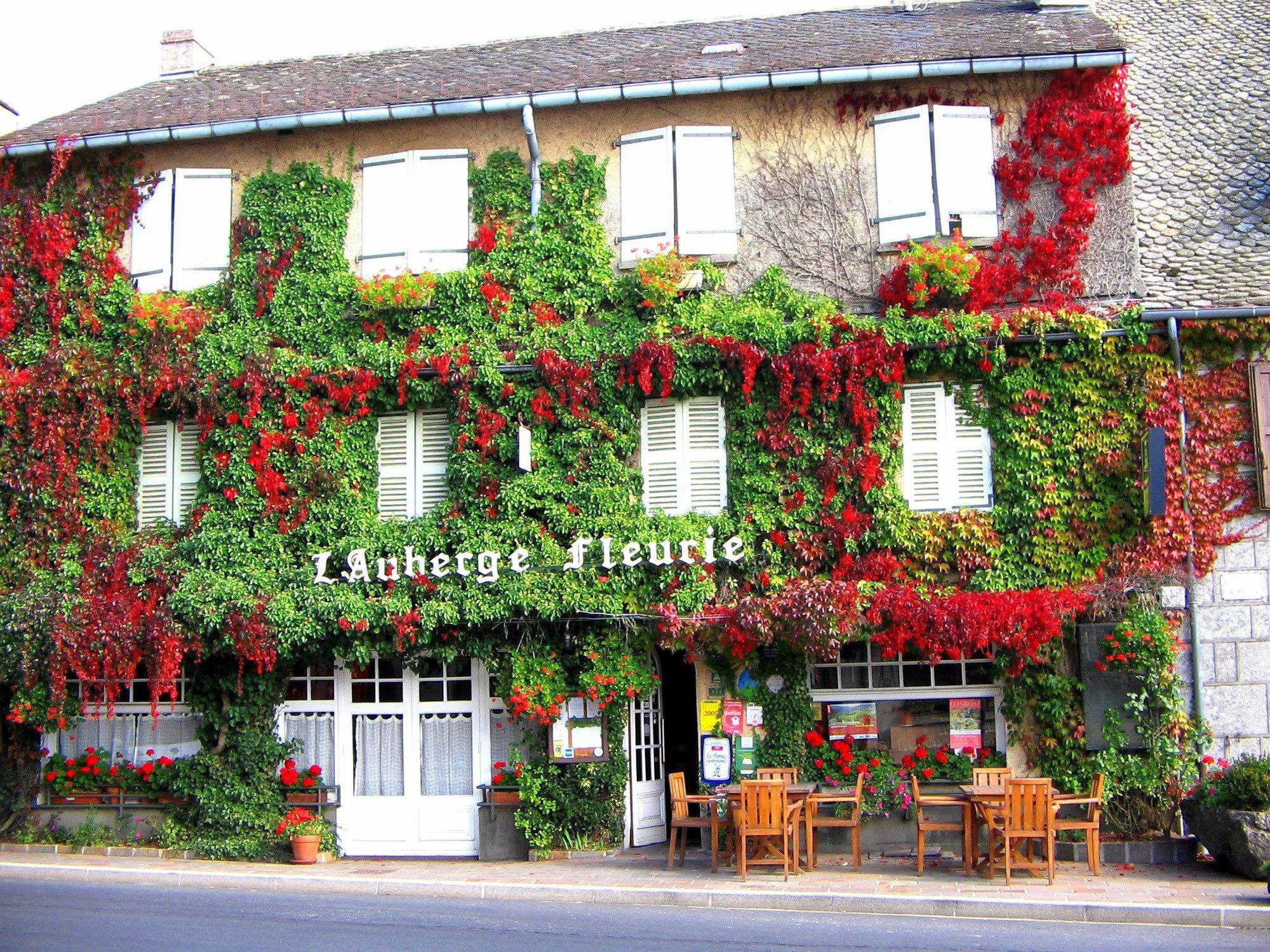
Where the Auvergne Plateau Meets the Table
The approach to Montsalvy already tells you something about the cooking you are likely to encounter here. The Cantal highlands sit at elevation, cut by river gorges and edged by extinct volcanic peaks, with farming patterns that have remained broadly consistent for generations: lentils from Le Puy to the east, Salers and Aubrac cattle on the surrounding plateaux, aged Cantal and Salers cheeses produced within a legally protected zone that covers much of the surrounding department. By the time you arrive at the village square on the Avenue d'Aurillac, the agricultural logic of the region has already announced itself. Auberge Fleurie occupies this geography in the most literal sense: a stone-fronted village auberge in a settlement of fewer than a thousand residents, where the distance between farm and kitchen is measured in kilometres rather than supply-chain links.
This is not a category of French dining that attracts the same critical attention as the multi-starred tables of Lyon or Paris, but it represents something the headline circuit rarely replicates. The provincial auberge format, at its most coherent, draws its identity from place rather than from chef personality or tasting-menu architecture. In that sense, Auberge Fleurie belongs to a tradition shared by long-established rural institutions across France, from Auberge du Vieux Puits in Fontjoncouse to Auberge de l'Ill in Illhaeusern, even if those examples now operate in a very different price tier. The shared DNA is a kitchen rooted in its region's specific agricultural output, with a dining room that functions as an extension of the village rather than a destination apart from it.
The Sourcing Logic of the Cantal
The Auvergne is one of France's least densely populated regions and one of its most coherent in terms of food identity. The Cantal cheese appellation, one of France's oldest, requires milk from Salers cows grazing on mountain pasture above 900 metres. Aubrac cattle, whose territory overlaps significantly with the Cantal department, produce beef with a distinct mineral character attributed to the basalt and granite soils of the plateau. Lentilles vertes du Puy, produced to the region's east and carrying an AOC designation since 1996, anchor the pulse tradition of Auvergnat cooking. This is the raw material context within which any serious kitchen in Montsalvy operates.
For kitchens that engage with it directly, the sourcing structure of the Auvergne removes one layer of decision-making that urban restaurants spend considerable energy on: what to cook is, in large part, answered by what the land produces in a given season. Autumn brings walnut harvests from the Lot valley to the south. Spring brings the first cuts of Salers, lighter and less aged than the winter version. Summer, brief at altitude, brings mountain herbs that appear in cooking across the region. The rhythm of the plateau is the rhythm of the menu.
This sourcing pattern places Auberge Fleurie in a lineage that runs through some of France's most rooted regional tables. Bras in Laguiole, approximately 60 kilometres to the south in the Aveyron, built its three-Michelin-star reputation explicitly on plateau ingredients and altitude-specific produce, including the gargouillou of wild plants that became one of French cuisine's most referenced dishes of the late twentieth century. The formal register there differs entirely from a village auberge, but the sourcing philosophy connects them to the same agricultural territory.
Placing Auberge Fleurie in the Regional Dining Circuit
Montsalvy sits roughly equidistant between Aurillac to the north and Entraygues-sur-Truyère to the south, in a part of France that sees relatively few international visitors compared to the Atlantic coast or the Rhône valley. That geographic position is relevant to how this kind of restaurant functions: its clientele is predominantly regional, its pricing calibrated to local expectations rather than destination-restaurant logic, and its format shaped by the conventions of French rural hospitality rather than the competitive dynamics of urban fine dining.
The contrast with France's highest-profile regional restaurants is instructive. Flocons de Sel in Megève, Les Prés d'Eugénie in Eugénie-les-Bains, and Maison Lameloise in Chagny all operate within rural or small-town settings but at price points and recognition levels that place them firmly in the destination-dining tier. Auberge Fleurie operates in an entirely different register: the neighbourhood auberge that anchors its village rather than drawing visitors to it. Neither register is superior; they serve different functions and different readers.
For travellers building a route through the Massif Central, the practical consideration is that Montsalvy offers few alternatives of comparable substance. The village's isolation, which makes the surrounding landscape so compelling for walking and cycling in the warmer months, also means that Auberge Fleurie functions as the de facto dining reference for the area.
Planning Your Visit
Montsalvy is most accessible by car; the nearest rail connection runs through Aurillac, approximately 35 kilometres north, with onward road travel required. The village sits within a landscape best explored between April and October, when the plateau roads are clear and the Gorges de la Truyère accessible. Given the limited capacity typical of a village auberge of this scale and contacting the restaurant directly is the most reliable approach, particularly for weekend visits during summer. The address is 2 Avenue d'Aurillac, 15120 Montsalvy.
Travellers whose reference points sit at the top of the French fine-dining circuit, such as Mirazur in Menton, Alléno Paris au Pavillon Ledoyen, or Troisgros in Ouches, will find Auberge Fleurie operating in a different mode. That is precisely the point. The French provincial auberge tradition, when it functions well, offers something those tables cannot: a direct, unmediated expression of a specific agricultural place, at a scale where the cook and the farmer are often personally acquainted. Whether that exchange interests you more than technical ambition or tasting-menu architecture is a question of what you want from a meal in rural France.
Comparable Spots, Quickly
Comparable venues nearby, for context on price, style, and recognition.
| Venue | Cuisine | Price | Awards | Notes |
|---|---|---|---|---|
| Auberge FleurieThis venue — the venue you are viewing | Modern Traditional French | $$ | , | |
| Chez Remise | Traditional French Aubrac Bistro | $$ | , | le Bourg |
| Ferme Carles | Traditional Aveyron Farm Cuisine | $$ | , | Monteils |
| La Fourchette Adroite | Traditional French Bistro with Seasonal Specialties | $$ | , | Centre historique |
| La Bougnate | Traditional French Regional | $$ | , | Blesle |
| L' Ardoise Fût-ée | French Bistronomic with Local Products | $$ | , | Place du Marché |
Continue exploring
More in Montsalvy
Restaurants in Montsalvy
Browse all →
At a Glance
- Cozy
- Rustic
- Intimate
- Elegant
- Date Night
- Family
- Special Occasion
- Hotel Restaurant
- Extensive Wine List
- Local Sourcing
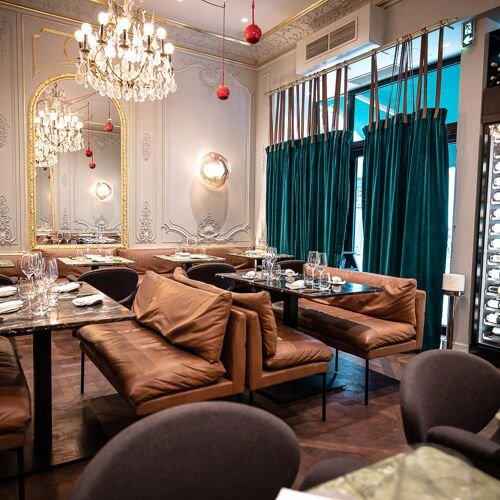
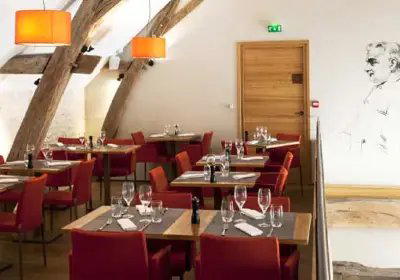
Inviting, cocooning atmosphere blending tradition and modernity.