

1 Michelin Star · Gault & Millau Remarkable Restaurant
Our verdict
A Michelin-starred restaurant in a modern building beside a 14th-century castle just outside Issoire, Origines channels the Auvergne terroir through chef Adrien Descouls's contemporary technique. The kitchen garden informs a menu that sits between refined and comforting, with a daytime bistro format, Bistro Le Basalte, offering a more accessible entry point to the same cooking with sweeping views over the volcanic countryside.

Pearl is the En Primeur Club membership app, where members save venues, book tables and use the concierge.
The menu
What to order
- Stuffed poultry medallion with summer porcini sabayon
- Nuancier de tomates marinées à la racine de gentiane et sorbet au caillé de brebis
- Truite fario ikjejime cuite à l’unilatérale beurre d’abricot et courgettes à l’origan
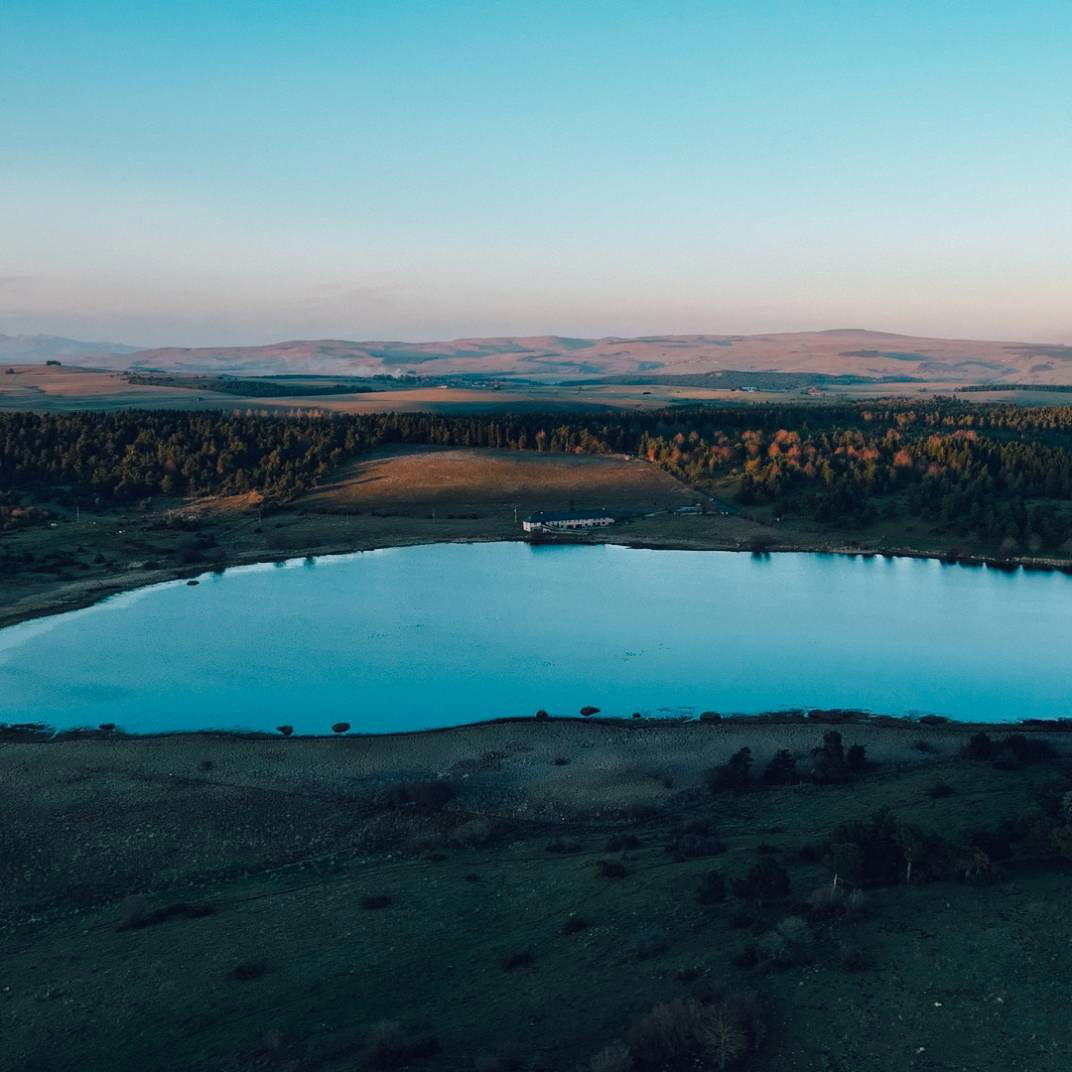
A volcanic landscape, a medieval castle, and a Michelin star
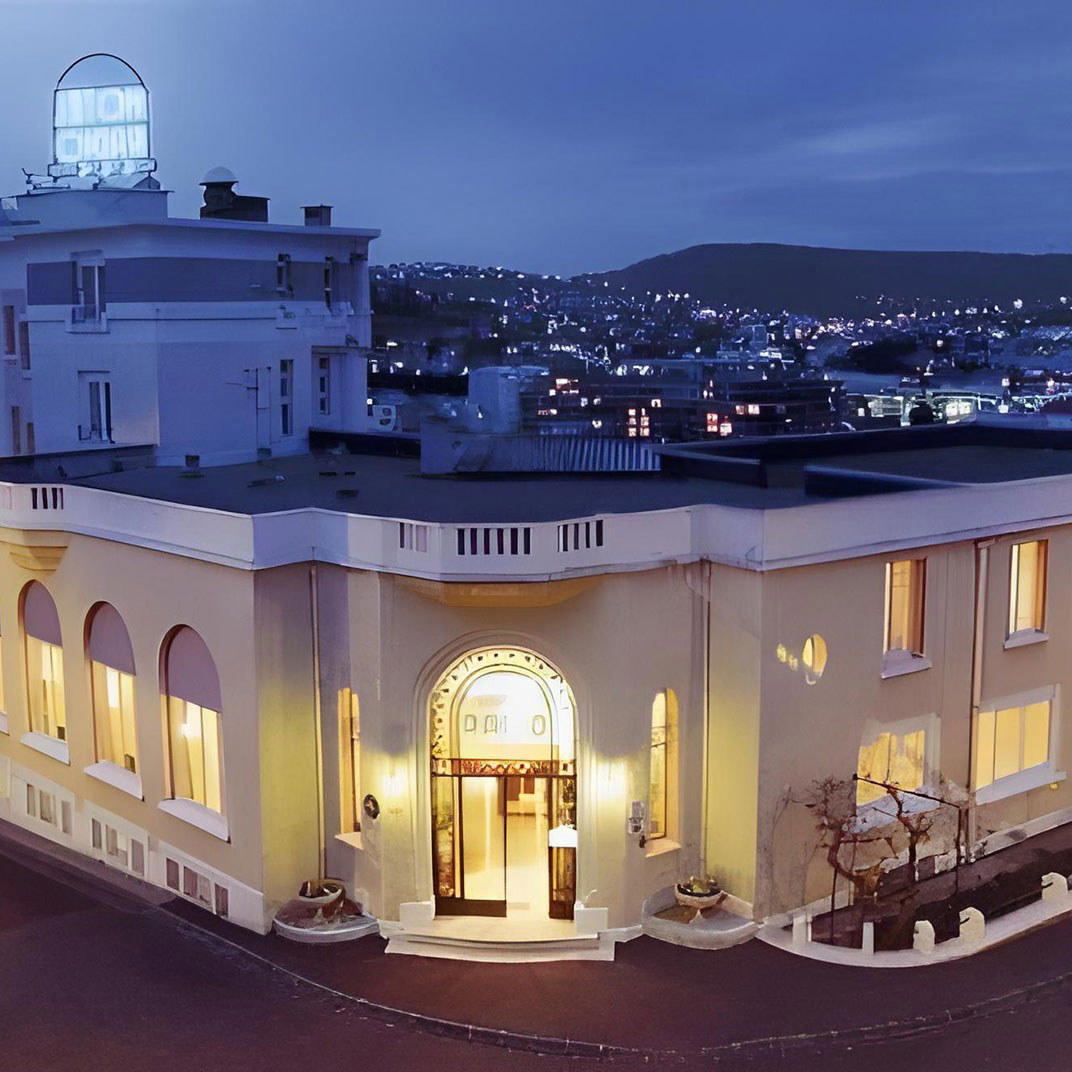
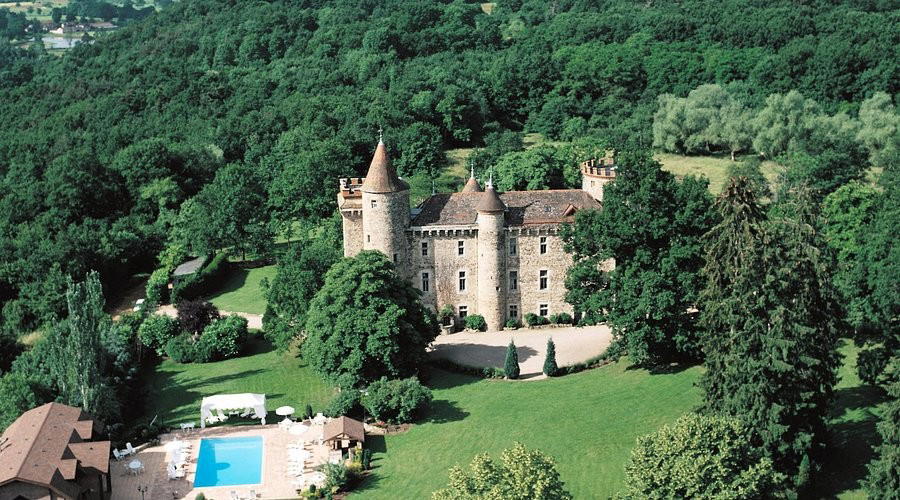
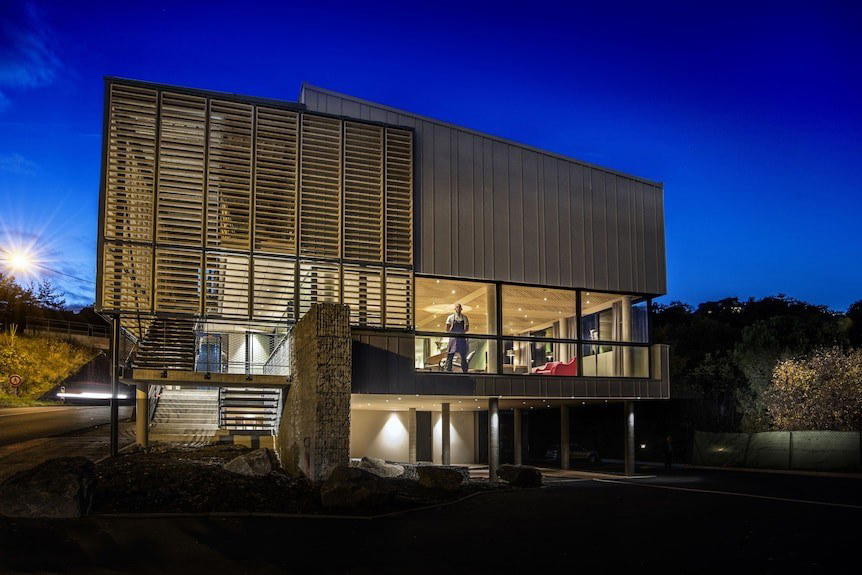
There is a particular kind of French dining that only makes sense in context: where the countryside outside the window, the geology underfoot, and the produce on the plate form a coherent argument. Auvergne has long been that kind of region, dormant volcanoes, highland pastures, and a culinary tradition built on survival rather than display, and it is in that context that Origines earned its first Michelin star in 2024. The restaurant sits in a modern building directly adjacent to a 14th-century castle on the edge of Le Broc, a few kilometres outside Issoire. The physical contrast is deliberate and telling: contemporary construction pressed against medieval stone, a chef working in a precise modern idiom while remaining anchored to a region that doesn't chase culinary fashion.
That tension between the contemporary and the rooted is the central creative logic at Origines. Chef Adrien Descouls grew up in Auvergne, and his cooking reflects a native's intimacy with the region rather than an outsider's interpretation of it. In a broader French dining context, where many starred restaurants in rural regions derive their credibility from a chef's Paris or three-star apprenticeship, Descouls's authority here comes from the inverse: he knows what this land produces and how to present it without theatrical overstatement. His Michelin recognition places Origines in the same conversation as a wider tier of French single-star destinations, from Auberge du Vieux Puits in Fontjoncouse to Bras in Laguiole, where terroir commitment rather than urban prestige is the operative credential. For the region's broader dining picture, see our full Le Broc restaurants guide.
The kitchen garden as editorial statement
In contemporary fine dining, kitchen gardens have become almost obligatory signalling, deployed on menus as shorthand for commitment to provenance whether or not they genuinely drive the cooking. At Origines, the kitchen garden operates differently. Descouls's cuisine is described by Michelin inspectors as shaped by the Auvergne terroir with a freshness that suggests the garden informs the menu rather than decorating it. The distinction matters: a chef working in a landlocked highland region with short growing seasons has to build around what the land actually offers, week by week, rather than selecting from an unrestricted supply chain. The result is food that reads as contemporary in technique but classic in its instincts, lean, seasonal, grounded.
The stuffed poultry medallion with summer porcini sabayon and full-bodied jus, noted in Michelin's assessment as an exemplary dish, illustrates the approach precisely. Porcini from the forests of the Massif Central, poultry from local farms, a jus that carries weight without excess richness: these are the materials of Auvergnat cooking, handled with the finesse of a chef who trained in fine kitchens but chose to apply that training at home. Descouls sits in a distinct cohort within French starred cooking, chefs for whom returning to a native region is a deliberate creative act, not a retreat. In that sense, Origines belongs in the same editorial conversation as Flocons de Sel in Megève or Mirazur in Menton, restaurants where place is not a backdrop but the primary argument of the food.
Two formats, one kitchen
Origines operates a split-format model that reflects a broader strategy among ambitious regional restaurants seeking to serve multiple markets without compromising the flagship experience. At dinner, the full creative menu is in play, Descouls's refined contemporary cooking with the depth and pacing that the Michelin star implies. At lunch, the same kitchen produces the Bistro Le Basalte menu: a simpler, more accessible register of the same cooking, served with the added advantage of the view. The castle and the volcanic countryside frame the dining room windows at midday in a way that is harder to appreciate after dark.
The bistro format serves a practical function beyond accessibility. Auvergne's fine dining audience is partly local, partly driven by visitors to the Parc Naturel Régional des Volcans d'Auvergne and the Issoire area, and partly drawn from the wider French dining circuit by the Michelin star. A lunchtime bistro option extends reach to guests who want a substantial but less formal experience, and who may be passing through rather than making a dedicated evening reservation. It also allows the kitchen to operate at full capacity without the bistro undercutting the flag. This two-tier model has precedent at the highest level: Troisgros in Ouches and Paul Bocuse in Collonges-au-Mont-d'Or both operate with menu tiers that serve different visitor intents from the same kitchen.
Where Origines sits in the French creative dining map
France's creative dining tier, the category Michelin uses to describe restaurants working outside strict classical or regional conventions, has historically concentrated in Paris, Lyon, and the Côte d'Azur. The presence of a €€€€ creative kitchen in a village outside Issoire says something about how that distribution has shifted over the past decade. Younger chefs trained in three-star and internationally recognised kitchens have increasingly chosen to open in provincial settings where ingredient access is direct, property costs allow proper investment in the dining environment, and a regional identity is available as a creative resource rather than a constraint.
At €€€€, Origines prices itself in the same band as restaurants with significantly higher urban overhead and broader international profiles: compare it to Alléno Paris au Pavillon Ledoyen or Assiette Champenoise in Reims at the same price tier. In rural Auvergne, that pricing reflects both the quality level and the distance from casual dining competition rather than a metropolitan markup. For visitors already in the region, the value calculation shifts substantially: the meal costs the same as a Parisian equivalent but the context, a medieval castle, a kitchen garden, volcanic countryside, is not replicated in the city. Creative restaurants of comparable ambition in other non-metropolitan European settings, such as Enrico Bartolini in Milan or JAN in Munich, operate in a similarly niche register: serious cooking at serious prices, positioned for a specific category of informed traveller.
Planning a visit
Origines is located at Rue du Clos de la Chaux in Le Broc, just outside Issoire in the Puy-de-Dôme department. Issoire itself is accessible by train from Clermont-Ferrand, which connects to Paris by TGV in approximately three hours. Driving from Clermont-Ferrand takes around 30 minutes. For guests building a wider stay around the visit, our Le Broc hotels guide covers accommodation in the area. The Michelin star, awarded in 2024, is the primary booking credential and will have extended reservation lead times accordingly; securing a table at the main evening menu requires advance planning. The Bistro Le Basalte lunch format is likely to offer more flexibility for spontaneous visits, though the starred reputation means neither format should be approached without a reservation. For other dimensions of the area, the Le Broc bars guide, wineries guide, and experiences guide cover the broader picture.
Within the wider canon of destination French dining, from Auberge de l'Ill in Illhaeusern to Au Crocodile in Strasbourg and AM par Alexandre Mazzia in Marseille, Origines occupies a specific and currently under-visited niche: a first-generation starred restaurant in a region that has produced serious cooking for decades but rarely exported it to international attention. That may change. The 2024 star is recent, the chef is working in his native territory, and the kitchen garden and castle setting are not replicable elsewhere. The conditions that produce restaurants worth travelling for are all present.
Frequently asked questions
Does Origines work for a family meal?
At €€€€ pricing outside a major city, Origines is a considered choice for adults making a deliberate dining decision, not a casual family outing.
What should I expect atmosphere-wise at Origines?
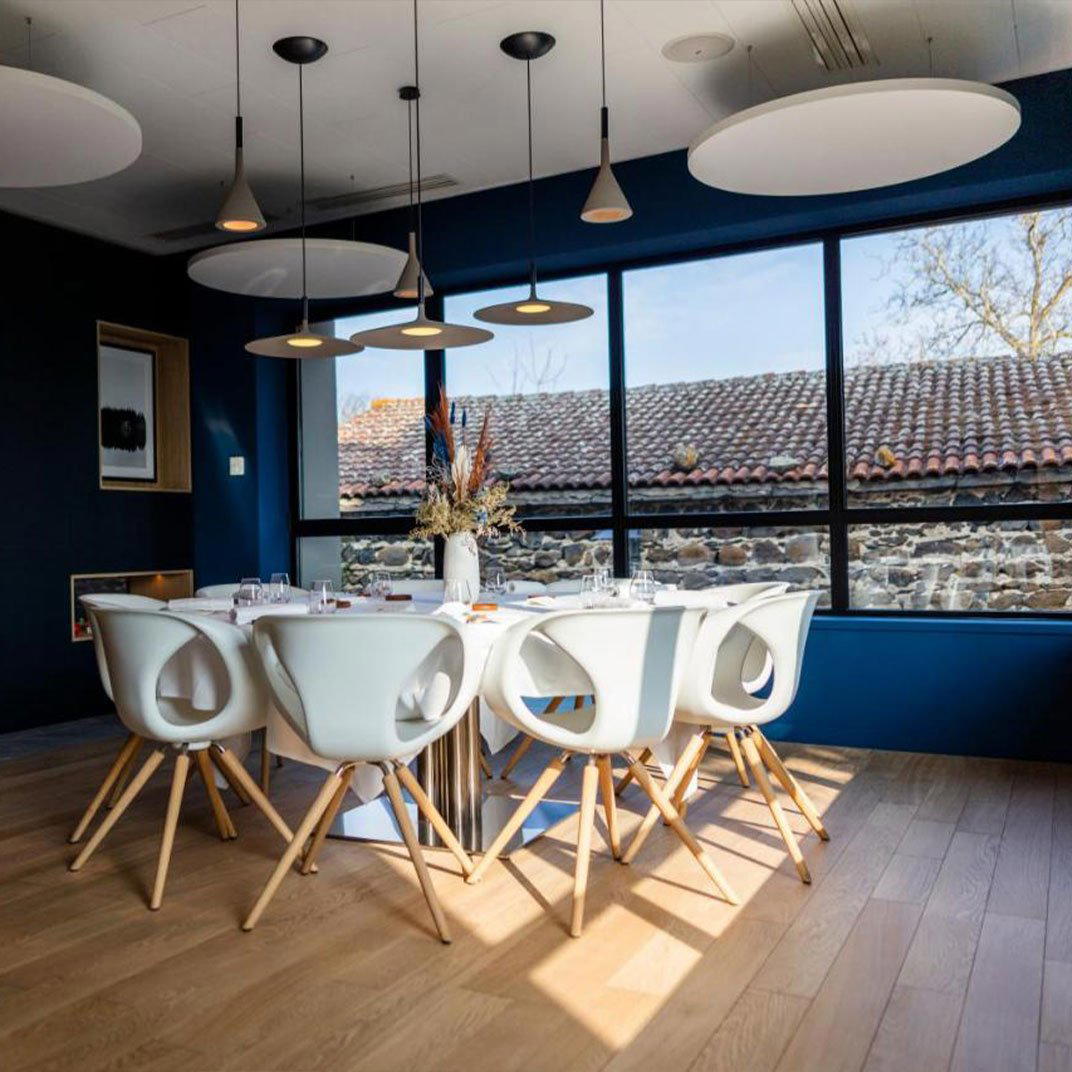
The setting is a modern building directly beside a 14th-century castle on the edge of Le Broc, a village near Issoire in the Auvergne highlands. At €€€€ with a 2024 Michelin star, the room is formal enough to match the cooking's ambition, but Descouls's cuisine tilts toward the comforting as well as the refined, so the atmosphere tracks that register: precise and considered, without the austerity that some starred rural restaurants project. At lunch, the Bistro Le Basalte format operates in the same space with views over the volcanic countryside that add a dimension the evening service cannot replicate.
What dish is Origines famous for?
Michelin's assessment of Descouls's creative, terroir-led cuisine singles out the stuffed poultry medallion with summer porcini sabayon and full-bodied jus as representative of the kitchen's strengths: local ingredients, regional produce handled with technical precision, and a flavour logic that sits between contemporary and comforting. It is the kind of dish that clarifies what the restaurant is doing, using Auvergne's forests and farms as primary creative material rather than as a regional footnote to a more generic fine-dining menu.
How It Stacks Up
| Venue | Cuisine | Price | Awards | Notes |
|---|---|---|---|---|
| OriginesThis venue (the venue you are viewing) | Modern Auvergnat Fine Dining | $150–200 | 1 Michelin Star · Gault & Millau Remarkable Restaurant | Not listed |
| Alléno Paris au Pavillon Ledoyen | Modern French Fine Dining | $150–200 | 3 Michelin Stars · World's 50 Best #79 | Creative |
| Kei | Contemporary French, Modern Cuisine | Not listed | Michelin 3 Star | Not listed |
| L'Ambroisie | Classic French Haute Cuisine | $300–500 | 2 Michelin Stars · World's 50 Best #23 | French, Classic Cuisine |
| Le Cinq - Four Seasons Hôtel George V | Modern French Fine Dining | $300–500 | 3 Michelin Stars · World's 50 Best #24 | French, Modern Cuisine |
| Plénitude | Modern French Sauce-Led Fine Dining | $300–500 | 3 Michelin Stars · World's 50 Best #14 | Contemporary French |
Recognition history
Dated appearances from independent guides and award organizations, with the underlying list record or original source where available.
Michelin 1 Star
Michelin
Gault & Millau Remarkable Restaurant
Gault & Millau
Full recognition history (4 entries)
Michelin 1 Star
Michelin
Michelin 1 Star
Michelin
Continue exploring
More in Le Broc
Details
- Elegant
- Sophisticated
- Modern
- Special Occasion
- Panoramic View
- Local Sourcing
- Mountain
- Tasting Menu
- Vegetarian Friendly
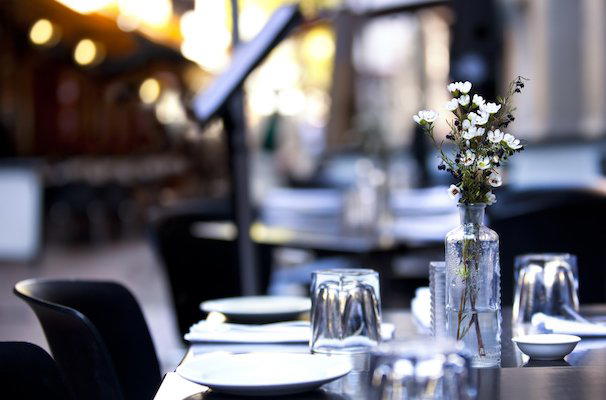
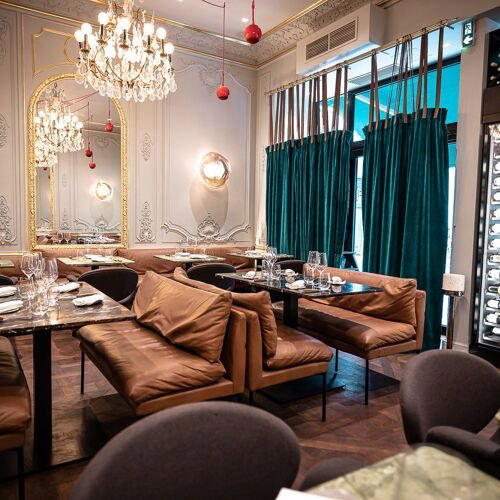
Refined contemporary atmosphere in a modern building with immaculate white dining room and far-reaching panoramic views.