La Bise

Michelin Plate
Our verdict
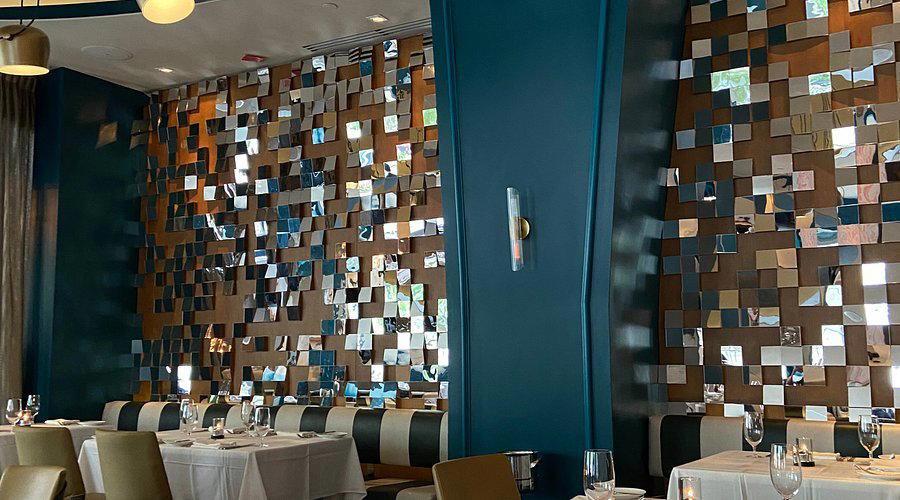
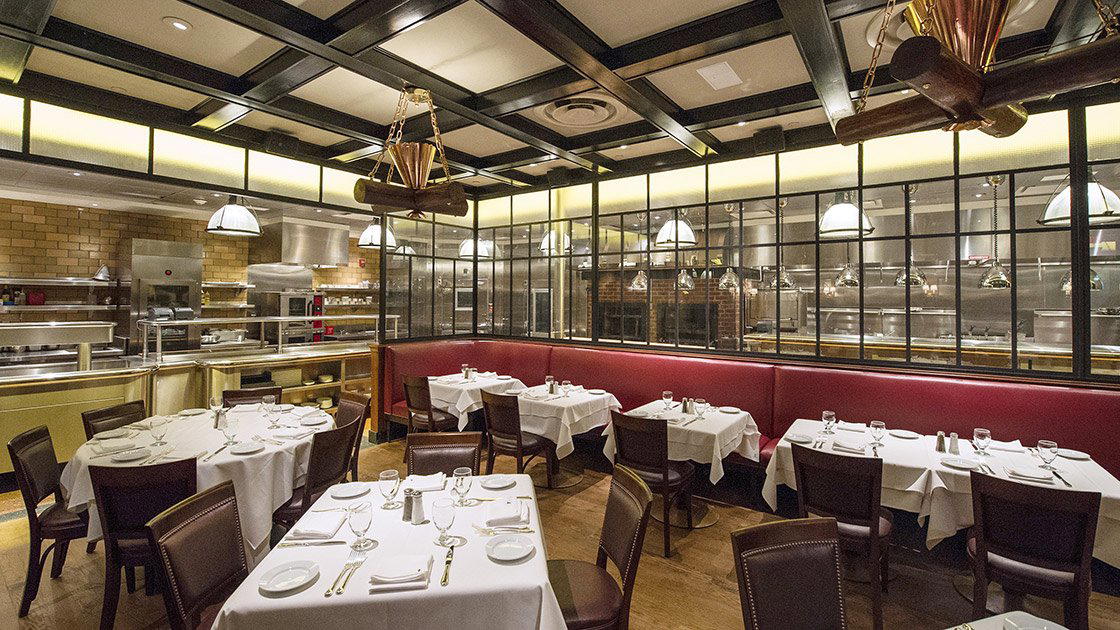
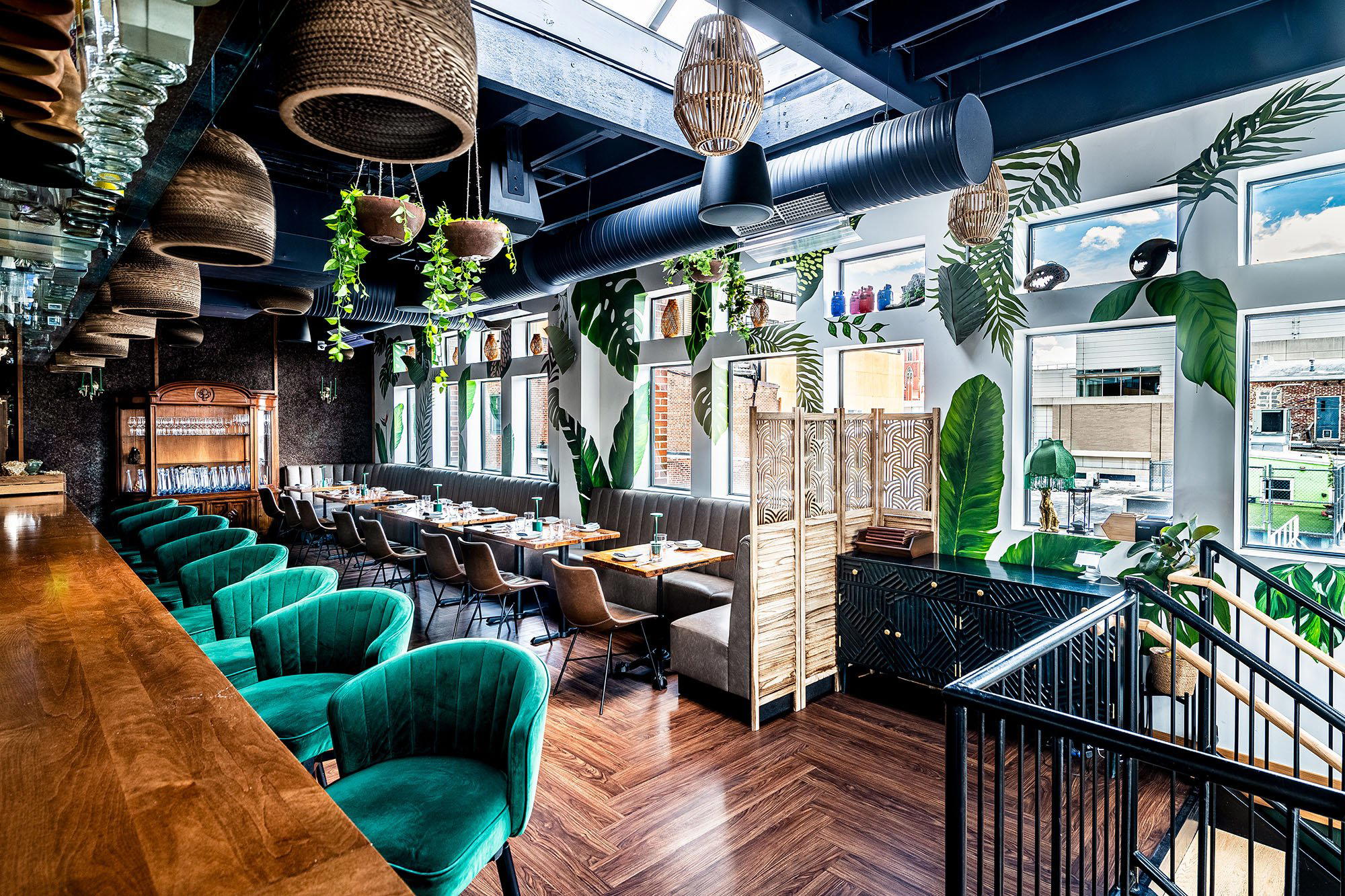
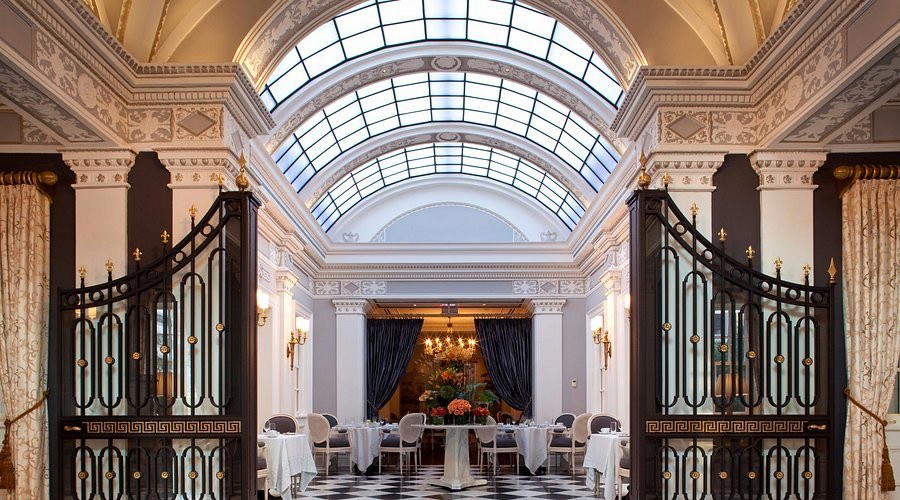
La Bise holds a Michelin Plate (2024) and sits steps from Lafayette Square, making it one of Washington's most-positioned French dining rooms. The menu runs French-Japanese in both concept and execution, moving from gougères and gyoza at the start to steak au poivre and tamari-glazed chicken further in. Blue walls, gold-patterned banquettes, and linen-robed tables set a room that reads formal without being stiff.

Pearl is the En Primeur Club membership app, where members save venues, book tables and use the concierge.
The menu
What to order
- Steak frites
- Duck breast
- Foie gras
- Mushroom risotto
A Room That Signals Its Ambitions Before the Menu Arrives
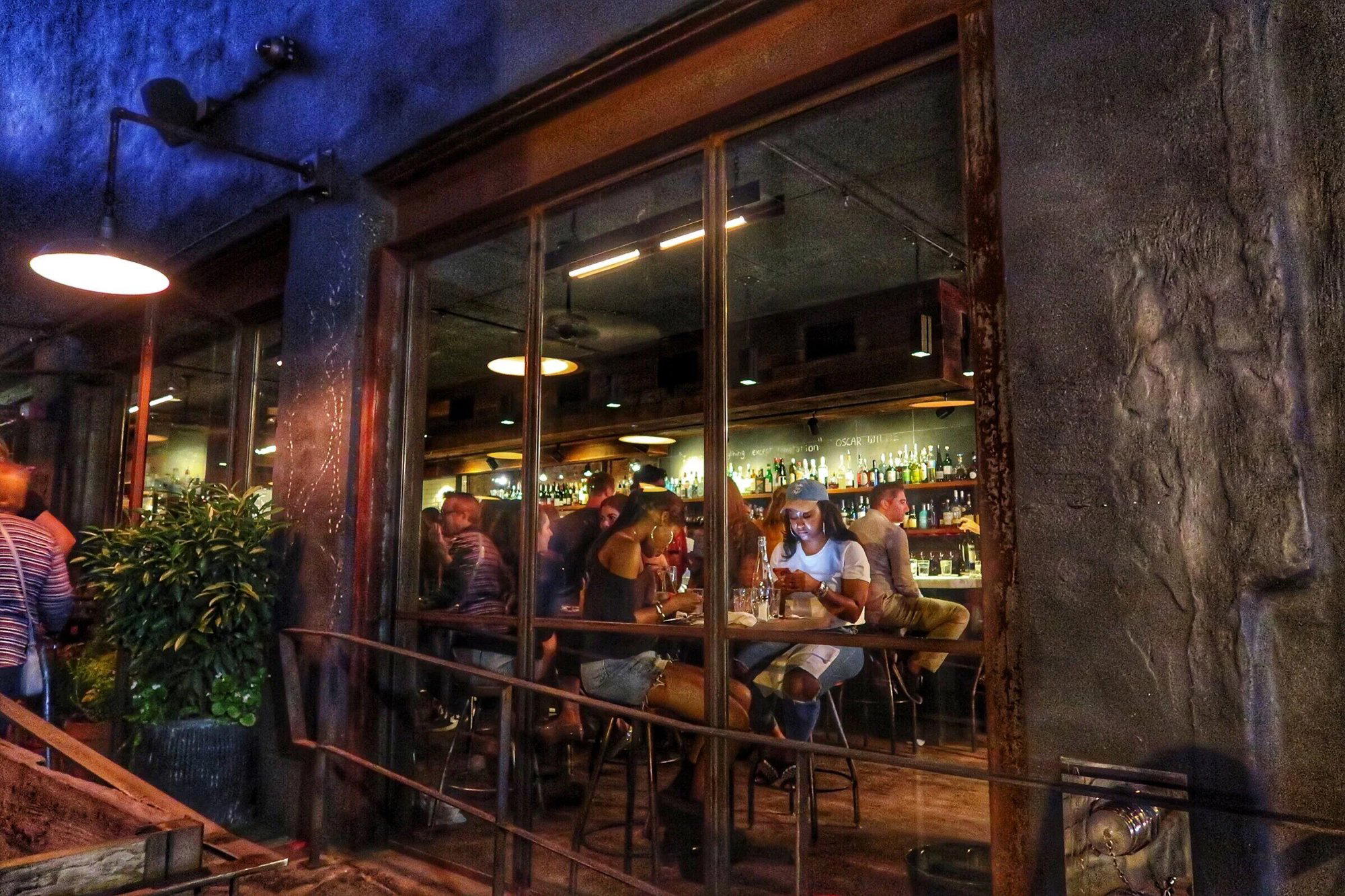
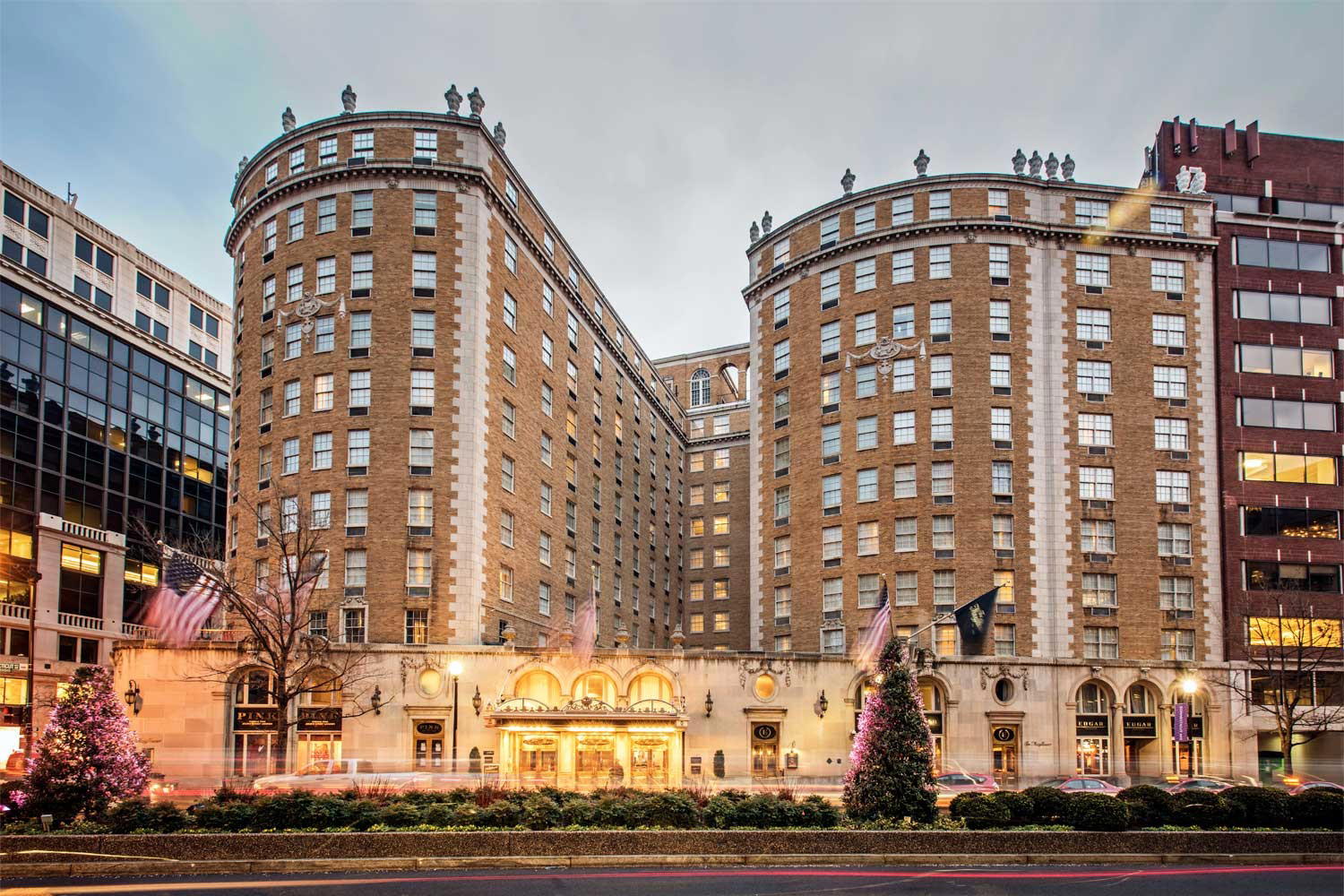
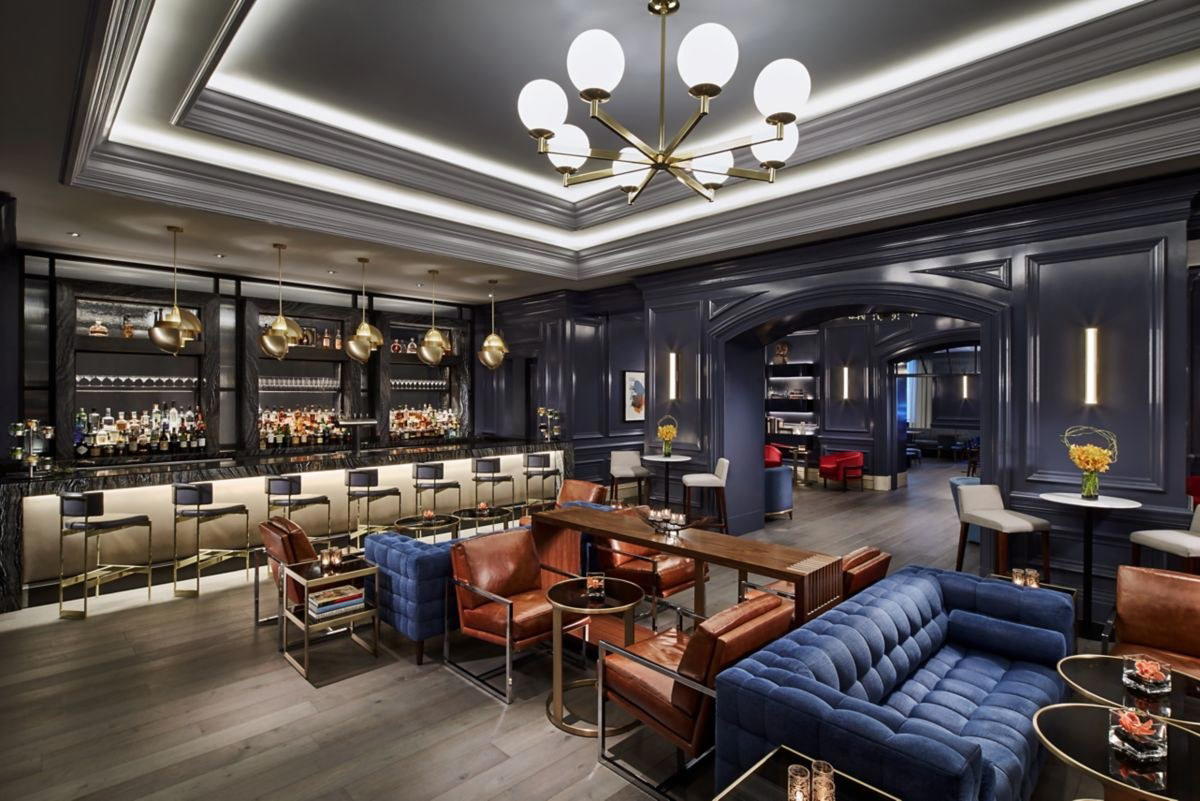
The corner of Lafayette Square has always carried a particular weight in Washington. Proximity to the White House lawn is not incidental, it sets the social register of every restaurant that has ever occupied this block. La Bise, at 800 Connecticut Avenue NW, steps into that context deliberately. The dining room has been refitted in a way that breaks from the muted, Georgetown-adjacent conservatism that once defined power-dining in the capital: blue walls, gold-patterned banquettes, and artwork that reads more downtown than diplomatic corridor. Linen-robed tables anchor the space, and the room hums at service in a way that suggests the clientele comes for the experience as much as the occasion.
That visual confidence matters because it signals the menu's logic. A restaurant that could have played it safe, classic brasserie, reliable prix fixe, a wine list built entirely around Burgundy and Bordeaux, has instead built its program around a structural tension that takes some unpacking.
What the Menu Architecture Actually Says
The menu at La Bise is built on a Franco-Japanese axis, and the way it sequences that pairing tells you more about the kitchen's ambitions than any single dish could. The opening tier moves between gougères (the kind of signal that announces classical French training) and gyoza (which is a very different culinary grammar altogether). This is not the diluted pan-Asian gesture that turned up on so many American fine-dining menus in the 2000s. The two traditions are placed in genuine structural dialogue: starters that frame French technique against Japanese precision, followed by mains that consolidate rather than blur that conversation.
Steak au poivre anchors the French side of the main course register. It is one of the more demanding test pieces on any menu, a dish with almost no places to hide, where the quality of the reduction, the calibration of the pepper crust, and the sourcing of the beef all become visible simultaneously. On the Japanese side, tamari-glazed chicken works as a counterpoint: quieter in register, more dependent on balance than bravado. The fact that both dishes occupy the same menu without one cannibalizing the other's logic is the kitchen's real architectural achievement.
Michelin awarded La Bise a Plate in 2024, which in the guide's current taxonomy means the inspectors found cooking worth noting without yet placing it in the starred tier. That sits the restaurant in a specific competitive bracket: above the broad mid-market, below the starred tier represented in Washington by venues like Albi, Causa, and Oyster Oyster. The Plate recognition is most useful read as a statement of direction: the guide sees potential in this kitchen's program.
Franco-Japanese Cooking in the American Context
The French-Japanese fusion tradition has a serious international lineage. In Tokyo, restaurants like L'Effervescence have spent years demonstrating what happens when classical French structure absorbs Japanese seasonality and restraint at the highest level. In Switzerland, a house like Hotel de Ville Crissier shows what decades of French technical mastery look like when concentrated in a single kitchen. The American iteration of this tradition is younger and operates under different market pressures, the audience is broader, the expectation of accessibility higher, the tolerance for austerity lower.
La Bise's version of the synthesis reads as more democratic than the Japanese models and less austere than the European ones. The gougère-to-gyoza opening sequence is readable to a first-time diner; the steak au poivre anchors familiar territory; the tamari glazing on chicken introduces Japanese flavoring without requiring prior fluency in the cuisine. That calibration is deliberate and reflects the specific demands of the Lafayette Square location: the room serves diplomats, lobbyists, and visitors who want serious food without the decoding effort required at more conceptually aggressive kitchens like Alinea or Lazy Bear.
Positioning in Washington's Current French Dining Scene
Washington has historically under-indexed on French cooking relative to its political stature and its per-capita income levels. New York's French tier, anchored at the leading by Le Bernardin, has no direct equivalent in D.C. The capital's restaurant identity has been shaped instead by its proximity to the Chesapeake (which pushes seafood to the fore), its large and established immigrant populations (which have made Middle Eastern and Peruvian cooking, as seen at Albi and Causa, some of the city's most credentialed), and its policy-class clientele (which has historically rewarded formality and reliability over culinary risk-taking).
La Bise occupies an interesting gap in that context. It carries the cultural authority of French cooking, the linen, the classical foundations, the room's evident investment in atmosphere, while grafting a Japanese dimension that gives it a more contemporary identity than a straight brasserie format would allow. Nearby, Apéro and The Pembroke address adjacent parts of the formal dining market from different angles.
At the $$$ price tier, the restaurant sits below the $$$$ bracket occupied by most of Washington's Michelin-starred kitchens, which gives it a structural advantage in the business-lunch and pre-theatre circuits that still define midweek covers on Connecticut Avenue. That pricing also means the Franco-Japanese menu reaches diners who want the room's formality without the full commitment of a tasting-format dinner at one of the starred houses.
Planning a Visit
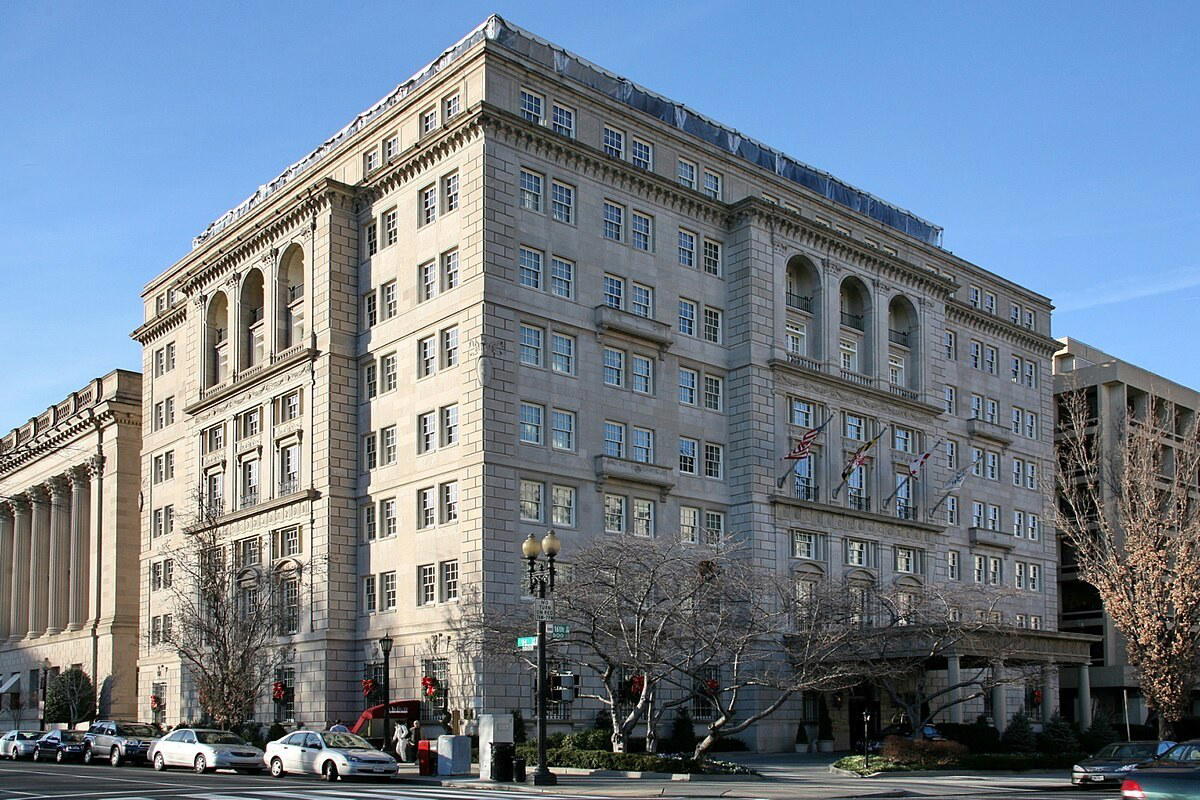
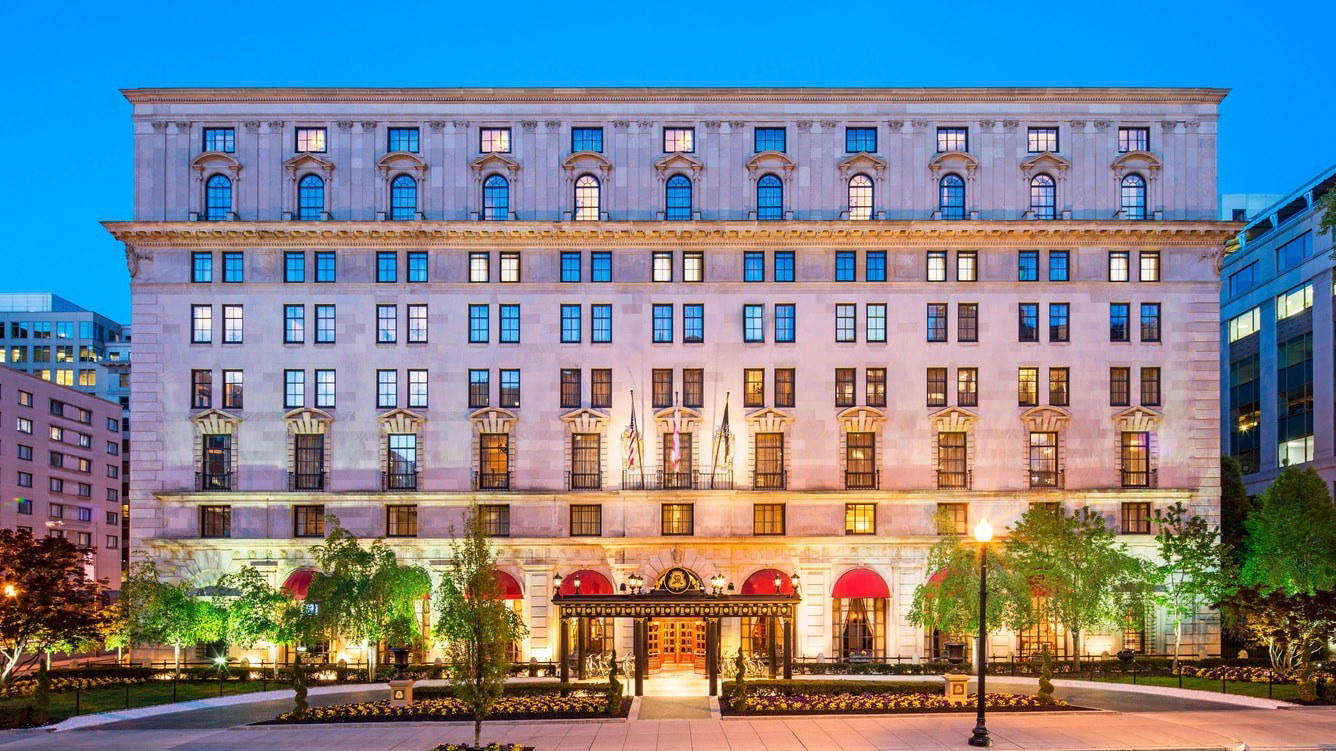
La Bise is located at 800 Connecticut Avenue NW, Suite 600, in a building at the corner of Lafayette Square, within walking distance of Farragut West and Farragut North Metro stations, which makes it accessible without a car from most central D.C. hotels. The dining room's linen-and-banquette format and the surrounding neighborhood suggest business-appropriate dress, though the colorful interior reads less stiffly than the exterior address implies. Reservations through standard booking platforms are advisable, particularly for weekday lunch slots when the Lafayette Square location drives corporate demand. For a wider view of where La Bise sits in the city's dining options, see our full Washington, D.C. restaurants guide, along with our D.C. hotels guide, bars guide, wineries guide, and experiences guide.
Frequently asked questions
What should I eat at La Bise?
The menu's Franco-Japanese architecture is leading experienced by following its internal logic rather than treating the two cuisines as separate tracks. Start with the gougères if you want a read on the kitchen's classical French foundations, or the gyoza if you want to gauge how seriously the Japanese side is being handled. In the mains, steak au poivre tests the French technique; tamari-glazed chicken shows the Japanese integration. The Michelin Plate recognition (2024) suggests the inspectors found consistent execution across the menu, which is the clearest external signal that the kitchen's ambitions hold up in practice. If you are coming from the $$$$ starred tier, from venues like Single Thread, The French Laundry, or Emeril's, calibrate expectations accordingly: La Bise is operating at a deliberate register below those kitchens, and it reads most honestly at the price point it actually occupies.
Price and Positioning
| Venue | Cuisine | Price | Awards | Notes |
|---|---|---|---|---|
| La BiseThis venue (the venue you are viewing) | Modern French | $100–150 | Michelin Plate | Not listed |
| Albi | Modern Levantine Fine Dining | $300–500 | 1 Michelin Star · World's 50 Best #6 | United States, Middle Eastern |
| Causa | Modern Peruvian Fine Dining | $150–200 | 1 Michelin Star · James Beard Award Best Chef: Mid-Atlantic | Peruvian |
| Oyster Oyster | Modern Vegetable-Focused Tasting Menu | Not listed | 1 Michelin Star · James Beard Award Outstanding Chef #1 | New American, Vegetarian, Vegetarian (Sustainable) |
| Bresca | Modern French Bistronomy | $150–200 | 1 Michelin Star · James Beard Award Semi Finalist | Modern French, Contemporary |
| Gravitas | Modern American Fine Dining | $150–200 | 1 Michelin Star | New American, Contemporary |
Recognition history
Dated appearances from independent guides and award organizations, with the underlying list record or original source where available.
Michelin Plate
Michelin
Full recognition history (2 entries)
Michelin Plate
Michelin
Continue exploring
More in Washington DC
Restaurants in Washington DC
All restaurants in Washington DC →
Bars in Washington DC
All bars in Washington DC →

Details
- Elegant
- Sophisticated
- Modern
- Date Night
- Business Dinner
- Special Occasion
- Open Kitchen
- Craft Cocktails
- A La Carte
- Prix Fixe
Current opening hours
- Monday
- 5–9 PM
- Tuesday
- 5–9 PM
- Wednesday
- 5–9 PM
- Thursday
- 5–9 PM
- Friday
- 5–10 PM
- Saturday
- 5–10 PM
- Sunday
- Closed
Hours can change for holidays and private events. Hours as of .
Elegant and relatively quiet with lively, jazzy decor, well-suited for conversation.