
Michelin Plate
Our verdict
At the single-euro price tier, it occupies the category of affordable traditional French cooking that Michelin increasingly treats as worth preserving. For travellers moving through the Alps, it represents the kind of grounded regional table that urban restaurants rarely replicate.

Pearl is the En Primeur Club membership app, where members save venues, book tables and use the concierge.

The menu
What to order
- Œuf en cocotte façon carbonara
- Filet de canette en peau rôtie
- Kiwi en pyramide
Where Traditional French Cooking Holds the Line
The French tradition of cuisine de terroir has always been most honest away from city centres. In the Haute-Savoie department, where alpine valleys compress distance and seasons, a certain category of restaurant has survived, not by chasing trends, but by maintaining a consistent relationship with local produce and classical technique. La Baratte, at 34 Route de la Chapelle in the commune of Leschaux, belongs to that tradition. Its 2025 Michelin Plate recognition places it in the tier Michelin reserves for restaurants offering quality cooking at accessible prices, a designation that has become increasingly meaningful as the guide recalibrates what it values beyond starred complexity. For context, the Plate sits below Michelin Stars but signals genuine culinary merit: it is not handed to every bistro that submits a dossier.
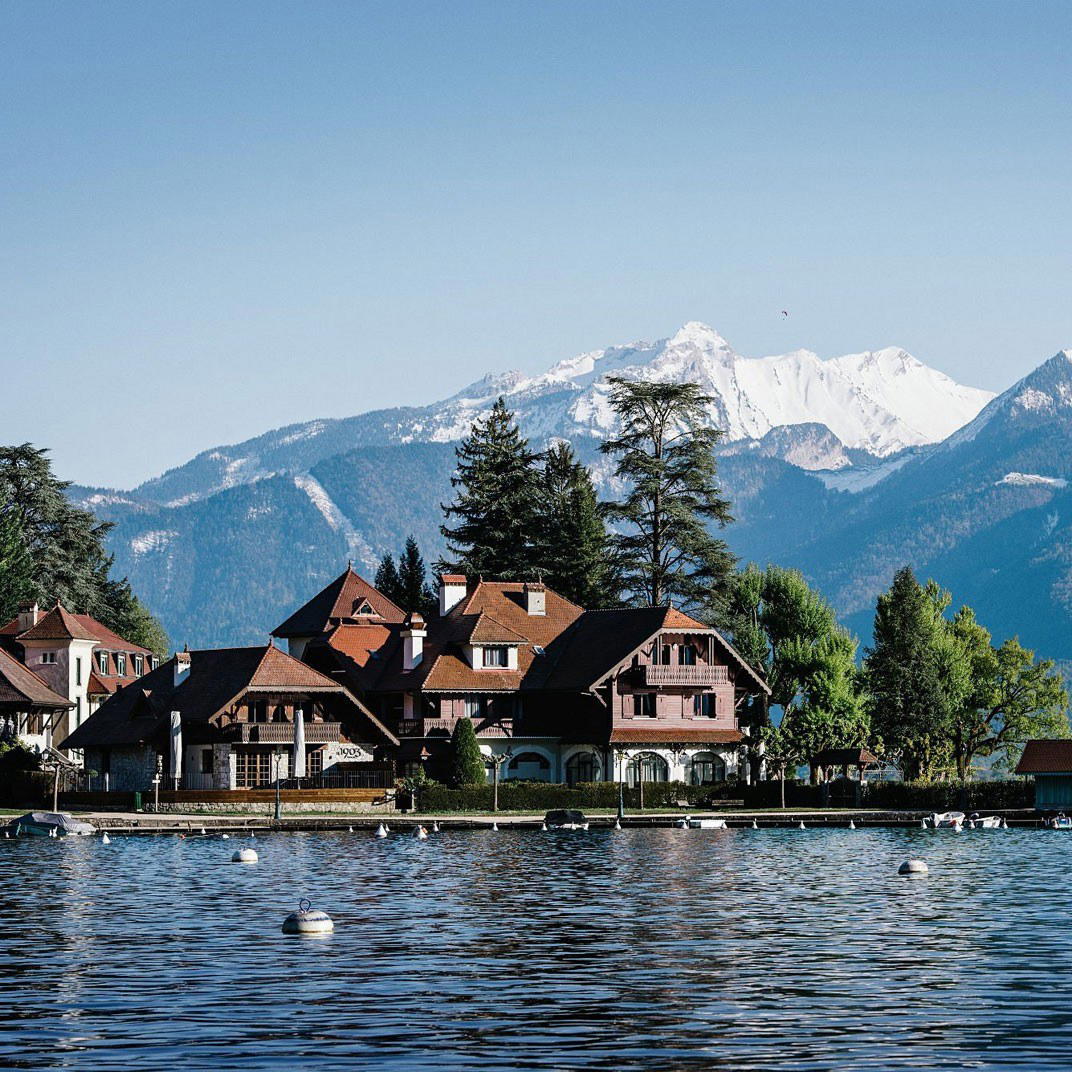
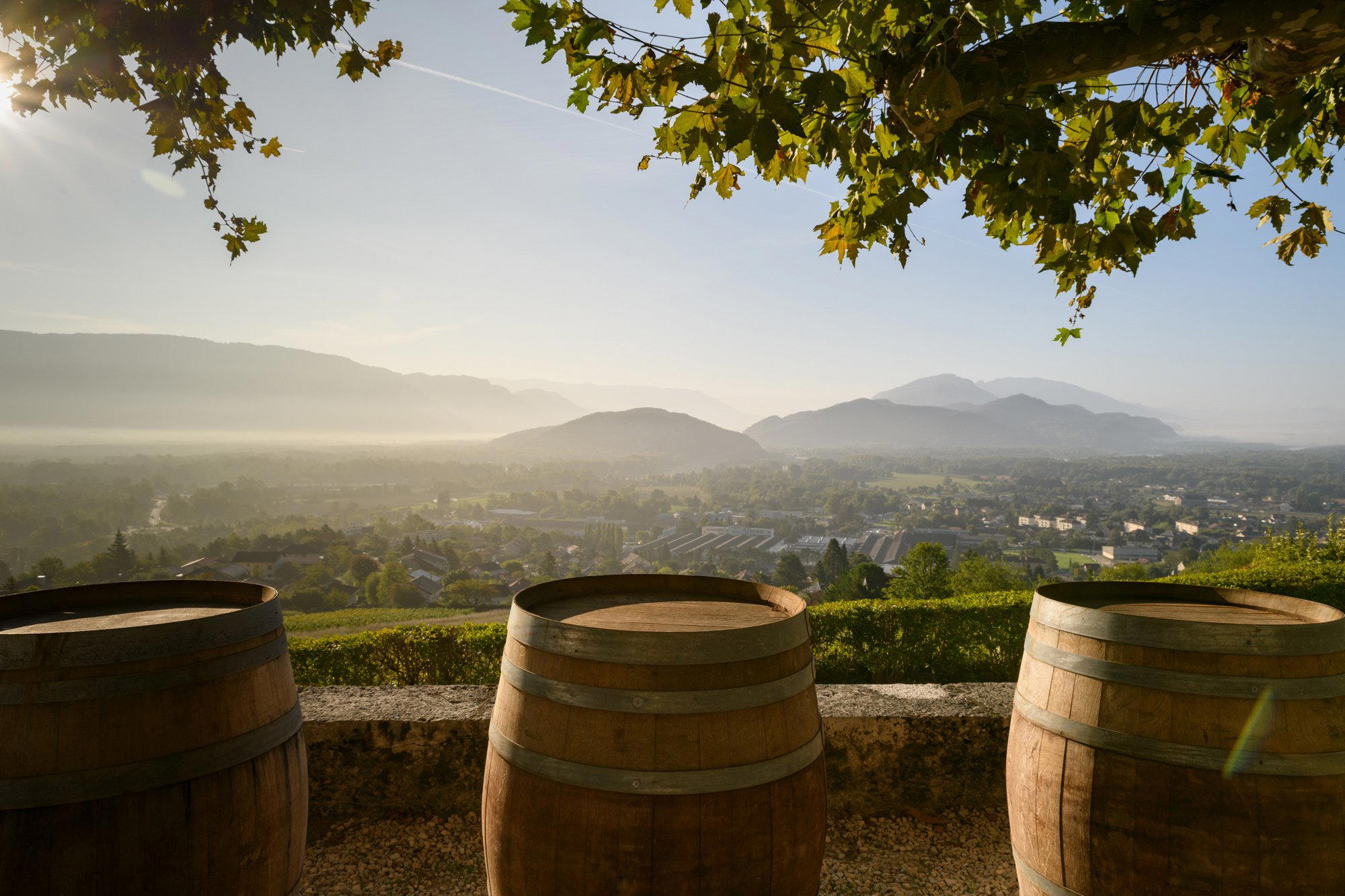
The address itself is instructive. Leschaux is a small commune in the Aravis range, southeast of Annecy, at an elevation that shapes both the produce available and the appetite of the people who live and work nearby. This is not alpine-resort gastronomy in the mode of Flocons de Sel in Megève, where the dining room is as much a statement as the food.
Menu Architecture and What It Reveals
In France, the structure of a traditional menu communicates the kitchen's priorities before a single dish arrives. The classic format, entrée, plat, fromage, dessert, is not merely convention; it is a pacing philosophy that treats a meal as a sequence rather than a collection of individual plates. Restaurants in the traditional cuisine category, as opposed to the creative or contemporary French categories, typically build their menus around this architecture, using it to anchor the cooking in a legible regional identity.
At the price point La Baratte operates, that architecture usually means a short, rotating menu tied closely to what is available locally and seasonally, rather than the extended tasting formats associated with three-starred addresses like Mirazur in Menton or Troisgros in Ouches. This brevity is not a limitation, it is a discipline. A short menu implies confidence in sourcing and a refusal to disguise mediocre ingredients behind elaborate preparation. The Haute-Savoie region provides specific raw materials that reward direct treatment: lake fish from Annecy, cheeses from the Aravis and Beaufortain ranges, and meat from mountain pastures with a distinct flavour profile that longer grazing seasons at altitude produce.
Traditional cuisine in this part of France also carries the structural weight of Savoyard cooking, dishes like gratin dauphinois, tartiflette, and preparations around reblochon are regional markers rather than novelties. A kitchen that manages these correctly is maintaining a culinary record as much as cooking for present customers. The Michelin Plate signals that La Baratte handles this responsibility with enough consistency to warrant attention from the guide's inspectors, who visit anonymously and repeatedly before issuing any recognition.
Positioning in the French Regional Table Tradition
France's most recognised restaurants cluster in Paris and a handful of resort destinations, but the deeper argument for French cuisine has always rested on what happens in the regions. The long-established houses, Auberge de l'Ill in Illhaeusern, Bras in Laguiole, Paul Bocuse in Collonges-au-Mont-d'Or, each built their reputations on a specific regional identity rather than proximity to a metropolitan audience. La Baratte occupies a different tier of that tradition, but the underlying logic is the same: a restaurant that does not attempt to transplant itself to a major city is making a statement about the primacy of place.
Within the traditional cuisine category at accessible price points, the comparison set across France includes places like Auberge Grand'Maison in Mûr-de-Bretagne and Auga in Gijón, addresses where Michelin recognition at non-luxury price points reflects a deliberate editorial decision by the guide to document cooking that might otherwise go unnoticed outside its immediate community. For travellers who use Michelin as a filter rather than a prestige signal, these are precisely the restaurants worth seeking out.
Paris itself offers a version of this tradition, though compressed and adapted for a city audience. Bistros in the Parisian mode, Allard being a well-documented example, carry similar culinary DNA but operate in a different commercial context. Addresses like Le Violon d'Ingres and Anecdote represent how the tradition adapts to an urban market, while newer formats such as 19.20 by Norbert Tarayre and 20 Eiffel illustrate how contemporary Paris reworks classical French ideas for a different diner expectation. La Baratte, by contrast, operates without the pressure of a Parisian audience, which allows, and arguably requires, a more direct relationship with its regional ingredients and its local clientele.
Planning a Visit
Frequently asked questions
What do regulars order at La Baratte?
La Baratte holds a 2025 Michelin Plate under a traditional cuisine designation, which points firmly toward classic French regional cooking rather than a menu chasing contemporary trends. In Haute-Savoie, that typically means dishes built around the alpine larder: lake fish, cured meats, and dairy-rich preparations rooted in the Aravis territory. The Michelin Plate recognition signals consistent kitchen execution rather than experimental ambition, so returning guests are almost certainly ordering the plat du jour and whatever anchors the set menu that week.
What does dinner at La Baratte typically cost?
Pricing at La Baratte is listed as €.
Where do I go for La Baratte?
La Baratte is located at 34 Rte de la Chapelle, 74320 Leschaux, France, Paris.
Cuisine Context
Comparable venues nearby, for context on price, style, and recognition.
| Venue | Cuisine | Price | Awards | Notes |
|---|---|---|---|---|
| La BaratteThis venue (the venue you are viewing) | Classic French Bistro | $50–100 | Michelin Plate | Not listed |
| Le Petit Canard | Traditional French Duck Bistro | Not listed | Not listed | 9th arrondissement |
| Comptoir De Vie | Modern French Tasting Counter-Bar | $100–150 | Not listed | 2nd Arrondissement |
| Le Pierre Scize | French Bistro | Not listed | Michelin Plate | Old Lyon |
| Alain Ducasse Baccarat | Avant-garde French fine dining in a crystal-clad Maison Baccarat setting | $150–200 | Not listed | 16th arrondissement |
| La Passerelle | Modern French Gastronomic | $50–100 | Michelin Plate | Issy-les-Moulineaux |
Recognition history
Dated appearances from independent guides and award organizations, with the underlying list record or original source where available.
Michelin Plate
Michelin
Continue exploring
More in Paris
Restaurants in Paris
All restaurants in Paris →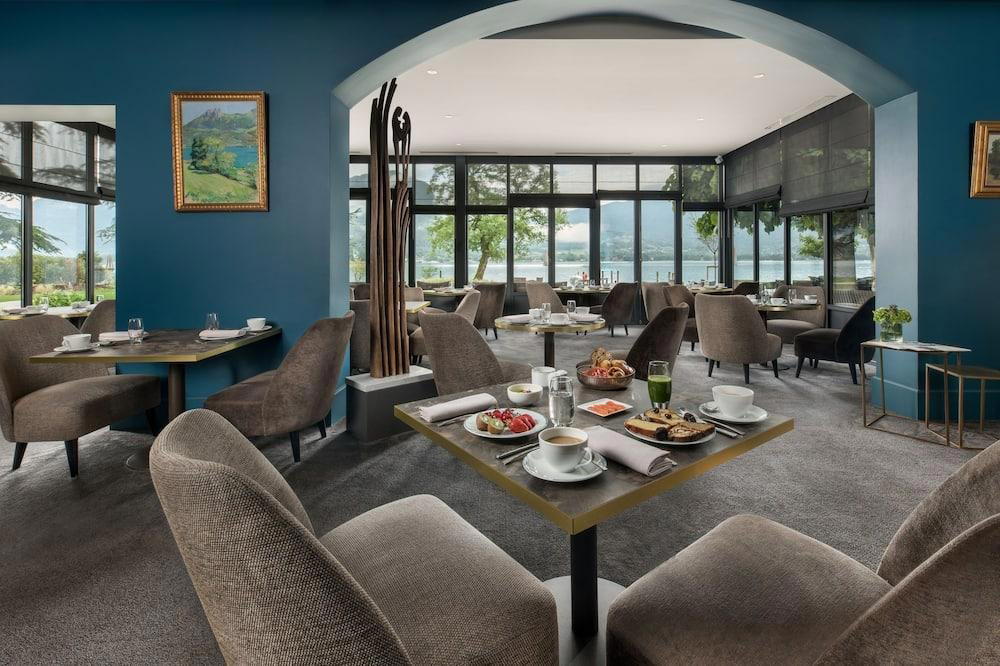
Bars in Paris
All bars in Paris →

Details
- Classic
- Elegant
- Cozy
- Date Night
- Special Occasion
- Celebration
- Group Dining
- Garden
- Terrace
- Local Sourcing
- Farm To Table
- Garden
- A La Carte
- Prix Fixe
- Wine
- Vegetarian Friendly
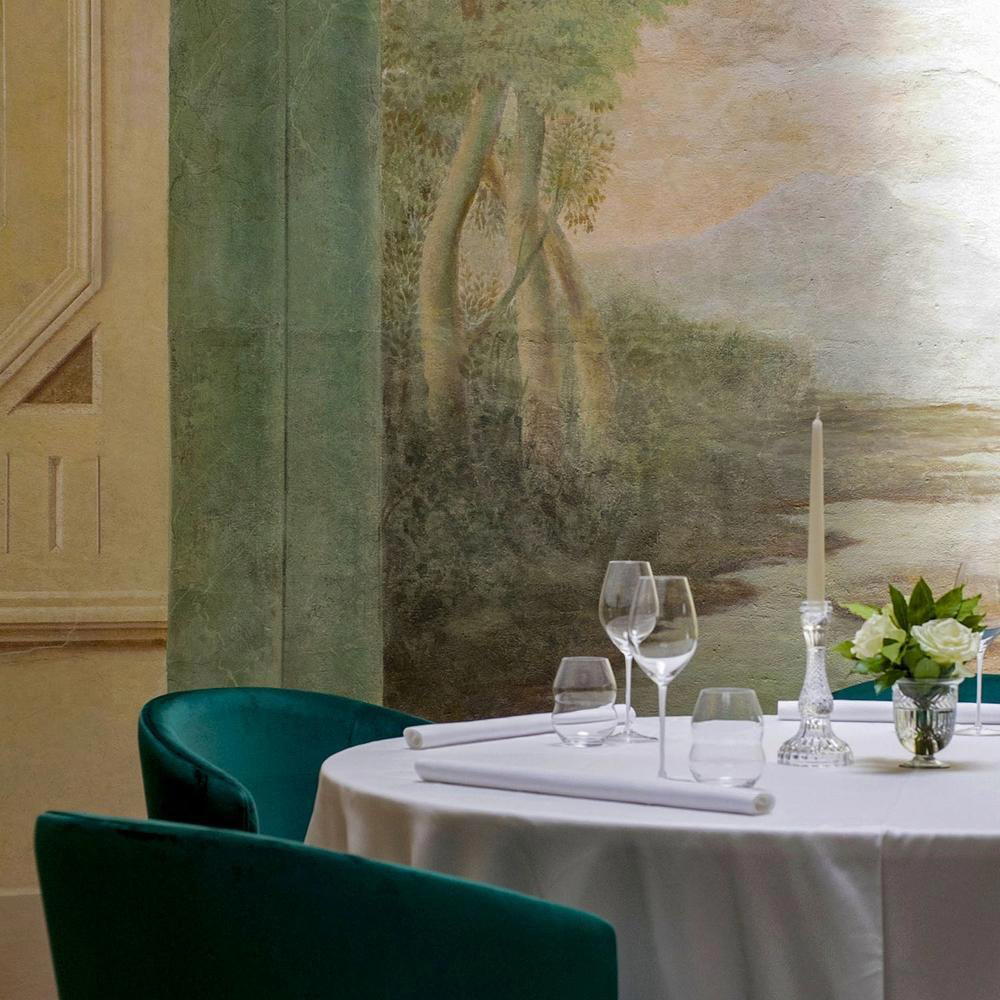
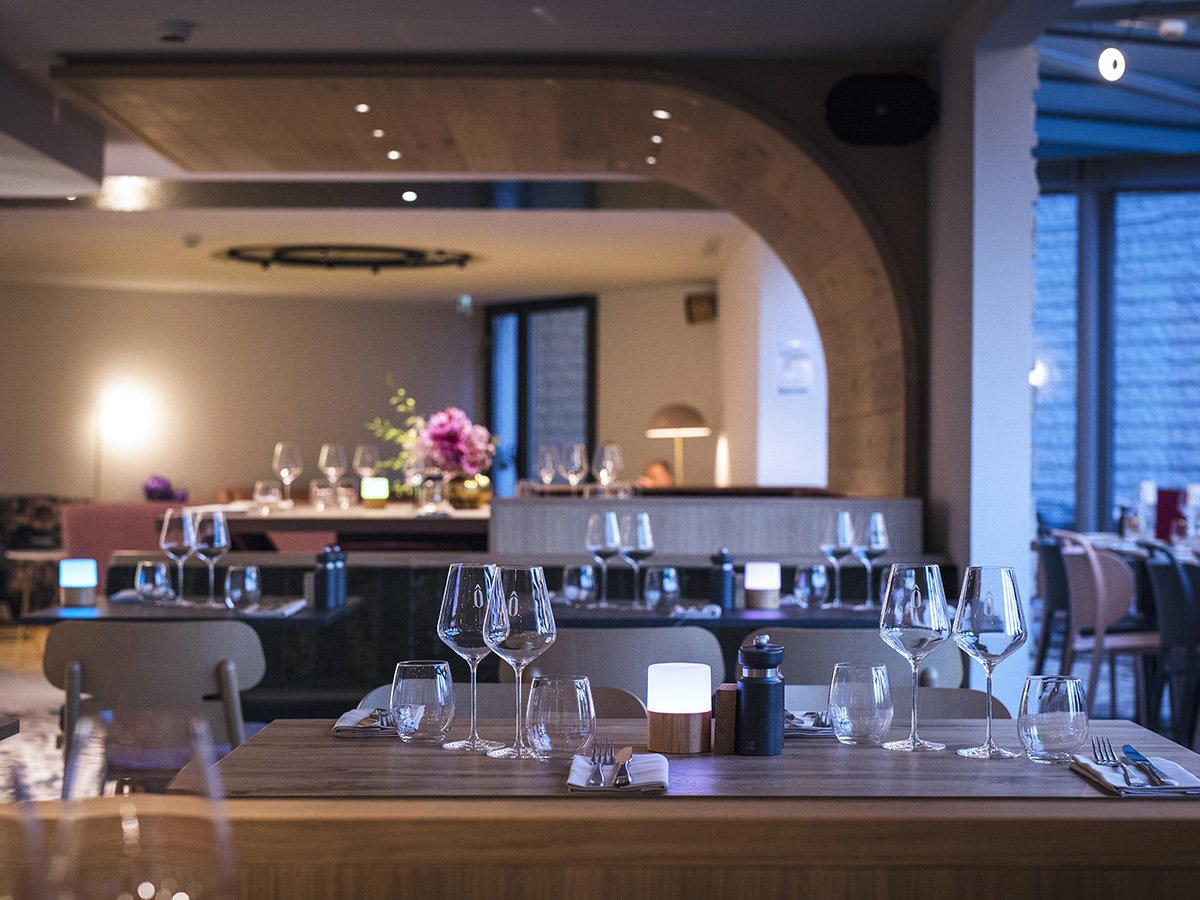
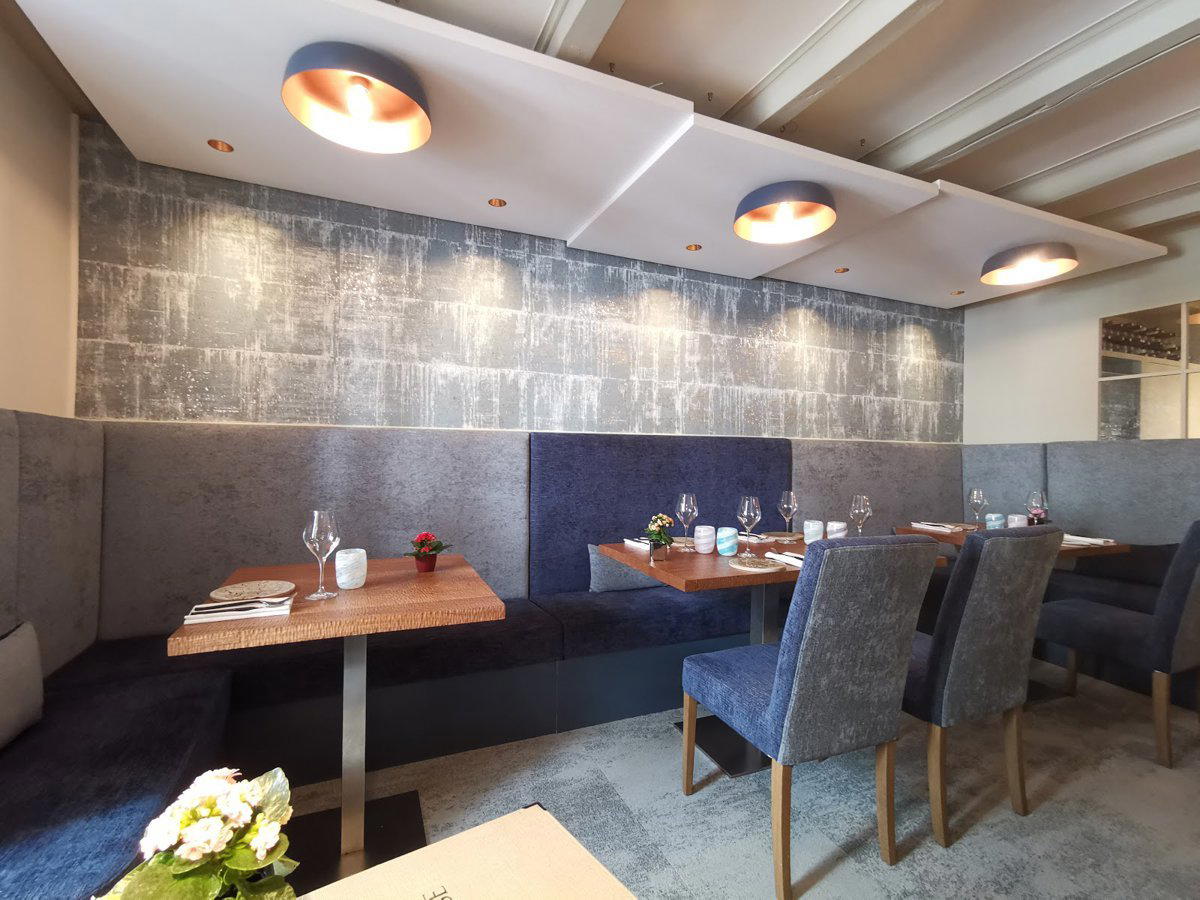
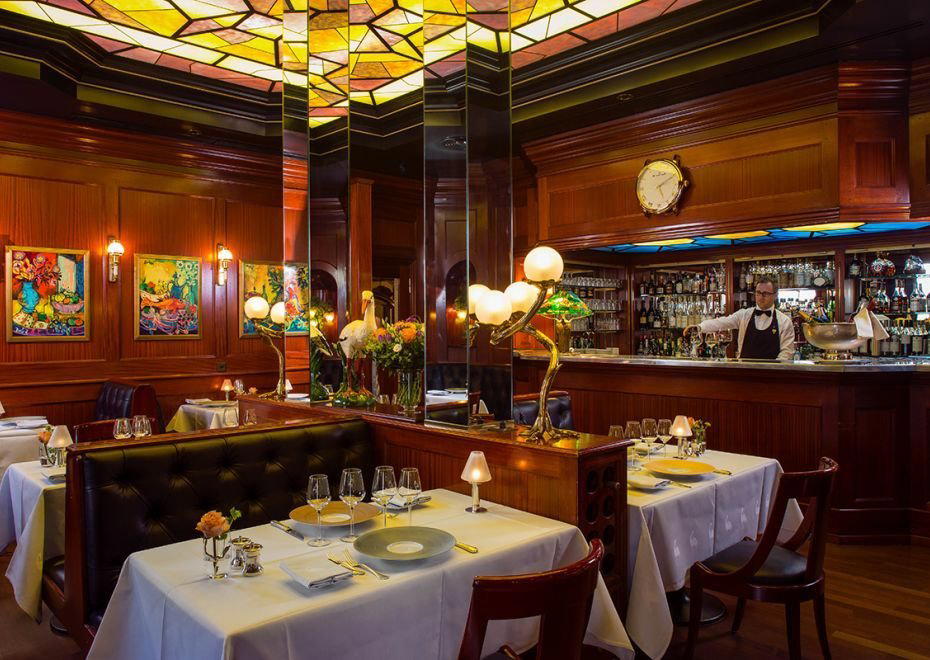
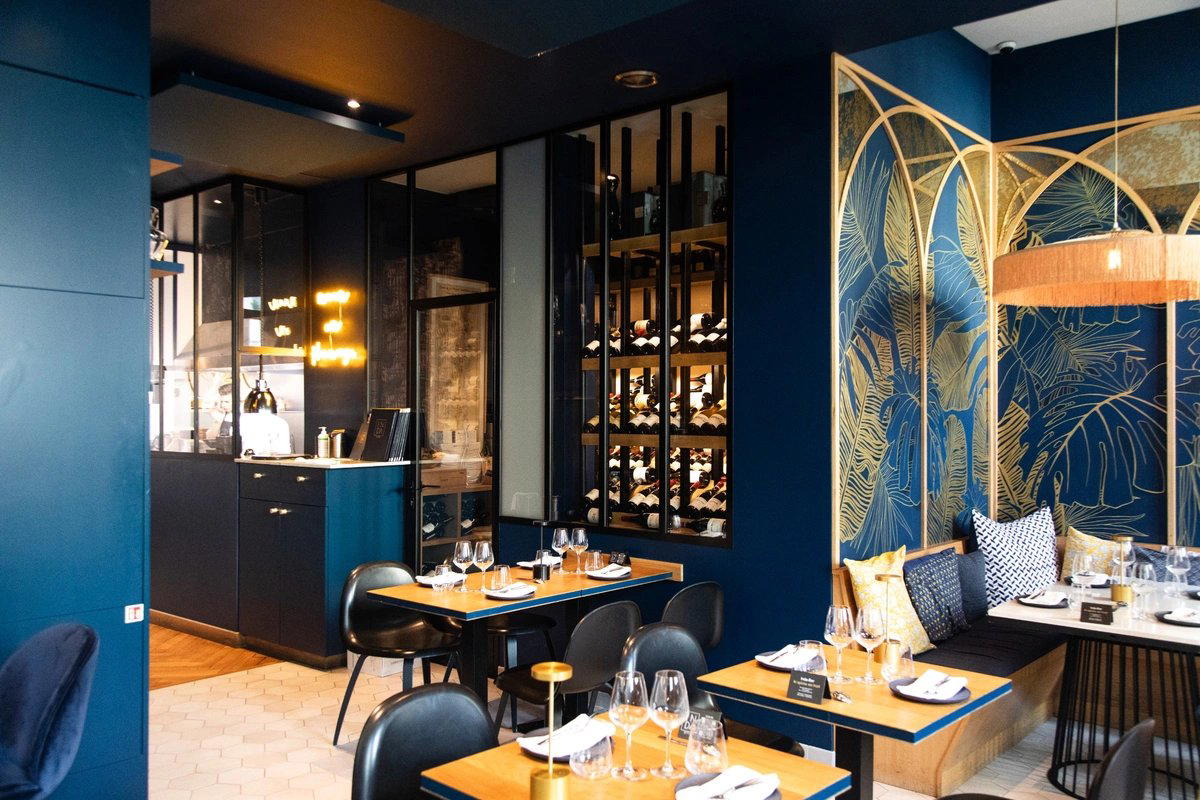
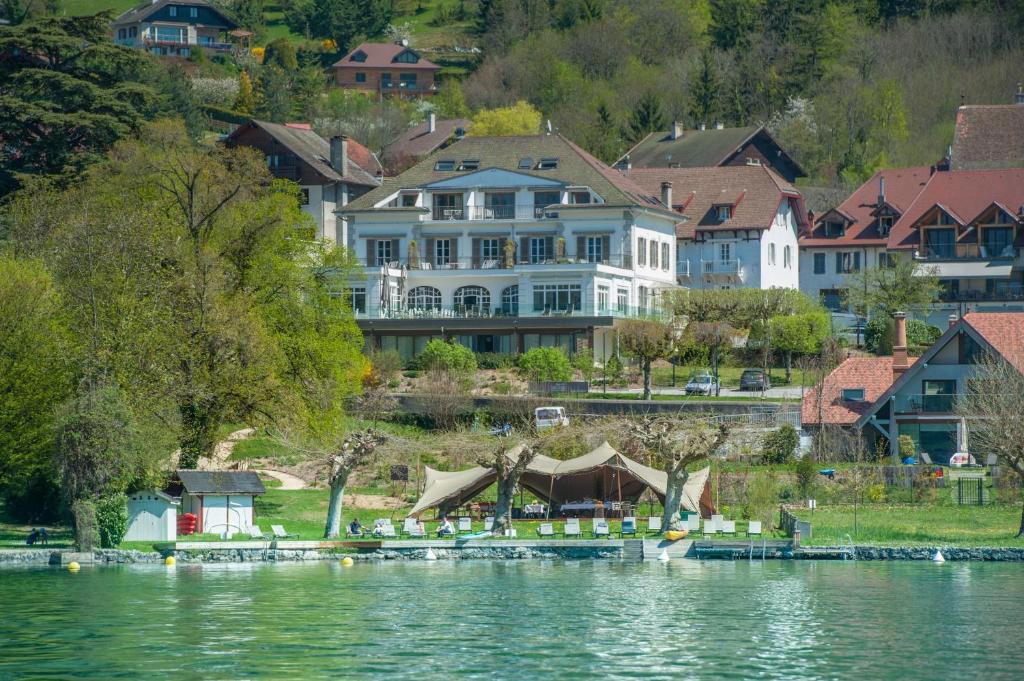
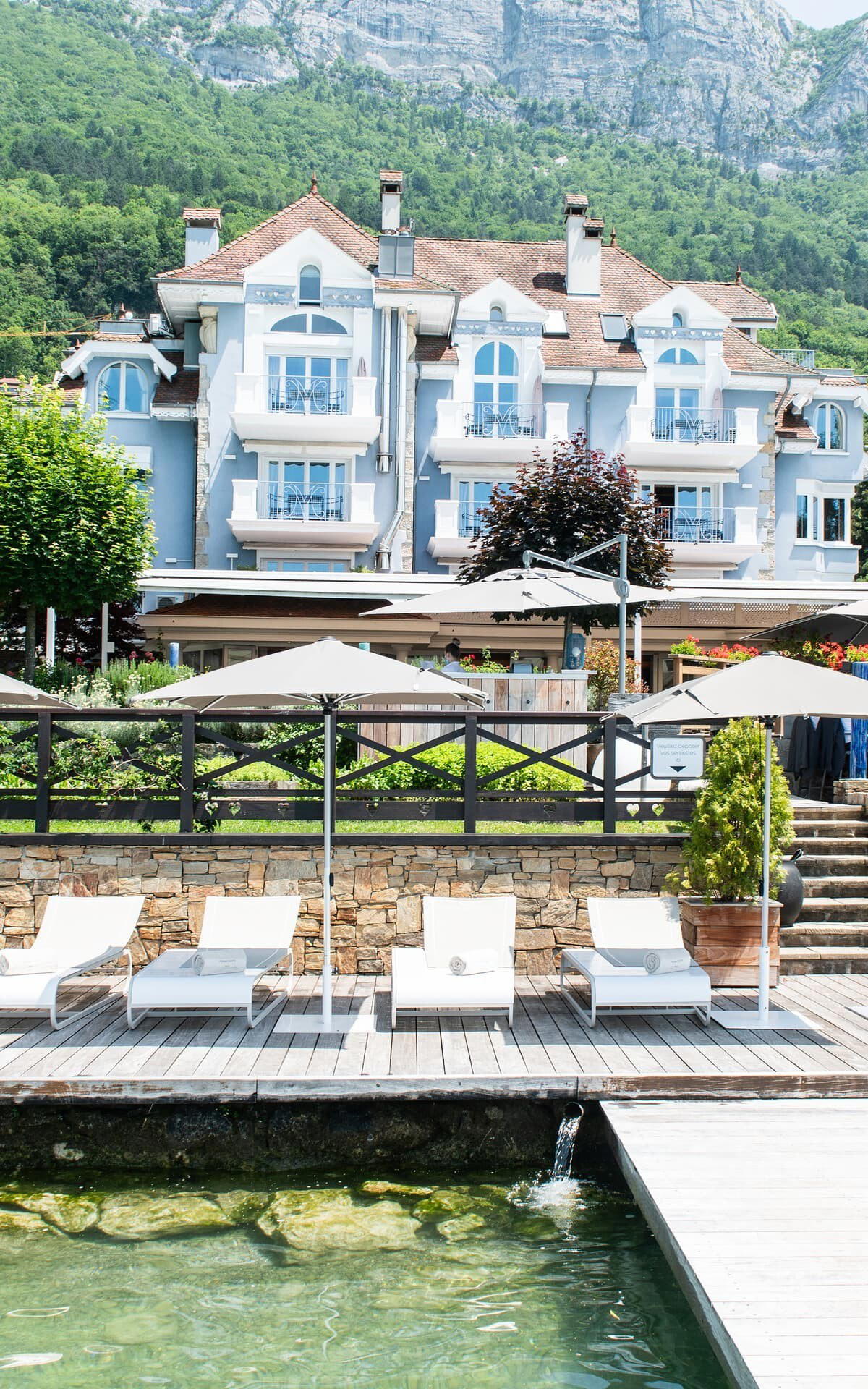
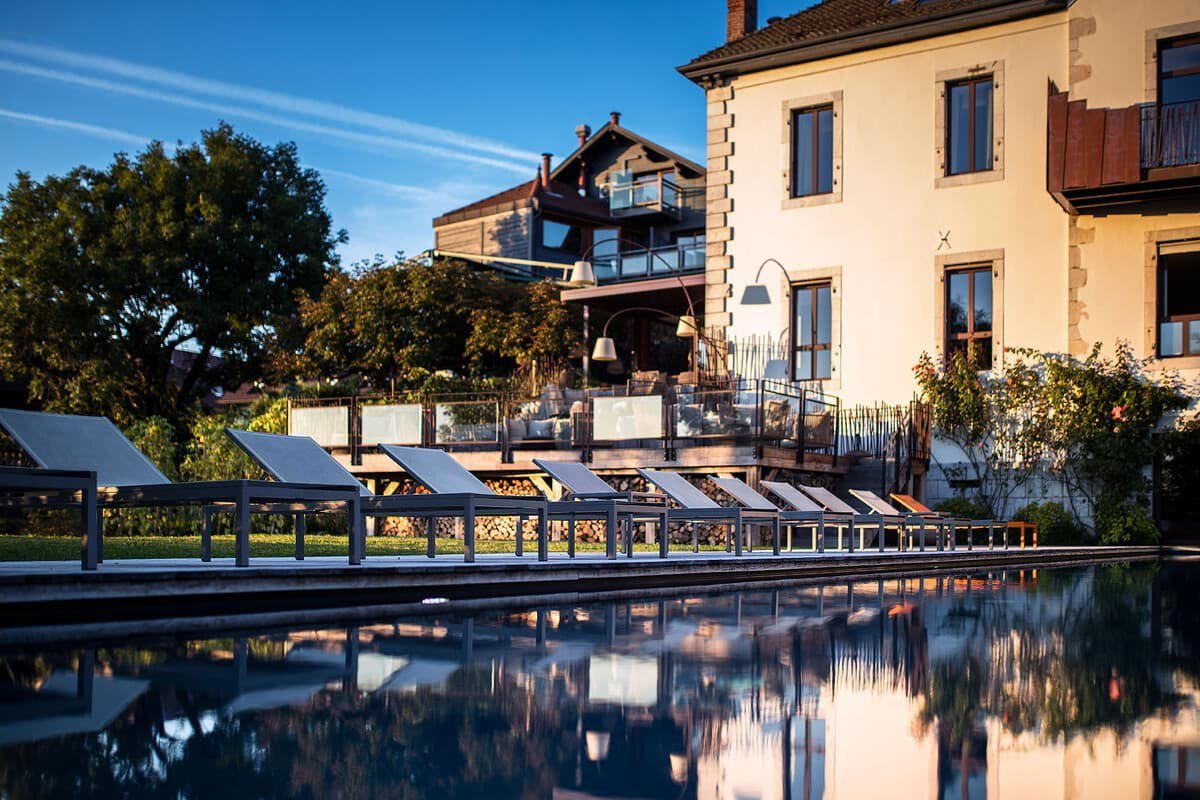
Bright and serene with modern lighting and floral arrangements; baies vitrées (large glass doors) frame a beautiful lit garden courtyard, creating an elegant yet welcoming atmosphere.