
1 Michelin Star
Our verdict
A Michelin-starred address on Rue Saint-Dominique, Le Violon d'Ingres represents the 7th arrondissement's tradition of precise, unfussy French cooking under chef Christian Constant.

Pearl is the En Primeur Club membership app — saves, bookings, and concierge access live there. Same editors, same standards.
- Address
- 135 Rue Saint-Dominique, 75007 Paris, France
- Phone
- +33 1 45 55 15 05
- Hours
- Daily 12–2 PM, 6:30–10 PM
- Website
- leviolondingres.paris
- Directions
- Get directions
- Booking
- Book on TheFork
The menu
What to order
- Foie Gras
- Pigeon en Feuilleté
- Ris de Veau au Vin Jaune
- Millefeuille
- Soufflé Grand Marnier
Traditional French Dining in the 7th: Where the Ritual Still Holds
The 7th arrondissement has long operated as one of Paris's more disciplined dining quarters. Away from the theatrical density of the Marais or the experimental energy around Oberkampf, Rue Saint-Dominique and its immediate surroundings sustain a different register: restaurants where the meal itself is the architecture, where the progression from amuse-bouche to cheese course is understood as a structure rather than a suggestion. Le Violon d'Ingres, at number 135, is one of the addresses that has kept that tradition coherent across two decades of shifting trends in the capital's restaurant scene.
Christian Constant opened Le Violon d'Ingres in 1996. That date matters not as biography but as context: the mid-1990s were a period when Paris's top-tier kitchens were consolidating around a particular model of refined classical cooking, and Constant, a figure whose training had passed through the kitchens of the Crillon, entered the picture with credentials that placed him firmly within that tradition.
The Architecture of a Meal Here
Traditional French cuisine, when practised at this level, operates according to a set of rhythms that are worth understanding before you sit down. The meal is not designed to surprise you into attention — it asks for attention from the first moment and rewards it with accumulating coherence. At a one-Michelin-star address in this category, you are not in the experimental register of places like Allard or the grand-hotel formal weight of Anecdote. You are in the space where classical French technique is applied with precision and without apology.
The pacing at this type of table in Paris follows a logic that has not changed much since the postwar codification of French restaurant culture. A first course that establishes the kitchen's sensibility. A main that demonstrates its range. A cheese course that tests whether you understand what you came for. A dessert that resolves rather than overwhelms. The ritual is not stuffy — it is a form, and forms have utility. At Le Violon d'Ingres, the form is the point.
Within the 7th's dining corridor, this places the restaurant in a specific peer tier. The arrondissement contains addresses that compete at far higher price points and several Michelin stars, the comparison to something like 20 Eiffel, which operates with different ambitions and a tourist-adjacent positioning, illustrates how varied the neighbourhood's offer actually is. Le Violon d'Ingres occupies the bracket where seriousness of technique and continuity of service define the value proposition, not view or spectacle.
Constant in the Context of French Culinary Tradition
France's most durable restaurant addresses tend to be defined less by individual brilliance than by institutional reliability. The kitchens that have lasted across four or five decades, Auberge de l'Ill in Illhaeusern, Troisgros in Ouches, or Paul Bocuse in Collonges-au-Mont-d'Or, have done so because they understood themselves as custodians of a practice rather than expressions of a personality. Christian Constant belongs to a generation of Paris-based chefs who absorbed that lesson and applied it in an urban context. His name appears across several addresses in the capital, each occupying a different price point, but Le Violon d'Ingres remains the address most associated with his classical formation.
That formation matters to the dining experience in a concrete way. When a kitchen is shaped by the grandes maisons tradition, the Crillon's discipline, the precise mise en place culture of palace-hotel cooking, the evidence appears in service structure as much as on the plate. Courses arrive on schedule. The brigade communicates without performing. The sommelier's recommendations track the food rather than the wine list. These are habits instilled by apprenticeship in a particular French institutional culture, and they distinguish this tier of dining from the more informal new-wave bistros that have multiplied across Paris since 2010.
For comparison, the contrast with more experimental peers in the €€€€ bracket is instructive. Addresses like Alléno Paris au Pavillon Ledoyen or Plénitude are operating in a contemporary creative register, stacking Michelin stars through innovation-led menus and high-concept service formats. Le Violon d'Ingres positions itself differently: one star held with consistency, classical technique applied with care, and a dining room that appeals to guests who understand French cuisine as a discipline rather than a spectacle.
How This Fits the Broader French Restaurant Map
Paris's one-star tier in 2025 is more competitive than at any point in the guide's modern history, partly because the city's restaurant culture has diversified dramatically since 2000 and partly because the Michelin inspectors have been more willing to star outside the classical French idiom. That makes consistent retention at this level a meaningful credential. It is cooking to a standard that continues to satisfy both institutional assessment and a broad civilian audience.
The comparison with other traditional-cuisine addresses in France sharpens the picture. Auberge Grand'Maison in Mûr-de-Bretagne and Bras in Laguiole are both operating in the same broad tradition but with the geographical specificity of their regions built into the product. Paris-based traditional French addresses face a different challenge: they must justify themselves against the full weight of the capital's options without the shortcut of terroir-driven identity. Le Violon d'Ingres answers that challenge through technical discipline and longevity rather than concept.
At the higher end of the French modern register, places like Mirazur in Menton and Flocons de Sel in Megève represent what happens when classical training is redirected through a contemporary or regional lens. Le Violon d'Ingres makes no such pivot. It is a record of what Paris's grande cuisine tradition looks like when held to its own standards, without modification. That is, depending on what you want from a meal, either its defining virtue or its limitation.
Planning Your Visit
The 7th arrondissement location on Rue Saint-Dominique places the restaurant within walking distance of Les Invalides and a short distance from the Eiffel Tower, a neighbourhood where the streets are quieter than central Paris and the dining room atmosphere tends toward composed rather than animated. For those assembling a broader Paris itinerary, our full Paris restaurants guide covers the capital's range from this classical tier down to natural-wine bistros. The Paris hotels guide, Paris bars guide, Paris experiences guide, and Paris wineries guide extend the planning toolkit across all categories.
Among the regional comparisons of interest to those building a France itinerary around traditional cuisine, Auga in Gijón offers an instructive cross-border reference point: a different national tradition applying classical technique with similar seriousness and a similarly loyal civilian following.
Know Before You Go
- Address: 135 Rue Saint-Dominique, 75007 Paris, France
- Chef: Christian Constant
- Awards: Michelin 1 Star (2024, 2025)
- Price range: €€€€
- Cuisine: Traditional French
- Booking: Advance reservations strongly advised; specific booking method not confirmed, check the restaurant's current channels directly
- Dress code: Not formally specified; the 7th-arrondissement context and Michelin star suggest smart casual at minimum
- Hours: Confirm directly before visiting, as hours are subject to change
What Should I Eat at Le Violon d'Ingres?
The kitchen at Le Violon d'Ingres works within the classical French idiom: precise technique, composed dishes, and a menu structure that follows the logic of a full French meal rather than a sharing format. The Michelin star and consistent public ratings point toward across-the-board reliability rather than any single dish as the clear reason to visit. The most productive approach is to commit to the full menu format, trust the progression as it is offered, and engage with the cheese course rather than skipping it, the cheese selection at this level of Paris traditional cooking is typically as considered as any other course. The wine programme should be treated as an integral part of the meal rather than optional; at a one-star Paris address with this classical orientation, the sommelier's pairings are built into the logic of the experience. Specific current menu items should be confirmed directly with the restaurant, as menus at this tier change seasonally and sometimes more frequently.
Budget Reality Check
| Venue | Cuisine | Price | Awards | Notes |
|---|---|---|---|---|
| Le Violon d'IngresThis venue — the venue you are viewing | Classical French Fine Dining | $150–200 | 1 Michelin Star | Not listed |
| Alléno Paris au Pavillon Ledoyen | Modern French Fine Dining | $150–200 | 3 Michelin Stars · World's 50 Best #79 | Creative |
| Kei | Modern French with Japanese Influences | $300–500 | 3 Michelin Stars · World's 50 Best #93 | Contemporary French, Modern Cuisine |
| L'Ambroisie | Classic French Haute Cuisine | $300–500 | 2 Michelin Stars · World's 50 Best #23 | French, Classic Cuisine |
| Le Cinq - Four Seasons Hôtel George V | French, Modern Cuisine | Not listed | Michelin 3 Star | Not listed |
| Plénitude | Modern French Sauce-Led Fine Dining | $300–500 | 3 Michelin Stars · World's 50 Best #14 | Contemporary French |
Recognition history
Dated appearances from independent guides and award organizations, with the underlying list record or original source where available.
Michelin 1 Star
Michelin
Full recognition history (3 entries)
Michelin 1 Star
Michelin
Michelin 1 Star
Michelin
Continue exploring
More in Paris
More from Chef Christian Constant
Browse all →
Restaurants in Paris
Browse all →
Bars in Paris
Browse all →
Hotels in Paris
Browse all →



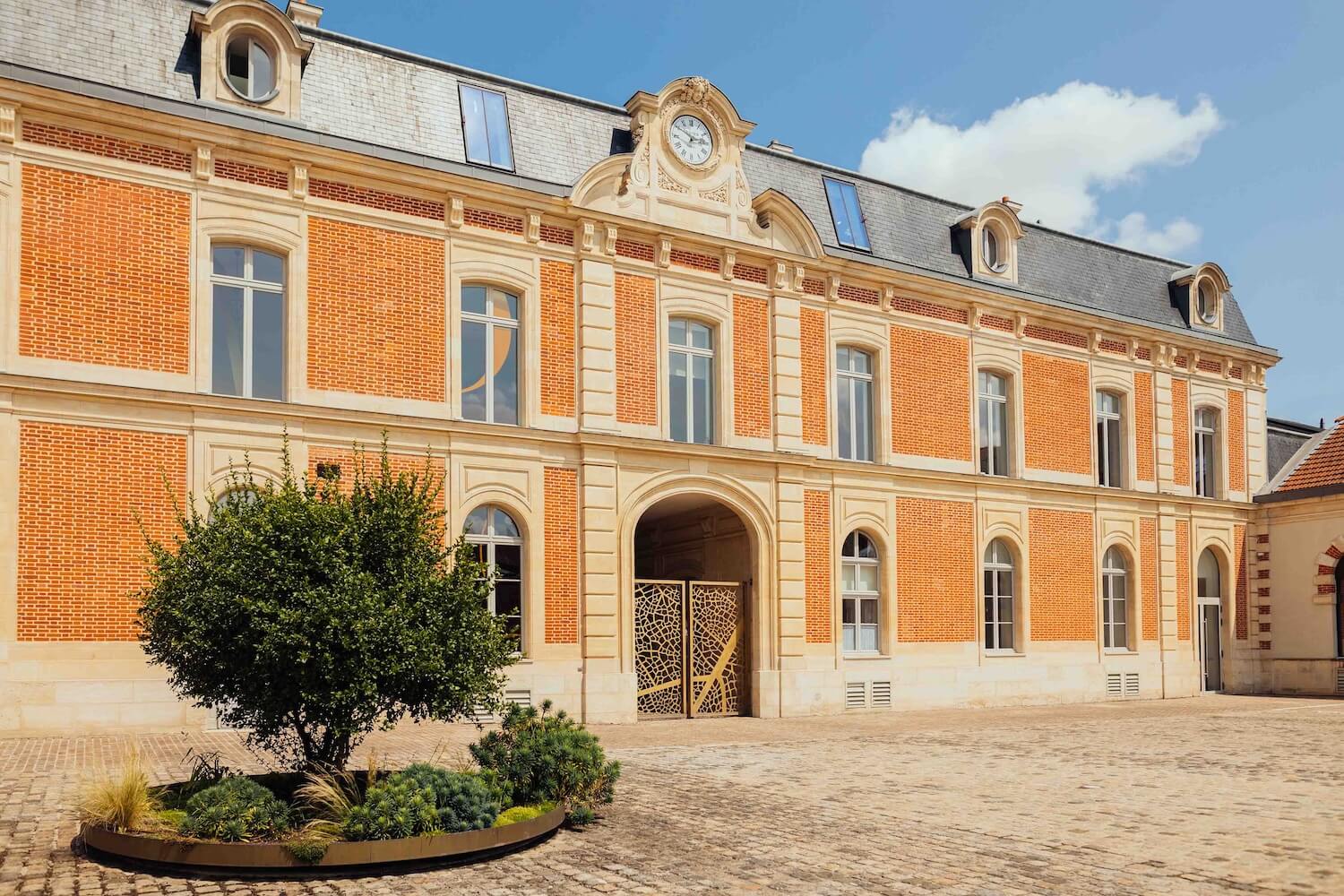
Le Violon d'Ingres
The wine
- Wine program
- Exceptional wine program
- Extensive wine list
- Sommelier-led
Details
- Elegant
- Classic
- Sophisticated
- Lively
- Date Night
- Business Dinner
- Special Occasion
- Celebration
- Private Dining
- Standalone
- Extensive Wine List
- Sommelier Led
- Local Sourcing
- Tasting Menu
- A La Carte
- Prix Fixe
- Wine Pairings
- Sommelier Recommendations
- Gluten Free Options
- Allergy Accommodating
Current opening hours
- Monday
- 12–2 PM, 6:30–10 PM
- Tuesday
- 12–2 PM, 6:30–10 PM
- Wednesday
- 12–2 PM, 6:30–10 PM
- Thursday
- 12–2 PM, 6:30–10 PM
- Friday
- 12–2 PM, 6:30–10 PM
- Saturday
- 12–2 PM, 6:30–10 PM
- Sunday
- 12–2 PM, 6:30–10 PM
Hours can change for holidays and private events. Last verified .
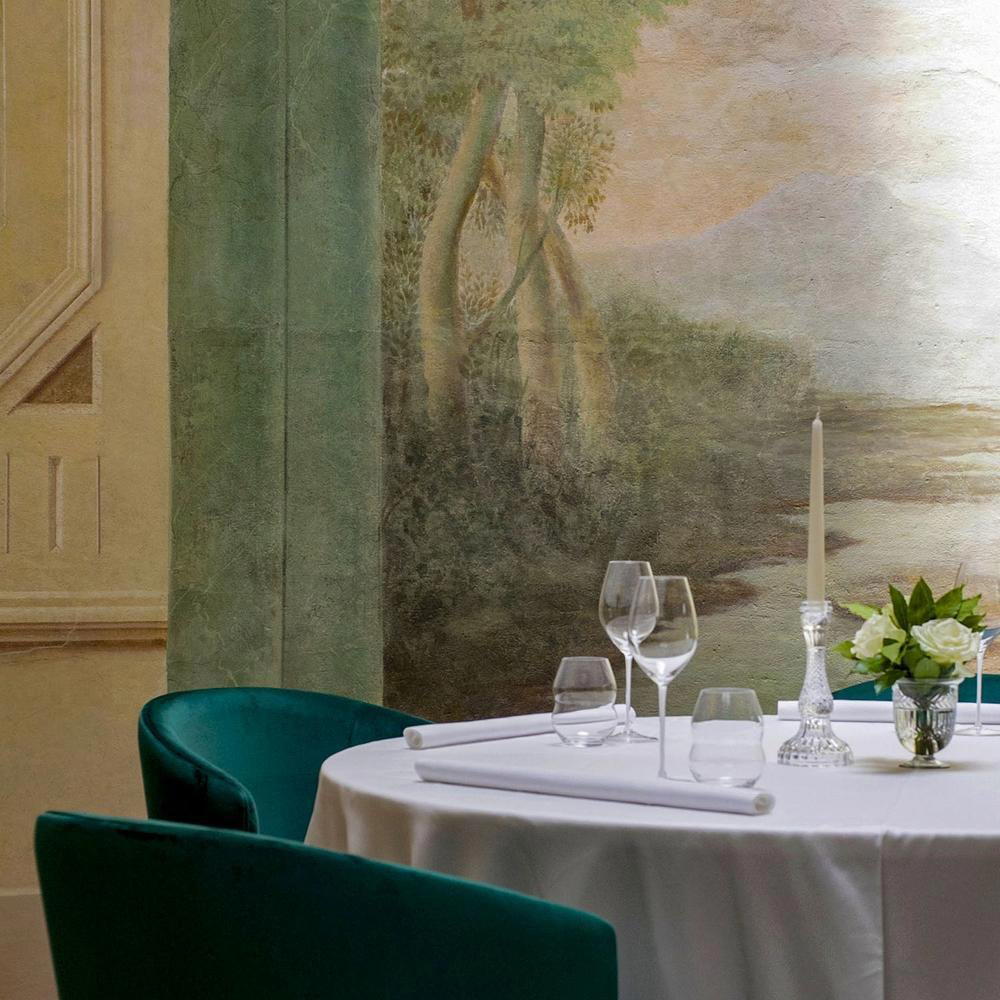
Warm and welcoming with professional service; lively dining room with animated atmosphere; well-lit and charming but can be noisy during peak hours.