
Michelin Plate · Wine Spectator Best of Award of Excellence
Our verdict
A Saint-Germain institution on Rue Saint-André des Arts, Allard has been serving classical French bistro cooking since 1931. Now under Alain Ducasse's ownership with Chef Pascal Feraud in the kitchen, it holds a Michelin Plate and carries one of the Left Bank's more serious wine lists: 760 selections across 4,240 bottles, weighted toward Burgundy and Bordeaux.

Pearl is the En Primeur Club membership app — saves, bookings, and concierge access live there. Same editors, same standards.
- Address
- 41 Rue Saint-André des Arts, 75006 Paris, France
- Phone
- +33 1 43 26 48 23
- Hours
- Daily 12–2 PM, 7–10 PM
- Website
- restaurant-allard.fr
- Directions
- Get directions
- Booking
- Book on Zenchef
The menu
What to order
- Roast_chicken
- Duck_with_olives
- Profiteroles
The Weight of a Saint-Germain Dining Room
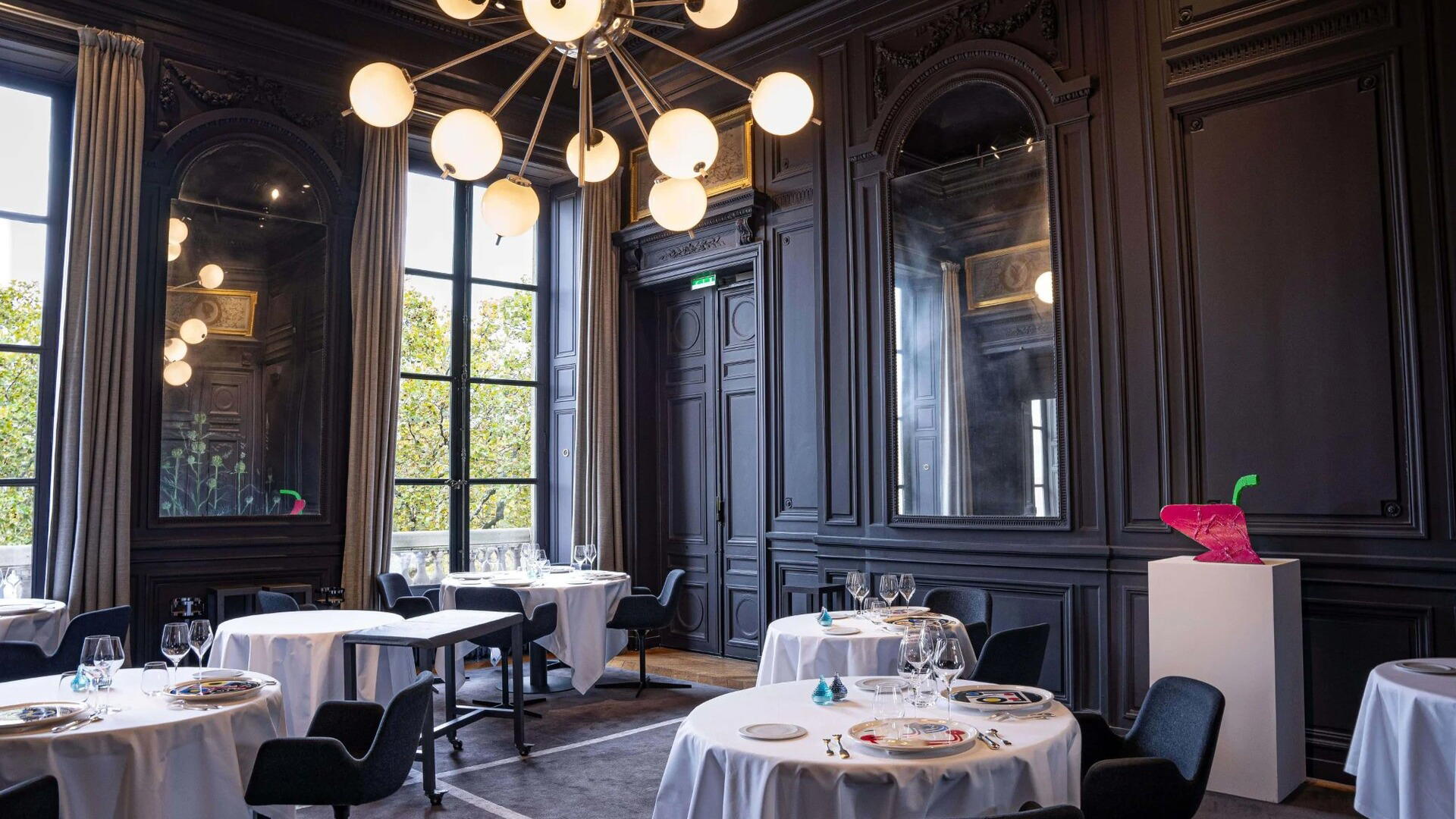
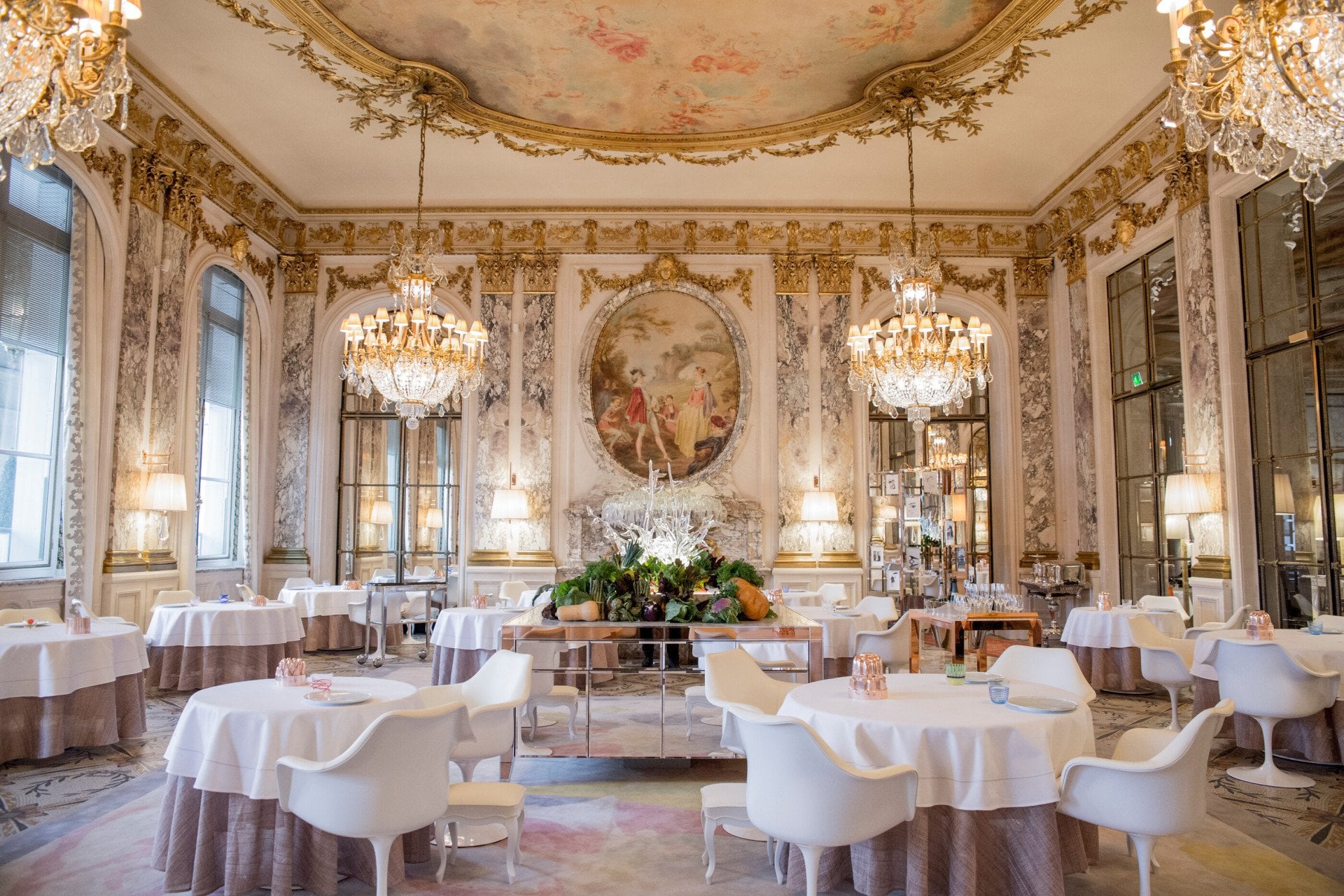
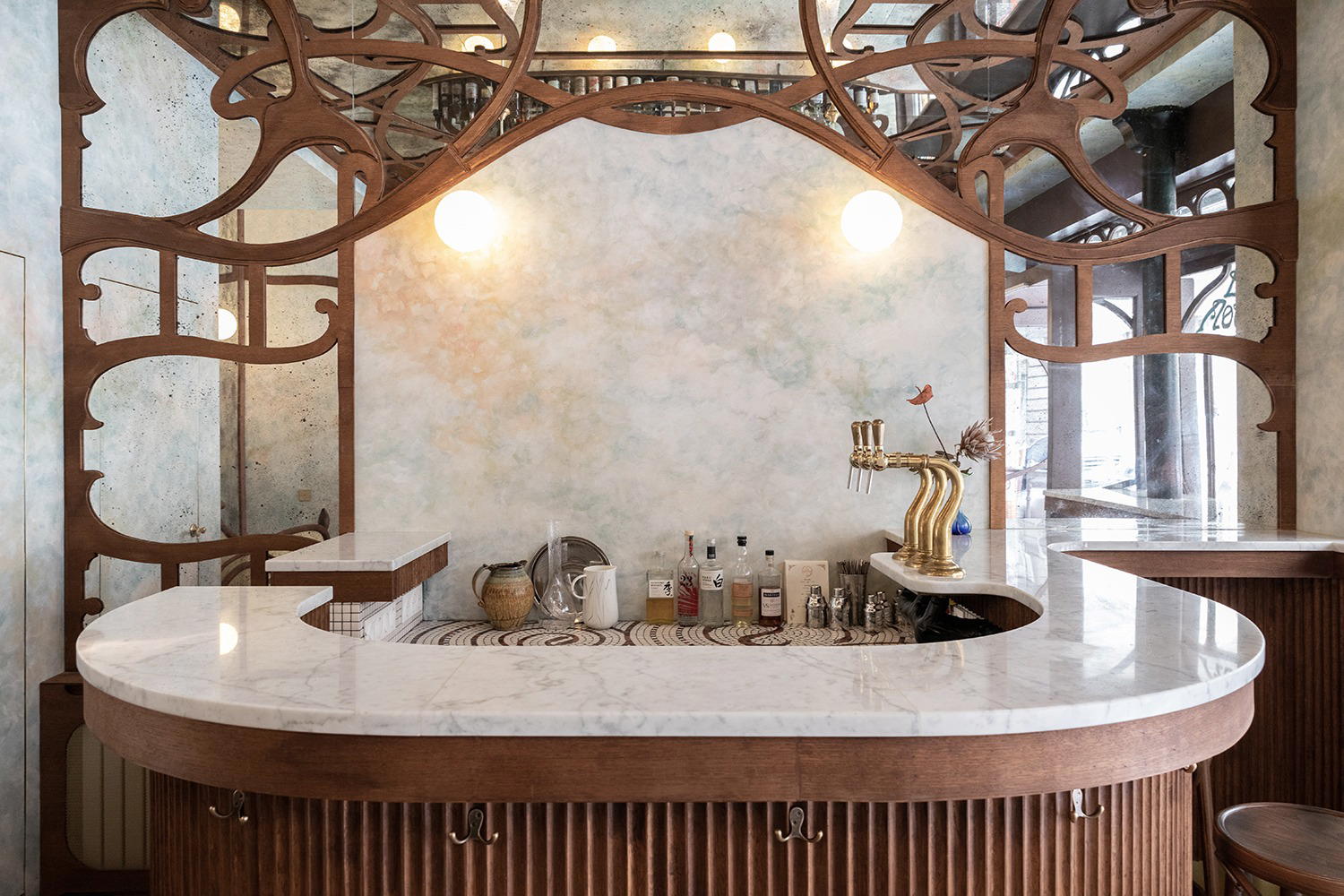
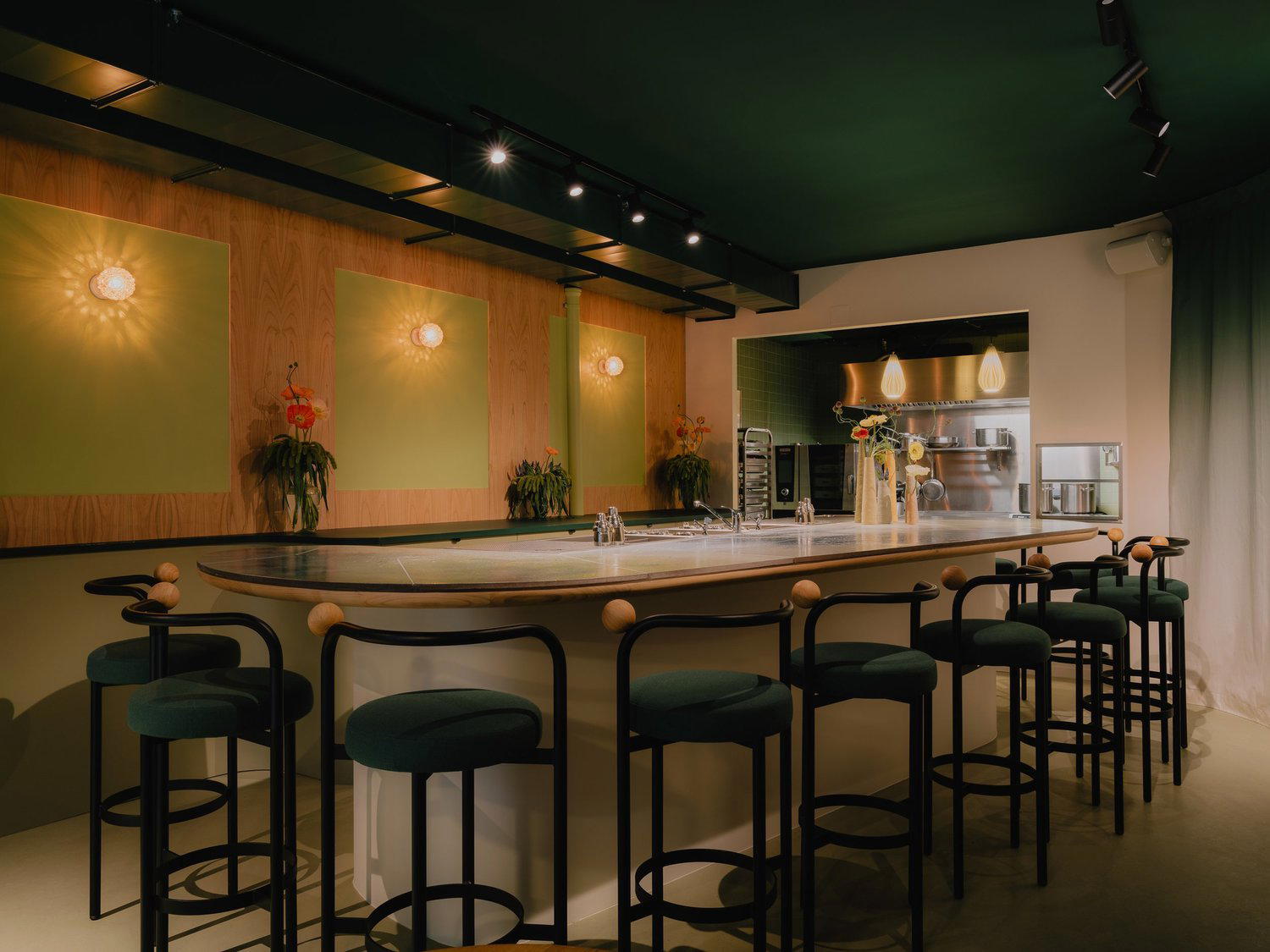
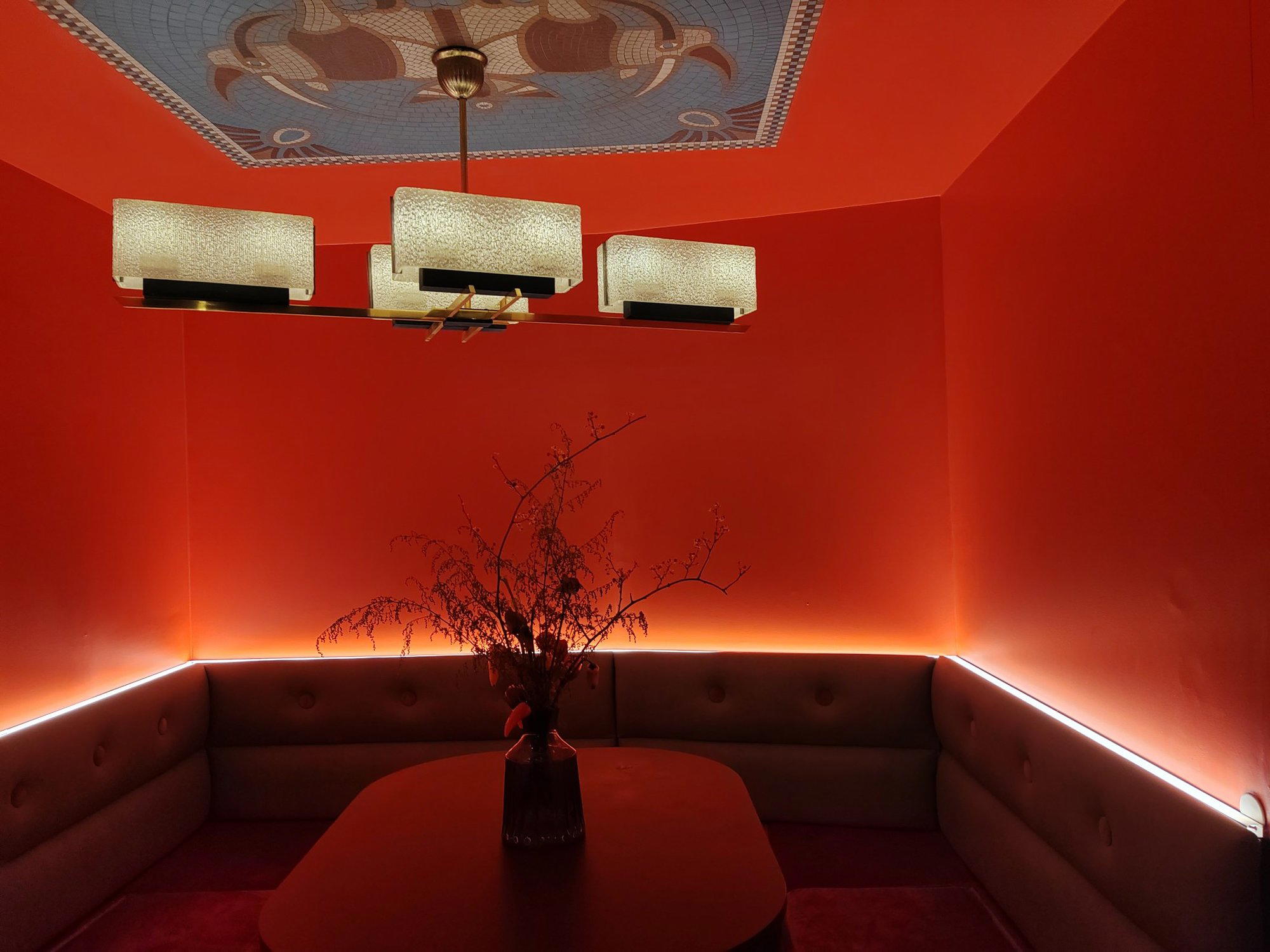
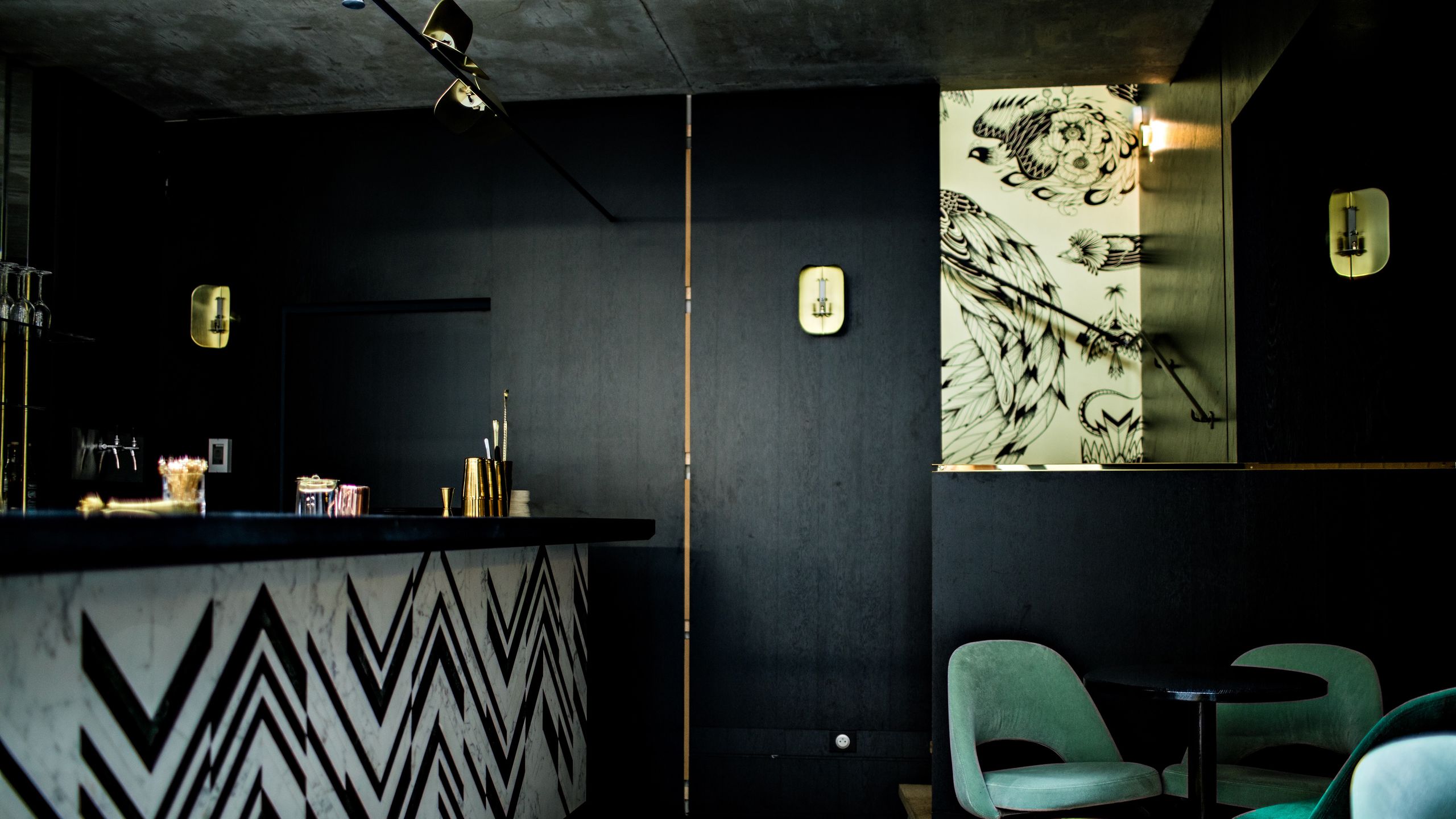
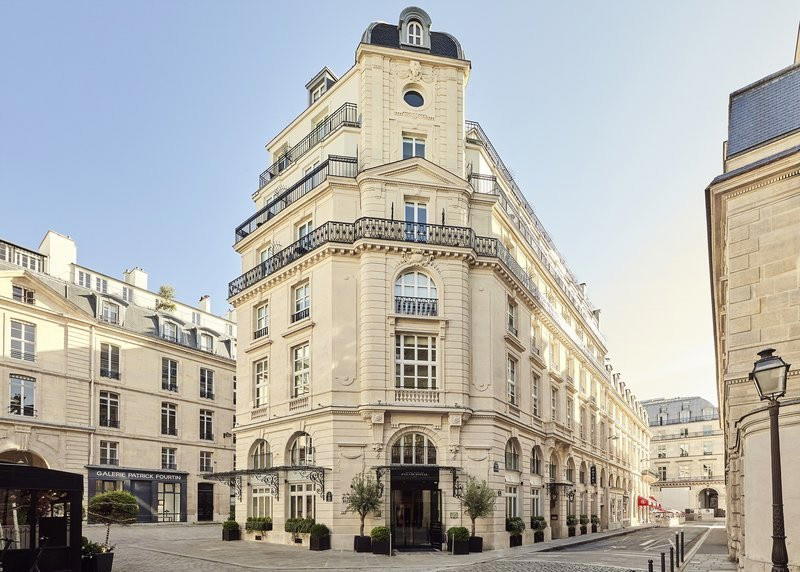
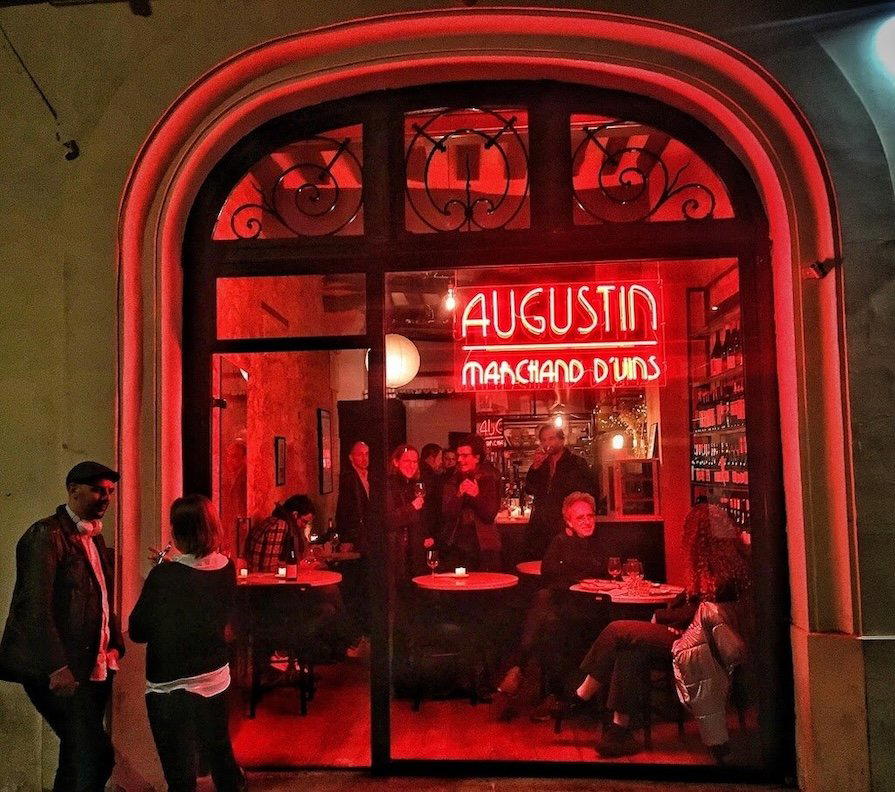
There are bistros in Paris that serve as backdrops, and there are those that carry genuine historical mass. The room at 41 Rue Saint-André des Arts belongs to the second category. The tiled floors, the dark wood panelling, the close-set tables that make conversation between strangers almost inevitable — this is not a designer recreation of a Left Bank bistro. It is a Left Bank bistro, opened in 1931 and still operating with the same spatial logic: that a good meal is a shared, slightly crowded, fundamentally social act. Approaching from the street, where the 6th arrondissement transitions from tourist-facing brasseries toward quieter residential blocks, the façade signals nothing ostentatious. The food inside, and the wine list behind it, do the work.
Classical French Cooking and What It Actually Means in 2025
The phrase "traditional French cuisine" covers an enormous amount of ground, from simple provincial cooking to dishes that require days of preparation and a brigade to execute. In the context of a restaurant like Allard, it signals something specific: the repertoire of pre-nouvelle cuisine France, the cooking that dominated Parisian tables from the post-war period through the 1970s before the lighter, more architectural wave arrived. Duck with olives, sole meunière, snails in garlic butter, côte de veau — these are not dishes that appear on many Paris menus today, particularly not in the 6th arrondissement, where the restaurant pressure toward contemporary formats is significant.
That conservative positioning is a deliberate choice, and it places Allard in a small peer group of Paris restaurants that have maintained classical French technique and repertoire rather than pivoting toward modern bistronomy or tasting-menu formats. When placed against the three-Michelin-star tier operating in Paris, restaurants like Paul Bocuse - L'Auberge du Pont de Collonges in Collonges-au-Mont-d'Or or Auberge de l'Ill in Illhaeusern, which also maintain classical French tradition at the highest award level, Allard operates in a different register: accessible, lunch-and-dinner, without the formality of a grande salle, but with the same underlying commitment to technique-first cooking rooted in French culinary heritage.
The Michelin Plate awarded in both 2024 and 2025 is the guide's signal that cooking here is competent and worthy of attention, without the theatrical or innovative qualities that attract Stars. For traditional bistro cooking, a Plate is often the appropriate designation: it marks quality without implying a style of cooking that the venue is not attempting.
Alain Ducasse, Fanny Herpin, Pascal Feraud: The Ownership and Kitchen Structure
The trajectory of traditional Parisian bistros over the past two decades has frequently involved acquisition by larger hospitality groups or celebrated chefs, sometimes to the detriment of the original character, occasionally to its benefit. The management structure, with General Manager Bruno Jousseaume overseeing the floor, reflects a professionally operated house rather than a owner-operator bistro in the original sense. That distinction matters less than the food itself, but it does position Allard closer to the managed-heritage restaurant model that has become common across European cities where old-format restaurants require capital and operational infrastructure to survive. Compare the approach at Troisgros - Le Bois sans Feuilles in Ouches, which has maintained family ownership across generations while evolving its format, or Bras in Laguiole, where continuity has been built around a single family's creative lineage. Allard's continuity is built around place and repertoire rather than lineage.
A Wine List Built for the Table, Not the Trophy Cabinet
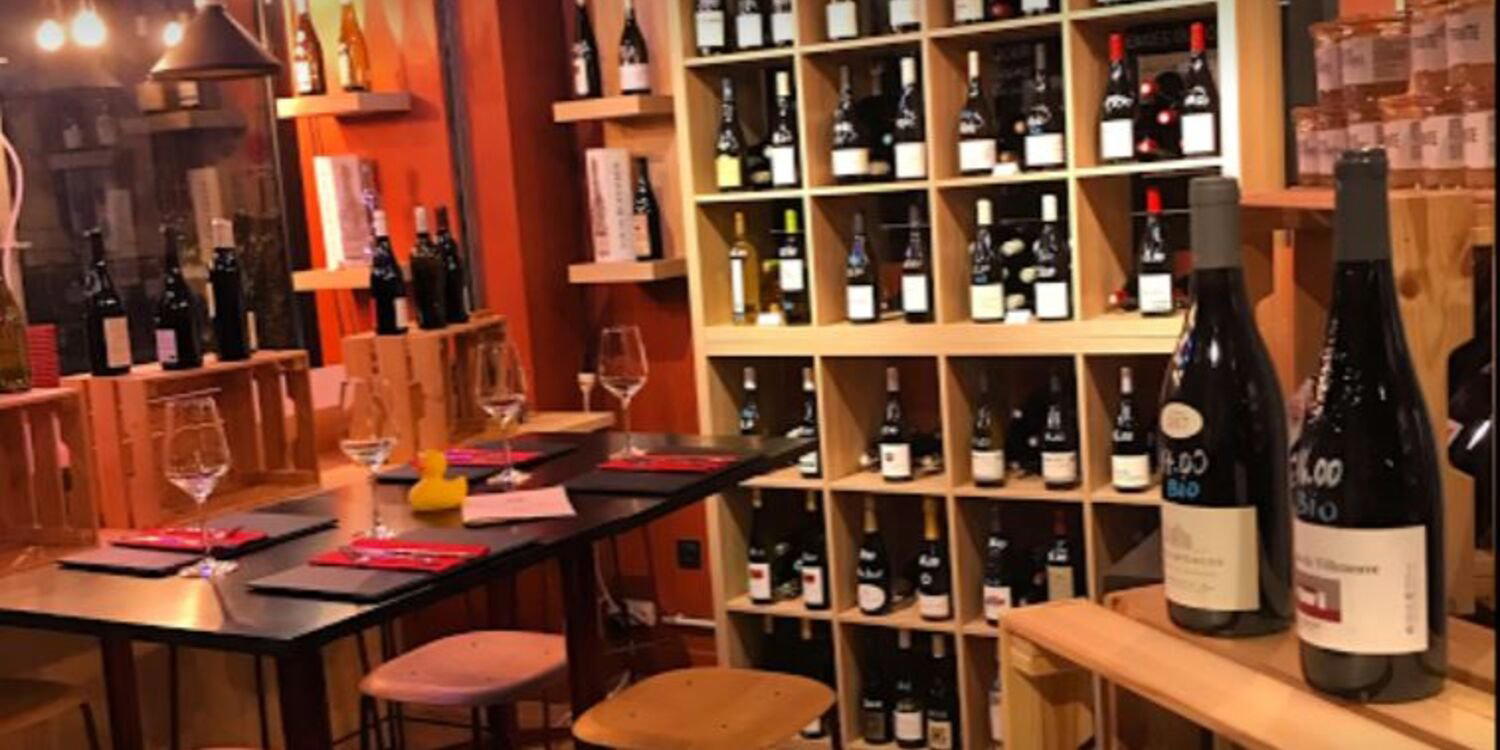
Wine program here is more substantial than the bistro format might suggest. Bernard Neuveu serves as Wine Director, supported by sommelier Alexandre Elies and a team that also includes Thomas Sigrist and Tahlia Weber, a depth of sommelier staffing that signals the list is taken seriously. The numbers confirm it: 760 selections across an inventory of 4,240 bottles, weighted toward France with particular depth in Burgundy and Bordeaux. Wine pricing sits at the $$$ tier, meaning the list includes significant numbers of bottles over €100, though the range accommodates different budgets.
For a restaurant whose cuisine is rooted in classic French cooking, the alignment between kitchen and cellar makes sense. Burgundy and Bordeaux are the natural pairing registers for the food here, and a list with that kind of inventory allows for conversation between old vintages and traditional preparations in a way that a short, modern list would not. It also gives the wine team genuine options when matching a slow-braised dish or a rich terrine, rather than defaulting to the same handful of reliable labels. Among Left Bank Paris restaurants at this price tier, that depth is not universal.
Where Allard Sits in the Left Bank Dining Picture
The 6th arrondissement runs a wide spectrum: tourist-facing cafés on the boulevard side, serious contemporary restaurants in quieter streets, and a handful of places like Allard that operate according to a different logic entirely. On Rue Saint-André des Arts, the foot traffic is mixed, students from the nearby university, tourists moving between Saint-Michel and Odéon, local residents who have been eating on this street for decades. The restaurant draws across that range, which is characteristic of long-established Paris addresses that have accumulated a multi-generational clientele alongside newer visitors.
Other Left Bank addresses worth considering for classical or traditional French cooking include Atelier Maître Albert, which takes a different approach to the same broad tradition, and Le Violon d'Ingres, another address in the Ducasse orbit that operates at a different register. For those exploring beyond Paris, the classical tradition extends through the French regions: Flocons de Sel in Megève and Mirazur in Menton represent different evolutionary branches of the same culinary inheritance. Within France's traditional format, Auberge Grand'Maison in Mûr-de-Bretagne offers another point of comparison. For traditional cooking beyond French borders, Auga in Gijón shows how the classical bistro model translates to Iberian contexts.
For broader Paris planning, see our full Paris restaurants guide, our full Paris hotels guide, our full Paris bars guide, our full Paris wineries guide, and our full Paris experiences guide. For nearby contemporary options, Anecdote, 19.20 by Norbert Tarayre, and 20 Eiffel sit in the same broader Paris dining conversation.
Planning Your Visit
Allard serves lunch and dinner seven days a week, with service running 12:00–14:00 and 19:00–22:00 daily. Cuisine pricing sits at the $$$ tier (a two-course meal without beverages typically exceeds €66), and the wine list is priced at the same level. The address is 41 Rue Saint-André des Arts, 75006 Paris, in the 6th arrondissement, a short walk from the Odéon Métro stop (lines 4 and 10). Reservations are advisable, particularly for weekend lunch slots, which at this kind of established address fill ahead of mid-week dinner.
Frequently asked questions
Is Allard okay with children?
Allard's format — a traditional French bistro in the 6th arrondissement serving lunch and dinner daily — is a reasonable fit for older children comfortable with a sit-down, multi-course meal. The $$$ cuisine pricing tier (two courses at €66 or above) and the formal bistro environment make it less practical for very young children. Families tend to fare better at the lunch service, when the room is generally less full than dinner.
What should I expect atmosphere-wise at Allard?
Allard occupies a classic Parisian bistro room at 41 Rue Saint-André des Arts, a street that runs through the heart of Saint-Germain-des-Prés. The setting carries the weight of an old Left Bank dining address rather than a contemporary fit-out. Ownership by Alain Ducasse and a wine list running to 760 labels and 4,240 bottles signal that the operation takes itself seriously, without performing theatre about it.
Has Allard won any awards?
Allard has received recognition including: Michelin Plate (2025); WINE: Wine Strengths: France, Burgundy, Bordeaux Pricing: $$$ i Wine pricing: Based on the list\'s general markup and high and low price points:$ has many bottles < $50;$$ has a range of pricing;$$$ has many $100+ bot….
What do regulars order at Allard?
Allard holds a Michelin Plate (2025) for traditional French cuisine, and the kitchen under Pascal Feraud works within that canon — meaning the dishes that draw repeat visits are the ones rooted in classical technique rather than seasonal invention. The wine program, directed by Bernard Neuveu with particular depth in Burgundy and Bordeaux, is substantial enough that regulars treat the list as a destination in its own right alongside the food.
Is Allard focused on a specific cuisine style?
What does dinner at Allard typically cost?
Pricing at Allard is listed as €€€.
What are the opening hours for Allard?
Hours at Allard: Hours: Monday 12:00-14:00 19:00-22:00 Tuesday 12:00-14:00 19:00-22:00 Wednesday 12:00-14:00 19:00-22:00 Thursday 12:00-14:00 19:00-22:00 Friday 12:00-14:00 19:00-22:00 Saturday 12:00-14:00 19:00-22:00 Sunday 12:00-14:00 19:00-22:00.
Recognition Snapshot
| Venue | Cuisine | Price | Awards | Notes |
|---|---|---|---|---|
| AllardThis venue — the venue you are viewing | Classic French Bistro | $100–150 | Michelin Plate · Wine Spectator Best of Award of Excellence | Not listed |
| Alléno Paris au Pavillon Ledoyen | Modern French Fine Dining | $150–200 | 3 Michelin Stars · World's 50 Best #79 | Creative |
| Kei | Modern French with Japanese Influences | $300–500 | 3 Michelin Stars · World's 50 Best #93 | Contemporary French, Modern Cuisine |
| L'Ambroisie | Classic French Haute Cuisine | $300–500 | 2 Michelin Stars · World's 50 Best #23 | French, Classic Cuisine |
| Le Cinq - Four Seasons Hôtel George V | French, Modern Cuisine | Not listed | Michelin 3 Star | Not listed |
| Plénitude | Modern French Sauce-Led Fine Dining | $300–500 | 3 Michelin Stars · World's 50 Best #14 | Contemporary French |
Recognition history
Dated appearances from independent guides and award organizations, with the underlying list record or original source where available.
Michelin Plate
Michelin
Opinionated About Dining Casual in Europe Recommended
Opinionated About Dining
Wine Spectator Best of Award of Excellence
Wine Spectator
Full recognition history (6 entries)
Michelin Plate
Michelin
Wine Spectator Best of Award of Excellence
Wine Spectator
Michelin Plate
Michelin