
Kyoto Menya Takei Hankyuu umeda ten puts Osaka station dining into sharper focus: fast, counter-led tsukemen and ramen with serious local recognition rather than transit-hub compromise. Its repeated Tabelog Ramen selections from 2019 through 2025 place it in the city’s specialist noodle conversation, while the compact format keeps the experience closer to commuter ritual than destination dining theatre.
Pearl is the En Primeur Club membership app — saves, bookings, and concierge access live there. Same editors, same standards.
- Address
- 大阪市北区芝田1丁目1−2 (阪急梅田駅二階中央改札内西, 1 Chome-1, Kita Ward, Osaka, 530-0012, Japan
- Phone
- +81 6-6377-1622
- Website
- menya-takei.com
 Saves & bookings on Pearl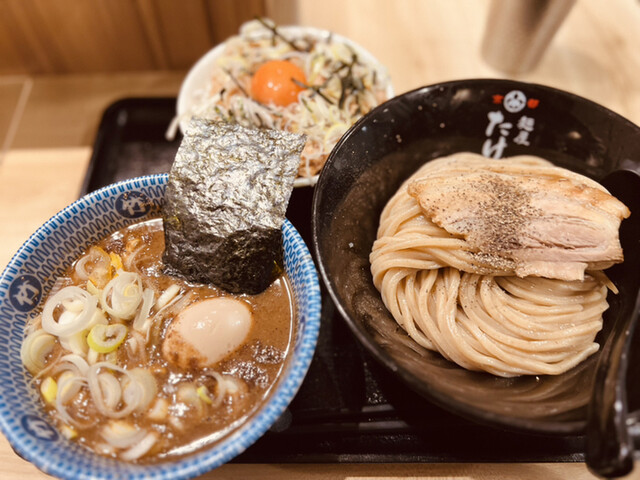
The approach is pure Umeda: ticket gates, platform movement, fluorescent station light, then a counter built for noodles rather than lingering. Osaka’s ramen culture has never depended only on tucked-away neighbourhood shops; some of its strongest everyday eating happens in transport corridors where speed, repetition, and consistency decide survival. Kyoto Menya Takei Hankyuu umeda ten belongs to that station-counter lineage, with tsukemen and ramen treated as a focused category rather than a broad casual menu.
That matters because Osaka station dining has changed. The old assumption that rail-connected restaurants trade convenience for ambition has become less reliable, especially around Umeda, where commuters, shoppers, and inbound travellers overlap all day. A noodle counter inside a major station now has to compete with specialist shops, bakeries, coffee counters, standing bars, and department-store dining floors within the same walking radius. In that setting, recognition on Tabelog’s Ramen OSAKA 100 list in 2025, after earlier selections from 2019 onward, is not decorative; it signals durability in a category where repeat local use carries more weight than novelty.
Umeda's station ramen has moved from fallback meal to specialist format
Tsukemen is particularly well suited to a rail-station rhythm. Unlike long-form tasting formats, it rewards directness: noodles, dipping broth, pace, turnover. The form also asks more of a kitchen than ordinary convenience dining suggests, because the separation of noodle and broth leaves less room to hide imbalance. In Osaka, where casual eating can be technically disciplined without announcing itself, that format fits the city’s appetite for precision served quickly.
The counter-only structure reinforces the point. This is not a room built around table conversation or extended drinking; it is a compact noodle bar where the meal is organized around the bowl and the seat. That places it closer to the city’s working lunch and post-commute habits than to the reservation-led restaurant circuit. Compared with nearby low-cost station options such as umugi Hankyu sanbangai ten or CAFE BAHNHOF Sanbangai ten, the appeal is narrower and more food-specific; compared with a higher-spend French room such as nent, it sits in another category entirely. The useful comparison is not luxury versus casual, but whether a quick meal has enough specialist intent to justify choosing it over the station’s many easier defaults.
Osaka rewards that kind of decision-making. The city’s dining identity is often described through takoyaki, okonomiyaki, kushikatsu, and market eating, but its ramen and tsukemen scene has become a parallel map of everyday craft. In Umeda, where visitor itineraries often compress into department stores, underground malls, and rail transfers, a serious noodle counter can function as a more accurate expression of the area than another polished dining room. The setting is practical, but the category is not secondary.
Repeated Tabelog recognition gives the counter its weight
The 2025 Tabelog Ramen OSAKA 100 selection is the clearest public marker here, supported by earlier Tabelog Ramen selections from 2019 through 2024. For an inexpensive noodle format, that run matters more than a single burst of attention. Ramen rankings are volatile because openings, social media heat, and regional preferences shift quickly; repeated inclusion suggests the shop has held relevance as Osaka’s noodle field has become more crowded.
The evolution angle is also geographic. Earlier recognition under broader western Japan ramen lists and later recognition in the Osaka-specific ramen category mirrors the way the city’s noodle identity has been carved more precisely in public guides. Kyoto Menya Takei Hankyuu umeda ten now reads less like an outpost trading on a name and more like a station-specific answer to Umeda’s current food economy: quick, narrow, affordable, and judged against ramen peers rather than general station restaurants.
There is no need to inflate the experience into theatre. The value is in compression. A 20-seat counter, a tsukemen-and-ramen focus, no private-room apparatus, no reservation culture: these are not limitations in this genre. They are the operating grammar. The reader choosing this counter should want the discipline of a short meal rather than the comforts of a long one.
How to fit it into an Osaka eating day
For travellers building an Umeda-based day, this is the sort of stop that pairs naturally with the city’s quick-service strengths rather than competing with dinner plans. The same itinerary logic can include pork buns at 551 Horai (551蓬莱), a bakery run such as 52CHO-ME BAKERY, coffee at .cafe, or a more deliberate Italian booking at a canto (Italian). For a broader city plan, use Our full Osaka restaurants guide alongside Our full Osaka hotels guide, Our full Osaka bars guide, Our full Osaka wineries guide, and Our full Osaka experiences guide.
The more interesting editorial lesson is that casual Japan should not be treated as a lower tier of seriousness. A counter like this can sit in conversation with other specialist formats across the country, from [Curry Senmon Ten] Maruyama Kyoju. in Sapporo to [ki:] in Kyoto.know in Kumamoto, (Shoku) Vietnam in Kawasaki, -Grilled beef Sukiyaki- KAMAKURA TANUKIAN 鎌倉 たぬき庵 in Kamakura, and. 鮪と炭火焼き うお炭 秋葉原店 in Tokyo. The same logic now travels abroad through tightly defined Japanese casual formats such as Jōdo Saké Bar in Los Angeles and Onigiri Time in Pasadena.
Within Osaka, Kyoto Menya Takei Hankyuu umeda ten is at its strongest when judged on category fit. It is not trying to replace a long dinner, and it does not need to. It gives Umeda a credible ramen-and-tsukemen answer inside the station flow, backed by repeated local recognition and a format that has sharpened rather than broadened over time. That is the point: in a city where eating well often happens between destinations, the quick counter can carry real editorial weight.
For another casual Osaka contrast, 99 Pizza Napoletana Gourmet shows how international comfort formats sit beside the city’s noodle counters without replacing them.
At-a-Glance Comparison
Comparable venues at the same tier.
| Venue | Cuisine | Price | Notes |
|---|---|---|---|
| Kyoto Menya Takei Hankyuu umeda tenThis venue — the venue you are viewing | Tsukemen & Ramen | $$ | Not listed |
| curry restaurant BRUNO HEP NAVIO ten | Japanese Curry House | $$ | Kita |
| Yakiniku Dote | Japanese Yakiniku | $$ | Kita |
| Miyabi Tei | Japanese Teppanyaki | $$ | Kita |
| Shibaken | Premium branded-pork tonkatsu & curry | $$ | Miyakojima |
| Okonomiyaki Ajikuraya | Osaka okonomiyaki & teppanyaki | $$ | Tennōji |
Recognition history
Dated appearances from independent guides and award organizations, with the underlying list record or original source where available.
Tabelog 100 #42 · No. 42
Tabelog · Tabelog 100 - Ramen - OSAKA - 2025
Continue exploring
More in Osaka
Restaurants in Osaka
Browse all →




Bars in Osaka
Browse all →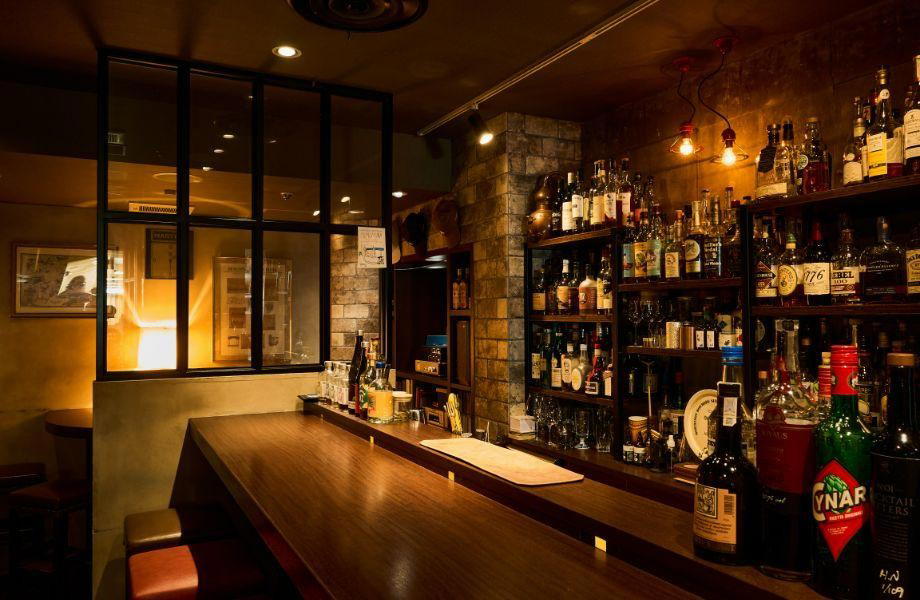
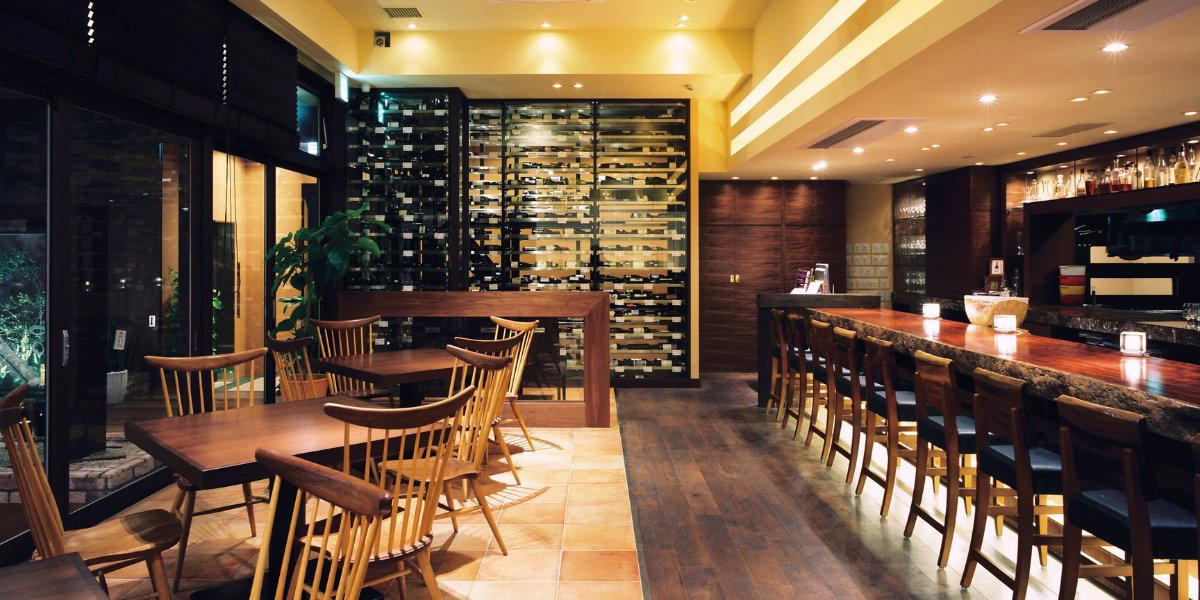



Hotels in Osaka
Browse all →

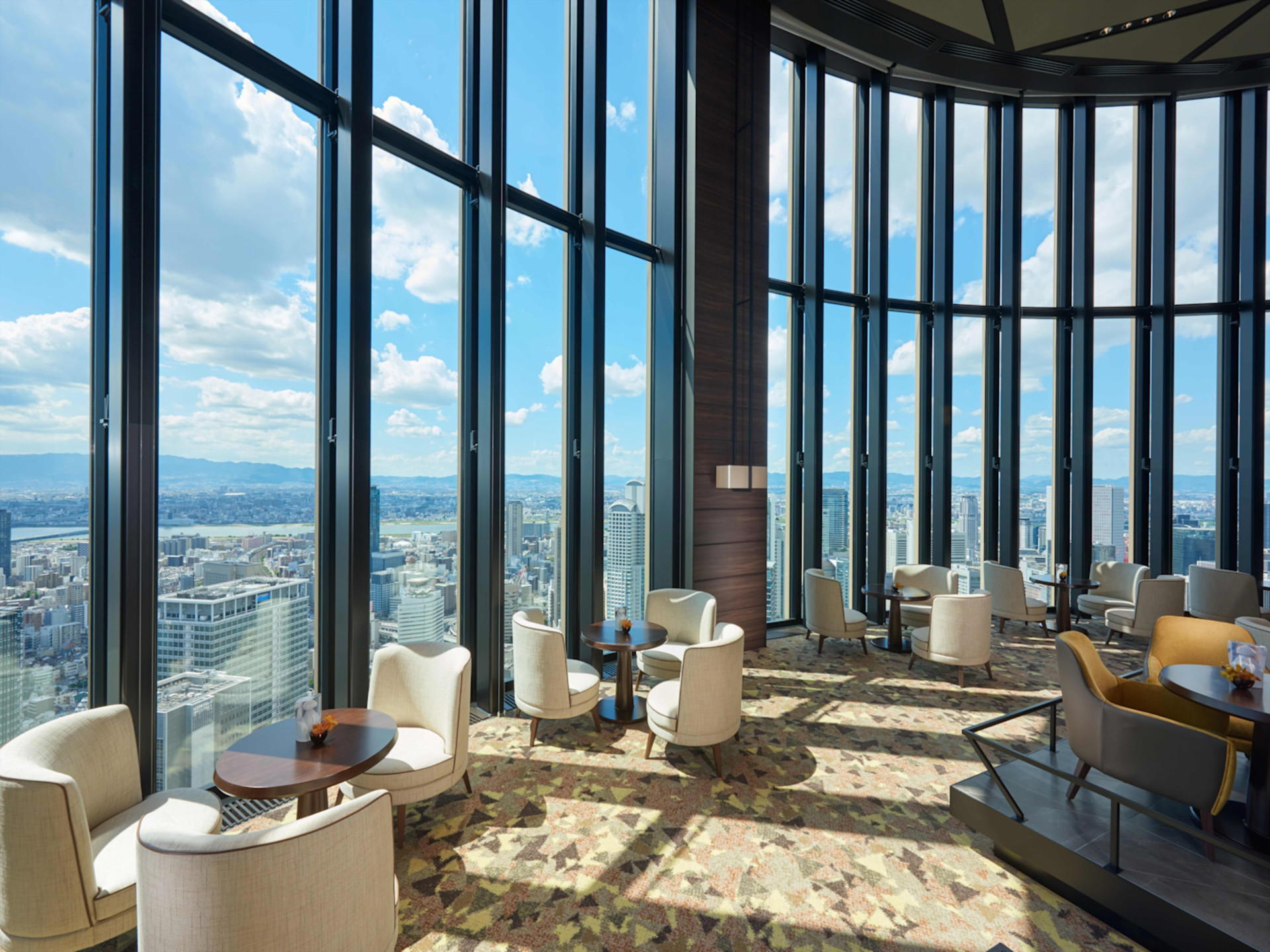


Wineries in Osaka
Browse all →
At a Glance
- Lively
- Casual
- Cozy
- Solo
- After Work
- Casual Hangout
- Family
- Standalone
- Local Sourcing
Current opening hours
- Monday
- 11 AM–10 PM
- Tuesday
- 11 AM–10 PM
- Wednesday
- 11 AM–10 PM
- Thursday
- 11 AM–10 PM
- Friday
- 11 AM–10 PM
- Saturday
- 11 AM–10 PM
- Sunday
- 11 AM–10 PM
Hours can change for holidays and private events. Last verified .
Compact, counter-only ramen shop inside a busy train station with constant foot traffic, quick turnover, and a casual, energetic atmosphere focused on efficient solo and commuter dining rather than lingering.