On Fogo Island off Newfoundland's northeast coast, Kwang Tung sits along Garrison Road in one of Canada's most geographically remote communities. The restaurant operates in a context where the surrounding ocean and land define what ends up on the plate, placing it within a broader Canadian tradition of ingredient-led cooking shaped by place rather than trend. For travellers making the journey to Fogo Island, it represents a locally rooted dining option in a setting few restaurants anywhere can match.
Pearl is the En Primeur Club membership app — saves, bookings, and concierge access live there. Same editors, same standards.
- Address
- Garrison Rd, Fogo, NL A0G 2B0, Canada
- Phone
- +1 709-266-2267
- Directions
- Get directions
 Saves & bookings on Pearl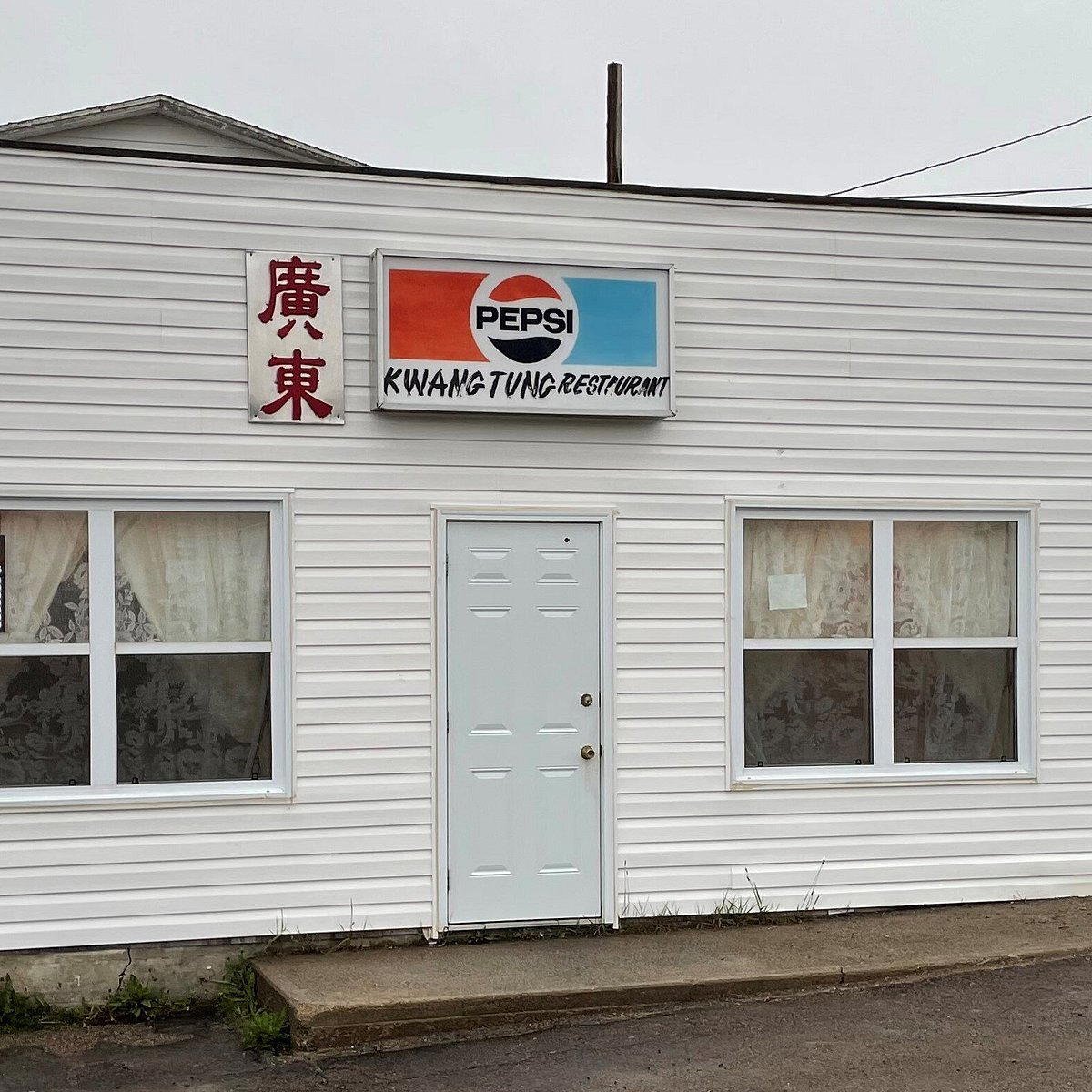
Eating at the Edge: Fogo Island and the Logic of Remote Ingredient Kitchens
Canada has developed, over the past two decades, a coherent school of cooking built around geographic honesty. The premise is simple: what grows or swims or walks within reach of a kitchen should define the menu, not the other way around. This approach has produced some of the country's most discussed restaurants, from Tanière³ in Quebec City, which draws on the St. Lawrence River corridor's hunting and foraging traditions, to Eigensinn Farm in Singhampton, where the farm itself is the menu's author. Kwang Tung, on Garrison Road in Fogo, Newfoundland, belongs to a related conversation, though it arrives at it from an angle most mainland Canadian restaurants cannot replicate: genuine geographic isolation.
Fogo Island sits roughly 25 kilometres off Newfoundland's northeast coast, accessible by ferry from Farewell. The crossing alone signals that you are entering a different register of travel. The island's communities have fished these waters for centuries, and the surrounding North Atlantic shelf remains among the more productive cold-water marine environments in the hemisphere. For any kitchen operating here, the ingredient question answers itself: the ocean is close, the seasons are sharp, and supply chains from the mainland are an inconvenience rather than a default. What results, in theory and often in practice, is cooking shaped by necessity as much as philosophy.
What Fogo Island Kitchens Work With
The North Atlantic fishery that surrounds Fogo Island includes snow crab, turbot, shrimp, and, in controlled quota, cod, the species that defined Newfoundland's economy and identity for four centuries before the 1992 moratorium. The partial reopening of the Northern cod fishery in recent years has returned this fish, carefully and slowly, to local plates. For a kitchen on Fogo Island, access to locally caught cod is not a marketing claim; it is a geographic fact with deep cultural resonance.
This is the kind of ingredient context that Narval in Rimouski pursues from the southern shore of the St. Lawrence, or that AnnaLena in Vancouver addresses through Pacific Northwest sourcing. The principle is consistent across Canada's serious kitchens: proximity to the source is not just a supply chain preference, it is an editorial stance about what a region's cooking should say about where it comes from. In Fogo, the sourcing case is made not by marketing copy but by the map itself.
Beyond seafood, the island's land resources include wild berries, partridgeberry in particular, and foraged coastal plants that appear briefly during Newfoundland's compressed growing season. Cold-climate kitchens working with these ingredients tend toward preservation techniques, pickling, curing, smoking, that have practical as well as flavour rationales. These are methods with centuries of use in outport Newfoundland communities, long predating their adoption by contemporary restaurants elsewhere in Canada.
Kwang Tung in Context: A Garrison Road Address in a Small Island Community
Fogo town is one of several small communities on the island, each with a distinct character shaped by fishing history and geography. Garrison Road places Kwang Tung within that community fabric rather than at a resort remove from it. This matters editorially: the better Canadian destination restaurants in remote or rural settings tend to divide into two camps, those designed primarily for visiting guests at a nearby lodge or hotel, and those that exist within the daily life of a local community. The latter tend to have a different relationship with their ingredients and their regulars.
The island's profile has risen considerably since the opening of Fogo Island Inn, the striking Saunders architecture project that has brought international attention to the island since 2013. That attention has brought travellers who might never otherwise have crossed the ferry, and those travellers have reason to look beyond the Inn's own dining for meals that reflect the island's texture. The restaurant, as an address on Garrison Road, sits in that local-facing tier.
For comparison, restaurants that occupy this position in other small Canadian communities often develop followings precisely because they are not packaged for the visitor economy. The Pine in Creemore and Restaurant Pearl Morissette in Lincoln both operate in small Ontario communities with strong local identities, and both have built reputations that travel well beyond their immediate geography. The mechanism in each case is a clear point of view about place and ingredient.
Planning a Meal on Fogo Island
Getting to Fogo Island requires intention. The ferry from Farewell operates on a seasonal schedule, with reduced crossings in winter months when ice conditions and weather can affect service. Travellers arriving by vehicle board at Farewell after reaching the Kittiwake Coast via the Trans-Canada and Route 330. The crossing runs approximately 45 minutes. Fogo Island's communities are compact and navigable on foot or by car, with Garrison Road accessible from the main island route.
On a small island, confirming that a restaurant is open on the day of your visit is logistical common sense rather than optional diligence. This applies equally to any dining destination in a remote community where seasonal closures and limited operating days are standard rather than notable.
Visitors combining Fogo Island with broader Newfoundland travel will find the island most accessible between June and October, when ferry frequency is highest and weather permits fuller exploration of the island's coastal trails and outport communities. The dining context in that window is also at its most complete, with summer and early autumn bringing the widest range of local seafood and foraged ingredients into season simultaneously.
For travellers building a wider Canada itinerary around serious eating, the country's most discussed restaurants currently cluster in Toronto, Montreal, Vancouver, and Quebec City. Alo in Toronto, Jérôme Ferrer's Europea in Montreal, and Aux Anciens Canadiens in Quebec represent different points on that urban dining spectrum. Fogo Island offers something orthogonal to all of them: a meal taken in a community that is itself the ingredient story.
A Quick Peer Check
Comparable venues nearby, for context on price, style, and recognition.
| Venue | Cuisine | Price | Notes |
|---|---|---|---|
| Kwang TungThis venue — the venue you are viewing | Canadian-Style Chinese | $$ | Not listed |
| Alder | Dining | Not listed | Cambridge |
| Urban Crave | Global Street Food Fusion | $$ | Toronto Pearson International Airport |
| Fatty Cow Seafood Hotpot | Seafood Hot Pot | $$$ | Victoria Drive |
| La Cantina - Urban Taco Bar | Authentic Mexican Taqueria | $$ | Whistler Village |
| Chez Christophe | French Patisserie & Café | $$ | West Vancouver |

At a Glance
- Classic
- Rustic
- Casual Hangout
- Group Dining
- Standalone
Current opening hours
- Monday
- 12–11 PM
- Tuesday
- 12–11 PM
- Wednesday
- 12–11 PM
- Thursday
- 12–11 PM
- Friday
- 12–11 PM
- Saturday
- 12–11 PM
- Sunday
- 12–11 PM
Hours can change for holidays and private events. Last verified .
Nondescript white building with modest interior; unpretentious atmosphere reflecting its role as a community gathering place on a remote island.