
Kupferpfanne holds consecutive Michelin Plate recognition (2024 and 2025) on Fürth's Königstraße, serving classic cuisine at the €€€ tier in a city that rarely appears on Germany's fine-dining radar.
Pearl is the En Primeur Club membership app — saves, bookings, and concierge access live there. Same editors, same standards.
- Address
- Königstraße 85, 90762 Fürth, Germany
- Phone
- +49 911 771277
- Website
- kupferpfanne-fuerth.de
- Directions
- Get directions
 Saves & bookings on Pearl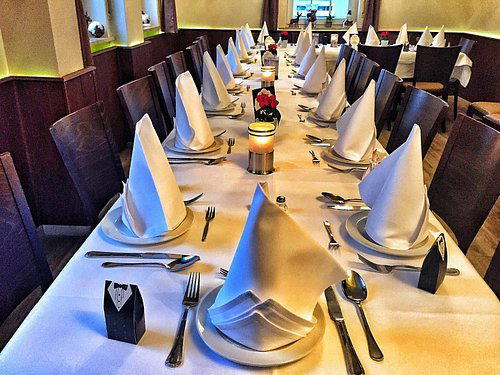
Fürth's Quiet Argument for Classic Cooking
Königstraße runs through the older commercial heart of Fürth, and the address at number 85 sits in a stretch of the street where the city's mercantile history still shows in the building stock. There is nothing theatrical about arriving here. No doorman, no queue management, no concept to announce itself before you've walked through the door. That absence of performance is, in a specific German tradition of serious restaurants, itself a signal. The rooms that earn sustained Michelin recognition in this country's smaller cities often look like they have nothing to prove, and the ones that do tend to earn it over years, not overnight.
Kupferpfanne has held the Michelin Plate in both 2024 and 2025. In Michelin's current framework, the Plate designates kitchens producing cooking of a standard the inspectors consider worth flagging, below star level but above the broad field. For a restaurant in Fürth, a city of around 130,000 that sits in Nuremberg's shadow and is rarely treated as a dining destination in its own right, consecutive Plate recognition places it in a specific, small tier of Franconian cooking worth tracking.8 from 161 reviews confirms that the consistency Michelin records is not invisible to regulars either.
Classic Cuisine in a German Regional Context
The classification here is Classic Cuisine, and that framing carries real meaning in Germany's current restaurant landscape. As the country's most ambitious kitchens have moved toward creative or fusion-led formats, consider the range from Aqua in Wolfsburg at three Michelin stars with its contemporary blend of German, Italian, and Japanese technique, through to CODA Dessert Dining in Berlin with its entirely dessert-reframed tasting format, classic cuisine has become something of a minority position. The kitchens choosing it are, in effect, making an argument: that discipline in classical technique, product quality, and execution without conceptual distraction can hold its own against more theatrical competition.
That argument has deep roots in the French classical tradition and in the specific German interpretation of it. Places like Schwarzwaldstube in Baiersbronn and Waldhotel Sonnora in Dreis have sustained multi-star recognition for decades inside this tradition. At the Plate level, the same discipline applies, the difference is scope and resource, not philosophy. Kupferpfanne sits in that continuum. For a broader view of how classic-leaning kitchens operate across Germany and France, KOMU in Munich and Maison Rostang in Paris represent how the tradition holds across different city scales and price points.
Sourcing as the Foundation of Classic Cooking
Classic cuisine at this level is, above all, a product-dependent format. Where creative or concept-driven kitchens can compensate with technique, transformation, or structural novelty, a classical approach asks the ingredient to carry much of the weight. This places sourcing at the centre of the kitchen's identity, even when that sourcing remains invisible to the diner in the final plate.
Franconia is a strong region for this kind of cooking. The area around Nuremberg and Fürth has long-established agricultural supply lines: Franconian beef, freshwater fish from the river systems of northern Bavaria, game from the surrounding forests, and a network of market suppliers with direct farm relationships. A kitchen classified under Classic Cuisine at the Michelin Plate tier is, in most cases, drawing from this supply chain deliberately, the format demands it. The classical tradition does not flatter mediocre produce; it exposes it. That Kupferpfanne has sustained recognition across two consecutive Michelin cycles suggests the sourcing decisions are holding up under scrutiny.
The price positioning at €€€ reflects this. A three-bracket price point in Germany's regional fine-dining context means the kitchen is investing at a level above casual dining without reaching the €€€€ tier occupied by Germany's star-heavy establishments like JAN in Munich, Vendôme in Bergisch Gladbach, or Schanz in Piesport. That middle tier is where ingredient quality becomes visible to the diner in particularly direct terms: product cost shows up on the plate rather than in the room design or the service apparatus.
Fürth as a Dining Address
The choice to operate at this level in Fürth rather than Nuremberg is worth noting. Nuremberg draws the visitors; Fürth absorbs a different clientele, residents, professionals from the broader metropolitan area, and the kind of diner who is not chasing a headline address but knows how to find cooking of this standard when it exists. Restaurants in this position often build a steadier, more loyal customer base than venues in tourist-heavy districts. The repeat-visitor dynamic visible in Kupferpfanne's review count and score pattern is consistent with that model.
For visitors combining Kupferpfanne with a broader Fürth visit, Pizza Zulu offers an entirely different register of eating in the city. Those looking to compare Kupferpfanne against Michelin-recognised peers across the broader German scene can also reference ES:SENZ in Grassau, Restaurant Haerlin in Hamburg, and Victor's Fine Dining by Christian Bau in Perl for a sense of how the country's recognised classical and contemporary kitchens spread across its cities and regions.
Comparable Venues
Comparable venues nearby, for context on price, style, and recognition.
| Venue | Cuisine | Price | Awards | Notes |
|---|---|---|---|---|
| KupferpfanneThis venue — the venue you are viewing | Classic German with Mediterranean Influences | $$$ | Michelin Plate | Not listed |
| Tim's Kitchen | Modern French-Japanese Fusion Fine Dining | $$$$ | Not listed | Fürth |
| Restaurant La Palma | Authentic Italian Fine Dining | $$$ | Not listed | Fuerth |
| Spitiko Meze Restaurant | Greek Meze | $$ | Not listed | Innenstadt |
| Pizza Zulu | Authentic Neapolitan Pizza | $$ | Not listed | City Center |
| esskunst | Modern European Farm-to-Table | $$$ | Michelin Plate | Schwarzenfeld |
Recognition history
Dated appearances from independent guides and award organizations, with the underlying list record or original source where available.
Michelin Plate
Michelin · 2026 Michelin Plate
Michelin Plate
Michelin
Michelin Plate
Michelin
![[w]einklang restaurant in Nuremberg](https://cdn.enprimeurclub.com/storage/v1/object/public/images/locations/rec2OpfvDJLj7d0zO/hero1.jpg?width=3840&quality=75)
At a Glance
- Elegant
- Classic
- Cozy
- Intimate
- Date Night
- Business Dinner
- Special Occasion
- Standalone
- Extensive Wine List
- Farm To Table
Current opening hours
- Monday
- 11:30 AM–1:30 PM, 6–9 PM
- Tuesday
- 11:30 AM–1:30 PM, 6–9 PM
- Wednesday
- 11:30 AM–1:30 PM, 6–9 PM
- Thursday
- 11:30 AM–1:30 PM, 6–9 PM
- Friday
- 11:30 AM–1:30 PM, 6–9 PM
- Saturday
- 11:30 AM–1:30 PM, 6–9 PM
- Sunday
- Closed
Hours can change for holidays and private events. Last verified .
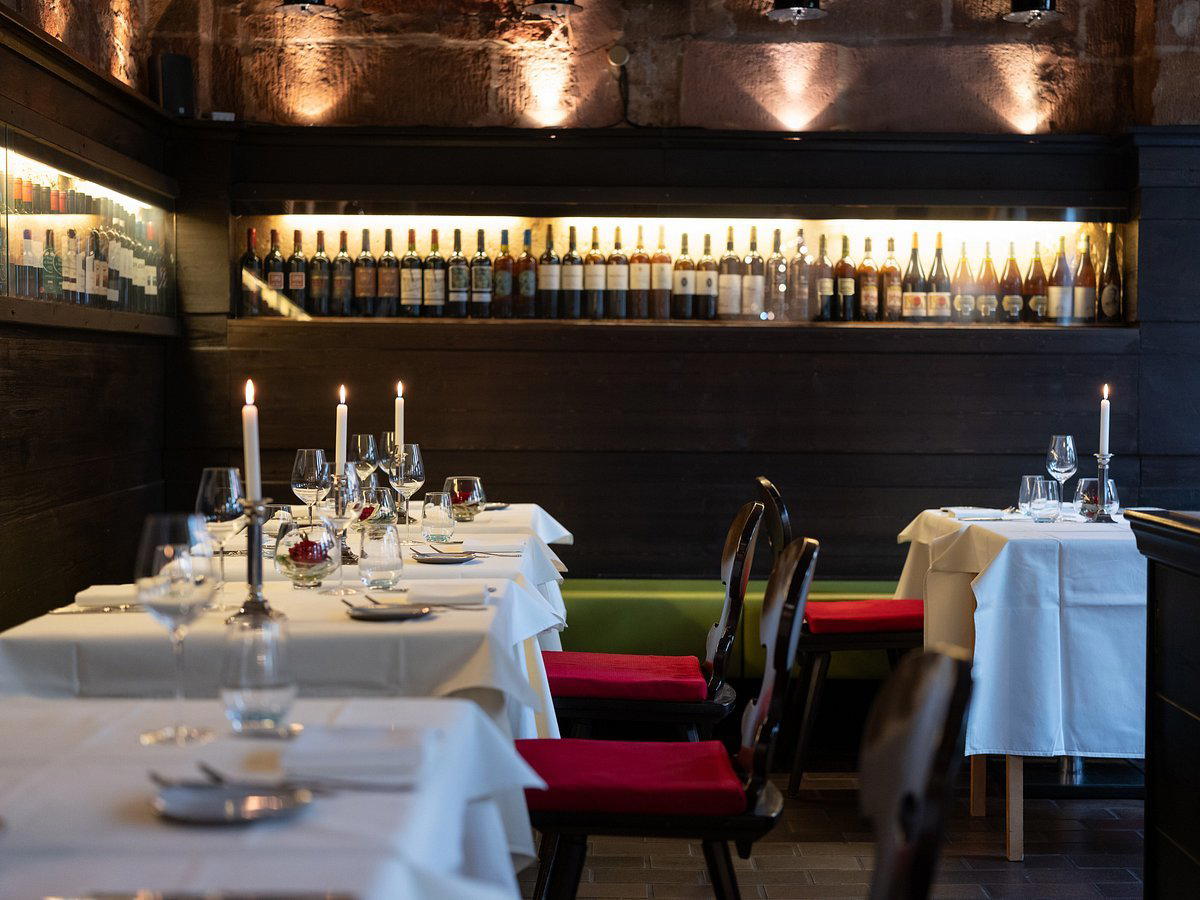
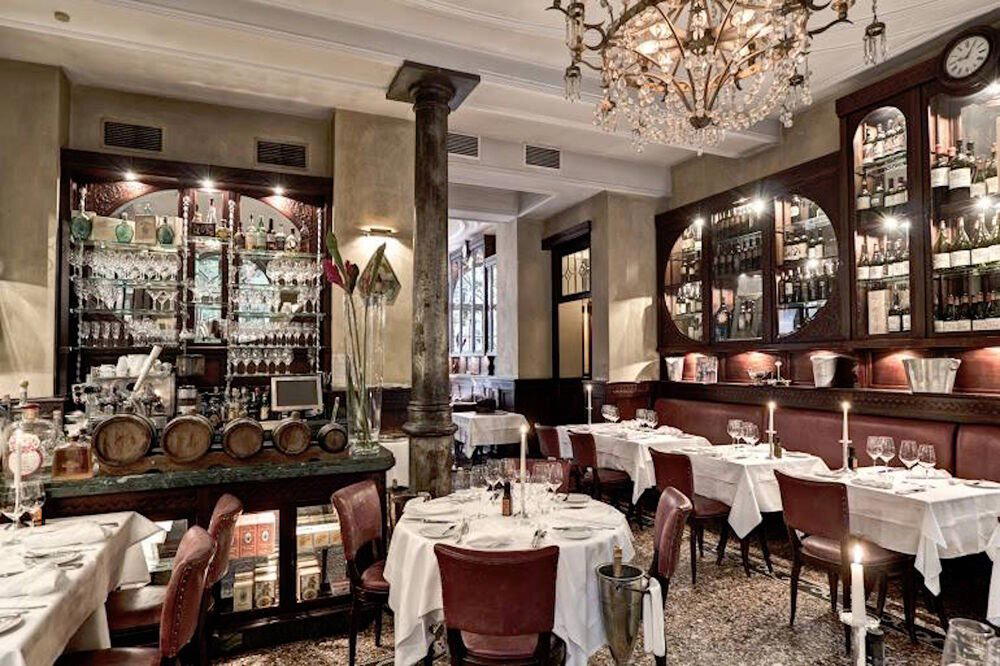
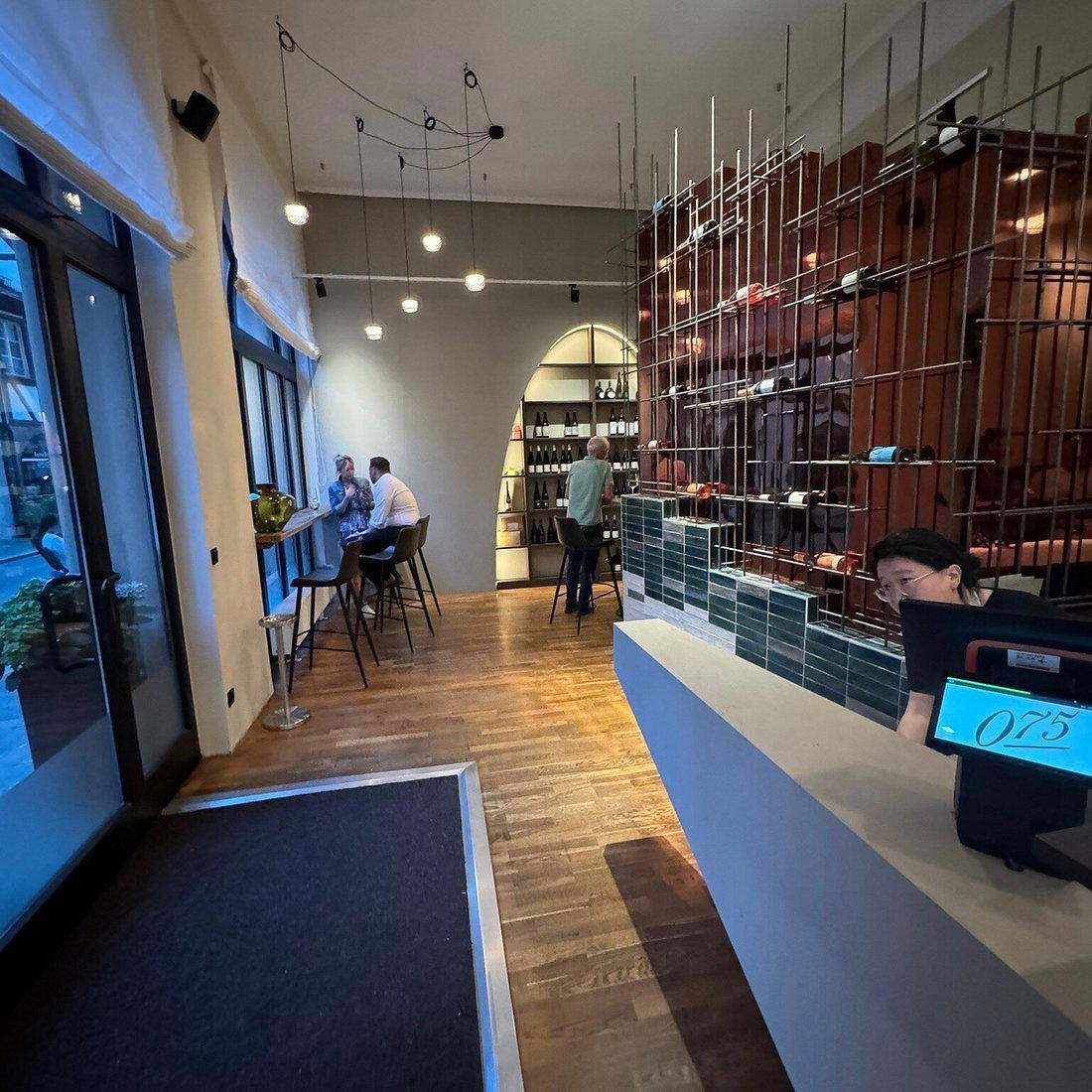
Comfortable and elegant interior with pleasant, quiet atmosphere.