Spitiko Meze Restaurant on Waagstraße brings the Greek meze tradition to the heart of Fürth, where shared plates and communal eating define the format. In a city whose dining scene skews toward Central European classics, the restaurant occupies a distinct position as a neighbourhood gathering point built around Mediterranean sharing culture. Visiting Fürth and want the full picture? See our full Fürth restaurants guide.
Pearl is the En Primeur Club membership app — saves, bookings, and concierge access live there. Same editors, same standards.
- Address
- Waagstraße 2, 90762 Fürth, Germany
- Phone
- +4991198016644
- Website
- spitiko-fuerth.de
- Directions
- Get directions
 Saves & bookings on Pearl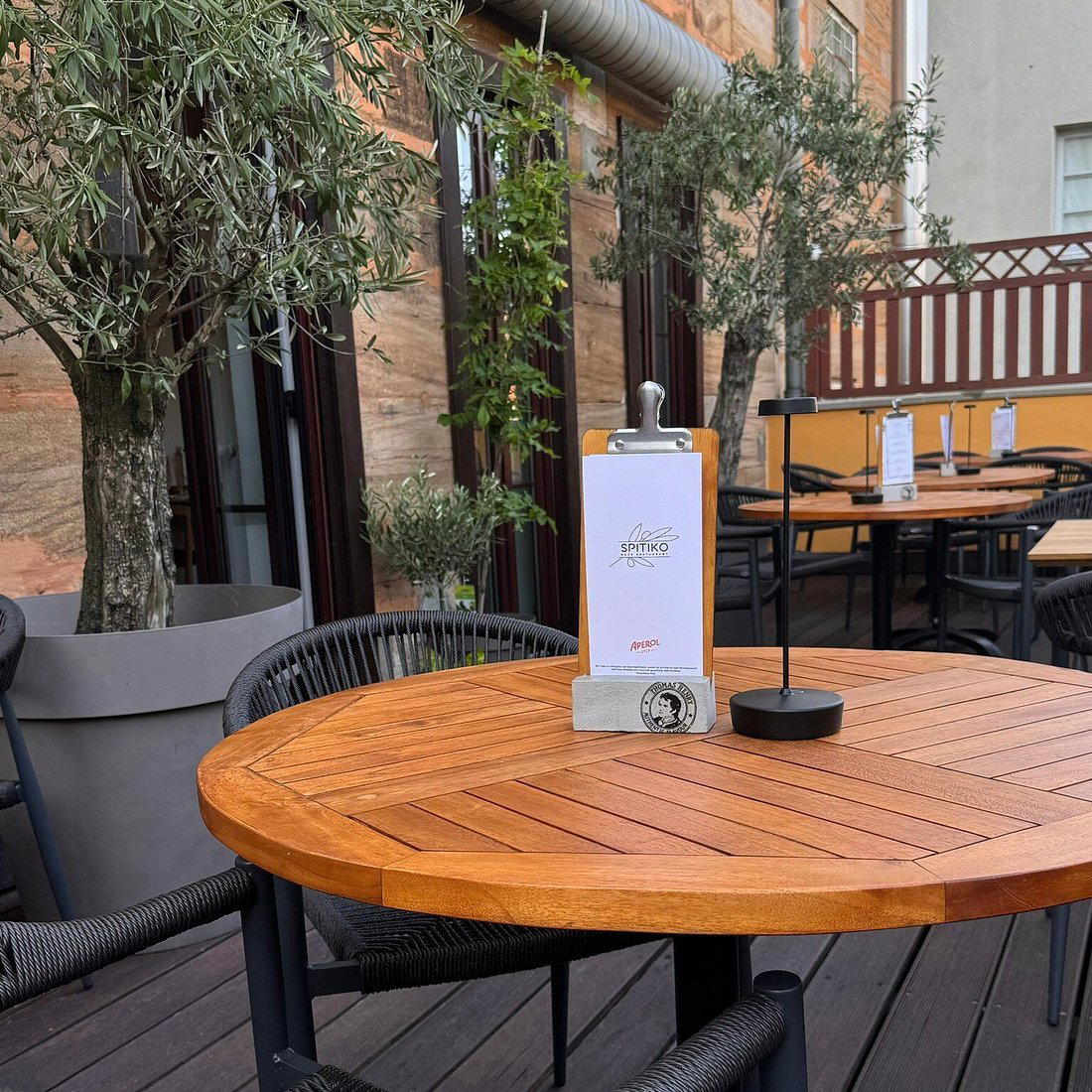
Greek Meze in Fürth: The Case for Shared Plates in a Central European City
Waagstraße cuts through the older commercial core of Fürth, a street where the architecture still carries the weight of the city's nineteenth-century merchant prosperity. It is an address associated with Mediterranean dining, with Spitiko Meze Restaurant bringing Greek meze to the street. Across Germany, Greek cuisine occupies a curious position: present in almost every mid-sized city, often reduced to one familiar exports of the tradition, yet capable, at its more considered end, of conveying something genuinely rooted in the communal logic of Aegean table culture. Spitiko Meze Restaurant operates in that more considered register, at least in name and format.
The word spitiko translates roughly from Greek as "homemade" or "of the house", a descriptor that carries more weight in the context of meze dining than it might elsewhere. Meze is not a menu structure in the conventional European sense. It is a dining philosophy organised around time, conversation, and sequence that resists the single-plate, one-dish logic that dominates Central European restaurant culture. To eat meze properly is to eat slowly, across many small preparations, usually with a table of people and a bottle of something cold. That format is a deliberate cultural choice, and restaurants that commit to it tend to attract a different kind of evening than those offering a single entrée and a dessert list.
What the Meze Format Means for the Fürth Dining Scene
Fürth's restaurant scene, for a city of roughly 130,000 people situated immediately west of Nuremberg, punches with reasonable variety. Kupferpfanne (Classic Cuisine) anchors the traditional end of the market at the €€€ tier, while newer additions like Pizza Zulu, Restaurant La Palma, and Tim's Kitchen represent different corners of the casual international dining segment. What Fürth has less of, relative to larger German cities, is restaurant formats that restructure the social mechanics of the meal itself. A meze-led address does that. The format positions every item as inherently shareable, which changes both the ordering logic and the pace of the table. Diners at a meze restaurant are, by default, collaborating on the meal rather than eating parallel individual experiences.
This distinction matters in the context of how dining culture has shifted across German mid-sized cities over the past decade. The growth of sharing-plate formats, driven partly by influences from the eastern Mediterranean, the Levant, and East Asia, has redistributed what a "restaurant meal" looks like. Cities like Hamburg, Berlin, and Munich absorbed this shift earlier and more visibly. In smaller cities like Fürth, venues that operate in that sharing-plate tradition are rarer, which gives them a more distinct position in the local mix. For anyone cross-referencing what serious sharing-plate dining looks like at the high end elsewhere in Germany, CODA Dessert Dining in Berlin and JAN in Munich represent the format's more technically ambitious expressions, though they operate in an entirely different price tier and register.
Greek Cuisine Beyond the Standard Export
The meze tradition in Greece spans considerable regional variation. Cretan cuisine leans on wild greens, aged cheeses, and olive oil in quantities that would seem excessive by northern European standards. Aegean island cooking is defined by seafood, simplicity, and proximity to the water. Thessaloniki's meze culture is heavier, more influenced by Ottoman culinary history, and organised around ouzo and raki in a way that is inseparable from the drinking culture around it. A restaurant using the term meze is positioning itself within a broad and internally diverse tradition, one that at its most honest is far removed from the standardised Greek-restaurant menu that spread across Western Europe in the 1970s and 1980s.
The better Greek meze restaurants operating in Germany today are those that treat this regional breadth as an asset rather than a complication. That means cold preparations, taramosalata, tzatziki, dakos, sitting alongside grilled vegetables, cured fish, braised pulses, and small meat dishes in a sequence that rewards patience. The choice to name the restaurant explicitly around both the homemade register and the meze format signals an approach that goes beyond the Greek-taverna template.
Finding Spitiko in Context: Germany's Wider Fine Dining Framework
Fürth does not carry the fine dining density of Nuremberg, and Nuremberg itself sits some distance behind Munich or Hamburg in terms of concentration of awarded restaurants. Spitiko does not compete in that tier. Its reference set is neighbourhood Mediterranean dining, and its value is measured against what Fürth's immediate dining options offer.
For those whose dining frame of reference extends to the international stage, Le Bernardin in New York City and Atomix in New York City represent the kind of tightly structured tasting-format experience that sits at the far end of the same sharing-culture spectrum, intimate, sequential, and built around kitchen precision. Meze is a different kind of intimacy, governed by the table rather than the kitchen.
Planning Your Visit
Spitiko Meze Restaurant is located at Waagstraße 2, 90762 Fürth, Germany, in the city's central commercial quarter and accessible from Fürth's main U-Bahn stops without difficulty. Hours run Monday through Saturday from 5 to 11 PM and Sunday from 5 to 10 PM, with reservations recommended and pricing around $25 per person. For a full picture of where Spitiko fits within Fürth's broader eating options, see our full Fürth restaurants guide.
Cost Snapshot
Comparable venues nearby, for context on price, style, and recognition.
| Venue | Cuisine | Price | Awards | Notes |
|---|---|---|---|---|
| Spitiko Meze RestaurantThis venue — the venue you are viewing | Innenstadt, Greek Meze | $$ | Not listed | Not listed |
| Pizza Zulu | City Center, Authentic Neapolitan Pizza | $$ | Not listed | Not listed |
| Tim's Kitchen | Not listed | $$$$ | Not listed | Fürth, Modern French-Japanese Fusion Fine Dining |
| Restaurant La Palma | Fuerth, Authentic Italian Fine Dining | $$$ | Not listed | Not listed |
| Kupferpfanne | Not listed | $$$ | Michelin Plate | City Center, Classic German with Mediterranean Influences |
| Achillion | Heslach, Modern Greek | $$ | Not listed | Not listed |
![[w]einklang restaurant in Nuremberg](https://cdn.enprimeurclub.com/storage/v1/object/public/images/locations/rec2OpfvDJLj7d0zO/hero1.jpg?width=3840&quality=75)
At a Glance
- Cozy
- Modern
- Intimate
- Date Night
- Brunch
- Family
- Open Kitchen
- Terrace
- Street Scene
Current opening hours
- Monday
- 5–11 PM
- Tuesday
- 5–11 PM
- Wednesday
- 5–11 PM
- Thursday
- 5–11 PM
- Friday
- 5–11 PM
- Saturday
- 5–11 PM
- Sunday
- 5–10 PM
Hours can change for holidays and private events. Last verified .
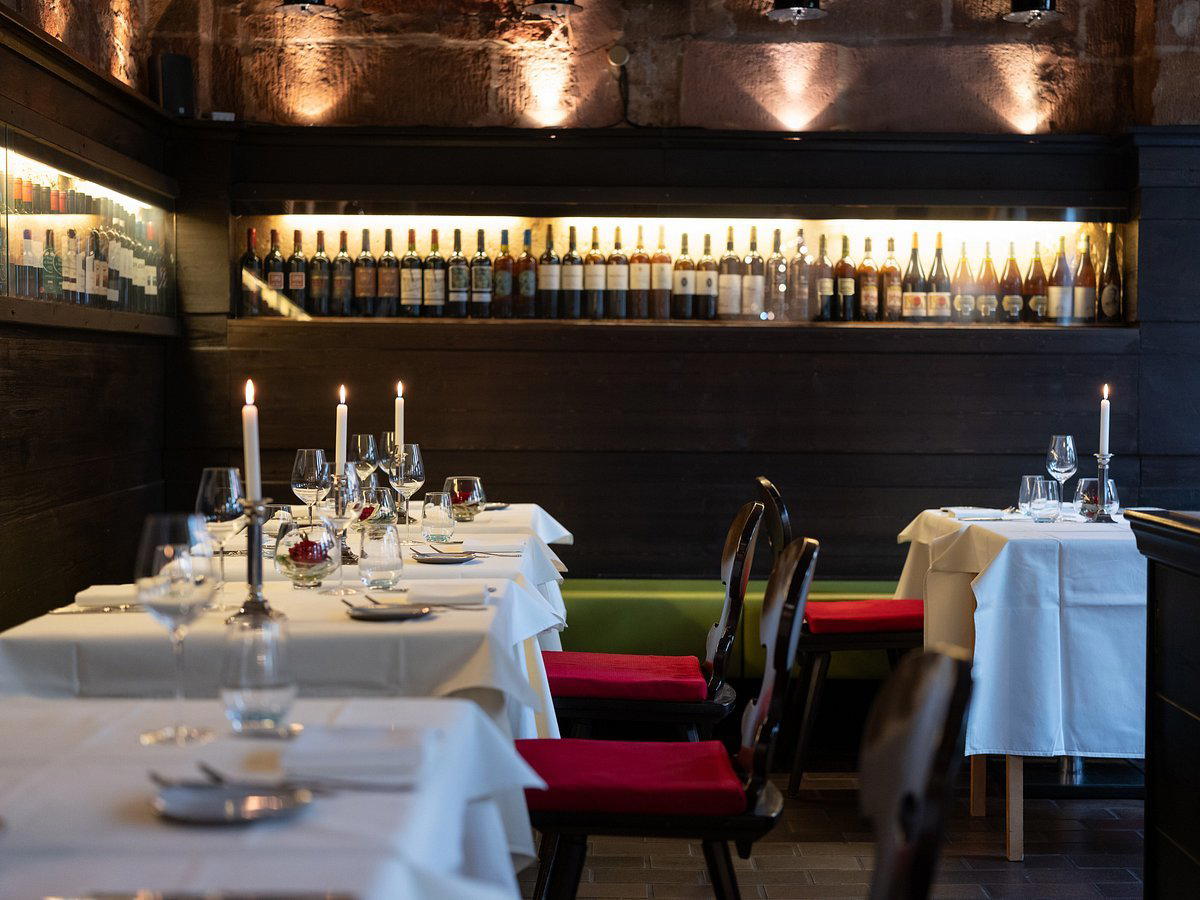
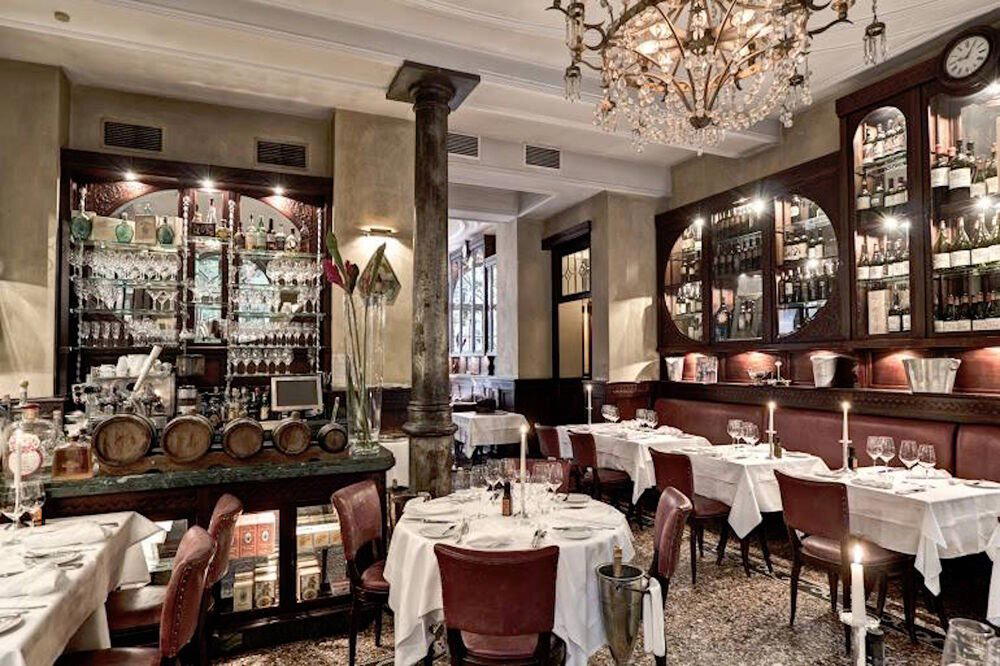
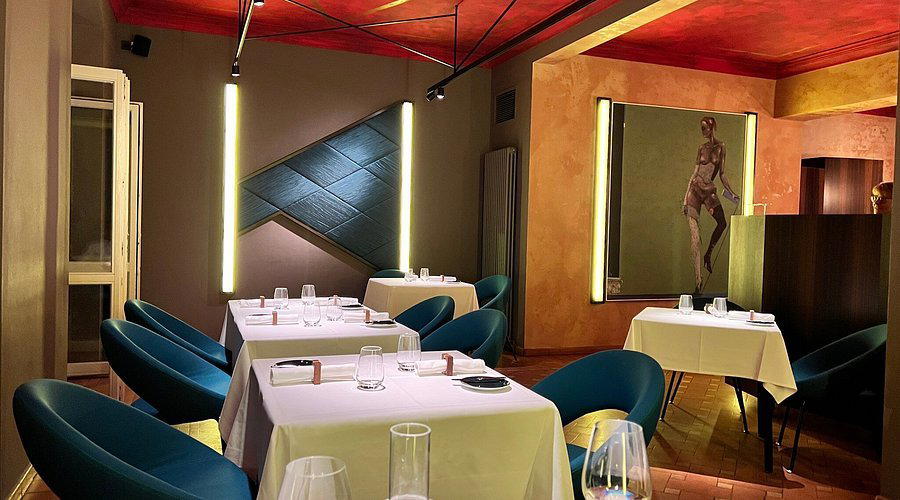
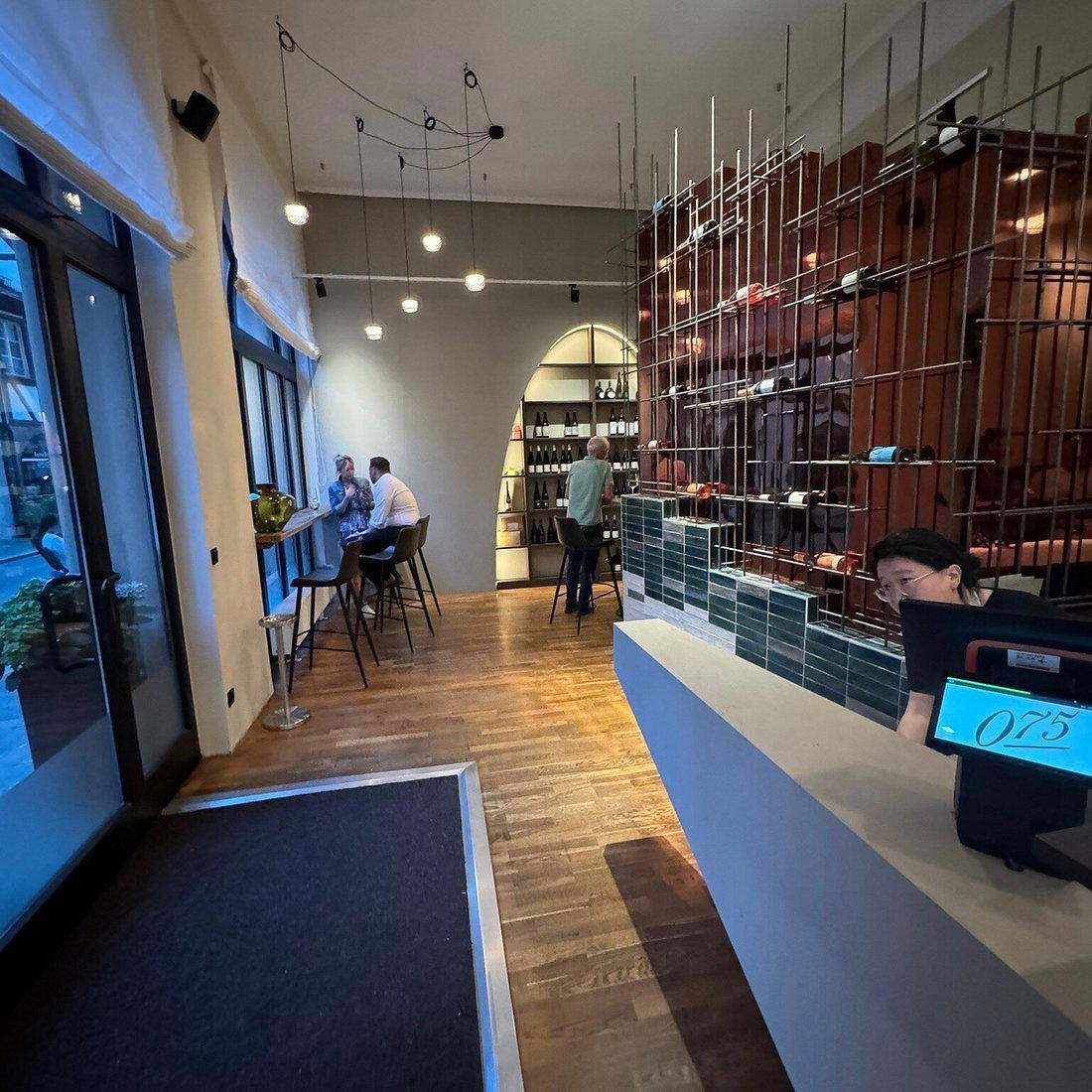
Bright, friendly rooms with modern design, open kitchen, and warm Mediterranean atmosphere; pleasant volume on the gallery.