Kuo Tieh Santong 68 serves Authentic Shandong-Style Kuotieh from counter service on Jl. Pancoran, making it a practical lunch or dinner stop.
Pearl is the En Primeur Club membership app — saves, bookings, and concierge access live there. Same editors, same standards.
- Address
- Jl. Pancoran No.73 3, RT.1/RW.6, Pinangsia, Kec. Taman Sari, Kota Jakarta Barat, Daerah Khusus Ibukota Jakarta 11110, Indonesia
- Phone
- +62 812-1983-6868
- Website
- instagram.com
- Directions
- Get directions
 Saves & bookings on Pearl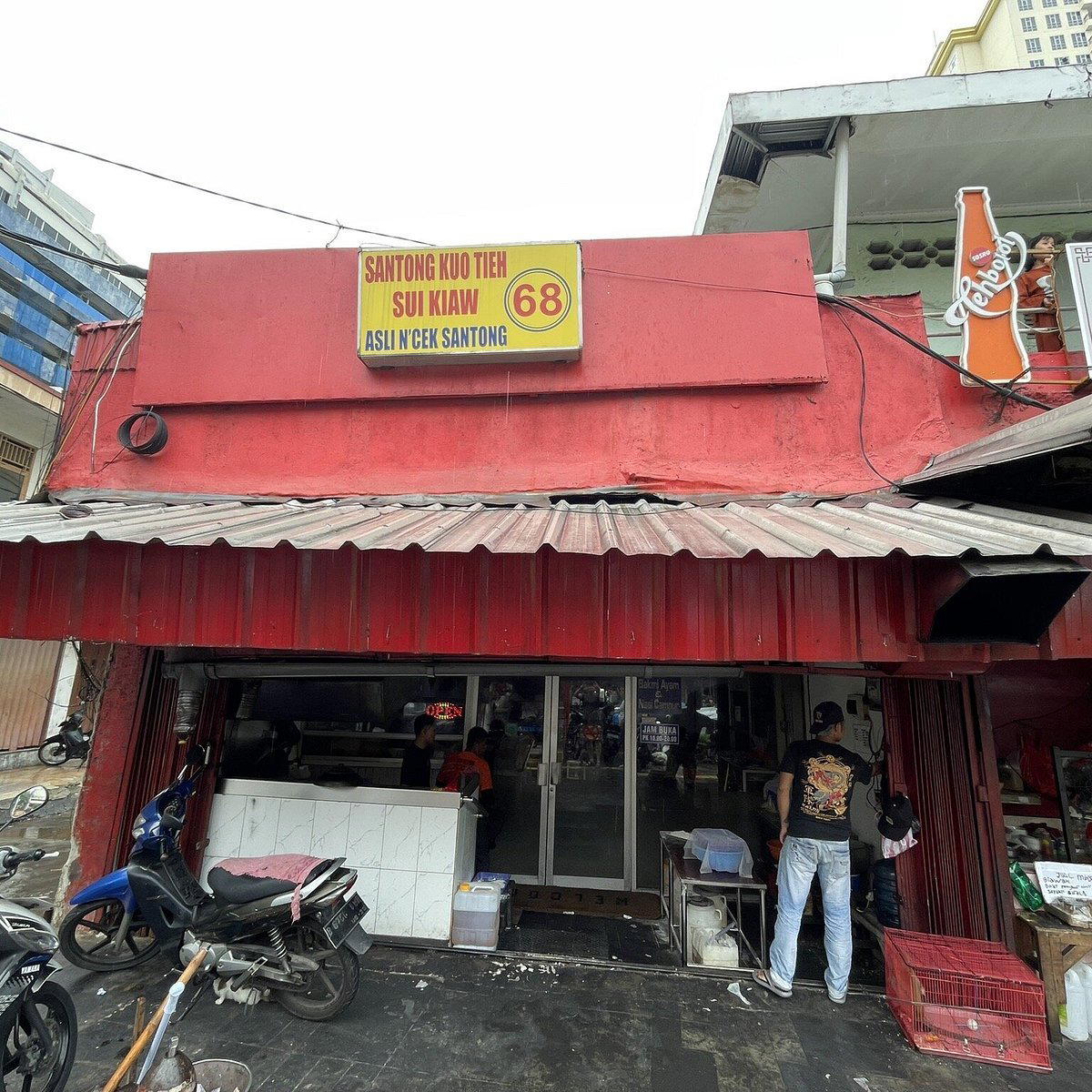
Old Jakarta's Dumpling Belt, and Where Kuo Tieh Santong 68 Sits Within It
Pinangsia, the dense commercial quarter running through Kota Tua's southern edge, has been Jakarta's most coherent Chinese-Indonesian food district for generations. The streets around Jalan Pancoran are where the city's older Hokkien and Hakka communities built their shop-house kitchens, and the format has barely shifted: narrow dining rooms, oil-slicked griddles, and the particular hiss of dumplings pressed against cast iron. Kuo Tieh Santong 68 occupies a shopfront address at Jalan Pancoran No. 73 in this district, placing it squarely inside a culinary tradition that predates Jakarta's modern restaurant scene by several decades.
That context matters. This part of Kota Barat is not where the city's newer fine-dining tier operates. Properties like August and Bistecca represent a different register entirely, built around tasting menus and international sourcing. Santong 68's competitive peers are the surrounding Pancoran hawker-grade counters and the longer-established dumpling houses that have served the local Chinese-Indonesian community since the mid-20th century. Understanding that comparable set is the starting point for any honest assessment.
The Physical Container: Reading the Room in Pancoran
The architectural logic of Kota Barat's shophouse strip is worth understanding before you arrive. These are two- or three-storey colonial-era terraces with ground-floor retail that transitions, gradually or abruptly, into kitchen and dining space. The ratio of cooking surface to seating is typically inverted compared to what Jakarta's newer restaurants achieve: more griddle, less table. That proportion is not accidental. It reflects a throughput-first philosophy where volume of dumplings cooked, not dining duration, is the operational priority.
In this district, the visual grammar of a restaurant's interior communicates intent more reliably than any signage. Tiled walls, plastic stools, fluorescent overhead light, and a counter positioned to face the street all signal that the cooking is the event, not the room. These spaces are not designed for lingering. They are designed for watching the kitchen work and eating while things are still hot. For visitors arriving from Jakarta's design-conscious dining tier, this is not a deficiency; it is a different and older set of priorities that the cooking is expected to justify on its own terms.
Comparable formats exist across Southeast Asia's Chinese-diaspora food districts: Penang's Lebuh Chulia, Singapore's Chinatown Complex, Bangkok's Yaowarat. Jakarta's Pancoran strip belongs to the same architectural and culinary family, where the shophouse frontage and the open kitchen operate as a single communicative system. Venues like Hwang Fu Dimsum in Tangerang and Hai Di Lao in Central Jakarta represent the category's more formatted, higher-investment end; Santong 68's address puts it closer to the district's original, less mediated version of Chinese-Indonesian dining.
The Kuo Tieh Tradition in a Jakarta Context
Kuo tieh, the pan-fried dumpling sometimes called a potsticker in English-language contexts, is one of the more technically specific items in the northern Chinese dumpling repertoire. The technique requires a two-stage cooking process: initial frying to develop a crust on the base, followed by steaming under a lid with added water or stock, then a second dry phase to re-crisp the bottom and evaporate remaining liquid. The result, when executed correctly, is a dumpling with a lacquered, slightly caramelised underside and a steamed, yielding interior. The filling-to-skin ratio and the tightness of the fold determine whether the interior stays moist through both cooking phases.
In Jakarta, this tradition arrived through Fujian and Hakka migration patterns and has been adapted through decades of local ingredient availability and palate. The Pancoran district represents one of the city's longest-running sites of that adaptation. For comparison, Chongqing Liuyishou Hotpot in South Jakarta and Kita in Kecamatan Menteng represent different nodes of Jakarta's Chinese and Chinese-influenced dining, each serving a distinct segment of the market. The kuo tieh house in Kota Barat is a more district-specific, community-rooted format.
Placing Santong 68 Against the Wider Jakarta Dining Map
Jakarta's restaurant coverage tends to concentrate on the city's newer, higher-investment southern and central districts: Senopati, SCBD, Kemang, Menteng. Venues like Abunawas Restaurant in Kemang, Aged + Butchered Jakarta, and Bakerzin at Central Park are part of the city's contemporary dining infrastructure. Santong 68's Kota Barat location sits geographically and categorically outside that circuit. This is not a criticism; it is a description of where the venue operates and what kind of experience it represents.
For visitors who want to understand Jakarta's Chinese-Indonesian food heritage at street level, the Pancoran and Kota Tua area is the relevant district. The dining format here is community-facing, not tourism-oriented, which affects everything from signage language to service tempo. Expect the kitchen to be the focus of attention and the dining rhythm to move faster than at the city's full-service restaurants. For context on how Indonesia's wider dining scene operates across formats and price points, the full Jakarta restaurants guide maps the city's options with more granularity. Indonesian dining traditions in Bali, for example, are covered through venues like Locavore NXT in Ubud and Jungle Fish Bali in Gianyar, which represent a different register of Indonesian hospitality. Similarly, Bikini Restaurant Bali in Badung illustrates how Bali's resort-adjacent dining differs structurally from Jakarta's neighbourhood-level food culture.
At the international reference end of the spectrum, technically demanding kitchen formats like Le Bernardin in New York City and Atomix in New York City show what happens when a specific culinary tradition is given maximum resources and formal infrastructure. The Pancoran kuo tieh house operates with a different set of constraints and a different definition of success: execution speed, consistent crust, and price accessibility to the local community it serves.
Planning a Visit: What to Know Before You Go
Jalan Pancoran and the surrounding Kota Barat block are most productively visited during daytime hours, when the district's food activity is at its highest concentration and the surrounding Kota Tua heritage area is accessible for context. The address at RT.1/RW.6, Pinangsia, Kecamatan Taman Sari puts the venue inside a block that is dense with both commercial traffic and pedestrian food seekers. Walk-in service fits the venue's operating style. That is consistent with the district's general format: queue-based or first-come seating, with turnover high enough that waits are typically short outside peak lunch hours.
The Short List
Comparable venues nearby, for context on price, style, and recognition.
| Venue | Cuisine | Price |
|---|---|---|
| Kuo Tieh Santong 68This venue — the venue you are viewing | Not listed | $ |
| Kam's Roast Indonesia | Gondangdia, Hong Kong Roast Meats | $$$ |
| Five Monkeys Burger - Panglima Polim | Melawai, Californian-Style Burgers | $$ |
| Pancious | Pondok Pinang, Pancakes & Comfort Food | $$ |
| Kimukatsu Grand Indonesia | Gondangdia, Layered Japanese Katsu | $$ |
| HAI SHIEN FANG | Golf Island PIK, Szechuan Hot Pot | $$ |

At a Glance
- Well Known
- Rustic
- Casual Hangout
- Solo
- Group Dining
- Open Kitchen
Current opening hours
- Monday
- 10:30 AM–8:30 PM
- Tuesday
- 10:30 AM–8:30 PM
- Wednesday
- 10:30 AM–8:30 PM
- Thursday
- 10:30 AM–8:30 PM
- Friday
- 10:30 AM–8:30 PM
- Saturday
- 10:30 AM–8:30 PM
- Sunday
- 10:30 AM–8:30 PM
Hours can change for holidays and private events. Last verified .
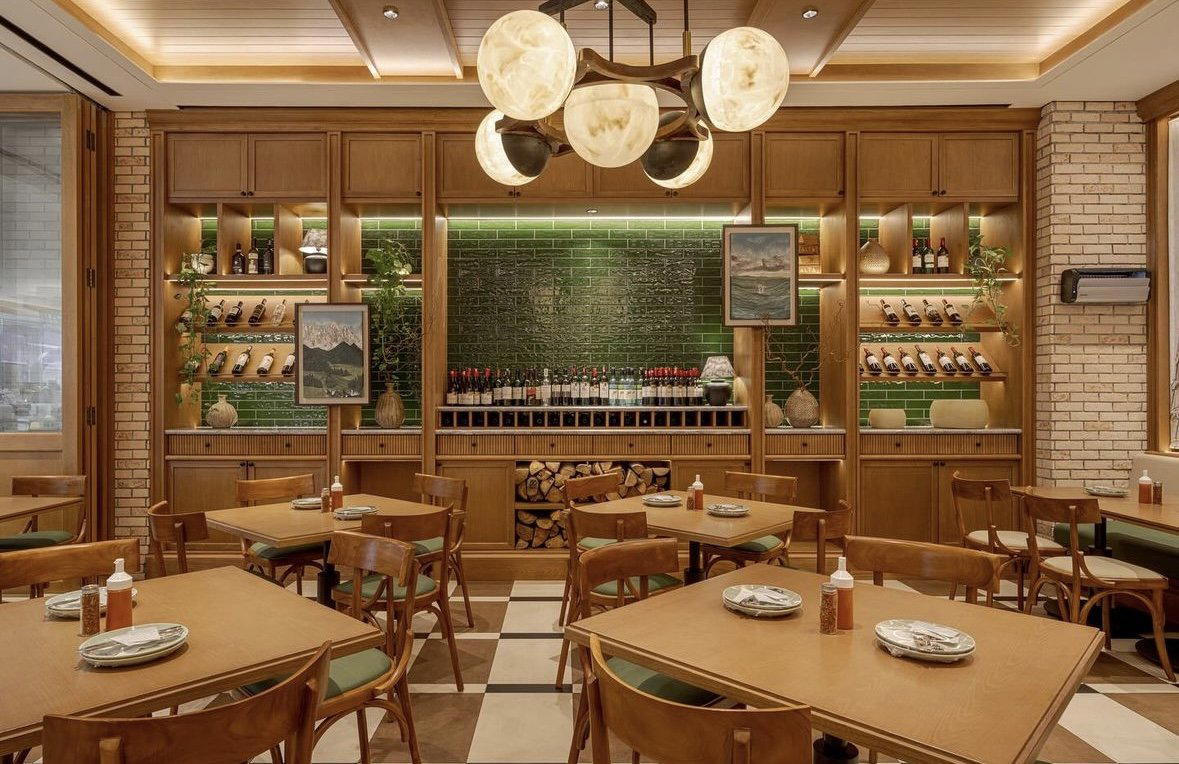
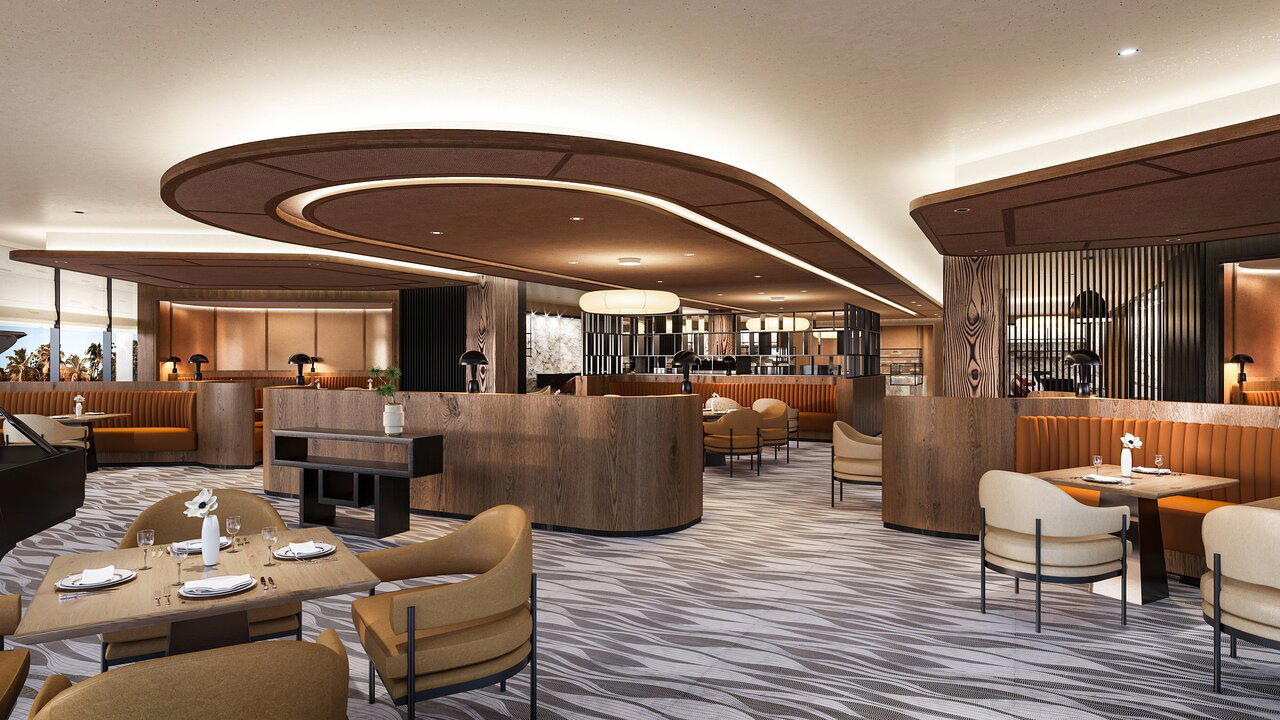
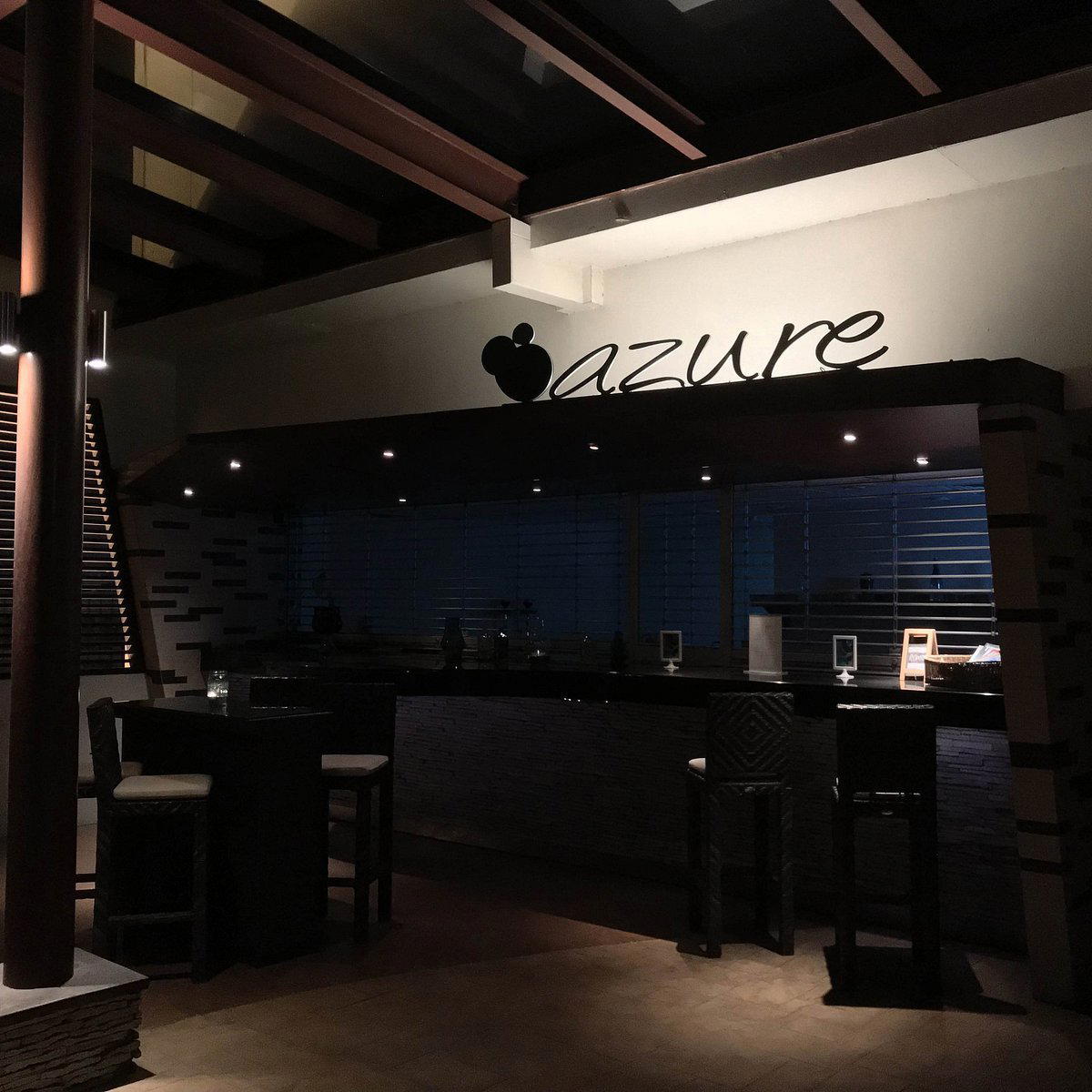
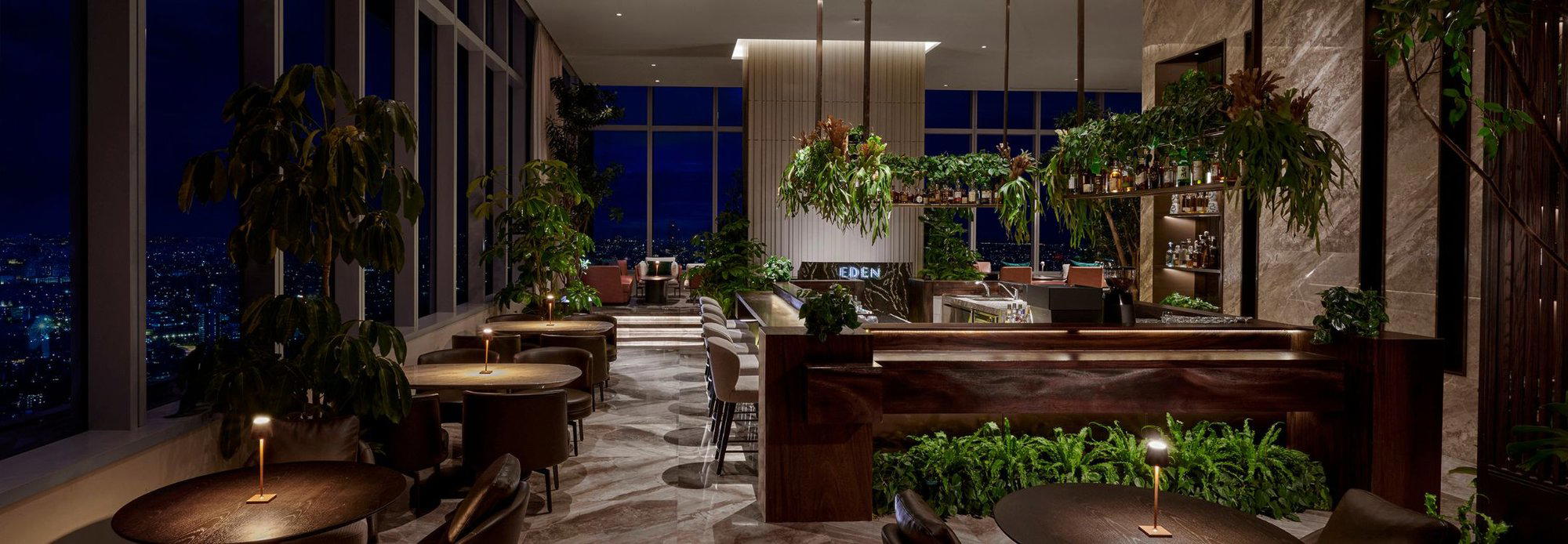
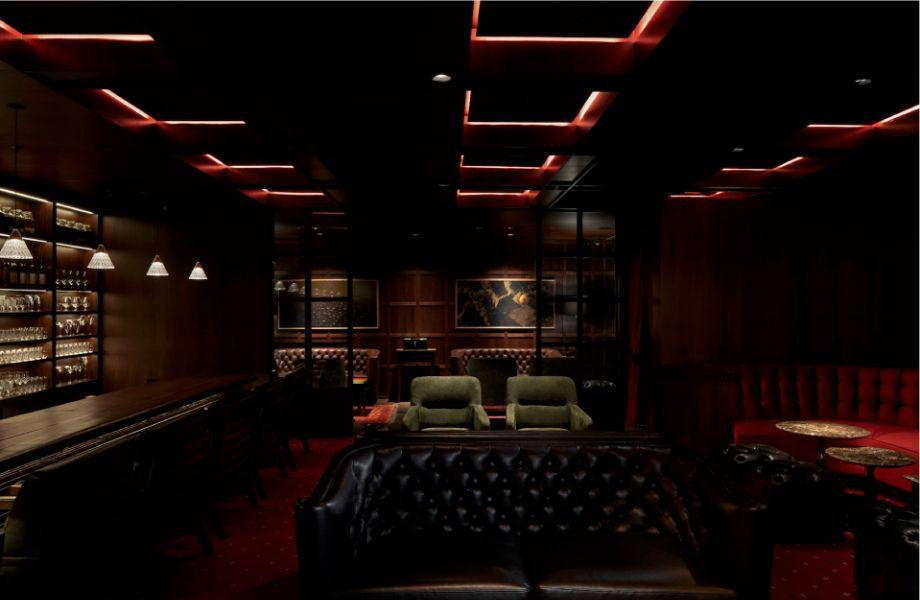
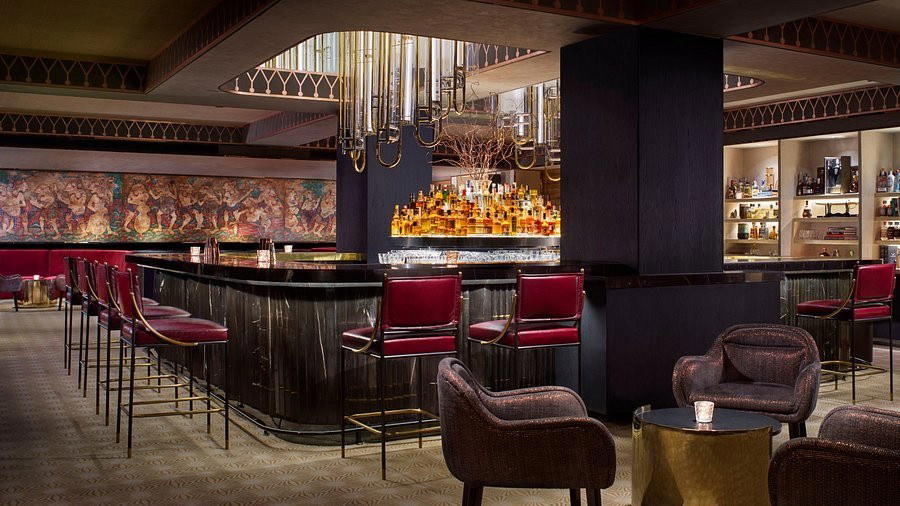
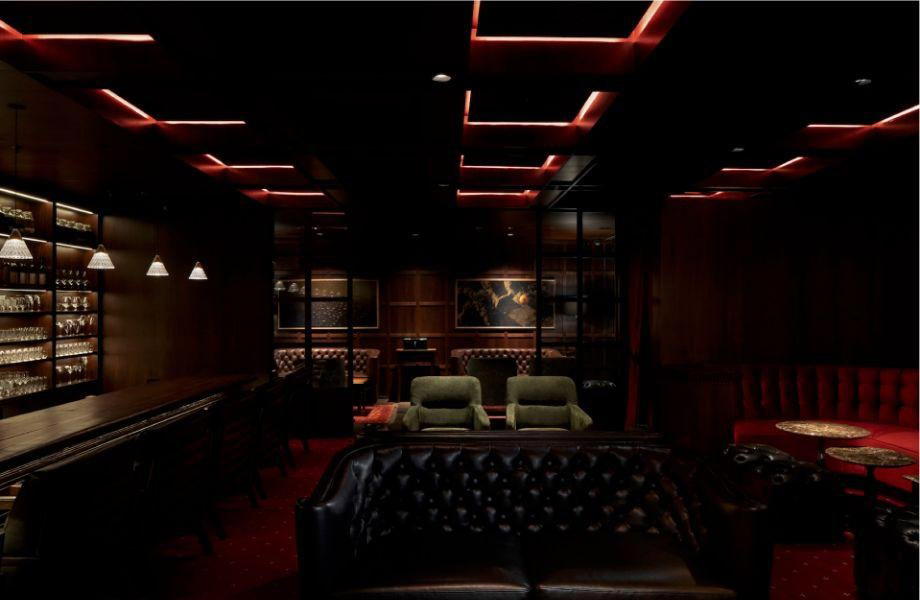
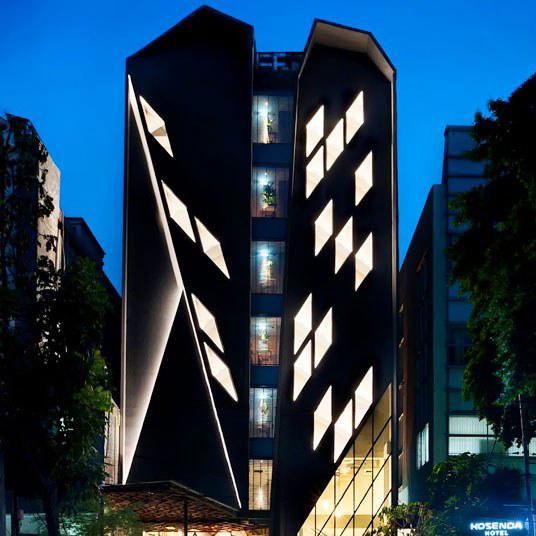
No-frills, worn interior with plastic-covered tables and simple decor; authentic local atmosphere with open kitchen where dumplings are made visible to diners; air-conditioned.