Kulm Country Club
Kulm Country Club occupies a distinct position in St. Moritz's dining scene: a setting where Alpine heritage and a club atmosphere converge at one of the Engadin valley's most storied addresses. The format suits those who want the social texture of a private members' environment alongside a serious kitchen, placing it in a different register from the resort town's more formal tasting-menu houses.
Pearl is the En Primeur Club membership app — saves, bookings, and concierge access live there. Same editors, same standards.
- Address
- Via Maistra 41, 7500 St Moritz, Switzerland
- Phone
- +41818368260
- Website
- kulm.com
- Directions
- Get directions
 Saves & bookings on Pearl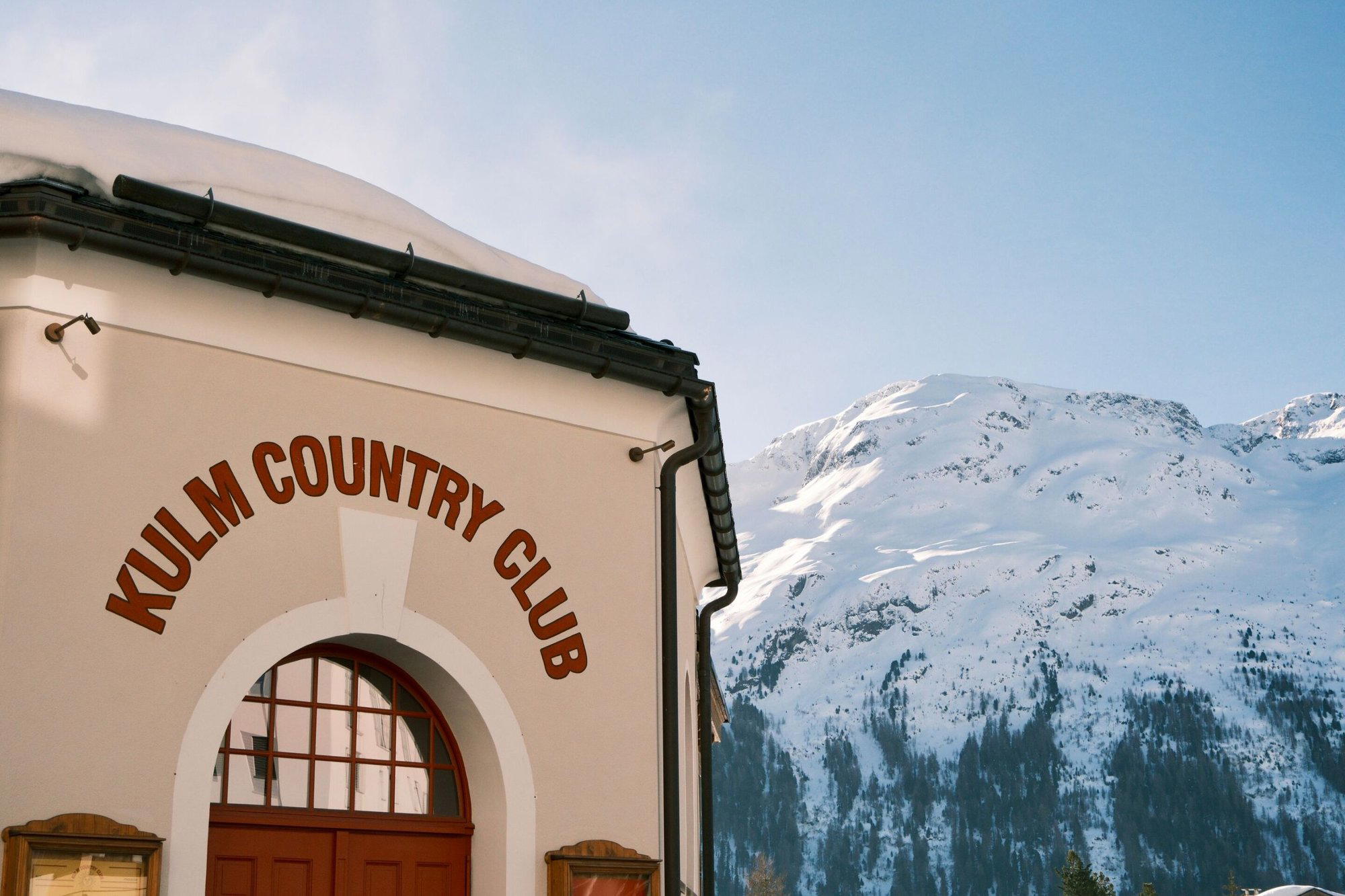
St. Moritz and the Architecture of Alpine Dining
St. Moritz operates at a price tier and social register that few Swiss resort towns can match. The dining scene here has long reflected that: a cluster of restaurants where the credential signalling, imported Italian seafood, hotel pedigree, is dense even by Swiss standards. Within that context, country club formats occupy an interesting niche. They are neither the stripped-back mountain Stube nor the white-tablecloth tasting room; they carry a social function that fine-dining venues rarely attempt, and that function shapes what you eat and how you eat it.
Kulm Country Club sits at Via Maistra 41, a central address in St. Moritz that places it close to the social core of the town rather than on a ski-in slope or a hotel corridor. That positioning matters. Via Maistra is the spine of the village's public life, and a dining address here signals accessibility, relative to the sequestered hotel dining rooms that characterise much of the resort's premium tier, without abandoning the refined register that St. Moritz demands from any serious establishment.
Ingredient Logic at Altitude
The Engadin valley presents a particular set of supply challenges that shape any serious kitchen operating here. At roughly 1,800 metres, growing seasons are short and delivery logistics from Italy's northern lakes or Switzerland's lowland farms require planning that flatland restaurants never need to consider. The Alpine kitchens that distinguish themselves in this environment tend to do so through one of two strategies: either they commit to hyper-local sourcing, Graubünden game, high-altitude dairy, foraged herbs from the surrounding valley, or they build supply chains with sufficient rigour to import premium product reliably into a remote location.
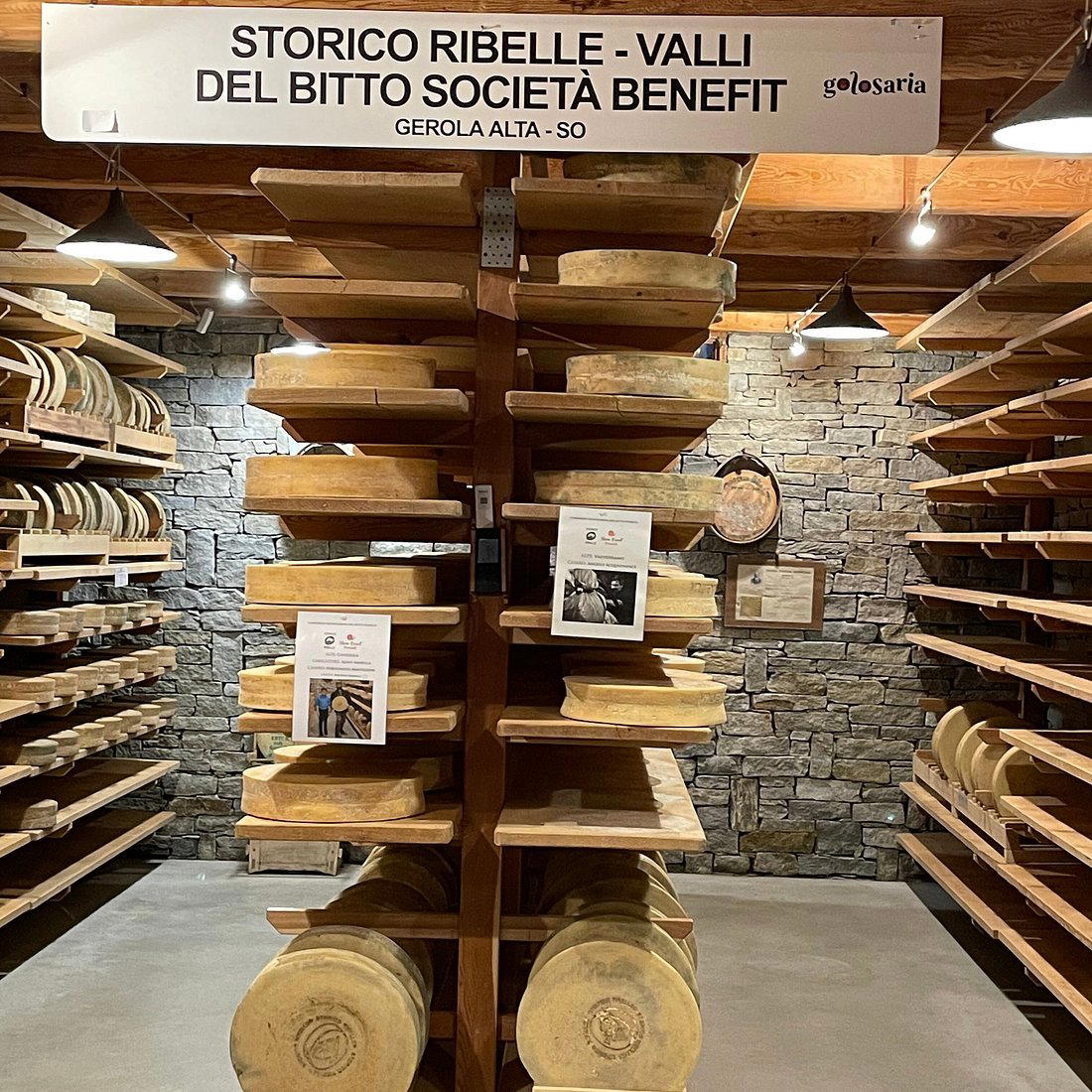
Country club kitchens historically have leaned toward the former, partly by necessity and partly because the membership format rewards consistency over novelty. In St. Moritz, where a visitor base that skews toward international regulars arrives with high ingredient expectations, that consistency has to be underwritten by sourcing discipline. The Graubünden region itself offers notable raw materials: mountain-aged cheeses, cured meats from local producers, and game that shifts with the season. A kitchen working with that regional palette is engaging with a tradition that stretches back through centuries of Alpine hospitality, where altitude-forced preservation techniques, curing, aging, fermenting, shaped the cuisine long before they became fashionable in lower-elevation restaurants. Compare this sourcing-led approach to peers like Chasellas, which has built its identity squarely around Engadin country cooking traditions, or Beefbar Grace Hotel, which imports premium beef product as its defining supply chain commitment.
Where Kulm Country Club Sits in St. Moritz's comparable set
St. Moritz's restaurant tier is compressed at the leading edge. Da Vittorio St. Moritz and Ecco St. Moritz both operate at €€€€ price points with Michelin recognition framing their positioning. Amaru by Claudia Canessa brings a Peruvian reference point into that same premium bracket. The country club format places Kulm Country Club in a different competitive conversation, less about star-chasing, more about sustained quality within a social setting that rewards repeat visits and member-grade service standards.
That distinction is not a shortcoming. Across Switzerland's broader fine-dining geography, particularly durable addresses are often those that prioritise consistency over spectacle. Hotel de Ville Crissier near Lausanne and Schloss Schauenstein in Fürstenau both demonstrate that Swiss high-end dining can hold its ground over decades without constant reinvention. The country club model, when it works, operates on a similar logic: the setting, the sourcing, and the service rhythm become the product, with the kitchen supporting rather than leading.
Further afield in Switzerland's premium restaurant set, addresses like Cheval Blanc by Peter Knogl in Basel, Memories in Bad Ragaz, and 7132 Silver in Vals all show how Swiss Alpine and peri-Alpine kitchens can sustain serious culinary credentials across different formats. The common thread is ingredient rigour, a refusal to let altitude or remoteness become an excuse for supply shortcuts.
Planning a Visit
St. Moritz operates on two distinct seasonal peaks: the winter ski season running roughly December through March, and a shorter summer window when the Engadin valley attracts walkers, cyclists, and those seeking cooler temperatures. Demand at the resort's better dining addresses tracks those peaks closely, with January and February representing the tightest availability window. For visitors drawn to the country club format specifically, arriving with some advance planning is sensible; the social calendar in St. Moritz during high season fills quickly. The Via Maistra address is walkable from the main town cluster, and the setting suits both lunch and dinner depending on the format on offer. Those building a broader Swiss restaurant itinerary might also consider Colonnade in Lucerne, Einstein Gourmet in Sankt Gallen, focus ATELIER in Vitznau, IGNIV Zürich by Andreas Caminada, and L'Atelier Robuchon in Geneva as reference points across the country's varied dining character. For a complete picture of what St. Moritz offers across price points and formats, see the St. Moritz restaurants guide.
International visitors comparing the Swiss mountain dining experience to reference points elsewhere, such as the technical precision of Le Bernardin in New York or the tasting-menu rigour of Atomix, will find the Alpine club format operates on different terms entirely. The comparison is less useful than understanding what the format does on its own terms: a kitchen accountable to a regular clientele, in a setting where the room has its own social weight.
- Grilled Lamb Shoulder
- Asado Lunch
- Charred Octopus
- Smoked Trout Salad
- Chocolate Fondant
- Beef Tartare
Quick Comparison
Comparable venues nearby, for context on price, style, and recognition.
| Venue | Cuisine | Price | Awards | Notes |
|---|---|---|---|---|
| Kulm Country ClubThis venue — the venue you are viewing | Alpine Grill with Mediterranean Influences | $$$$ | Not listed | Not listed |
| Grace La Margna | Modern Mediterranean with Premium Grilled Meats | $$$$ | Not listed | St. Moritz |
| Hide & Seek | Contemporary Mediterranean & Swiss | $$$$ | Michelin Plate | Champfer |
| KCC by Mauro Colagreco | Modern Grill with Mediterranean Influences | $$$$ | Michelin Plate | St. Moritz |
| Suvretta Stube | Swiss Alpine Classics with Mediterranean Influences | $$$$ | Not listed | St. Moritz |
| Cà dOro - Kempinski Grand Hotel des Bains | Dining | Not listed | Not listed | St. Moritz |
Continue exploring
More in St. Moritz
Restaurants in St. Moritz
Browse all →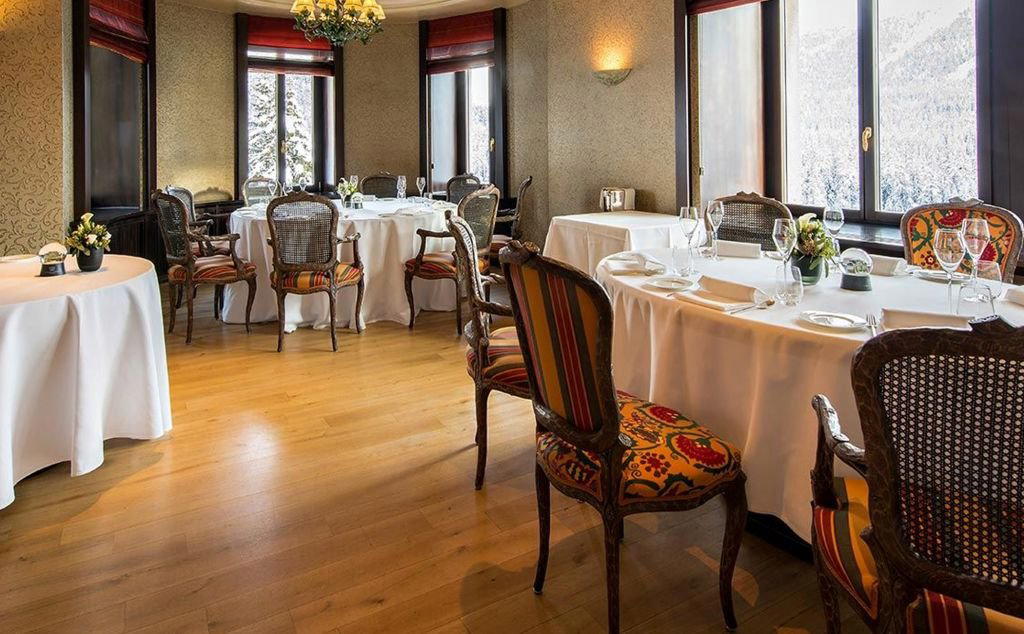
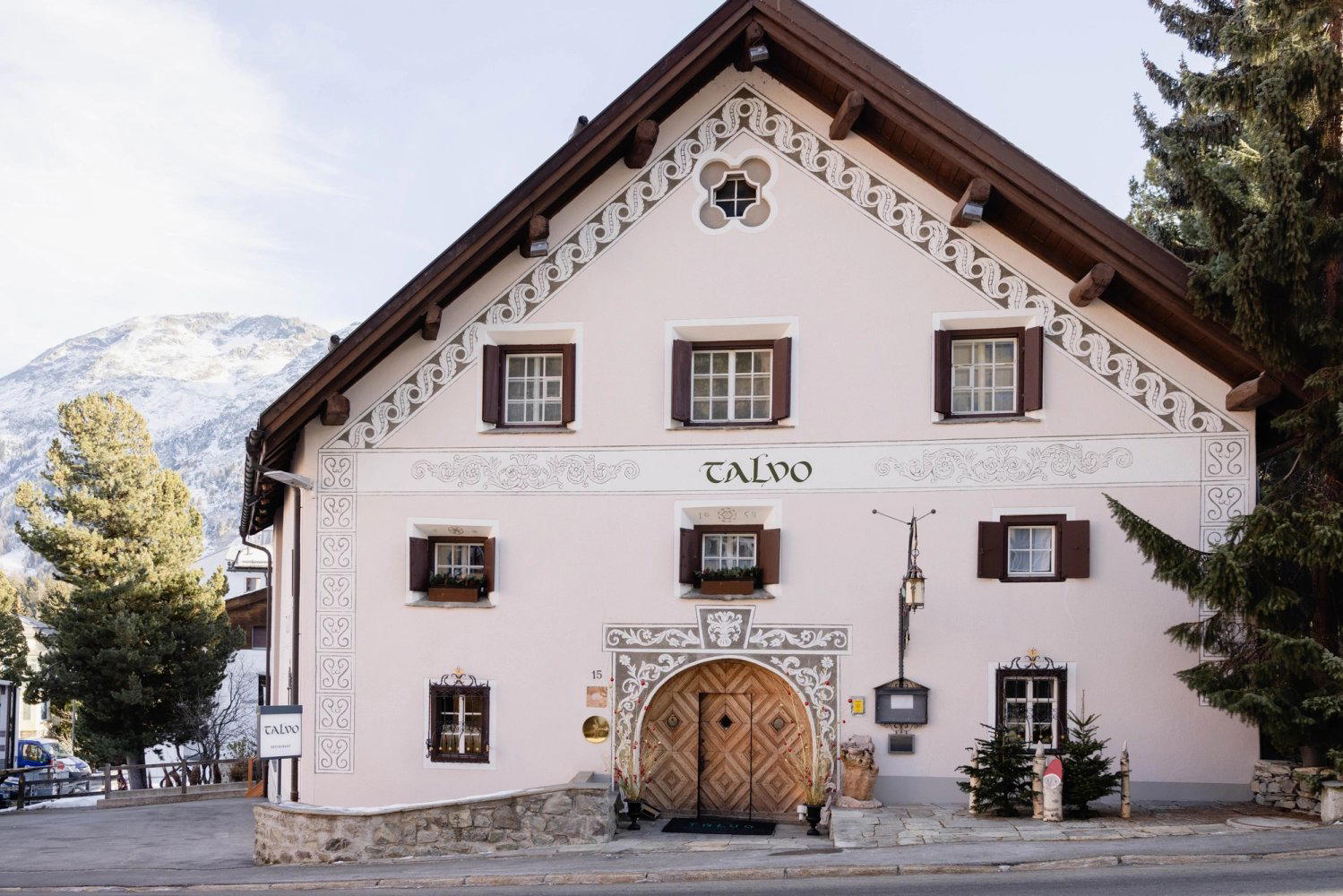
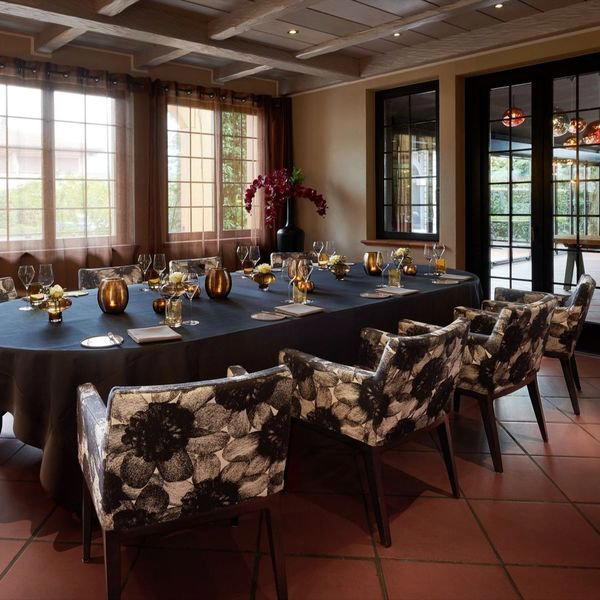
Bars in St. Moritz
Browse all →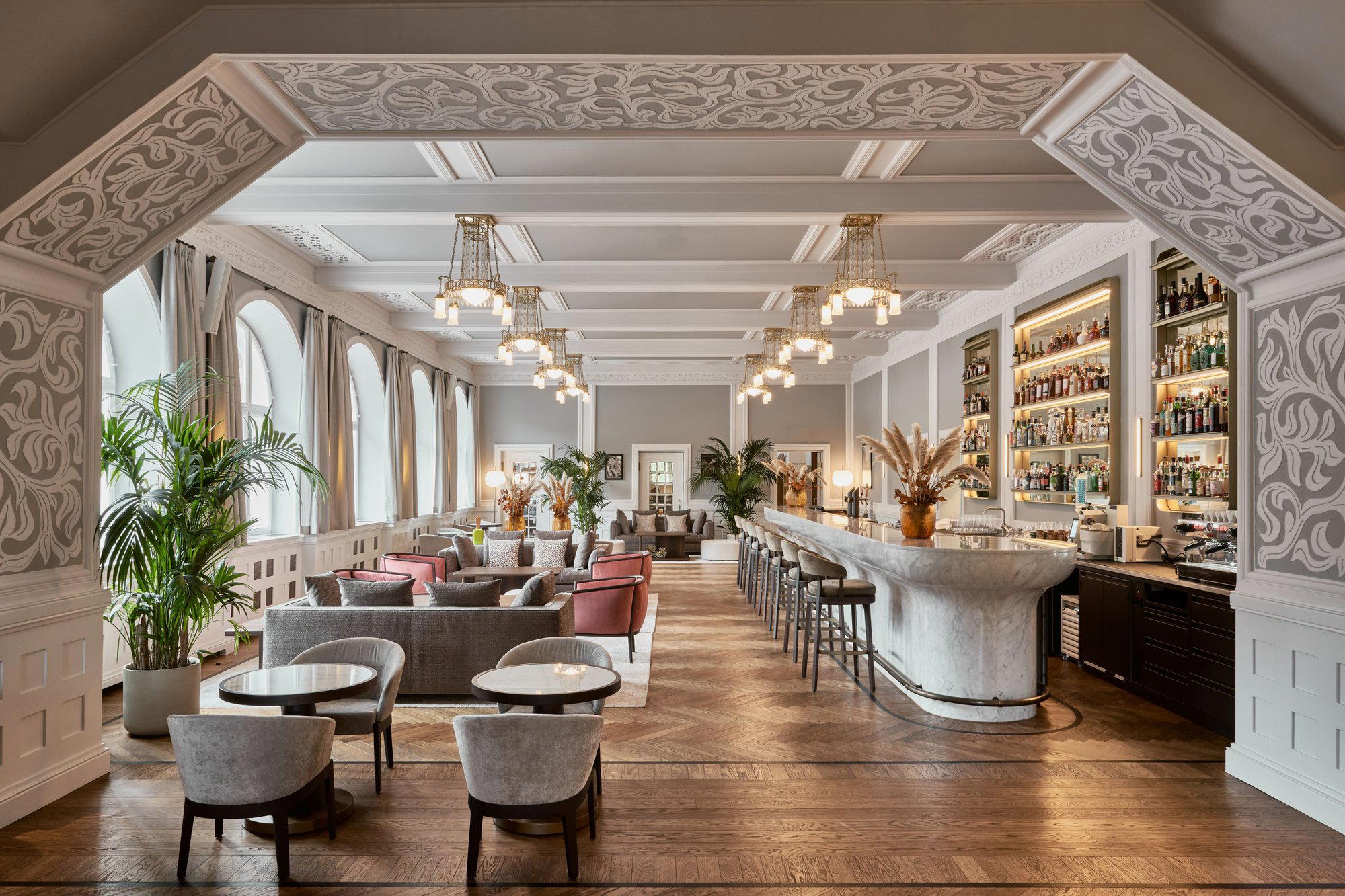
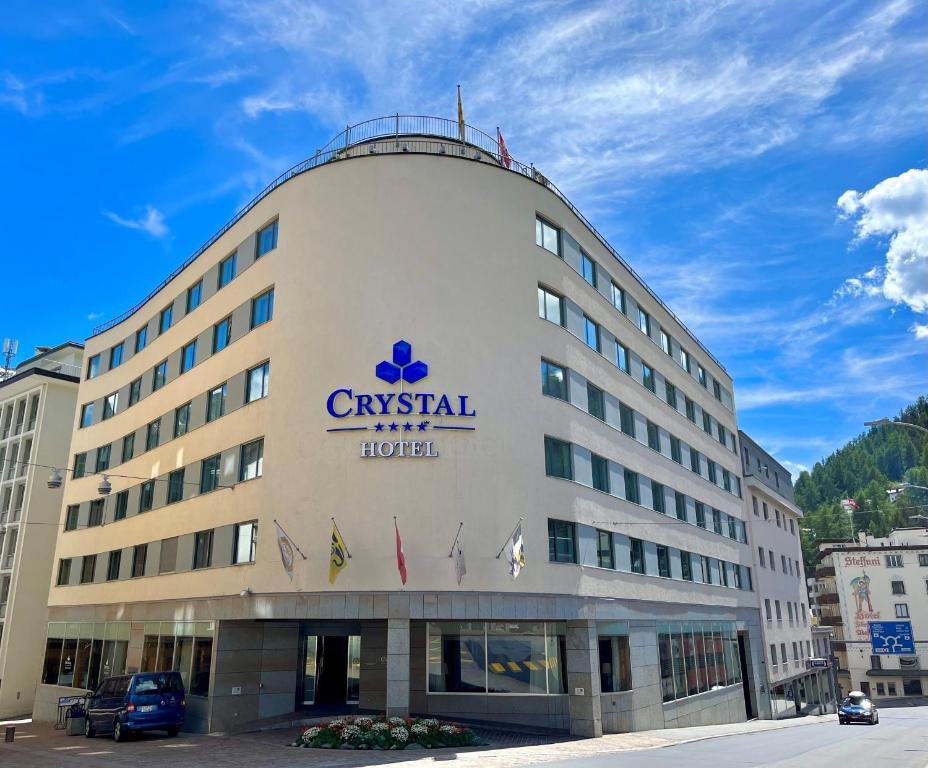
Hotels in St. Moritz
Browse all →
Wineries in St. Moritz
Browse all →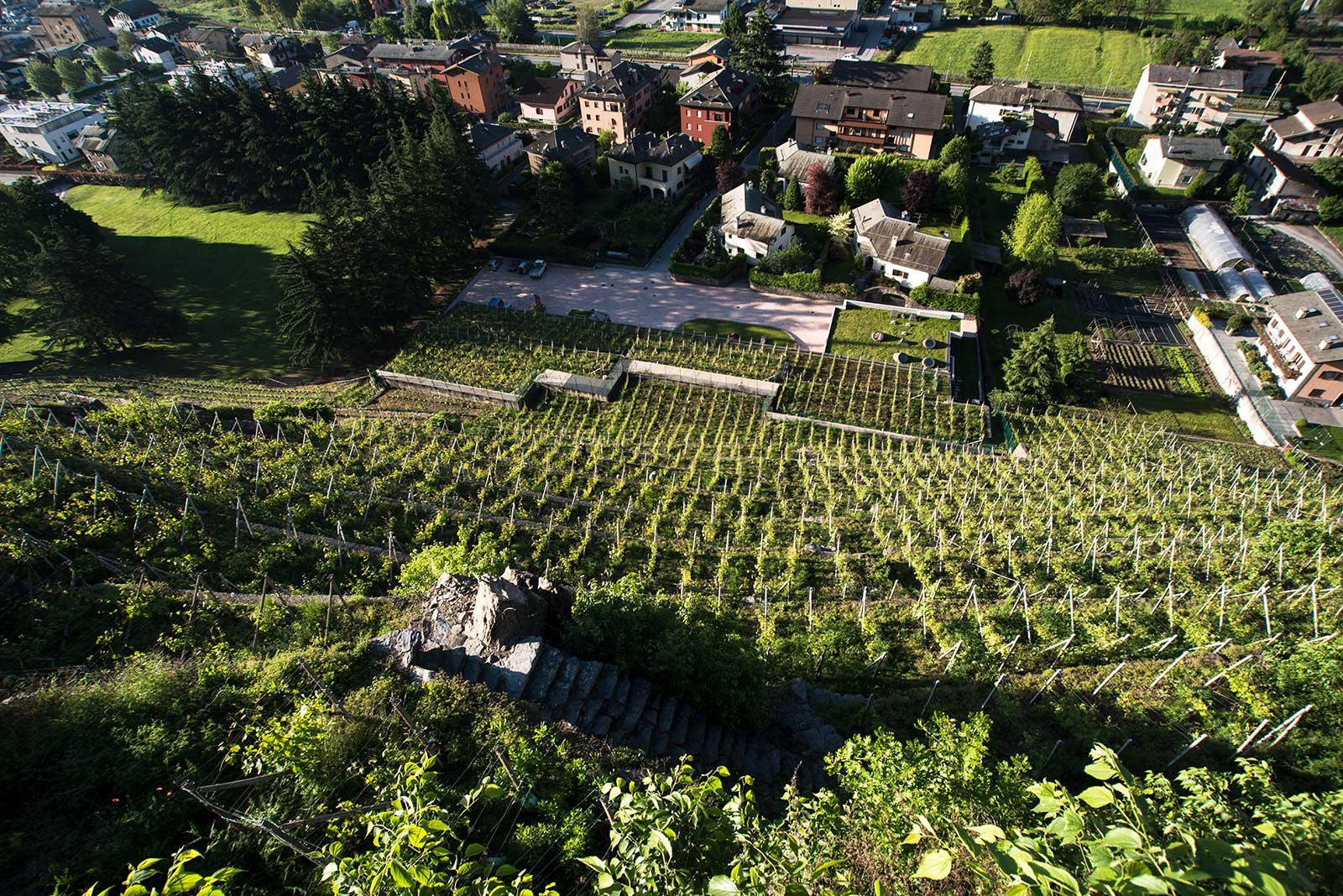
At a Glance
- Elegant
- Sophisticated
- Scenic
- Lively
- Date Night
- Group Dining
- Celebration
- Special Occasion
- Live Music
- Terrace
- Garden
- Panoramic View
- Hotel Restaurant
- Design Destination
- Sommelier Led
- Farm To Table
- Local Sourcing
- Mountain
- Garden
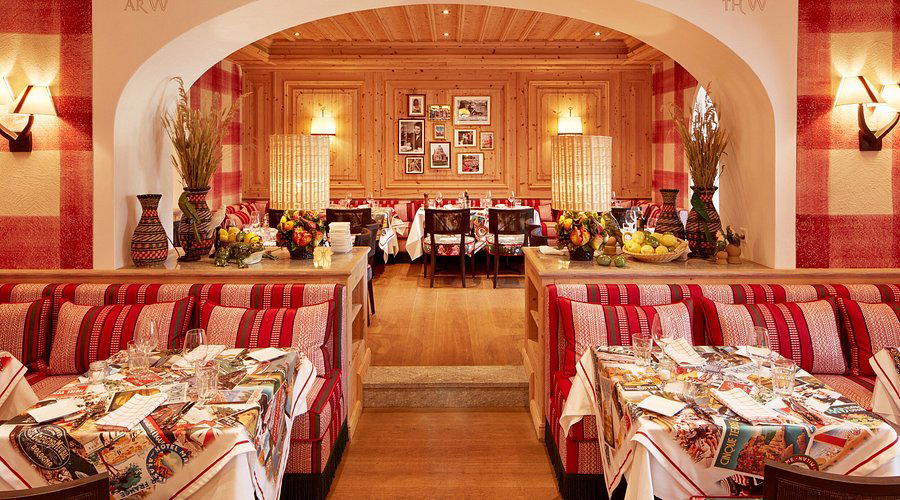
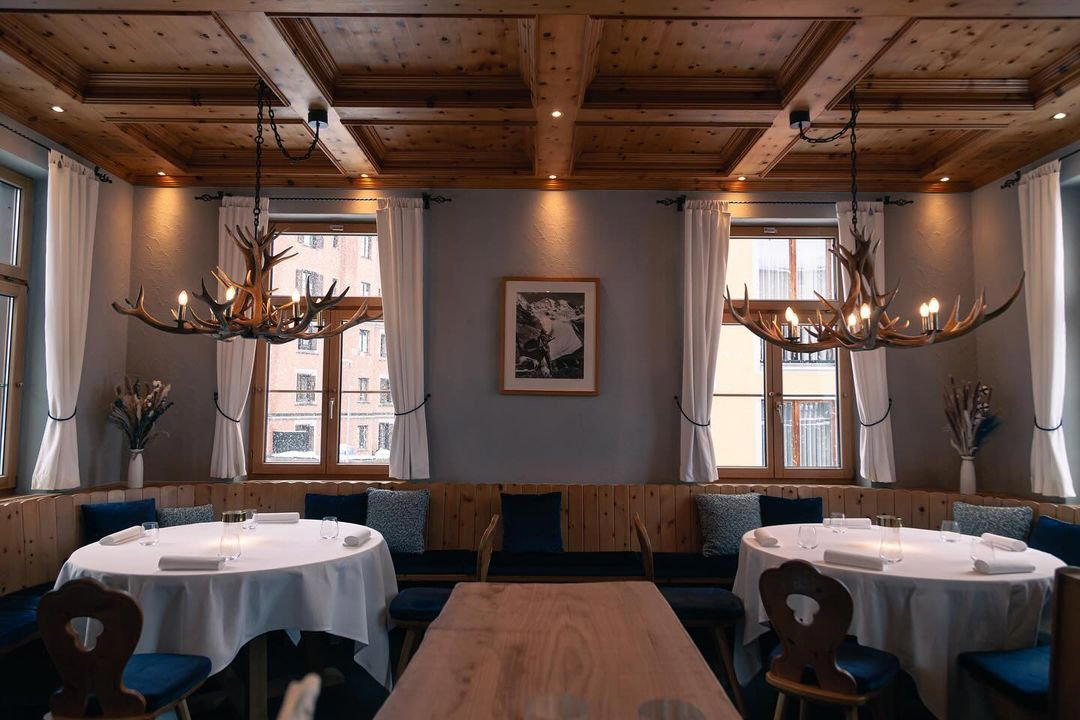
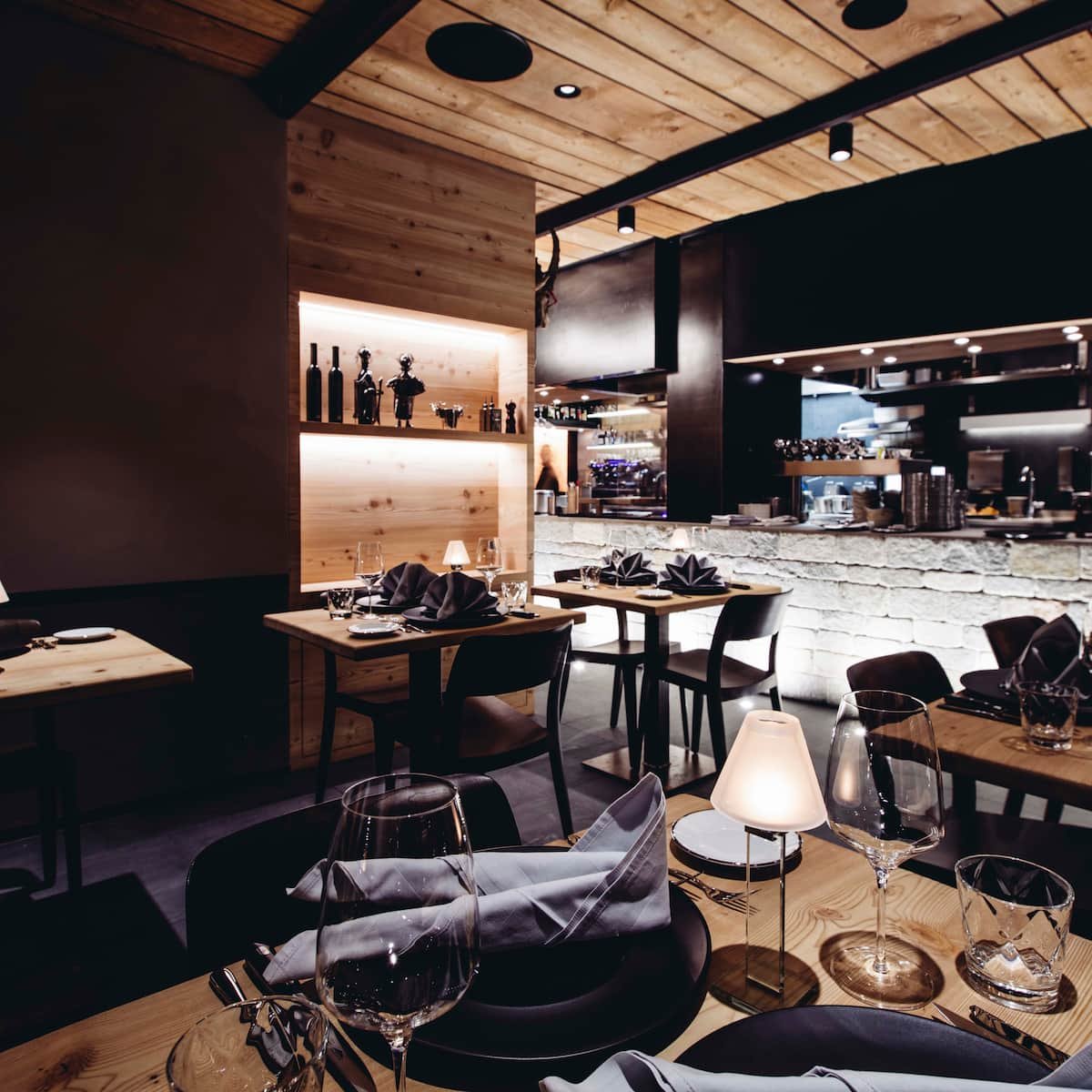
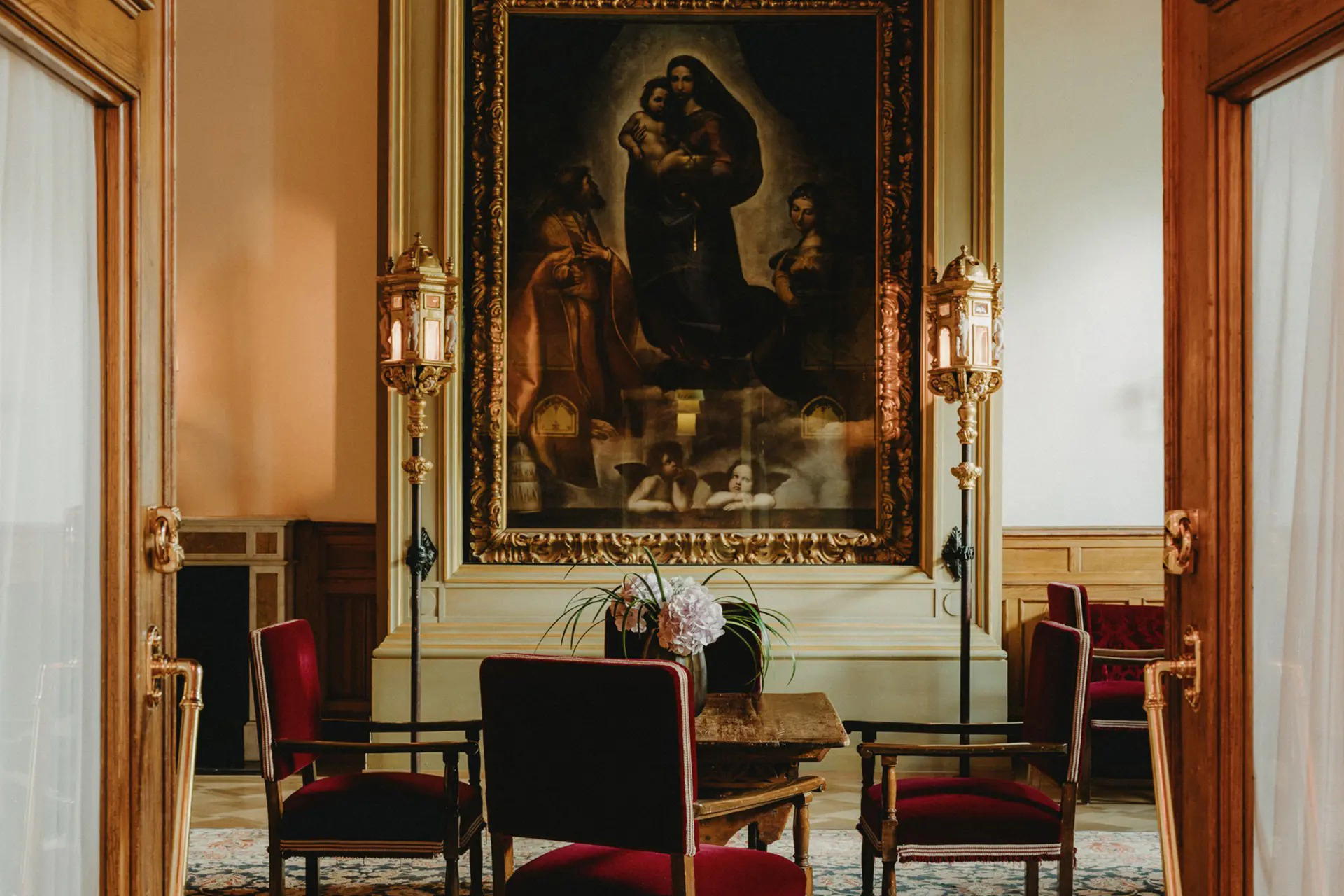
Relaxed sophistication with neutral tones, natural textures, and easy-listening soundtrack; vintage sledges adorn the ceiling; live music and vinyl sessions provide acoustic backdrop; warm and casual yet elegant setting.