Beefbar Grace Hotel

Beefbar Grace Hotel brings the Monaco-born Beefbar concept to St. Moritz's Hotel Grace La Margna, serving premium cuts with Michelin Plate recognition in 2024 and 2025. Priced at the top of the resort's dining market, it occupies a distinct position: open-fire and smoke-forward cooking in an Alpine town better known for fine Italian and creative tasting menus. A useful counterpoint to St. Moritz's white-tablecloth default.
Pearl is the En Primeur Club membership app — saves, bookings, and concierge access live there. Same editors, same standards.
- Address
- Hotel GRACE LA MARGNA, Via Serlas 5, 7500 St. Moritz, Switzerland
- Phone
- +41 81 832 22 10
- Website
- beefbar.com
- Directions
- Get directions
 Saves & bookings on Pearl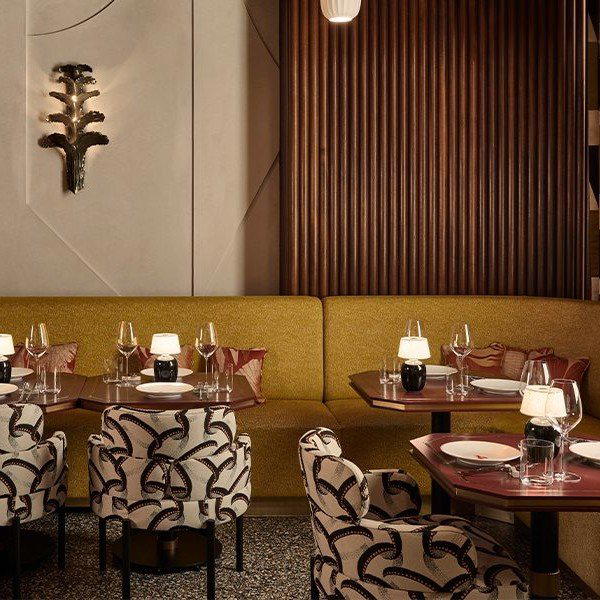
Smoke at Altitude: What Beefbar Brings to St. Moritz's Dining Scene
St. Moritz's restaurant market clusters at the expensive end and stays there. A winter table in this Engadin resort town competes not on price but on format: the question is whether you want the kind of cooking associated with Da Vittorio - St. Moritz and its two Michelin stars and refined Italian seafood, the precise creative tasting menus at Ecco St. Moritz, or something built around fire and protein rather than classical technique and plating. Beefbar Grace Hotel occupies that third position, and in a resort town where the €€€€ tier is almost entirely Italian or European fine dining, it is genuinely unusual to find smoke-forward, cut-focused cooking holding Michelin Plate recognition for two consecutive years.
The Role of Fuel in High-Altitude Barbecue
The Beefbar brand, which originated in Monaco and has expanded across luxury destinations internationally, has always positioned itself around premium cut sourcing rather than rustic pit culture. But the fuel question matters regardless of brand lineage. In barbecue as a serious culinary discipline, the choice between oak, hickory, mesquite, and cherry wood is not cosmetic. Each species contributes a distinct combustion chemistry: oak burns long and produces a medium-density smoke with balanced tannin character; hickory runs hotter and more pungent, well-suited to heavier cuts that can absorb intensity; mesquite burns fast and hot with a sharp, almost mineral smoke that can overwhelm lean proteins; cherry and other fruitwoods produce lighter, sweeter smoke that reads well against aged beef where the fat already carries complexity.
At altitude, combustion behaves differently. St. Moritz sits at approximately 1,800 metres above sea level, where reduced atmospheric pressure affects both burn rate and the way smoke adheres to and penetrates meat. This is not a marginal variable. Kitchens working with open fire or wood-burning equipment at Alpine elevations are dealing with a genuinely different technical environment than their sea-level counterparts. Whether the kitchen at Hotel Grace La Margna has adapted its fuel selection and cooking times to account for these variables is the kind of operational detail that separates a premium product from a competent one. The Michelin Plate recognition across 2024 and 2025 suggests the output meets a threshold of consistency, even if the award does not specify technique.
Where Beefbar Sits in St. Moritz's Price Tier
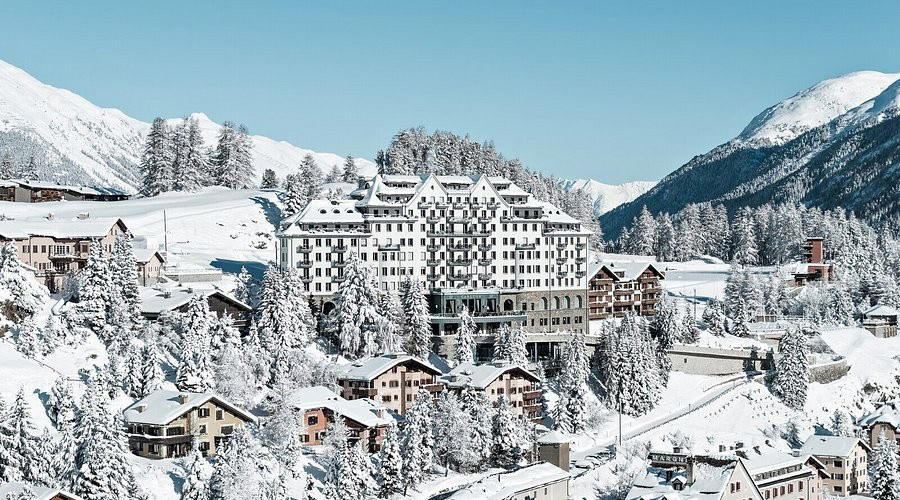
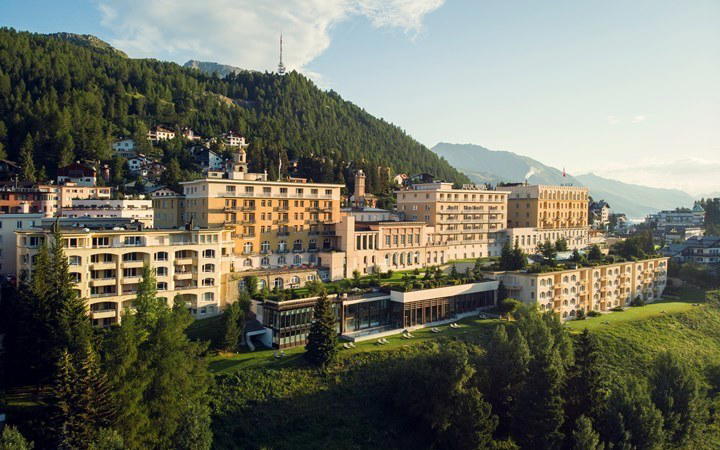
At €€€€, Beefbar Grace Hotel prices at the same level as Amaru by Claudia Canessa and Da Adriano, and one tier above Chasellas, which handles country cooking at €€€. That positioning places it in a competitive set where the expectation is not just good food but a full hospitality experience: attentive service, a considered wine and spirits list, and room design that carries weight. The Grace La Margna hotel context supports that expectation; it is a boutique property on Via Serlas, a central address in the resort's core, which means the dining room inherits a baseline of physical quality that standalone restaurants at this price point would need to supply themselves.
For comparison, the Swiss dining scene at the high end includes properties like Hotel de Ville Crissier in Crissier, Schloss Schauenstein in Fürstenau, and Cheval Blanc by Peter Knogl in Basel, all operating at the Michelin star level and all French-influenced in their culinary architecture. Beefbar's model is structurally different: it is a menu-driven, à la carte concept built around premium protein rather than a chef-authored progression. In the Swiss context, that makes it an outlier, which is partly the point.
Barbecue at the Premium End: A Narrower Tradition
Placing fire-driven, cut-focused cooking in a luxury hotel is a relatively recent development globally. The barbecue tradition with the deepest critical infrastructure remains American — specifically the Texas low-and-slow approach, which produces bark-heavy brisket through extended smoke exposure at temperatures between 107°C and 135°C. Operations like InterStellar BBQ in Austin and CorkScrew BBQ in Spring represent the craft-focused, high-volume end of that tradition. Beefbar's model draws from a different register: premium butchery, global cut sourcing (Wagyu, Black Angus, dry-aged programmes), and a service environment that prioritises precision over rusticity. The smoke and fire element is present but functions as technique rather than identity.
This matters when reading the Michelin Plate recognition. In the Michelin framework, a Plate signals food of good quality without the structural organisation or consistent elevation required for a star. For a barbecue-focused concept in a market where Michelin's evaluative vocabulary was largely built around European fine dining, a Plate in two consecutive years represents a credible signal that the kitchen is performing at a sustained level. The conversation Beefbar is having with Michelin is different in kind, not just degree.
Planning a Visit
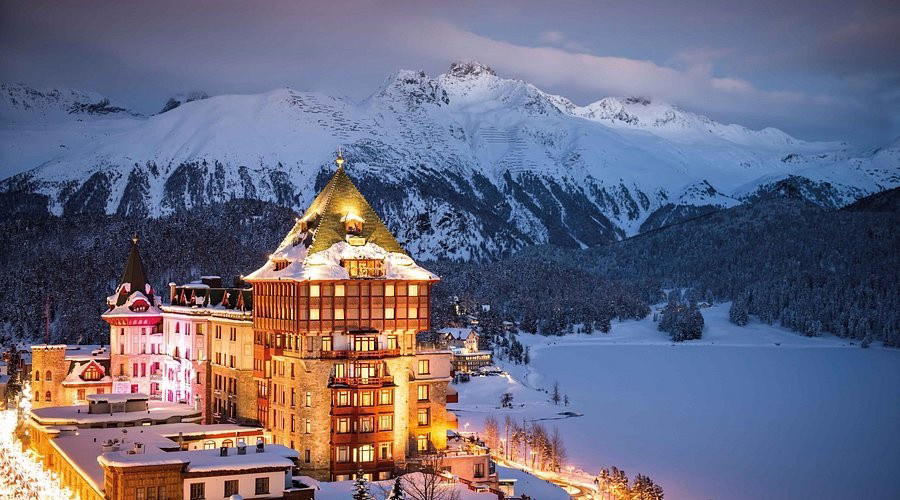
Hotel Grace La Margna is at Via Serlas 5, 7500 St. Moritz, in the centre of the resort. Given St. Moritz's pronounced seasonality, with peak periods in December through March and a shorter summer window in July and August, tables at hotel dining rooms in this tier fill early during high season. Arriving without a reservation during peak winter weeks carries real risk. For those building a broader St. Moritz itinerary, our full St. Moritz restaurants guide covers the range. Our full St. Moritz hotels guide, bars guide, wineries guide, and experiences guide provide additional context for planning around the dining.
Cost and Credentials
| Venue | Cuisine | Price | Awards |
|---|---|---|---|
| Beefbar Grace HotelThis venue — the venue you are viewing | Barbecue | €€€€ | Michelin Plate (2025); Michelin Plate (2024) |
| Da Vittorio - St. Moritz | Italian Seafood, Italian | €€€€ | Michelin 2 Star |
| Ecco St. Moritz | Creative | €€€€ | Michelin 2 Star |
| Dal Mulin | Not listed | €€€ | Country cooking, €€€ |
| Amaru by Claudia Canessa | Not listed | €€€€ | Peruvian, €€€€ |
| Da Adriano | Not listed | €€€€ | Italian, €€€€ |
Recognition history
Dated appearances from independent guides and award organizations, with the underlying list record or original source where available.
Michelin Plate
Michelin
Michelin Plate
Michelin
Continue exploring
More in St. Moritz
Restaurants in St. Moritz
Browse all →
Bars in St. Moritz
Browse all →
Hotels in St. Moritz
Browse all →

At a Glance
- Elegant
- Sophisticated
- Modern
- Date Night
- Special Occasion
- Hotel Restaurant
- Extensive Wine List
- Craft Cocktails
- Mountain
Current opening hours
- Monday
- 7–11 PM
- Tuesday
- 7–11 PM
- Wednesday
- 7–11 PM
- Thursday
- 7–11 PM
- Friday
- 7–11 PM
- Saturday
- 7–11 PM
- Sunday
- 7–11 PM
Hours can change for holidays and private events. Last verified .
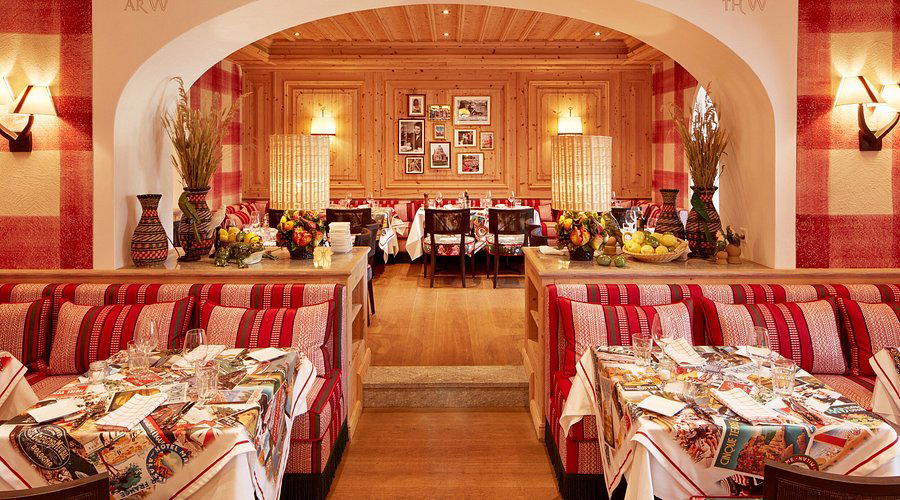
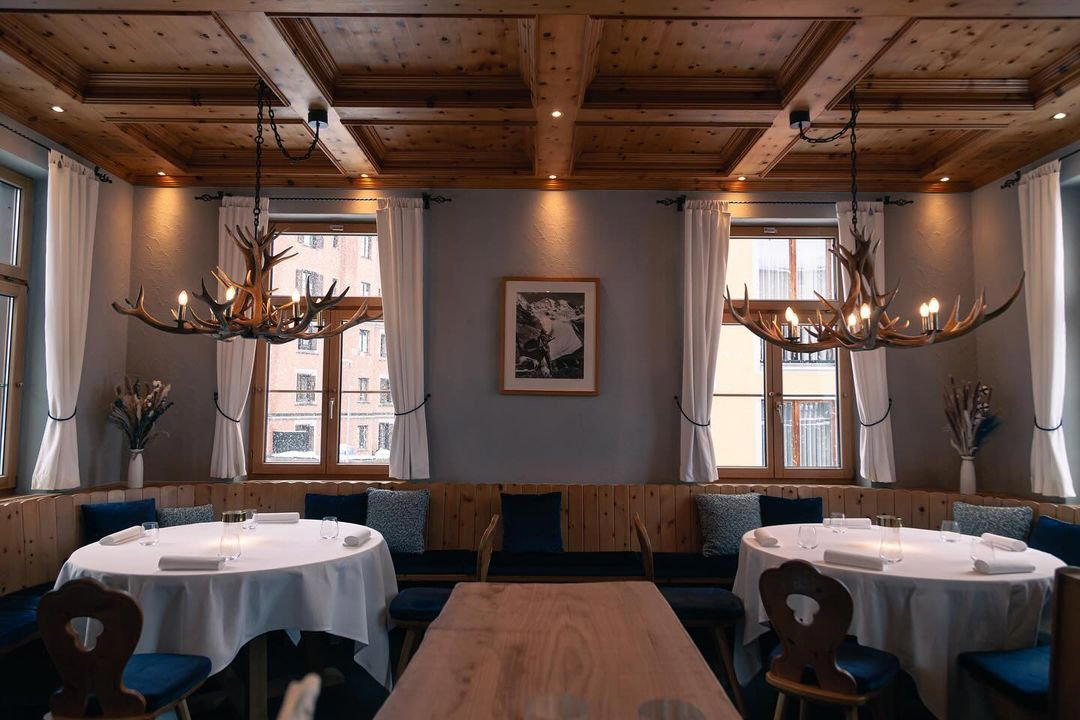
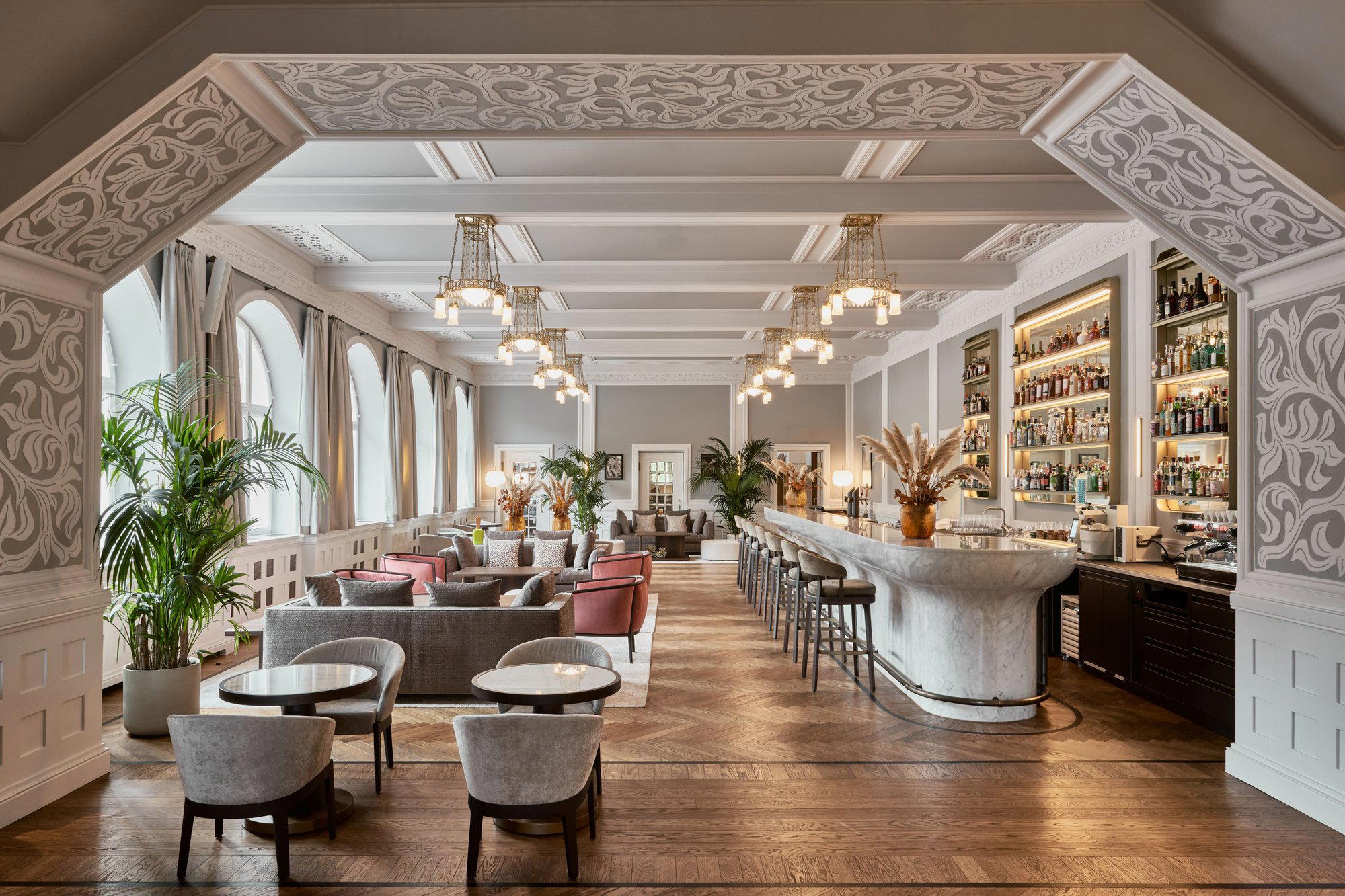
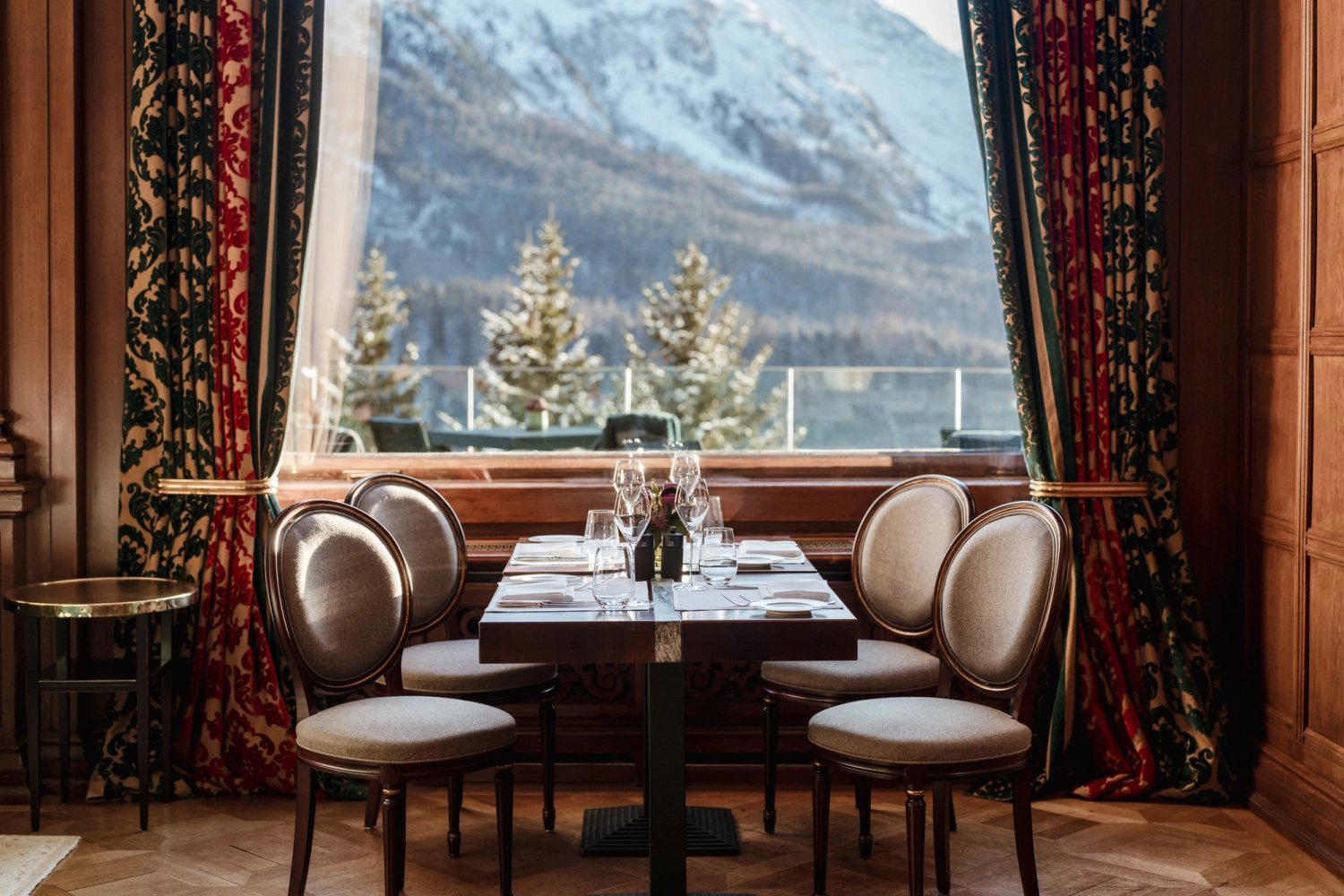
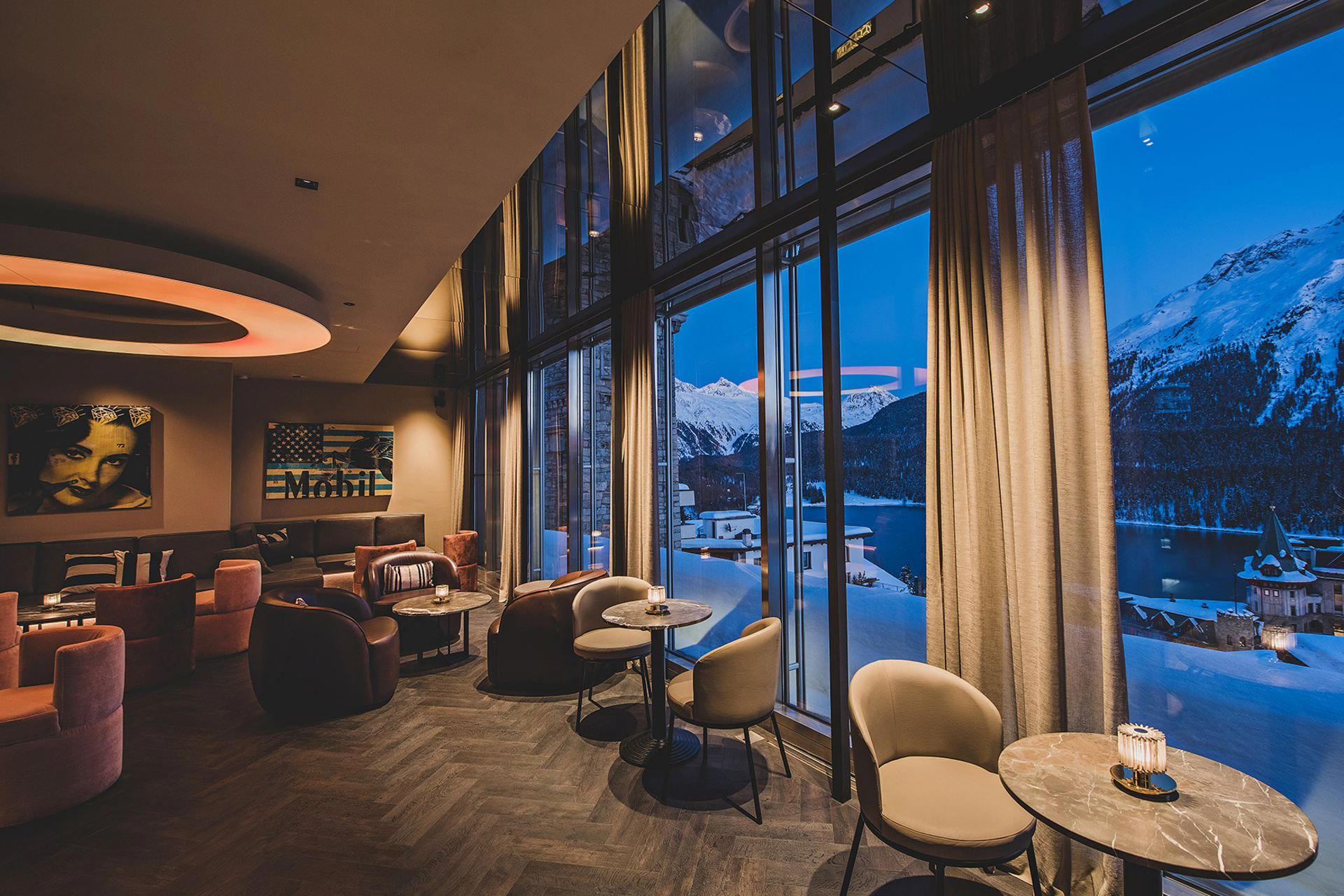
Elegant interior blending traditional architecture with modern touches, featuring DJ music and a lively yet sophisticated atmosphere.