Amaru by Claudia Canessa

Michelin Plate
Our verdict
Peruvian cooking is rare at altitude in the Swiss Alps, and Amaru by Claudia Canessa on Via Veglia makes a case for why it belongs here. The restaurant holds a Michelin Plate (2025) and sits at the top price tier alongside St. Moritz's most serious dining rooms.

Pearl is the En Primeur Club membership app, where members save venues, book tables and use the concierge.
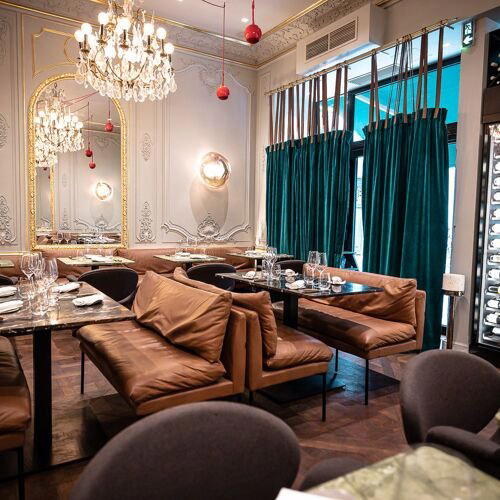
The menu
What to order
- Tuna Chicano
- El Choclo y sus Gambas
- Sea bass ceviche
Andean Cuisine at Alpine Altitude
At over 1,800 metres above sea level, St. Moritz already occupies a rarefied position in European dining. The town's restaurant scene skews heavily Italian and French, anchored by the kind of white-tablecloth establishments that have served the resort's winter and summer clientele for generations. Against that backdrop, a Peruvian kitchen operating at the leading price tier is an editorial fact worth sitting with. Amaru by Claudia Canessa on Via Veglia 18 represents something structurally unusual in the Alps: a restaurant drawing on the ingredient logic of the Andes rather than the valleys of Lombardy or the slopes of Graubünden.
Peru's culinary tradition is built on altitude-adapted staples, among them the potato in its hundreds of native varieties, dried and freeze-preserved long before industrial refrigeration, and masa-adjacent preparations rooted in ground corn and grain. The tradition of nixtamalization, alkaline processing of maize to unlock amino acids and improve nutritional value, runs through Mesoamerican and Andean cooking in ways that European kitchens rarely engage with. A Peruvian restaurant that takes its sourcing seriously works within that legacy, whether through chicha-based preparations, corn-thickened stews, or masa-forward plates that trace a direct line back to pre-Columbian practice. That foundational ingredient logic is what separates serious Peruvian cooking from the fusion shorthand that sometimes passes for it at lesser addresses.
Where Amaru Sits in the St. Moritz Price Tier
St. Moritz's leading dining tier is competitive by any Alpine measure. Da Vittorio St. Moritz holds two Michelin stars and operates in the same €€€€ bracket, as does Ecco St. Moritz, which brings a creative European format to the same price point. Beefbar Grace Hotel and Da Adriano fill out the four-symbol tier with barbecue-focused and Italian formats respectively. The Michelin Plate awarded in 2025 is a meaningful signal in that context: it denotes recognition without yet reaching star level, positioning Amaru as a kitchen the guide considers worth tracking.
Reviews in skiing and summer resort destinations tend to skew volatile, a single poor-service experience during a peak week can pull numbers sharply. Holding 4.7 against that pattern suggests consistent execution across service cycles, which is its own form of operational discipline. Compare this to the step-down option at Chasellas, which covers country cooking at a lower price point, or Da Adriano for direct Italian, Amaru is not a casual alternative. It occupies the same serious-dining tier as its two-star neighbours and should be approached accordingly.
The Logic of Peruvian Cooking in a Swiss Alpine Context
Peruvian cuisine's global expansion over the past two decades has produced a broad spectrum of results, from technically rigorous cevicherías in Lima that have earned placement on the World's 50 Best lists, to diluted fusion formats that borrow the name without the substance. The question worth asking of any Peruvian restaurant operating far outside its native geography is where on that spectrum it lands. Does the kitchen engage with the grain and corn traditions that define the country's regional cooking? Are the acidic balances of leche de tigre handled with precision, or softened for a European palate that finds the raw intensity challenging?
The Andes and the Alps share a climatic logic that is rarely acknowledged in food writing: both are high-altitude environments where preservation techniques, dense starches, and warm, filling preparations evolved as practical necessities. Freeze-dried chuño (Andean dehydrated potato) and Alpine dried meats arose from the same logic of surviving cold seasons with shelf-stable nutrition. A Peruvian kitchen in the Alps is, in that sense, not as incongruous as it first appears. The elevation is different; the underlying relationship between food and climate has real parallels.
For Swiss fine dining context beyond St. Moritz, the country's broader scene is anchored by addresses like Hotel de Ville Crissier, Schloss Schauenstein in Fürstenau, and Cheval Blanc by Peter Knogl in Basel, all operating at the highest tier of European fine dining. Alpine-specific reference points include Memories in Bad Ragaz and 7132 Silver in Vals. Amaru enters this national conversation as a Michelin-recognised outlier, the only Peruvian kitchen in the Swiss Alps operating at this price level that the guide has seen fit to mark.
For comparison outside Switzerland, Peruvian cooking at serious-dining level in North America can be assessed at Causa in Washington, D.C. and ITAMAE in Miami, both of which engage with Nikkei traditions and native Peruvian ingredient work. A reader who has experienced either will arrive at Amaru with a useful reference frame for what serious Peruvian cooking demands at this price tier, and what distinguishes execution from approximation. Colonnade in Lucerne rounds out the Swiss picture for readers building a broader itinerary.
Approaching the Reservation
St. Moritz operates on two distinct seasonal peaks: the winter ski season, concentrated between December and March, and a shorter but significant summer season in July and August. Michelin-recognised restaurants in the resort fill quickly during both windows, and a kitchen holding a 2025 Plate with a 4.7 rating is not a walk-in proposition during peak weeks. Planning four to six weeks ahead for winter bookings is a reasonable baseline; the Christmas-to-New-Year window and the main January race weeks will require earlier action. The address is Via Veglia 18, St. Moritz, accessible from the town centre by foot or taxi. Price at the €€€€ tier aligns with the resort's leading competitive set, so budget accordingly in the context of a multi-restaurant trip.
The wider St. Moritz dining scene, hotel options, bar programming, and experiences are covered in our dedicated guides: St. Moritz restaurants, St. Moritz hotels, St. Moritz bars, St. Moritz wineries, and St. Moritz experiences.
Frequently asked questions
Does Amaru by Claudia Canessa have a Michelin star or similar recognition?
Amaru by Claudia Canessa has received recognition including: Michelin Plate (2025).
What do people recommend at Amaru by Claudia Canessa?
What the 2025 Michelin Plate does confirm is that inspectors found the kitchen consistent enough to recognise at €€€€ pricing in St. Moritz, a town where standards across that bracket are set by two-star operators like Da Vittorio. Peruvian menus at this tier typically anchor around ceviche, tiradito, and slow-cooked Andean proteins, but Amaru's specific signatures are worth confirming directly at the time of booking.
Is Amaru by Claudia Canessa expensive?
Pricing at Amaru by Claudia Canessa is listed as €€€€.
What part of town is Amaru by Claudia Canessa in?
Amaru by Claudia Canessa is located at Via Veglia 18, 7500 St. Moritz, Switzerland, St. Moritz.
How far ahead should I plan for Amaru by Claudia Canessa?
St. Moritz compresses its dining demand into two peaks: December through March for ski season, and a shorter summer window. At €€€€ pricing with a 2025 Michelin Plate, Amaru draws the same high-spending resort clientele that fills Da Vittorio weeks in advance. Booking four to six weeks ahead for peak season is a reasonable baseline; for the core Christmas–New Year period, push that to two months minimum.
Fast Comparison
Comparable venues nearby, for context on price, style, and recognition.
| Venue | Cuisine | Price | Awards | Notes |
|---|---|---|---|---|
| Amaru by Claudia CanessaThis venue (the venue you are viewing) | Modern Peruvian | Not listed | Michelin Plate | Not listed |
| Hide & Seek | Contemporary Mediterranean & Swiss | $150–200 | Michelin Plate | Champfer |
| Langosteria | Modern Italian Seafood | $150–200 | Michelin Plate | Corviglia |
| Kulm Country Club | Alpine Grill with Mediterranean Influences | $200–300 | Michelin Plate | St. Moritz |
| Grace La Margna | Modern Mediterranean with Premium Grilled Meats | Not listed | Star Wine List | St. Moritz |
| La Coupole - Matsuhisa | Japanese-Peruvian Fusion | $200–300 | Michelin Plate | St. Moritz |
Recognition history
Dated appearances from independent guides and award organizations, with the underlying list record or original source where available.
Michelin Plate
Michelin
Continue exploring
More in St. Moritz
Restaurants in St. Moritz
All restaurants in St. Moritz →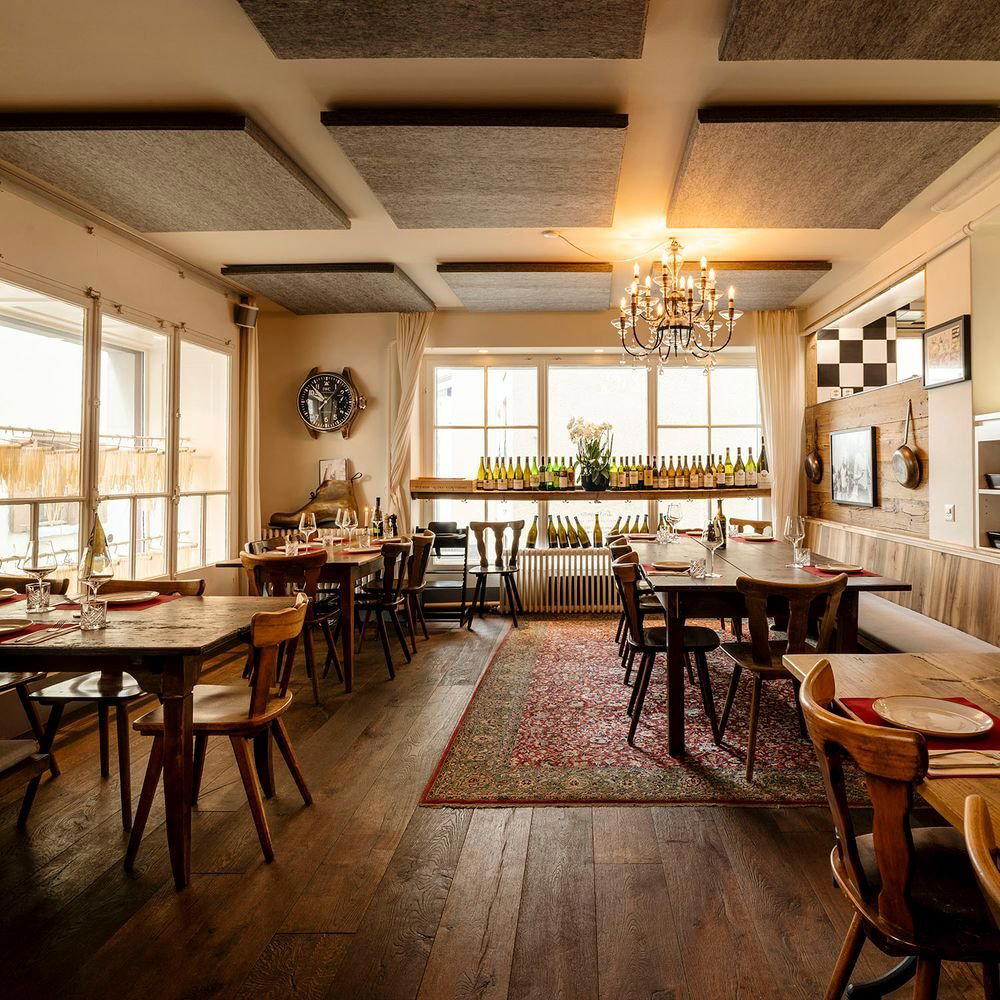
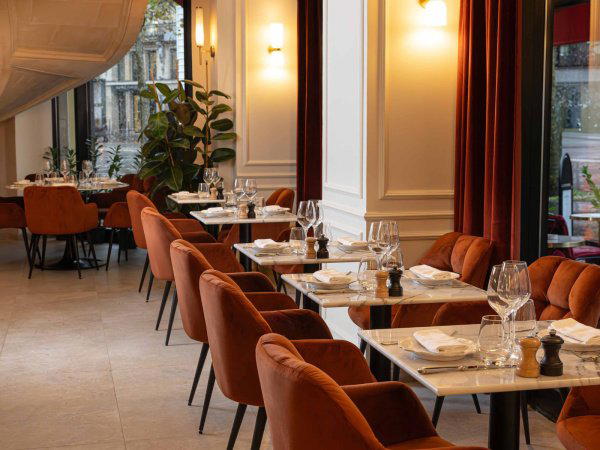
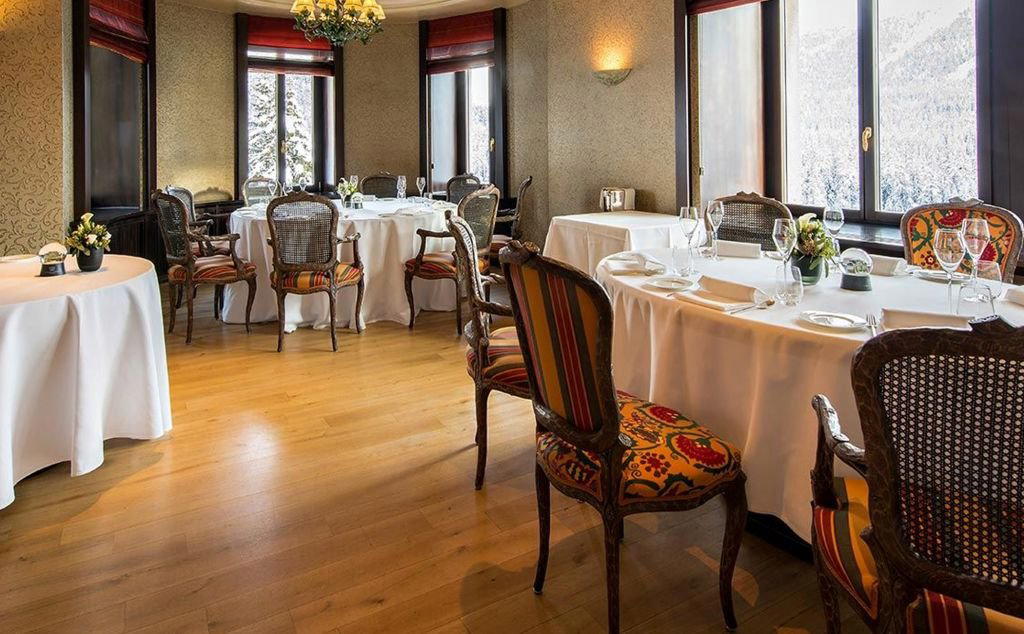
Bars in St. Moritz
All bars in St. Moritz →

Details
- Whimsical
- Elegant
- Cozy
- Sophisticated
- Date Night
- Special Occasion
- Celebration
- Hotel Restaurant
- Design Destination
- Craft Cocktails
- Mountain
- A La Carte
- Small Plates
- Pisco Sour
- Vegetarian Friendly
- Vegan Options
Current opening hours
- Monday
- Closed
- Tuesday
- 7–10 p.m.
- Wednesday
- 7–10 p.m.
- Thursday
- 7–10 p.m.
- Friday
- 12–2 p.m., 7–10 p.m.
- Saturday
- 12–2 p.m., 7–10 p.m.
- Sunday
- Closed
Hours can change for holidays and private events. Hours as of .
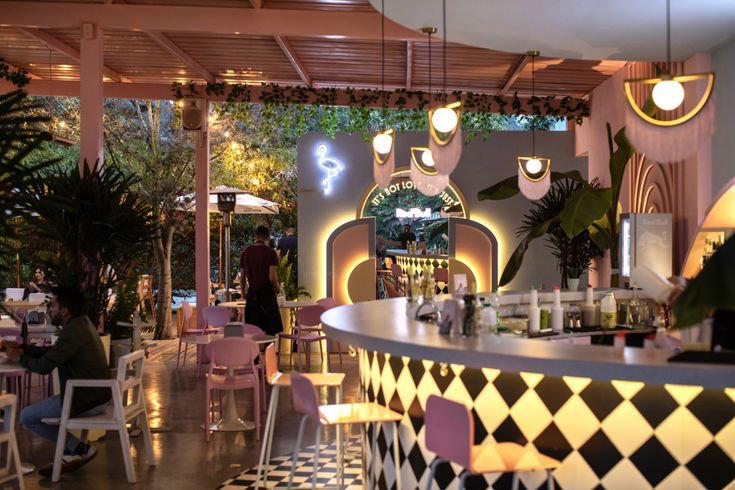
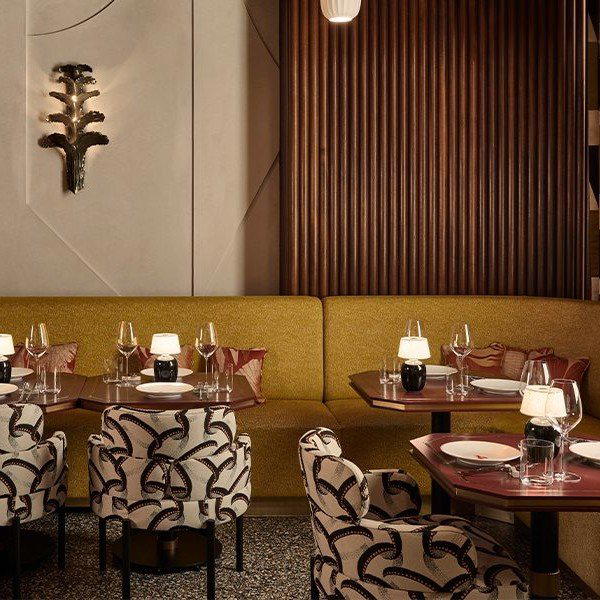
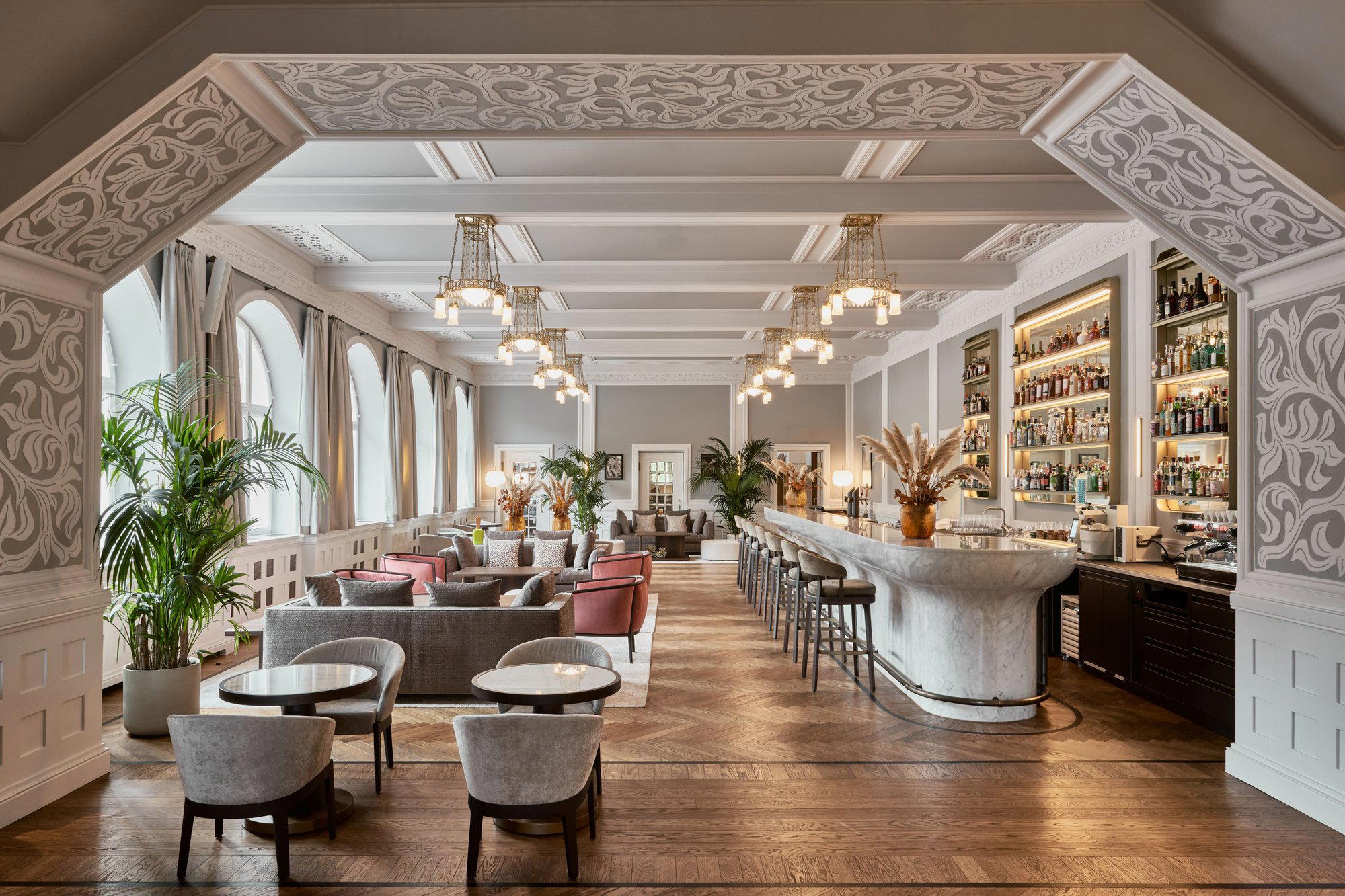
Warm and welcoming with tasteful decor featuring vaulted ceilings, blush pink tablecloths, mushroom-shaped plaster lights, floral motifs, and lively paintings creating an elegant yet cozy, fantastical atmosphere.