On Rue Saint-Denis in Paris's 2nd arrondissement, KUCCINI occupies a stretch of the city where old market traditions and newer dining energy overlap. The address places it within reach of Les Halles and the Marais, two neighbourhoods that have shaped Parisian food culture across different eras. Details on cuisine, chef, and booking are limited, but the location alone signals a particular kind of urban dining proposition.
Pearl is the En Primeur Club membership app — saves, bookings, and concierge access live there. Same editors, same standards.
- Address
- 165 Rue St Denis, 75002 Paris, France
- Phone
- +33183567664
- Website
- kuccini.net
- Directions
- Get directions
 Saves & bookings on Pearl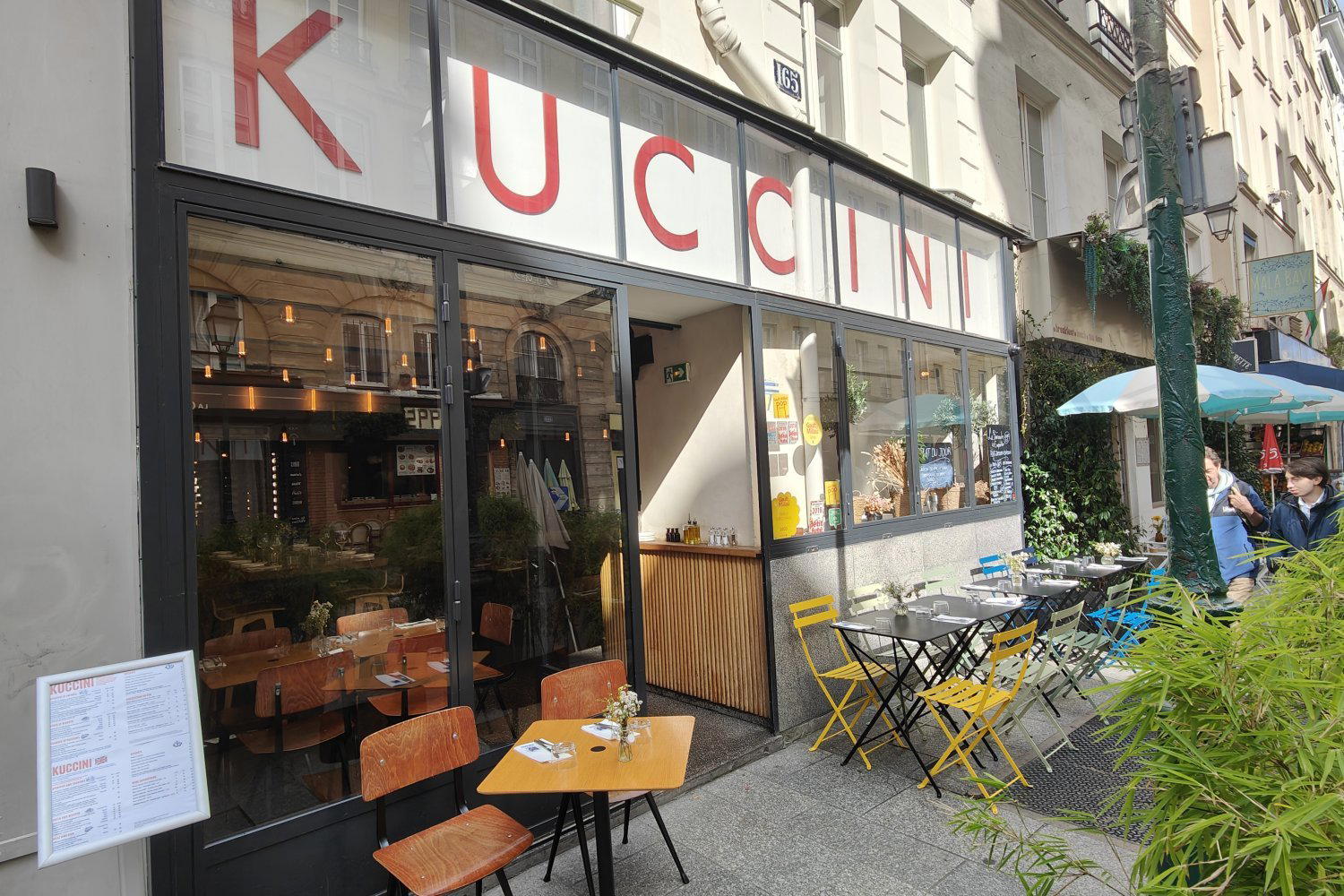
Rue Saint-Denis and the 2nd Arrondissement: What the Address Tells You
Paris's 2nd arrondissement is not where most international visitors begin their restaurant search, and that relative obscurity is part of what makes it worth examining. The district runs east from the grands boulevards toward the Marais, and its food identity has shifted considerably over the past decade. What was once defined by the produce legacy of Les Halles, the old central market that relocated to Rungis in 1969 but whose culinary shadow still falls across this part of the city, has become a more varied scene, with independent operators taking over former trade spaces and adapting them for contemporary dining. Rue Saint-Denis itself carries layers of that history: a street with a long, complicated past that now functions as a connector between the more polished restaurant clusters of the Marais to the east and the theatre-district energy of the boulevards to the west.
KUCCINI is a restaurant in Paris's 2nd arrondissement, serving modern Italian cicchetti and trattoria dishes at about $30 per person. KUCCINI sits at 165 Rue Saint-Denis, a number that places it in the lower, more residential stretch of the street, away from the higher-volume pedestrian traffic closer to the grands boulevards. The immediate neighbourhood rewards walkers who move between arrondissements on foot rather than by Metro, and the 2nd's compact geography means that several of the city's more serious dining addresses are reachable within twenty minutes.
The Cultural Weight of Paris's Mid-Market Dining Scene
French dining in Paris is often discussed through the lens of its highest-tier addresses. The three-Michelin-star bracket, which includes Alléno Paris au Pavillon Ledoyen, Arpège, and L'Ambroisie, represents a specific French tradition of codified luxury, one where the room, the service choreography, and the wine list carry as much weight as the food itself. That tier is where France's international dining reputation was built, and it remains intact. But it tells only part of the story of how Parisians actually eat.
Below the starred tier, Paris has a dense layer of neighbourhood restaurants operating in a register that prioritises directness over ceremony. This is the bistrot and neighbourhood trattoria tradition, places where the cooking is specific, the room is compact, and the value proposition rests on quality of ingredient and clarity of execution rather than formal service architecture. The 2nd arrondissement has historically supported this kind of address, partly because its rents, while rising, have not reached the levels that price out independent operators in the 6th or 8th. That dynamic has kept a more authentic cross-section of Parisian dining alive in this part of the city.
The broader French restaurant tradition is well documented outside the capital too. Regional addresses like Mirazur in Menton, Flocons de Sel in Megève, and Bras in Laguiole have each built international reputations around terrain-specific cooking, a tradition with deep roots in France's provincial identity. Paris, by contrast, has always been a city where cooking from across the country (and across the world) arrives and adapts. That tension between rootedness and cosmopolitan openness defines the capital's dining character more than any single cuisine.
Cross-Cultural Cooking in the Paris Context
Paris's appetite for cooking that crosses cultural lines has produced some of the city's most discussed contemporary addresses. Kei, which holds three Michelin stars, operates in exactly this space: French technique applied through Japanese precision, the result landing in a category that neither tradition fully owns. It is a model that resonates in a city where the question of what counts as French cooking has never been settled cleanly. Similar conversations play out at Le Cinq at the Four Seasons Hôtel George V, where the classical French format accommodates significant international influence in both kitchen and clientele.
Outside France, the cross-cultural model has produced particularly talked-about addresses in global dining. Atomix in New York City operates a Korean fine-dining format that draws on French structural thinking while remaining anchored in Korean ingredient logic. Le Bernardin, also in New York, represents the inverse: a French seafood tradition transplanted to an American city and operating at the highest level for decades. The pattern suggests that cuisine identity is less about geography than about the coherence and depth of the approach, a point that applies equally to how Paris's own mixed-heritage restaurants are assessed.
What the Gaps Mean for Planning
That level of data scarcity is unusual for a Paris address with an established street presence, and it limits what can be said with confidence about the experience.
For readers building a broader Paris itinerary, the city's established reference points provide useful orientation. Addresses like Assiette Champenoise in Reims and Auberge de l'Ill in Illhaeusern represent the French regional tradition at its most formally recognised; Paul Bocuse in Collonges-au-Mont-d'Or and Troisgros in Ouches sit within the historical lineage that defined twentieth-century French cooking. Within Paris, AM par Alexandre Mazzia in Marseille and Au Crocodile in Strasbourg show how the French regional tradition continues to produce internationally recognised work outside the capital. Auberge du Vieux Puits in Fontjoncouse rounds out a picture of a country where serious cooking is distributed far beyond its capital's arrondissements.
Practical Notes
KUCCINI is located at 165 Rue Saint-Denis, 75002 Paris. The address is accessible from the Réaumur-Sébastopol Metro station (lines 3 and 4) or Étienne Marcel (line 4), both within a short walk.
In Context: Similar Options
Comparable venues nearby, for context on price, style, and recognition.
| Venue | Cuisine | Price | Notes |
|---|---|---|---|
| KUCCINIThis venue — the venue you are viewing | Modern Italian Cicchetti & Trattoria | $$ | Not listed |
| Sugo | Fresh Pasta Trattoria | $$ | Gaillon |
| Il Bacaro | Venetian-Friulian Italian | $$ | 11th Arr. |
| Zola | Italian Trattoria & Pizza | $$ | Vivienne (Passage des Panoramas) |
| DICE Caffè | Seasonal Italian Bistro | $$ | Le Marais |
| Tempilenti | Authentic Sardinian-Italian | $$ | 11th Arr. - Popincourt |
Continue exploring
More in Paris
Restaurants in Paris
Browse all →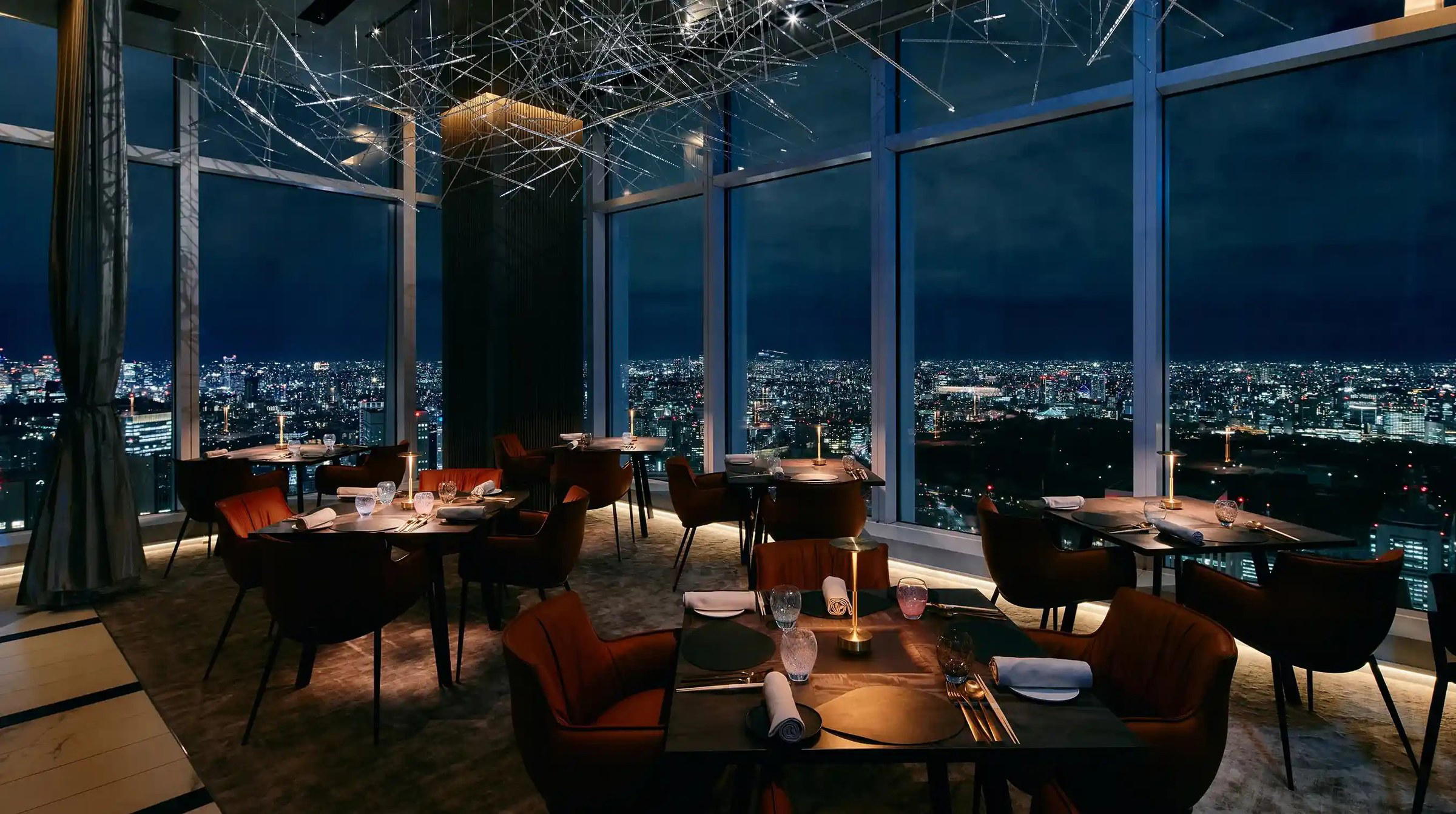
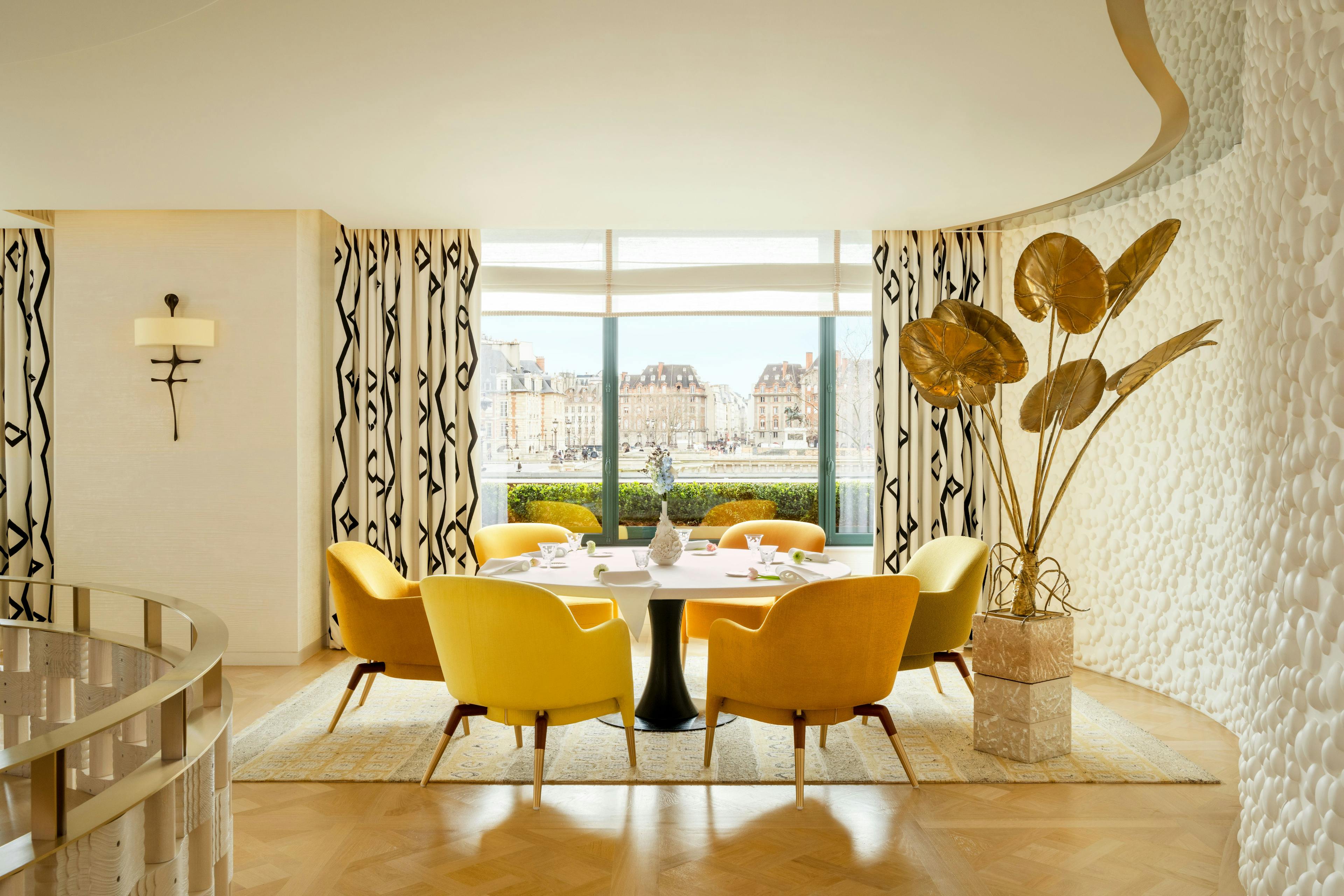
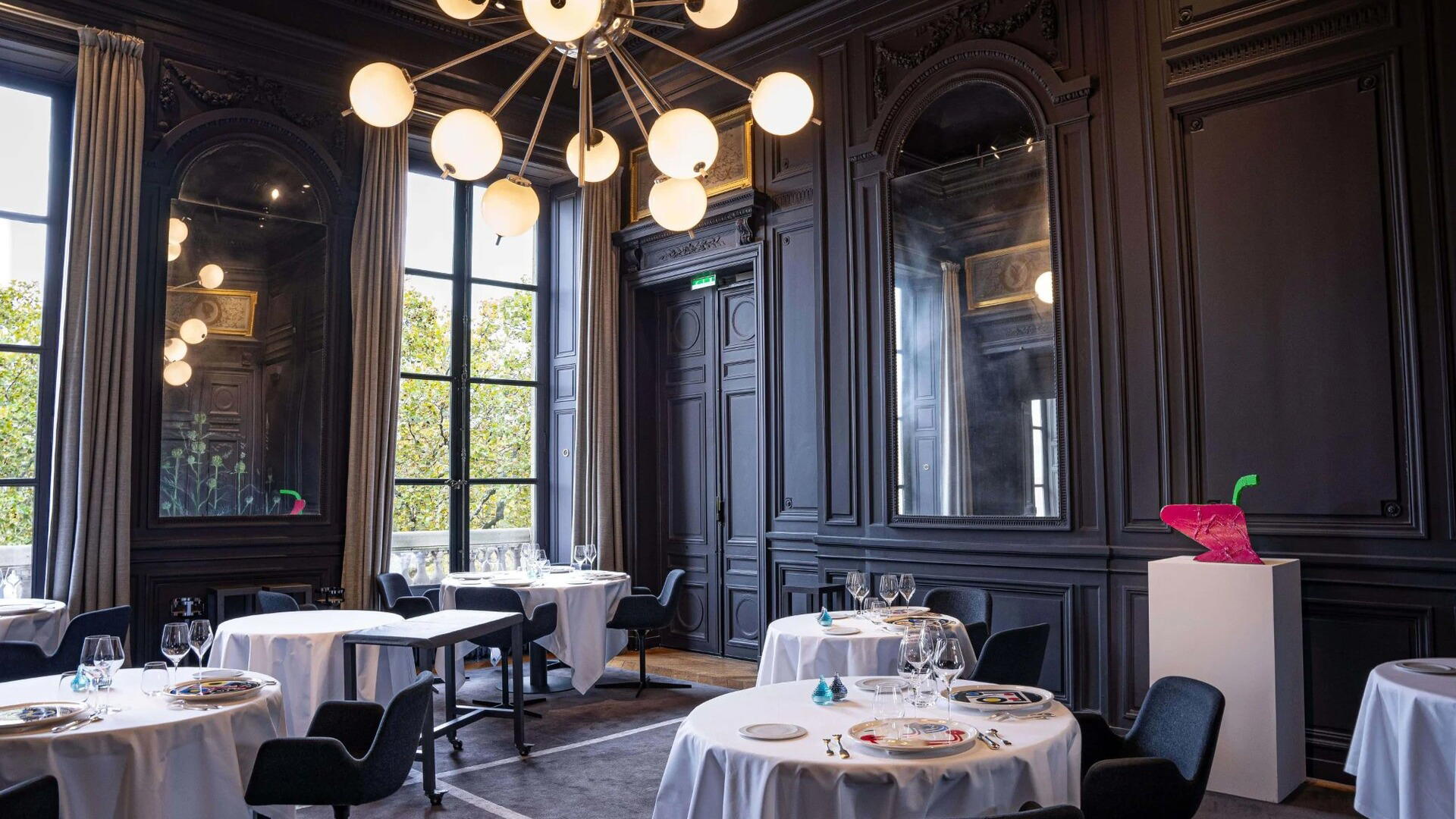
Bars in Paris
Browse all →
Hotels in Paris
Browse all →

At a Glance
- Trendy
- Modern
- Lively
- Date Night
- Casual Hangout
- Group Dining
- Open Kitchen
- Craft Cocktails
Current opening hours
- Monday
- 12–2:30 PM, 6:30–10:30 PM
- Tuesday
- 12–2:30 PM, 6:30–10:30 PM
- Wednesday
- 12–2:30 PM, 6:30–10:30 PM
- Thursday
- 12–2:30 PM, 6:30–10:30 PM
- Friday
- 12–2:30 PM, 6:30–11 PM
- Saturday
- 12–3:30 PM, 6:30–11 PM
- Sunday
- 12–3:30 PM, 6:30–10:30 PM
Hours can change for holidays and private events. Last verified .
Lovely ambience with urban loft-style decor, good music playlist, and lively atmosphere on lively rue Saint-Denis.