
Michelin Plate
Our verdict
A Michelin Plate recipient in both 2024 and 2025, Kubo Zushi brings neighbourhood-scale Japanese dining to Vila Madalena's residential backstreets at a price point that sits well below São Paulo's starred sushi tier. It holds a consistent position in the mid-range Japanese conversation across the city.

Pearl is the En Primeur Club membership app, where members save venues, book tables and use the concierge.
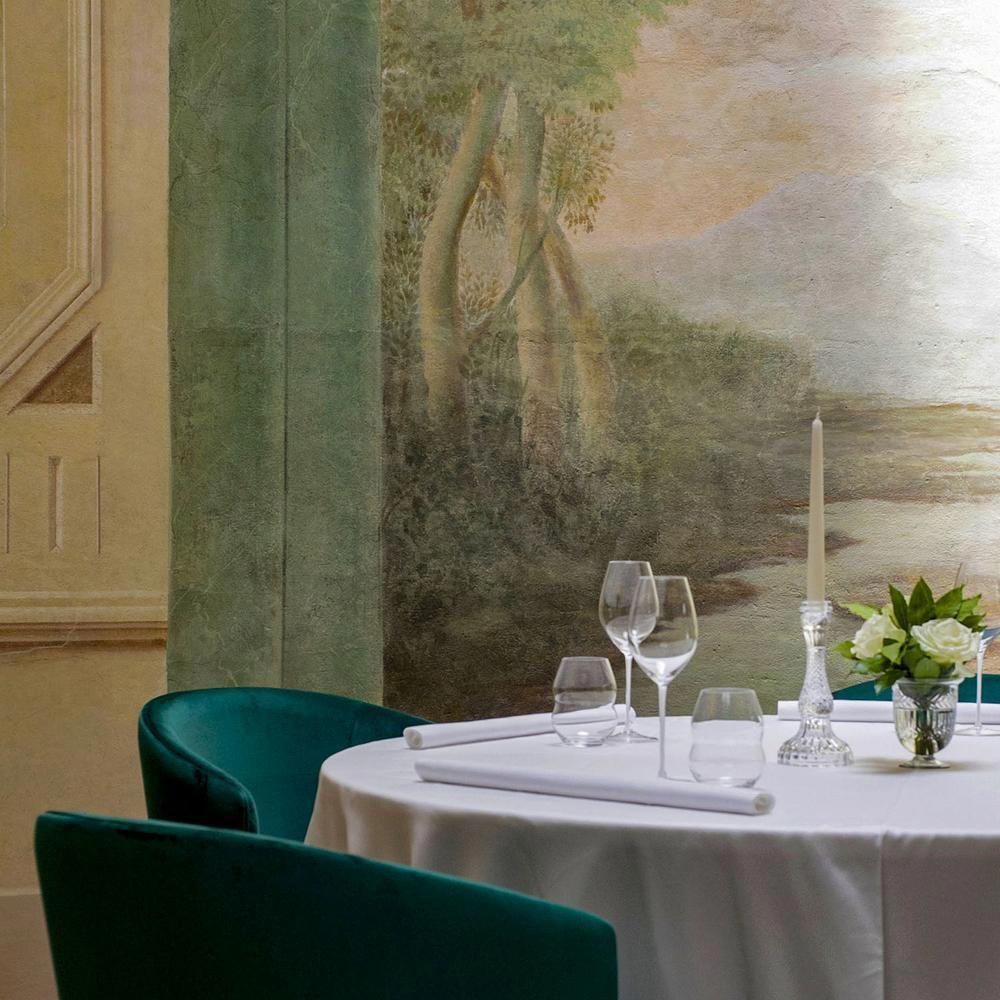
Vila Madalena's Backstreet Japanese Tradition
The streets that feed off Rua Harmonia and push toward the quieter residential edges of Vila Madalena have a particular character: local commerce at street level, weekend foot traffic that moves at a different pace than the bar-heavy Beco do Batman corridor a few blocks over. Rua das Tabocas sits inside that quieter orbit. The restaurants that find their audiences here tend to do so through repetition, the same neighbourhood tables returning, the same routines re-established, rather than through first-night novelty. Kubo Zushi, at number 158, operates according to that logic.
São Paulo's Japanese dining scene is layered in ways that few cities outside Japan can match. Brazil holds the largest Japanese diaspora population outside Japan itself, and São Paulo is its centre of gravity, which means the city's Japanese restaurants are not approximations of something foreign but expressions of a tradition that has been present, evolving, and self-correcting for over a century. That history divides the market into distinct tiers: the high-formality omakase counters at $$$ and $$$$ price points, among them Jun Sakamoto with its Michelin Star; the Liberdade neighbourhood institutions that anchor the community; and a mid-register tier where technical commitment meets accessible pricing. Kubo Zushi operates in that third category, carrying a $$ price range alongside consecutive Michelin Plate recognitions in 2024 and 2025, a combination that positions it as a reference point for value-conscious Japanese dining rather than a stepping stone toward anything grander.
What the Michelin Plate Signals at This Price Point
The Michelin Plate designation, awarded in both 2024 and 2025, communicates something specific: the inspectors found cooking that meets a quality threshold, without the additional complexity or conceptual ambition that pushes venues into Bib Gourmand or Star territory. At a $$ price range, the Plate is a meaningful marker.
For context, São Paulo's broader Michelin constellation at the upper end includes two-star addresses like D.O.M. and Evvai and one-star venues like Maní and Jun Sakamoto, all operating at $$$ or $$$$ pricing. At the other end of the mid-register, A Casa do Porco has demonstrated that $$ pricing and serious critical recognition can coexist. Kubo Zushi makes a comparable case for Japanese cooking specifically.
The Vila Madalena Context
Vila Madalena has spent the past two decades shifting between bohemian neighbourhood and tourism-facing nightlife district, and the tension between those identities has never fully resolved. The streets closest to the metro entrance and the murals tend toward the louder end; the streets closer to Pinheiros and the residential interior run quieter, with local commerce and repeat-customer restaurants. Rua das Tabocas sits in that calmer pocket, which means Kubo Zushi's audience is drawn from two overlapping groups: the neighbourhood's own residents, who treat it as a local resource, and the city's wider Japanese-food community, which navigates São Paulo's dispersed geography to reach restaurants worth the trip.
That dual audience dynamic is common to the better mid-range Japanese addresses across São Paulo. Venues like Kan Suke, KANOE, Kuro, and Huto each occupy a distinct neighbourhood and draw from beyond it. Kubo Zushi's Vila Madalena address gives it a geographical separation from the Liberdade cluster that defines the community-facing end of the Japanese dining spectrum, placing it instead in conversation with the neighbourhood-restaurant tradition that Vila Madalena sustains more broadly.
Placing Kubo Zushi in Brazil's Wider Japanese Dining Story
The depth of Japanese culinary tradition in Brazil extends well beyond São Paulo's city limits, but São Paulo remains the reference point against which everything else is measured. Venues like Kinoshita represent the longer-established formal tier. At the opposite geographical extreme, restaurants like Lasai in Rio de Janeiro and Manu in Curitiba reflect how fine dining across Brazil's major cities has developed its own regional inflections. Within São Paulo, the Japanese tradition remains one of the strongest arguments the city makes for its culinary depth, and the mid-register, Michelin-recognised tier that Kubo Zushi occupies is where that tradition is most accessible to the widest range of visitors.
For Japanese dining that sits closer to the source tradition, the Tokyo omakase tier, the comparison points are venues like Myojaku and Azabu Kadowaki. What Kubo Zushi offers is something different in register and intent: a neighbourhood restaurant built on a specific tradition, recognised by Michelin twice over, and priced to sustain regular rather than occasional visits.
Planning a Visit
Kubo Zushi sits at Rua das Tabocas, 158, in the Vila Madalena district of São Paulo. Booking method is best confirmed directly with the restaurant. For a broader orientation to the city's dining, drinking, and accommodation options, our full São Paulo restaurants guide maps the competitive terrain across all price tiers and cuisines, while our São Paulo hotels guide, bars guide, and experiences guide cover the wider city in the same depth. If you are planning around Brazilian dining beyond São Paulo, Manga in Salvador, Mina in Campos do Jordão, Orixás in Itacaré, and Castelo Saint Andrews in Gramado each represent distinct regional perspectives worth building an itinerary around. The São Paulo wineries guide rounds out the picture for those who want to pair regional wine exploration with the city's dining depth.
Frequently asked questions
What should I order at Kubo Zushi?
Do they take walk-ins at Kubo Zushi?
Booking and Cost Snapshot
A quick snapshot of similar venues for side-by-side context.
| Venue | Cuisine | Price | Awards | Notes |
|---|---|---|---|---|
| Kubo ZushiThis venue (the venue you are viewing) | Traditional Japanese Edomae Sushi | Not listed | Michelin Plate | Not listed |
| Evvai | Modern Italian-Brazilian Fusion | $200–300 | 3 Michelin Stars · World's 50 Best #95 | Contemporary Italian, Modern Cuisine |
| D.O.M. | Modern Brazilian Amazonian Fine Dining | $150–200 | 2 Michelin Stars · World's 50 Best #74 | Modern Brazilian, Creative |
| Maní | Modern Creative Brazilian | $50–100 | 1 Michelin Star · World's 50 Best #67 | Brazilian - International, Creative |
| Jun Sakamoto | Japanese Omakase | $100–150 | 1 Michelin Star · La Liste Top Restaurants | Sushi, Japanese |
| A Casa do Porco | Modern Brazilian Pork-Centric | $30–50 | Michelin Bib Gourmand · World's 50 Best #25 | Regional Brazilian, Brazilian |
Recognition history
Dated appearances from independent guides and award organizations, with the underlying list record or original source where available.
Michelin Plate
Michelin
Full recognition history (3 entries)
Michelin Plate
Michelin
Michelin Plate
Michelin
Continue exploring
More in São Paulo
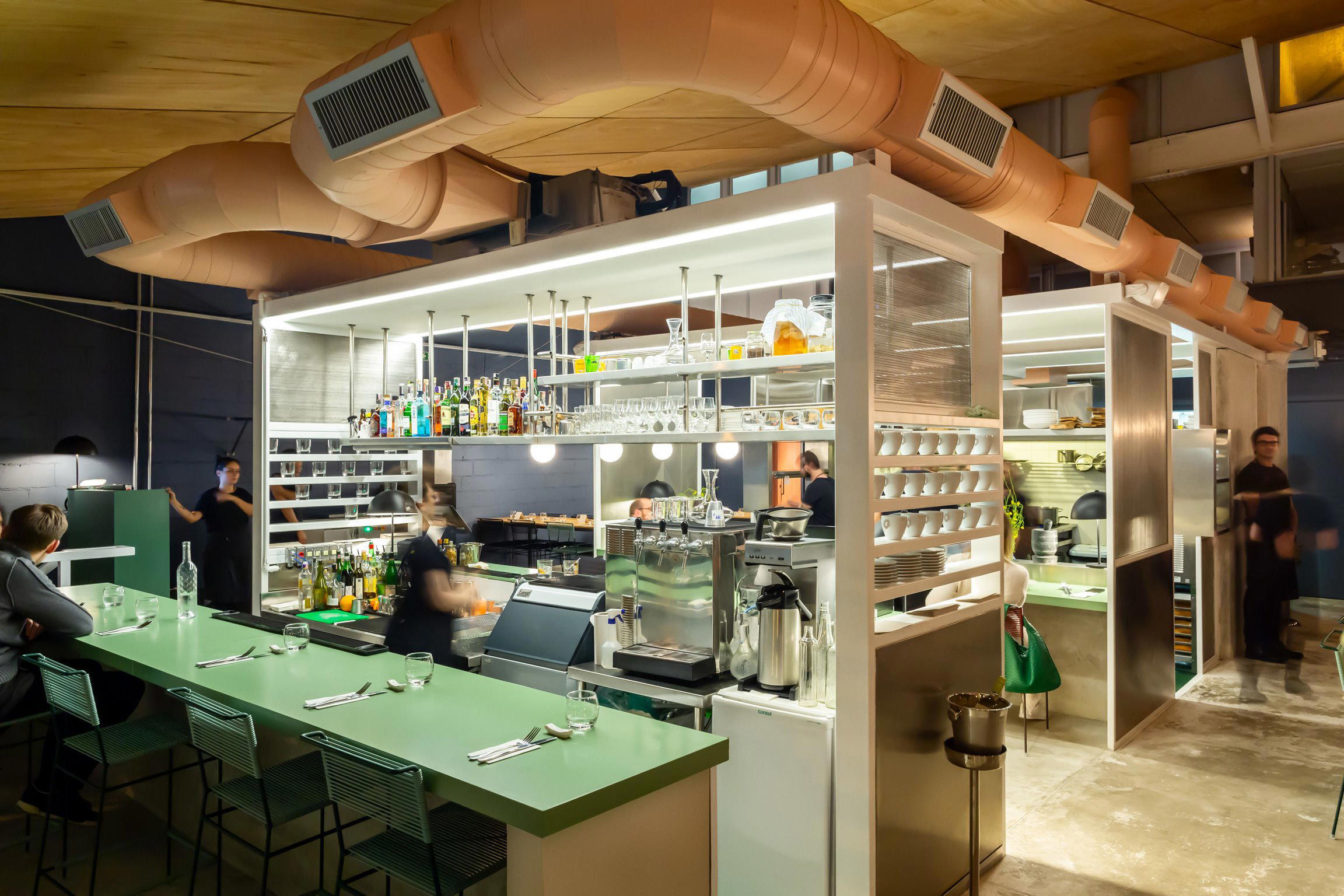
Restaurants in São Paulo
All restaurants in São Paulo →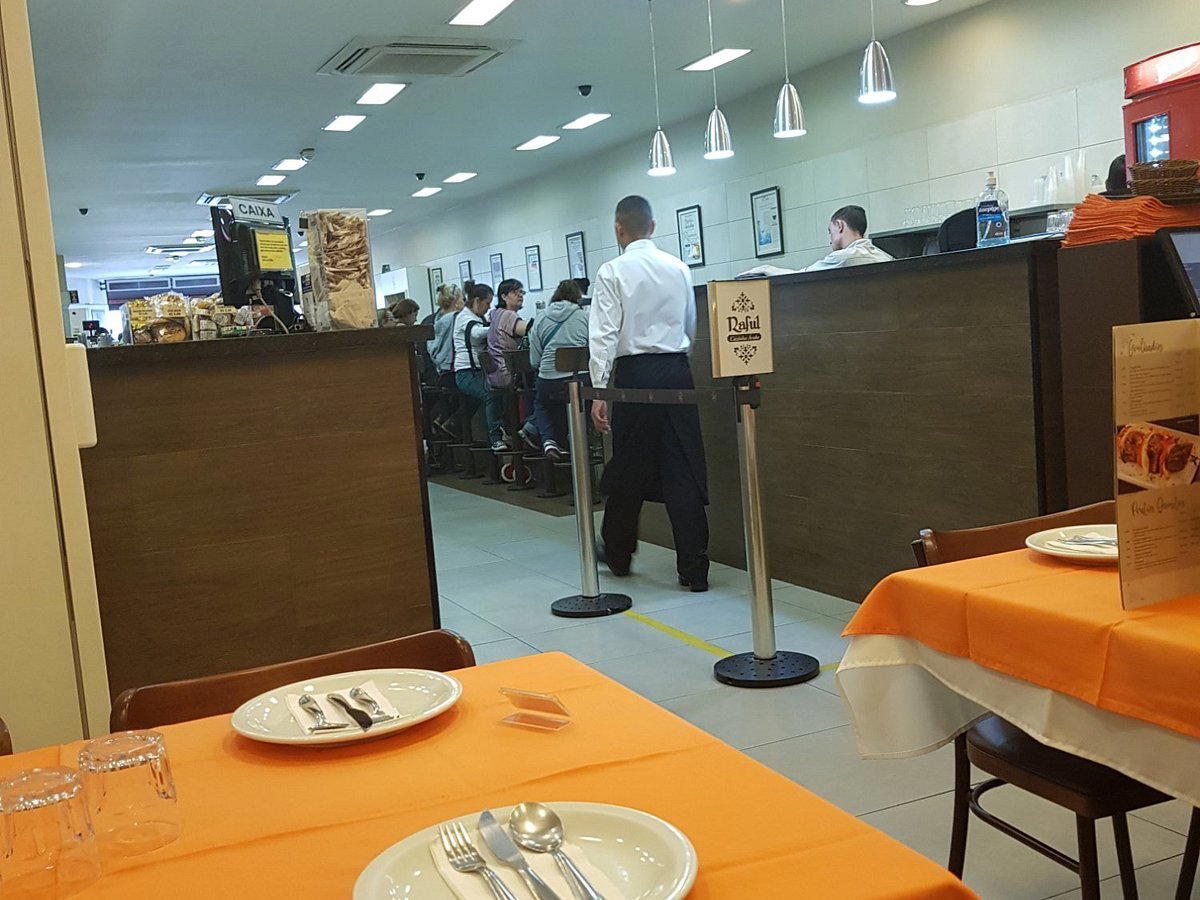
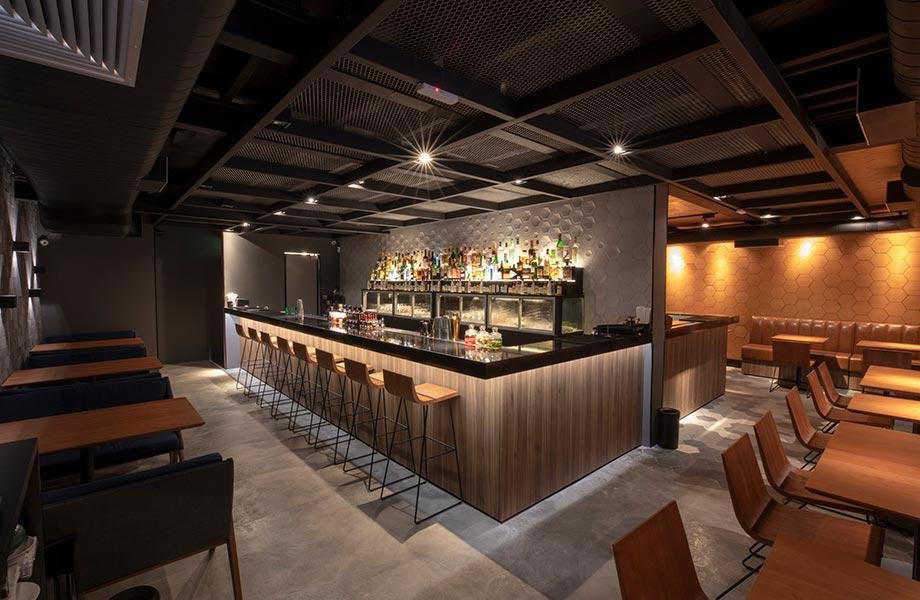
Bars in São Paulo
All bars in São Paulo →
Details
- Classic
- Cozy
- Intimate
- Date Night
- Solo
- Family
- Chefs Counter
- Open Kitchen
- Sake Program
- A La Carte
- Counter Dining
- Sake
Current opening hours
- Monday
- 12–3 PM, 7–11 PM
- Tuesday
- 12–3 PM, 7–11 PM
- Wednesday
- 12–3 PM, 7–11 PM
- Thursday
- 12–3 PM, 7–11 PM
- Friday
- 12–3 PM, 7–11 PM
- Saturday
- 12–3 PM, 7–11 PM
- Sunday
- Closed
Hours can change for holidays and private events. Hours as of .
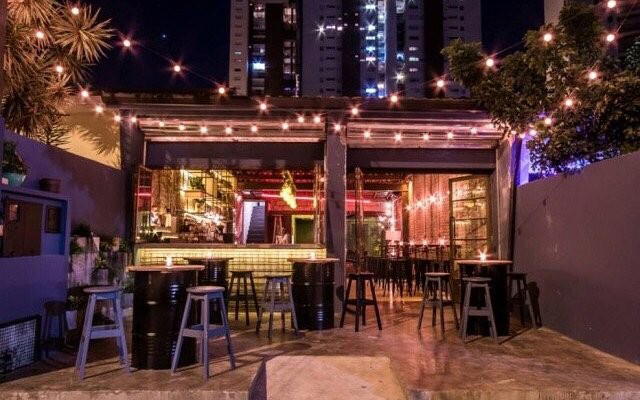
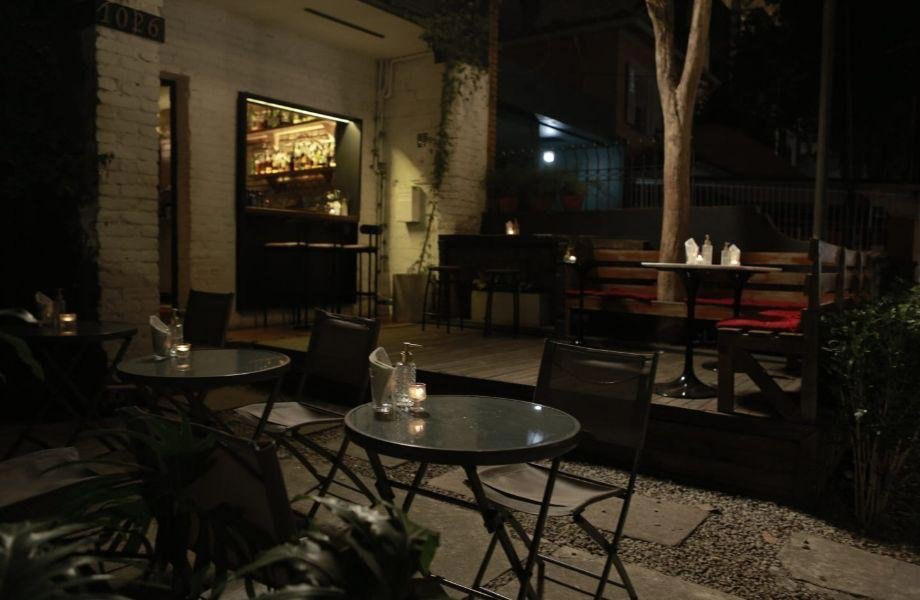
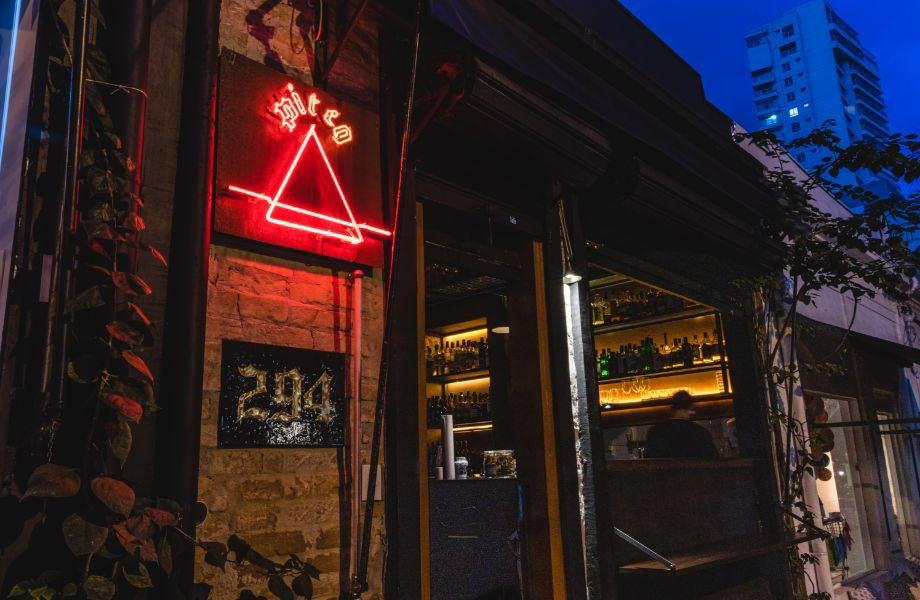
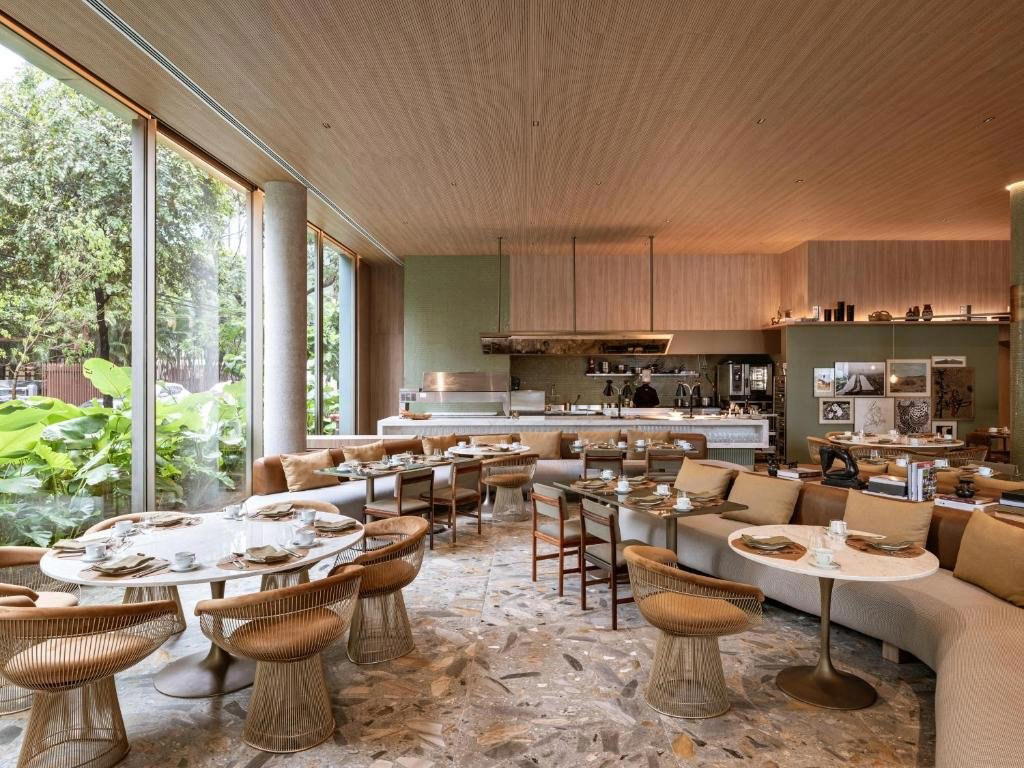
Simple decor with a welcoming atmosphere centered around the sushi bar, good lighting, and friendly energetic service.