KPOT Korean BBQ & Hot Pot
KPOT Korean BBQ & Hot Pot brings the interactive Korean tabletop cooking tradition to Towson, Maryland, combining grilled meats and simmering broths at 10 W Pennsylvania Ave. The format puts cooking in the hands of the diner, drawing on a dual-concept model that has expanded rapidly across American cities. It sits in a mid-casual price tier that makes the Korean BBQ and hot pot traditions broadly accessible.
Pearl is the En Primeur Club membership app — saves, bookings, and concierge access live there. Same editors, same standards.
- Address
- 10 W Pennsylvania Ave, Towson, MD 21204
- Phone
- +14108268888
- Website
- thekpot.com
- Directions
- Get directions
 Saves & bookings on Pearl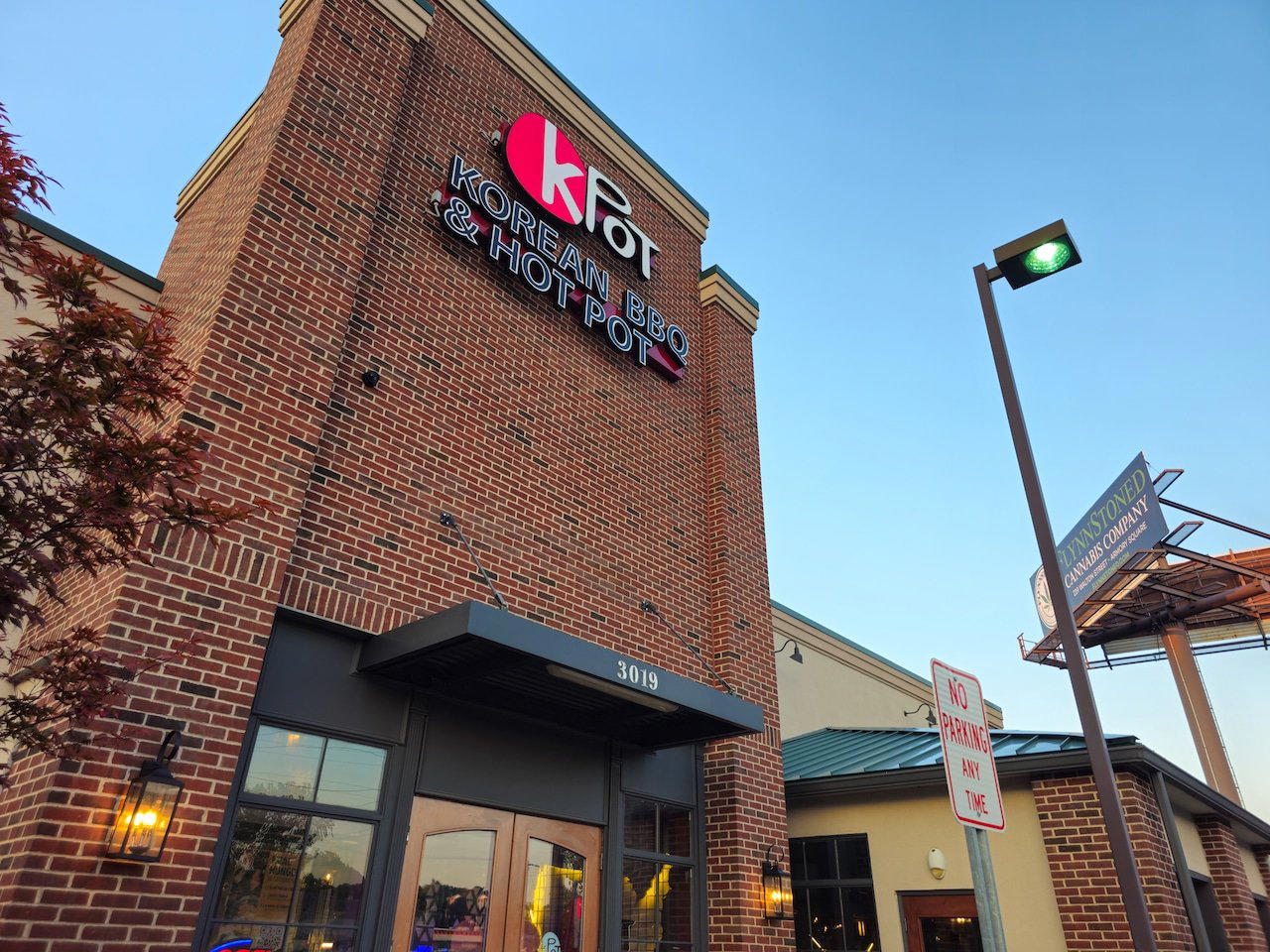
Two Traditions, One Table: The Korean BBQ and Hot Pot Format in America
The smoke that rises from a Korean barbecue grill has a specific cultural grammar. In Seoul, the tabletop grill is less a cooking method than a social contract: everyone participates, the meal extends over hours, and the food arrives not as a finished product but as an ongoing project shared among the people seated around it. Hot pot carries a parallel logic, rooted in communal traditions across Korea and broader East Asia, where a shared simmering broth becomes the centerpiece of a meal that builds in complexity as ingredients are added course by course. KPOT Korean BBQ & Hot Pot, located at 10 W Pennsylvania Ave in Towson, Maryland, sits within the wave of dual-concept restaurants that have brought both formats together under one roof for American diners.
That dual-concept model, combining Korean BBQ grills and hot pot vessels at the same table, is a relatively recent innovation in the American market. Traditional Korean BBQ houses and hot pot restaurants in the United States have historically operated as separate categories, each with its own specialist following. The KPOT format collapses that distinction, giving diners the option to grill, braise in broth, or do both simultaneously. It is a format that has expanded steadily into suburban markets across the mid-Atlantic and beyond, reflecting a broader appetite for participatory dining that moved well beyond major Korean-American population centers into mid-sized cities like Towson.
The Cultural Roots of What Arrives at the Table
Korean barbecue as a formalized dining tradition has roots in gui, the Korean word for grilled dishes, with bulgogi (thin-sliced marinated beef) and galbi (short ribs) representing the most recognized preparations internationally. The grill-at-table format became a defining feature of Korean restaurant culture in the twentieth century, eventually traveling with Korean diaspora communities to the United States and establishing strongholds in Los Angeles, New York, and later cities like Chicago and Atlanta. The American version evolved its own conventions: larger portion formats, all-you-can-eat pricing structures at many venues, and the integration of side dishes (banchan) that in Korea would arrive as a matter of course with any meal.
Hot pot traditions, meanwhile, draw from a different but parallel cultural lineage. Korean jeongol and shabu-shabu-style preparations share ancestry with Chinese hot pot formats, and the communal broth vessel has become a fixture across multiple East and Southeast Asian dining cultures. In the American market, Sichuan-style mala hot pot and Japanese shabu-shabu have each developed their own dedicated followings, while Korean-inflected broths occupy a distinct flavor register, often built on anchovy, kelp, or doenjang (fermented soybean paste) bases. The KPOT format draws on this broader tradition, offering diners a choice of broth styles that map onto recognizable Korean flavor profiles.
What the dual-concept format does culturally is lower the entry threshold for diners who may be more familiar with one tradition than the other. A table that has experience with Japanese hot pot can approach the Korean broth side with existing frame of reference; a table comfortable with Chinese barbecue finds the grill format immediately legible. This cross-cultural legibility has been part of what has driven the format's expansion in suburban American markets, where the audience for any single specialist cuisine is smaller than in dense urban centers.
Towson's Position in the Broader Dining Picture
Towson operates as Baltimore County's commercial center, drawing a dining audience that includes university students, suburban families, and professionals who work in the county seat's office and government corridors. The dining scene here trends toward accessible mid-casual formats rather than the destination-dining category occupied by restaurants like The Inn at Little Washington or the tasting-menu tier represented by venues such as Atomix in New York City, Alinea in Chicago, or Le Bernardin in New York City. Within Towson itself, the restaurant range spans from neighborhood staples like Towson Diner and Orchard Market & Café to more polished casual options like 7 West Bistro Grille. KPOT occupies a distinct category within this set: an interactive group dining format with no close local equivalent in the immediate area.
That absence of direct competition locally matters for how KPOT functions in the Towson market. In cities with dense Korean-American communities, Korean BBQ is one option among many, with diners able to compare quality across multiple specialists. In Towson, the format itself is the draw, and KPOT operates as the primary point of access to the Korean tabletop tradition for a significant portion of its audience. This is a different commercial and cultural position than the same concept would hold in, say, Los Angeles or the D.C. metro area, where Korean BBQ houses range from quick-service to high-end specialist. The contrast with destination-tier American restaurants like Blue Hill at Stone Barns, Single Thread Farm in Healdsburg, or The French Laundry underscores how different the target experience is: KPOT is about participation and group energy, not refinement or quiet contemplation. See our full Towson restaurants guide for a broader picture of where the city's dining options cluster by format and price tier.
The Participatory Dining Argument
The strongest case for the Korean BBQ and hot pot format is not about the food in isolation. The argument is structural: it is one of the few dining formats in the mid-casual price tier that actively requires the table to engage with each other and with the meal. In a dining culture where most restaurants deliver finished plates, the tabletop grill and shared broth vessel restore a degree of collective agency that is otherwise mostly absent outside high-end chef's table formats at venues like Lazy Bear in San Francisco or Bacchanalia in Atlanta. The comparison is instructive precisely because it cuts across price tiers: participation and engagement are not exclusive to expensive dining.
For groups, the format resolves a common restaurant problem: what to order when the table has divergent preferences. The combination of grill and hot pot, with multiple protein, vegetable, and broth options available simultaneously, creates a wide enough selection that most dietary preferences can be accommodated without the menu negotiation that a single-focus restaurant requires. This is not a trivial feature in a suburban dining market where group dining is a primary occasion type. Other notable American restaurants taking a similarly ingredient-driven but more rarefied approach include Addison in San Diego, Providence in Los Angeles, Brutø in Denver, Emeril's in New Orleans, and 8½ Otto e Mezzo Bombana in Hong Kong, though all operate in an entirely different register from KPOT's accessible, group-oriented model.
Planning Your Visit
KPOT Korean BBQ & Hot Pot is located at 10 W Pennsylvania Ave, Towson, MD 21204, in the commercial core of downtown Towson and within walking distance of Towson Town Center. The venue sits in the participatory dining category, where the meal is paced by the table rather than by kitchen timing, so build in more time than a standard sit-down restaurant visit would require. Groups of four or more will get the most from the format, as the range of proteins, broths, and side options scales naturally with table size.
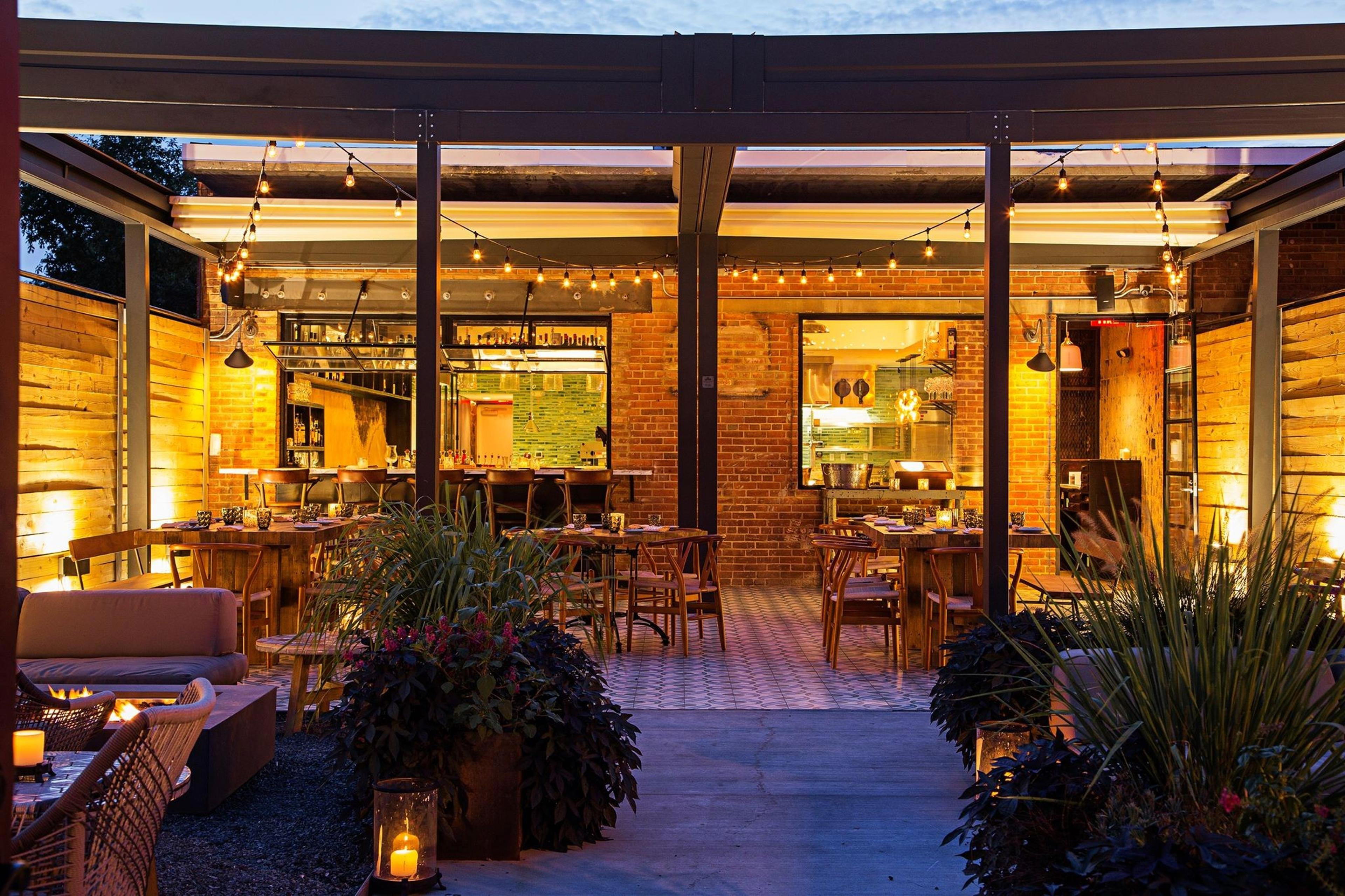
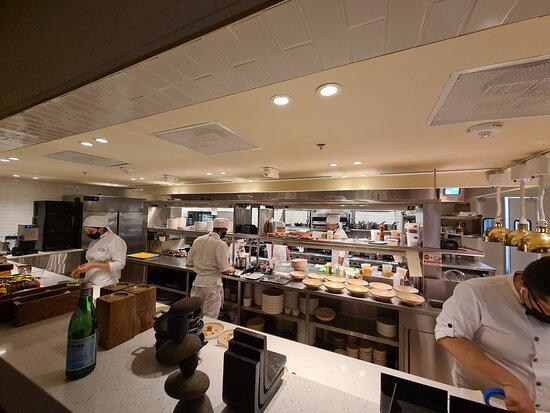
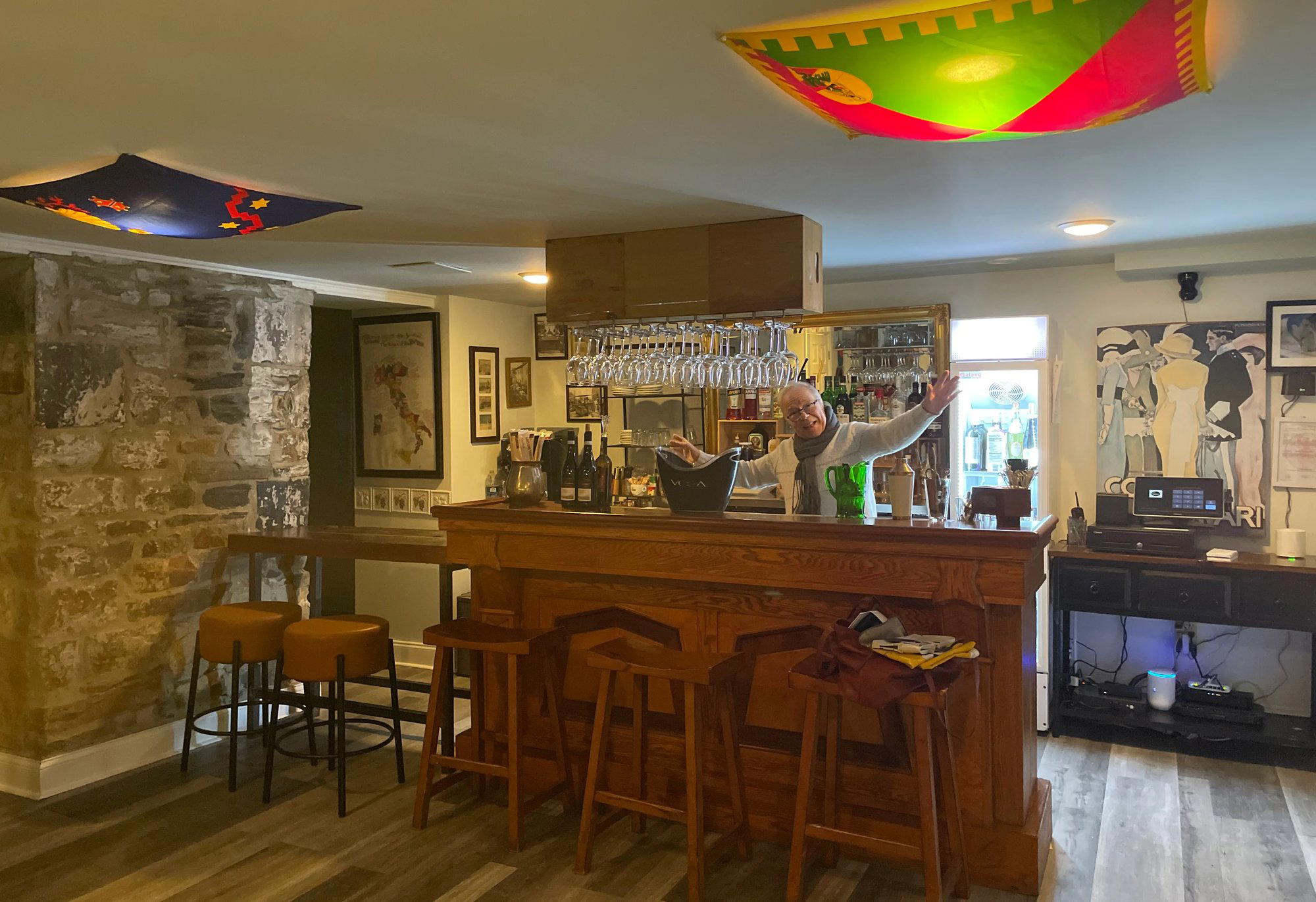

At a Glance
- Lively
- Trendy
- Energetic
- Group Dining
- Family
- Casual Hangout
- Open Kitchen
- Sake Program
Current opening hours
- Monday
- 12–10:30 PM
- Tuesday
- 12–10:30 PM
- Wednesday
- 12–10:30 PM
- Thursday
- 12–10:30 PM
- Friday
- 12–11:30 PM
- Saturday
- 12–11:30 PM
- Sunday
- 12–10:30 PM
Hours can change for holidays and private events. Last verified .
Lively and lively nightlife atmosphere with a fun, hands-on dining setup.
Know Before You Go
- Getting there
- 10 W Pennsylvania Ave, Towson, MD 21204