
Tabelog 100 #66
Our verdict
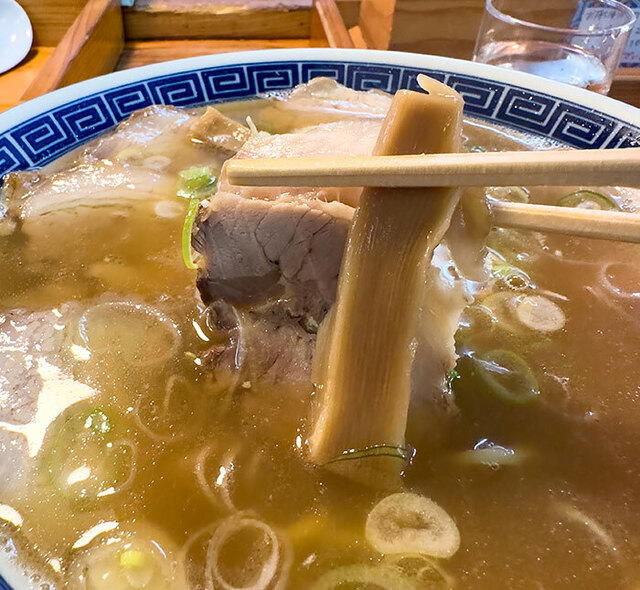
Kourai Dojo is a Nagoya ramen counter in Chikusa Ward with a Tabelog Ramen AICHI 100 selection for 2025 and a compact counter format. The appeal is not luxury theater but disciplined local reputation: a short lunch service, modest pricing, and a room built for focused bowls rather than lingering.

Pearl is the En Primeur Club membership app, where members save venues, book tables and use the concierge.
The menu
What to order
- Kourai-kei ramen with root-vegetable broth
- Taiwan ramen
- Miso nikomi udon
- Nagoya curry udon
Approaching a serious ramen stop in Nagoya is a different proposition from entering the city’s more formal dining rooms. The clues are smaller: a line that forms around lunch, a format built for purposeful eating, and the quiet concentration of diners who have come for one category rather than a broad menu. Kourai Dojo belongs to that mode of dining, where discipline matters as much as reputation.
Nagoya’s dining identity often gets flattened into familiar local staples and coffee-shop morning sets, but ramen is where the city’s everyday precision becomes easiest to read. A focused ramen shop has to make its argument quickly. There is little space for decorative service, wine-pairing language, or chef mythology. Recognition, when it arrives, tends to reward consistency over spectacle. Selection through Tabelog’s ramen recognition in 2025 places this Nagoya address inside a competitive local field, not a generic tourist checklist.
A counter format that suits Nagoya's serious lunch rhythm
The compact format is part of the point. The experience is narrow: order, eat, and make room for the next diner. That rhythm is common across Japan’s stronger ramen culture, but in Nagoya it has a particular clarity because many compelling meals sit outside the city’s more formal dining orbit. The better comparison is not a tasting-menu restaurant, but the category of specialist shops that ask diners to judge broth, noodle texture, seasoning, and pace without much narrative assistance.
That is also why awards in this category carry a different meaning from Michelin-style fine dining. A Tabelog 100 ramen selection signals sustained local attention within a crowded field of everyday specialists. The score attached to the listing, 3.64, should be read in the Japanese user-review context, where incremental differences often matter more than broad star language. For travelers, the useful takeaway is practical and critical at once: this is a low-price, narrow-format ramen meal with recognition from a platform used heavily by Japanese diners.
The local comparison set helps define the lane. Ramen Kanade sits in the same broad ramen conversation, while Yaki Tonkatsu Taira occupies a casual comfort-food category. ヴィチーノ, ラ・ドゥ―ル, and PIERRE PRECIEUSE Honten point to how wide Nagoya’s neighborhood dining map becomes once the search moves beyond central hotel restaurants. Kourai Dojo is part of that broader ecosystem: a specialist stop, not an all-evening destination.
Recognition matters more when the format is this narrow
Ramen awards can be easy to misuse. They are not a promise of luxury, and they do not turn a short ramen meal into a destination restaurant in the formal sense. Their value is sharper than that: they identify shops that have earned attention in a category where repetition exposes weakness. A ramen kitchen cannot hide behind a long menu. The bowl is the argument, and the room gives it little cover.
For international travelers building a Nagoya itinerary, that makes this kind of address useful in a way that differs from a reservation-led restaurant. It can anchor a daytime food route through Nagoya, then leave the evening free for another register of the city, from casual specialists to bars or hotel dining. Readers comparing categories can use Our full Nagoya restaurants guide for the broader dining field, Our full Nagoya hotels guide for where to stay, Our full Nagoya bars guide for the after-dinner map, Our full Nagoya wineries guide for wine-focused planning, and Our full Nagoya experiences guide for context beyond restaurants.
The appeal is strongest for diners who understand ramen as a specialist craft rather than a casual fallback. The focused setting suits solo diners and small parties better than ceremonial occasions. The better expectation is efficiency, focus, and a meal that reflects Nagoya’s neighborhood confidence rather than a staged performance. Its listed price band, JPY 1,000 - JPY 1,999, keeps the decision grounded for travelers who want a recognized ramen stop without turning lunch into a major commitment.
How to place it inside a Japan food trip
Japan’s regional dining routes reward calibration. A ramen stop in Nagoya should not be judged against more formal dining rooms in other Japanese cities. It belongs beside other precise, category-led meals: specialist shops, casual counters, and compact food venues where the format strips the experience down to one central promise. For that broader reading, compare the specialist logic of unnamed dining rooms and compact food shops across Japan. Each may sit in a different city and category, but the editorial question is similar: how much can a narrow format communicate when it is run with discipline?
Within EP Club’s wider restaurant coverage, that lens also explains why seemingly modest addresses sit beside more elaborate dining rooms. A traveler moving through Japan might compare the casual specificity of other neighborhood cafes, small counters, grill-focused rooms, and specialist kitchens not by cuisine, but by purpose. Some meals are anchors; others are tactical stops that reveal how a city eats between appointments.
Kourai Dojo is in the latter camp, and that is not a lesser role. Nagoya rewards diners who build days from small, exact meals rather than saving appetite for a single grand dinner. The address works as a tightly framed ramen stop with credible local recognition and a price tier that keeps the decision grounded. For a broader comparison across EP Club’s dining archive, readers can look across other unnamed casual and formal addresses, then return to Nagoya with the right question: not where to spend longest, but where the city’s everyday standards are clearest.
Frequently asked questions
Is Kourai Dojo good for families?
Kourai Dojo is a focused ramen stop in Nagoya. Travelers visiting with family should check the venue's official channels for the latest details before going.
What kind of setting is Kourai Dojo?
It is a ramen venue in Nagoya. Its 2025 Tabelog ramen recognition gives it a clear trust signal, and its listed score is 3.64.
What's the price range at Kourai Dojo?
Pricing at Kourai Dojo is listed as JPY 1,000 - JPY 1,999.
What is Kourai Dojo known for?
Kourai Dojo is known as a ramen venue in Nagoya with Tabelog ramen recognition in 2025.
Price and Positioning
Comparable venues at the same tier.
| Venue | Cuisine | Price | Awards | Notes |
|---|---|---|---|---|
| Kourai DojoThis venue (the venue you are viewing) | Nagoya Kourai-kei ramen | $10–20 | Tabelog 100 #66 | Not listed |
| Ramen Dai Nagoya ten | Jiro-style Ramen Shop | $10–20 | Tabelog 100 #32 | Naka, Jiro-style Ramen Shop |
| Ramen mellow | Ramen shop | Not listed | Tabelog 100 #3 | Midori, Ramen shop |
| Tsukemen Maruwa Haruta honten | Tsukemen and ramen shop | $10–20 | Tabelog 100 #69 | Nakagawa, Tsukemen and ramen shop |
| Chuka Soba Mugi no Hoshi | Traditional Japanese ramen (chuka soba) | $10–20 | Tabelog 100 #29 | Naka, Traditional Japanese ramen (chuka soba) |
| Tsutsui Shogetsu | Japanese Traditional Sweets | Not listed | Tabelog 100 #55 | Higashi, Japanese Traditional Sweets |
Recognition history
Dated appearances from independent guides and award organizations, with the underlying list record or original source where available.
Tabelog 100 #66 · No. 66
Tabelog · Tabelog 100 - Ramen - AICHI - 2025
Continue exploring
More in Nagoya
Restaurants in Nagoya
All restaurants in Nagoya →



Details
- Classic
- Solo
- Casual Hangout
- After Work
- Standalone
- Local Sourcing
- A La Carte
- Counter Dining
Current opening hours
- Monday
- 11 AM–2 PM
- Tuesday
- 11 AM–2 PM
- Wednesday
- 11 AM–2 PM
- Thursday
- 11 AM–2 PM
- Friday
- 11 AM–2 PM
- Saturday
- 11 AM–2 PM
- Sunday
- Closed
Hours can change for holidays and private events. Hours as of .
Simple, no-frills counter ramen shop with a classic local-institution feel; guests queue for lunch in a lively, efficient atmosphere focused entirely on the deeply aromatic broth rather than decor.