
Koubai Dou gives Shingu’s wagashi culture a serious reference point rather than a casual snack stop. Its Tabelog 100 selection for Japanese traditional sweets in West Japan places it in a regional conversation where ingredient handling, shelf life, take-out discipline, and local gifting customs matter as much as café comfort.
Pearl is the En Primeur Club membership app — saves, bookings, and concierge access live there. Same editors, same standards.
- Address
- 3 Chome-3-4 Ohashidori, Shingu, Wakayama 647-0004, Japan
- Phone
- +81 735-22-3132
- Website
- suzuyaki.jp
- Directions
- Get directions
 Saves & bookings on Pearl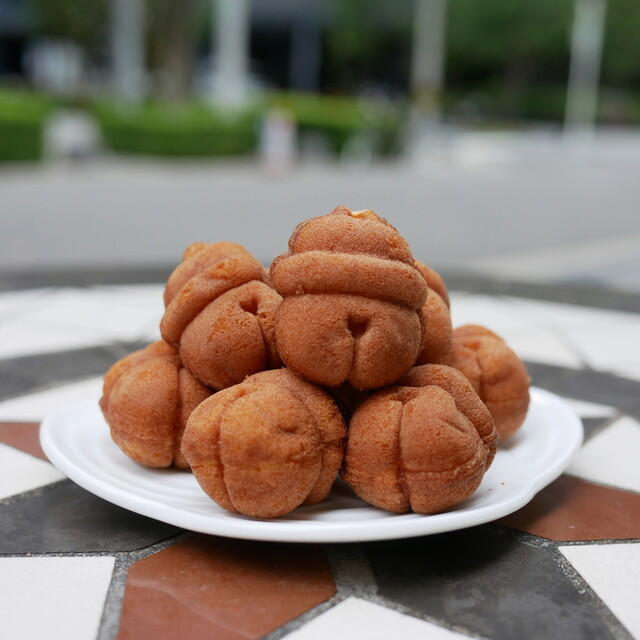
Approaching a traditional sweets shop in a pilgrimage city changes the terms of appetite. Shingu is not Osaka or Kyoto, where wagashi can become a choreographed tea-room performance; it is a Kumano gateway city, practical in rhythm, tied to visitors moving between shrines, stations, family errands, and boxes carried home. Koubai Dou belongs to that everyday side of Japanese confectionery, where the object is not spectacle but precision: a sweet that travels, presents cleanly, and says something about place without turning place into theatre.
That distinction matters in Wakayama. The prefecture’s food identity is often discussed through fruit, soy, fish, and mountain routes, but wagashi adds another register: preservation, gifting, seasonality, and the craft of making small things consistent. In that context, recognition in the 2023 Tabelog 100 for Japanese traditional sweets and Japanese sweets cafés in West Japan is not a decorative badge. It places a Shingu address inside a category usually dominated by larger culinary markets and older tourist circuits.
Shingu wagashi, judged by craft rather than ceremony
Japanese traditional sweets reward a different kind of scrutiny from restaurant dining. There is no tasting-menu arc to hide behind, no wine pairing, no dining room drama. The craft sits in proportion, texture, sweetness, packaging, and timing. For a shop operating in the wagashi category with a take-out format, the standard is especially unforgiving: the sweet has to hold its shape and identity after it leaves the counter.
Koubai Dou’s position is useful because it shows how Shingu’s food culture works at a smaller scale. The city sits on the Kumano Kodo travel map, but its serious eating is not limited to formal meals. A sweets counter can carry as much local meaning as a restaurant lunch, particularly in Japan’s regional gift economy, where what gets taken away can matter as much as what gets eaten on site.
The ingredient question is central, even when a shop does not turn sourcing into a public manifesto. Wagashi depends on staples that look simple until mishandled: beans, sugar, rice flour, wheat, eggs, citrus, nuts, starches, and seasonal aromatics across the broader tradition. The craft lies in restraint. Sweetness has to support structure rather than flatten it. Moisture has to be managed for the journey home. Shelf life is not a secondary matter; it shapes the entire form.
That is why a modest price tier can be misleading for international travellers. In Japan, a low spend does not automatically signal a casual standard. It can mean the format is narrow, the portioning is controlled, and the value sits in repetition rather than luxury theatre. Koubai Dou operates in that grammar: serious enough to appear on a regional Tabelog 100 list, accessible enough to fit naturally into a Shingu day rather than requiring a destination-dining plan.
Why the Tabelog 100 signal matters in a smaller city
Tabelog’s Hyakumeiten lists are useful because they separate category specialists from general popularity. A sweets shop in Shingu selected for the West Japan Japanese traditional sweets list is being read against peers across a broader region, not only against nearby cafés. That comparison is the point. Shingu does not have the density of Kyoto’s confectionery quarters or Osaka’s department-store basement ecosystem, so a recognized wagashi address carries more weight in the city’s dining map.
The contrast with nearby and out-of-metro references is instructive. Fukubishi Kagerou Cafe sits in a similar casual spending band, but the café framing changes the reader’s expectations toward sit-down ease and tourist pacing. SÉN, listed as innovative and ¥¥¥, belongs to a different conversation entirely, where format and ambition push closer to contemporary destination dining. Pescatore, at a higher listed spend, signals the coastal-restaurant lane rather than the confectionery lane. The restaurant is narrower, and that narrowness is its editorial value: it represents a craft category rather than a broad hospitality proposition.
For travellers building a Shingu itinerary, this also corrects a common planning error. The region is often approached through shrine visits and train logistics first, with food treated as whatever fits between transfers. A recognized wagashi shop asks for a different lens. It turns a snack purchase into a reading of local culture: what people give, what survives transport, what sweetness level works outside a restaurant setting, and how a small city participates in a national craft tradition.
Readers mapping the wider area can place it alongside our full Shingu restaurants guide, then widen the trip with our full Shingu hotels guide, our full Shingu bars guide, our full Shingu wineries guide, and our full Shingu experiences guide. For a broader Japan dining comparison, see -Grilled beef Sukiyaki- KAMAKURA TANUKIAN 鎌倉 たぬき庵 in Kamakura, . 鮪と炭火焼き うお炭 秋葉原店 in Tokyo, .cafe in Osaka, .know in Kumamoto, (Shoku) Vietnam in Kawasaki, [Curry Senmon Ten] Maruyama Kyoju. in Sapporo, [ki:] in Kyoto, #肉といえば松田 奈良本店 in Kashihara, 1/3 HAMBURGER FACTORY in Kanazawa, 1000 in Yokohama, 1000mヒュッテ 1000m Hut in Kutchan, Jōdo Saké Bar in Los Angeles, and Onigiri Time in Pasadena.
The reader decision: a small-format stop with serious regional weight
The strongest reason to pay attention here is not breadth. It is category clarity. In cities with heavy tourism traffic, sweets shops can drift toward souvenir volume or café styling. Shingu’s more restrained pace makes the old function of wagashi easier to read: a compact purchase, a giftable object, a pause between movement and obligation. The restaurant fits that pattern while carrying a recognition signal that lifts it above a purely local errand.
This is not the address to assess by the standards of a long lunch or a chef-led counter. It belongs to the part of Japanese food culture where repetition is reputation. The useful question is not how many choices appear, but whether the shop gives travellers access to a regional craft form with enough credibility to justify planning around it. On that measure, its Tabelog 100 selection, traditional sweets category, take-out service, and Shingu location make a coherent case.
Comparison Snapshot
Comparable venues by cuisine and price in the same metro.
| Venue | Cuisine | Price | Notes |
|---|---|---|---|
| Koubai Dou | Japanese wagashi (traditional sweets) shop | $ | Shingu |
| 中華そば 速水 | 和歌山ラーメン | $ | 緑ヶ丘 |
| Maki no Udon (牧のうどん 空港店) | Traditional Fukuoka Kamaage Udon | $ | Hakata |
| Numazu Gyoza Nomiseko Taguchitei | Numazu Gyoza Standing Bar | $ | Numazu Station area |
| Miyazato Soba (宮里そば) | Okinawan Soba | $ | Miyazato |
| ラーメン チョンマゲ 大阪天六店 | Traditional Japanese Soy Sauce Ramen | $ | Tenjinbashi |
Recognition history
Dated appearances from independent guides and award organizations, with the underlying list record or original source where available.
Tabelog 100 #55 · No. 55
Tabelog · Tabelog 100 - Japanese traditional sweets / Japanese sweets cafe - WEST - 2023
Continue exploring
More in Shingu
Restaurants in Shingu
Browse all →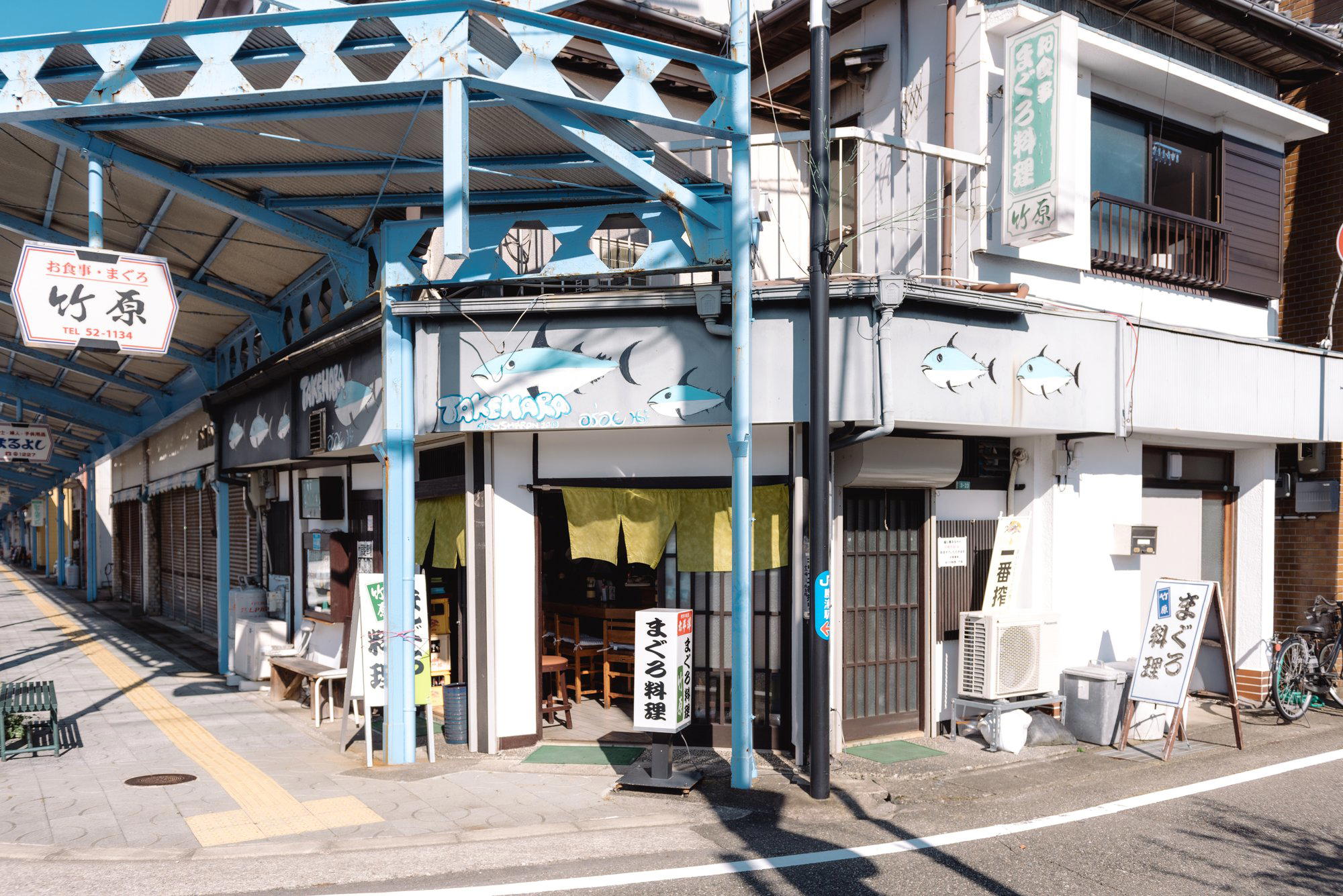
At a Glance
- Classic
- Cozy
- Quiet
- Solo
- Family
- Casual Hangout
- After Work
- Standalone
Current opening hours
- Monday
- 9 AM–9 PM
- Tuesday
- Closed
- Wednesday
- 9 AM–9 PM
- Thursday
- 9 AM–9 PM
- Friday
- 9 AM–9 PM
- Saturday
- 9 AM–9 PM
- Sunday
- 9 AM–5:30 PM
Hours can change for holidays and private events. Last verified .